Our verdict
Café Orient sits on Neubaugasse in Vienna's 7th district, a neighbourhood where independent hospitality has long operated at a different frequency than the city's grand café circuit. The address places it within walking distance of the Museumsquartier cluster, in a stretch of the street that rewards those who read menus posted in windows rather than consulting reservation platforms first.

The menu
What to order
- Falafel
- Chicken shawarma
- Hummus
- Syrian baklava
- Turmeric egg breakfast
Where the 7th District Sets Its Own Terms
Vienna's dining identity is often narrated through its first district, the Palais dining rooms, the grand Kaffeehaus tradition, the white-tablecloth formality that the city has exported as cultural currency for two centuries. But the 7th district, Neubau, has been writing a parallel story. Neubaugasse in particular functions as a kind of counter-programming: a street where the operators tend to be owner-present, the formats lean smaller, and the relationship between a room and its neighbourhood is more immediate than in the tourist-facing centre. Café Orient, at number 59, occupies this territory.
The address itself tells you something about the competitive set. This is not the world of Steirereck im Stadtpark, where a reservation requires planning months in advance and the menu follows a formal tasting architecture with brigade service. Nor does it belong to the tier occupied by Konstantin Filippou or Mraz & Sohn, where Modern European technique and creative ambition attract Michelin attention. Café Orient operates in a different register, the kind of place that a neighbourhood claims before the food press does.
The Neubau Context and What It Produces
The 7th district has absorbed successive waves of creative and independent business since at least the 1990s. The density of design studios, vintage dealers, and small-format hospitality along Neubaugasse and its side streets has produced a particular kind of guest: one who is comfortable with less ceremony, more interested in character than category, and inclined to return regularly rather than treat a dinner as an event. That guest profile shapes what operators in the area serve and how they serve it.
In cities where dining culture is strong enough to sustain real neighbourhood infrastructure, as opposed to a single prestige corridor, this middle tier matters. Vienna has that infrastructure. Between the Amador-level creative fine dining and the Würstelstand, there is a substantial and serious mid-market that the 7th district exemplifies. Café Orient sits within that band, at a Neubaugasse address that connects it physically and culturally to the independent hospitality cluster the street has built over decades.
Reading the Meal as Sequence
The editorial angle that makes most sense for a café-format venue in this part of Vienna is the one that treats the experience as a progression rather than a single transaction. In the tradition of the Central European café, which has always functioned as more than a coffee stop, the sequence of arrival, order, table time, and departure carries its own logic. You do not rush a café in Vienna. The table is yours for the duration, and the rhythm of what arrives is calibrated accordingly.
That sequencing principle, which Lazy Bear in San Francisco applies with considerable formality and Le Bernardin in New York City executes through classical French pacing, manifests here in a quieter, less choreographed form. The progression at a neighbourhood café in the 7th is experiential rather than theatrical: something to drink while you read the menu, a first course that orients the appetite, a main that anchors the afternoon or evening, and then the question of whether you stay for something sweet and another coffee. Each stage has weight. None of it is incidental.
The name signals an orientation toward the eastern Mediterranean and the Levant, a culinary reference point that has grown more visible in Vienna over the past decade as the city's hospitality scene has absorbed influences from communities with roots across the Middle East, North Africa, and the eastern Aegean. Whether that manifests at Café Orient as a menu of specific dishes or as an ambient cultural register is a question the space itself answers. What the name establishes is a positioning distinct from the schnitzel-and-tafelspitz axis that defines much of Vienna's civic food identity.
How Café Orient Sits Within the Wider Austrian Scene
For context on what the upper register of Austrian hospitality looks like beyond Vienna, the country's serious dining is concentrated in a set of regional houses that have maintained multi-generational reputations: Döllerer in Golling an der Salzach, Obauer in Werfen, and Landhaus Bacher in Mautern an der Donau among them. Alpine venues like Gourmetrestaurant Tannenhof in Sankt Anton am Arlberg, Stüva in Ischgl, and Schwarzer Adler in Hall in Tirol represent a separate tradition rooted in seasonal mountain produce and formal country-house service. Meanwhile, Kräuterreich by Vitus Winkler in Sankt Veit im Pongau, Taubenkobel in Schützen am Gebirge, Ois in Neufelden, and Restaurant 141 by Joachim Jaud in Mieming reflect an emerging generation of destination restaurants working outside the capital.
Café Orient belongs to none of these categories. Its context is the city, the street, and the specific social function of the neighbourhood café, a format that Vienna has developed and protected more deliberately than almost any other European capital. That is its frame of reference, and within that frame it occupies a particular corner of Neubaugasse that has its own logic and its own returning guests.
For the full picture of where Vienna's restaurant scene is moving, see our full Vienna restaurants guide. Creative-register venues like Doubek offer a sense of the neighbourhood-level experimentation that the city's mid-tier is producing beyond the headline addresses.
Know Before You Go
Frequently asked questions
How far ahead should I plan for Café Orient?
No reservation data is confirmed for this address. Given its neighbourhood café format on Neubaugasse in the 7th district, walk-in is plausible, particularly outside weekend peak hours. Vienna's genuinely competitive bookings are concentrated in the Michelin-tracked tier, venues like Mraz & Sohn and Konstantin Filippou require advance planning, while the city's independent café circuit generally does not operate on the same reservation pressure.
What's the signature at Café Orient?
No confirmed signature dishes or chef credentials appear in available data. The eastern Mediterranean orientation implied by the name places the café within a culinary tradition that distinguishes it from the Viennese grand café mainstream and from the creative-Austrian tasting format associated with awarded venues in the city. What that means in practice, specific dishes, a particular preparation style, requires a visit to verify.
How does Café Orient handle allergies?
No phone number or website is currently listed for Café Orient, which limits remote enquiry before visiting. If allergy requirements are a consideration, arriving before peak service hours and speaking directly with staff is the practical approach. Vienna's food culture across most price tiers is generally responsive to dietary requests, though café-format venues may have less menu flexibility than full-service restaurants.
Is Café Orient the kind of place you return to regularly, or is it a one-time destination?
The combination of a neighbourhood address on Neubaugasse, a small-format café structure, and a positioning that reads as owner-operated rather than scaled suggests a venue built for return visits rather than single-occasion dining. In Vienna's 7th district, that is a meaningful distinction: the cafés that develop genuine regulars tend to anchor themselves in a specific street community rather than drawing from across the city. Café Orient's Neubaugasse address places it in a stretch that supports exactly that kind of repeated, low-ceremony use.
Peers Worth Knowing
| Venue | Cuisine | Price | Awards | Notes |
|---|---|---|---|---|
| Café OrientThis venue (the venue you are viewing) | Middle Eastern & Oriental | Not listed | Not listed | Not listed |
| Steirereck im Stadtpark | Modern Austrian Fine Dining | $200–300 | 3 Michelin Stars · World's 50 Best #33 | Creative |
| Konstantin Filippou | Modern Fish-Led Fine Dining | $200–300 | 2 Michelin Stars · La Liste Top Restaurants | Modern European, Modern Cuisine |
| Mraz & Sohn | Contemporary Austrian Fusion | $150–200 | 2 Michelin Stars · La Liste Top Restaurants | Modern Austrian, Creative |
| Silvio Nickol Gourmet Restaurant | Modern Austrian Fine Dining | $300–500 | 2 Michelin Stars · La Liste Top Restaurants | Modern Cuisine |
| APRON | Modern Austrian Fine Dining | $150–200 | 1 Michelin Star · Falstaff Restaurant - 95 Falstaff Points | Austrian, Creative |
Continue exploring
More in Vienna
Restaurants in Vienna
All restaurants in Vienna →
Bars in Vienna
All bars in Vienna →
Details
- Trendy
- Cozy
- Casual
- Casual Hangout
- Solo
- Terrace
- A La Carte
- Fresh Juices
- Coffee
- Vegetarian Friendly
- Vegan Options
- Allergy Accommodating
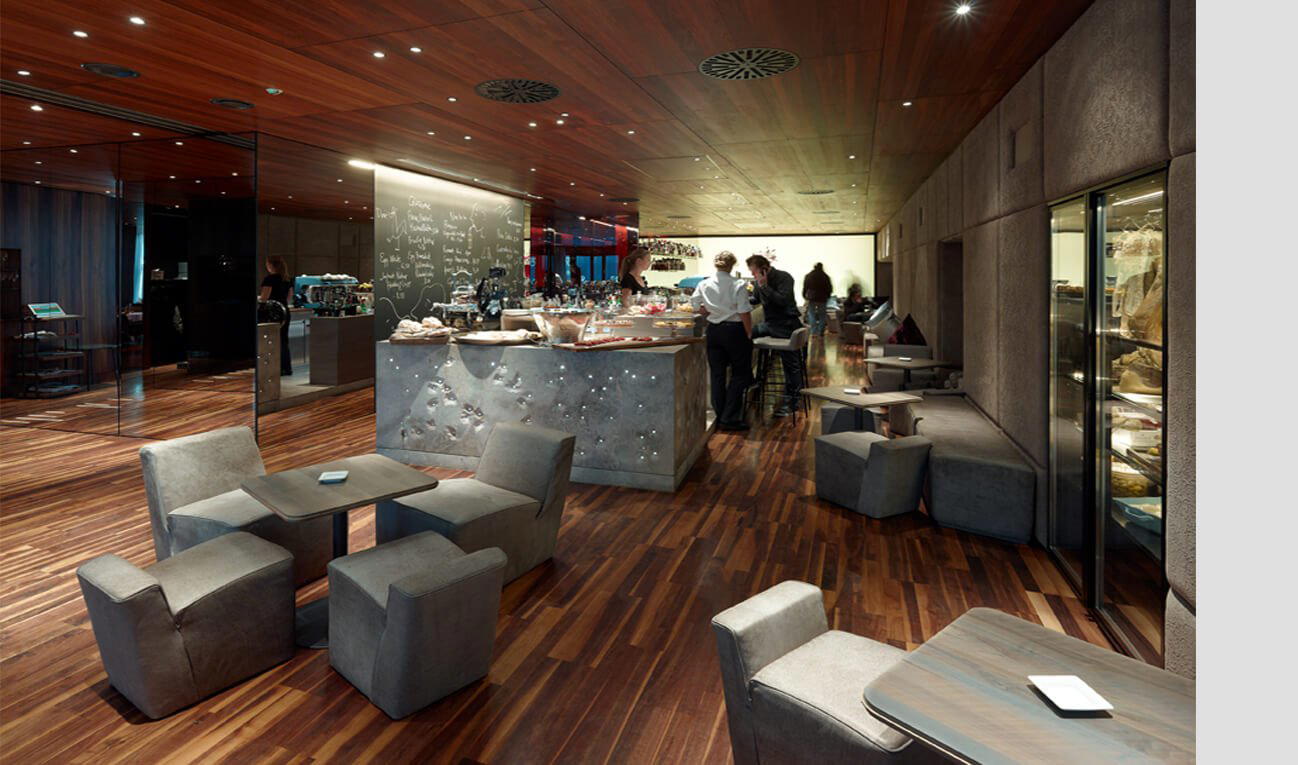
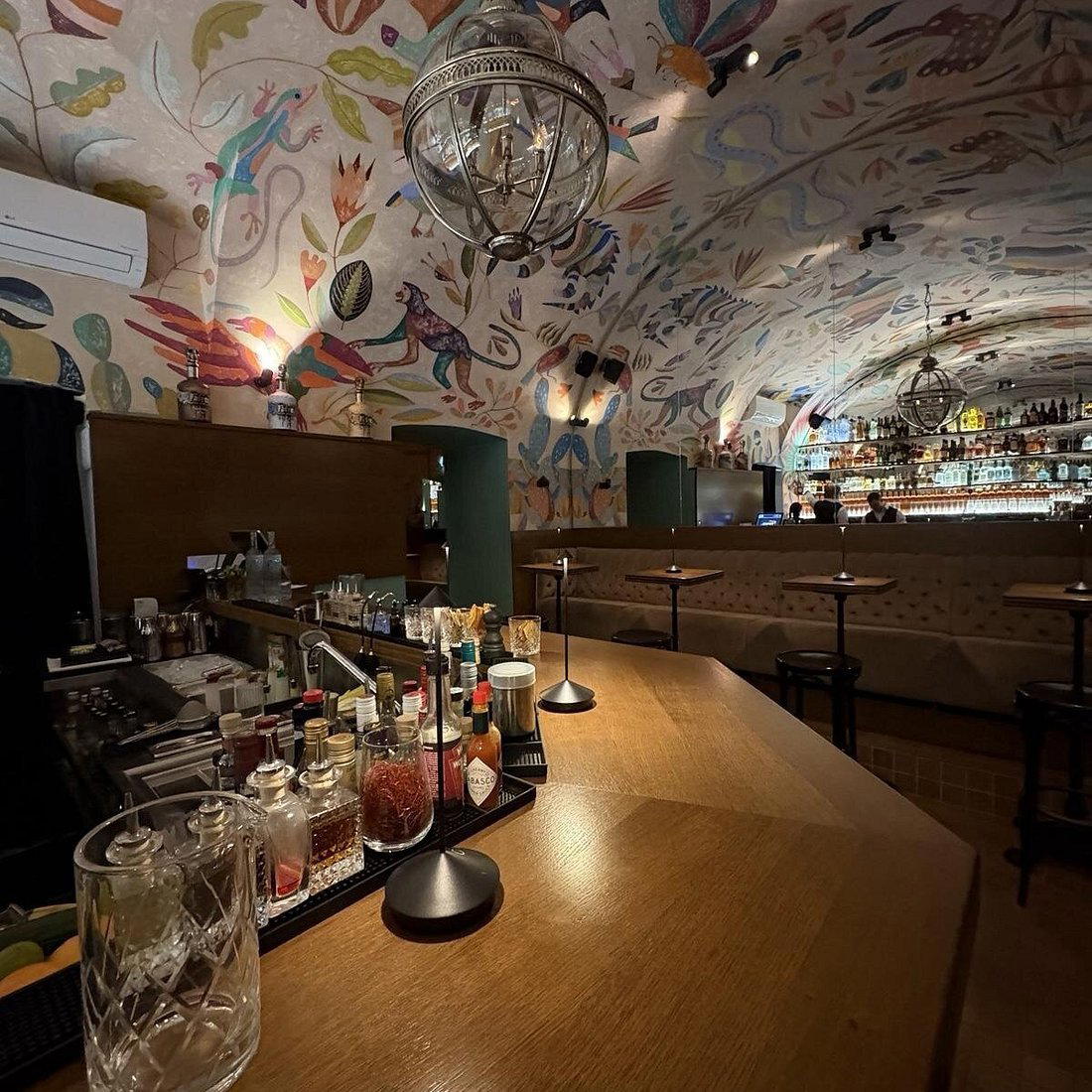
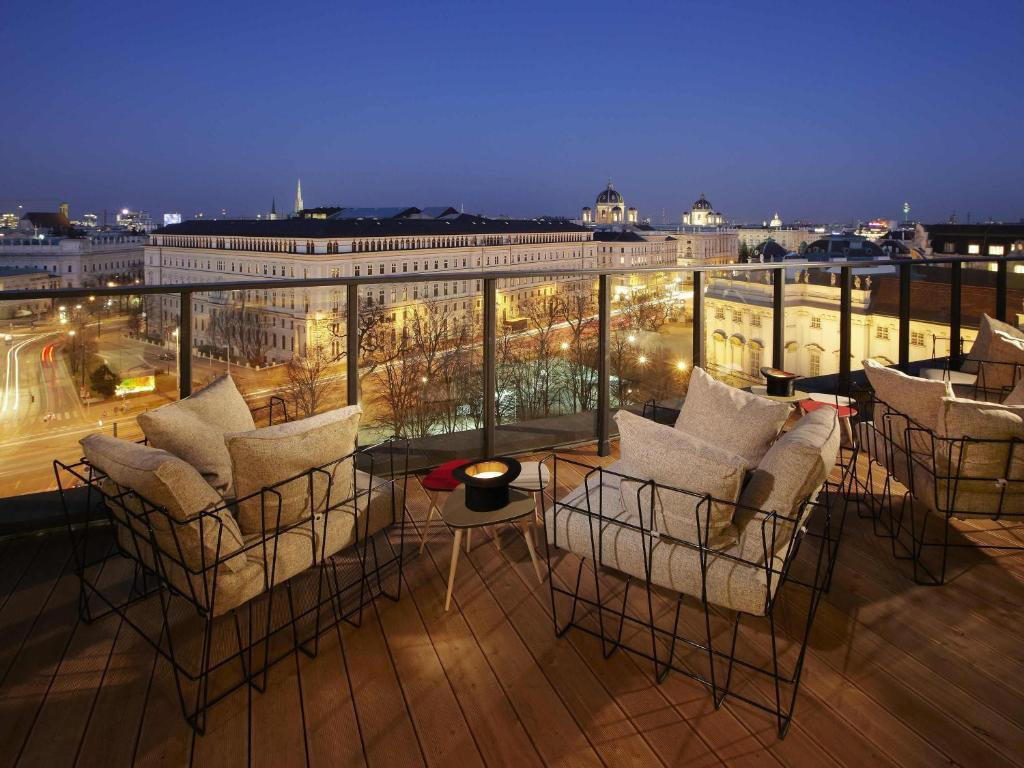
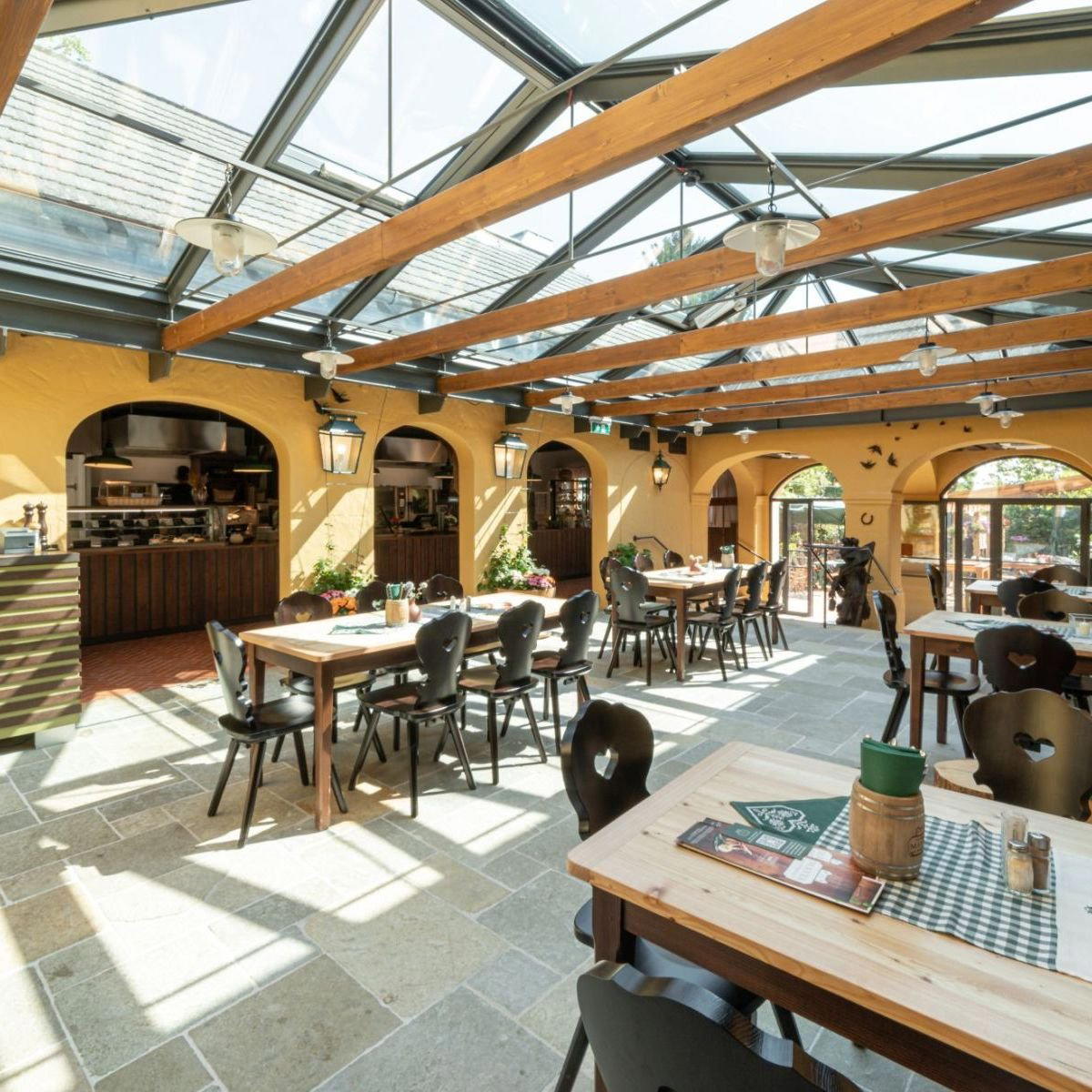
Charming and welcoming with a nice outdoor eating area in a trendy neighborhood; casual and friendly atmosphere with quick service.