Cafe Mitte sits on Freiheitsplatz in central Graz, placing it squarely within the city's café culture at one of its most historically layered squares. Graz has long maintained a serious café tradition that runs parallel to its restaurant scene, and addresses on this square carry neighbourhood weight that few others in Styria match. A reference point for understanding how the city balances everyday hospitality with a genuinely regional identity.
Pearl is the En Primeur Club membership app — saves, bookings, and concierge access live there. Same editors, same standards.
- Address
- Freiheitspl. 2, 8010 Graz, Austria
- Phone
- +43 677 64869116
- Website
- cafemitte.at
- Directions
- Get directions
 Saves & bookings on Pearl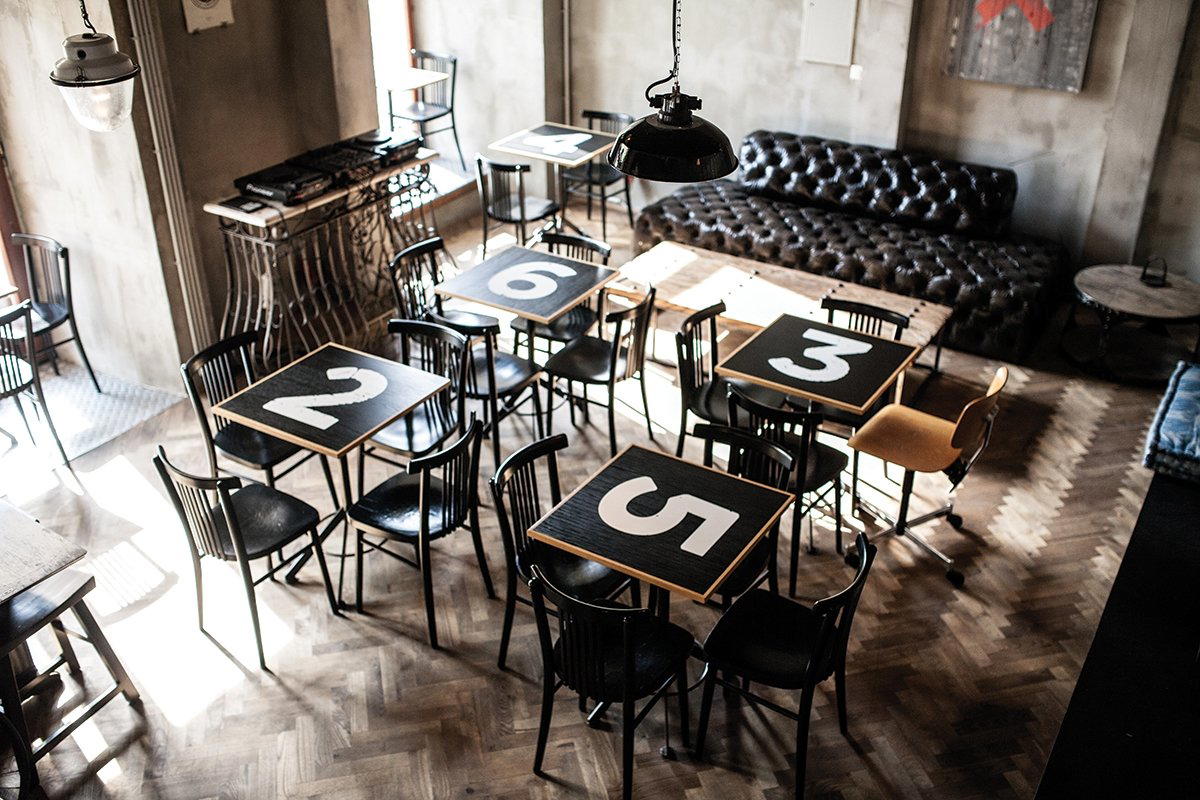
Freiheitsplatz and the Weight of a Central Address
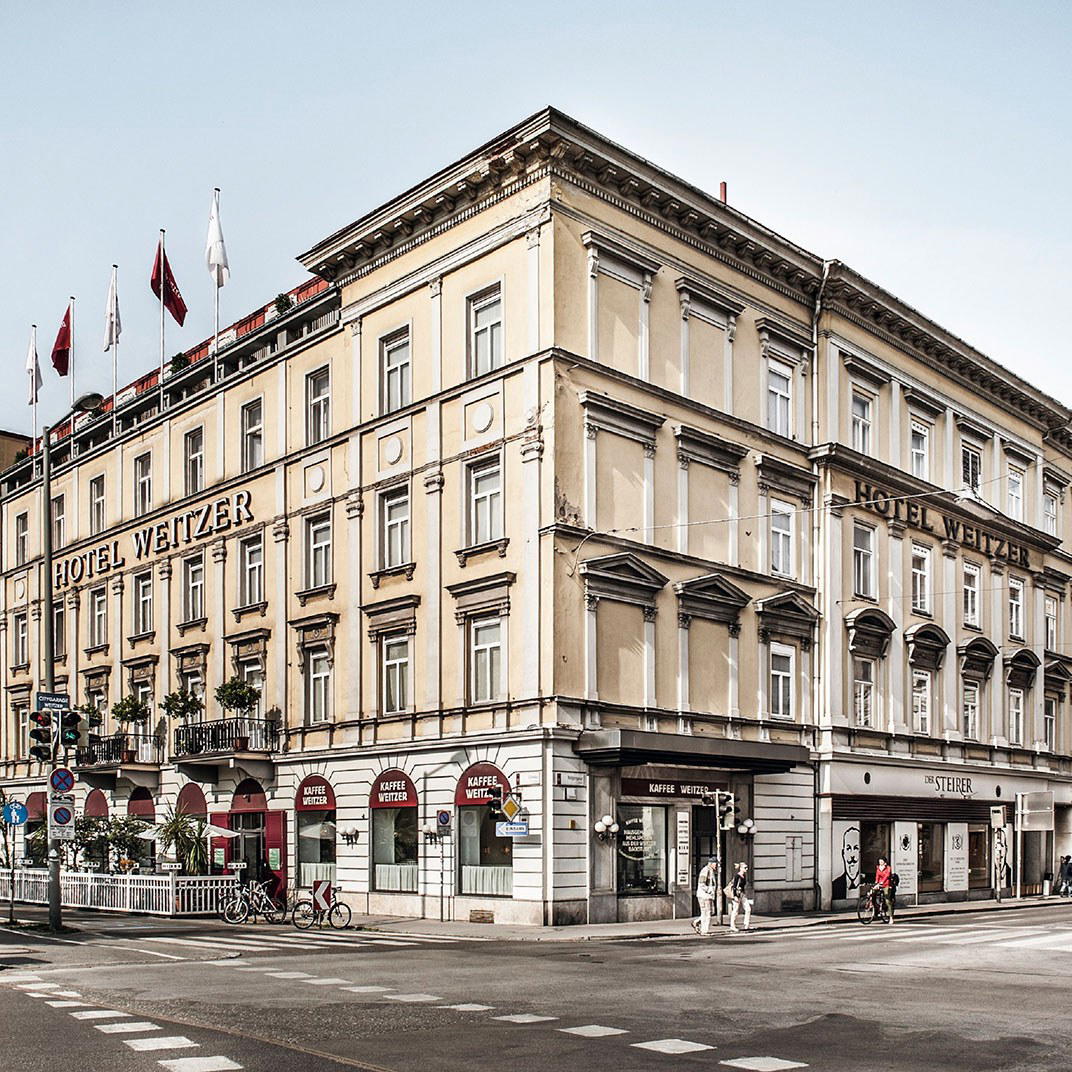
In Graz, location inside the Altstadt carries a specific set of expectations. Freiheitsplatz is not a peripheral square: it sits within the protected UNESCO World Heritage core of the city, flanked by Baroque and Historicist architecture that has shaped the urban identity of Styria's capital for centuries. A café at Freiheitspl. 2 is therefore read against that backdrop before a single order is placed. The square functions as a civic and social anchor, and hospitality venues here operate within a tradition that predates any contemporary concept of branding or positioning. Cafe Mitte occupies that address, and whatever its current format, it inherits the neighbourhood's accumulated character.
Graz's café culture is distinct from Vienna's more ritualised coffeehouse tradition, though the two are often conflated by visitors arriving with Viennese expectations. The Styrian approach tends toward greater informality, with a stronger gravitational pull toward local produce and regional rhythms. Where Vienna's grand cafés were partly designed as salons for intellectual exchange, Graz's central cafés have historically functioned as neighbourhood infrastructure: places where the morning market crowd, the midday professional, and the late afternoon student occupy the same room across different hours. That layering of use across a single day defines the character of a successful central Graz café more than any single design choice or menu decision.
Ingredient Sourcing in the Styrian Context
Styria's reputation as Austria's green larder is not rhetorical. The region produces pumpkin seed oil that carries protected designation of origin status, Schilcher rosé wine from the Weststeiermark, and a density of small farms supplying everything from Vulcano cured meats to Steirisches Kürbiskernöl that would be difficult to replicate in any other Austrian state. For any café or restaurant operating in central Graz, the sourcing question is less about access to regional ingredients and more about the degree to which those ingredients are foregrounded in what reaches the table.
This matters because the Graz dining scene has split in a recognisable direction over the past decade. At one end sit creative tasting-menu formats like Artis (Creative), where sourcing discipline is part of an explicit culinary programme. At the other end, neighbourhood cafés and bistros treat Styrian produce as ambient background rather than stated commitment. The interesting question for any address on Freiheitsplatz is which side of that split it occupies, and how self-consciously it positions itself within Graz's broader conversation about regional identity on the plate. Venues that use local supply chains without announcing them in menu copy often serve that produce more honestly than those that lead with provenance language.
Across Austria more broadly, the sourcing conversation has become increasingly articulated at the fine dining level. Steirereck im Stadtpark in Vienna has spent decades making Austrian regional produce the centrepiece of serious cooking, while destinations like Obauer in Werfen and Landhaus Bacher in Mautern an der Donau have built reputations on similar commitments in their respective regions. In Graz, that same logic filters down to the café tier in a different register: the question is not whether a central café uses Styrian products, but whether it uses them thoughtfully enough that they add something to the experience beyond local decoration.
Reading Graz's Café Scene Against Its comparable set
The central Graz café occupies a distinct competitive position relative to the city's full restaurant range. Venues like Adelphia and Aiola im Schloss operate at a different register of formality, with aiola upstairs adding a rooftop format that competes partly on setting. Arravané sits further along the ambition curve. None of these are the same kind of venue as a café anchored on a historic square, and the comparison matters because it clarifies what a central Graz café is actually competing for: habitual custom, neighbourhood loyalty, and the visitor who wants to understand how the city eats on an ordinary Tuesday rather than a special occasion.
That positioning is not a lesser one. Across European cities with strong regional food cultures, the café that does its sourcing and its hospitality well without theatrics often contributes more to a city's culinary character than destination restaurants that absorb visitors into a curated experience. The comparison is instructive: at the tasting-menu end of the spectrum, venues like Lazy Bear in San Francisco or Le Bernardin in New York City exist in a register where every sourcing decision is visible and named. A Graz café on Freiheitsplatz operates in the opposite register, where the same quality of thinking about ingredients produces a quieter result: a coffee, a Jause, or a lunch plate that simply tastes of where it comes from.
For visitors building a sense of Graz as a food city, the central café tier is where the regional food culture becomes readable in everyday terms. Austria has a density of serious regional tables: Döllerer in Golling an der Salzach, Kräuterreich by Vitus Winkler in Sankt Veit im Pongau, Gourmetrestaurant Tannenhof in Sankt Anton am Arlberg, Stüva in Ischgl, Restaurant 141 by Joachim Jaud in Mieming, and Schwarzer Adler in Hall in Tirol among them. But the backbone of any regional food culture is the everyday tier, and in Graz that tier is concentrated in the Altstadt and the streets radiating from its main squares. An address on Freiheitsplatz puts a café at the centre of that network.
Planning Your Visit
Cafe Mitte sits at Freiheitspl. 2 in the 8010 postal district of Graz, within walking distance of the Hauptplatz and the Schlossberg lift. The Altstadt is navigable on foot, and the square is a logical midpoint between the main train station approach and the historic core.
Comparable Spots, Quickly
Comparable venues nearby, for context on price, style, and recognition.
| Venue | Cuisine | Price | Notes |
|---|---|---|---|
| Cafe MitteThis venue — the venue you are viewing | Thai Restaurant & Bar | $$ | Not listed |
| Pad Thai | Authentic Thai | $$ | Geidorf |
| Fürstenstand | Traditional Styrian Mountain Restaurant | $$ | Gösting |
| Kaoo Riverside | Modern Asian All-You-Can-Eat À La Carte | $$ | Innere Stadt |
| STREETS by el Gaucho | Modern Steak Street Food | $$ | Lend |
| Sudhaus | Styrian Brewery Restaurant | $$ | Straßgang |
Continue exploring
More in Graz
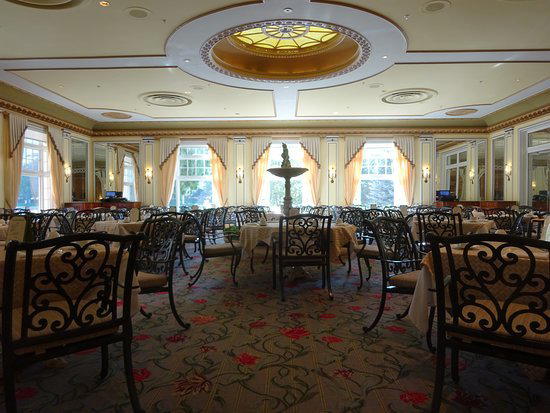
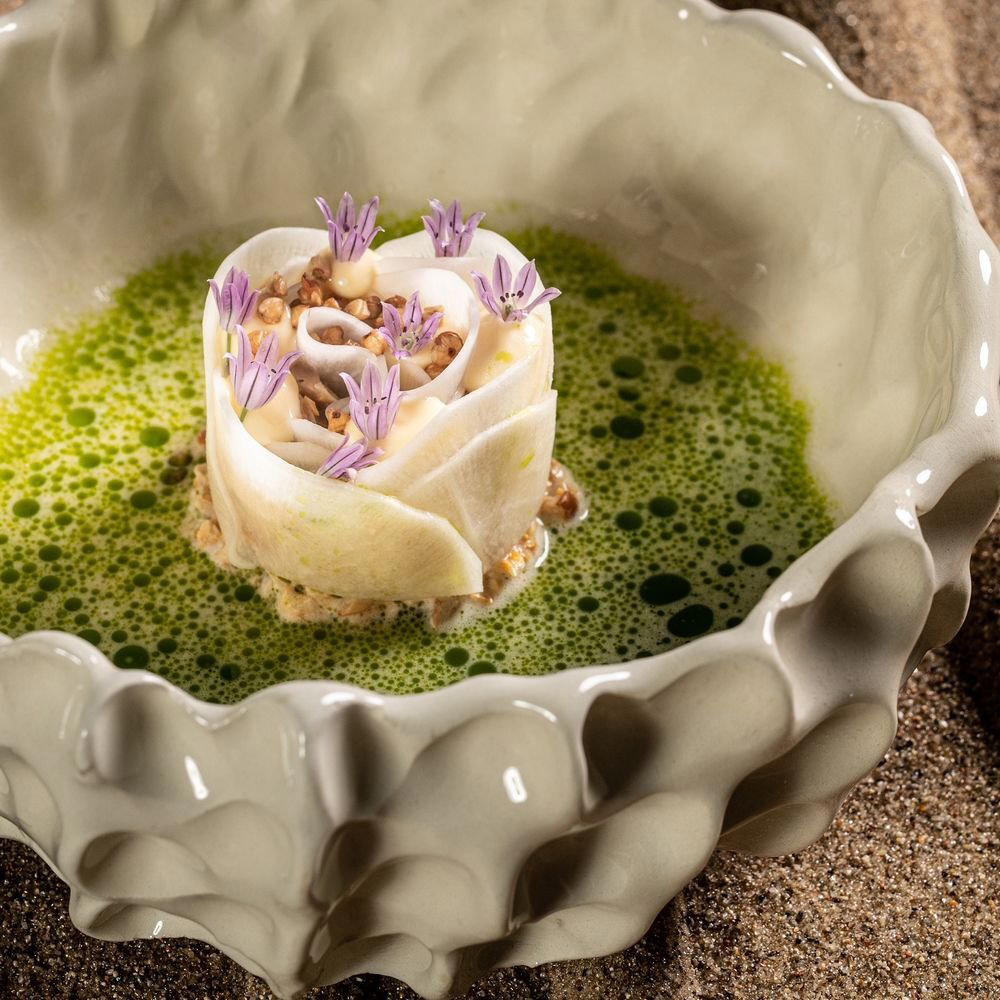
Restaurants in Graz
Browse all →
Bars in Graz
Browse all →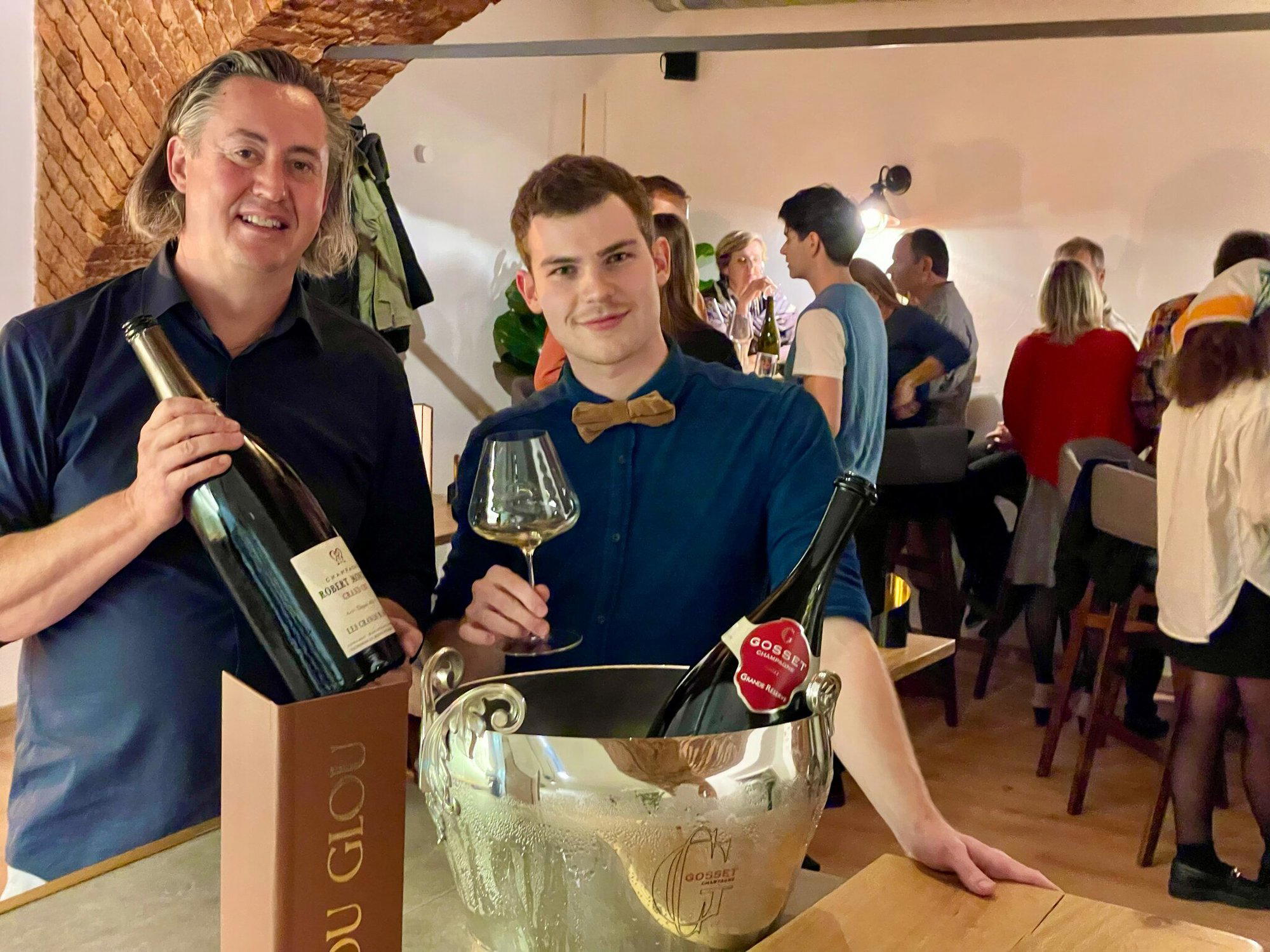
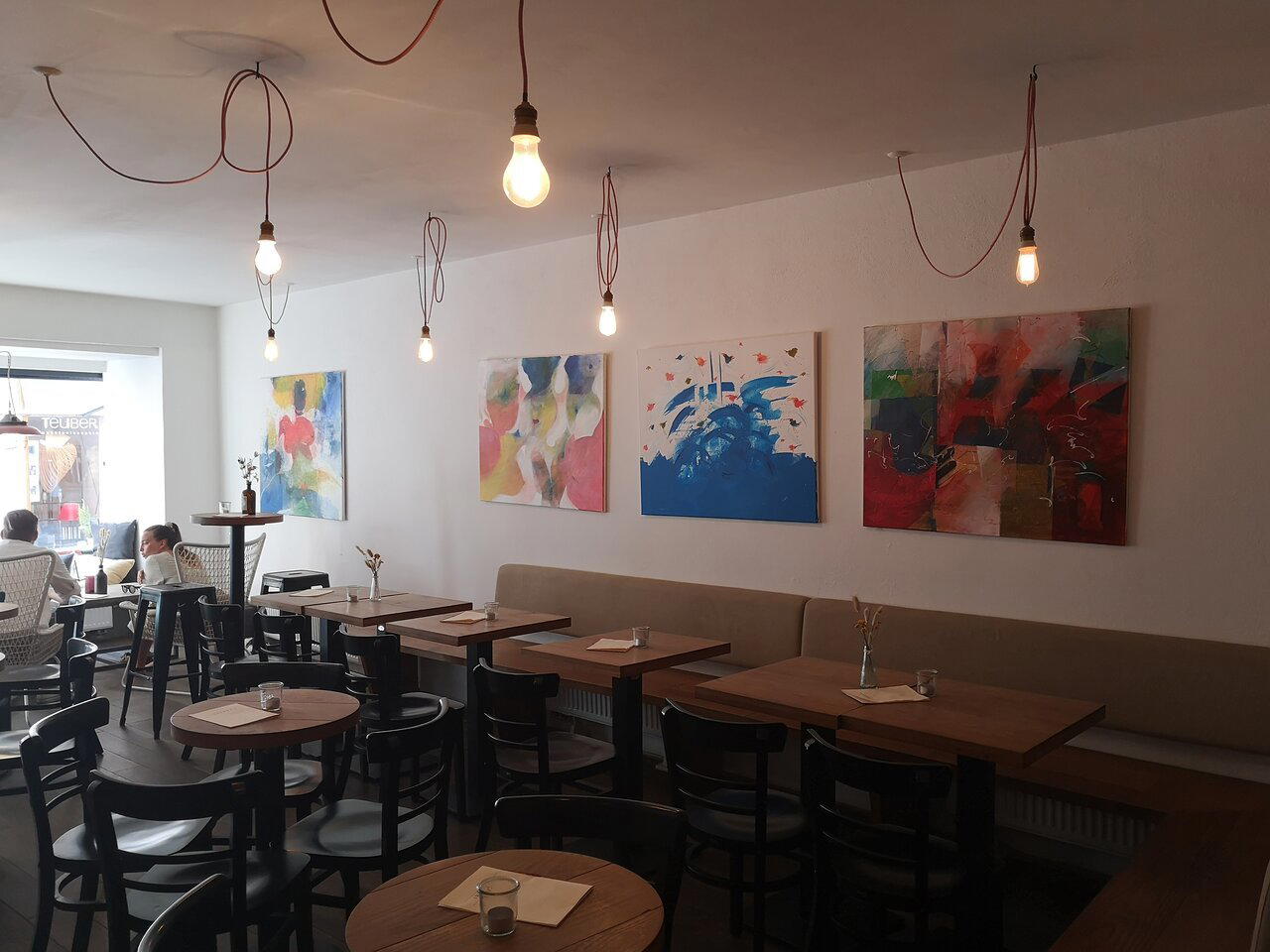
Hotels in Graz
Browse all →

At a Glance
- Lively
- Cozy
- Trendy
- Modern
- Casual Hangout
- After Work
- Brunch
- Terrace
- Open Kitchen
- Craft Cocktails
- Local Sourcing
- Street Scene
Current opening hours
- Monday
- 1 PM–12 AM
- Tuesday
- 1 PM–12 AM
- Wednesday
- 1 PM–12 AM
- Thursday
- 1 PM–12 AM
- Friday
- 1 PM–2 AM
- Saturday
- 12 PM–2 AM
- Sunday
- 12–11 PM
Hours can change for holidays and private events. Last verified .
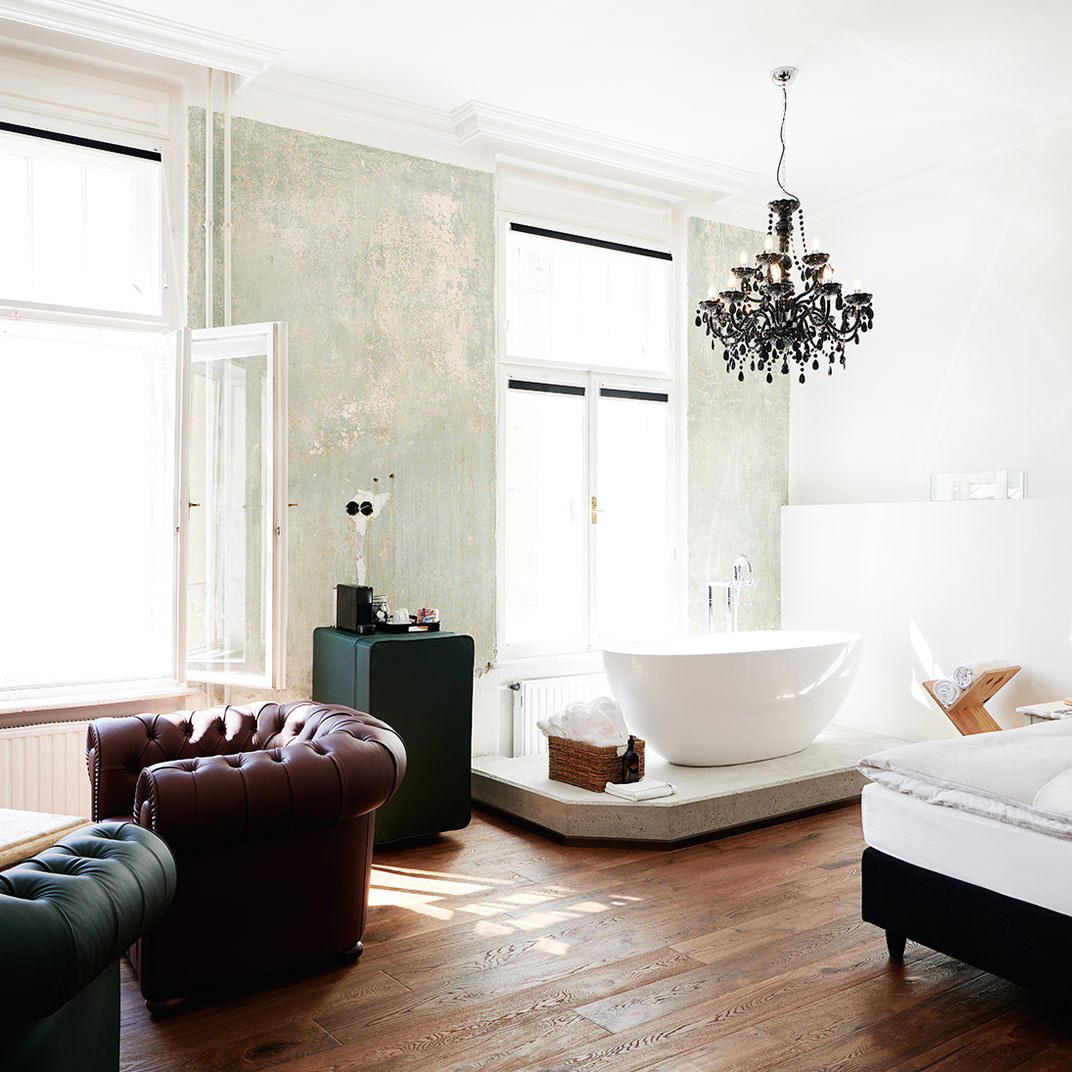
Lively and colorful eclectic interior blending quirky styles like cinema chairs and grandma's mattresses, with a lively terrace overlooking historic buildings.