Café Manolín Old San Juan
"Café Manolín, San Juan by Ana Jovane Serrano. For more than 70 years Café Manolín has been a local star where local food or “Comida Criolla” is concerned. Its old school “diner-esque” atmosphere is warm and welcoming. No pretentious dishes on its menu, just good old delicious and affordable Puerto Rican food. My favorite dish is “Bistec Encebollado”, or steak and onions with rice/ beans and tostones (fried green plantains). If you are in the mood for a real Puerto Rican place, Café Manolín is a priority."
Pearl is the En Primeur Club membership app — saves, bookings, and concierge access live there. Same editors, same standards.
- Address
- 251 C. de San Justo, San Juan, 00901, Puerto Rico
- Phone
- +1 787 723 9743
- Website
- cafemanolinoldsanjuan.com
- Directions
- Get directions
 Saves & bookings on Pearl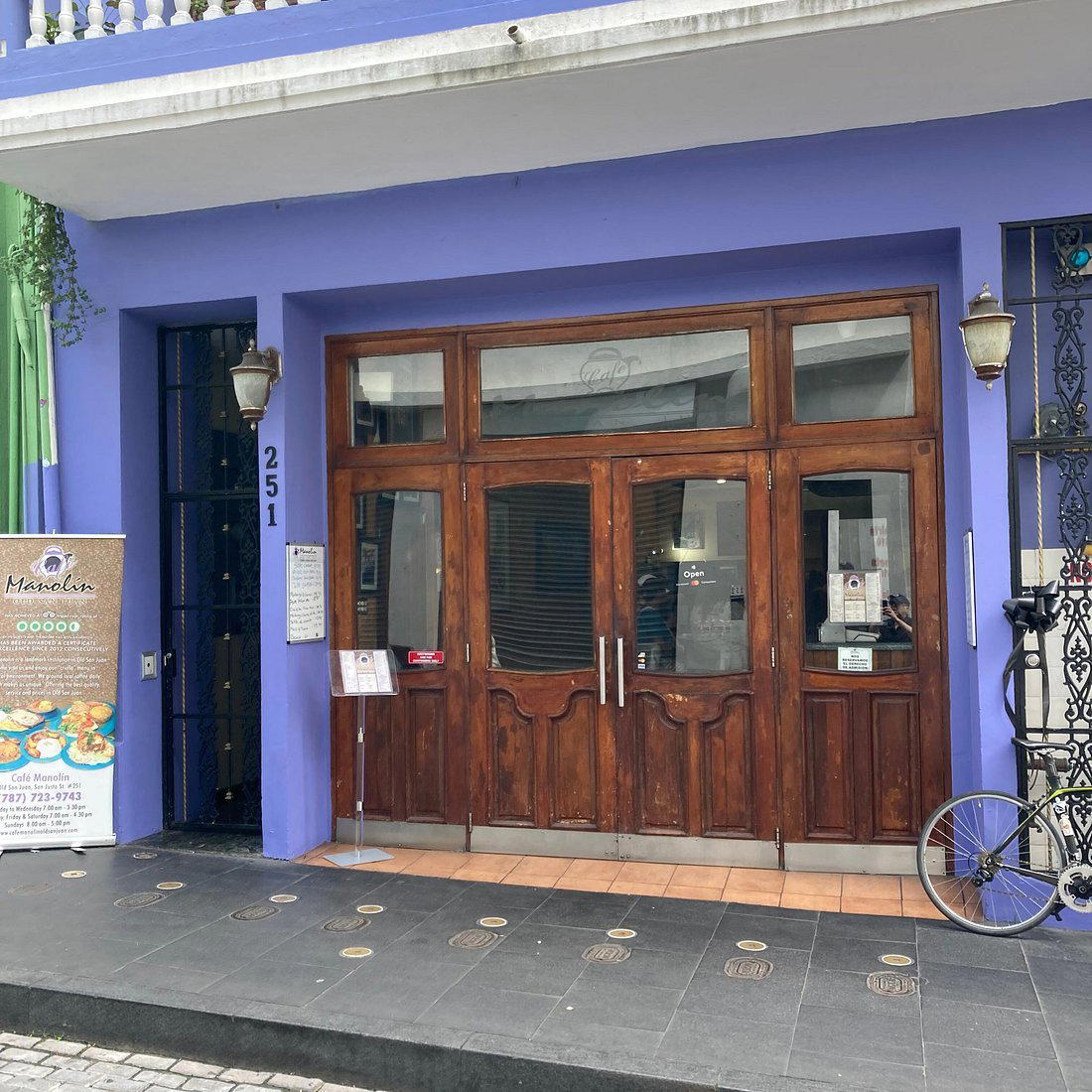
Calle San Justo and the Architecture of the Everyday
Café Manolín Old San Juan is a casual Traditional Puerto Rican Criolla restaurant at 251 C. de San Justo in San Juan, with. Old San Juan's dining character splits cleanly between the colonial-facing restaurants that pitch themselves at visitors and the handful of addresses that have persisted across generations by feeding the people who actually live inside the old city's walls. Café Manolín, at 251 Calle de San Justo, belongs to the second category. The street itself sets the tone before you reach the door: San Justo runs parallel to the waterfront, lined with Spanish colonial buildings whose ground floors have cycled through centuries of commercial use, and the block around number 251 carries the low-key density of a working neighbourhood rather than the curated prettiness of the tourist corridor a few streets east.
The physical container here is worth reading carefully. Old San Juan's restaurant spaces are conditioned by the same sixteenth- and seventeenth-century building stock that gives the district its UNESCO-listed character: thick masonry walls, high ceilings relative to narrow floor plates, interior rooms that stay cooler than the street. These are not spaces designed for theatrical dining; they are spaces designed to endure the Caribbean climate while conducting ordinary commerce. Cafés and lunch counters that occupy these footprints tend to arrange themselves around that logic, with counter seating or tightly packed tables that prioritize throughput and familiarity over atmosphere engineered for first-time visitors.
Where Café Manolín Sits in the Old City's Dining Spectrum
San Juan's dining scene has diversified considerably over the past decade. The city now supports a range of formats: the modern American tasting-menu ambition of 1919 Restaurant, the coastal-facing confidence of AQA Oceanfront, and the contemporary Puerto Rican register of Areyto Modern Cuisine by Chef Jason González. Against that comparable set, Café Manolín occupies a different tier entirely: the traditional lunch counter, where the competitive reference point is not a tasting menu but a plate of rice, beans, and roast pork served quickly and accurately to someone who eats there most weeks.
That positioning matters to understand before you arrive. Visitors who approach the address with expectations shaped by Amor y Sal or ARYA will be reading the room through the wrong frame. The value here is not in innovation or presentation; it is in the accumulated institutional knowledge of cooking comida criolla at volume, consistently, for a local clientele. Puerto Rico's traditional cooking, in its everyday register, is built around rice preparations, bean stews, slow-roasted or braised pork, and sofrito-based sauces that require time rather than technique to execute at their ceiling. Addresses that do this well in an Old San Juan setting are a smaller group than the number of restaurants in the district might suggest.
The Space as Evidence
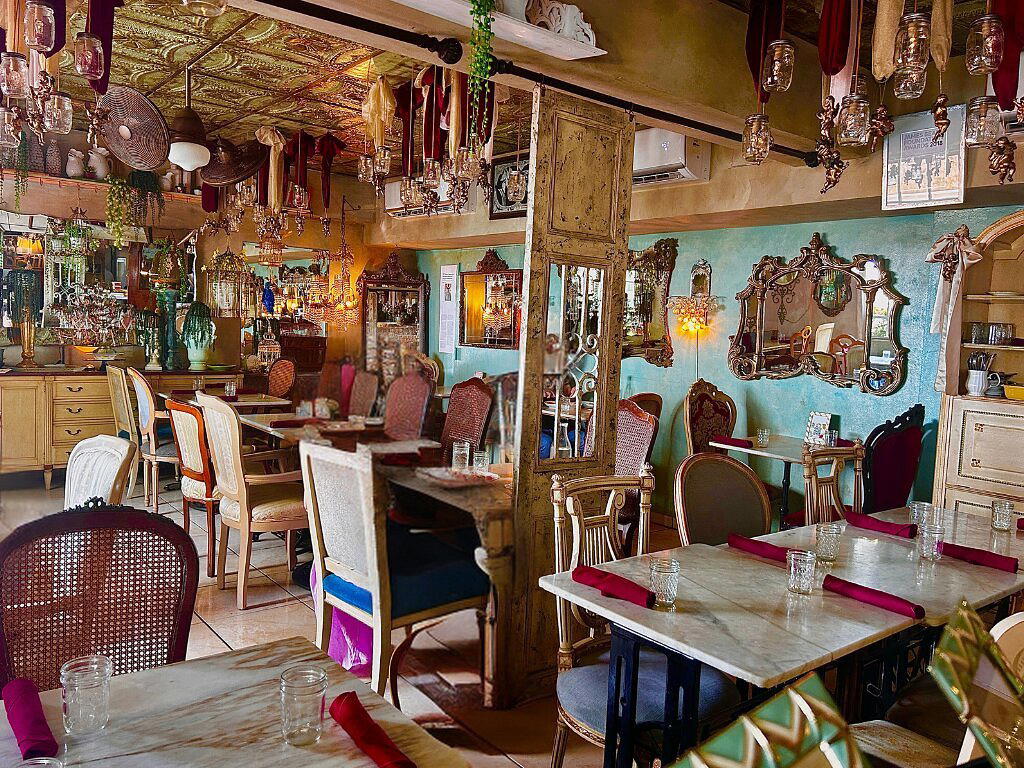
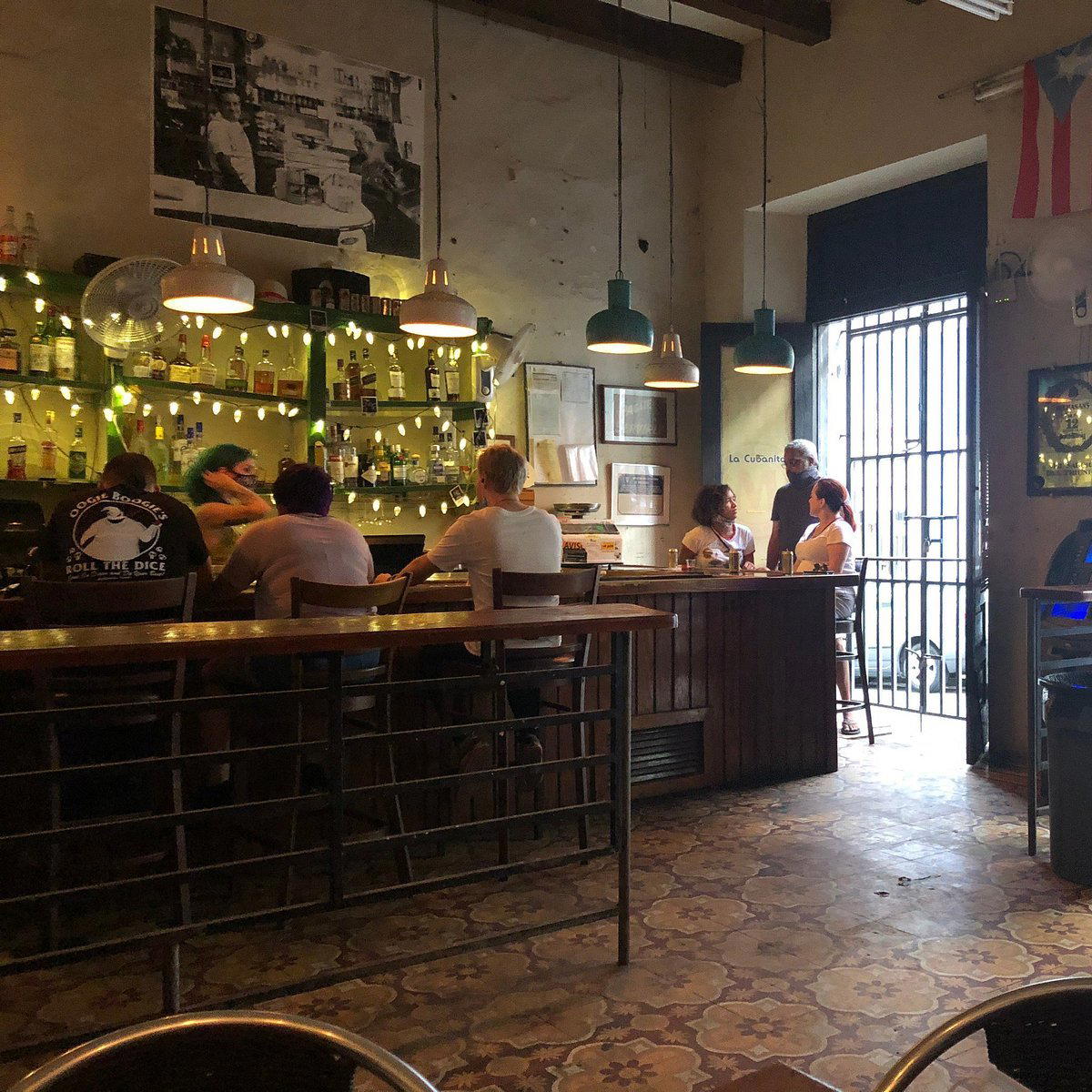
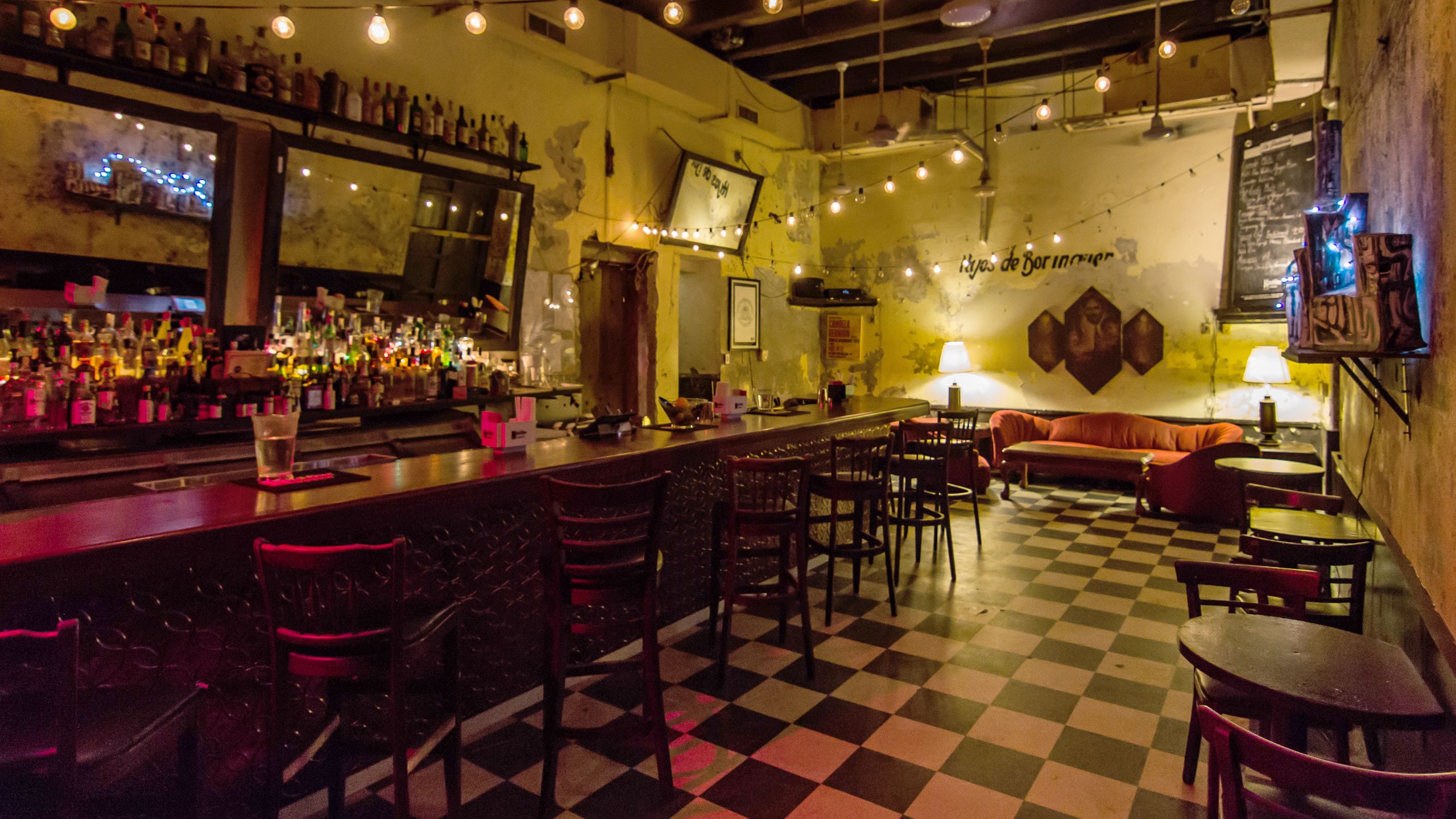
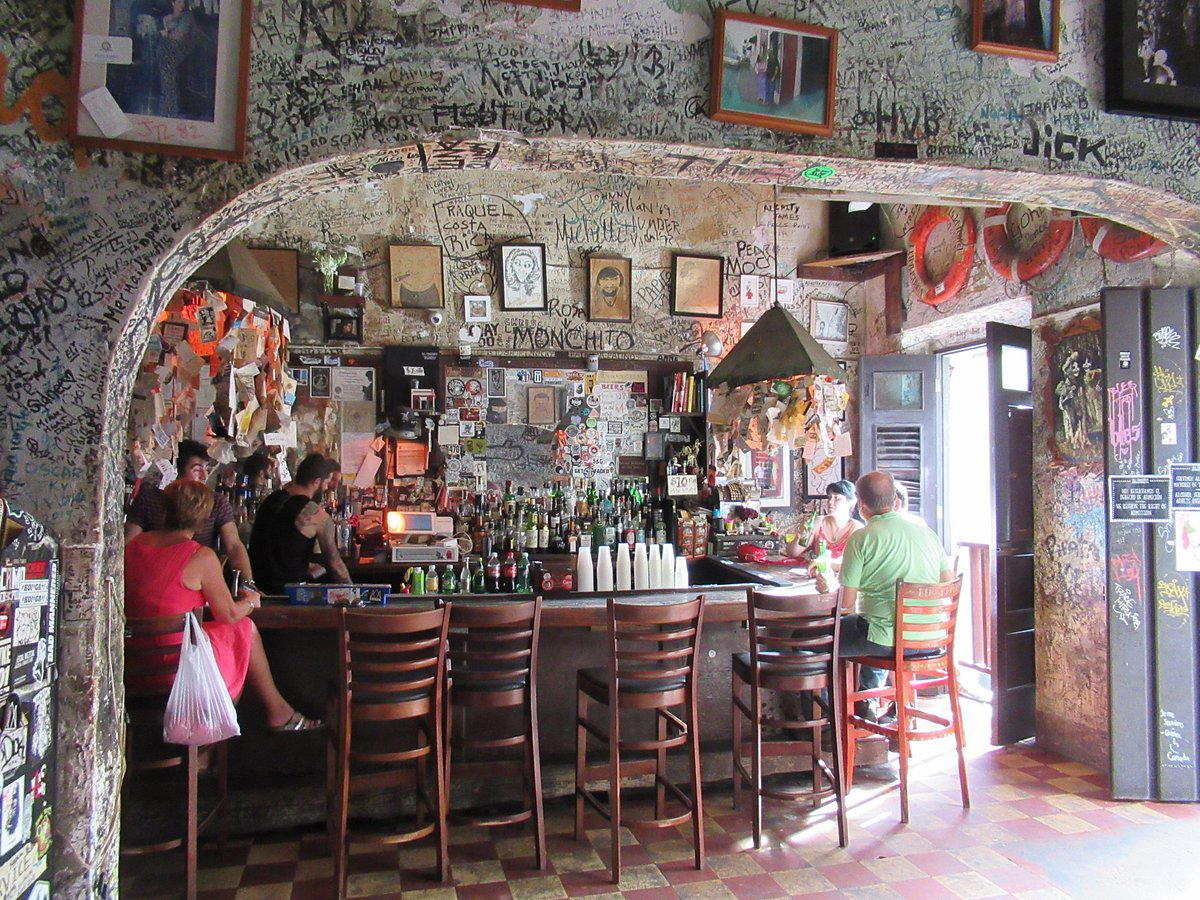
Editorial angle matters here because the interior of a place like Café Manolín is itself an argument. The design vocabulary of the traditional Puerto Rican lunch counter, transplanted into Old San Juan's colonial building stock, produces a particular spatial logic: tiled floors that predate any current fitout, counter surfaces worn to a specific patina, chairs and tables arranged for practicality rather than for social performance. There is no mood lighting calibrated to a brand identity, no acoustic treatment designed to manage the noise floor to a target decibel. The room sounds like a working restaurant and looks like one.
This spatial directness is actually rarer in the district than it once was. Gentrification pressure in Old San Juan over the past fifteen years has steadily converted ground-floor spaces into short-term rental properties or into restaurants pitched at the Airbnb visitor demographic, which tends to reward surface over substance. Addresses that have held their ground in the traditional lunch-counter format represent a kind of institutional continuity that the physical environment reflects: the room has not been redesigned to appeal to a new audience because the audience has not changed.
What the Menu Tradition Signals
What can be said with confidence is that the comida criolla tradition the address appears to sit within has a defined vocabulary: pernil (slow-roasted pork shoulder), arroz con gandules (rice with pigeon peas, cooked with sofrito and often pork), mofongo (green plantain pounded with garlic and fat, served as a base or side), and various stewed preparations under the category of guisados. These are not dishes that announce themselves through visual complexity. Their quality signals operate through flavour depth, the proper seasoning of the rice, the degree of caramelisation on the pork skin, the richness of the bean liquid.
Puerto Rico's relationship to these preparations is distinct from the Dominican or Cuban versions of similar dishes, primarily in the sofrito base and the specific fat profiles used. An address on Calle San Justo that has maintained a local clientele across years is implicitly making an argument that its version of this vocabulary meets the expectations of people who grew up eating it. That is a harder standard than impressing a first-time visitor.
For those exploring Puerto Rico's dining traditions across the island, the contrast with addresses like Paros Restaurant or, further afield, Lago Dos Bocas in Arecibo is instructive: the island's food identity does not live exclusively in its refined urban addresses but in the continuity between traditional formats across geography. Similar observations apply when comparing Estela Restaurant in Rincon or Charco Azul in Vega Baja with what Old San Juan's neighbourhood addresses offer.
Planning Your Visit
Café Manolín is at 251 Calle de San Justo in the heart of the old city, walkable from most Old San Juan hotels and a short cab or rideshare from Condado or Miramar. Traditional lunch counters in this format typically run heaviest at midday on weekdays, when the local office and residential clientele turns the room over quickly. Phone and website details are not included here.
For visitors constructing a broader Puerto Rico itinerary, anchoring in Old San Juan and combining Café Manolín with addresses like COA in Dorado, Brazo Gitano Franco in Mayaguez, or Kaplash in Anasco builds a more complete picture of the island's food culture than staying within the tourist corridor alone. The contrast between a comida criolla counter in a colonial building on Calle San Justo and the international register of somewhere like Le Bernardin in New York City or Lazy Bear in San Francisco is, frankly, the point: different dining traditions make different arguments about what a meal is for.
A Lean Comparison
Comparable venues nearby, for context on price, style, and recognition.
| Venue | Cuisine | Price | Notes |
|---|---|---|---|
| Café Manolín Old San JuanThis venue — the venue you are viewing | Not listed | $$ | Not listed |
| Josefina Vino y Cocina | Not listed | $$ | Gobernador Piñero, Caribbean Fusion with International Influences |
| Santaella | Condadito, Modern Puerto Rican | $$$ | Not listed |
| Jose Enrique Puerto Rican restaurant | Condado, Polished Puerto Rican | $$$ | Not listed |
| Cafetería Mallorca | San Francisco, Puerto Rican Bakery Cafe | $ | Not listed |
| Sazón Cocina Criolla DTMO | Not listed | $$ | Isla Grande, Authentic Puerto Rican Criolla |
At a Glance
- Classic
- Cozy
- Well Known
- Casual Hangout
- Brunch
- Historic Building
Current opening hours
- Monday
- 7 AM–3:30 PM
- Tuesday
- 7 AM–3:30 PM
- Wednesday
- 7 AM–3:30 PM
- Thursday
- 7 AM–4:30 PM
- Friday
- 7 AM–4:30 PM
- Saturday
- 7 AM–4:30 PM
- Sunday
- 8 AM–5 PM
Hours can change for holidays and private events. Last verified .
Old-school diner-esque atmosphere, warm and welcoming with horseshoe counters and a homey feel.