
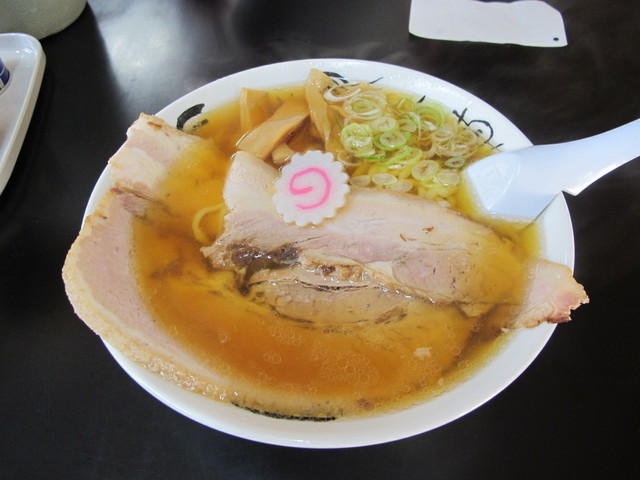
Wende is a rural Aizuwakamatsu ramen and dumpling stop with serious recognition behind its modest format, selected for Tabelog 100 Ramen EAST 2025. Its appeal sits in the regional ramen tradition rather than luxury theatre: local setting, low-cost bowls, family usability, and a drinks list that reaches beyond the usual ramen-shop brief.
Pearl is the En Primeur Club membership app — saves, bookings, and concierge access live there. Same editors, same standards.
- Address
- Japan, 〒969-5123 Fukushima, Aizuwakamatsu, 大戸町上三寄大豆田11-3
- Phone
- +81 242-92-3253
- Website
- uende.jp
 Saves & bookings on Pearl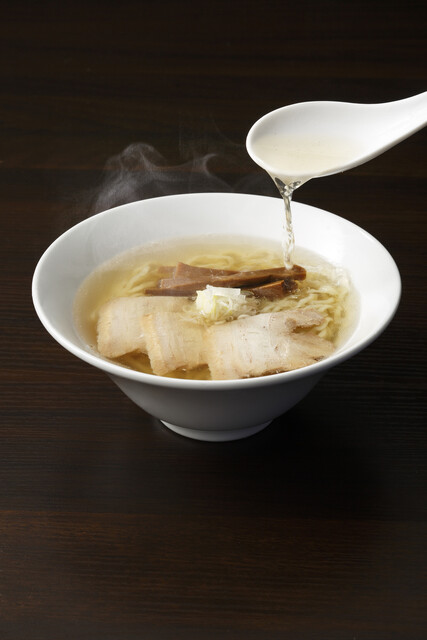
Rural Aizuwakamatsu changes the terms of a ramen meal before the bowl arrives. This is not the neon density of a station-front noodle alley or Tokyo’s reservation-counter minimalism. Around Ashinomaki Onsen, ramen follows a slower regional rhythm: road access, local regulars, families, solo diners, and food that sits beside hot-spring country without becoming tourist performance. Wende works in that grammar, with ramen and dumplings at the core of a small-restaurant format selected for Tabelog 100 Ramen EAST 2025.
That recognition matters because Japanese ramen awards often reward intensity in narrow categories: broth clarity, noodle texture, regional identity, and consistency over volume. In Fukushima, the conversation is shaped by Aizu food culture, where salt, mountain produce, fermentation, and hearty cold-weather cooking matter more than visual polish. Wende is not about spectacle, but sourcing cues and regional certification that pull the meal toward Aizu rather than a generic national ramen template.
Aizu ramen culture, read through salt, dumplings, and local habit
The useful way to understand this shop is through where it belongs. Aizu ramen sits within northeastern Japan’s broader noodle culture, with local anchors: everyday bowls, mountain weather, and food travelling across generations. Wende is listed for ramen and dumplings, closer to a community dining room than a tasting-menu counter. The question is not rarity, but whether a low-priced format can feel rooted rather than anonymous.
Aizu Yamashio certification is the strongest sourcing signal. Yamashio, literally mountain salt, is tied to the Aizu region and gives the venue a regional ingredient marker more specific than broad “local” language. In ramen, seasoning is structure, not garnish: salt shapes how broth reads, how noodles carry flavour, and how a bowl finishes. A certified Aizu Yamashio ramen shop identifies with place at the seasoning level.
The shop dates to February 1972, a generational clue. Longevity in Japanese ramen is not decorative. It usually means a restaurant has survived shifts in noodle fashion, from heavier pork-bone saturation to clear soup revival, and from social-media queues to regional ramen tourism. A shop of that age in Aizuwakamatsu is judged by repeat usefulness as much as destination appeal. It has to work for residents before it matters to travellers.
Compared with out-of-metro budget peers such as Bannai Shokudo, Koike Kashiho, Kiichi, and Kura Zushi, Wende sits in the low-cost bracket rather than the premium niche of Haran Sho. That price position matters. This is not a rural restaurant mimicking urban luxury; it is a ramen stop whose credibility comes from award recognition, local anchoring, and practical accessibility.
The room signals everyday Japan, not destination theatre
Ramen culture often splits between two atmospheres: the silent counter, where diners eat quickly under a chef’s gaze, and the neighbourhood room, where children, friends, and solo diners coexist without ceremony. Wende belongs to the latter. Seating includes counter, table, and raised-area options, changing the meal’s social use. A counter suits the lone ramen traveller; tables and raised seating suit families or small groups. Private rooms and private-use options reinforce that it is not built only for fast turnover.
The drinks list is another quiet signal. Sake, bottled beer, and wine, including natural wine, push the shop beyond the narrow ramen-and-water model. That does not make it a wine-bar hybrid, but it suggests a more elastic idea of what a ramen restaurant can support in regional Japan. Ramen with dumplings remains the spine; drinks add a second pace for diners not treating the meal as a five-minute refuel.
Tabelog lists the score at 3.71 and includes the restaurant in its 2025 Ramen EAST 100 selection. For travellers, the combination is more useful than either figure alone. The score indicates sustained user approval in a category where local repetition matters. The selection places it in a broader eastern Japan ramen conversation, alongside shops drawing attention beyond their neighbourhoods. Neither means luxury; both point to a credible regional ramen address that remains accessible.
The rural setting also changes planning logic. In central Tokyo, a ramen award can mean a queue wedged into a dense dining itinerary. In Aizuwakamatsu’s outer areas, the better question is whether the meal fits a day built around onsen routes, local driving, or a slower food stop outside the city core. That is where this address makes sense: regional ramen with a specific Aizu seasoning identity, not a status booking.
Where it fits in an Aizu food itinerary
For EP Club readers mapping Japan beyond the capital cities, Wende shows that low price and serious food culture are not opposites. The Japanese ramen canon is full of small shops whose authority comes from repetition, locality, and discipline rather than service choreography. This one rests on three concrete points: Tabelog 100 Ramen EAST 2025 recognition, a foundation dating to 1972, and Aizu Yamashio certification. Together they make a stronger argument than any single dish name would.
Use it as a regional anchor rather than a detour for bragging rights. The draw is Aizu ramen as lived food: dumplings on the side, a room for families and solo diners, and a sourcing cue tied to mountain salt. Travellers building a broader local plan can pair this page with Our full ootomachikamimiyorioomameta restaurants guide, then widen the trip through Our full ootomachikamimiyorioomameta hotels guide, Our full ootomachikamimiyorioomameta bars guide, Our full ootomachikamimiyorioomameta wineries guide, and Our full ootomachikamimiyorioomameta experiences guide.
For a wider comparison across Japanese and Japanese-adjacent dining formats, see -Grilled beef Sukiyaki- KAMAKURA TANUKIAN 鎌倉 たぬき庵 in Kamakura, . 鮪と炭火焼き うお炭 秋葉原店 in Tokyo, .cafe in Osaka, .know in Kumamoto, (Shoku) Vietnam in Kawasaki, [Curry Senmon Ten] Maruyama Kyoju. in Sapporo, [ki:] in Kyoto, #肉といえば松田 奈良本店 in Kashihara, 1/3 HAMBURGER FACTORY in Kanazawa, 1000 in Yokohama, 1000mヒュッテ 1000m Hut in Kutchan, Jōdo Saké Bar in Los Angeles, and Onigiri Time in Pasadena.
Snapshot
Comparable venues by cuisine and price in the same metro.
| Venue | Cuisine | Price | Awards | Notes |
|---|---|---|---|---|
| WendeThis venue — the venue you are viewing | Traditional Aizu ramen & yakitori shop | $ | , | |
| Tanikawa Beikokuten (谷川米穀店) | Sanuki Udon | $ | , | まんのう町 |
| Gyoza Hohei (ぎょうざ 歩兵) | Japanese Gyoza Specialist | $ | , | Gion |
| Chiikawa Bakery | Chiikawa-themed Japanese bakery café | $ | , | Umeda |
| らぁめん道 あさひ食堂 | Traditional Hokkaido Miso Ramen | $ | , | 上川町 |
| Kiichi | Kitakata ramen shop | $ | , | Sekishiba-cho |
Continue exploring
More in ootomachikamimiyorioomameta
Restaurants in ootomachikamimiyorioomameta
Browse all →
Hotels in ootomachikamimiyorioomameta
Browse all →
At a Glance
- Classic
- Cozy
- Solo
- Family
- Casual Hangout
- After Work
- Group Dining
- Standalone
- Local Sourcing
A casual, old‑school local ramen shop with a simple, no‑frills interior focused on counter and table seating, bright daytime lighting, and a relaxed, family‑friendly atmosphere typical of traditional regional ramen-ya.