
NASU SHOZO CAFE fits Nasu-gun’s rural café culture: destination-led, produce-adjacent, and calm rather than urban in tempo. Its Tabelog Cafe EAST “Tabelog 100” 2025 selection gives it a clear trust signal, while the format remains accessible: scones, café service, take-out, terrace seating, and a setting better understood as part of a highland detour than a formal restaurant stop.
Pearl is the En Primeur Club membership app — saves, bookings, and concierge access live there. Same editors, same standards.
- Address
- Japan, 〒325-0303 Tochigi, Nasu District, Nasu, 高久乙2730-25
- Phone
- +81 287-78-3593
- Website
- shozo.co.jp
 Saves & bookings on Pearl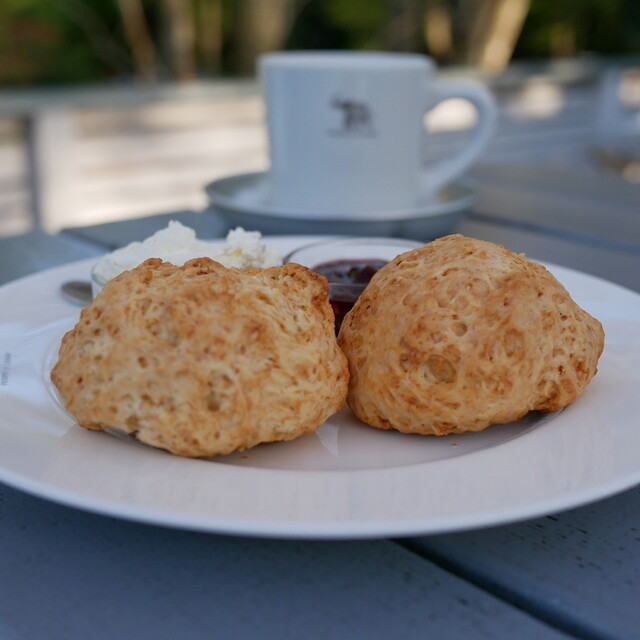
Approaching café country in Nasu changes the register of dining. The pace drops, views begin to matter, and the meal becomes tied to the drive, the weather, and the region’s agricultural edges. NASU SHOZO CAFE belongs to that tradition: a house-style café in Takakuotsu where the point is not ceremony, but a pause built around baked goods, coffee, and the kind of rural setting that makes a detour feel intentional.
Nasu-gun has long been better at this category than many Japanese resort areas. Its food culture is not only defined by resort dining or meat-led restaurants; it also has a softer circuit of dairy, bakeries, gardens, and cafés that make sense in a highland town with day-trip traffic. In that context, a café selection by Tabelog Cafe EAST “Tabelog 100” 2025 matters because it separates the stronger regional addresses from the generic rest-stop model. The recognition also places the café inside a broader East Japan café conversation rather than only a local Nasu itinerary.
Highland café culture built around baking, dairy country, and the detour
The useful way to read this café is through sourcing logic rather than chef narrative. Nasu’s reputation rests heavily on its pastoral economy: milk, butter, baked goods, and simple sweets have more cultural weight here than elaborate plating. A café built around freshly baked scones fits that environment because the pleasure is structural: flour, dairy, heat, and timing. The format rewards short production cycles and a morning-to-afternoon rhythm, not a long tasting-menu arc.
That makes NASU SHOZO CAFE a better match for travelers who want the region’s café language in concentrated form. It sits in the same wider Nasu-gun circuit as Minami Gaoka Bokujou Milk Chaya, where dairy defines the visit more directly, and Penny Lane Nasu ten, which works the bakery-café lane at a higher spend. Cafe & Garden Shirasagi Tei adds the garden-café version of the same Nasu instinct. The comparison is useful because it shows how varied the area’s daytime food culture is: milk bar, bakery, garden café, and scone-led café all answer the same regional appetite in different ways.
At the other end of the local scale, Steak House Juraku Honten reminds visitors that Nasu’s dining identity is not only tea and pastry. Beef, dairy, and resort cooking all sit close together here. The café’s role is quieter: it gives the area’s produce-led identity a lighter form, which is often more useful between hotel check-in, sightseeing, and the drive back toward the station.
Recognition without formality
Tabelog’s 2025 Cafe EAST “Tabelog 100” selection is the main external signal here, and it is the right kind of signal for this category. Café quality in Japan is often difficult to judge from format alone: many rooms look appealing, many serve coffee and sweets, and only a smaller group earns sustained attention beyond its immediate neighbourhood. The Tabelog 100 selection puts NASU SHOZO CAFE into that narrower group without implying fine-dining formality.
The practical shape remains casual. The café is listed with take-out, all-seat non-smoking service with a smoking area, terrace seating, sofa seating, and parking for 20 cars. Those details matter in Nasu because movement is car-led and visits are often folded into a wider day rather than anchored by a single meal. Reservations are unavailable, which also says something about the format: this is a turn-up café, not a controlled dining room with a reservation book and a choreographed seating plan.
The price band reinforces the point. Compared with Penny Lane Nasu ten, Cafe & Garden Shirasagi Tei, and Steak House Juraku Honten, all listed in the JPY 3,000 to JPY 3,999 range, this café sits in a lighter spending tier. Compared with Minami Gaoka Bokujou Milk Chaya, it is less snack-counter and more café-room. That middle position is where the appeal lies: enough structure to make the stop feel considered, not enough weight to dominate the day.
How to place it in a Nasu-gun itinerary
Nasu-gun rewards clustering. A day can move from dairy farms to garden cafés, from bakeries to grilled beef, without forcing the kind of urban restaurant crawl that works in Tokyo or Osaka. For broader planning, Our full Nasu-gun restaurants guide gives the clearest food map, while Our full Nasu-gun hotels guide is the better companion if the café stop is part of an overnight stay. Drinks-focused travelers can cross-check Our full Nasu-gun bars guide, and longer regional planning can sit alongside Our full Nasu-gun wineries guide and Our full Nasu-gun experiences guide.
The café also shows how different Japan’s casual dining grammar becomes outside the major cities. In Kamakura, -Grilled beef Sukiyaki- KAMAKURA TANUKIAN 鎌倉 たぬき庵 in Kamakura anchors tradition through beef and set-piece cooking; in Tokyo,. 鮪と炭火焼き うお炭 秋葉原店 in Tokyo speaks to urban izakaya energy. Café culture shifts again in places such as.cafe in Osaka and.know in Kumamoto, while casual specialization takes other forms at (Shoku) Vietnam in Kawasaki, [Curry Senmon Ten] Maruyama Kyoju. in Sapporo, and [ki:] in Kyoto. Even overseas Japanese-leaning formats, such as Jōdo Saké Bar in Los Angeles and Onigiri Time in Pasadena, underline the same point: casual does not mean generic when the format is disciplined.
The editorial verdict is clear. This is not the Nasu stop for a long dinner or a high-spend occasion; it is the stop for readers who understand that a region’s food identity often appears most honestly in its daytime rituals. In a highland town where dairy, baking, views, and car travel shape the rhythm, NASU SHOZO CAFE earns attention by fitting the place rather than overpowering it.
Snapshot
Comparable venues by cuisine and price in the same metro.
| Venue | Cuisine | Price | Awards | Notes |
|---|---|---|---|---|
| NASU SHOZO CAFEThis venue — the venue you are viewing | Specialty coffee & scones cafe | $$ | , | |
| Cafe & Garden Shirasagi Tei | Garden cafe-restaurant by Cheese Garden | $$ | , | Nasu-machi |
| Steak House Juraku Honten | Local Wagyu Steakhouse | $$$ | , | Nasu-machi |
| Penny Lane Nasu ten | Beatles-themed British-style bakery café & Western restaurant | $$ | , | Nasu-machi |
| Minami Gaoka Bokujou Milk Chaya | Dining | , | , | Nasu-gun |
| Manneken | Belgian Waffles | $$ | , | Fukuyama Station |
Continue exploring
More in Nasu-gun
Restaurants in Nasu-gun
Browse all →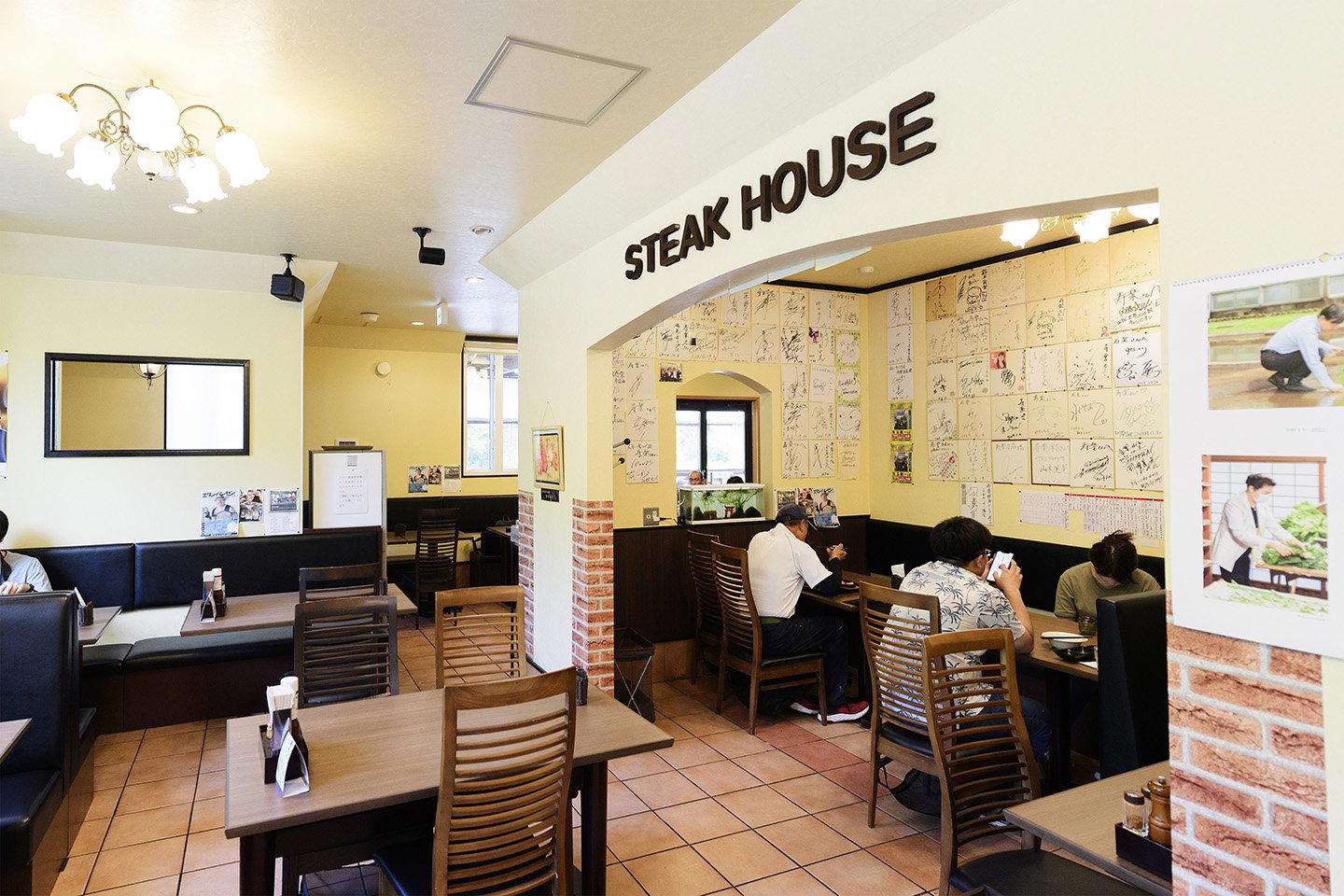
At a Glance
- Cozy
- Scenic
- Iconic
- Classic
- Hidden Gem
- Casual Hangout
- Brunch
- Solo
- Date Night
- After Work
- Family
- Garden
- Design Destination
- Standalone
- Garden
- Mountain
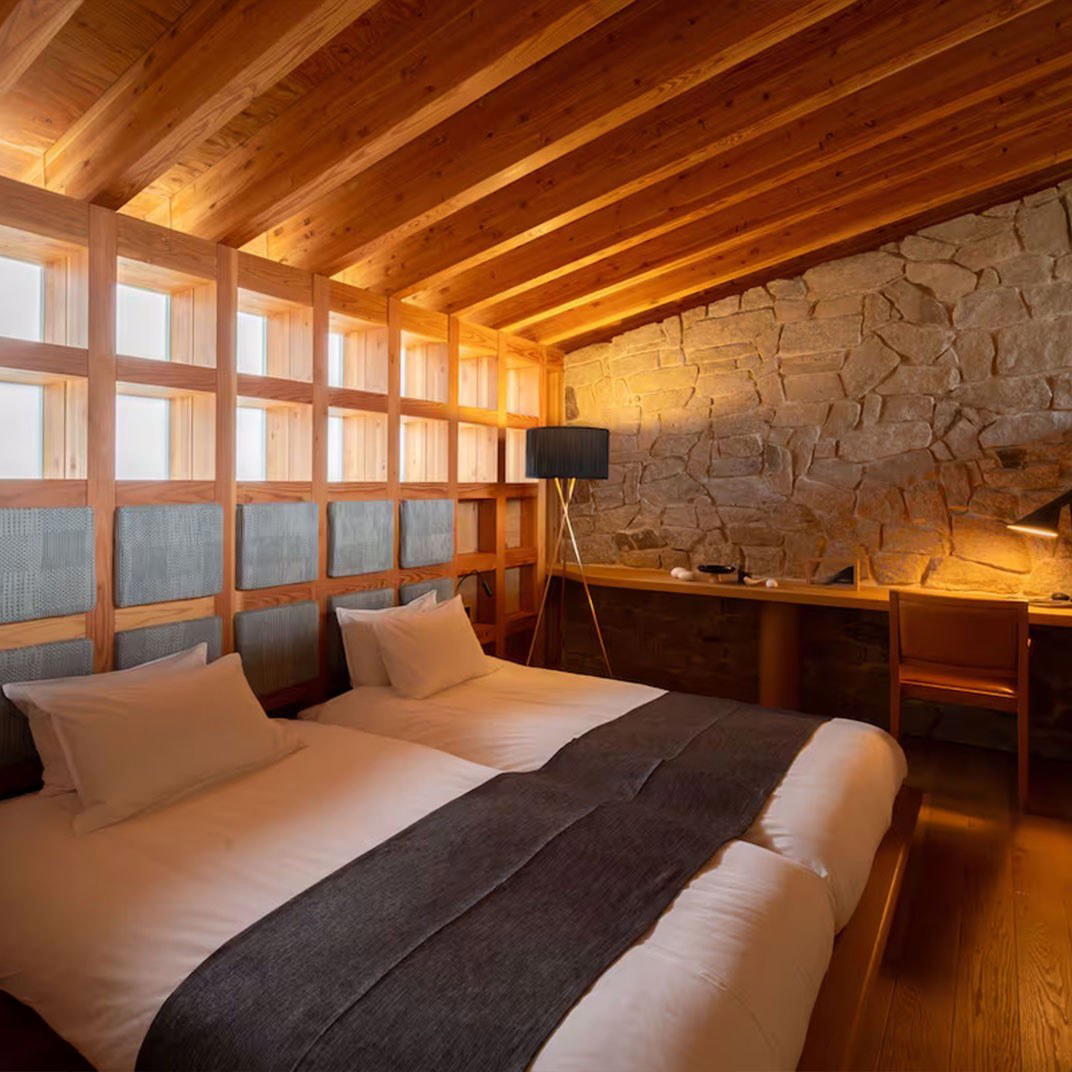
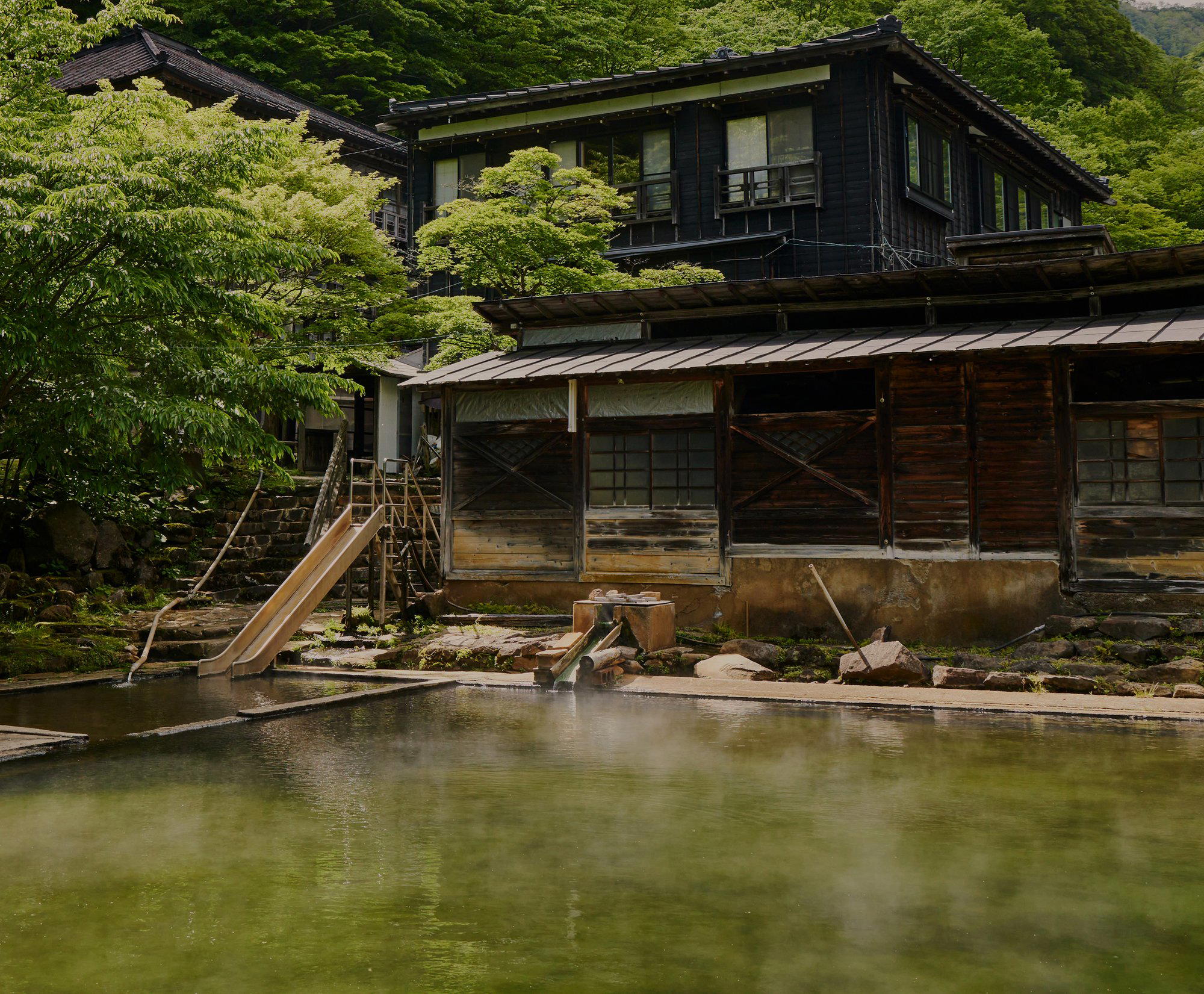
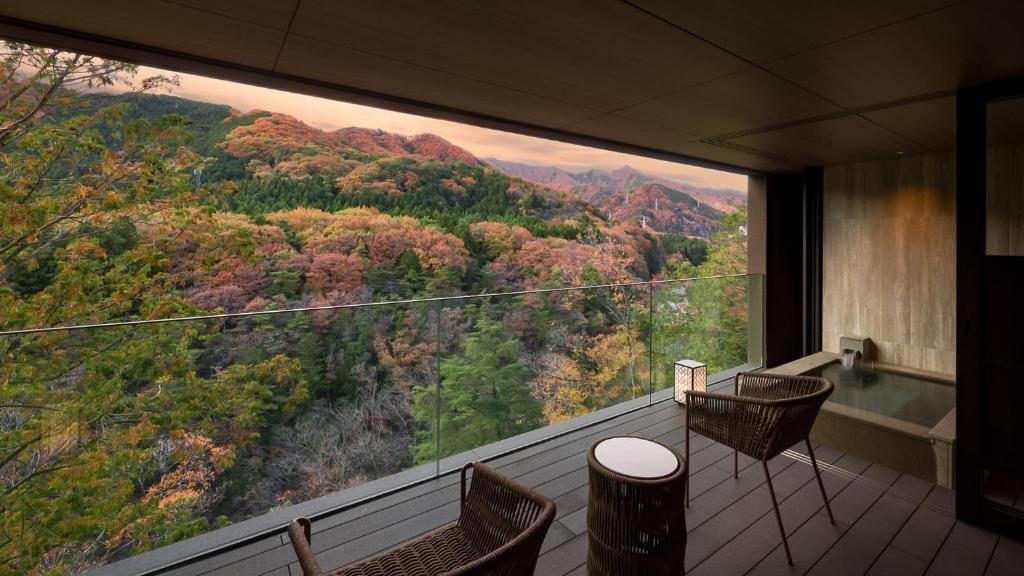
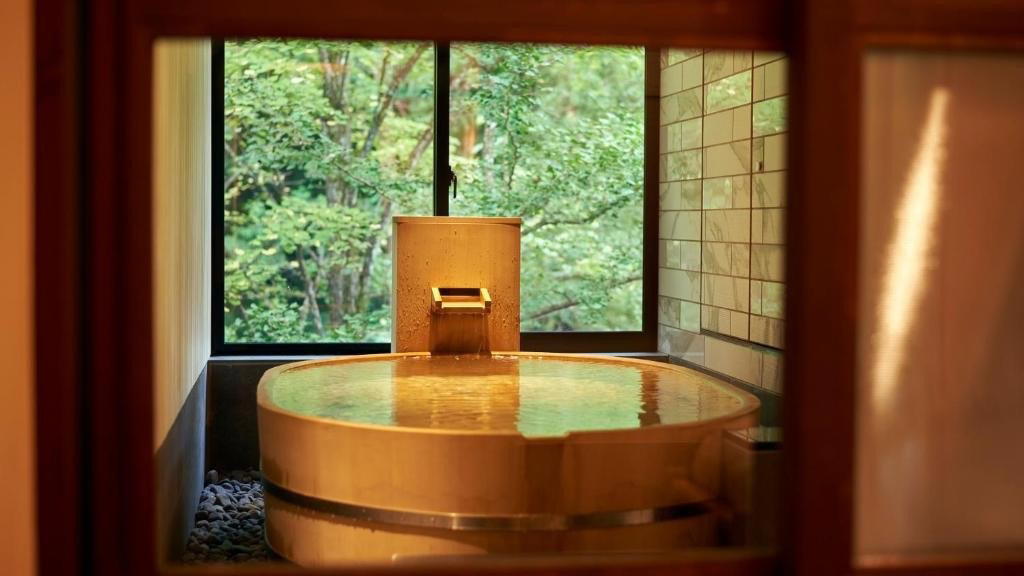
Set in a house-like building surrounded by greenery, NASU SHOZO CAFE has a warm, modern yet classic interior with lots of wood, soft natural light, and a calm, relaxing atmosphere that makes it feel like a comfortable retreat in the mountains.