
Tabelog 100 #27
Our verdict
Penny Lane Nasu ten sits in Nasu’s resort bakery-café lane rather than the urban pâtisserie circuit, with bread and yoshoku shaping the visit. Its Tabelog Bread EAST 100 selection in 2020 and 2022 gives it a stronger credential than the usual sightseeing café, while the terrace-and-restaurant format makes it practical for groups, children, and travelers building a day around Nasu’s dairy country.

Pearl is the En Primeur Club membership app — saves, bookings, and concierge access live there. Same editors, same standards.
- Address
- 656-2 Yumoto, Nasu, Nasu District, Tochigi 325-0301, Japan
- Phone
- +81 287-76-1960
- Hours
- Daily 8 AM–5 PM
- Website
- pennylane.company
- Directions
- Get directions
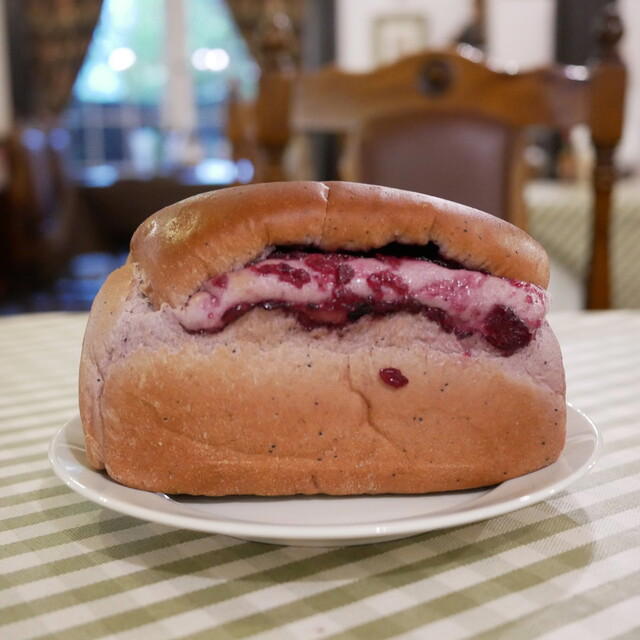
The menu
What to order
- Blueberry Bread
- Cheese Fondue (bread bowl fondue)
- Bread Gratin
- Apple Star apple pie
Approaching the bakery-café side of Nasu-gun, the rhythm changes from city dining to resort-country eating: cars pull in, families slow down, and bread becomes less a takeaway staple than the anchor for a morning or early afternoon stop. In Nasu-gun, that matters. The area’s food identity leans on leisure travel, family stays, and cafés built for lingering rather than counter-speed efficiency. Penny Lane Nasu ten belongs to that category, but with a stronger bread credential than the usual holiday café: selection for Tabelog Bread EAST 100 in 2022 places it inside a regional bakery conversation rather than merely a local sightseeing circuit.
The useful way to read the place is through format and setting. Nasu-gun’s dining culture often moves through a leisure economy, so the bakery-café format makes sense here in a way it would not in a dense Tokyo station arcade. Bread is the entry point, yoshoku gives the restaurant side a broader frame, and the resort setting pushes the experience toward a full stop on a Nasu-gun itinerary rather than a grab-and-go purchase. Nasu-gun adds a third register, the resort bakery with enough presence to handle visitor movement and enough local food context to justify the detour. Penny Lane Nasu ten fits that register. The Bread EAST 100 recognition signals that the bread program has been judged beyond neighbourhood convenience, while the yoshoku category widens the meal beyond pastry-case browsing.
That distinction helps travelers choose between Nasu’s food stops. Minami Gaoka Bokujou Milk Chaya speaks more directly to the dairy-farm side of the region, with a snack-led rhythm. NASU SHOZO CAFE sits closer to the coffeehouse tradition, useful when the priority is a quieter café break. Steak House Juraku Honten moves the decision toward beef and a heavier meal. Cafe & Garden Shirasagi Tei shares the sit-down café territory. Against those local choices, Penny Lane Nasu ten is the bread-led option with enough restaurant structure for a proper pause.
The ingredient-sourcing angle is not about a named farm contract or a chef’s personal doctrine; neither is needed to understand the appeal. Nasu-gun already supplies the context. That is why bakery recognition carries weight here.
The room is built for daylight, families, and easy pacing
The format is accommodating for a bakery-linked restaurant in a resort town: bread, yoshoku, café pacing, and a setting that suits visitors pausing between stops. Those are not decorative details. They explain the audience. Nasu-gun dining often has to work for multigenerational groups moving between stays and daytime plans, and a venue that can absorb mixed appetites has a different role from a small counter restaurant.
That scale of appeal also changes the mood. This is not the place to chase hush, ceremony, or chef-counter intimacy. It is better understood as daylight resort dining with bakery traffic and a relaxed café feel when the day suits a longer pause. The broader car-based nature of eating in Nasu-gun also matters; visitors moving through the area by train and taxi will experience the region differently from those planning a driving route.
For broader trip planning, the restaurant fits neatly into a Nasu-gun day rather than anchoring an entire journey on its own. Travelers building a fuller weekend can also map drinking, wine, and cultural stops through our full Nasu-gun bars guide, our full Nasu-gun wineries guide, and our full Nasu-gun experiences guide. Bread cafés, curry counters, sake bars, onigiri shops, and small yoshoku rooms all belong to that wider pattern. In that sense, Penny Lane Nasu ten should be judged less against fine-dining ritual and more against the country’s serious casual food culture. The appeal of specialist casual restaurants often rests on clarity: one format, one rhythm, and a reason to stop even when the room is not framed as formal luxury. Penny Lane Nasu ten belongs to that logic, with bread and yoshoku carrying the experience rather than ceremony.
For visitors deciding whether to include this stop, the answer depends on the itinerary. If the day is already built around Nasu-gun’s pastoral side, bakery breakfast, café lunch, or a family-friendly pause, the format earns its place. If the goal is a late-night, adult-only dining room, the area offers other directions. The stronger editorial read is simple: this is Nasu-gun’s resort-bakery tradition made legible through bread recognition and practical hospitality, not a small chef-driven room trying to imitate the city.
Frequently asked questions
Does Penny Lane Nasu ten work for a family meal?
Yes. Penny Lane Nasu ten reads as a resort-style bakery-café suited to a relaxed daytime meal, and its Tabelog Bread EAST 100 2022 selection signals that the bread program draws more than casual traffic.
Is Penny Lane Nasu ten better for a quiet night or a lively one?
Penny Lane Nasu ten is better understood as a bakery-café and yoshoku stop than as a late-night dining room. Expect a daytime resort rhythm rather than a formal evening atmosphere.
Is Penny Lane Nasu ten more mid-range or high-end?
Pricing at Penny Lane Nasu ten is listed as JPY 3,000 - JPY 3,999.
What time does Penny Lane Nasu ten open and close?
Check current operating hours directly before visiting Penny Lane Nasu ten, as hours can change by day or season.
Where exactly is Penny Lane Nasu ten?
Nasu-gun.
At-a-Glance Comparison
Comparable venues by cuisine and price in the same metro.
| Venue | Cuisine | Price | Awards | Notes |
|---|---|---|---|---|
| Penny Lane Nasu tenThis venue — the venue you are viewing | Beatles-themed British-style bakery café & Western restaurant | $20–30 | Tabelog 100 #27 | Not listed |
| Steak House Juraku Honten | Local Wagyu Steakhouse | $30–50 | Tabelog 100 #4 | Nasu-machi |
| NASU SHOZO CAFE | Specialty coffee & scones cafe | $10–20 | Tabelog 100 #56 | / Nasu-machi, Nasu-gun |
| Cafe & Garden Shirasagi Tei | Garden cafe-restaurant by Cheese Garden | $10–20 | Tabelog 100 #33 | Nasu-machi |
| Minami Gaoka Bokujou Milk Chaya | Dining | Not listed | Tabelog 100 #49 | Nasu-gun |
| Nagano Meijitei | Nagano Sauce Katsudon | $10–20 | Not listed | Nagano Station |
Recognition history
Dated appearances from independent guides and award organizations, with the underlying list record or original source where available.
Tabelog 100 #27 · No. 27
Tabelog · Tabelog 100 - Bread - EAST - 2022
Details
- Classic
- Cozy
- Rustic
- Scenic
- Well Known
- Family
- Group Dining
- Casual Hangout
- Brunch
- Celebration
- Garden
- Terrace
- Design Destination
- Standalone
- Private Dining
- Beer Program
- Garden
- Mountain
- A La Carte
- Beer
- Coffee
- Tea
- Vegetarian Friendly
Current opening hours
- Monday
- 8 AM–5 PM
- Tuesday
- 8 AM–5 PM
- Wednesday
- 8 AM–5 PM
- Thursday
- 8 AM–5 PM
- Friday
- 8 AM–5 PM
- Saturday
- 8 AM–5 PM
- Sunday
- 8 AM–5 PM
Hours can change for holidays and private events. Last verified .
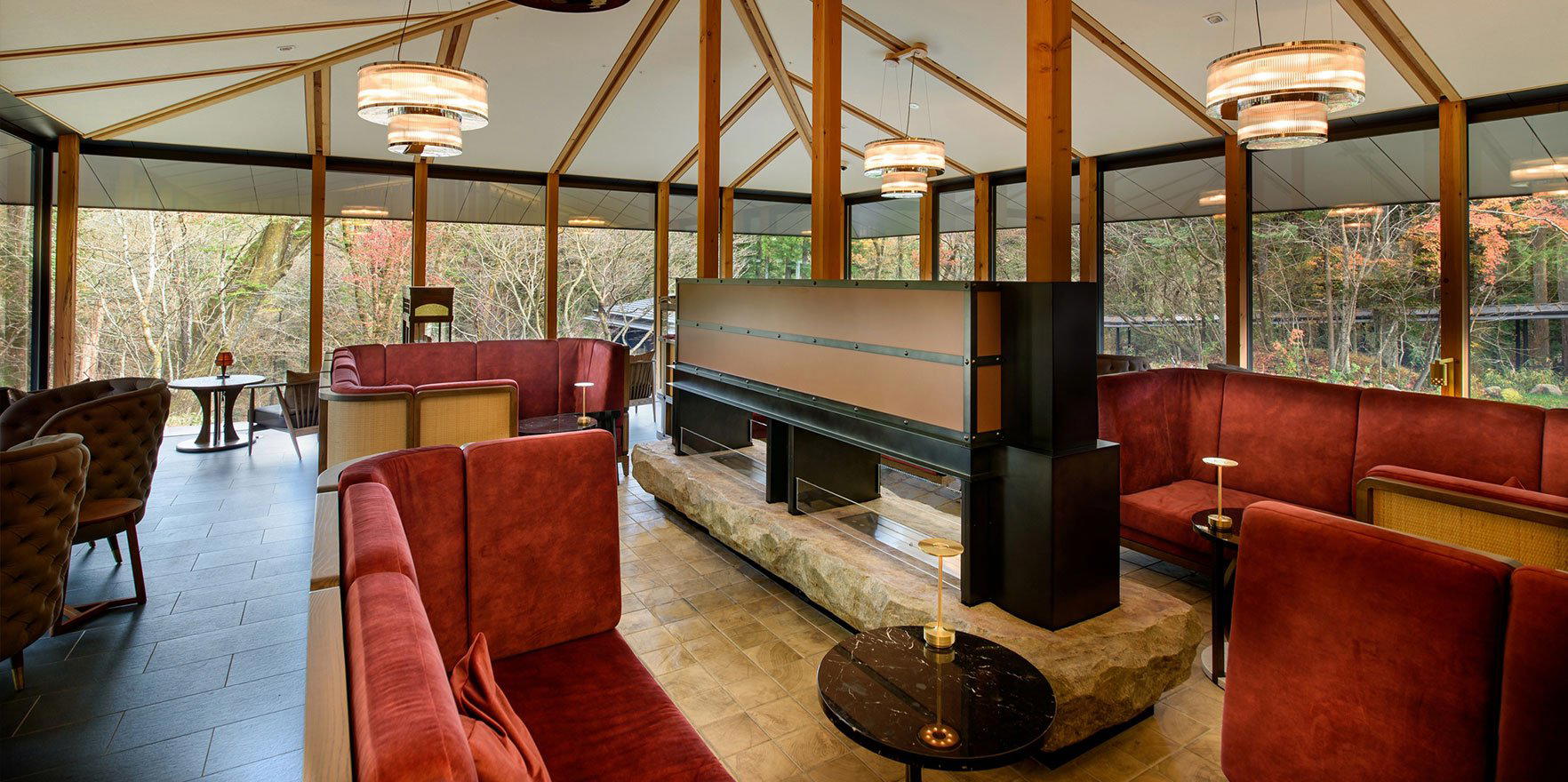
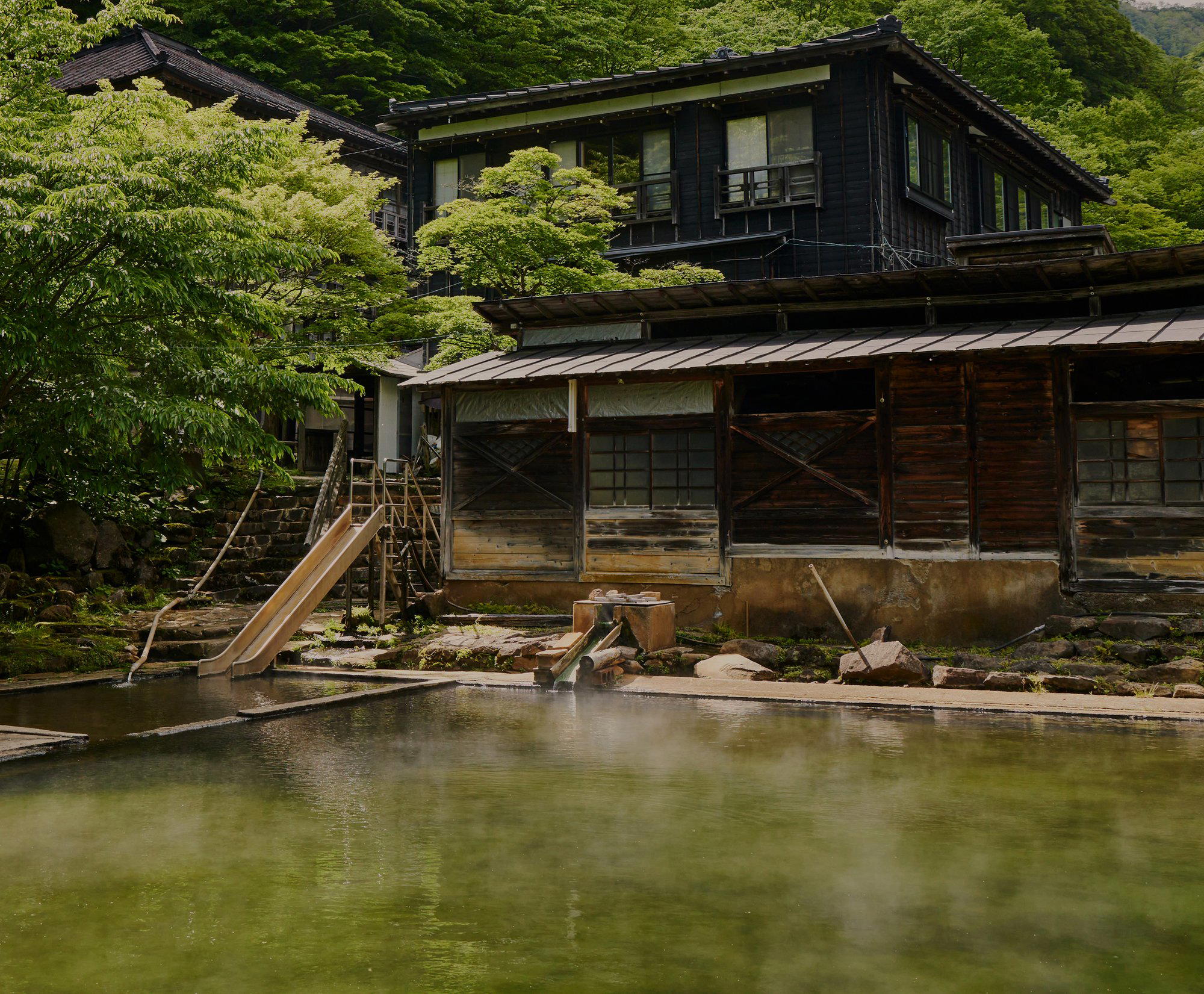
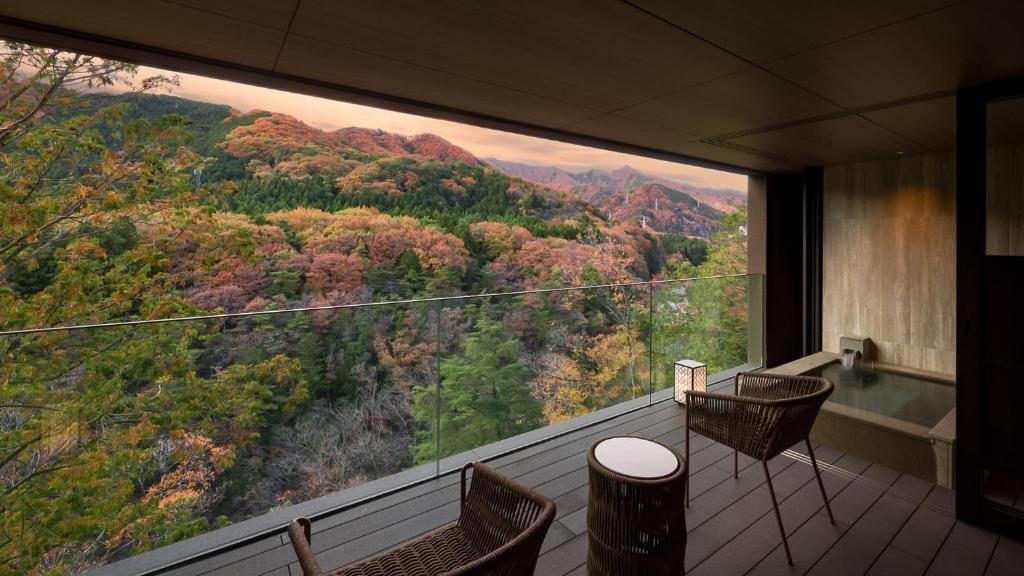
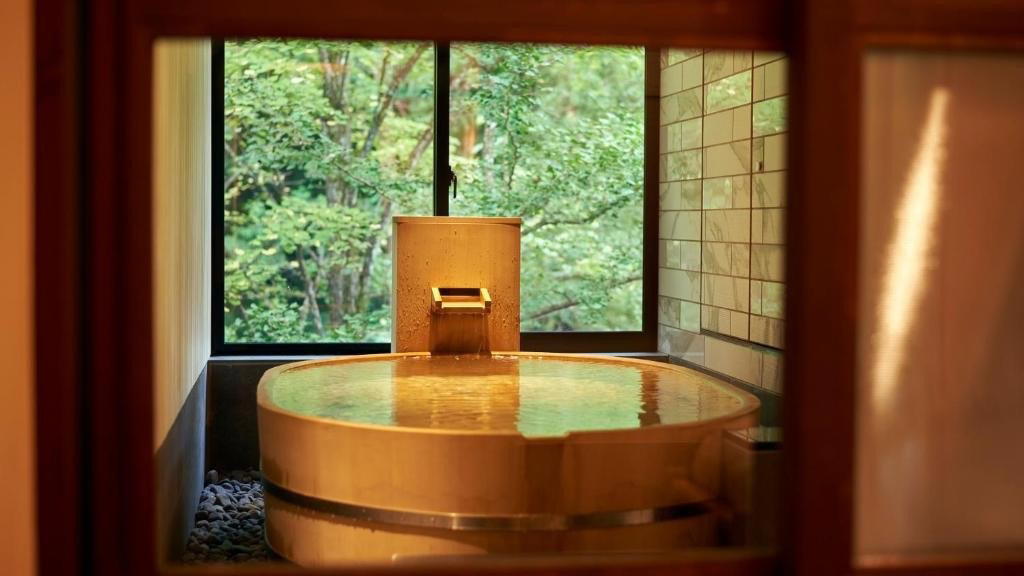
British pub-like interiors filled with Beatles references, dark wood and antique-style decor, plus terrace seating in a lush garden setting create a cozy yet lively atmosphere popular with tourists and families.