



Michelin Plate · Macarfi 7.9 Food Rating · Guía Repsol 1 Sol
Our verdict
Cañadío Santander reigns as Cantabria's most celebrated culinary institution, where three decades of tradition culminate in award-winning dishes like the nationally acclaimed "Santander style" tortilla and sublime seafood preparations that define authentic regional gastronomy.

Pearl is the En Primeur Club membership app — saves, bookings, and concierge access live there. Same editors, same standards.
- Address
- C. Gómez Oreña, 15, 39003 Santander, Cantabria, Spain
- Phone
- +34 942 31 41 49
- Hours
- Mon–Sat 12 PM–12 AMSun Closed
- Website
- restaurantecanadio.com
- Directions
- Get directions
The menu
What to order
- Tortilla de patatas
- Tarta de queso
- Rabas
A Counter, a Kitchen, and the Weight of Cantabrian Habit
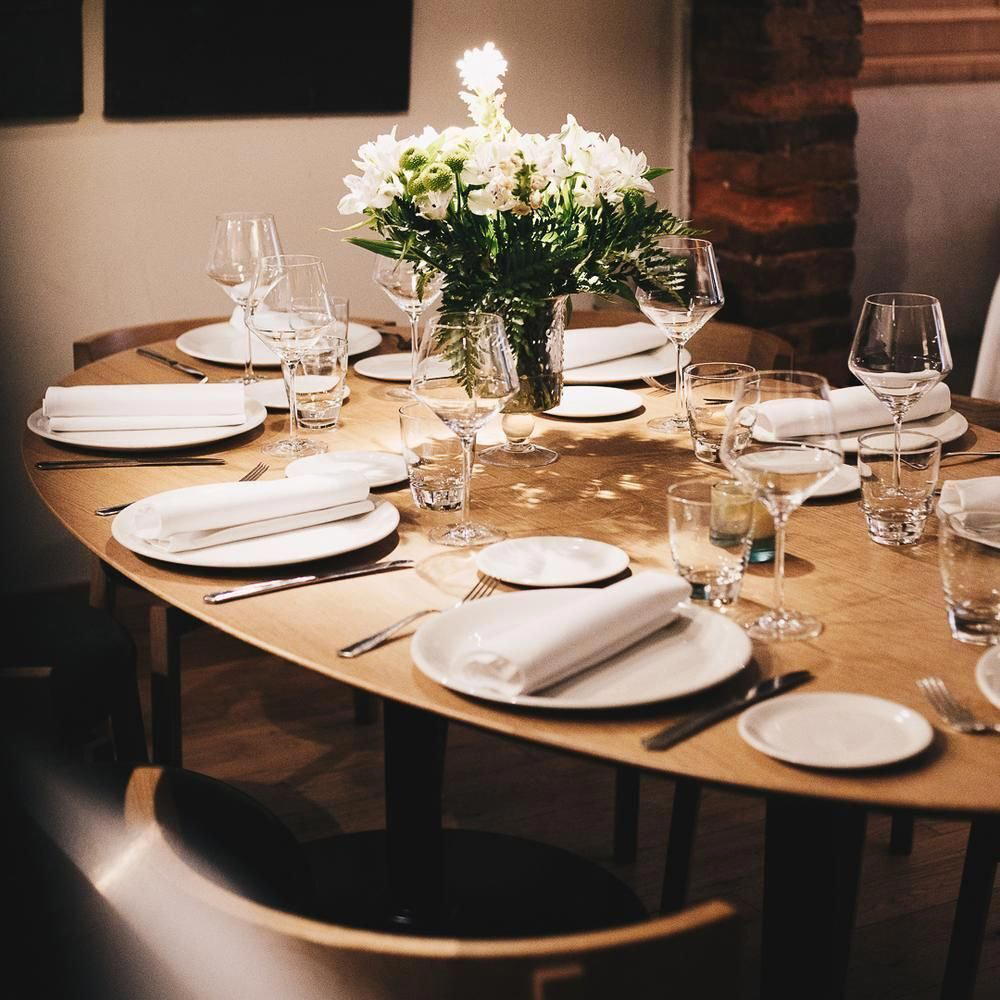
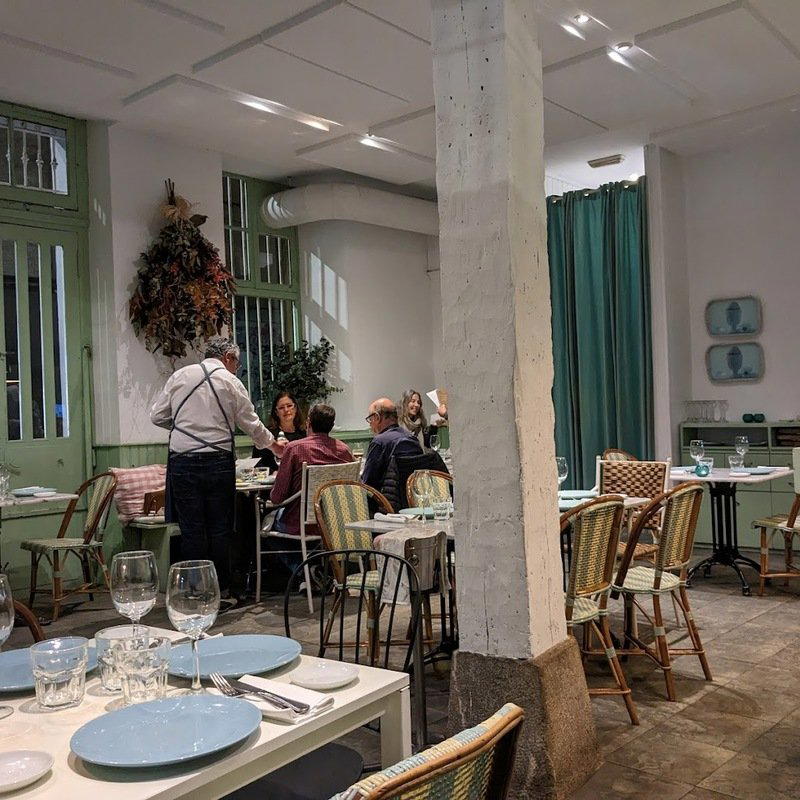
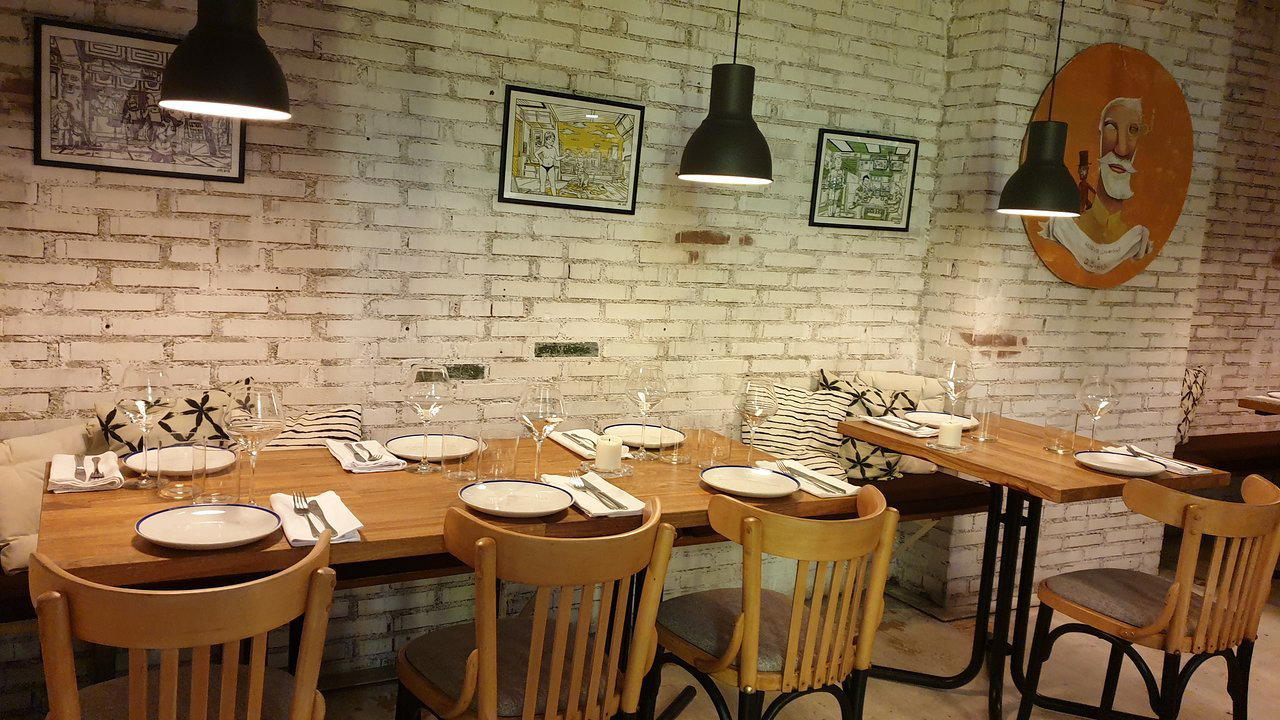
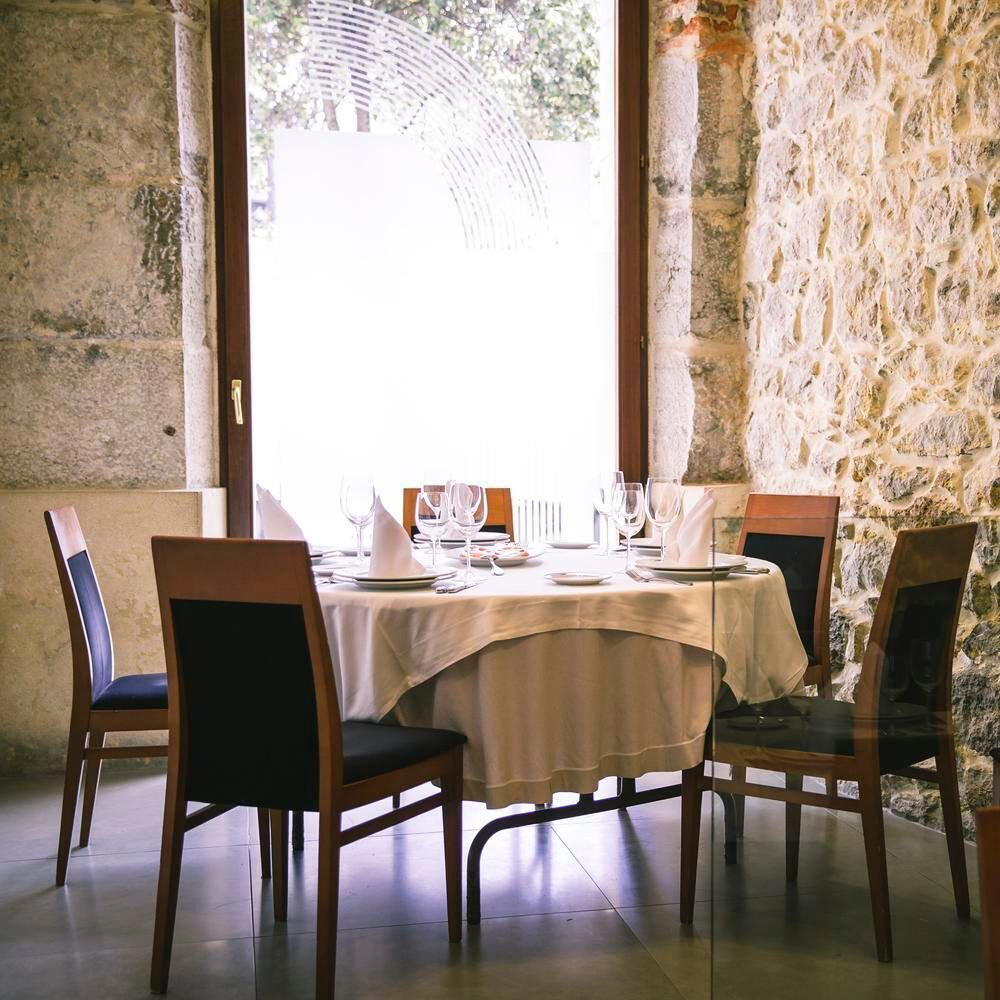
Step into Cañadío on Calle Gómez Oreña and the first thing you register is the bar — not as furniture but as the room's centre of gravity. The open kitchen sits behind it, visible from most angles, and the arrangement makes clear that this is not a place built around ceremony. Two dining rooms accommodate different modes of the same visit: a standing drink and a plate of rabas at the counter, or a longer sit-down with hake and lemon tart at one of the tables. The room has the particular ease of a space that has not had to reinvent itself to stay relevant, because it understood what it was doing from the beginning.
What the Menu Architecture Reveals
Cañadío's menu reads less like a chef's showcase and more like a considered argument for a regional canon. The structure is classically Cantabrian in its logic: the sea comes first, ingredients are given room to speak, and cooking technique is applied to enhance rather than to announce itself. This is not accident — it reflects a deliberate philosophy across Northern Spain's coastal dining rooms, where the Bay of Biscay sets the agenda and the kitchen's job is restraint in service of raw material.
The fried squid, known locally as rabas, anchors the menu the way boquerones anchor Málaga or pintxos anchor Donostia. It is a dish that every kitchen in Santander attempts and by which regulars quietly judge the rest of the meal. Cañadío's version has been cited specifically by Opinionated About Dining, which ranked the restaurant at number 733 in its 2025 Casual Europe list and has recommended it since at least 2023. That kind of sustained recognition in a category defined by reader-submitted opinions from frequent travellers is meaningful data: it signals consistency over novelty, which is exactly what the menu promises.
Moving deeper into the structure, the cachón, cuttlefish cooked in its own ink, arrives with a creamy rice that sits between a traditional arroz negro and a risotto-style preparation. This is a dish that appears across Cantabria and the Basque Country in various forms, but the specific pairing here grounds it in a Northern Spanish rather than Italian idiom. It is the kind of decision that separates a kitchen that knows its tradition from one that simply executes it. The rice absorbs the ink's salinity without becoming heavy, and the result is a plate that justifies the meal's longer middle passage.
The hake fillet, described in the Michelin citation as spectacular, occupies the position at Cañadío that a whole sea bass or turbot might occupy at a more formal Basque table. In Cantabrian cooking, merluza is not a default choice but a deliberate one, the fish is notoriously unforgiving, its texture depending on sourcing and timing in ways that richer, fattier alternatives forgive more easily. Paco Quirós and the kitchen have made it their reference dish, which tells you something about the confidence behind the menu. Chef Quirós has built the restaurant's identity around ingredients selected with care rather than around theatrical technique, and the hake is the most direct expression of that approach.
The Cañadío lemon tart at the end is not a throwaway flourish. Desserts in Spanish casual dining often arrive as an afterthought; this one has its own name and has been cited independently in the venue's award documentation, which means it lands with enough regularity and distinctiveness to be remembered after the meal. In a menu designed to be honest rather than showy, the dessert holds its position.
Where Cañadío Sits in Santander's Dining Room
Santander's restaurant scene divides fairly cleanly into tiers. At the leading, Casona del Judío and El Serbal operate at Michelin one-star level with modern menus priced at €€€ and €€€€ respectively, placing them in a different competitive set. Agua Salada occupies the same €€ price band as Cañadío but with a contemporary rather than traditional format. Asador Lechazo Aranda and Bar del Puerto round out the mid-market traditional tier alongside it.
Within that context, Cañadío's Michelin Plate recognition in both 2024 and 2025 marks it as a kitchen that Michelin inspectors consider worth noting without reaching for star criteria, typically indicating consistent quality in a direct format. Cañadío does not compete in that register, and it does not need to.
For context on how Spain's broader culinary ambition operates at the other end of the spectrum, DiverXO in Madrid, Cocina Hermanos Torres in Barcelona, and Aponiente in El Puerto de Santa María represent the maximum departure from what Cañadío is doing. The comparison is useful precisely because it clarifies the choice: a €€ Cantabrian institution with four decades of institutional knowledge is making an entirely different argument about what a restaurant should be.
Planning a Visit
Cañadío operates on Calle Gómez Oreña 15, in central Santander, across a long daily schedule that runs from 8am through midnight on most weekdays and until 1am on Fridays and Saturdays, with a slightly later morning opening at 9:30am on weekends. That span covers coffee, lunch, and a late dinner in one address, which gives visitors considerable flexibility in how they use it. The €€ price range places it well below Santander's modern tasting-menu options, making it the kind of meal that does not require occasion justification. Explore the full picture of where to eat, sleep, and drink in the city through our [Santander restaurants guide](), [Santander hotels guide](), [Santander bars guide](), [Santander wineries guide](), and Santander experiences guide.
Frequently asked questions
Is Cañadío expensive?
Pricing at Cañadío is listed as €€.
What days is Cañadío closed?
Hours at Cañadío: Hours: Monday 8 am–12 am Tuesday 8 am–12 am Wednesday 8 am–12 am Thursday 8 am–12 am Friday 8 am–1 am Saturday 9:30 am–1 am Sunday 9:30 am–12 am.
Comparison Snapshot
| Venue | Cuisine | Price | Awards | Notes |
|---|---|---|---|---|
| CañadíoThis venue — the venue you are viewing | Traditional Cantabrian | $50–100 | Michelin Plate · Macarfi 7.9 Food Rating | Not listed |
| El Serbal | Modern Cantabrian Fine Dining | $50–100 | 1 Michelin Star · Guía Repsol 1 Sol | Modern Cuisine |
| La Bombi | Traditional Cantabrian Seafood | Not listed | Michelin Plate · Macarfi 8.2 Food Rating | Not listed |
| Casona del Judío | Modern Cuisine | Not listed | Michelin 1 Star | Not listed |
| Agua Salada | Modern Mediterranean Spanish Gastrobar | $30–50 | Michelin Bib Gourmand · Macarfi 7.7 Food Rating | Not listed |
| Bodega Cigalena | Traditional Cantabrian Spanish | Not listed | Macarfi 8 Food Rating | Not listed |
Recognition history
Dated appearances from independent guides and award organizations, with the underlying list record or original source where available.
Michelin Plate
Michelin
Guía Repsol 1 Sol
Guía Repsol
Macarfi 7.9 Food Rating
Macarfi
Opinionated About Dining Casual in Europe Ranked #733
Opinionated About Dining
Full recognition history (7 entries)
Michelin Plate
Michelin
Michelin Plate
Michelin
Opinionated About Dining Casual in Europe Recommended
Opinionated About Dining
Continue exploring
More in Santander
Restaurants in Santander
Browse all →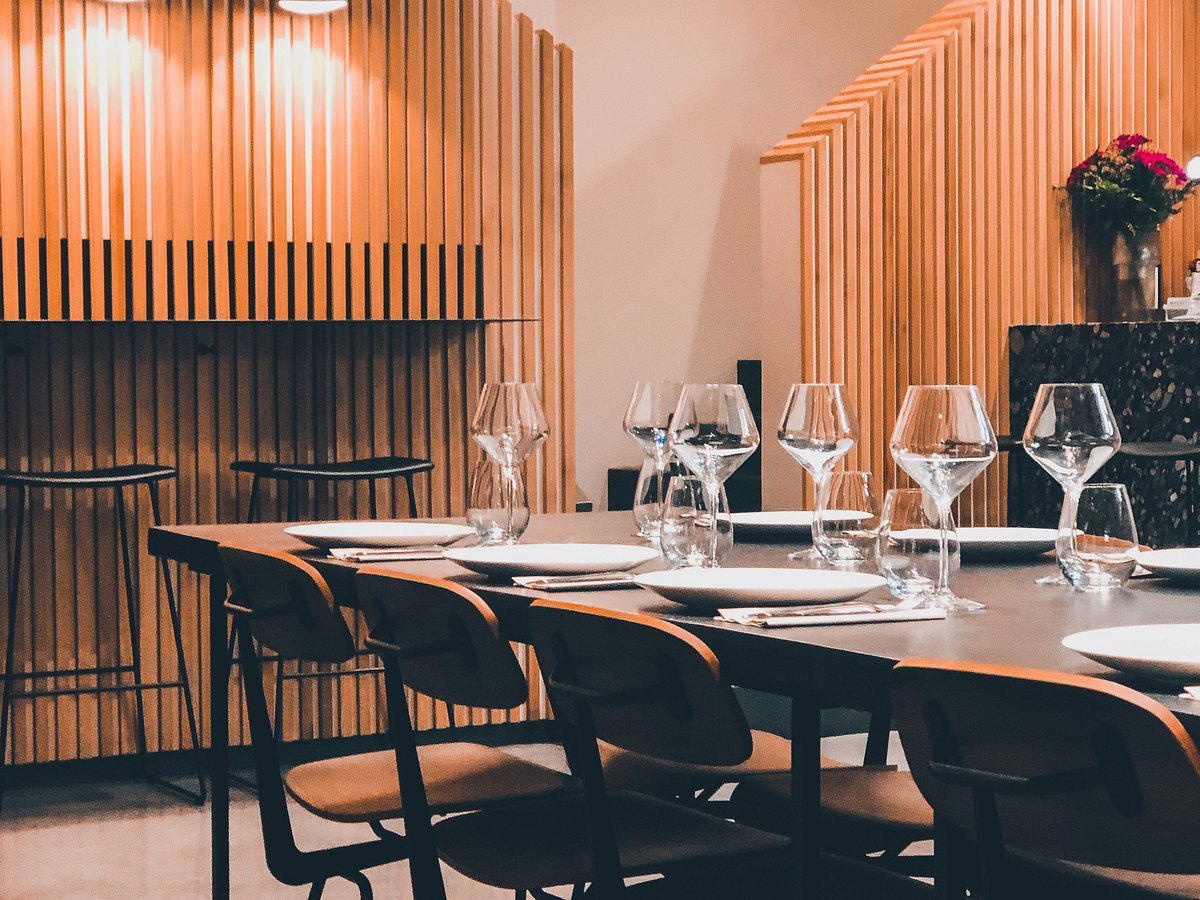
Details
- Classic
- Cozy
- Elegant
- Date Night
- Special Occasion
- Group Dining
- Open Kitchen
- Extensive Wine List
- Local Sourcing
- A La Carte
- Small Plates
Current opening hours
- Monday
- 12 PM–12 AM
- Tuesday
- 12 PM–12 AM
- Wednesday
- 12 PM–12 AM
- Thursday
- 12 PM–12 AM
- Friday
- 12 PM–12 AM
- Saturday
- 12 PM–12 AM
- Sunday
- Closed
Hours can change for holidays and private events. Last verified .
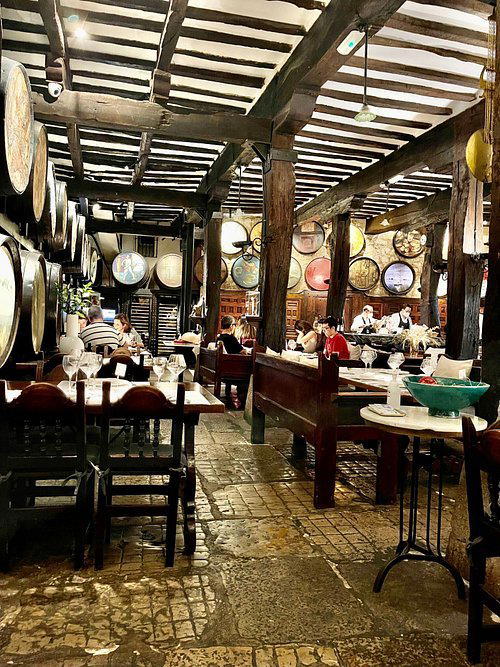
Historic dining room with exposed brick arches and iron pillars from the early 20th century, open kitchen, elegant yet bustling atmosphere.