

Michelin Plate · Macarfi 6.7 Food Rating
Our verdict
A Michelin Plate-recognised asador on Calle Tetuán, Asador Lechazo Aranda brings the roasting tradition of Castile to Cantabria's coast. Wood-fired ovens anchored in centuries of Spanish lechazo craft sit at the centre of a menu built around suckling lamb, quality meats, and occasional Cantabrian seafood. At the €€ price point, it occupies a distinct lane in Santander's dining scene.

Pearl is the En Primeur Club membership app — saves, bookings, and concierge access live there. Same editors, same standards.
- Address
- C. Tetuán, 15, 39004 Santander, Cantabria, Spain
- Phone
- +34 942 21 48 23
- Hours
- Mon–Tue 1–5 PMWed ClosedThu–Sun 1–5 PM, 8–11 PM
- Website
- instagram.com
- Directions
- Get directions
The menu
What to order
- Roast suckling lamb
- Lamb chops
- Roast suckling pig
Wood, Smoke, and the Castilian Roasting Tradition in Santander
Spain's asador tradition runs deep in the meseta, where wood-fired ovens have been roasting suckling lamb — lechazo — for centuries in towns like Aranda de Duero. What Asador Lechazo Aranda does is transpose that landlocked craft into a coastal city better known for anchovy tins and grilled fish. The result is a dining room on Calle Tetuán, in central Santander, that operates by a different logic to its neighbours: the fireplace, not the harbour, is the reference point here.
That positioning matters in a city where the dominant register is Cantabrian seafood. Santander's most-discussed tables, from the contemporary cooking at Casona del Judío and El Serbal to the more casual registers at Agua Salada and Bar del Puerto, are shaped by proximity to the Cantabrian Sea. An asador rooted in Castilian technique sits at a deliberate angle to that tendency, drawing a different diner and making a different kind of argument about what a meal in northern Spain can be.
The Lechazo and the Oven: What the Roasting Tradition Actually Involves
The central drama of any serious asador is in the preparation that happens before a customer arrives. Lechazo, milk-fed lamb, typically slaughtered before weaning is complete, produces a carcass with almost no excess fat, pale flesh, and a skin that crisps in the oven into a brittle, mahogany shell. In Castile, the wood-fired horno de leña is the sole legitimate instrument; the radiant heat of burning oak or holm oak cooks the animal slowly and evenly in a way that a gas or convection oven cannot replicate. The Michelin guide's recognition of Asador Lechazo Aranda across both 2024 and 2025 with a Michelin Plate specifically cites the wood-fired oven as central to the kitchen's approach, placing it within a broader Spanish category of restaurants where technique is ancient and change is neither required nor desired.
The comparison point for this style of cooking sits in restaurants like Damini Macelleria & Affini in Arzignano and Carcasse in Sint-Idesbald, where the commitment to a specific animal, a specific cut, and a specific method defines the entire identity of the restaurant. These are not menus that rotate seasonally around a chef's evolving curiosity; they are built around a singular proposition that the guest either accepts or does not. The lechazo asador tradition is as close to that model as Spanish cooking gets.
Where the Dry-Aging Argument Fits In
Editorial angle on dry-aged programmes in meat-led restaurants typically centres on extended hanging times and the enzymatic breakdown that concentrates flavour in beef. Lechazo sits at the opposite end of that spectrum. The milk-fed lamb is by definition young, and the quality argument is not about time in the cold room but about what the animal never experienced: grass, grain, hard exercise, or accumulated fat. The craft lies upstream of the kitchen, in sourcing an animal at precisely the right developmental stage, and downstream in the oven management required to cook something so lean without drying it out. At Asador Lechazo Aranda, the kitchen's claim on quality is therefore about provenance and fire control rather than extended maturation, a different kind of precision, but precision nonetheless. Top-quality meat, noted explicitly in the Michelin recognition, signals that sourcing discipline is applied across the broader menu, not only to the house speciality.
The Room and the Register
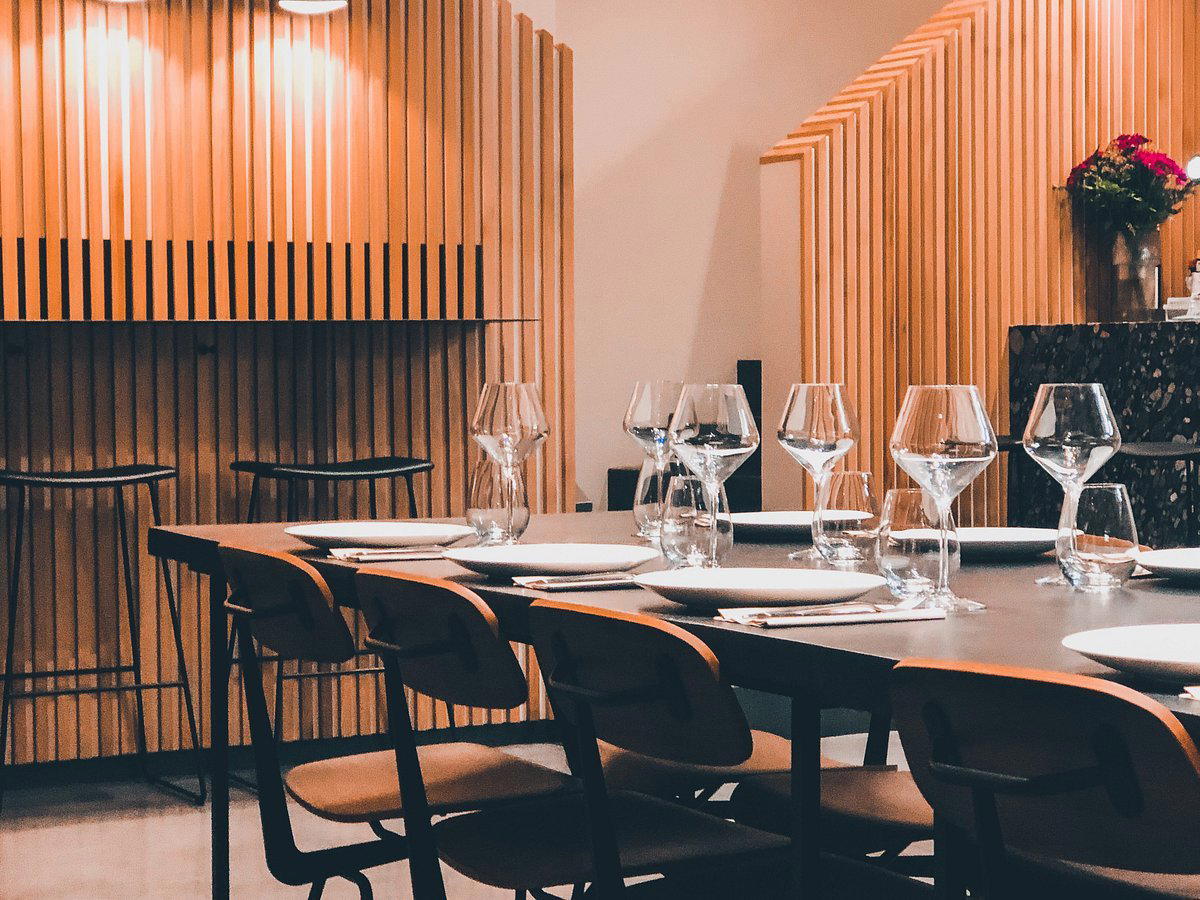
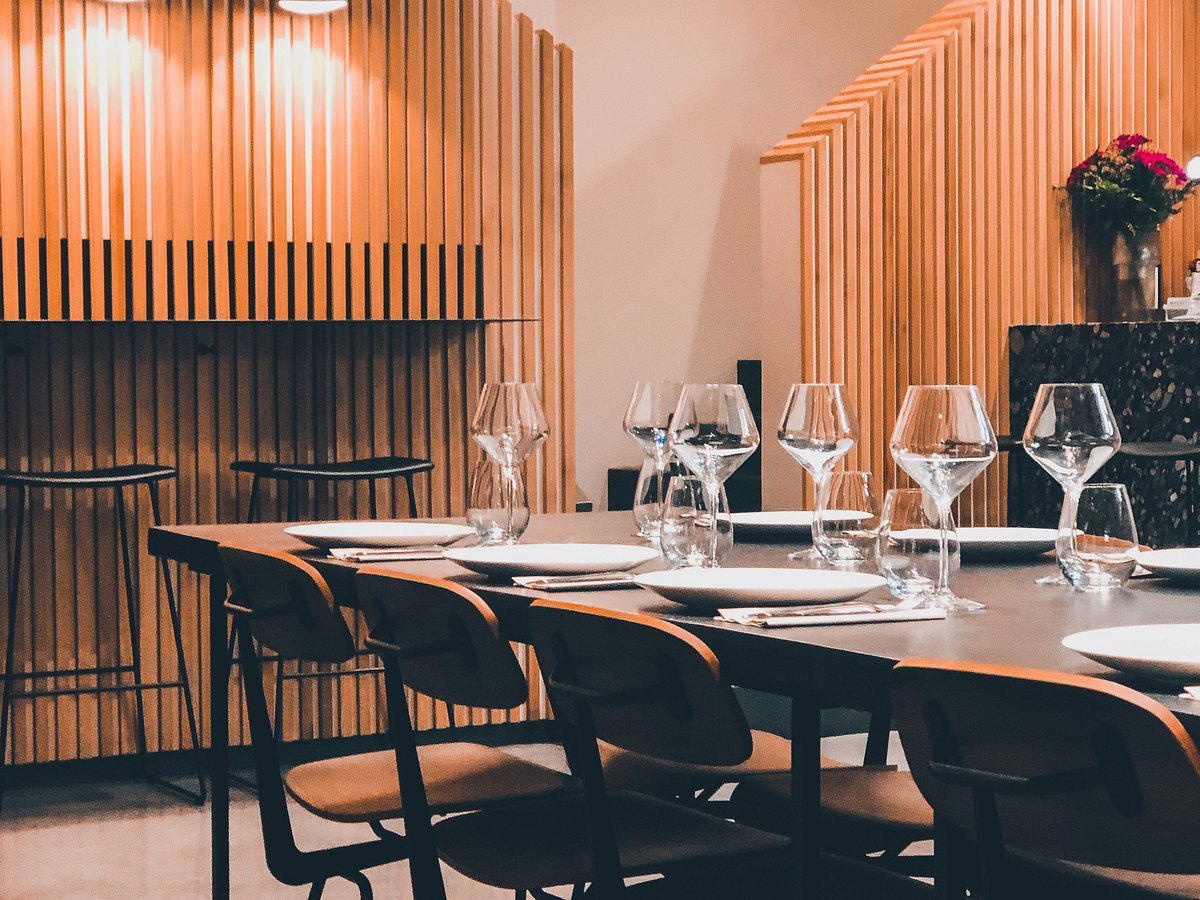
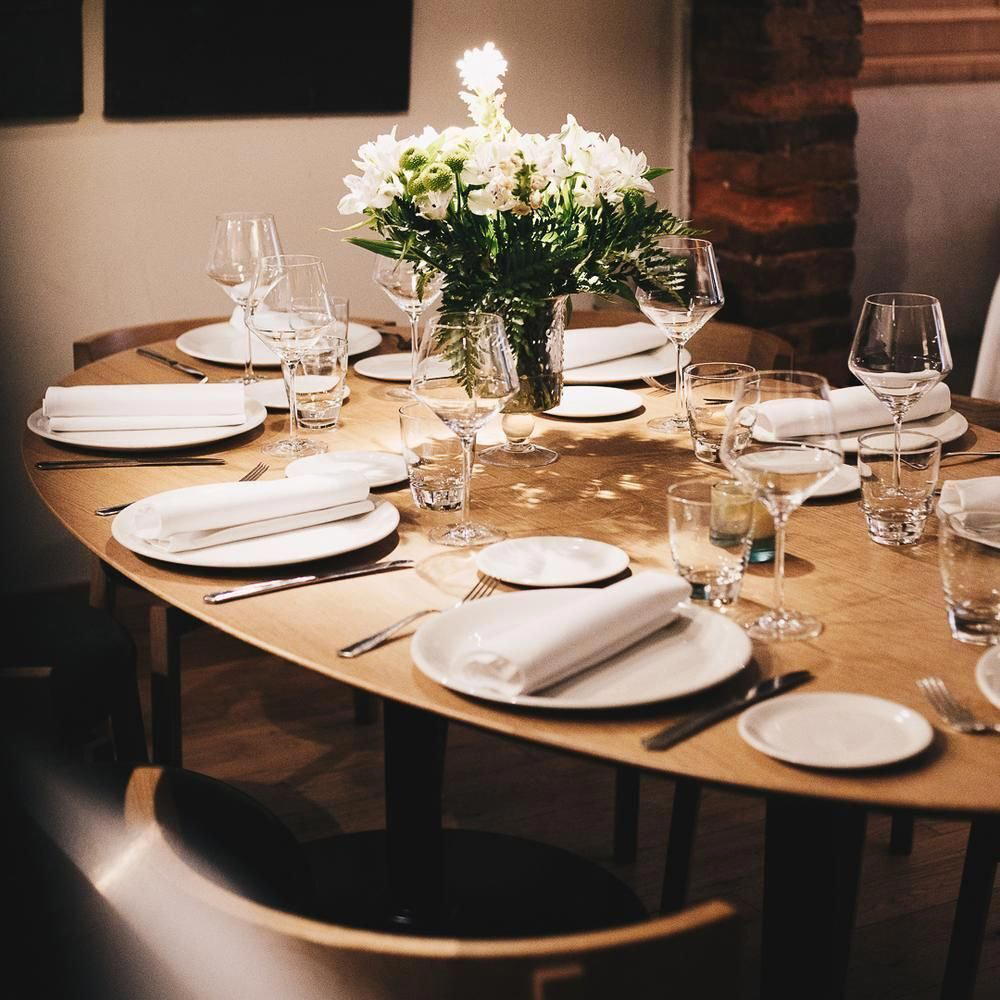
Michelin description of Asador Lechazo Aranda places it within a Castilian decorative tradition: the kind of interior that signals a direct connection to the source, with regional motifs and materials that frame the meal as part of a cultural continuum rather than a contemporary dining experience. In Spain's asador circuit, that aesthetic is not nostalgia for its own sake but a coherent visual argument that the food on the plate belongs to a specific place and time. Occasional seafood dishes appear on the menu, a nod to the Cantabrian context in which the restaurant operates, but the dominant logic is meat, fire, and the inland tradition carried north.
Among Santander's other mid-range options, Asador Lechazo Aranda occupies a position that is less about price competition and more about category distinction. At the €€ tier, it sits alongside Agua Salada and Bodega Cigalena by price, but the cooking philosophy is not comparable to either. The Michelin Plate confirmation, held for at least two consecutive years, puts it in a distinct category of recognised value at that price point, which is not a description that applies to every €€ address in the city.
Santander in the Wider Spanish Conversation
Cantabria does not dominate Spain's restaurant conversation the way the Basque Country or Catalonia does. The rooms generating international attention are further along the coast or further south: Arzak in San Sebastián, Azurmendi in Larrabetzu, El Celler de Can Roca in Girona, Cocina Hermanos Torres in Barcelona, DiverXO in Madrid, and Aponiente in El Puerto de Santa María. Santander's fine dining sits one rung below that tier, led locally by the two Michelin-starred addresses at Casona del Judío and El Serbal. Asador Lechazo Aranda does not compete with those tables and is not trying to. It competes, implicitly, with every other interpretation of what Spanish meat cooking can be, and at a price point that makes regular visits feasible.
For anyone building a broader picture of Santander, the full range of options is covered in our full Santander restaurants guide, with parallel coverage in our full Santander hotels guide, our full Santander bars guide, our full Santander wineries guide, and our full Santander experiences guide.
Planning a Visit
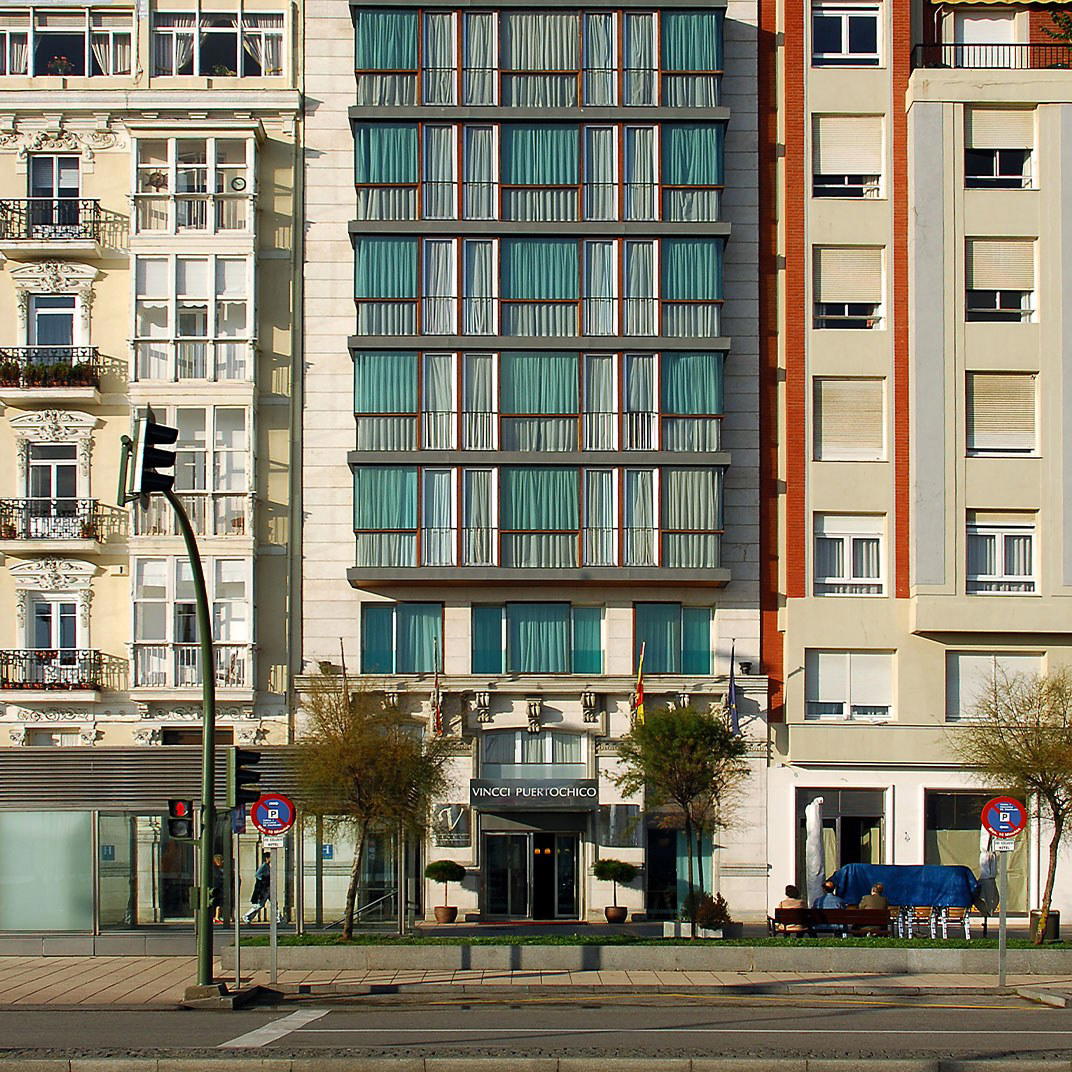
Asador Lechazo Aranda is at C. Tetuán, 15, in central Santander, a short walk from the bay and the main commercial streets. The €€ price point places it in accessible mid-range territory for the city.
Frequently asked questions
Is Asador Lechazo Aranda okay with children?
At the €€ price point, this is a mid-range dining room with a format built around shared roast meats from a wood-fired oven — the kind of meal that travels well across generations. The Castilian asador tradition is inherently communal, and a table centred on roast lamb tends to sidestep the friction of elaborate tasting menus. Families with children who eat well should find it straightforward.
What should I expect atmosphere-wise at Asador Lechazo Aranda?
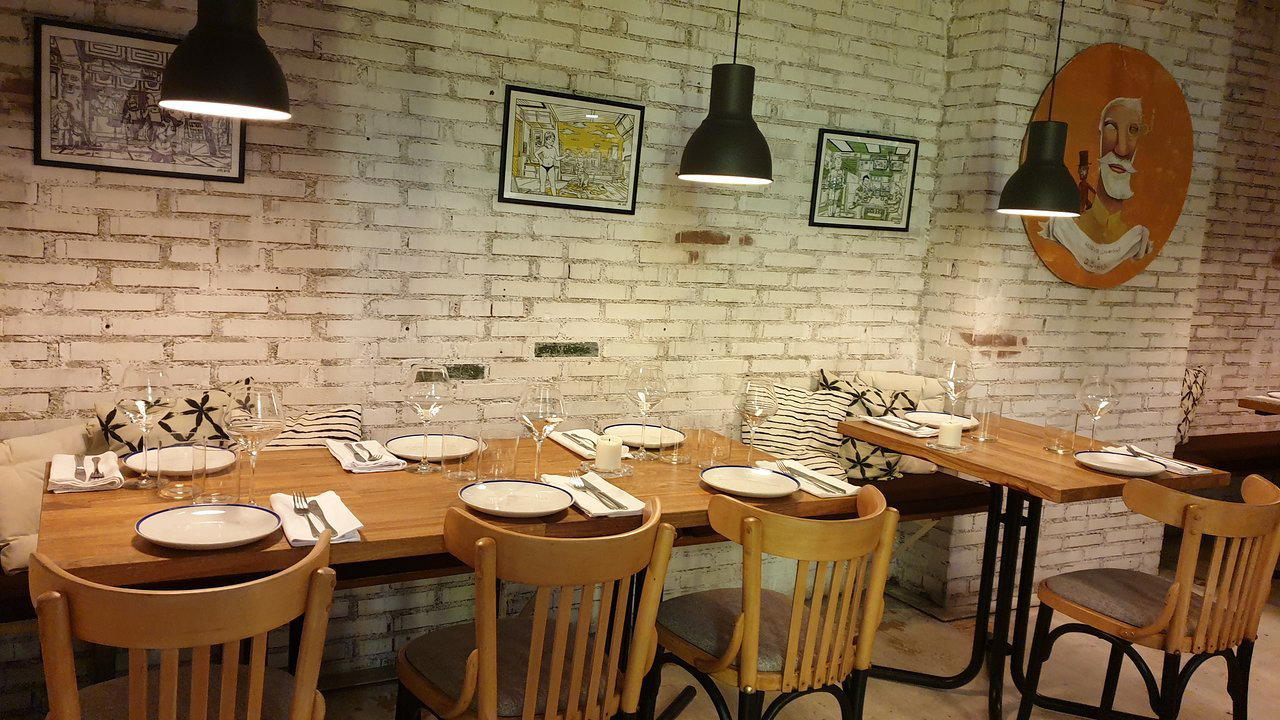
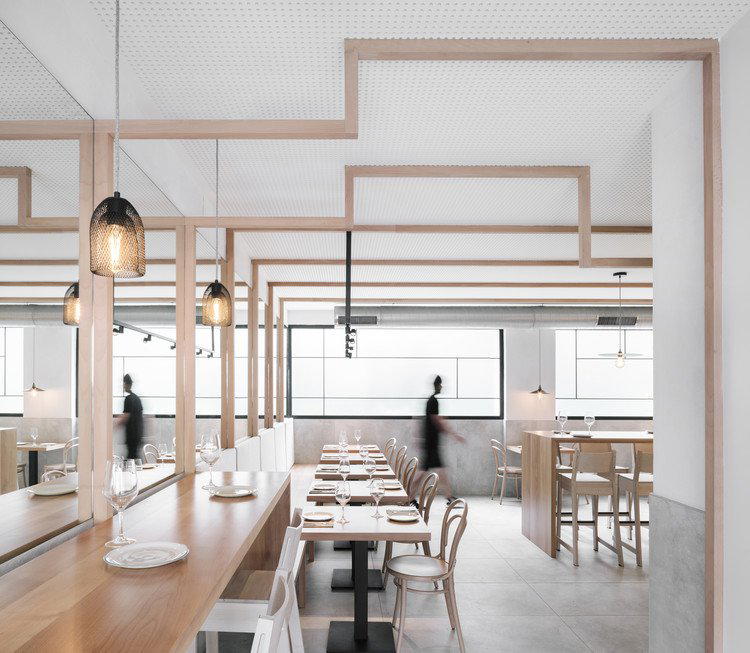
Michelin's own description positions the room within the Castilian decorative tradition: think rustic materials, warm tones, and an interior that signals craft over contemporary minimalism. This is not the register of Santander's more polished fine-dining tables. The focus is on the oven and what comes out of it, and the room reflects that priority.
What distinctions does Asador Lechazo Aranda have?
Asador Lechazo Aranda has received recognition including: This restaurant boasts an attractive Castilian decor and a menu featuring traditional cuisine, including the occasional seafood dish, top-quality meat and delicious roasts cooked in a wood-fired oven. Roast lamb is the house speciality.; Mi….
What's the best thing to order at Asador Lechazo Aranda?
Order the roast lamb. Michelin's recognition for both 2024 and 2025 specifically names the lechazo from the wood-fired oven as the house speciality, and the restaurant's name makes the hierarchy clear. The menu also includes top-quality meats and occasional seafood dishes, but the suckling lamb cooked over wood is the reason to come.
A Pricing-First Comparison
| Venue | Cuisine | Price | Awards | Notes |
|---|---|---|---|---|
| Asador Lechazo ArandaThis venue — the venue you are viewing | Traditional Spanish Asador with Roast Lamb | $50–100 | Michelin Plate · Macarfi 6.7 Food Rating | Not listed |
| El Serbal | Modern Cantabrian Fine Dining | $50–100 | 1 Michelin Star · Guía Repsol 1 Sol | Modern Cuisine |
| Cañadío | Traditional Cantabrian | $50–100 | Michelin Plate · Macarfi 7.9 Food Rating | Asturian, Traditional Cuisine |
| La Bombi | Traditional Cantabrian Seafood | Not listed | Michelin Plate · Macarfi 8.2 Food Rating | Spanish, Farm to table |
| Casona del Judío | Modern Cuisine | Not listed | Michelin 1 Star | Not listed |
| Agua Salada | Modern Mediterranean Spanish Gastrobar | $30–50 | Michelin Bib Gourmand · Macarfi 7.7 Food Rating | Contemporary |
Recognition history
Dated appearances from independent guides and award organizations, with the underlying list record or original source where available.
Michelin Plate
Michelin
Macarfi 6.7 Food Rating
Macarfi
Full recognition history (4 entries)
Michelin Plate
Michelin
Michelin Plate
Michelin
Continue exploring
More in Santander
Restaurants in Santander
Browse all →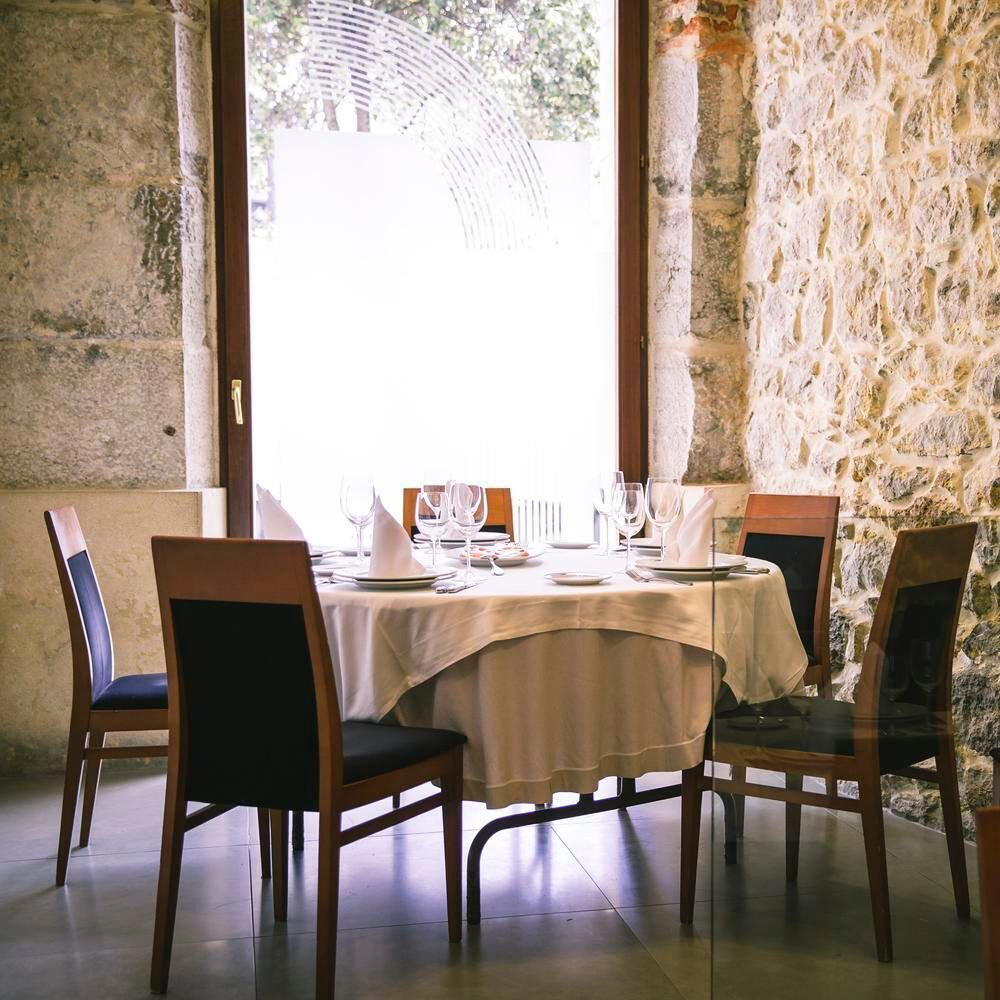
Details
- Rustic
- Classic
- Cozy
- Group Dining
- Special Occasion
- Family
- Open Kitchen
- A La Carte
- Gluten Free Options
Current opening hours
- Monday
- 1–5 PM
- Tuesday
- 1–5 PM
- Wednesday
- Closed
- Thursday
- 1–5 PM, 8–11 PM
- Friday
- 1–5 PM, 8–11 PM
- Saturday
- 1–5 PM, 8–11 PM
- Sunday
- 1–5 PM, 8–11 PM
Hours can change for holidays and private events. Last verified .
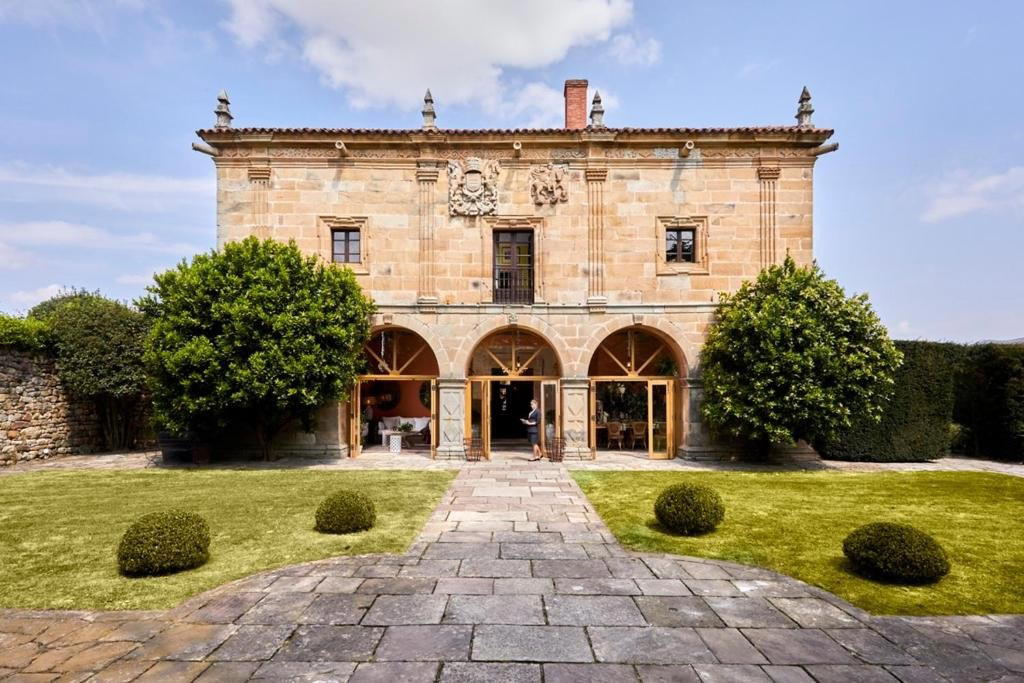
Attractive Castilian decor with stone facade, wooden ceilings, large windows, clean, well-lit, and spacious atmosphere.