ë´ë¯¸ì¥
Our verdict
봄미장 operates in Busan's Busanjin District, joining a city dining scene where ingredient provenance increasingly defines the conversation. Readers seeking deeper Busan context should cross-reference peer counters and neighbourhood-level reporting before booking.

Pearl is the En Primeur Club membership app — saves, bookings, and concierge access live there. Same editors, same standards.
- Address
- South Korea, Busan, Busanjin District, Bokji-ro, 15, ê°ê¸í¬ë¥´í¬ë ìê°, 103í¸
- Phone
- +821077045318
- Directions
- Get directions
The menu
What to order
- Modum hoe (assorted sliced raw fish)
- Sliced raw fish
Where Busan's Ingredient Conversation Is Happening
South Korea's second city has spent the better part of a decade building a dining identity that sits apart from Seoul's fine-dining gravitational pull. In Busan, the argument for eating well has always run through the market: Jagalchi's haul of live seafood, the early-morning dwaeji-gukbap stalls of Seomyeon, the dried goods corridors of Gukje. The city's more considered restaurants have learned to work from that same logic, treating sourcing not as a branding exercise but as the structural spine of what ends up on the plate. 봄미장, located on Bokji-ro in the Busanjin District, occupies that conversation without the benefit of public awards data or a documented tasting menu to point to. What the address alone communicates is a deliberate step away from the tourist-facing corridors of Haeundae and Gwangalli, toward a neighbourhood where restaurants tend to earn their following through repeat local custom rather than platform visibility.
The Busanjin District Context
Busanjin sits between the port-adjacent intensity of Jung-gu and the newer commercial density around Seomyeon. It is not a dining destination in the way that Haeundae codes as a destination, but that is partly the point. The district's residential blocks and mid-rise mixed-use buildings have increasingly drawn the kind of operator who prioritises a stable, return-visit clientele over tourist foot traffic. The trade-off, as with similar pockets in Osaka's Fukushima ward or the quieter arrondissements of Lyon, is that discovery requires deliberate effort. Diners who arrive in Busanjin are usually already committed to a specific address. That dynamic shapes what a place like 봄미장 can do with its sourcing: a reliable local base supports menus built around seasonal and regional supply rather than the more forgiving, broader-appeal formats that Haeundae venues tend to run.
Busan's broader dining tier structure is worth mapping before arrival. At the entry level, ₩ operations like 100.1. Pyeongnaeng and 1969 Buwondong Kalguksu represent the city's deep tradition of ingredient-led simplicity, where the sourcing question is answered by geography and habit rather than curation. The mid-range contemporary tier, where Palate operates with a ₩₩ positioning, shows how Busan's newer generation of chefs frames regional produce inside more deliberately designed tasting formats. At the upper end, Mori at ₩₩₩ and Born and Bred at ₩₩₩₩ anchor the premium bracket, the latter with a steakhouse format that positions Korean beef provenance as its central editorial claim. 봄미장's price tier is not on public record, which makes direct positioning difficult, but its Busanjin address and residential-block setting suggest it operates closer to the considered mid-range than the premium ceiling.
Sourcing as the Editorial Frame
Across South Korea's more serious dining rooms, ingredient sourcing has split into two recognisable camps. The first treats provenance as credentialing: a label, a named farm, a regional designation on the menu card. The second, less visible but more demanding, treats it as operational constraint: you cook what arrived this morning, you adjust when the catch is off, you build the menu around what the season actually produced rather than what it was supposed to produce. Restaurants in Seoul working within that second logic, including the kind of Korean-contemporary format represented by Mingles in Seoul, have established a reference point for how that discipline translates into a tasting format. Busan's version of the same conversation is less documented but arguably more grounded in raw material: the city's proximity to the South Sea and the markets that process its catch gives local operators a sourcing advantage that Seoul venues cannot replicate without supply chain effort.
That coastal sourcing logic extends beyond Busan. Along the east coast, Double T Dining in Gangneung has worked a similar angle, using the East Sea's distinct seafood profile as a differentiator from inland fine-dining formats. Further afield, temple food traditions like those practised at Baegyangsa Temple in Jangseong-gun represent the most rigorous version of ingredient discipline in the Korean context: seasonal, local, and structured by philosophical constraint rather than market preference. For international comparison, the farm-sourcing discipline that defines tasting-menu operations like Lazy Bear in San Francisco or the seafood provenance rigour of Le Bernardin in New York City demonstrates how ingredient sourcing can function as a complete identity rather than a supporting claim.
What to Know Before You Go
봄미장's address on Bokji-ro places it within the residential fabric of Busanjin, accessible from Busan Station or Seomyeon by subway with a short walk. The building designation, 가그린포르떼 시가, 103호, indicates a unit within a mixed-use residential block, which is a common format for independently operated dining rooms in Korean cities that want low overhead and neighbourhood proximity. No phone number, website, or booking platform is on public record, which means confirming hours and availability before travel is non-negotiable. Arriving without a reservation or advance confirmation at this type of Busanjin address carries real risk of a closed door. For planning purposes, cross-referencing with Korean dining platforms including Naver Map and Kakao Map, where Korean-language reviews and real-time hours updates are typically more current than international aggregators, is the reliable approach.
Readers building a broader Busan itinerary will find useful orientation in our full Busan restaurants guide, which maps the city's dining character across neighbourhoods and price tiers. For comparable operations elsewhere in Korea where sourcing and regional identity drive the editorial proposition, Doosoogobang in Suwon, Injegol in Inje County, and 권숙수 (Kwon Sook Soo) in Gangnam-gu each offer reference points for how regional Korean dining rooms handle the sourcing question at different price registers. For Jeju-side comparisons where coastal provenance defines the menu logic, Cheon Jee (천지) and The Flying Hog in Seogwipo round out the picture. Market Café in Incheon and 에버리움펜션 in Cheoin extend the Korea sourcing conversation into different regional registers.
Frequently asked questions
Where do I go for ë´ë¯¸ì¥?
ë´ë¯¸ì¥ is located at South Korea, Busan, Busanjin District, Bokji-ro, 15, ê°ê¸í¬ë¥´í¬ë ìê°, 103í¸, Busan.
What's the best thing to order at 봄미장?
Arriving without strong expectations about specific dishes tends to serve guests better at sourcing-led rooms of this type in Busan. Check directly via the venue's local listings before visiting.
Do they take walk-ins at ë´ë¯¸ì¥?
Reservations are recommended for ë´ë¯¸ì¥ in Busan. Confirm current policy via the venue's official channels.
What do critics highlight about ë´ë¯¸ì¥?
ë´ë¯¸ì¥ is best approached by focusing on the core concept and signature offerings.
Comparison Snapshot
| Venue | Cuisine | Price | Awards | Notes |
|---|---|---|---|---|
| ë´ë¯¸ì¥This venue — the venue you are viewing | Premium Sashimi & Raw Fish | $50–100 | Not listed | Not listed |
| Palate | Contemporary French with Korean Fusion | $150–200 | 1 Michelin Star · La Liste Top Restaurants | Contemporary |
| Mori | Japanese Kaiseki | $200–300 | 1 Michelin Star | Japanese |
| Born and Bred | Modern Hanwoo Beef Omakase Steakhouse | $100–150 | Michelin Plate · World's 50 Best #51 | Steakhouse |
| Anmok | Modern Korean Dwaeji-Gukbap | $10–20 | Michelin Bib Gourmand | Dwaeji-gukbap |
| Bao Haus | Taiwanese-inspired Bib Gourmand | $10–20 | Michelin Bib Gourmand | Taiwanese |
Continue exploring
More in Busan
Restaurants in Busan
Browse all →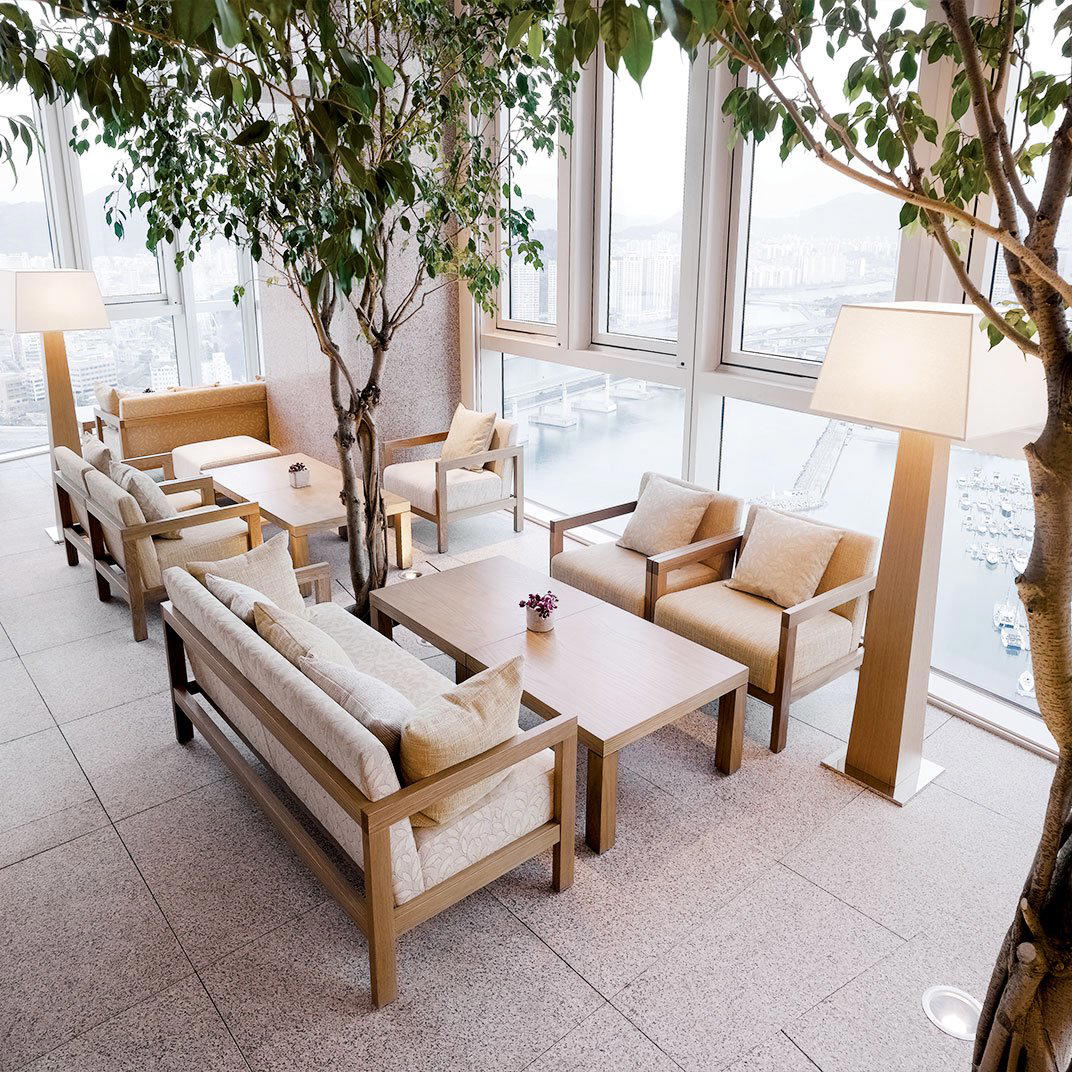
Details
- Scenic
- Elegant
- Special Occasion
- Group Dining
- Date Night
- Waterfront
- Panoramic View
- Sustainable Seafood
- Waterfront
- A La Carte
- Family Style
- Pescatarian Friendly
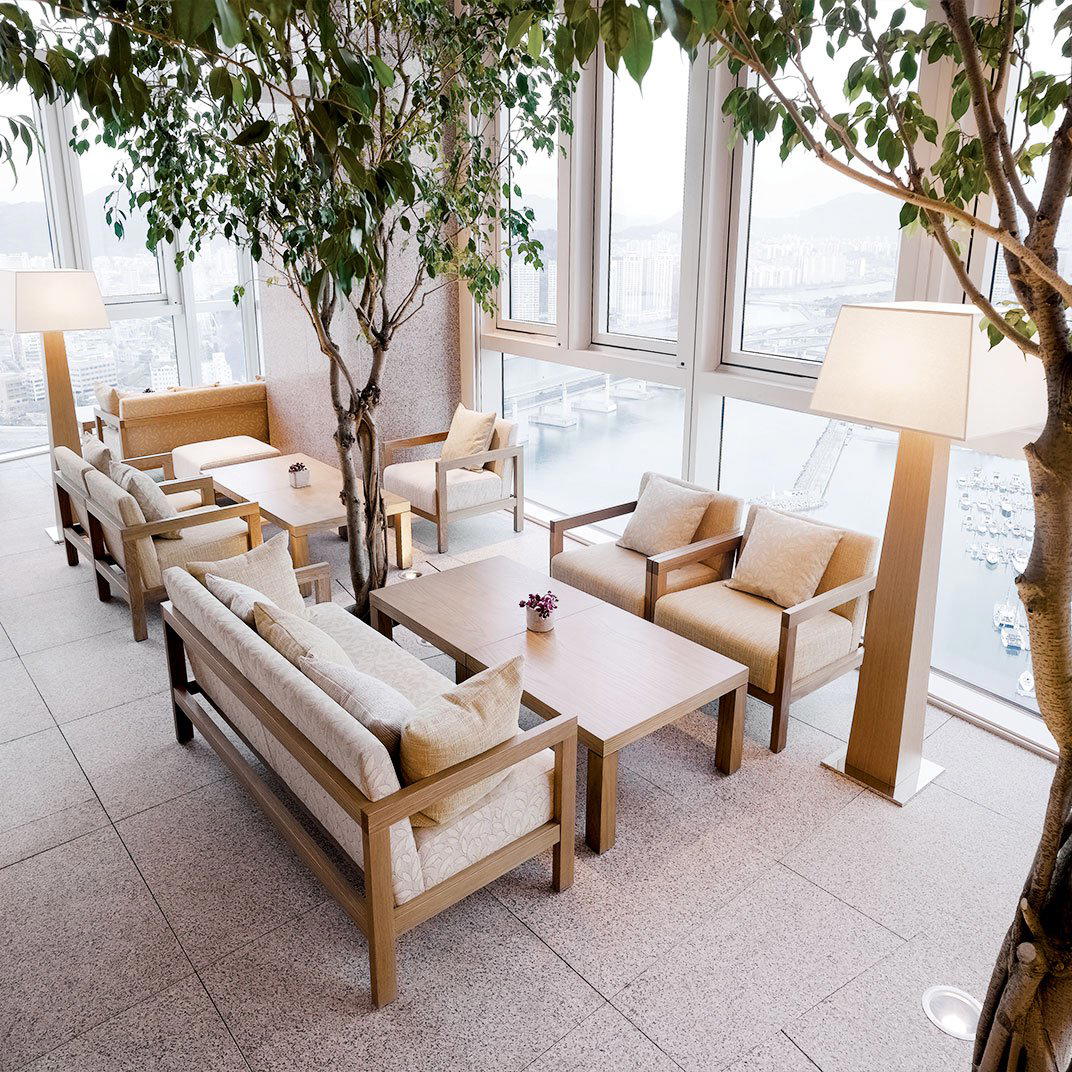
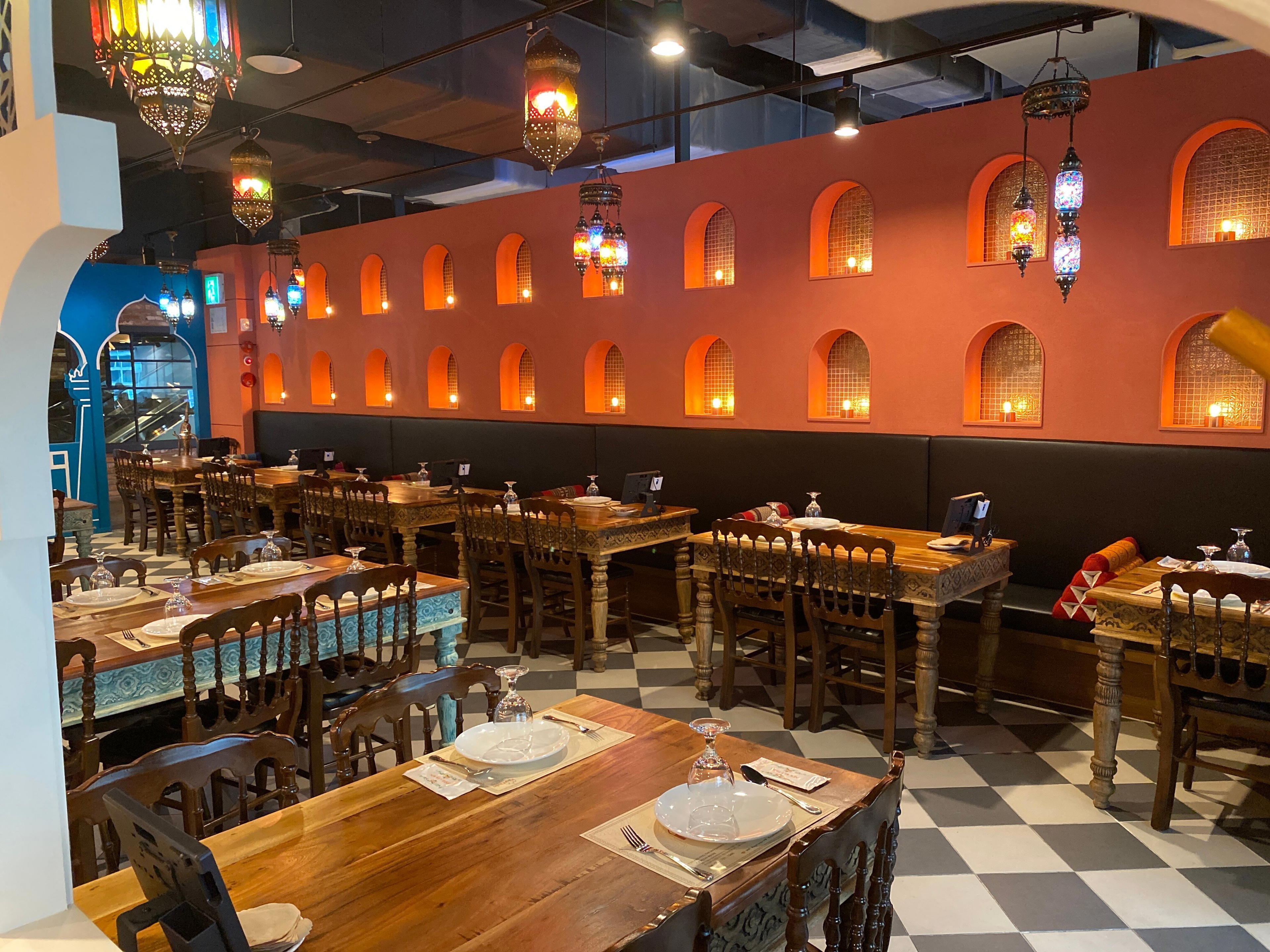
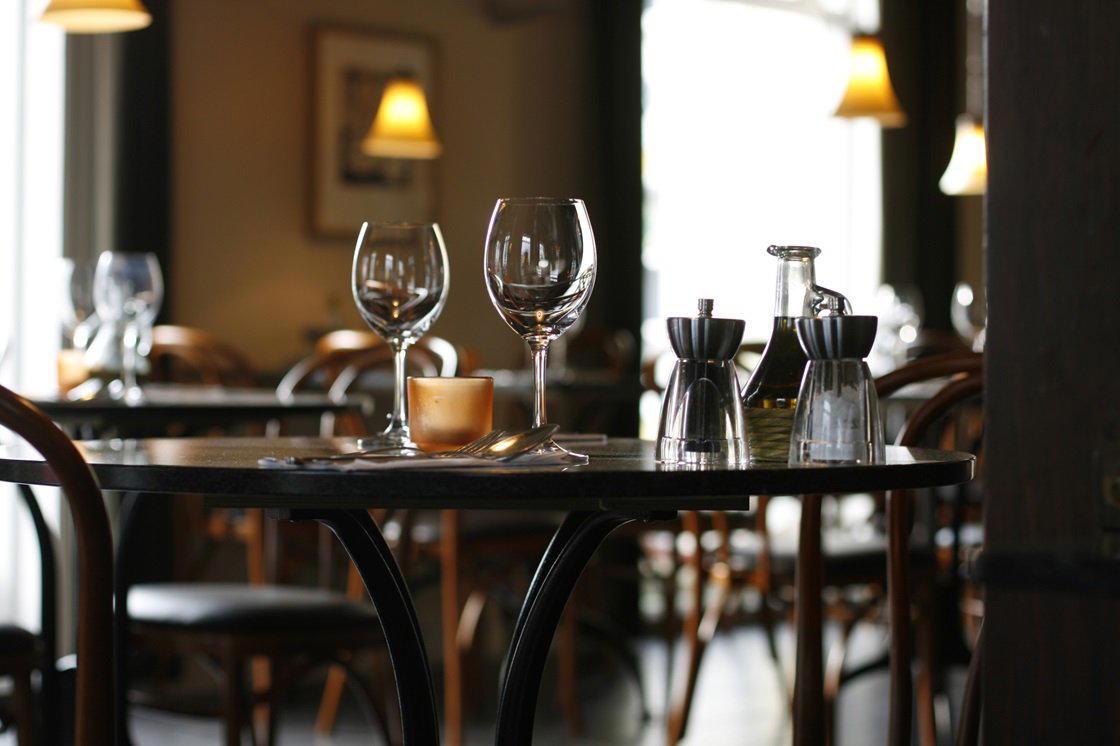
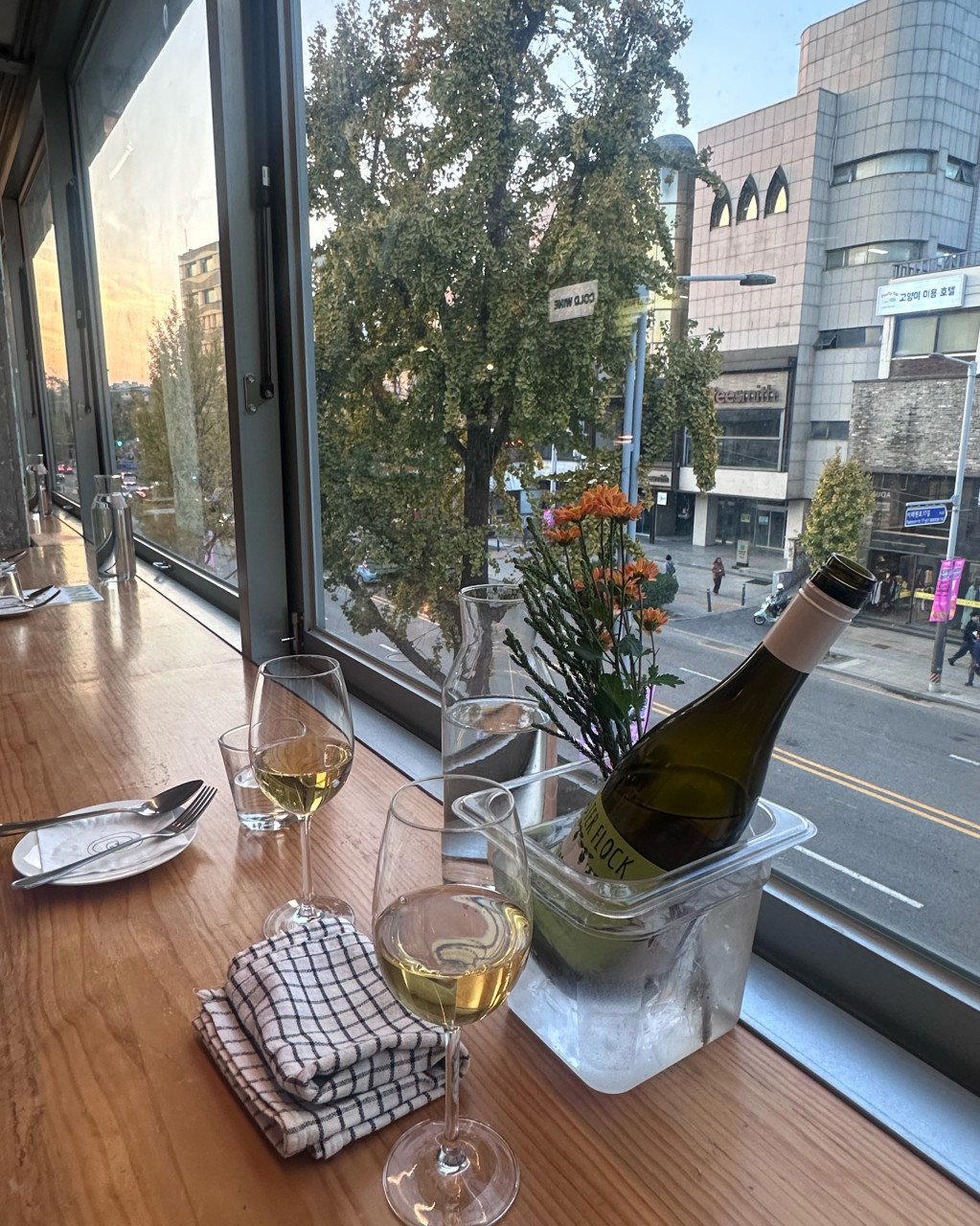
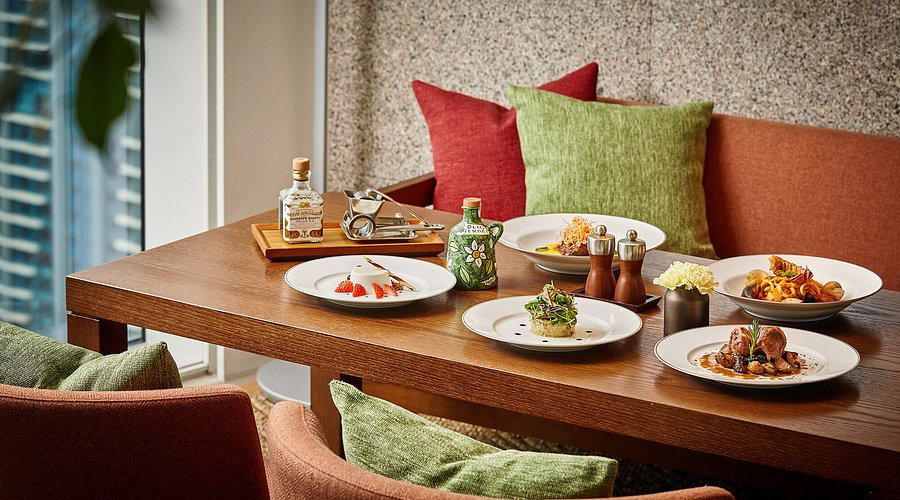
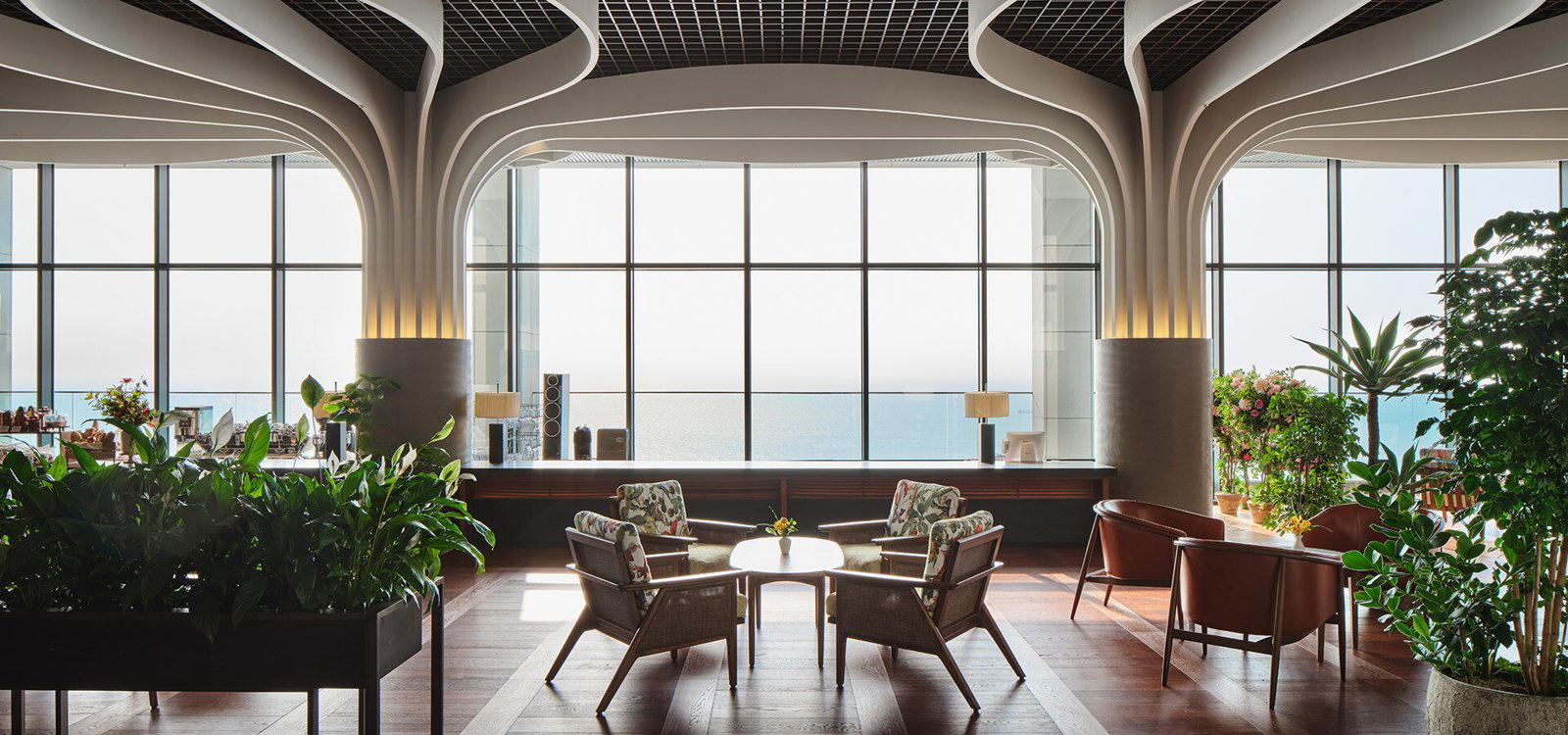
Upscale casual dining with natural ocean views and bright daytime lighting; elegant but relaxed atmosphere suitable for special occasions.