Lexington Busan
Lexington Busan is a sparse-data entry in Busan, so the useful editorial frame is not a checklist of amenities but the city’s split hotel geography: beach towers, marina-scale resorts, business bases, and smaller design-led stays. Treat it as a name to verify directly before committing, then compare it against Busan properties with clearer public signals on location, format, and service depth.
Pearl is the En Primeur Club membership app — saves, bookings, and concierge access live there. Same editors, same standards.
- Address
- Busan, South Korea
- Directions
- Get directions
 Saves & bookings on Pearl
Busan's hotel question starts with the setting
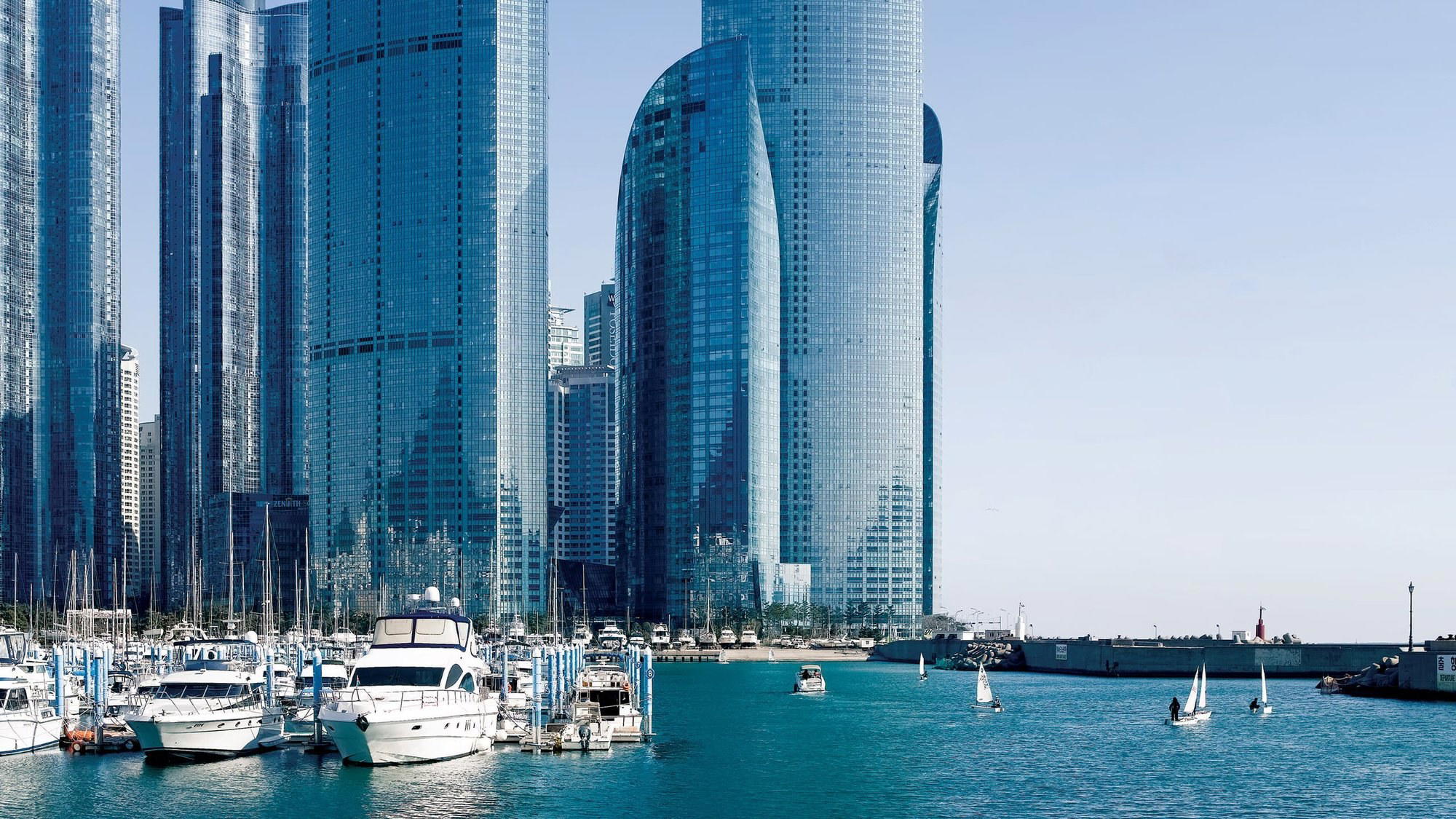
Approaching a Busan hotel is rarely neutral. The city changes tone block by block: glassy waterfront around Haeundae and Marine City, fishing-port grit toward Jagalchi, hillside streets above the old centre, and resort-scale calm along the coves east of town. That physical contrast matters more here than in many Korean cities because the hotel decision often determines the trip’s rhythm. A room near the beach pulls the day toward sea air, morning promenades, coffee chains, seafood restaurants, and taxis after dinner. A room closer to the older commercial districts puts markets, ferries, station logistics, and a denser street life within easier reach. Lexington Busan is a hotel in Busan with 340 rooms. In a city where major hotels compete through location signals and view categories, a property without verified particulars should be assessed through caution rather than assumption.
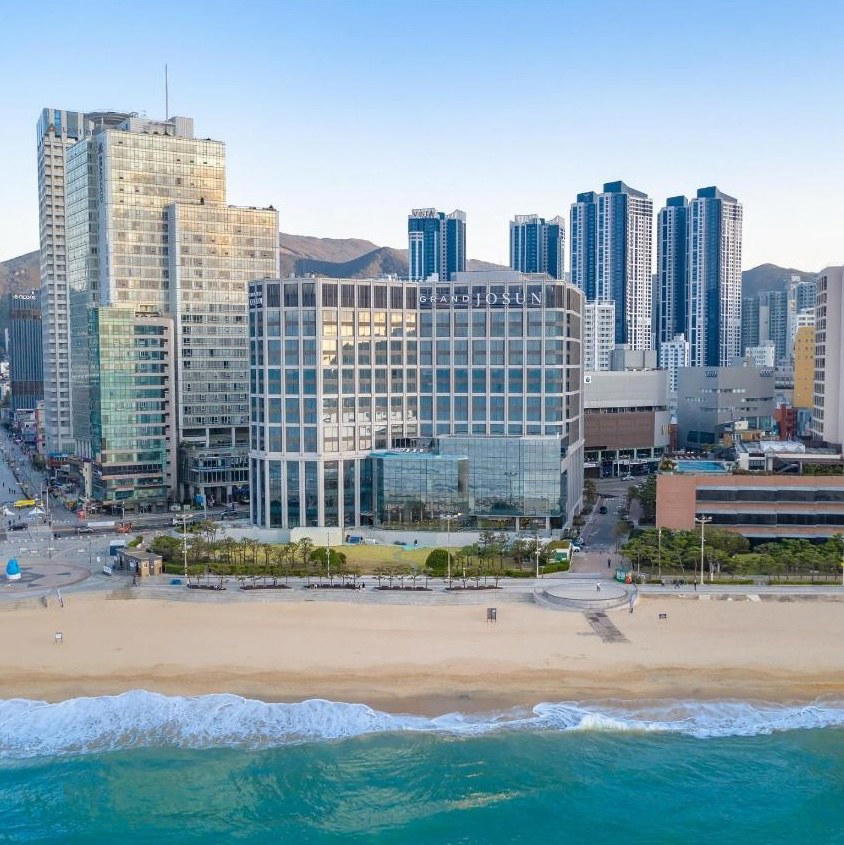
Busan’s stronger hotel choices tend to announce themselves through geography first. Park Hyatt Busan belongs to the Marine City and marina-view conversation, where towers, yacht-basin reflections, and Gwangan Bridge sightlines shape the stay. SIGNIEL BUSAN and Grand Josun Busan sit in the Haeundae orbit, where beach access, department-store polish, and high-rise hospitality define the luxury grammar. Ananti at Busan Cove points farther out, toward a resort reading of the coast rather than a city-hotel one. Against that comparable set, Lexington Busan needs verification before it can be placed with confidence. The editorial stance is simple: judge it by where it sits, what kind of building it occupies, and what evidence exists for service standards.
Design matters in Busan because the city is visually divided
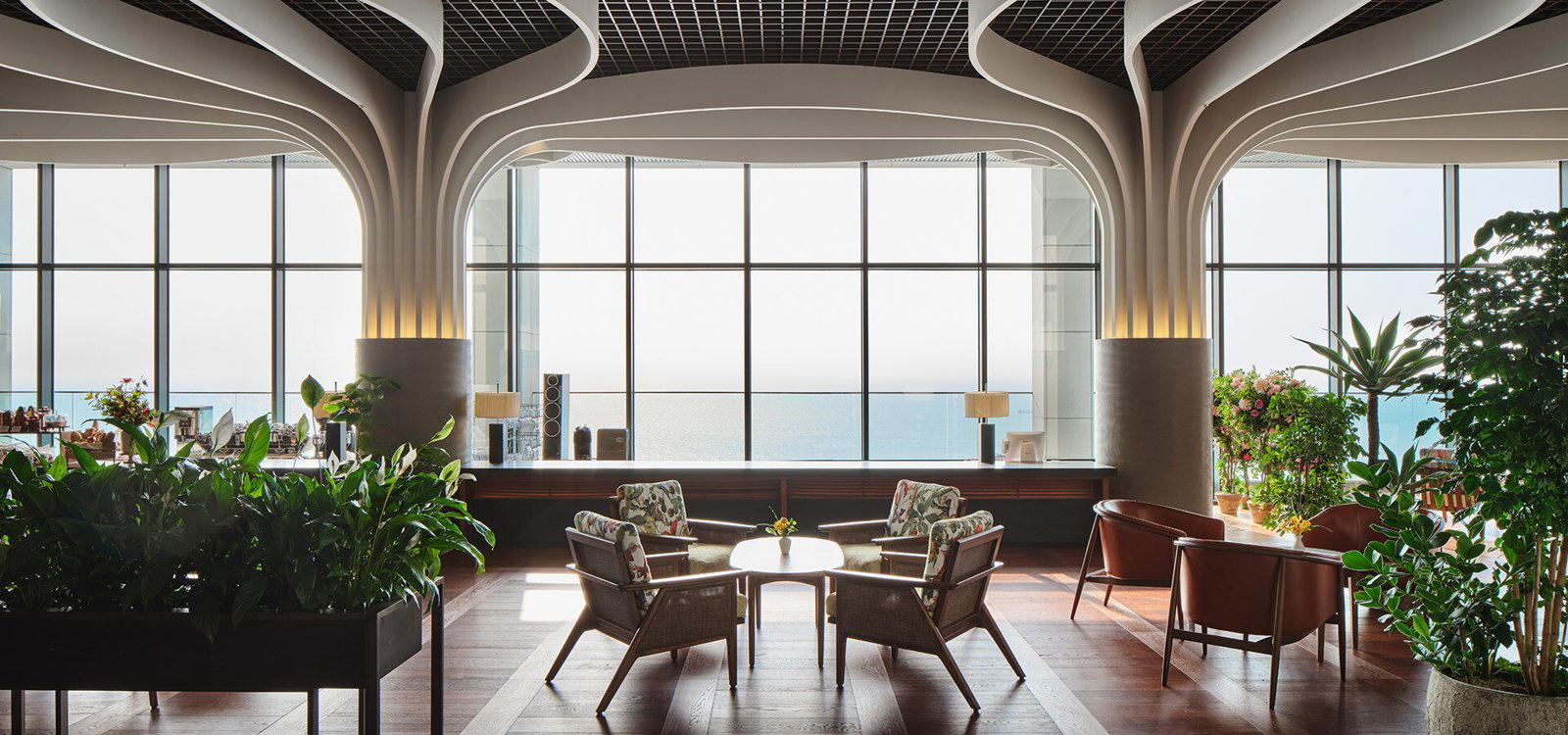
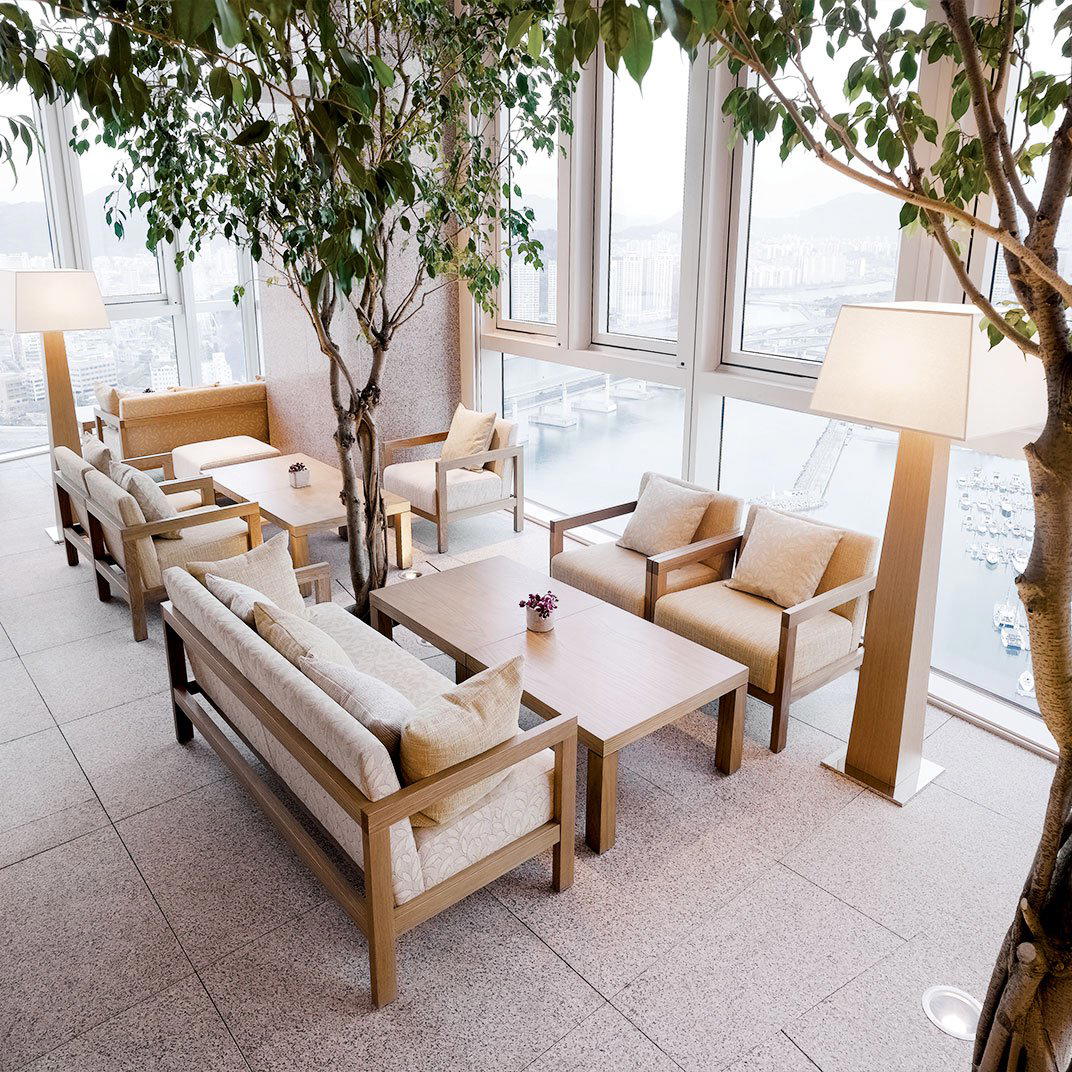
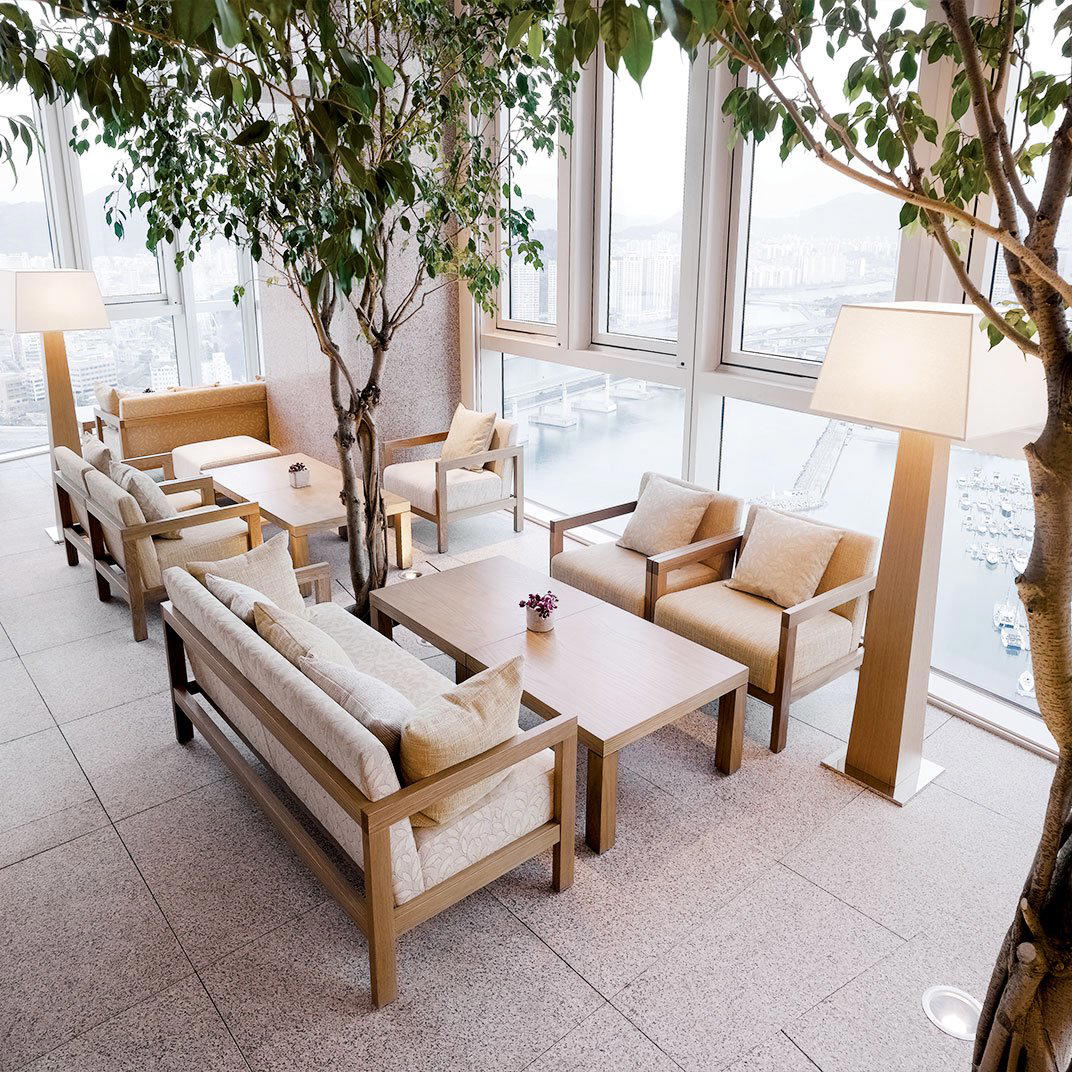
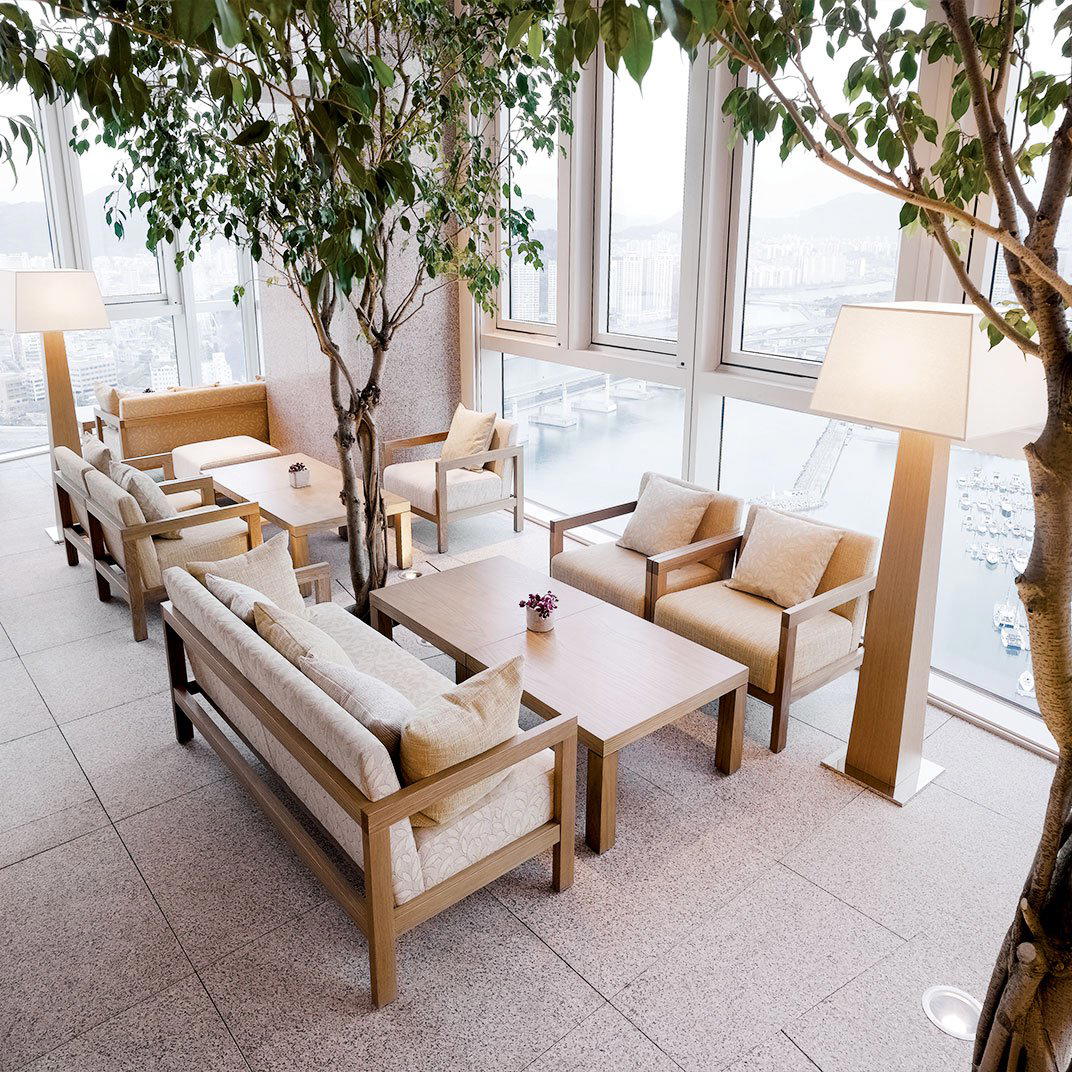
Busan’s architecture gives hotels an unusually direct role in the travel experience. Seoul hotels often compete through business access, dining floors, and brand hierarchy. Busan hotels are more exposed to the skyline, the slope, and the sea. A high-rise by Haeundae can feel tied to beach resort culture even when the service model is urban. A low-rise or retreat-format property outside the centre can change the stay into a coastal decompression exercise. A business hotel near a transport corridor can be the correct choice for a short itinerary built around trains, ferries, and meetings. Design, in this city, is not only about lobby finishes. It is about how the property handles light, view, arrival sequence, public space, and the distance between guest room and street.
Lexington Busan has no confirmed architectural description in the current record. That does not make the page empty; it changes the critical method. The question becomes what a traveller should demand from a Busan hotel before treating it as a serious contender. First, the address must be clear, because the difference between Haeundae, Seomyeon, Nampo, Songdo, and the eastern coves is not cosmetic. Second, the building type should be known: tower hotel, serviced residence, resort complex, boutique stay, or limited-service base. Third, the room categories should be visible enough to show whether views, baths, bedding, and work space match the price.
That caution is not a dismissal. It is an editorial discipline. Hotel writing often overreaches when data is thin, filling gaps with mood language and generic praise. Busan punishes that approach because the wrong district can add friction to every meal, beach visit, or late return. The city rewards concrete choices: a sea-facing stay for a slow coastal weekend, a central base for market eating and transit, or a resort property for guests who will spend substantial time on-site. Until Lexington Busan’s location and format are verified, it should be read as an entry requiring direct confirmation rather than a fully classifiable design proposition.
The comparable set: beach towers, coves, business bases, and smaller stays
The clearer Busan hotel field divides into several useful groups. The Haeundae group includes large, polished properties with immediate access to a major urban beach and the dining density that follows it. The Westin Josun Busan is part of that established beachfront tradition, while Grand Josun Busan and SIGNIEL BUSAN speak to newer, taller, and more brand-driven expectations around the same district. The Marine City group, led in many luxury comparisons by Park Hyatt Busan, shifts attention from sand to skyline and bridge views. The cove and resort group, represented by Ananti at Busan Cove, asks guests to trade central convenience for a more contained coastal setting.
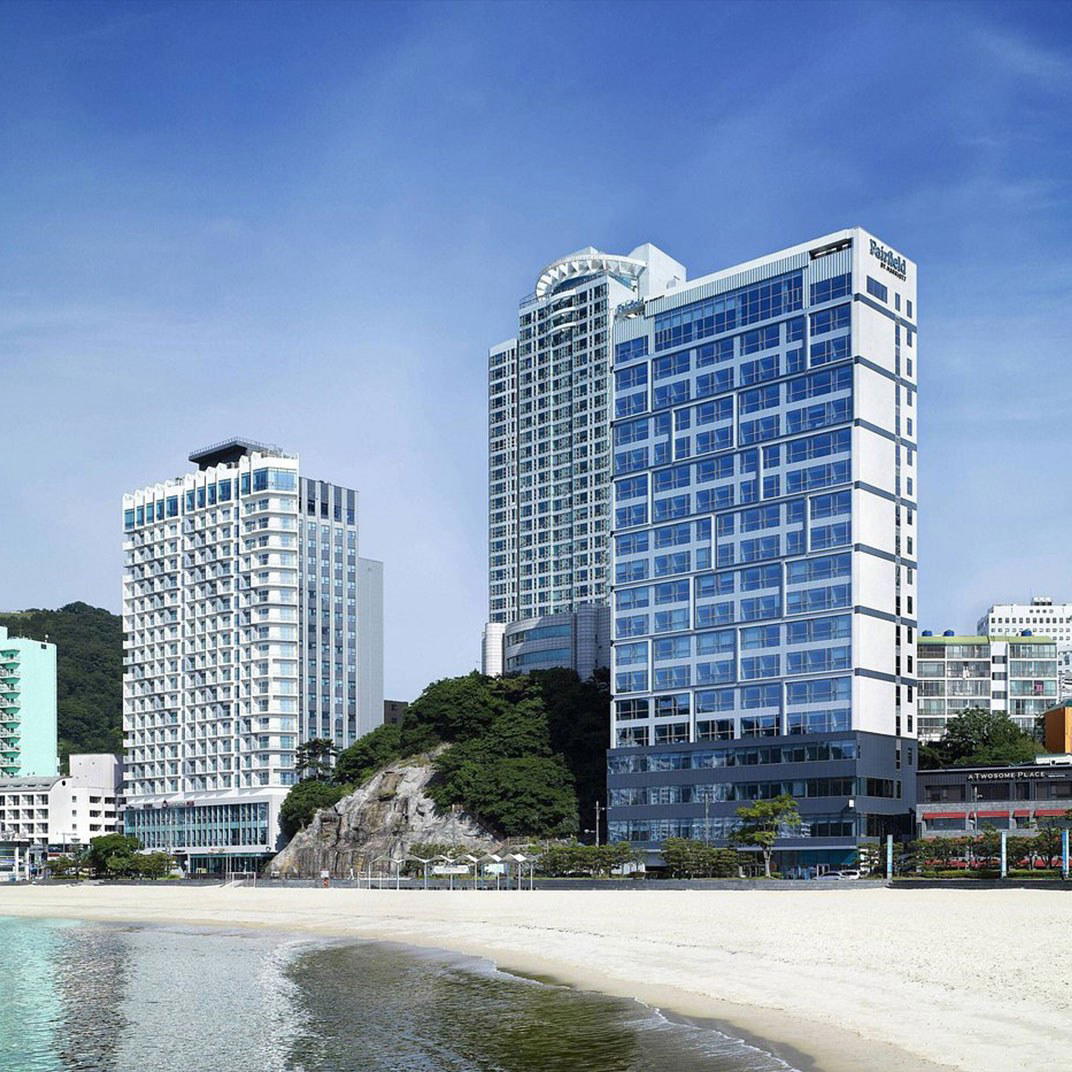
A second tier of travel logic sits outside that luxury-resort triangle. Fairfield by Marriott Busan Songdo Beach points toward Songdo, an older beach district with a different pace from Haeundae. Good Ol' Days Hotel suggests the value of smaller-scale urban stays, especially for travellers more interested in neighbourhood texture than a full-service resort envelope. This is where Lexington Busan needs to be tested: does it belong to a beach-hotel set, a business-hotel set, a design-led stay category, or a simple accommodation listing with limited editorial evidence? The answer depends on missing facts, not adjectives.
For a broader scan of the city, the Busan hotels guide is the more useful planning layer because it lets travellers compare location and format rather than isolate a single name. Busan is also a city where hotels and meals should be planned together. A property that looks sensible on a map may be awkward after dinner if the restaurant agenda sits across town. The Busan restaurants guide helps connect accommodation choice to dining geography, while the Busan bars guide is useful for late-evening planning. For itineraries built around galleries, markets, coastal walks, or cultural programming, the Busan experiences guide adds another layer. Wine-focused travellers should note that the Busan wineries guide exists as a category page, though Busan is not a classic wine-region destination in the way coastal dining and urban hospitality define it.
What the missing data tells a careful traveller
The available record for Lexington Busan contains no awards, no star rating, no public review count, no price band, and no confirmed booking channel. That means the page cannot responsibly claim luxury status, boutique credibility, family suitability, culinary ambition, or design authorship. Those categories require evidence. In practical terms, this places the property outside the trust-signal set supplied by named awards, verified ratings, chef or designer credentials, and detailed amenity records. A guest should confirm the address, room type, cancellation policy, breakfast arrangement, check-in procedure, and transport access before treating the hotel as a safe base.
Price is another missing signal. Busan spans limited-service beach hotels, branded luxury towers, resort complexes, and small independent properties, so an unknown price range creates comparison risk. If the hotel is priced near established Haeundae or Marine City hotels, it needs equivalent evidence in location, rooms, views, service, or facilities. If it prices below them, the question becomes whether the trade-off is location, scale, amenity depth, or brand infrastructure. Neither conclusion can be made from the current record, but the comparison framework prevents a common planning error: treating all Busan hotel names as interchangeable because the city appears compact on a map.
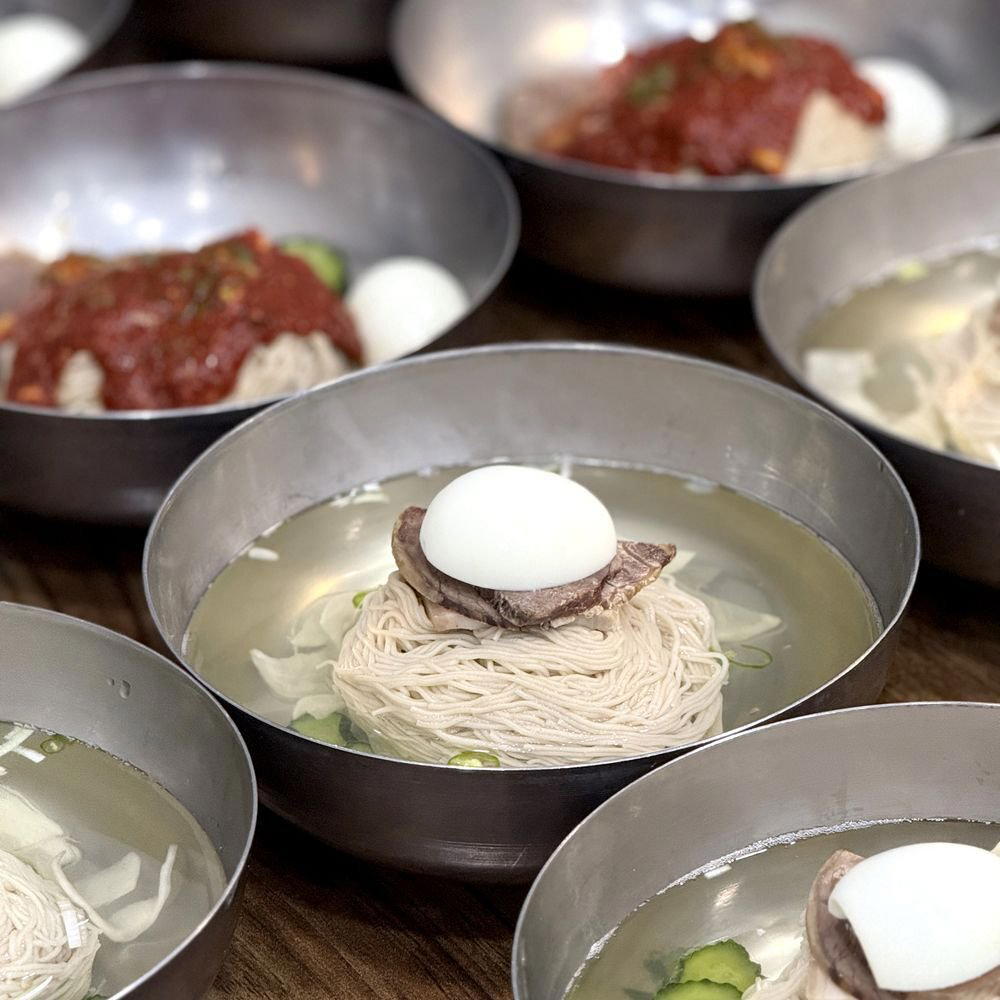
For hotels in Korea’s second city, that matters less than it might in Seoul, where hotel dining can be a central part of the property’s identity. Busan’s strongest culinary appeal often sits outside the hotel: seafood markets, neighbourhood grill houses, milmyeon shops, specialty coffee, and contemporary Korean dining spread across distinct districts. A hotel with a modest or unknown food program can still be a rational choice if it places the traveller near the right eating routes. But without an address for the hotel, even that practical argument cannot be made confidently.
Planning position: when Lexington Busan makes sense
The hotel makes sense only after direct verification fills the gaps. The first step is not aesthetic preference; it is location. If the property sits near Haeundae, compare it with SIGNIEL BUSAN, Grand Josun Busan, and The Westin Josun Busan on room view, beach access, and nightly rate. If it sits near Marine City, compare it with Park Hyatt Busan on skyline orientation and transport convenience. If it sits near Songdo, Fairfield by Marriott Busan Songdo Beach becomes the more relevant peer. If it sits closer to the old centre, the comparison shifts toward smaller urban stays and transit-friendly hotels rather than beach luxury.
Booking intelligence is limited because no official website, phone number, or booking method appears in the record. That means walk-in assumptions should be avoided. In Busan, same-day rooms can exist in lower-demand periods, but weekends, beach season, major events, and Korean holiday periods can tighten supply quickly in the coastal districts. The safer editorial guidance is to confirm availability through a verified channel before arrival and to keep a second option in the same district. This is especially important if the trip depends on late check-in, parking, family room layouts, or a specific view category.
Room choice cannot be answered with a named category because no room inventory is supplied. The right method is to choose by exposure and function: ask whether the room faces sea, city, road, or internal structures; confirm bed configuration; check bathroom privacy if travelling with another guest; and verify whether windows open or whether the stay is sealed-climate. In Busan, sea views can justify a premium when the itinerary includes time in the room. If the hotel is simply a sleeping base between restaurants, markets, and trains, floor plan and transit access may matter more than outlook.
South Korea comparisons beyond Busan
Busan also fits into a wider Korean hotel pattern. Seoul’s international luxury inventory is deeper, with properties such as JW Marriott Hotel Seoul in Seoul competing through metropolitan scale, shopping access, and business infrastructure. Jeju and Seogwipo tilt toward resort logic, seen in Grand Hyatt Jeju in Jeju, JW Marriott Jeju Resort & Spa in Seogwipo, and Lotte Resort Jeju Art Villas in Seogwipo-si. Regional city hotels such as Hotel Onoma Daejeon, Autograph Collection in Daejeon and Hyatt Place Gwangju in Gwangju show another model: the hotel as an efficient urban base rather than a destination in itself.
Design-led Korean travel stretches farther still. The Ananti Namhae in Namhae Gun, Soi Hanok Stay (소이 한옥스테이) in 경주시, KOSMOS ULLEUNGDO in Ulleung-gun, and U Retreat in Hongcheon Gun each suggest how architecture, setting, and scale can define a trip outside the standard city-hotel model. Internationally, the comparison expands to urban and grand-hotel references such as The Fifth Avenue Hotel in New York City, Hôtel de Paris Monte-Carlo in Monte Carlo, and Badrutt's Palace Hotel in St. Moritz. These comparisons are not meant to inflate the hotel’s status. They clarify the editorial standard: a hotel earns attention when its setting, design, service evidence, or history can be verified and placed in a peer group.
In Context
Comparable venues nearby, for context on price, style, and recognition.
| Venue | Cuisine | Price | Awards | Notes |
|---|---|---|---|---|
| Lexington BusanThis venue — the venue you are viewing | Hotel | Not listed | Not listed | Not listed |
| Good Ol' Days Hotel | Not listed | $$ | 4-Star | Jungang-dong, Contemporary boutique tribute to mid-century modernism in historic Jungang-dong. |
| Fairfield by Marriott Busan Songdo Beach | Not listed | $$ | 3-Star | Amnam-dong, Modern beachfront hotel with ocean-view rooms and suites. |
| Park Hyatt Busan | Not listed | $$$$ | 5-Star | U 3-dong, Contemporary luxury with minimalist guest rooms and ornate public spaces; bold oceanfront architecture with sophisticated design elements. |
| The Westin Josun Busan | Not listed | $$$$ | 5-Star | Haeundae, Modern resort hotel with wellness focus and beachfront serenity |
| Grand Josun Busan | Not listed | $$$$ | 5-Star | Jung 1(il)-dong, Contemporary luxury beachfront resort with heritage brand positioning emphasizing reimagined excellence and family-oriented hospitality. |
Continue exploring
More in Busan
Hotels in Busan
Browse all →
At a Glance
- Modern
- Sophisticated
- Business Trip
- Group Retreat
- Panoramic View
- Wi Fi
- Business Center
- Meeting Rooms
- Wi Fi
- Business Center
- Meeting Rooms