Our verdict
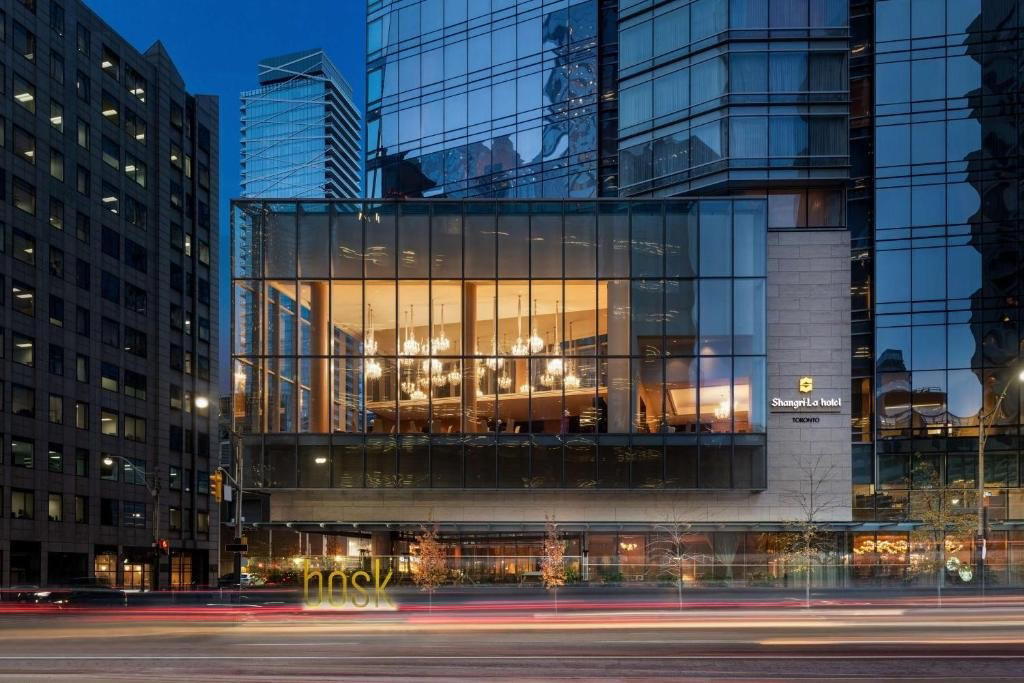
Bymark occupies a prominent address in Toronto's Financial District at 66 Wellington St W, positioning it among the city's established power-dining rooms. The room draws a professional crowd for whom setting and occasion carry as much weight as the plate. For Toronto's broader fine-dining context, see our full city guide.

Pearl is the En Primeur Club membership app, where members save venues, book tables and use the concierge.

The menu
What to order
- Truffled Bymark Burger
- Lobster Poutine
- Tenderloin with Bone Marrow
Power Dining, Revised: What Bymark Represents in Toronto's Financial District
The Financial District's restaurant tier has always operated on a different logic from Toronto's trendier dining corridors. On King West or in Kensington, a room earns its reputation through the plate. On Wellington Street, the room itself does significant work. The address signals something before the food arrives, and for decades that signal has been enough for a certain category of diner. Bymark, at 66 Wellington St W, sits at the intersection of those two pressures: an established Financial District address carrying expectations formed across years of corporate lunches and occasion dinners, now navigating a Toronto dining scene that has grown considerably more competitive and more technically demanding around it.
That tension between institutional weight and evolving expectation is what defines the current conversation around rooms like this one. Toronto's premium dining tier has expanded and sharpened considerably over the past decade. The arrival of omakase counters like Sushi Masaki Saito and kaiseki formats like Aburi Hana introduced a new ceiling for both price and precision. Contemporary tasting-menu rooms, led most visibly by Alo, have consolidated critical attention at the very best of the bracket. Italian fine dining has deepened with addresses like DaNico and Don Alfonso 1890. Against that backdrop, the established Financial District room faces a familiar question: what exactly is it selling now, and to whom?
The Evolution of the Financial District Dining Room
The category that Bymark inhabits has undergone the most complicated evolution in Toronto dining. When the city's fine-dining scene was thinner, a well-appointed room on Wellington with serious wine service and a kitchen capable of producing competent steaks and fish could operate near the best of the market by default. That default position has eroded substantially. The same diners who once considered a Financial District address sufficient are now calibrating their expectations against rooms with clearer culinary identities, harder-to-book counters, and more specific critical credentials.
Across North American cities, this pattern has played out consistently. The traditional power-dining room, which once held its position through location, scale, and social function rather than culinary distinction, has had to develop a more defined point of view or accept a repositioned role as a reliable occasions room rather than a destination for serious eating. In New York, the clearest example of a room that navigated this pressure successfully is Le Bernardin, which continuously reinforced its technical credentials rather than resting on its institutional status. Toronto's equivalent rooms have had a more varied record.
The Financial District's dining floor also competes against a different kind of evolution happening elsewhere in Canada. Rooms like Tanière³ in Quebec City and Restaurant Pearl Morissette in Lincoln have built international profiles from outside the obvious urban centres, sharpening what serious Canadian fine dining can look like. The contrast is instructive: those rooms were built around a culinary argument first; the address and the occasion followed. The Financial District room traditionally inverts that sequence.
The Room and Its Function
What persists about addresses like Bymark's is their social utility. The Financial District lunch and dinner circuit serves functions that no tasting-menu counter can replicate at scale: deal meetings, client entertainment, the kind of professional hospitality where a private dining room, a broad wine list, and a kitchen that can accommodate varied dietary preferences across a table of eight matter more than a single chef's seasonal vision. That's not a criticism of the format; it's a description of a genuine and durable market need.
In cities where this category has been handled thoughtfully, the rooms that hold their ground are the ones that treat the service architecture and wine program with the same seriousness a destination kitchen treats its sourcing. The physical environment becomes part of the value proposition. A room that can hold a serious Burgundy alongside an aged Napa Cabernet, seat twelve comfortably for a private dinner, and execute a range of proteins to consistent standard occupies a role that the ten-seat omakase counter, however technically superior, cannot fill.
For context on how varied the Canadian fine-dining conversation has become, it's worth noting that rooms from Eigensinn Farm in Singhampton to the Fogo Island Inn Dining Room on the far eastern edge of the country now operate as genuine reference points for ambitious cooking. The range of the national scene makes any single room's positioning more deliberate by necessity. Within Toronto itself, the contrast between the Financial District format and the city's other dining registers, from AnnaLena's West Coast sensibility in Vancouver to the ambition visible at Europea in Montreal, illustrates how much the national frame has widened.
Where Bymark Sits Now
Without current verified data on awards, pricing, or format changes, it would be speculative to map Bymark's precise current position against its Financial District peers. What can be said with confidence is that the category it represents is under active pressure from two directions simultaneously: from below, by a broader range of mid-market rooms that have improved their cooking and wine programs substantially, and from above, by the harder-booked, more critically credentialed rooms that now define the best of Toronto's market. Rooms in this position that have performed well over time have done so by making a clear choice about which audience they are serving and then executing for that audience with consistency.
For readers whose dining priorities run closer to the technically ambitious end of the Toronto spectrum, the guide below covers the city's most current options. For those whose needs are more specifically tied to the Financial District's occasions-dining format, the address at 66 Wellington remains a known quantity in a corridor where known quantities carry a particular kind of value.
Planning Your Visit
Address: 66 Wellington St W, Toronto, ON M5K 1J3. Dress: Financial District dining rooms at this address level generally expect business-appropriate attire; smart casual is a reasonable baseline for evening visits. Budget: Getting there: The address is within easy walking distance of Union Station and several downtown subway stops, making it accessible without a car.
For a broader view of Toronto's dining options across all price points and culinary formats, see our full Toronto restaurants guide. Comparable occasion-dining and fine-dining addresses at the national level include Lazy Bear in San Francisco for a contrasting format approach, and regionally, The Pine in Creemore and Narval in Rimouski for a sense of how the broader Canadian dining conversation has developed beyond the major urban centres. Further afield, Busters Barbeque in Kenora and Cafe Brio in Victoria round out the regional picture.
Frequently asked questions
Is Bymark okay with children?
Bymark's address at 66 Wellington St W places it squarely in Toronto's Financial District, where the lunch and dinner trade runs toward corporate clientele and deal-making. The room's social function leans adult. Families with young children would likely find the atmosphere misaligned with that purpose, though the venue itself sets the definitive policy on young guests.
What's the overall feel of Bymark?
Bymark operates in the register that Toronto's Financial District has always demanded: a room built around utility as much as atmosphere, where the lunch table doubles as a meeting room and the dinner booking signals something deliberate. The Wellington Street address puts it among Bay Street's professional orbit, and the dining room reflects that gravity. It is not a scene restaurant in the King West sense.
Is Bymark a good choice for a business dinner in downtown Toronto?
Bymark's location at 66 Wellington St W in Toronto's Financial District has made it a recurring choice for the Bay Street professional circuit, where the room's formality and address carry social weight. Few downtown Toronto dining rooms sit as close to the city's major financial institutions, which shapes both its clientele and its operating register. Confirm current booking lead times directly with the venue, as availability around peak corporate periods can be competitive.
What dish is Bymark famous for?
Contact Bymark directly at 66 Wellington St W, Toronto, or reach out via reservation to confirm current menu anchors and any standing house specialties.
Price and Recognition
| Venue | Cuisine | Price | Awards | Notes |
|---|---|---|---|---|
| BymarkThis venue (the venue you are viewing) | Modern Canadian Fine Dining | $50–100 | Not listed | Not listed |
| Alo | Modern French Fine Dining with Asian Influences | $200–300 | 1 Michelin Star · La Liste Top Restaurants | Contemporary |
| Sushi Masaki Saito | Edomae-Style Omakase | $500+ | 1 Michelin Star · La Liste Top Restaurants | Sushi, Japanese |
| Aburi Hana | Modern Japanese Kyō-Kaiseki | $300–500 | 1 Michelin Star · The Best Chef One Knife | Kaiseki, Japanese |
| Don Alfonso 1890 | Modern Italian Fine Dining | $200–300 | 1 Michelin Star · La Liste Top Restaurants | Contemporary Italian, Italian |
| Edulis | Mediterranean Seafood Tasting Menu | $150–200 | 1 Michelin Star · World's 50 Best #25 | Canadian, Mediterranean Cuisine |
Continue exploring
More in Toronto
Restaurants in Toronto
All restaurants in Toronto →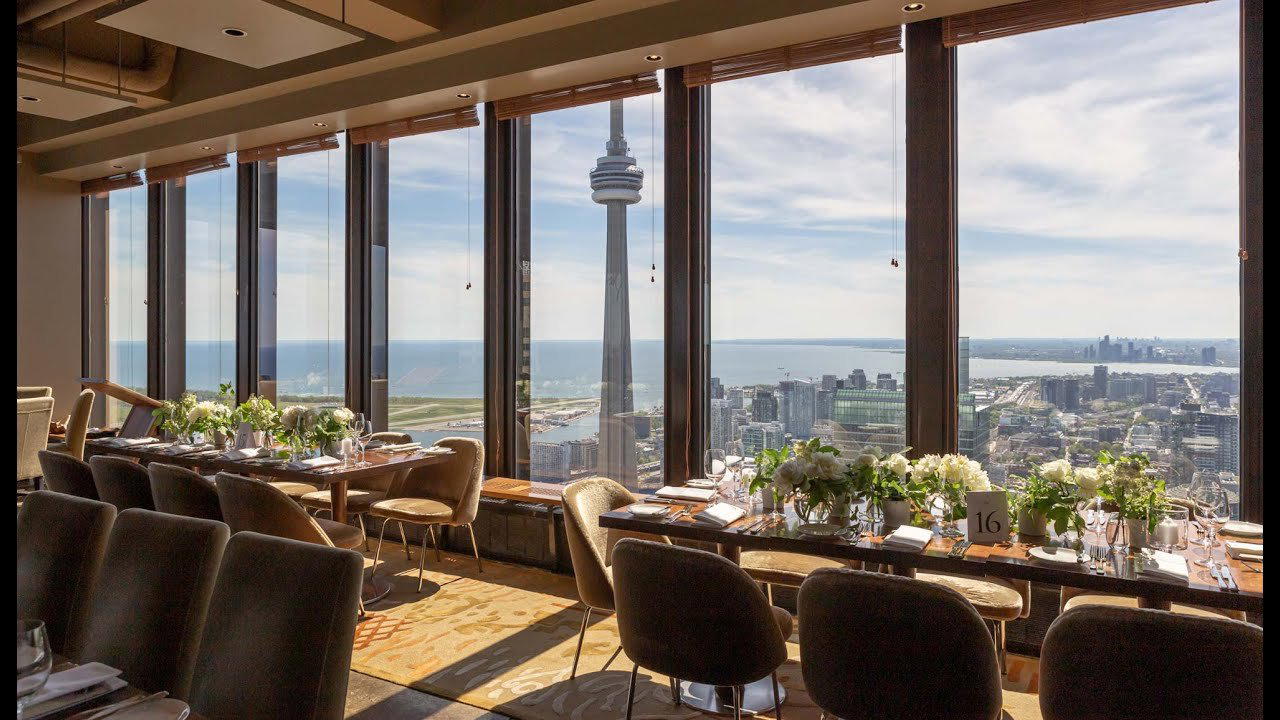
Bars in Toronto
All bars in Toronto →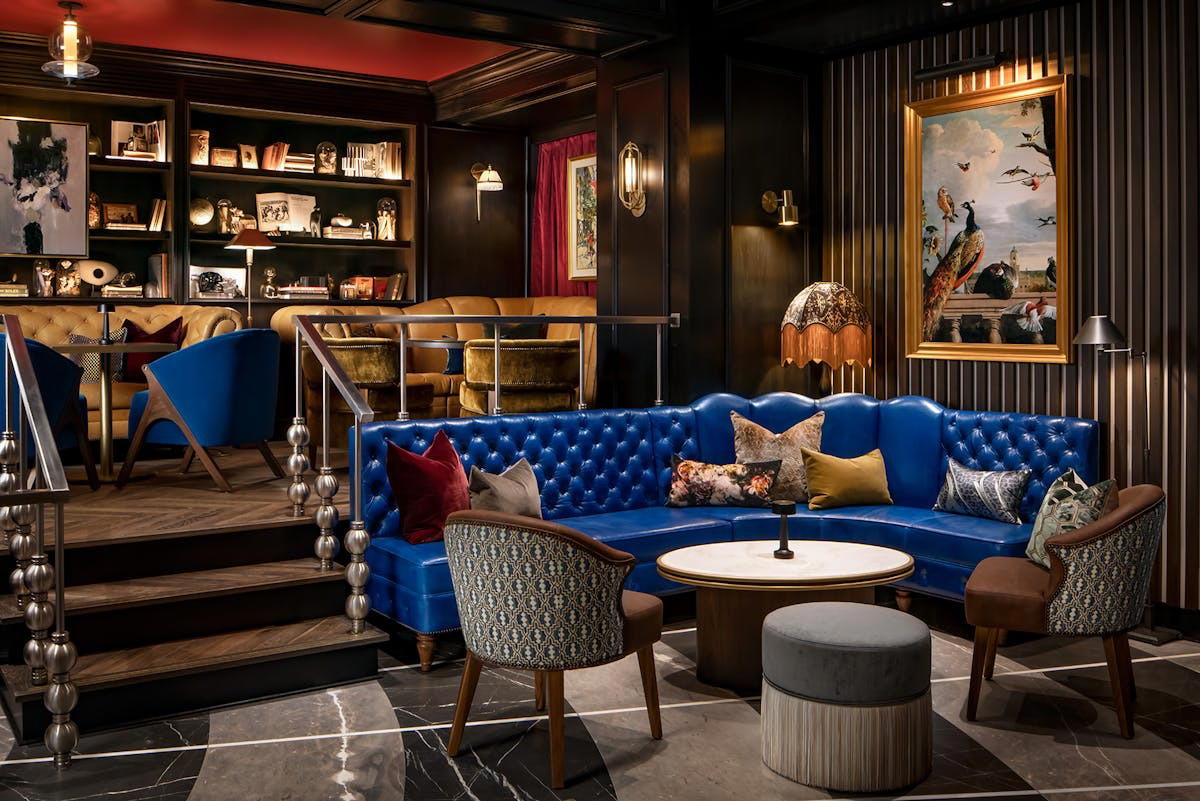

Details
- Elegant
- Sophisticated
- Modern
- Business Dinner
- Special Occasion
- Date Night
- Private Dining
- Craft Cocktails
- Extensive Wine List
- A La Carte
- Vegetarian Friendly
- Vegan Options
- Gluten Free Options
Current opening hours
- Monday
- 11:30 AM–10 PM
- Tuesday
- 11:30 AM–10 PM
- Wednesday
- 11:30 AM–10 PM
- Thursday
- 11:30 AM–10 PM
- Friday
- 11:30 AM–10 PM
- Saturday
- 5–10 PM
- Sunday
- Closed
Hours can change for holidays and private events. Hours as of .
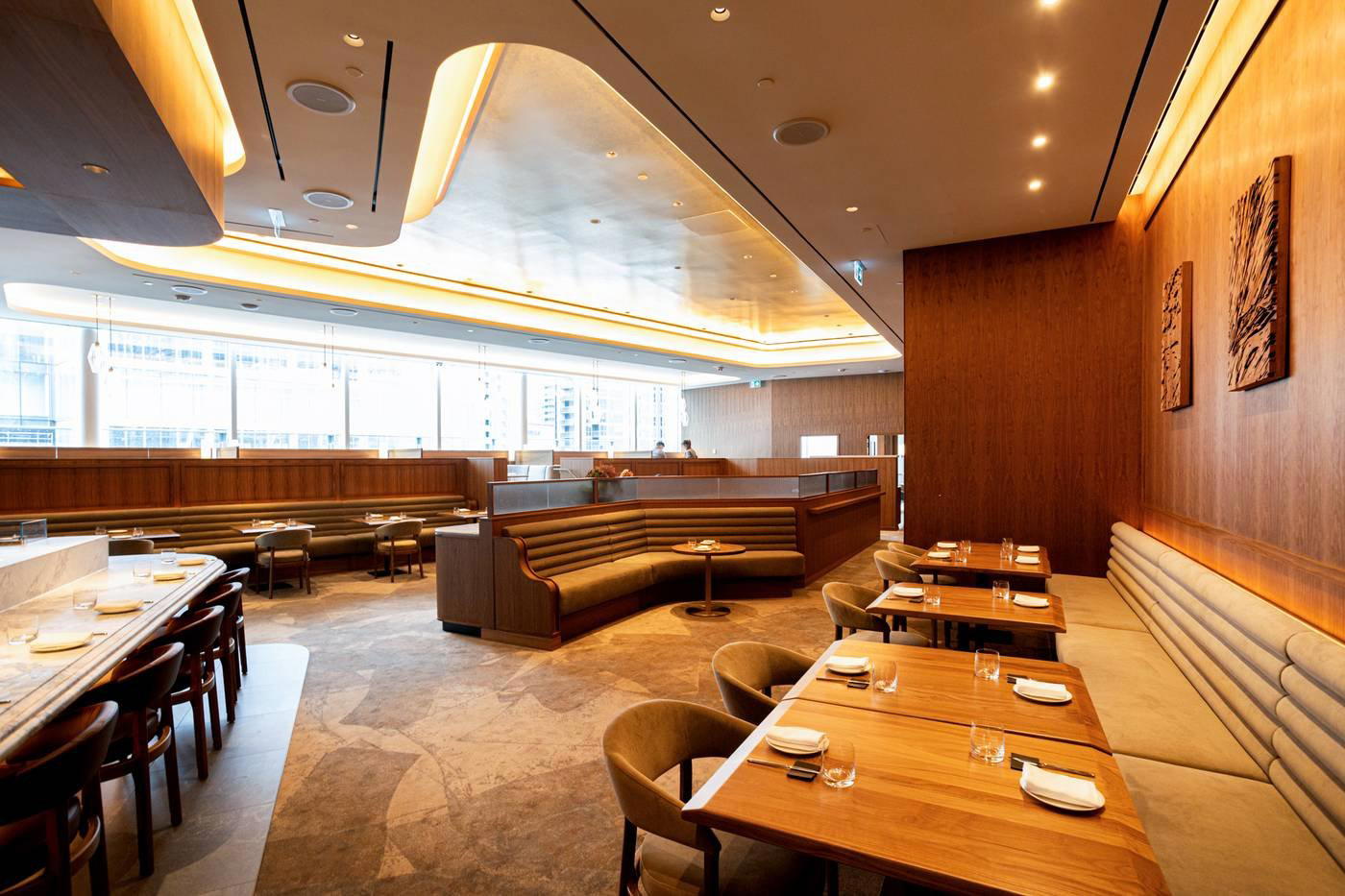
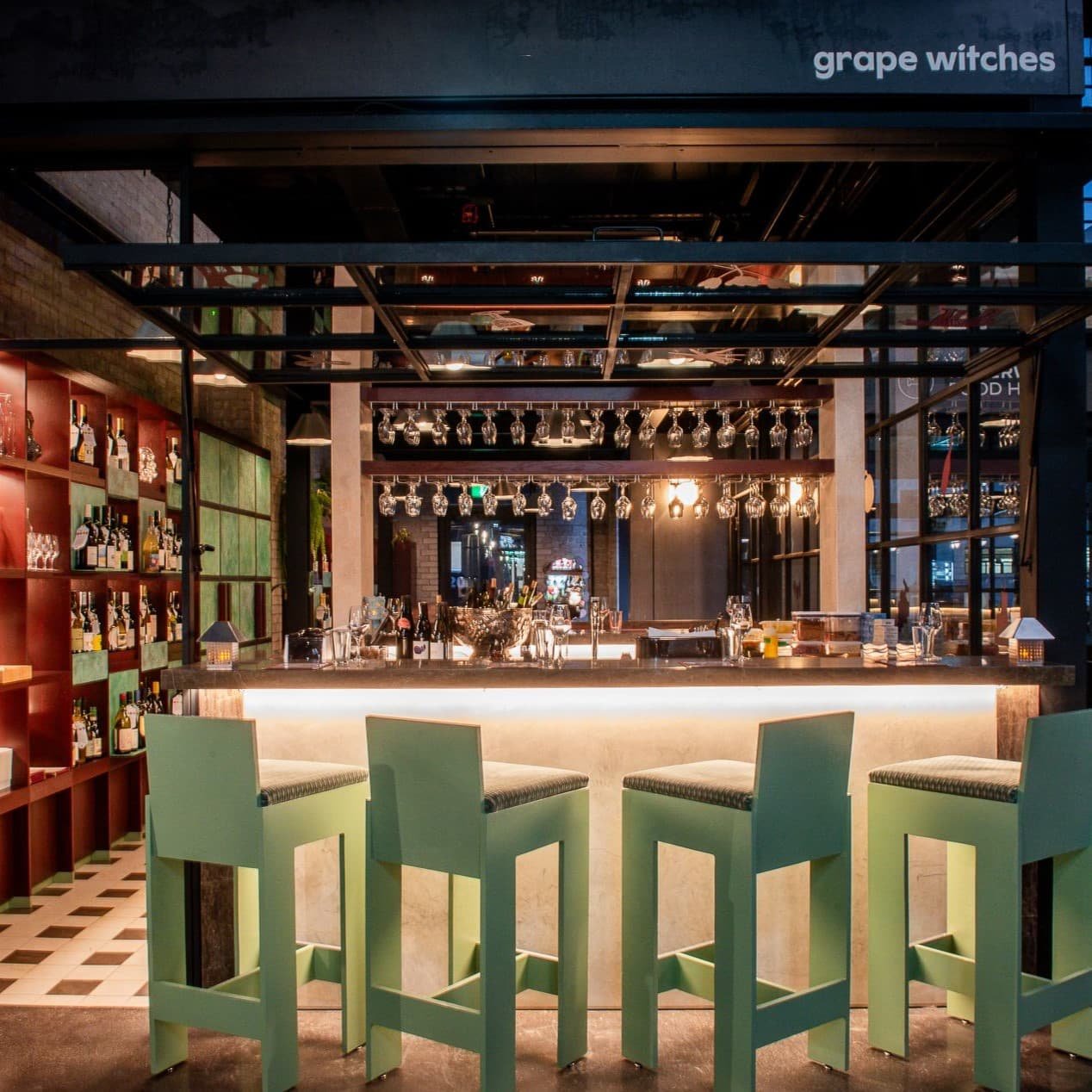
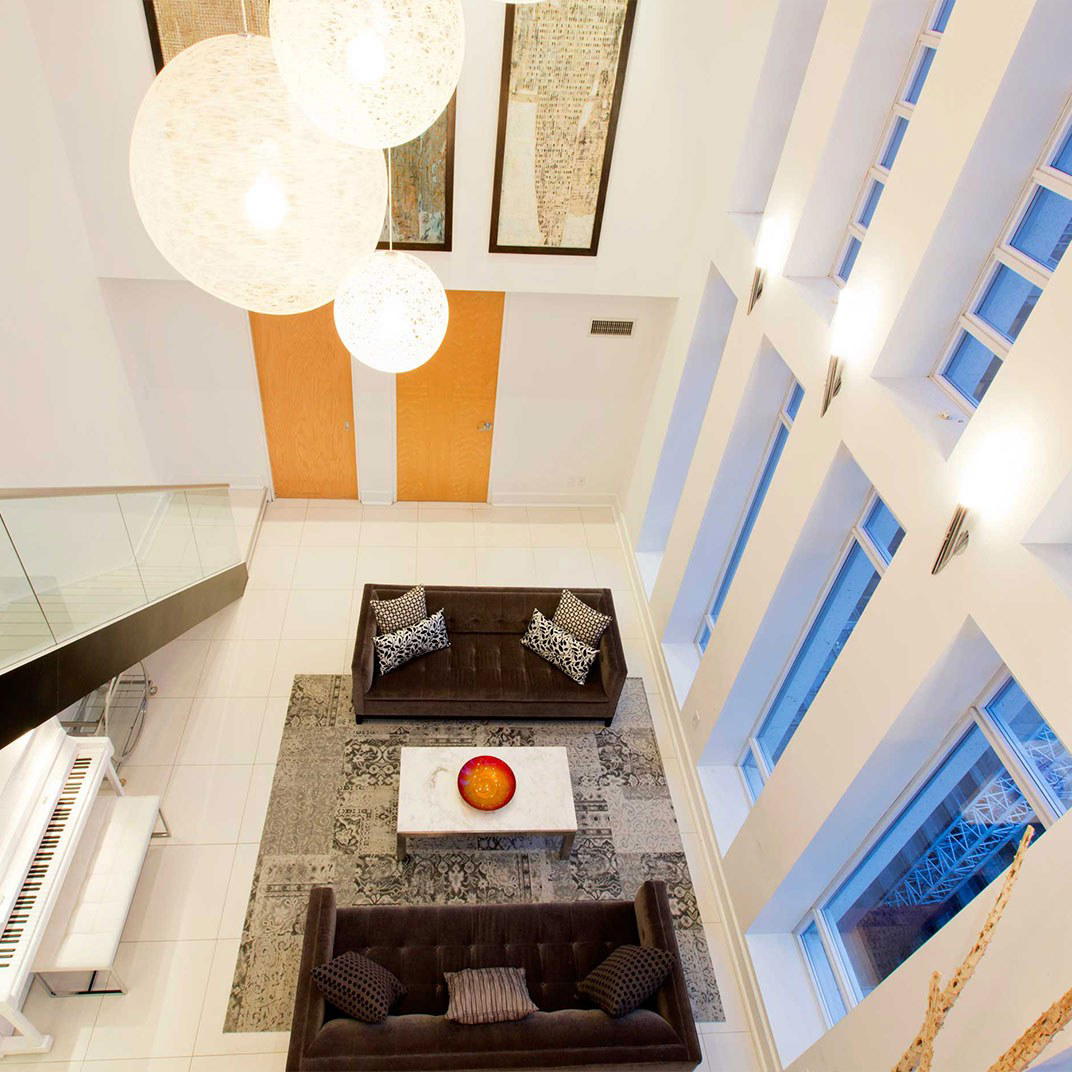
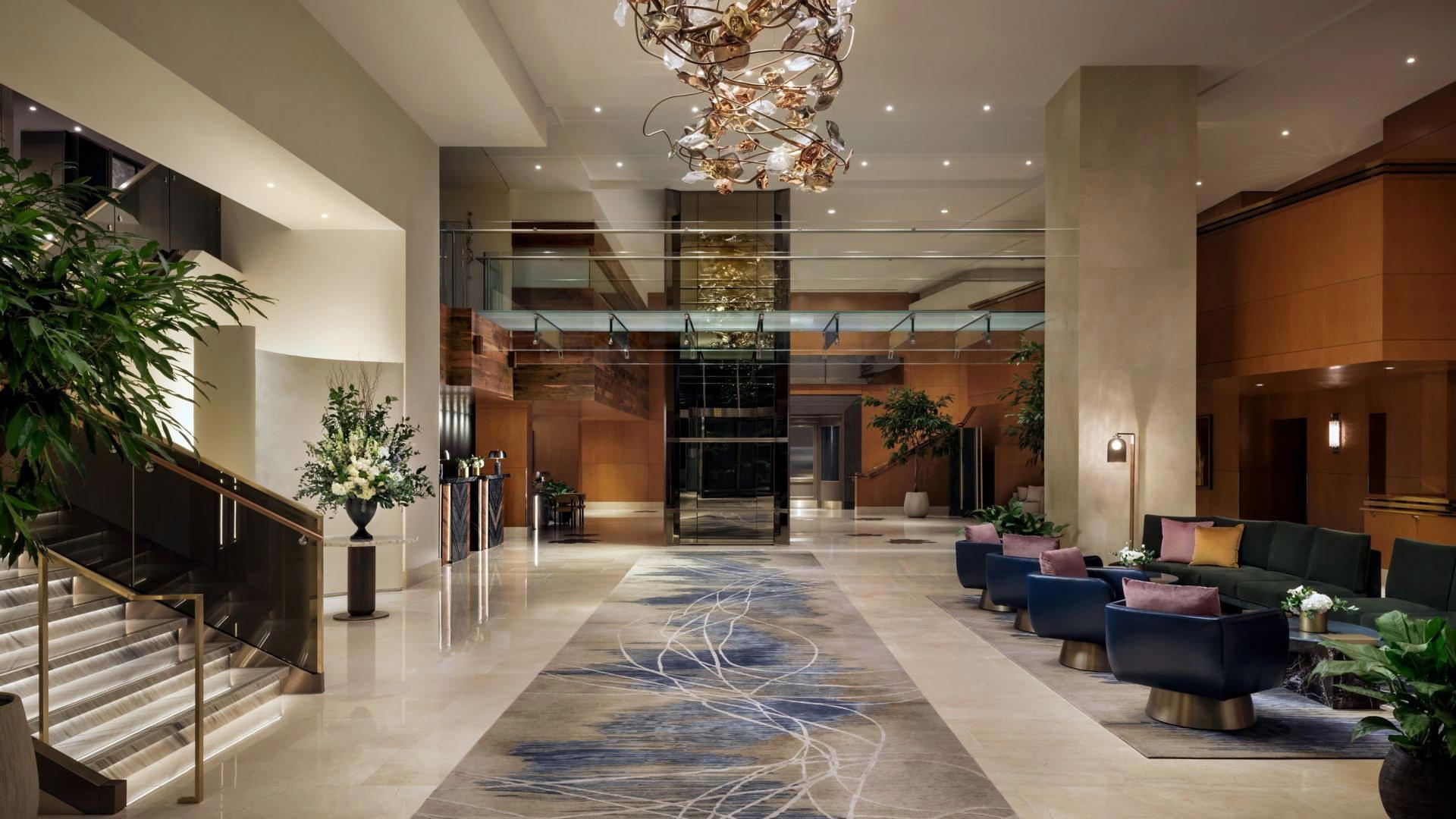
Timeless Yabu Pushelberg design with dynamic energy, classy subterranean setting, and modern bar atmosphere.