
Byblos brings Lebanese cooking into Toronto’s polished shared-plate dining lane, with the opening spread doing the serious work: dips, salads, bread, acid, herbs and warm spice before larger plates enter the table. Its 2026 Opinionated About Dining Casual North America Recommended listing gives it a useful signal for readers sorting Toronto’s Middle Eastern dining beyond neighbourhood takeout and banquet-room formats.
Pearl is the En Primeur Club membership app — saves, bookings, and concierge access live there. Same editors, same standards.
- Address
- 49 Frith St, Toronto, Ontario, United States
- Phone
- 786-864-2990
- Website
- byblosmiami.com
 Saves & bookings on Pearl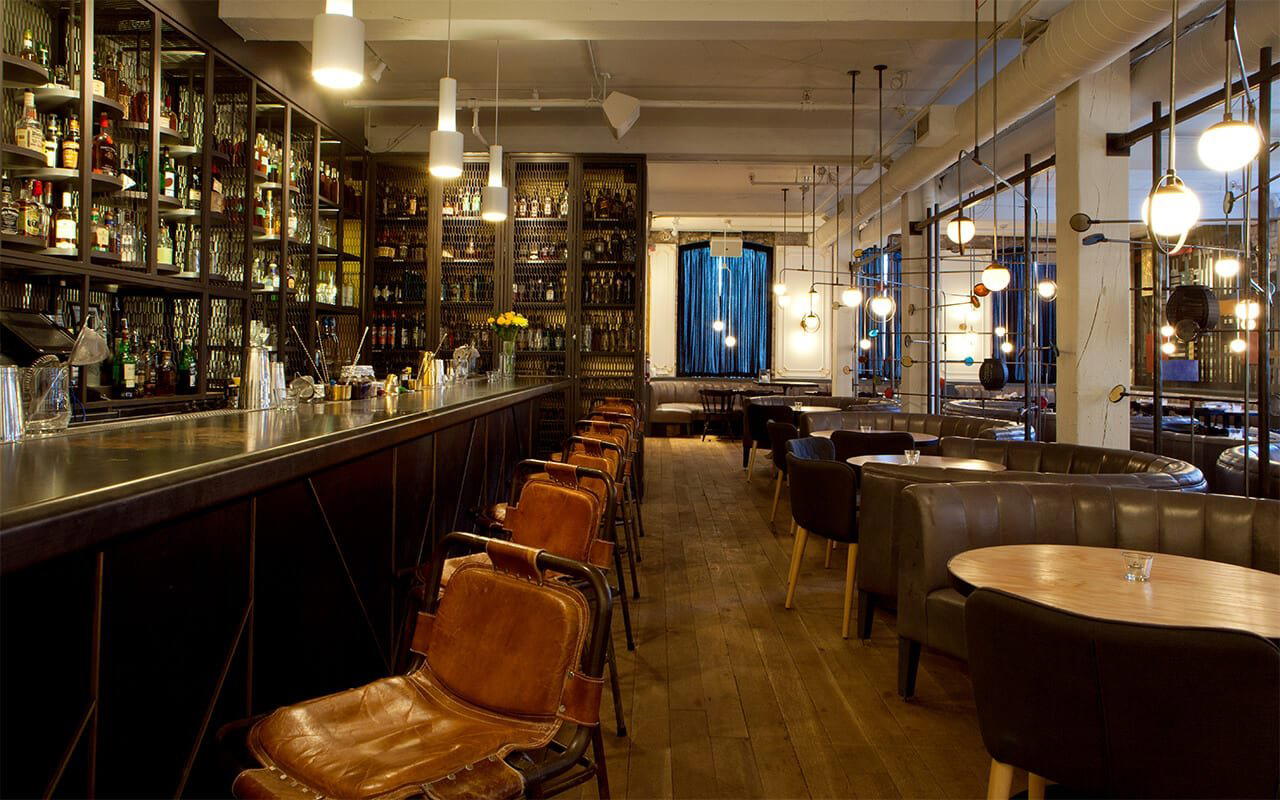
The room signals its intentions before the first plate lands: Lebanese dining filtered through Toronto’s appetite for dressed-up sharing tables, not a quiet corner for a quick shawarma plate. Mezze sets the pace, and the first stretch of the meal carries more weight than the mains. Hummus, baba ganoush, fattoush and the wider family of dips and salads are not warm-up acts in Levantine dining; they are the table’s grammar, showing how the kitchen handles sesame, smoke, lemon, parsley, olive oil and bread.
Toronto has long had serious Middle Eastern food, but much of its reputation sits elsewhere: suburban bakeries, family-run grills, late-night shawarma counters, banquet dining and casual neighbourhood rooms. Byblos operates in another lane, where Lebanese flavours meet a city that books restaurants for group dinners, birthdays, client meals and long tables built around multiple courses. That makes the mezze spread the useful test. If dips are decoration, the meal becomes generic. If they are structure, the table has a reason to slow down.
The mezze course is the centre of gravity
Lebanese cooking rewards contrast: creamy against sharp, charred against fresh, warm bread against cool salads, tahini against citrus. Shared plates let those contrasts arrive in clusters rather than sequence. A table can move from puréed dips to chopped salads to bread-led scooping without becoming a formal tasting menu. When it works, the style delivers abundance without chaos, variety without the kitchen explaining every plate.
The Toronto version must also meet expectations shaped by the city’s broad casual-fine dining culture. Diners used to pan-Mediterranean menus often treat hummus and baba ganoush as familiar, raising the bar for execution. The basics are unforgiving: texture, seasoning, acidity and temperature. Fattoush has to read as salad with snap and sourness, not garnish. Dips need enough depth for repeated passes around the table. Bread is not filler; it is utensil, pacing device and the difference between a spread that feels generous or thin.
That is why the OAD 2026 Casual North America Recommended recognition is useful. It does not make the restaurant a temple of gastronomy, and should not be read that way. It places Byblos in a North American casual dining conversation where format, consistency and a clear point of view matter. For Toronto readers, the signal is less ceremony than category: a Lebanese-leaning shared-table restaurant judged against broader casual dining standards, not only the city’s quick-service Middle Eastern scene.
Toronto's polished Middle Eastern lane
Lebanese food travels well in cities because it is social by design. Its shared-table logic suits Toronto dining habits, where groups often want a restaurant that can handle mixed appetites without forcing one main course. That gives Byblos a practical advantage: the meal can be built from spreads, vegetables, grains, seafood, meat and sweets without choosing a single direction early. The pleasure is cumulative rather than theatrical.
Chef Stuart Cameron’s name gives the kitchen a known anchor, but the more interesting story is the translation of Lebanese dining into Toronto’s contemporary restaurant format. The city is comfortable with menus that borrow from regional traditions while using a service style familiar to downtown diners: polished rooms, layered ordering, cocktails before the first plates and tables that linger. The risk is dilution. The opportunity is accessibility. The better version keeps the mezze logic intact while letting the room feel current rather than folkloric.
For readers mapping the city, this sits within a broader Toronto pattern: restaurants using specific regional cuisines as the foundation for social, design-conscious dining rather than as a narrow ethnographic exercise. For a nearby Lebanese comparison in mood rather than exact format, Amal is part of the same conversation about Middle Eastern cooking in polished Toronto rooms. The city’s wider restaurant field stretches from hotel-adjacent dining such as 1 Kitchen to compact cross-cultural kitchens like 156 Cumberland and 156 ONEFIVESIX, while casual group dining takes other forms at 3 Mariachis. Those links matter because Toronto is not short on choice; the question is which format fits the evening.
How to read the room before ordering
Treat the first order as architecture. Start with dips and salads, then build outward. Lebanese meals do not need to be heavy to feel complete, and early plates often determine whether the table has enough acidity and freshness to carry richer dishes later. In a group, mezze lets cautious and adventurous eaters share the same opening without forcing consensus around one main.
Atmosphere-wise, expect a city restaurant rather than a family canteen. The Opinionated About Dining recognition reinforces that framing: casual, but not careless; social, but not merely loud; built for diners who want Lebanese flavours in a room suited to an occasion. For children, the answer depends less on cuisine than on timing and table style. Earlier seatings and mezze-heavy ordering tend to be more flexible for families, while later services read more as adult group dining.
Booking strategy should match the setting. Toronto restaurants in this polished shared-plate tier can fill at the hours groups prefer, especially dinner windows clustered around weekends. Plan ahead for celebrations or larger tables. Walk-in thinking suits flexible nights, not fixed plans.
For broader planning, use our full Toronto restaurants guide, then pair the meal with our full Toronto hotels guide, our full Toronto bars guide, our full Toronto wineries guide and our full Toronto experiences guide. Readers tracing Lebanese and regional dining beyond the city can also look at Al Kasbah in St Julian’s and Al Mandaloun in Dubai, while Canadian dining research can branch to ¿CóMO? Taperia in Vancouver, 1888 Chop House in Banff, 21 Club Steak and Seafood in Niagara Falls, 3 Mariachis in Vaughan, 3 Pierres 1 Feu in Montréal and 335 on the Ridge in Ridgeway.
Reputation & Price
Comparable venues nearby, for context on price, style, and recognition.
| Venue | Cuisine | Price | Notes |
|---|---|---|---|
| Byblos DowntownThis venue — the venue you are viewing | Lebanese | $$$ | Not listed |
| The Berczy | Not listed | $$$ | Church-Yonge Corridor, New Canadian Bistro with Mediterranean Influences |
| Lyla Toronto | West Queen West, Modern Mediterranean | $$$ | Not listed |
| Myth | Not listed | $$$ | Fashion District, Modern Greek Mediterranean |
| Green Eggplant | The Beaches, Mediterranean Grill | $$ | Not listed |
| Abrielle | Not listed | $$$ | Entertainment District, Coastal Mediterranean |
Recognition history
Dated appearances from independent guides and award organizations, with the underlying list record or original source where available.
Opinionated About Dining Casual in North America Recommended
Opinionated About Dining
Continue exploring
More in Toronto
Restaurants in Toronto
Browse all →

Bars in Toronto
Browse all →
Hotels in Toronto
Browse all →
Wineries in Toronto
Browse all →
At a Glance
- Lively
- Elegant
- Trendy
- Sophisticated
- Date Night
- Business Dinner
- Group Dining
- Celebration
- Special Occasion
- Late Night
- Private Dining
- Design Destination
- Hotel Restaurant
- Craft Cocktails
- Extensive Wine List
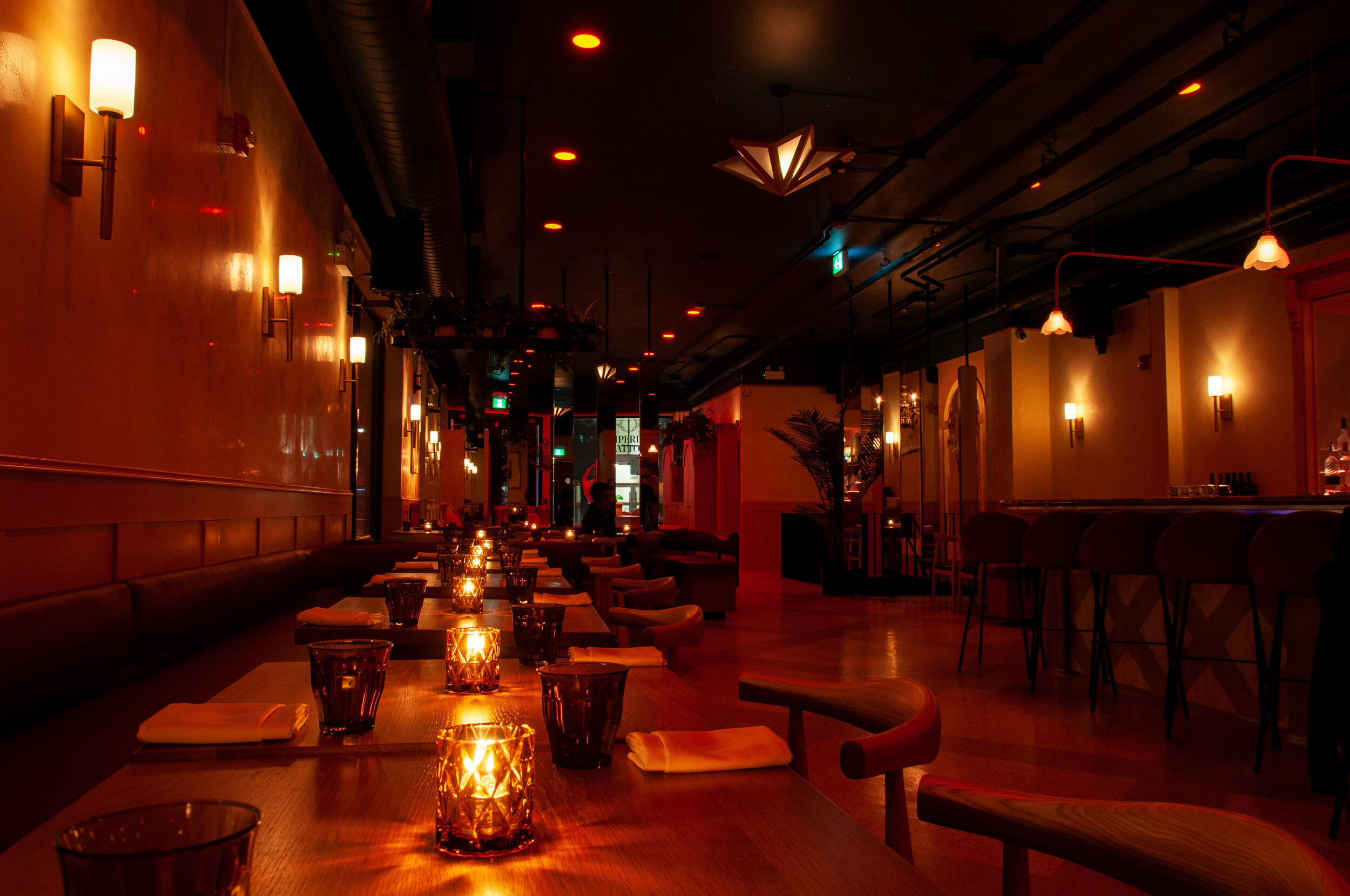
Dim, stylish lighting with an Art Deco-inspired interior, energetic music, and a buzzy, upscale atmosphere that skews more nightlife-lively than quiet fine dining.