By Taste

By Taste sits in the village of Eys, in the rolling South Limburg countryside that has quietly produced some of the Netherlands' most serious destination dining. With an address on Wittemerweg, it draws the kind of traveller willing to leave the motorway far behind in pursuit of a meal that connects kitchen to landscape. The surrounding region, rich in agricultural heritage, shapes what ends up on the plate.
Pearl is the En Primeur Club membership app — saves, bookings, and concierge access live there. Same editors, same standards.
- Address
- Wittemerweg 29, 6287 AA Eys, Netherlands
- Phone
- +31631682185
- Website
- by-taste.nl
- Directions
- Get directions
 Saves & bookings on Pearl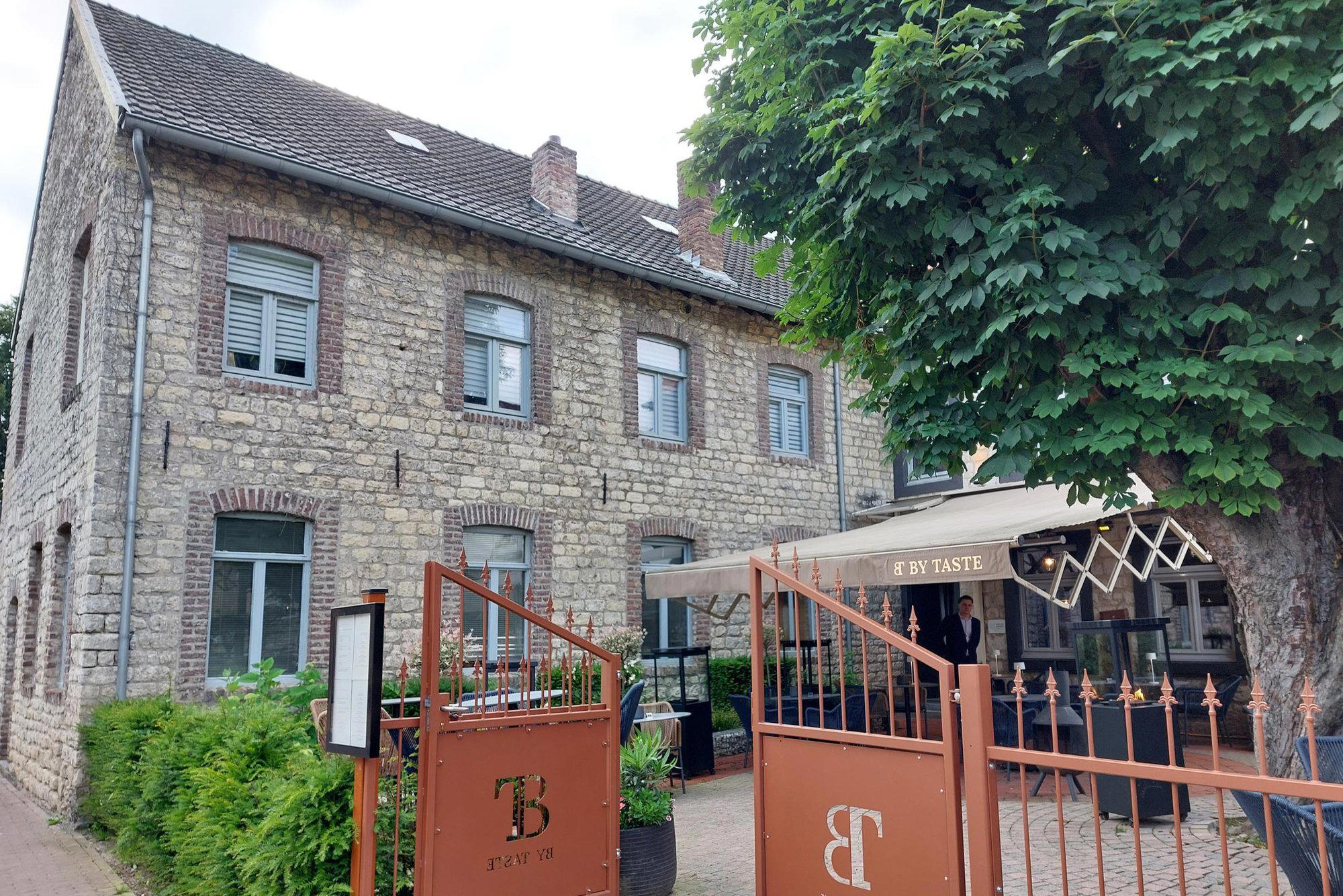
South Limburg's Quiet Case for Destination Dining
The drive into Eys prepares you for something different. South Limburg is the Netherlands at its most topographically surprising: proper hills, hedgerow-bound lanes, orchards that run alongside arable fields, and a density of fine dining addresses that makes little sense until you understand how deeply the region prizes its agricultural identity. By Taste, on Wittemerweg in the village of Eys, belongs to this tradition of countryside restaurants that draw guests not in spite of their remoteness but because of it. The distance from Amsterdam or Maastricht is part of the proposition. You do not stumble across this kind of address; you plan for it.
The broader context for By Taste is a Dutch fine dining scene that has, over the past two decades, decentralised decisively. Michelin-starred kitchens from Giethoorn to Nuenen demonstrate that the country's most ambitious cooking no longer clusters in its major cities. De Lindehof in Nuenen and De Lindenhof in Giethoorn illustrate the pattern: kitchens embedded in agricultural or pastoral settings, where access to primary producers is proximity, not a sourcing strategy. South Limburg fits that pattern well.
What the Landscape Puts on the Plate
South Limburg's particular geography generates a sourcing environment that is meaningfully distinct from the Dutch average. The loess soils of the Gulp and Geul valleys support soft fruit, asparagus, and field vegetables that reach kitchens within hours rather than days. Orchards in this corner of Limburg produce apples and pears with a flavour profile shaped by altitude and chalk-rich ground that is closer to Belgian Ardennes produce than to the polder agriculture of the Randstad. For a kitchen on Wittemerweg, proximity to these producers is structural, not incidental.
This matters because the sourcing conversation in Dutch fine dining has sharpened considerably. De Nieuwe Winkel in Nijmegen has made ingredient provenance its central editorial statement, building a plant-led menu around radical transparency about where each component originates. De Librije in Zwolle operates at a different register but remains anchored in regional Dutch produce. The shared logic is the same: at this price tier and level of ambition, what comes through the back door defines what appears on the plate more than any technique applied once it arrives. A restaurant positioned in the South Limburg countryside implicitly accepts that standard and is judged accordingly by guests who have made comparable trips to addresses like Inter Scaldes in Kruiningen or Brut172 in Reijmerstok, both of which use regional geography as sourcing advantage.
The Destination Dining Compact in the Dutch Countryside
There is an implicit agreement between a restaurant in a village like Eys and the guest who drives to find it. The journey itself sets an expectation: that something at the table will justify the distance, that the experience will not feel like a city restaurant relocated to a rural postcode, and that the setting will inform the cooking in some legible way. This compact holds across the Netherlands' most credible countryside kitchens. De Groene Lantaarn in Staphorst and De Treeswijkhoeve in Waalre each make versions of this argument. Tribeca in Heeze offers another Southern Netherlands reference point, where a village address comes with an expectation of regional grounding.
By Taste operates within this framework. Its position in Eys means it draws from the same pool of producers, foragers, and small-scale growers that define South Limburg's culinary geography. Whether a given kitchen exploits that geography with discipline or treats it superficially is ultimately the measure. For guests coming from outside the region, the comparison set they carry with them tends to include both Dutch countryside peers and the city-based kitchens they know: Ciel Bleu in Amsterdam, Aan de Poel in Amstelveen, or FG François Geurds in Rotterdam. Against those references, a countryside address either earns its remove or does not.
Internationally, the template for this kind of proposition has been refined at places like Lazy Bear in San Francisco, where a focused, ingredient-led format in a specific urban geography created a distinct identity, or in the produce-first rigour associated with kitchens like Le Bernardin in New York City, where sourcing precision at the highest tier sets the benchmark. The principle scales down to village restaurants: the gap between what a kitchen sources and what it could source is always legible to a well-travelled guest.
Nearby Context and Planning a Visit
Eys sits in the municipality of Gulpen-Wittem, roughly fifteen kilometres southeast of Maastricht. The village is accessible by car from Maastricht in under twenty minutes, and the surrounding roads through the Geul valley are among the more scenic in the Netherlands. Guests combining a meal at the restaurant with a stay in Maastricht or Valkenburg have a natural circuit. South Limburg also positions well as a stopping point for travellers crossing between the Netherlands, Belgium, and Germany, making an Eys address logistically sensible for those already in the border triangle.
For comparable addresses within the wider Dutch fine dining circuit, guests who have visited 't Nonnetje in Harderwijk, De Bokkedoorns in Overveen, or Central Park in Voorburg will recognise the format: a kitchen that takes its regional context seriously, operating at a level where the sourcing story and the plate are expected to align.
A Quick Peer Check
Comparable venues nearby, for context on price, style, and recognition.
| Venue | Cuisine | Price | Notes |
|---|---|---|---|
| By TasteThis venue — the venue you are viewing | Modern French with Asian Influences | $$$ | Not listed |
| Het Gerecht | Modern French with Global Influences | $$$ | stadskern |
| Pastory | Classic French Fine Dining | $$$ | Cadier en Keer |
| Le Virage | French Bistro | $$$ | Jekerkwartier |
| In de Heerlyckheid | French-Dutch Regional Fine Dining | $$$ | Deurne |
| Kasteeltje Hattem | Modern French with Mediterranean influences | $$$ | Roermond city park |
Recognition history
Dated appearances from independent guides and award organizations, with the underlying list record or original source where available.
Michelin Plate
Michelin
Continue exploring
More in Eys
Restaurants in Eys
Browse all →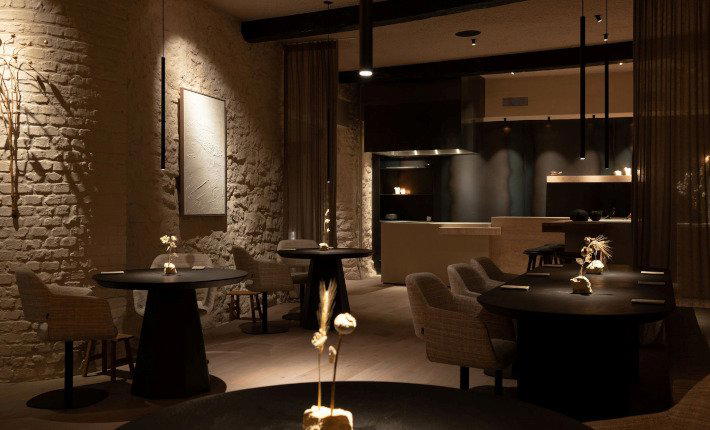
Bars in Eys
Browse all →
Hotels in Eys
Browse all →

At a Glance
- Modern
- Elegant
- Scenic
- Sophisticated
- Date Night
- Special Occasion
- Celebration
- Terrace
- Historic Building
- Open Kitchen
- Design Destination
- Sommelier Led
- Local Sourcing
- Mountain
Current opening hours
- Monday
- Closed
- Tuesday
- Closed
- Wednesday
- 12–4 PM, 5:30–10 PM
- Thursday
- 12–4 PM, 5:30–10 PM
- Friday
- 12–4 PM, 5:30–10 PM
- Saturday
- 12–4 PM, 5:30–10 PM
- Sunday
- 12–4 PM, 5:30–10 PM
Hours can change for holidays and private events. Last verified .
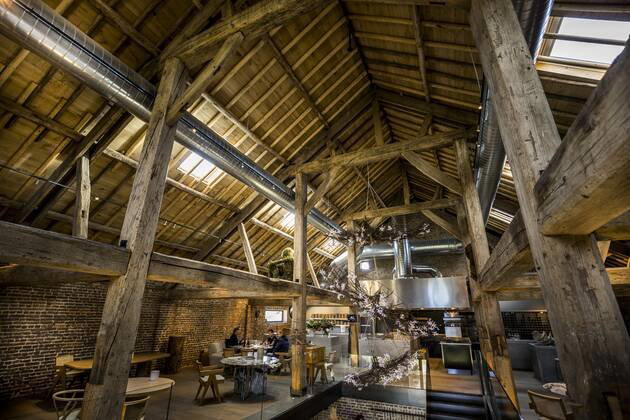
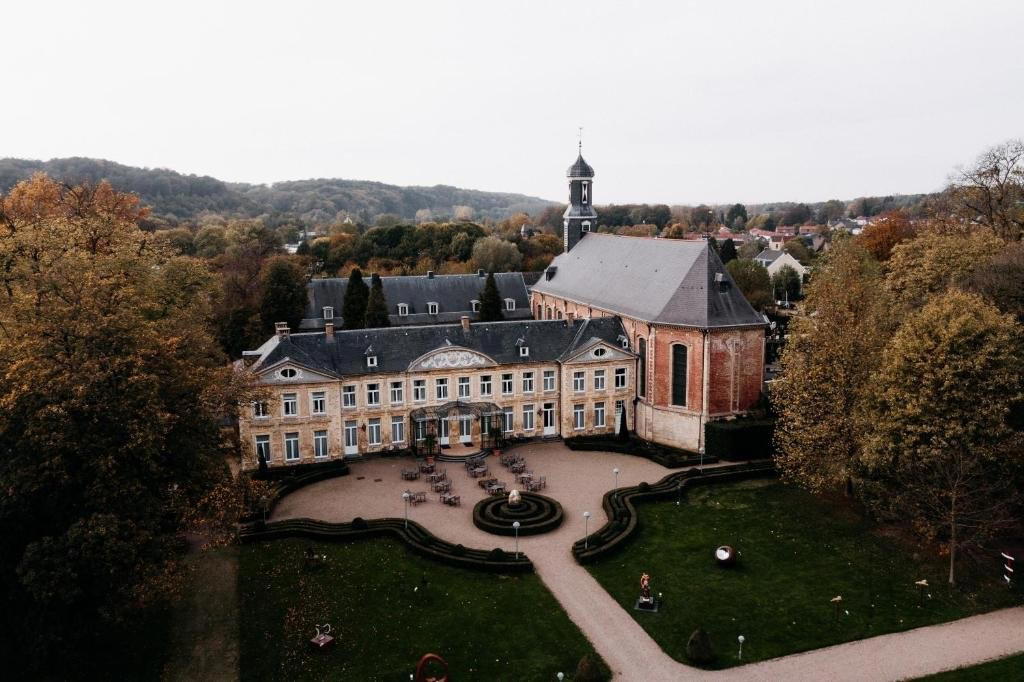
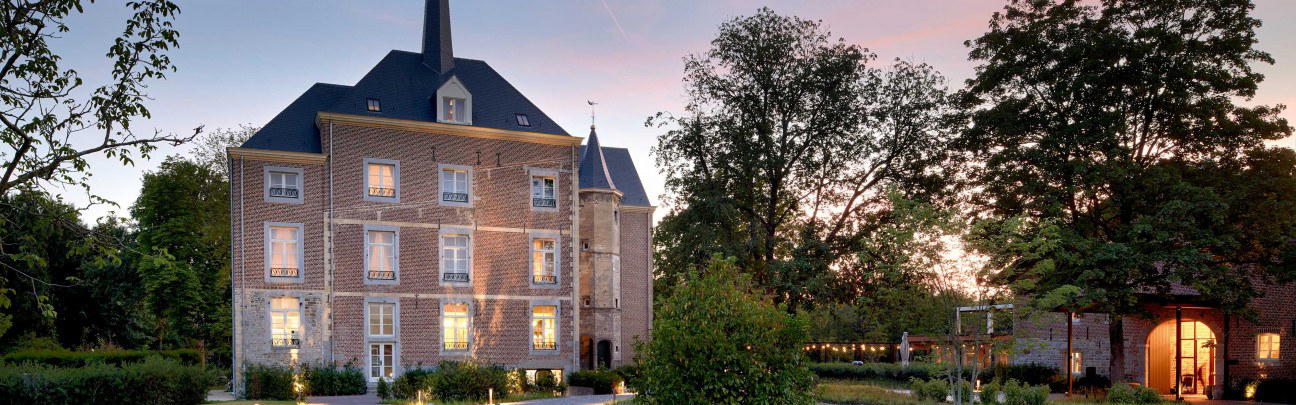
Refined and contemporary with industrial touches; historic wooden beams and stone contrasted with modern design; terrace overlooking rolling countryside.