Our verdict
A stone buron on the Aubrac plateau, Buron du Ché operates in a tradition where the landscape and the table are inseparable. The cooking draws directly from the pastoral economy of one of France's most geographically severe uplands: laguiole cheese, Aubrac cattle, and wild herbs gathered at altitude. For travellers willing to reach Nasbinals, it offers a grounded encounter with a cuisine that has no urban equivalent.

Pearl is the En Primeur Club membership app — saves, bookings, and concierge access live there. Same editors, same standards.
- Address
- Le Ché, 48260 Nasbinals, France
- Phone
- +33466325572
- Hours
- Mon–Tue ClosedWed–Fri 9 AM–5 PMSat 9 AM–8:30 PMSun 10 AM–5 PM
- Website
- buronduche.com
- Directions
- Get directions
The menu
What to order
- Aligot
- Tête de veau sauce ravigote
- Confit de bœuf
Where the Plateau Feeds the Table
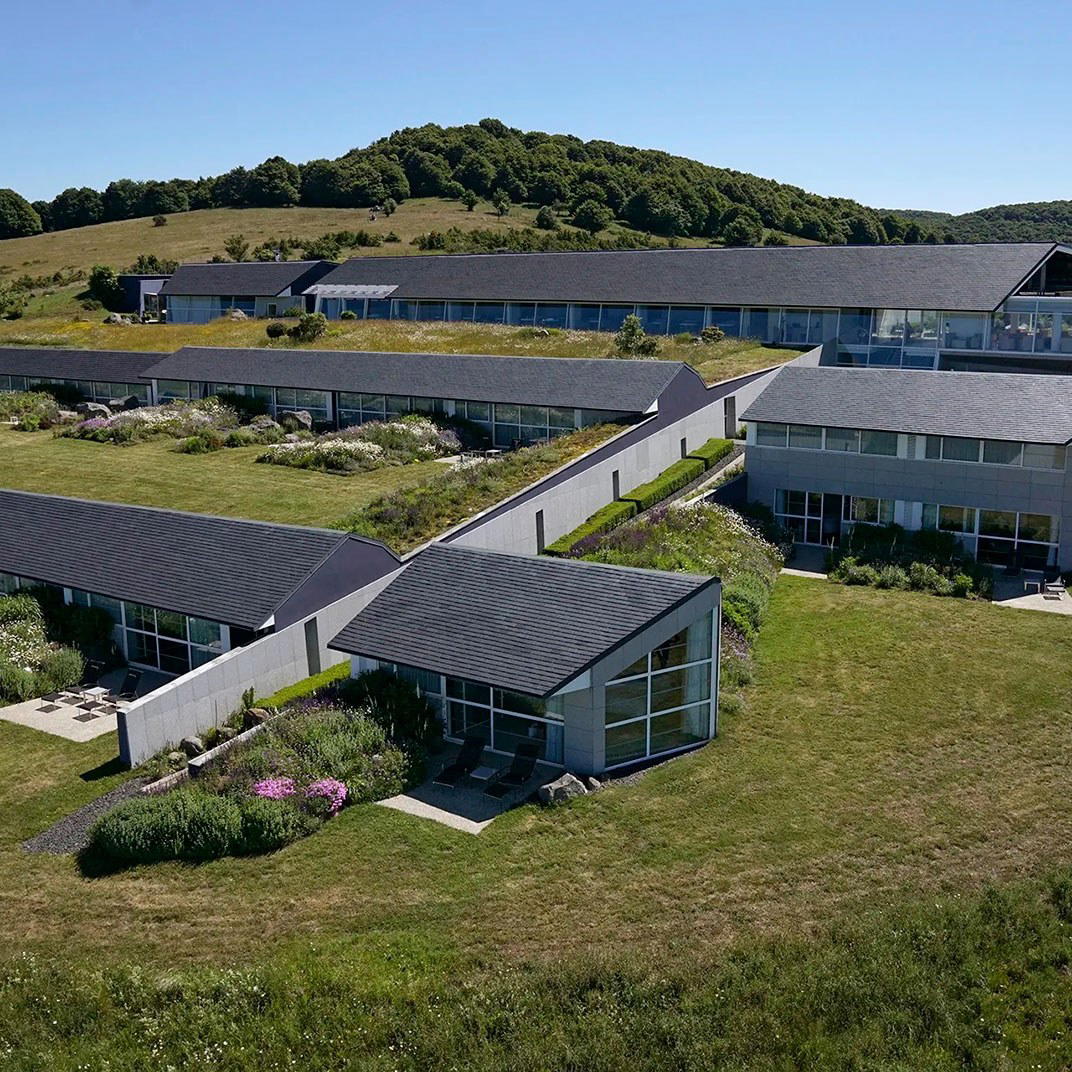
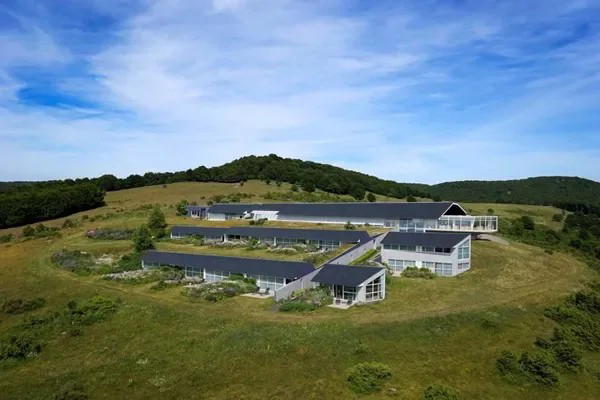
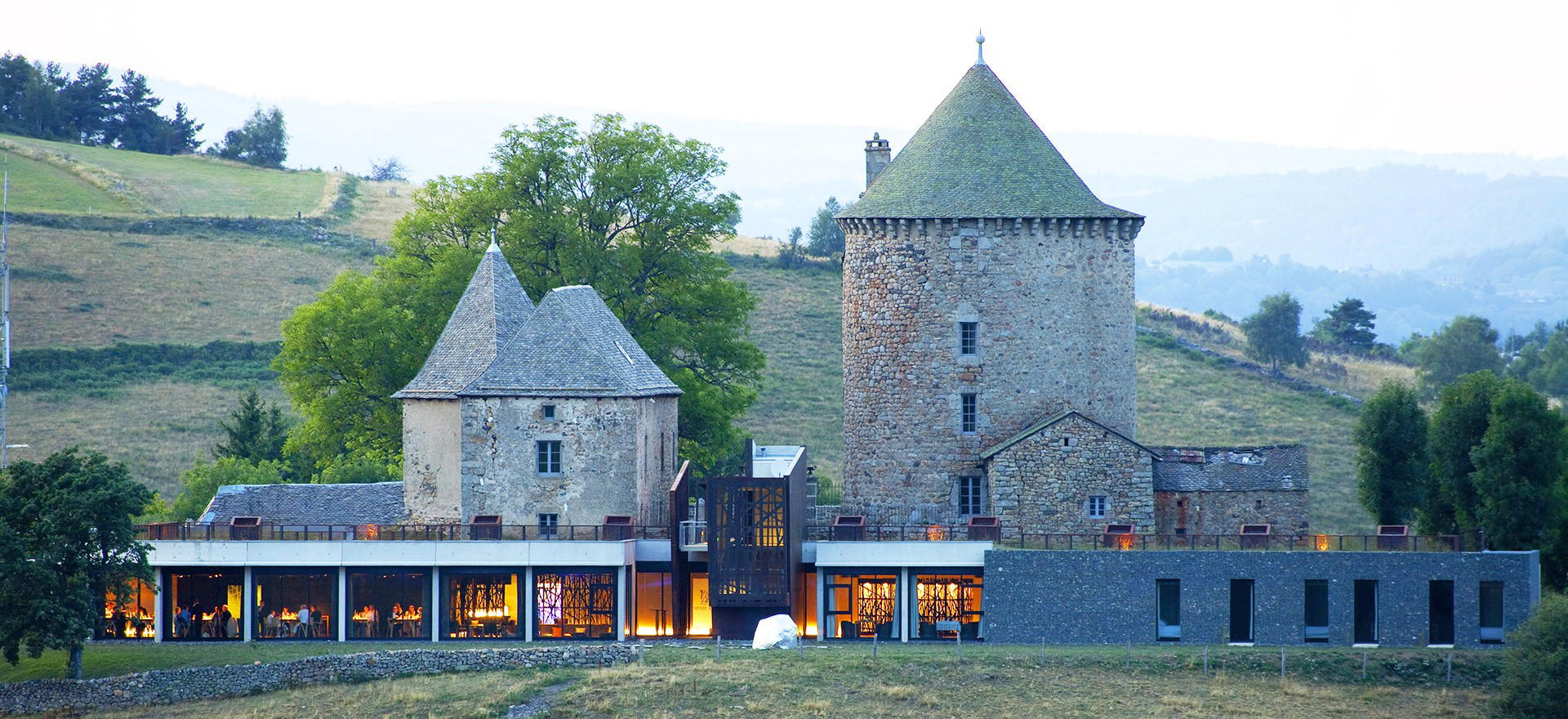
The Aubrac plateau sits at roughly 1,000 to 1,400 metres above sea level, an ancient volcanic upland stretching across the borders of Aveyron, Lozère, and Cantal. For most of the year it is wind-scoured and spare, interrupted by granite outcrops and the slow movement of Aubrac cattle across open grazing land. Nasbinals sits near the geographic centre of this territory, and it is from this position that Buron du Ché takes its character. A buron, in the pastoral vocabulary of the Aubrac, is a traditional stone hut used seasonally by drovers and cheesemakers during the summer transhumance. The form is centuries old, and its association with the plateau's dairy and livestock economy runs deep. Arriving at Le Ché on the edge of Nasbinals, the building announces itself through that vernacular: thick basalt walls, a low silhouette against an open sky, the smell of grass and stone before the door even opens.
France has a category of restaurant where the food cannot be sensibly separated from the territory that produced it. Bras in Laguiole, roughly 25 kilometres north on the same plateau, is the internationally documented version of this argument. Buron du Ché operates in the same geographic and culinary tradition but at a quieter register, serving the local and the passing pilgrim trade along the GR65 route de Saint-Jacques-de-Compostelle, one of the principal Camino paths crossing this part of southern France. That pilgrim traffic gives Nasbinals an unusual visitor profile: walkers arriving with genuine appetite and no particular interest in fine-dining theatre, alongside travellers drawn specifically to the Aubrac for its cattle, its cheese, and the particular quality of its silence.
The Sourcing Logic of the Aubrac
The editorial angle that matters most here is ingredient provenance, and on the Aubrac that provenance is unusually legible. Aubrac cattle, a breed selected over centuries for hardiness at altitude and for meat with a distinct mineral quality, graze the summer pastures surrounding Nasbinals from May through October. Laguiole cheese, produced by the cooperative Jeune Montagne under AOC rules, uses milk from Aubrac and Simmental cows grazed on those same pastures. The cheese's flavour profile shifts with the season, tracking the movement of the herd through different grazing grounds. Aligot, the potato and tome fraîche preparation that has become the region's most recognised dish, relies on young laguiole tome before it reaches full maturity, giving the dish its elastic, almost architectural pull when lifted from the pan.
These are not ingredients sourced from a supplier catalogue. They are products of a specific agricultural system operating around the restaurant itself, and that proximity is precisely what a buron-format establishment is positioned to express. Where restaurants in Lyon or Paris working with Aubrac beef are making a sourcing claim across a supply chain, a kitchen at this altitude and in this geography is working with what the plateau produces a few kilometres away. The comparison is relevant context, not a critique of urban kitchens: it simply explains why the Aubrac rewards the detour for anyone whose interest in French regional cooking extends beyond the city.
For broader reference on how French regional cooking at this level of territorial specificity relates to the country's wider restaurant culture, the contrast with the more Mediterranean sourcing logic of Mirazur in Menton or the classical grandeur of Alléno Paris au Pavillon Ledoyen is instructive. Those kitchens operate at a different scale and ambition entirely. The Aubrac's culinary identity is built on reduction rather than expansion: fewer ingredients, a shorter supply radius, and a cooking tradition shaped more by winter survival than by abundance. See also our coverage of Auberge du Vieux Puits in Fontjoncouse and L'Oustau de Baumanière in Les Baux for comparable cases of French regional identity anchored to a specific terroir.
The Scene at the Table
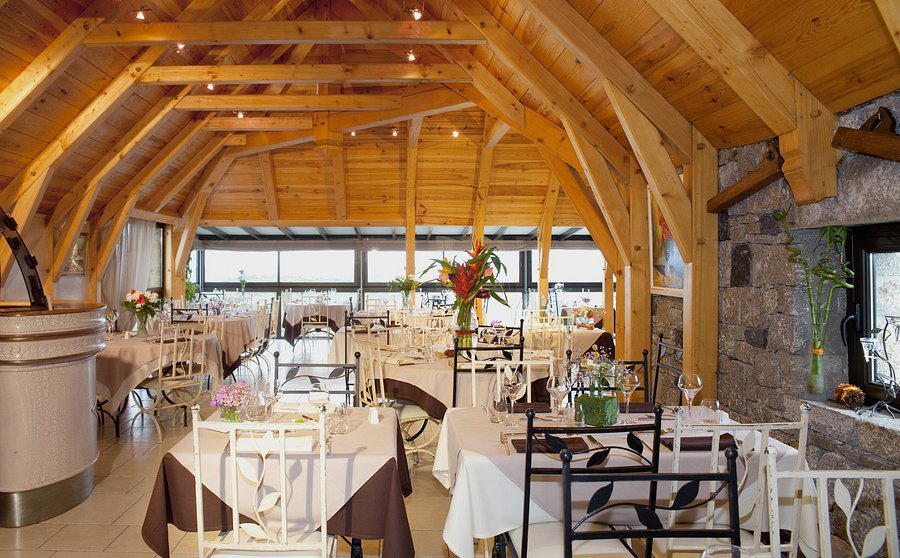
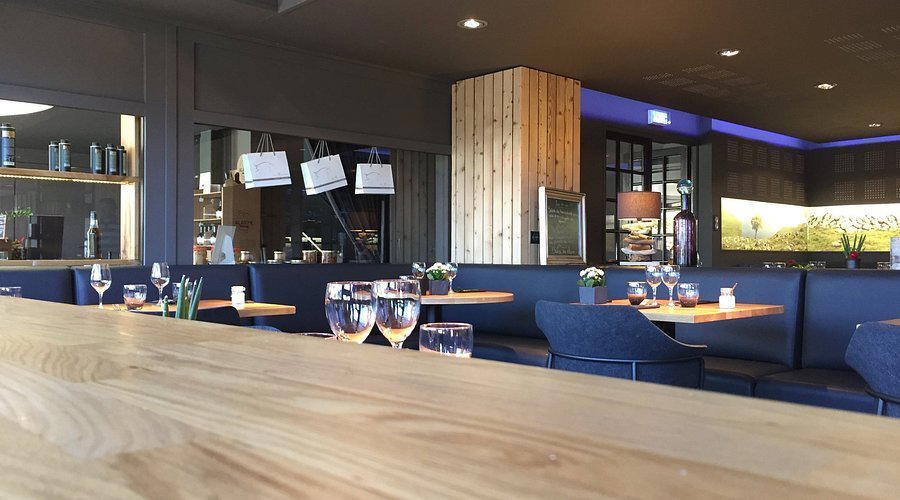
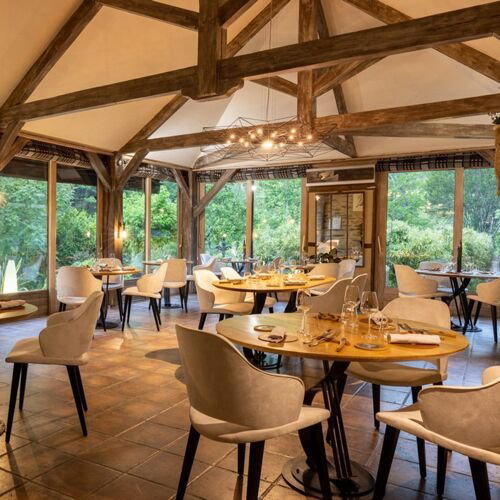
Buron-format dining on the Aubrac typically runs on a shorter, fixed or semi-fixed menu structure, reflecting both the seasonal constraints of the plateau and the economics of remote rural operation. The rhythm is unhurried in the way that high-altitude rural France tends to be: courses arrive without urgency, and the room operates as a respite rather than a stage. Stone interiors, wooden furniture, and the kind of natural light that comes through small windows in thick walls create an atmosphere that is warm without being staged as rustic. The buron aesthetic is earned rather than designed.
Travellers visiting during the summer transhumance period, roughly late May through September, are arriving when the plateau is at its most productive and the sourcing logic most transparent. The cattle are on the high pastures, the cheese cooperatives are in full production, and the herbs and wildflowers that characterise Aubrac grazing land are at their most varied. Winter visits are possible but require planning: Nasbinals sits in a part of the Massif Central that takes snowfall seriously, and rural establishments in the region maintain shorter operating seasons than their urban counterparts.
Nasbinals is roughly accessible from Rodez (about 80 kilometres) or Mende (about 55 kilometres), both of which have rail connections. The final approach by road crosses open plateau terrain that, in good visibility, offers a useful orientation to the scale of the landscape the restaurant operates within. There is no public transport to speak of at this altitude. Walkers on the GR65 arrive on foot by definition; everyone else drives. Booking ahead is the sensible approach for any meal here, particularly during summer when pilgrim and touring traffic peaks simultaneously.
For context on France's wider network of destination restaurants in rural or geographically specific settings, our coverage of Les Prés d'Eugénie in Eugénie-les-Bains, Georges Blanc in Vonnas, Maison Lameloise in Chagny, and Flocons de Sel in Megève maps the range from grand institution to alpine specialist. Buron du Ché sits outside that institutional tier, but it occupies the same conceptual territory: a place where the surrounding geography is the primary ingredient. You can also explore our full Nasbinals restaurants guide for additional options in and around the plateau.
Frequently asked questions
Is Buron du Ché child-friendly?
The buron format on the Aubrac plateau generally suits families well. Meals tend to follow a simple, fixed or semi-fixed structure built around hearty regional staples, which works in practice for younger diners. The setting at Le Ché, Nasbinals places it in open upland country, making it a practical stop for families travelling the plateau rather than an occasion-dining destination.
What's the vibe at Buron du Ché?
Buron du Ché sits on the Aubrac plateau at around 1,000 to 1,400 metres elevation, and the setting shapes the atmosphere directly: rural, unfussy, and tied to the agricultural rhythm of the land. Expect stone interiors, no theatrical service, and a room that fills with hikers, passing travellers, and locals who know the plateau. This is working-countryside dining, not urban gastronomy.
What makes dining at a buron in Nasbinals different from other rural French restaurants?
A buron is a specific type of high-altitude stone shelter historically used by Aubrac herdsmen during transhumance, and venues operating under that format in Nasbinals inherit a direct link to seasonal pastoral practice rather than just a regional cuisine label. Buron du Ché sits on the Aubrac plateau in Lozère, a landscape that shaped what Aubrac cattle eat, how the cheese is made, and why the menu runs short. That geographic and agricultural specificity distinguishes it from generalist rural French dining.
What should I order at Buron du Ché?
The Aubrac plateau's defining ingredients are Aubrac beef and the dairy output of the same cattle breed, which historically underpins dishes like aligot across this part of Lozère and Aveyron. At a buron-format venue in Nasbinals, the menu typically runs short and seasonal, built around what the plateau produces rather than a broad à la carte range. Follow the fixed menu rather than seeking off-list alternatives.
What's Buron du Ché's location?
Buron du Ché is located at Le Ché, 48260 Nasbinals, France, Nasbinals.
Is Buron du Ché reservation-only?
No booking contact details are publicly listed for Buron du Ché at Le Ché, 48260 Nasbinals. Given the buron format and the plateau's seasonal visitor patterns, arriving without a reservation during peak summer walking season carries real risk. Local practice on the Aubrac strongly favours calling ahead, even where venues do not publish formal booking systems.
What's the defining dish or idea at Buron du Ché?
The organising idea is legible provenance: Aubrac cattle graze the same volcanic plateau the dining room looks out over, and the menu reflects what that breed produces across meat and dairy. Buron-format venues like this one on the Aubrac do not reinterpret the region's ingredients so much as present them with minimal interference, which is itself a culinary position. The plateau's altitude and ancient pasture are inseparable from what arrives at the table.
Comparison Snapshot
| Venue | Cuisine | Price | Awards | Notes |
|---|---|---|---|---|
| Buron du ChéThis venue — the venue you are viewing | Traditional French Aubrac | $30–50 | Not listed | Not listed |
| Mirazur | Modern French Fine Dining | $300–500 | 3 Michelin Stars · World's 50 Best #1 | Modern French, Creative |
| Alléno Paris au Pavillon Ledoyen | Modern French Fine Dining | $150–200 | 3 Michelin Stars · World's 50 Best #79 | Creative |
| Kei | Modern French with Japanese Influences | $300–500 | 3 Michelin Stars · World's 50 Best #93 | Contemporary French, Modern Cuisine |
| L'Ambroisie | Classic French Haute Cuisine | $300–500 | 2 Michelin Stars · World's 50 Best #23 | French, Classic Cuisine |
| Le Cinq - Four Seasons Hôtel George V | Modern French Fine Dining | $300–500 | 3 Michelin Stars · World's 50 Best #24 | French, Modern Cuisine |
Continue exploring
More in Nasbinals
Restaurants in Nasbinals
Browse all →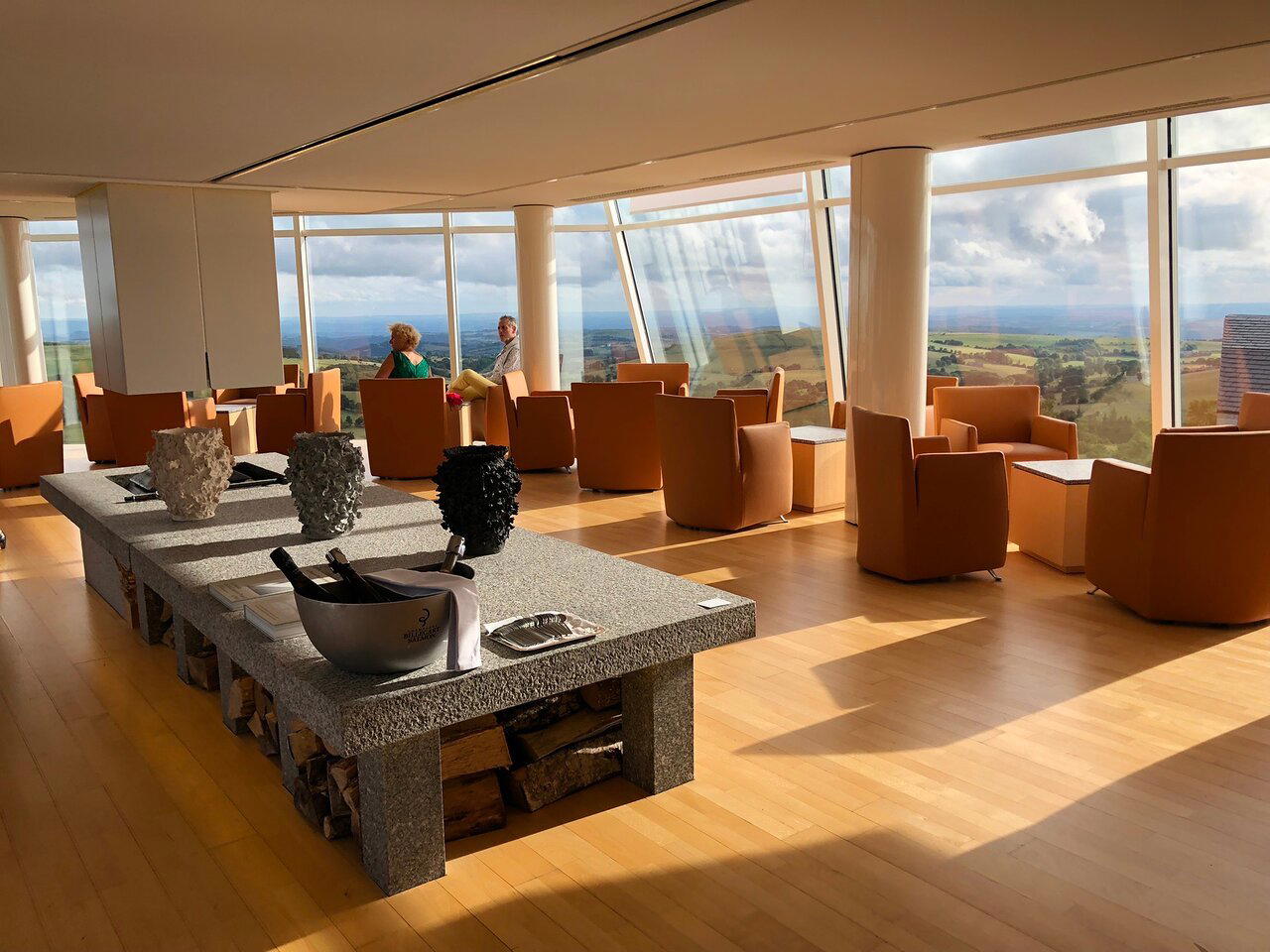
Details
- Rustic
- Cozy
- Scenic
- Special Occasion
- Family
- Terrace
- Historic Building
- Local Sourcing
- Mountain
- A La Carte
Current opening hours
- Monday
- Closed
- Tuesday
- Closed
- Wednesday
- 9 AM–5 PM
- Thursday
- 9 AM–5 PM
- Friday
- 9 AM–5 PM
- Saturday
- 9 AM–8:30 PM
- Sunday
- 10 AM–5 PM
Hours can change for holidays and private events. Last verified .
Chaleureux et intime with wood-beamed ceilings, notable views, and a warm rustic atmosphere faithful to Aubrac buron style.