
1 Michelin Star
Our verdict
On the high plateau of the Aubrac, Le Suquet occupies a futuristic structure on the Route de l'Aubrac outside Laguiole, where the surrounding terrain is not backdrop but primary ingredient. The kitchen draws flowers, herbs, and vegetables directly from the surrounding land and gardens, placing this firmly within France's most committed terroir-driven dining tradition. Guestrooms with bay windows make an overnight stay a logical extension of the meal.

Pearl is the En Primeur Club membership app, where members save venues, book tables and use the concierge.
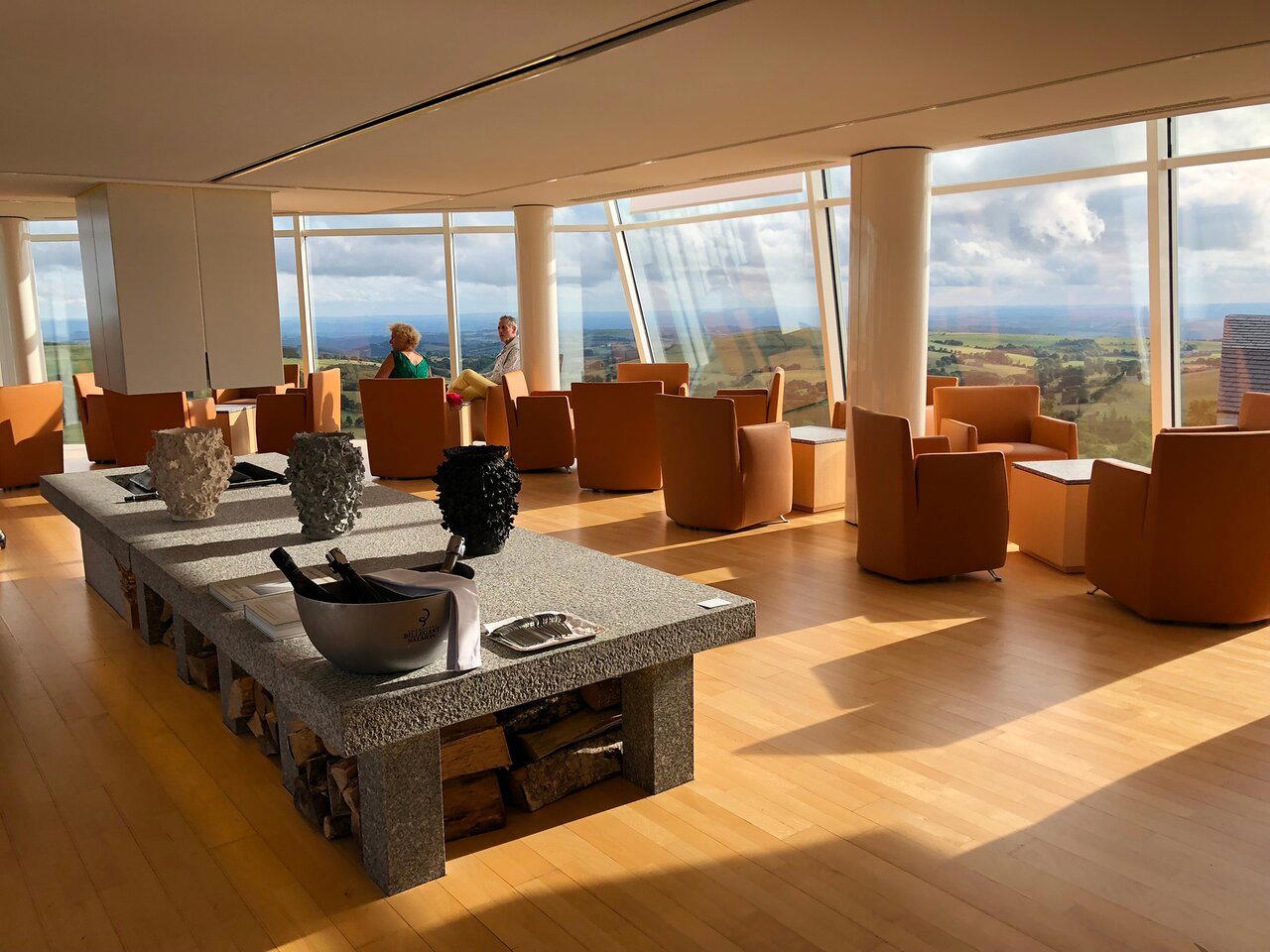
Where the Plateau Becomes the Menu
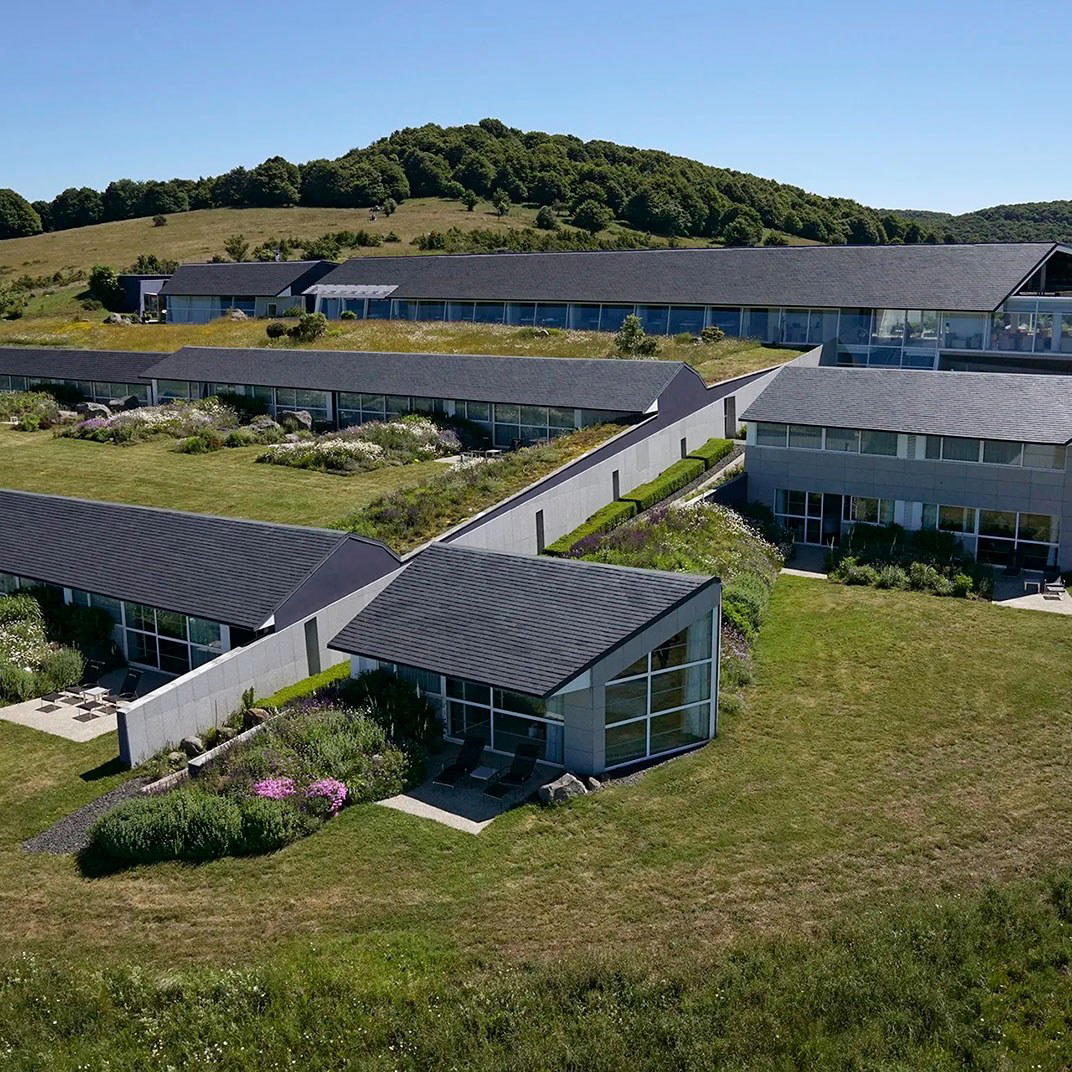
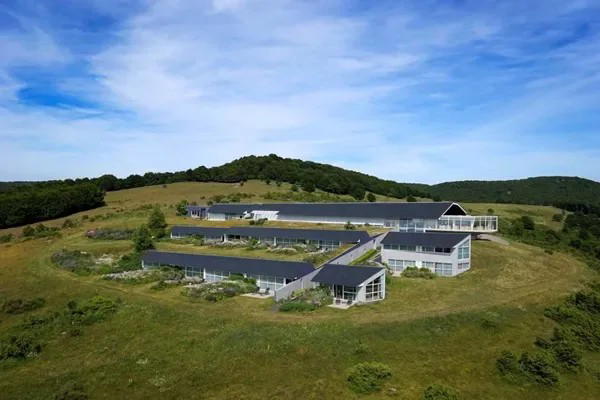
Arriving at Le Suquet on the Route de l'Aubrac, the first thing you register is the expanse. The Monts d'Aubrac stretch in every direction, a high volcanic plateau at roughly 1,000 metres where the growing season is short, the light changes fast, and the land asserts itself on everything that grows from it. The building itself makes no attempt to hide from this environment: its futuristic architecture frames the panorama rather than retreating from it, positioning the dining experience as a direct extension of what lies outside the glass. This is not incidental scenery. It is the premise of the entire restaurant.
That relationship between landscape and plate is the defining characteristic of serious terroir cooking, and few addresses in France pursue it with the geographic consistency that Le Suquet does. The kitchen draws flowers, herbs, and vegetables from the surrounding land and from dedicated gardens, working with an ingredient supply that changes with the Aubrac plateau's demanding rhythm. Where restaurants at the same price tier in Paris, such as Alléno Paris au Pavillon Ledoyen, build menus around supplier networks that span regions and seasons, Le Suquet operates with a tighter geographic constraint that shapes both the menu's character and its limitations. You eat what the plateau is doing right now.
The Tradition of Place-Specific French Cooking
France has a long tradition of destination restaurants anchored to a specific terrain rather than to a city's restaurant culture. Auberge de l'Ill in Illhaeusern draws on Alsace's riverine abundance; Flocons de Sel in Megève works with Alpine altitude and its particular flora; Troisgros in Ouches has made the Loire's agricultural character central to its identity across generations. Le Suquet belongs to this cohort: restaurants that derive authority not from urban concentration or seasonal flown-in produce, but from a single place and the discipline required to cook within its boundaries.
The Aubrac itself is known for a particular quality of pasture, for herbs that grow at altitude under intense summer light, and for the seasonal intensity that a short growing season produces. The plateau's character is distinct from the gentler Loire Valley or the maritime abundance available to Mirazur in Menton. Where Menton gives a kitchen access to Mediterranean warmth and year-round variety, the Aubrac demands seasonal concentration and a willingness to work with what a harder climate produces. That constraint, in the hands of a kitchen that has spent decades learning one terrain, becomes an argument rather than a limitation.
Generational Depth and What It Means at the Table
Le Suquet has operated across more than one generation of the same family, a pattern that distinguishes it from the majority of high-end French restaurants, where kitchen succession typically involves external appointments and resulting shifts in direction. Generational continuity in a place-specific restaurant has a particular implication: the knowledge of when and where specific ingredients grow, which microzones of the surrounding land produce what, and how the Aubrac plateau behaves year to year, accumulates rather than resets. This is the kind of institutional knowledge that cannot be transferred through recipe documentation alone.
At restaurants operating within city contexts, such as Paul Bocuse in Collonges-au-Mont-d'Or or Assiette Champenoise in Reims, generational continuity functions differently, maintaining a reputation and a style. At Le Suquet, it also maintains a relationship with a specific piece of land, which is a different and arguably harder thing to sustain.
For the visitor, this depth shows up in the coherence of the ingredient sourcing. The flowers and herbs that appear on the plate are not the result of sourcing from a specialist supplier who aggregates from across France. They are drawn from the restaurant's own gardens and surrounding environment, which means the kitchen is also, in effect, running a small-scale agricultural operation alongside the restaurant itself. That operational complexity is rarely visible at the table, but it shapes what arrives there.
The Wine List and the Broader Table
The wine list at Le Suquet is described as extensive, which at this level of French dining typically means a cellar with significant depth in regional and national appellations. The Aubrac sits in the southern Massif Central, at some distance from France's major wine-producing regions, which means the list is unlikely to be built around a single dominant local appellation in the way that, say, a restaurant in Burgundy or Bordeaux might be. An extensive list in this context suggests breadth across France's regions rather than a narrow regional focus, which gives the sommelier considerable range in pairing against the plateau-driven menu.
For those seeking other perspectives on the Laguiole dining scene, Bras and Hōra offer additional reference points in a town that punches well above its size in terms of serious cooking. Our full Laguiole restaurants guide covers the complete picture, alongside guides to hotels, bars, wineries, and experiences in the area. For comparable French destination restaurants operating at a similar tier of seriousness, AM par Alexandre Mazzia in Marseille and Au Crocodile in Strasbourg each represent distinct regional takes on high-commitment French cooking, though neither operates within the same terroir-constraint model.
Planning a Visit
Le Suquet is located on the Route de l'Aubrac outside Laguiole proper, which means arriving by car is the practical option for most visitors. Laguiole itself is a small town in the Aveyron department, roughly equidistant from Rodez and Aurillac, both of which have rail connections though reaching either still requires a drive. The surrounding Aubrac plateau is genuinely remote by French standards, and the restaurant's position at altitude means the approach itself functions as a kind of decompression: by the time you arrive, the pace has already changed.
Guestrooms are available on-site, each with bay windows oriented toward the Aveyron countryside, and an overnight stay is the logical way to make the journey worthwhile. Committing to dinner and a night allows the meal to exist at its own pace rather than against the clock of a return drive. The combination of dining room, kitchen garden access, and rooms with this specific view constitutes a particular kind of French destination experience that urban properties cannot replicate regardless of their technical execution.
Frequently asked questions
Is Le Suquet - Sébastien Bras suitable for children?
Le Suquet is a destination restaurant on the Route de l'Aubrac built around a serious engagement with terroir-driven cuisine and an extensive wine program. The remote setting and the deliberate pace of a multi-course meal in that format suits adults better than young children, though older, food-curious teenagers would find the Monts d'Aubrac views and the kitchen's garden-to-plate approach genuinely engaging.
What's the overall feel of Le Suquet - Sébastien Bras?
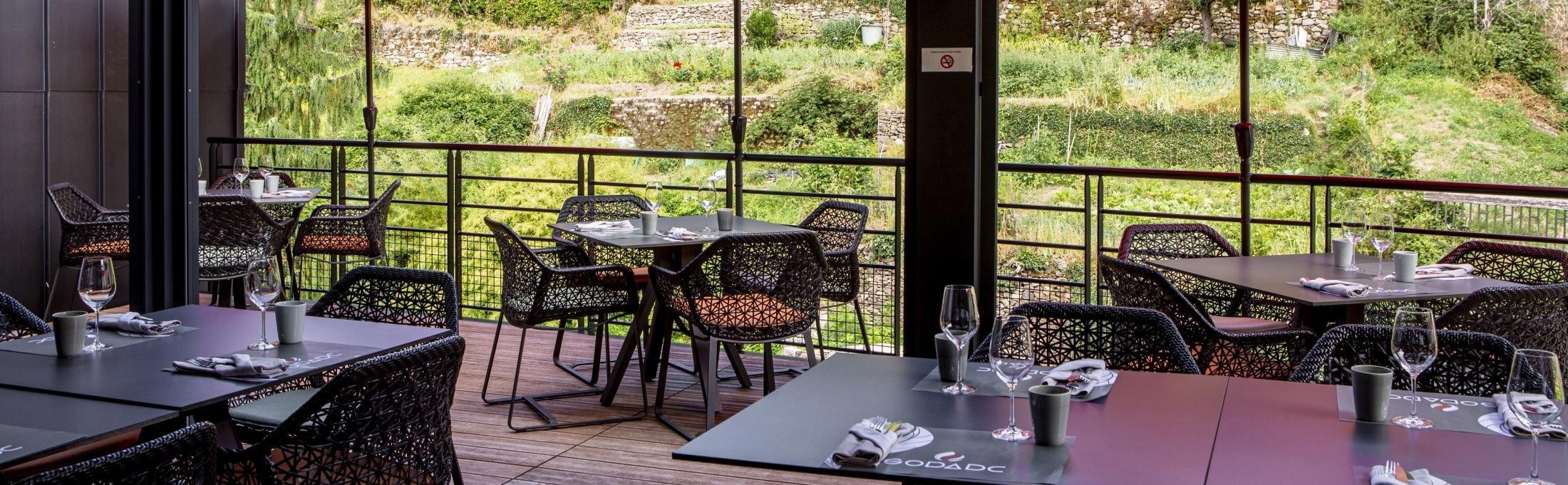
The restaurant occupies a futuristic building on an open plateau above Laguiole, with bay windows framing the Aveyron countryside on all sides. The effect is contemplative rather than theatrical: the architecture defers to the landscape, and the cooking follows the same logic, pulling flowers, herbs, and vegetables from the surrounding gardens and countryside. Overnight guestrooms extend that immersion into the following morning.
Is Le Suquet - Sébastien Bras Michelin-listed?
Le Suquet - Sébastien Bras has received recognition including: Sébastien Bras has always been inspired by the Aubrac region, drawing ingredients (flowers, herbs, vegetables) from his natural surroundings and gardens to feature on the plate. In this futuristic building with a breathtaking view of the Mo….
What do regulars order at Le Suquet - Sébastien Bras?
The menu is built on Aubrac's seasonal produce, flowers, wild herbs, and vegetables drawn from the kitchen's natural surroundings and gardens, so returning guests tend to track what changes across seasons rather than anchoring to fixed signatures. The extensive wine list draws serious repeat attention, and the awards record notes the cuisine's consistent orientation toward local terroir across generations of the family's tenure.
| Venue | Cuisine | Price | Awards | Notes |
|---|---|---|---|---|
| Le Suquet - Sébastien BrasThis venue (the venue you are viewing) | Creative French Farm-to-Table | $150–200 | 1 Michelin Star | Not listed |
| Alléno Paris au Pavillon Ledoyen | Modern French Fine Dining | $150–200 | 3 Michelin Stars · World's 50 Best #79 | Creative |
| Kei | Contemporary French, Modern Cuisine | Not listed | Michelin 3 Star | Not listed |
| L'Ambroisie | Classic French Haute Cuisine | $300–500 | 2 Michelin Stars · World's 50 Best #23 | French, Classic Cuisine |
| Le Cinq - Four Seasons Hôtel George V | Modern French Fine Dining | $300–500 | 3 Michelin Stars · World's 50 Best #24 | French, Modern Cuisine |
| Mirazur | Modern French Fine Dining | $300–500 | 3 Michelin Stars · World's 50 Best #1 | Modern French, Creative |
Recognition history
Dated appearances from independent guides and award organizations, with the underlying list record or original source where available.
Michelin 1 Star
Michelin
Continue exploring
More in Laguiole

Le Suquet - Sébastien Bras
The wine
- Wine program
- Deep wine list
- Extensive wine list
- Sommelier-led
Details
- Rustic
- Elegant
- Scenic
- Intimate
- Sophisticated
- Special Occasion
- Date Night
- Celebration
- Standalone
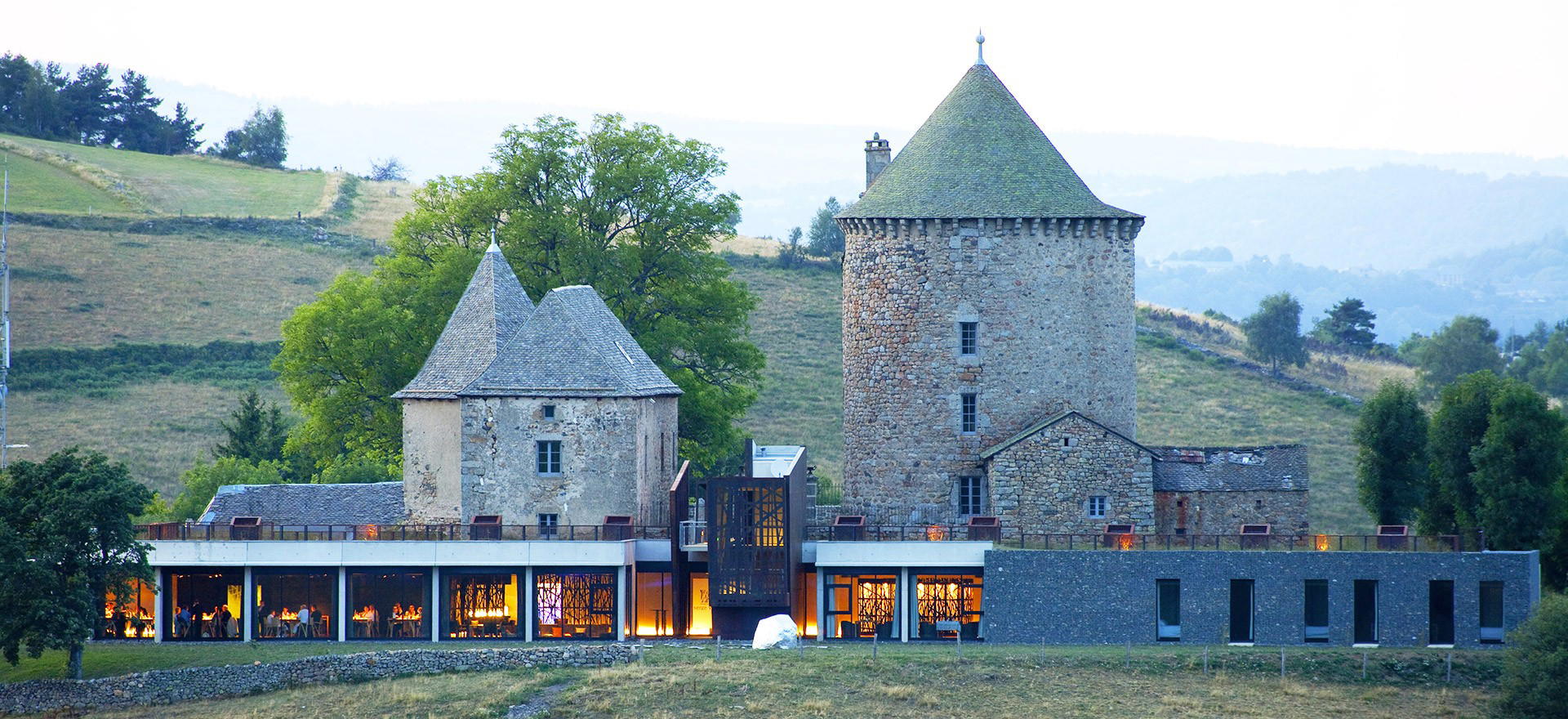
- Historic Building
- Extensive Wine List
- Sommelier Led
- Farm To Table
- Local Sourcing
- Mountain
- Garden
- Tasting Menu
- Wine
- Vegetarian Friendly
- Gluten Free Options
- Vegan Options
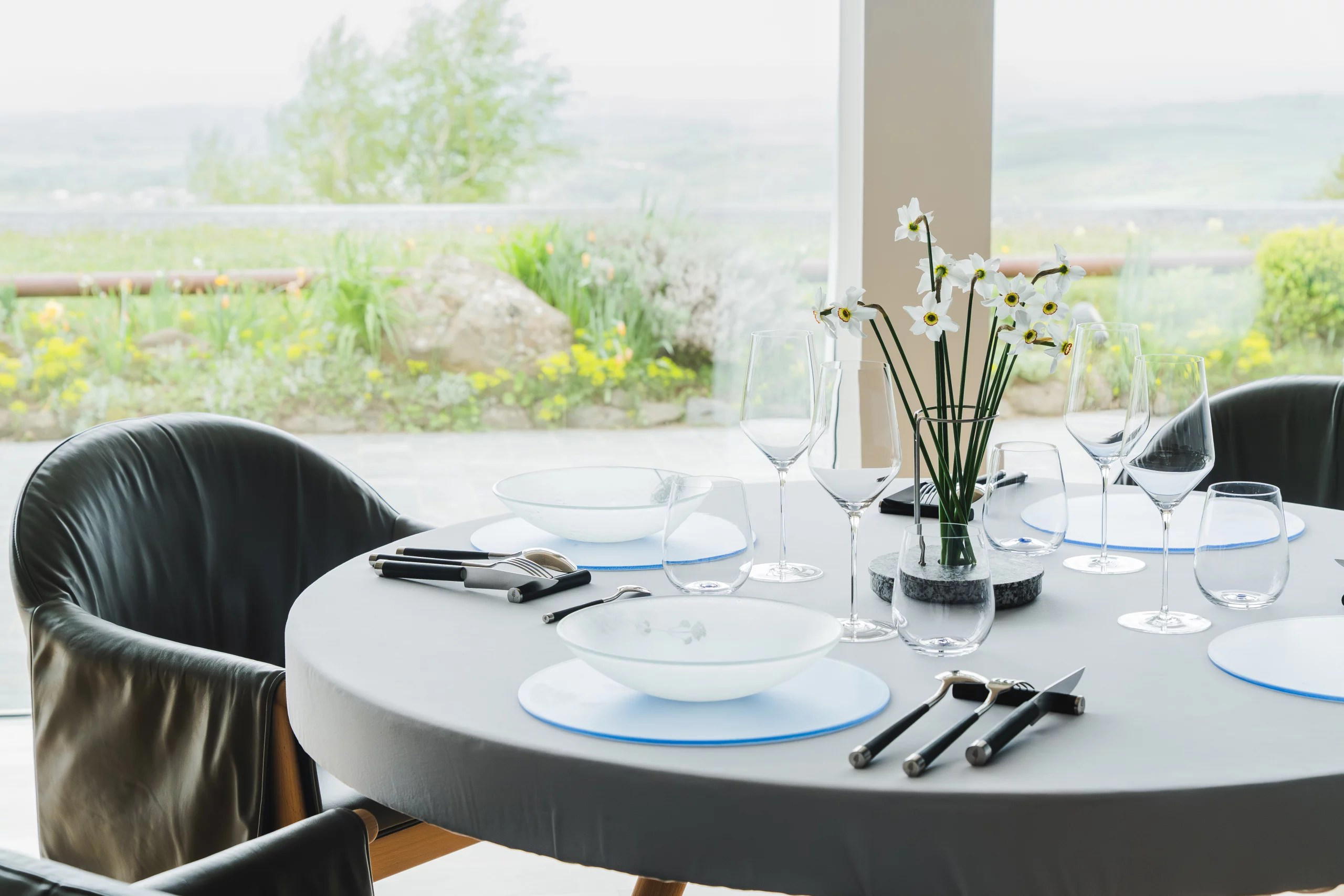
Epuré design with natural light and stone elements, suspended between earth and air overlooking the Aubrac countryside, offering a serene and symbiotic connection to nature.