On Augusta Avenue in Kensington Market, Burdock Kensington Tavern occupies one of Toronto's most consciously neighbourhood-rooted dining addresses. The tavern format sits within a broader Toronto shift toward ethical sourcing and reduced-waste kitchens, placing it in a comparable set defined less by price tier than by sourcing discipline. For visitors already tracking Canada's sustainability-forward dining movement, this is a logical stop.
Pearl is the En Primeur Club membership app — saves, bookings, and concierge access live there. Same editors, same standards.
- Address
- 184 Augusta Ave, Toronto, ON M5T 2L6, Canada
- Phone
- +14165464033
- Website
- burdockbrewery.com
- Directions
- Get directions
 Saves & bookings on Pearl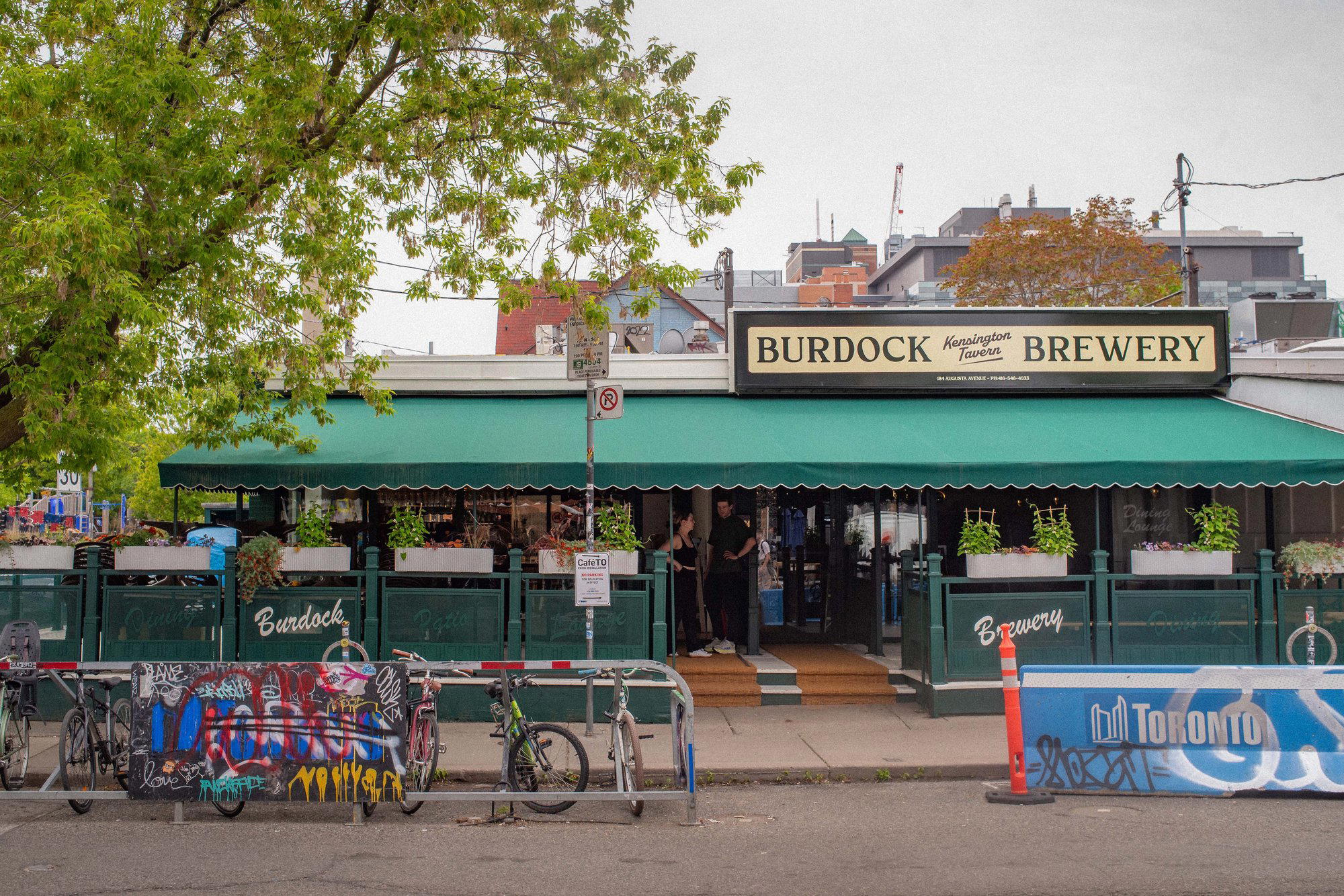
Augusta Avenue and the Ethics of the Tavern Format
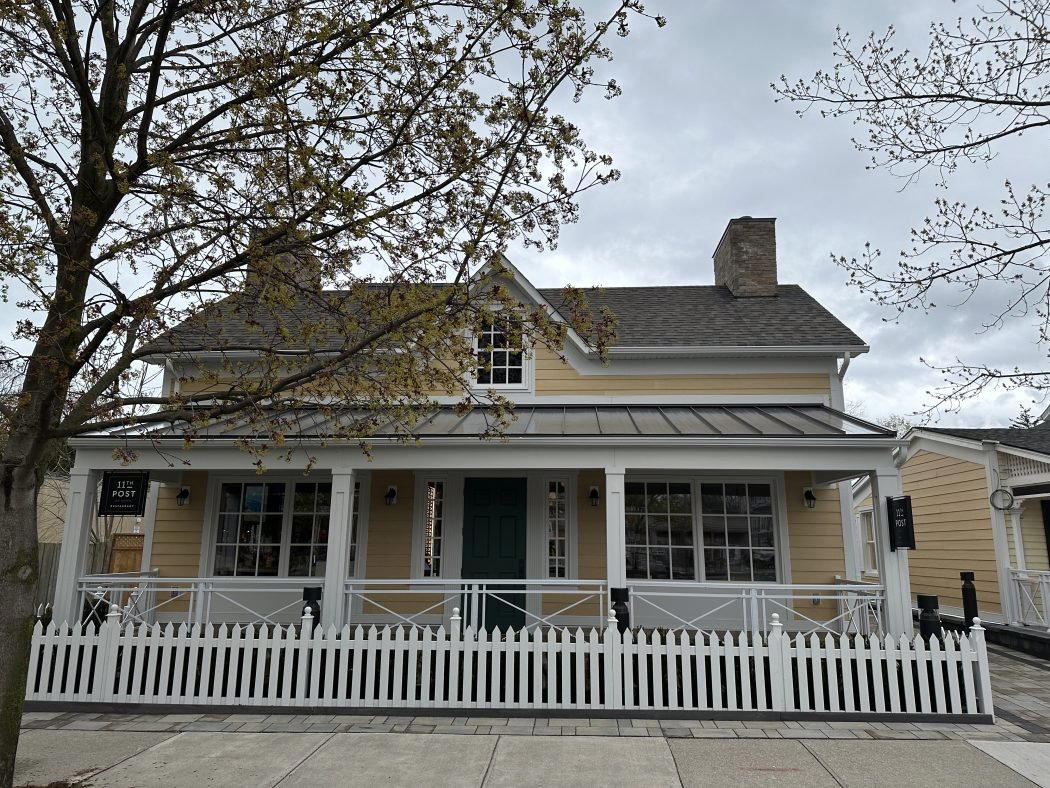
Burdock Kensington Tavern is a restaurant at 184 Augusta Ave in Toronto's Kensington Market. The neighbourhood's character, built across decades of immigrant food culture, independent retail, and a persistent resistance to gentrification, makes it an unlikely but fitting home for a new generation of Canadian restaurants that treat sourcing as a structural commitment rather than a marketing footnote. Burdock Kensington Tavern, at 184 Augusta Ave, sits inside that current. The tavern format it occupies carries its own set of expectations: accessibility, informality, and a certain accountability to the community around it. In Toronto's present dining moment, those expectations are increasingly difficult to separate from questions about where food comes from and what a kitchen does with what it doesn't use.
The Sustainability Arc in Toronto Dining
Toronto's restaurant scene has developed along two largely parallel tracks. One runs through the $$$$ tasting-menu tier, where venues like Alo (Contemporary), Sushi Masaki Saito, Aburi Hana, and Don Alfonso 1890 command significant spend per head and compete on technique and provenance claims at the premium end. The other track runs through neighbourhood-anchored formats where the sourcing conversation happens without the ceremony. Burdock belongs to the second cohort. That distinction matters: at high-spend venues, ethical sourcing often arrives as a premium signal. At neighbourhood taverns, it tends to be more operationally embedded, less visible in the menu language, and often more consistent in practice precisely because it isn't positioned as a differentiator.
Across Canada, this neighbourhood-level sustainability movement has produced some of the country's most closely watched kitchens. Eigensinn Farm in Singhampton built its entire model around farm-to-table before that phrase became ambient. Restaurant Pearl Morissette in Lincoln integrates winery and kitchen ecology into a single ethical framework. Fogo Island Inn Dining Room has made community-embedded sourcing central to its entire proposition. Against that national backdrop, a Toronto tavern on Augusta Avenue that takes similar commitments into a daily neighbourhood format occupies a meaningful, if quieter, position.
What the Tavern Format Means Here
The tavern is one of the more misunderstood restaurant categories in North American dining. At its weakest, it signals nothing more than dark wood and a long beer list. At its most considered, it implies a specific relationship with the neighbourhood: regular customers, a menu that changes with what's available rather than what's fashionable, and a room that earns its presence on the street rather than imposing a concept onto it. Kensington Market rewards the latter interpretation. The area's food culture has always been porous and practical: produce markets, independent bakeries, and casual international kitchens operating with minimal waste as a function of economics rather than ideology. A tavern that aligns with those conditions fits the neighbourhood's grain in a way that a highly produced dining concept would not.
The sustainability framing, in this context, is less about certification language and more about operational logic. Reduced-waste kitchens, relationships with proximate suppliers, and a menu calibrated to seasonal availability are approaches that make economic and practical sense in a neighbourhood where the market culture already models them. The question for any kitchen on Augusta Avenue is whether it participates in that ecology or simply occupies the address. Toronto's broader dining movement, tracked closely by the same editorial community that covers Tanière³ in Quebec City and AnnaLena in Vancouver, increasingly treats this kind of neighbourhood embeddedness as a serious credential.
Situating Burdock in the Canadian Ethical Dining Conversation
Canada's most discussed sustainability-forward restaurants tend to share a few structural features: relatively small dining rooms, menus that resist seasonless consistency, and a disinclination toward the kind of press-facing chef-hero narrative common at destination restaurants. Narval in Rimouski and The Pine in Creemore operate in smaller markets where the supply chain is shorter by geography. Burdock, in Kensington Market, operates in a city where short supply chains require more deliberate construction. Toronto's urban scale means sourcing decisions are active choices, not defaults, which raises the bar for what neighbourhood-embedded dining actually means here compared to a rural counterpart.
Internationally, the reference points for this kind of approach include Lazy Bear in San Francisco, which built a communal dining model around seasonal and local supply, and, at the more formal end, Le Bernardin in New York City, where sourcing rigour operates at a different price point but with comparable seriousness. The tavern format sets Burdock at the accessible end of that spectrum, which is a deliberate position rather than a limitation. Accessible formats often produce more durable sourcing relationships precisely because the kitchen isn't chasing novelty for a tasting menu audience.
Kensington Market as Context
Understanding Burdock means understanding Augusta Avenue's particular character within Kensington. The street anchors the market's most active pedestrian zone, running between Baldwin and Nassau through a corridor of independent shops, street food vendors, and small-format restaurants that collectively produce one of Toronto's densest concentrations of food culture per square metre. The market draws a visitor mix that skews young, local, and food-literate, which creates a customer base more likely to read sourcing language critically than to accept it at face value. That context disciplines a kitchen's sustainability claims in a way that a more tourist-facing neighbourhood would not.
Other Toronto venues worth tracking alongside Burdock include DaNico (Italian), which approaches ingredient sourcing from a different culinary tradition, and, in the Canadian context more broadly, Jérôme Ferrer - Europea in Montreal and Cafe Brio in Victoria, both of which have developed sourcing programs in urban markets with distinct supply chain challenges. Busters Barbeque in Kenora represents the smaller-market end of Ontario's ethical sourcing conversation, where distance from supply chains produces a different set of constraints and solutions.
Planning Your Visit
Address: 184 Augusta Ave, Toronto, ON M5T 2L6. Dress: Neighbourhood tavern setting suggests casual dress is appropriate. Budget: Price: about $35 per person. Street and paid parking are available in the area but the neighbourhood is walkable from the downtown core.
Comparable Spots, Quickly
Comparable venues nearby, for context on price, style, and recognition.
| Venue | Cuisine | Price | Notes |
|---|---|---|---|
| Burdock Kensington TavernThis venue — the venue you are viewing | Canadian Steakhouse Tavern with Craft Beer | $$ | Not listed |
| Cumbrae's | Premium Butcher & Deli | $$$ | West Queen West |
| Maxime's | French-Inspired Steakhouse | $$$$ | Fashion District |
| Mother Tongue | Asian Fusion | $$ | Entertainment District |
| George's Deli & B B Q | BBQ & Rotisserie Chicken Deli | $$ | Harbord Village |
| Taberna LX | Modern Portuguese | $$ | Little Italy |
Continue exploring
More in Toronto
Restaurants in Toronto
Browse all →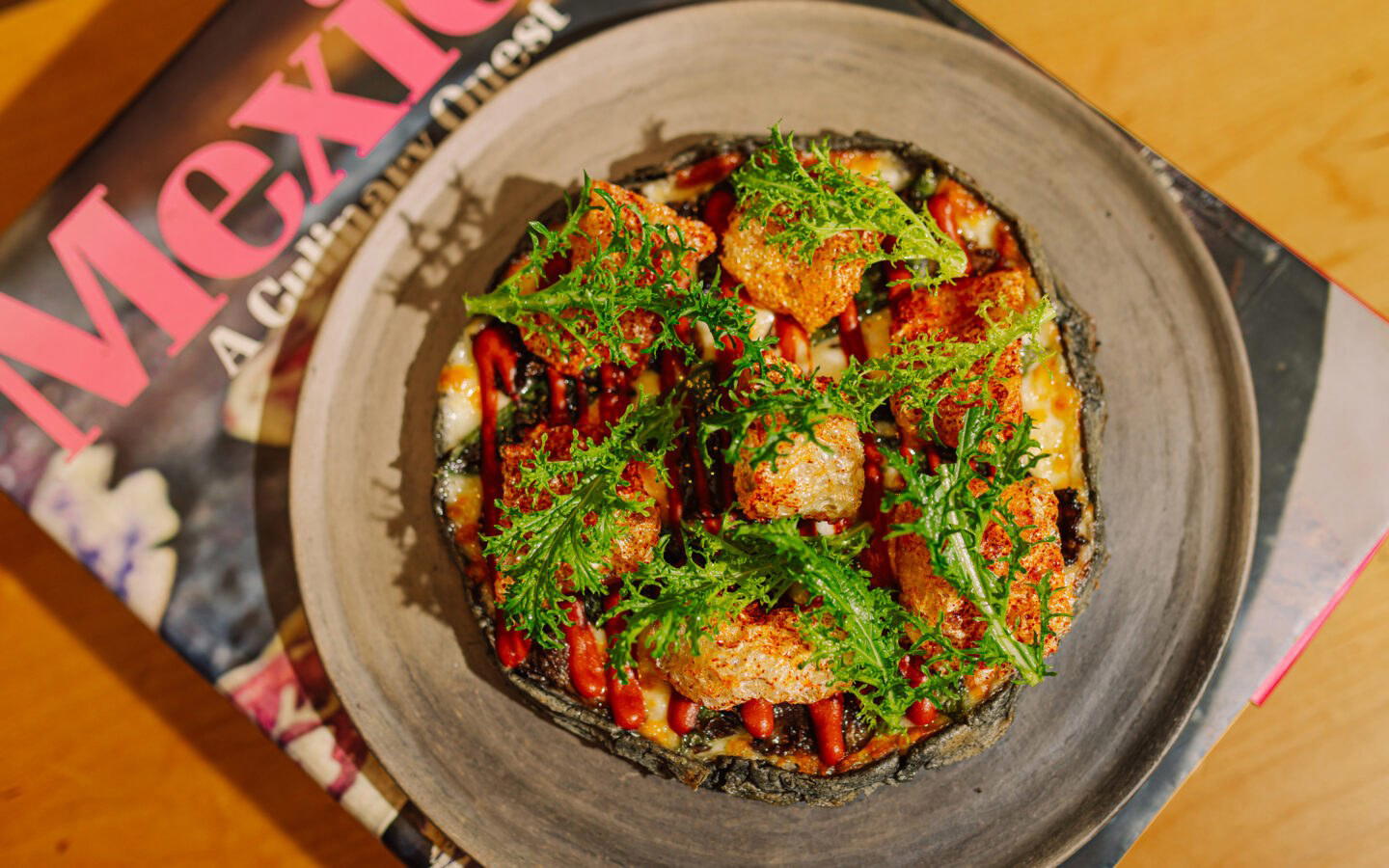

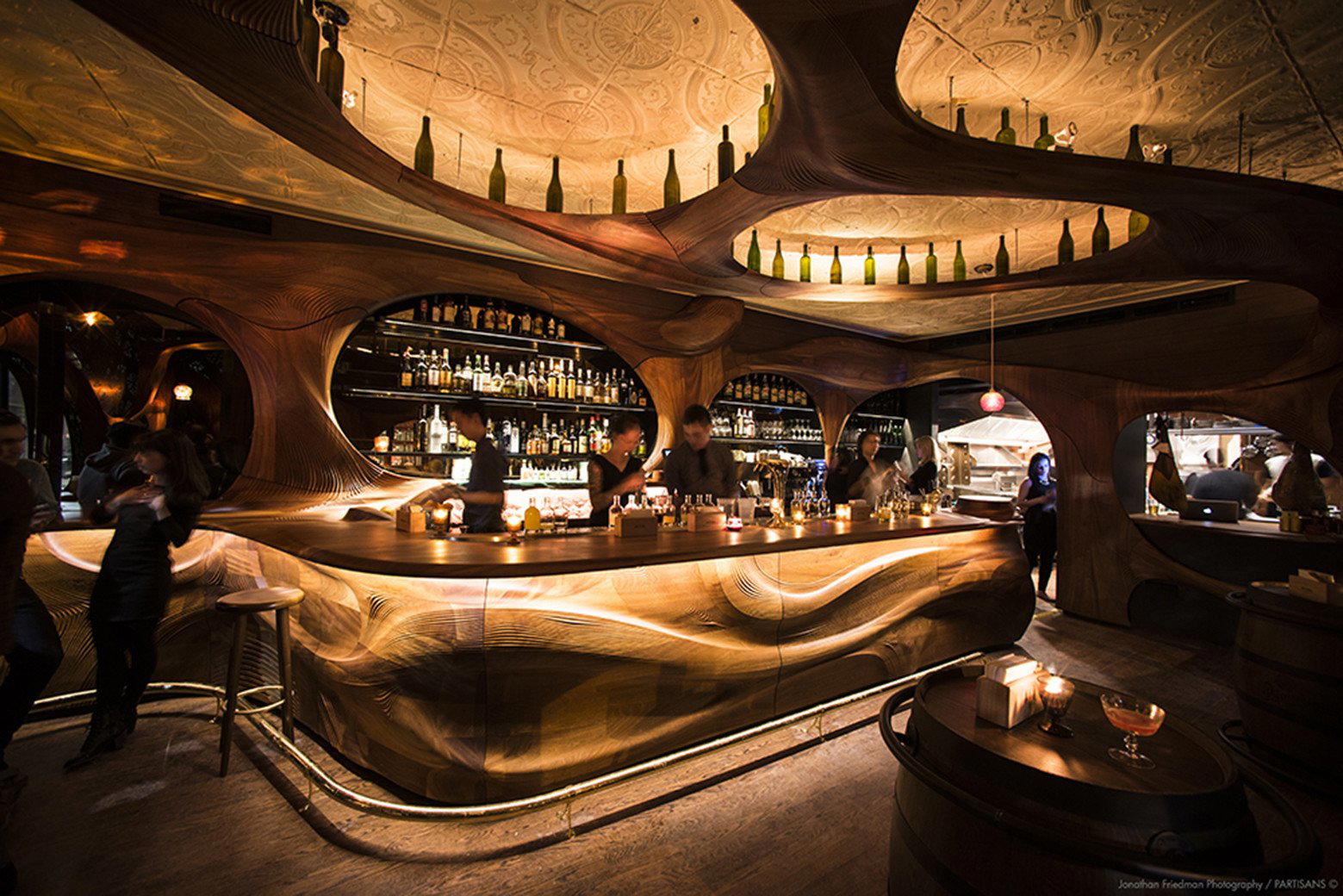


Bars in Toronto
Browse all →


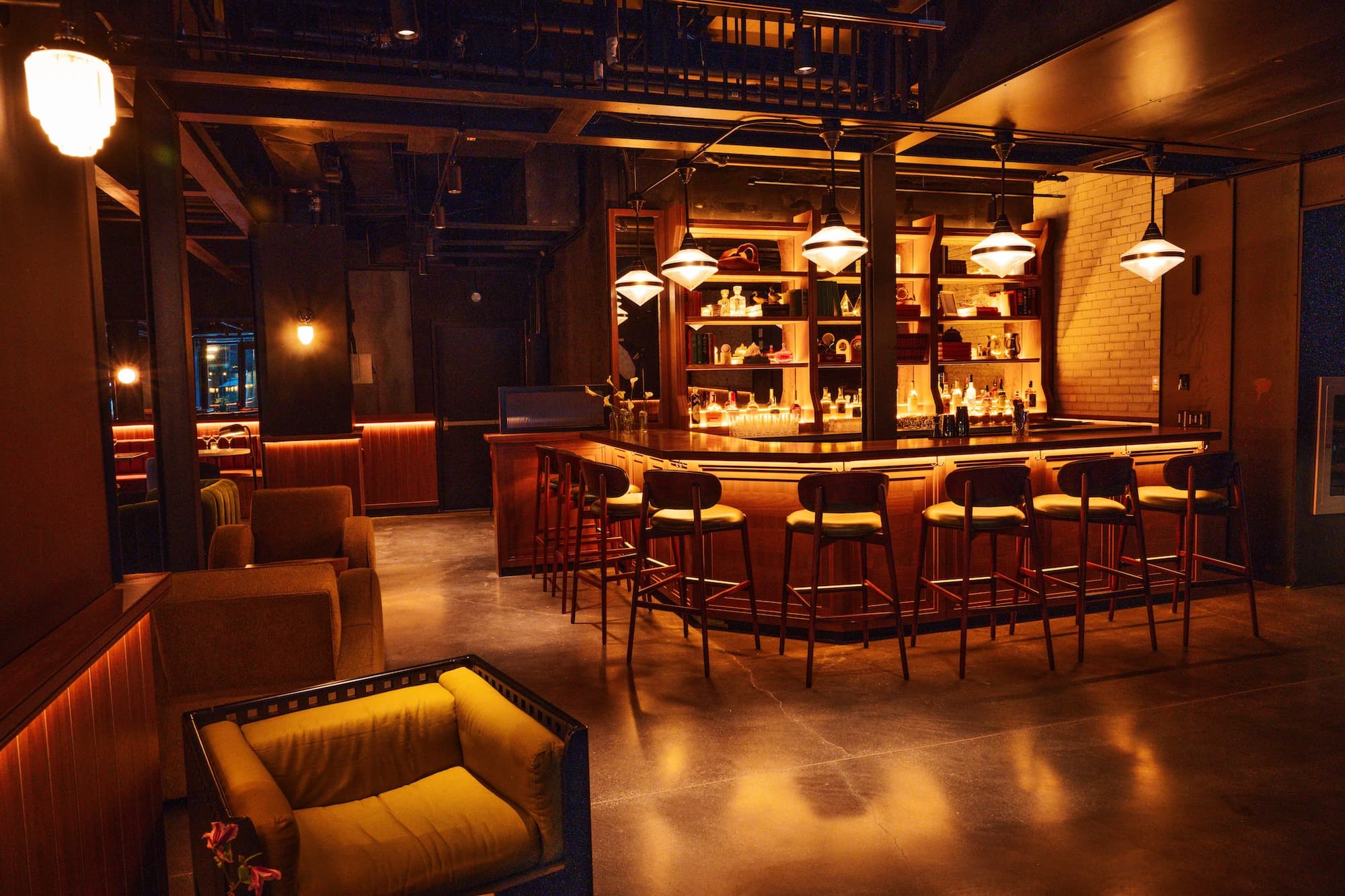
Hotels in Toronto
Browse all →

At a Glance
- Lively
- Rustic
- Cozy
- Casual Hangout
- Group Dining
- After Work
- Standalone
- Open Kitchen
- Beer Program
- Local Sourcing
Current opening hours
- Monday
- 5–10 PM
- Tuesday
- 5–10 PM
- Wednesday
- 5–10 PM
- Thursday
- 5–10 PM
- Friday
- 5 PM–12 AM
- Saturday
- 5 PM–12 AM
- Sunday
- 5–10 PM
Hours can change for holidays and private events. Last verified .
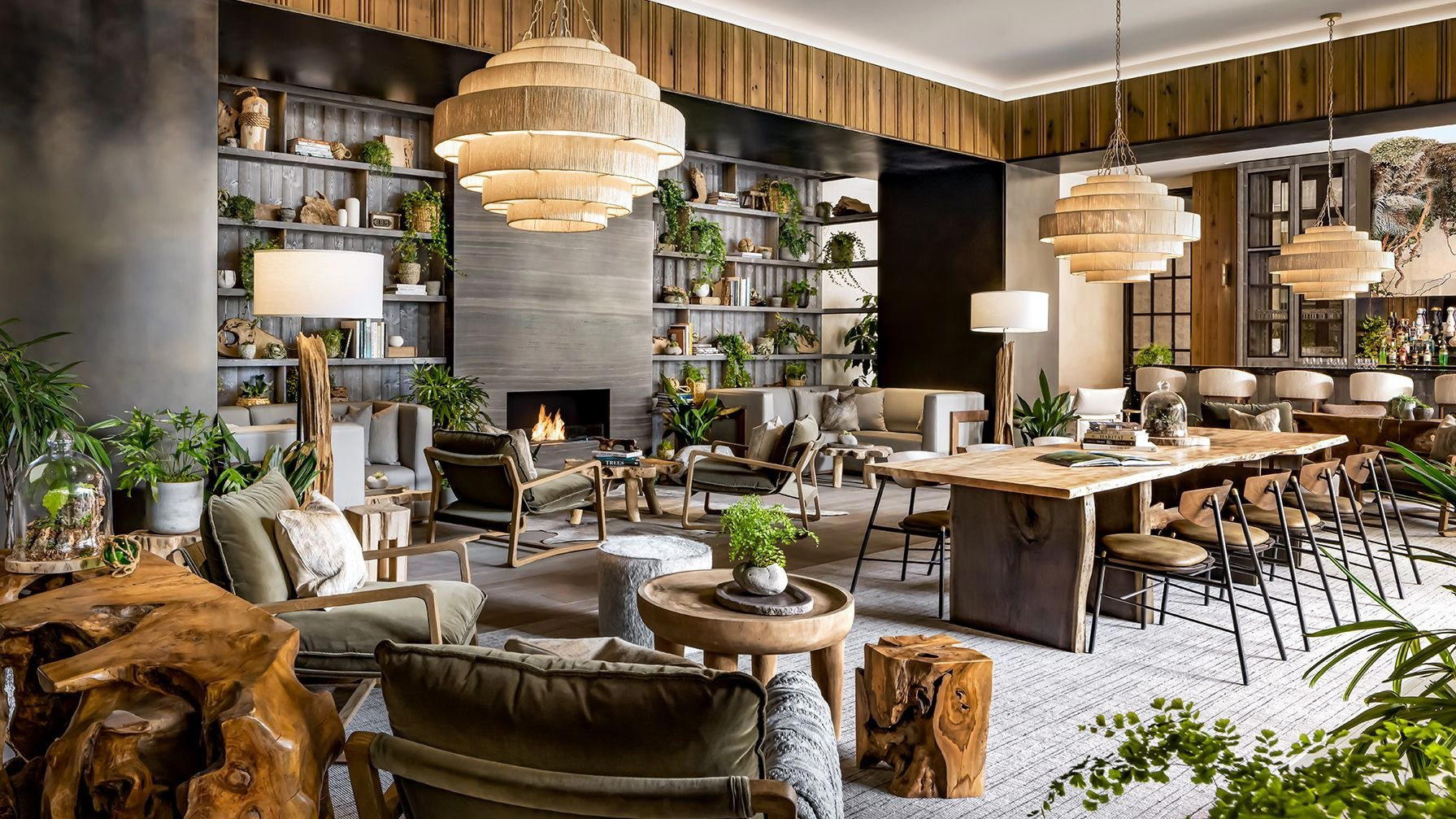
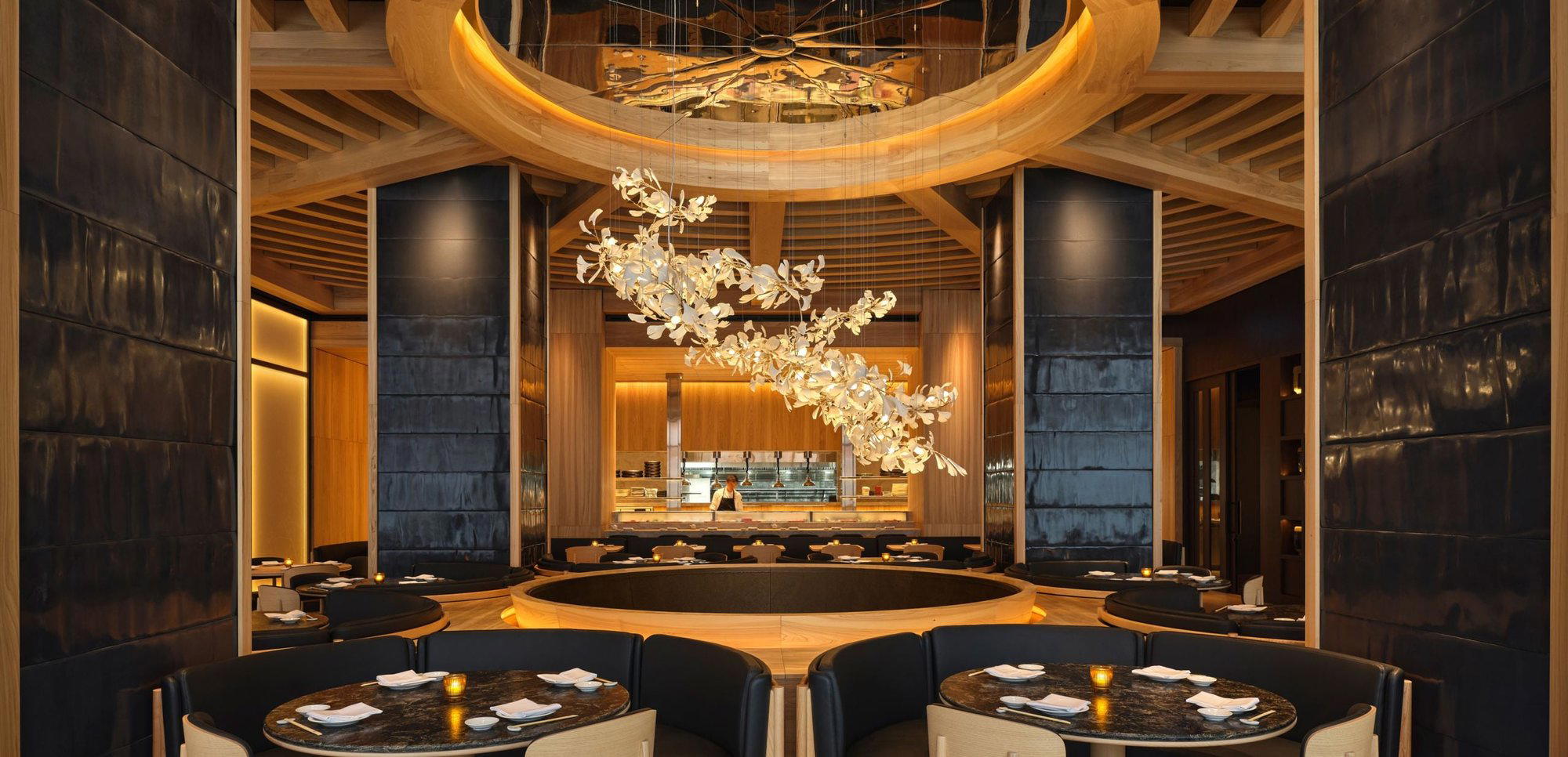
Charmingly homey with Canadiana elements, lively and welcoming community atmosphere reflecting local culture.