
Bungo Mon Eto places high-priced Japanese cuisine inside Kagurazaka’s old entertainment-district grain rather than Ginza’s international luxury circuit. Its Tabelog Japanese Cuisine Tokyo 100 selections in 2023 and 2025, 25-seat scale, private-room availability, and Bungo regional cue make it a serious address for diners reading Tokyo through sourcing, seasonality, and neighbourhood context.
Pearl is the En Primeur Club membership app — saves, bookings, and concierge access live there. Same editors, same standards.
- Address
- Japan, 〒162-0825 Tokyo, Shinjuku City, Kagurazaka, 5 Chome−37 高村ビル 1f
- Phone
- +81 50-3138-5225
- Website
- kagurazaka-eto.jp
 Saves & bookings on Pearl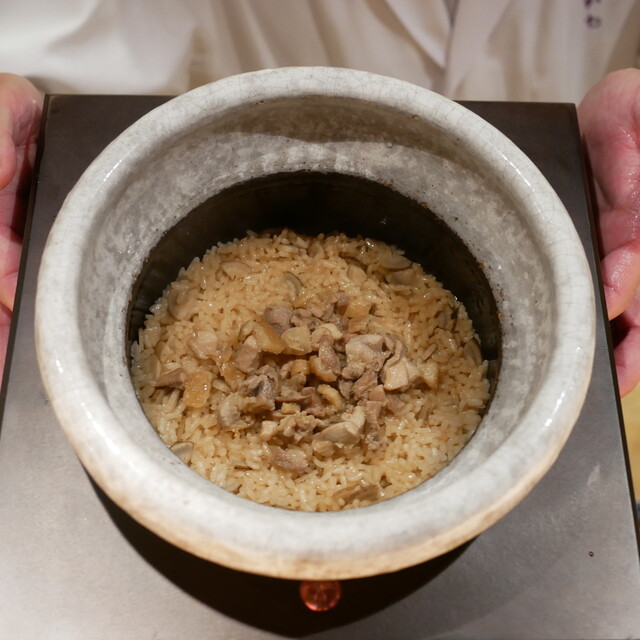
Kagurazaka is not approached like Tokyo’s glassier dining districts. Its slope, side streets, and low-rise restaurant fronts still carry the memory of a former hanamachi, which matters for Japanese cuisine: rooms here feel less performative than Ginza, less trend-chasing than Ebisu, and tied to a neighbourhood that has long treated dinner as a formal social act. Bungo Mon Eto fits that register. Its name points to Bungo, the old province associated with present-day Oita, giving the meal a regional frame in a city where high-end Japanese restaurants often compete on abstraction, polish, and scarcity.
Tokyo’s Japanese cuisine tier is increasingly segmented: counter formats built around chef proximity and micro-seasonal pacing; private-room restaurants for business dinners, family occasions, and quieter celebrations. Kagurazaka has room for both. Bungo Mon Eto’s inclusion in the Tabelog Japanese Cuisine Tokyo 100 in 2023 and 2025 places it in a selective local conversation, not a tourist-facing awards circuit. Tabelog’s Japanese-cuisine selections tend to reward restaurants Tokyo diners use and revisit, a different signal from global star-count shorthand.
Regional Japanese cooking in a Kagurazaka room
The sourcing angle is more interesting than chef mythology. “Bungo” is not decorative branding in Tokyo dining terms; it invokes a Kyushu area strongly associated with seafood, beef, citrus, and mountain produce. Without reducing the restaurant to a prefectural showcase, the reference gives diners a way to read the meal: not generic kaiseki, but Japanese cuisine shaped by where ingredients are understood to come from. In Tokyo, where luxury Japanese restaurants can blur into season, lacquerware, and ritual, a regional anchor gives the experience a sharper line.
Kagurazaka also changes the tone. Nearby, 124. KAGURAZAKA (Yakitori) reflects the area’s ability to absorb focused, ingredient-led formats without turning every dinner into ceremony. Kagurazaka Ishikawa, a heavyweight comparison point, represents the formal Japanese dining pole; NK pulls the area toward contemporary innovation; Jubei brings sushi into the same orbit. Bungo Mon Eto sits closer to the Japanese-cuisine lineage than the experimental side, but the point is the cluster: Kagurazaka lets different forms of seriousness coexist within walking distance.
That makes it a useful alternative for diners who want Tokyo Japanese cuisine without defaulting to Ginza omakase logic. Sushi counters such as Jubei speak in product, rice temperature, and cadence. Teppanyaki rooms such as Kagurazaka Teppanyaki Himawari put technique and spectacle nearer the surface. Japanese cuisine in this bracket asks for attention to sequence, season, stock, serving temperature, and the balance between luxury ingredients and restraint. The pleasure is not volume; it is the confidence to let provenance and timing carry the meal.
What the awards signal, and what they do not
A Tabelog 100 selection is not decorative in Tokyo. It is a local recognition signal in a city where diners take review density, category lists, and neighbourhood reputation unusually seriously. The restaurant’s 2025 Japanese Cuisine Tokyo 100 selection, following 2023, suggests consistency in a competitive field. It does not mean the restaurant is chasing the same audience as every Michelin-listed counter. Tokyo’s dining hierarchy is not one ladder but overlapping circuits, and Tabelog’s category lists often identify places that matter to domestic diners before they become easy international shorthand.
The price tier reinforces that reading. This is neither casual Kagurazaka dining nor the neighbourhood bistro side many visitors first encounter around Iidabashi. It operates in a high-cost Japanese-cuisine bracket where expectations shift from generosity alone to ingredient procurement, private-room suitability, pacing, and service control. With 25 seats and private rooms available, the format reads as composed rather than tiny-counter theatrical, making it relevant for diners comparing serious Tokyo Japanese restaurants by occasion as much as cuisine.
Tokyo travellers often over-index on famous districts and miss the category depth along the Iidabashi-Kagurazaka axis. For a broader map of the city’s dining range, Our full Tokyo restaurants guide is more useful than a single award list. The same logic applies across the trip: Our full Tokyo hotels guide, Our full Tokyo bars guide, Our full Tokyo wineries guide, and Our full Tokyo experiences guide help separate neighbourhood convenience from editorial fit.
How to place it within a Tokyo itinerary
The strongest case for the restaurant is not that it replaces Tokyo’s grand sushi counters or Kyoto-style kaiseki rooms. It offers a different proposition: regional Japanese cooking, serious spend, Kagurazaka setting, and a format suited to quieter, more private occasions. That suits diners who have done the obvious omakase route and want a meal that says more about Japanese sourcing culture than counter access.
It also suits an itinerary built around contrast. A visitor might read Tokyo through specialist Japanese formats, moving from Kagurazaka’s composed dining rooms to more direct categories elsewhere: grilled seafood and charcoal at. 鮪と炭火焼き うお炭 秋葉原店, urban Shinjuku dining at 12/10 Shinjuku ten, café culture at 2D Cafe, and curry specificity at 3 Chome no Curry Ya San. They are not substitutes; they show how Tokyo food culture runs on narrow specialisation as much as luxury.
For readers extending the same ingredient-first logic beyond Tokyo, the useful comparison is not always another formal Japanese restaurant. It may be sukiyaki in Kanagawa at -Grilled beef Sukiyaki- KAMAKURA TANUKIAN 鎌倉 たぬき庵 in Kamakura, café minimalism at.cafe in Osaka, regional dining at.know in Kumamoto, Vietnamese cooking in the Tokyo orbit at (Shoku) Vietnam in Kawasaki, curry in Hokkaido at [Curry Senmon Ten] Maruyama Kyoju. in Sapporo, or Kyoto’s contemporary register at [ki:] in Kyoto. Even outside Japan, ingredient format can travel: Jōdo Saké Bar in Los Angeles and Onigiri Time in Pasadena show how Japanese food categories become more legible when sourcing and format are taken seriously.
The critical read is simple. The restaurant is for diners who want Kagurazaka’s grown-up version of Japanese cuisine: regional implication, high spend, recognition from Tokyo-native review culture, and a room structure that supports privacy over theatre. It is not for novelty hunting. It is for asking where Tokyo places regional Japanese ingredients once they enter the city’s formal dining economy.
Cuisine and Awards Snapshot
Comparable venues to place this listing in its category.
| Venue | Cuisine | Price | Notes |
|---|---|---|---|
| Bungo Mon EtoThis venue — the venue you are viewing | Seasonal Japanese Kaiseki from Oita’s Bungo Region | $$$$ | Not listed |
| Kyoaji (京味) | Traditional Kyoto-Style Kaiseki Omakase | $$$$ | Shinbashi |
| Mon cher ton ton (六本木 モンシェルトントン) | Teppanyaki with Kobe Beef | $$$$ | Roppongi |
| きよ田 離れ | Edomae Sushi Omakase | $$$$ | Ginza |
| 東京レストランバス "Tokyo Restaurant Bus" | Modern Japanese Kaiseki | $$$$ | Chiyoda |
| Sushi Tanji | Traditional Edo-style Omakase Sushi | $$$$ | Minato |
Recognition history
Dated appearances from independent guides and award organizations, with the underlying list record or original source where available.
Tabelog 100 #5 · No. 5
Tabelog · Tabelog 100 - Japanese cuisine - TOKYO - 2025





At a Glance
- Intimate
- Elegant
- Cozy
- Classic
- Date Night
- Business Dinner
- Special Occasion
- Celebration
- Solo
- Chefs Counter
- Private Dining
- Standalone
- Design Destination
- Sake Program
- Local Sourcing
- Sustainable Seafood
- Farm To Table
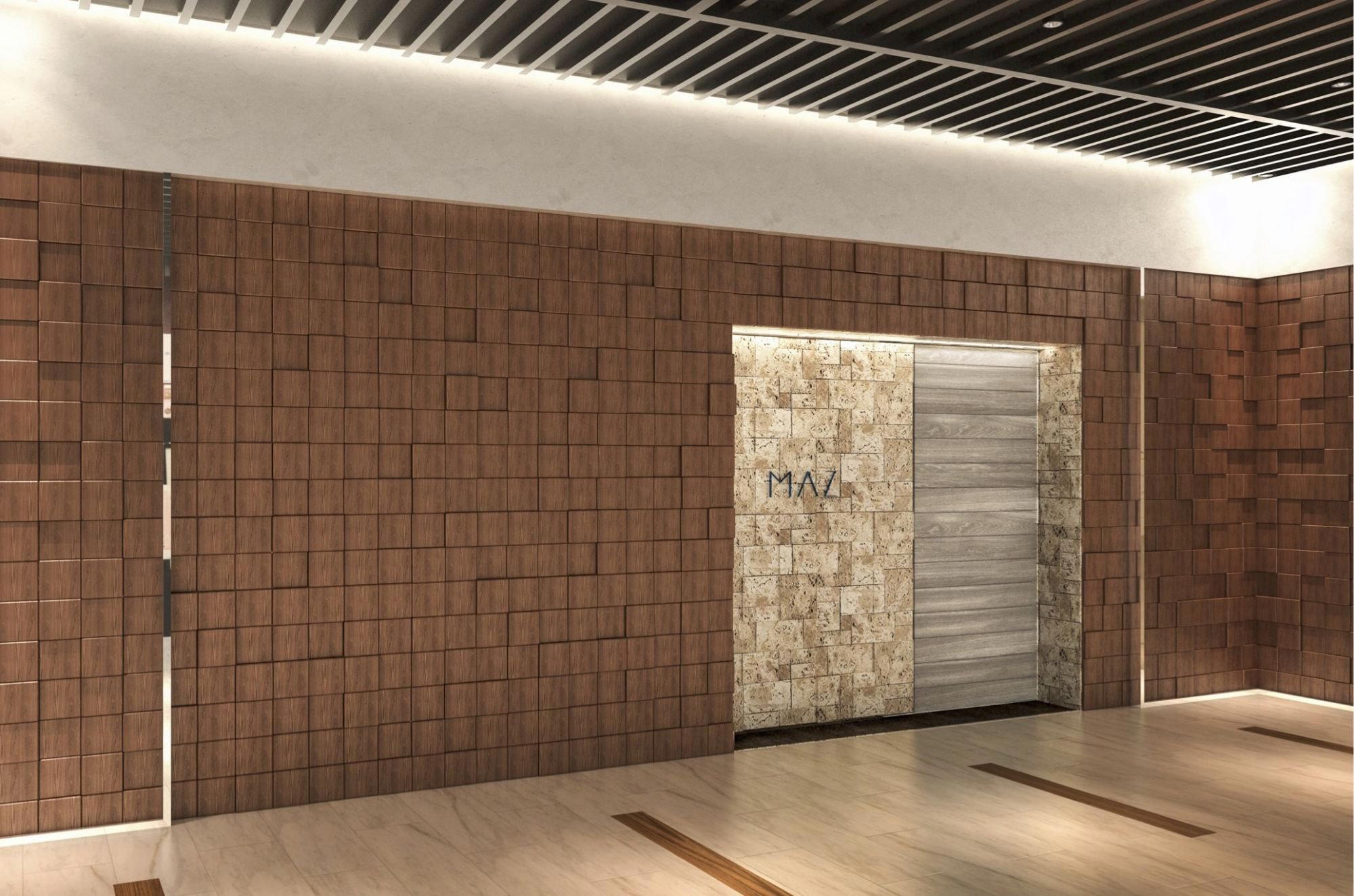
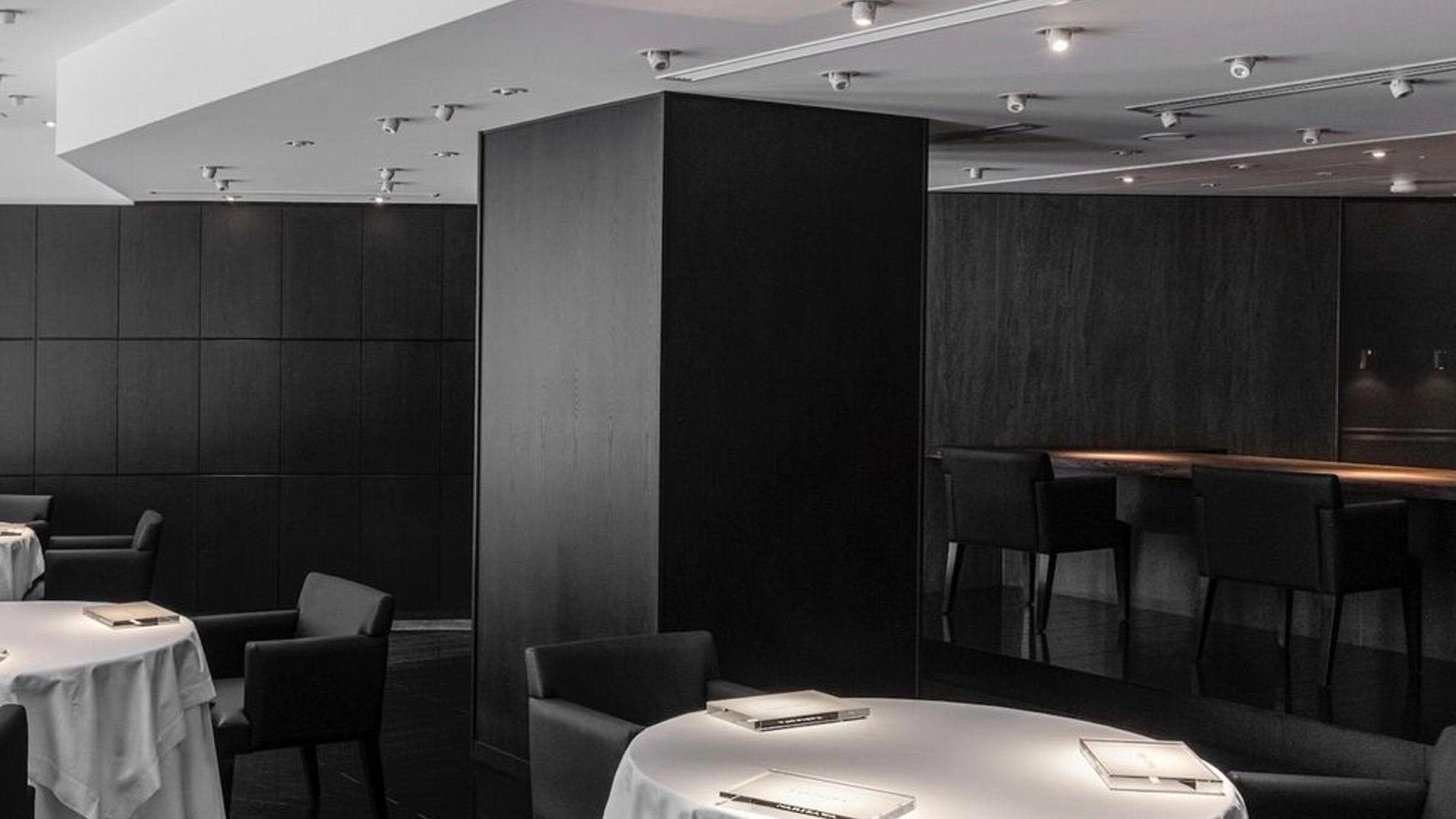
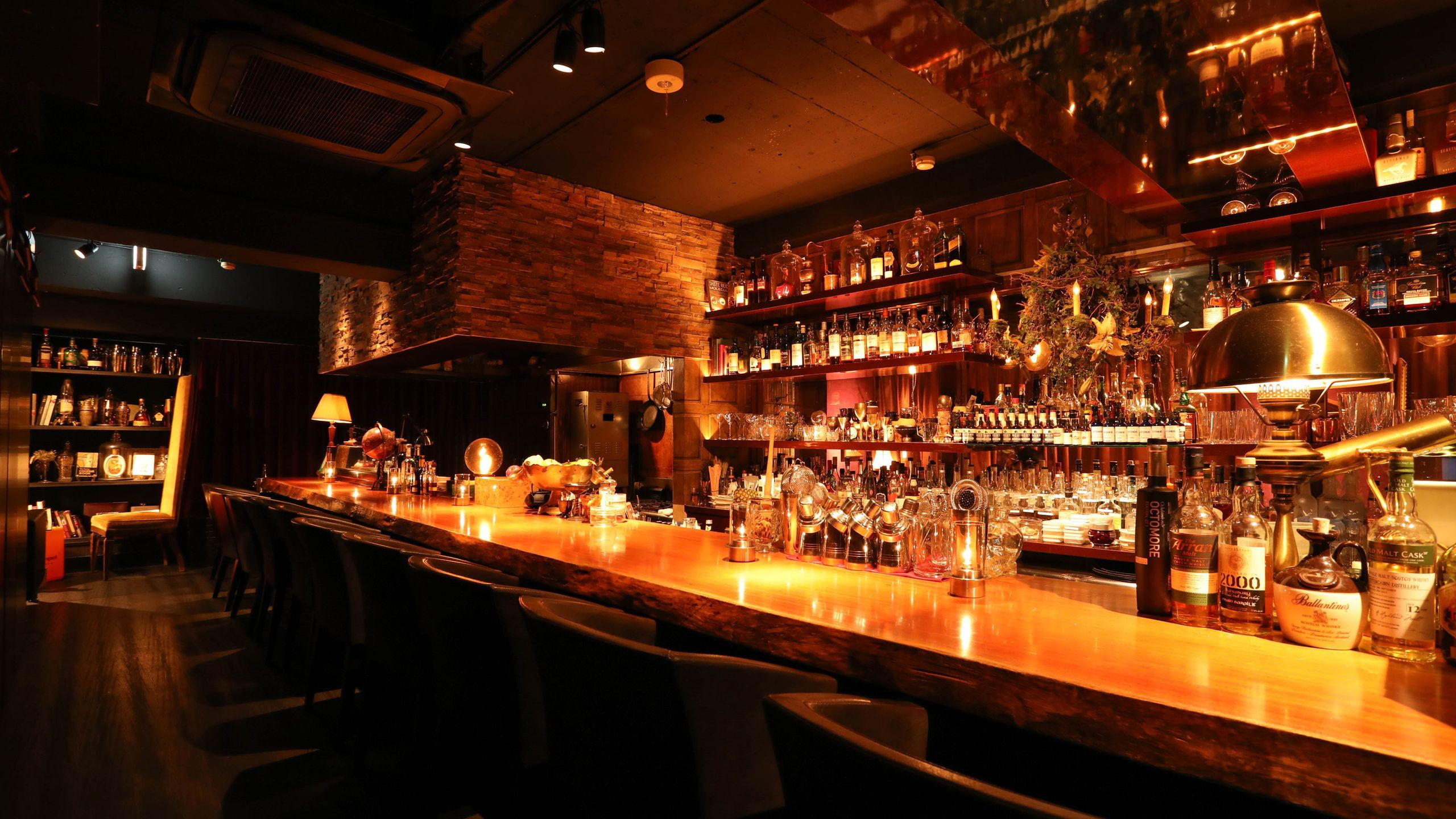
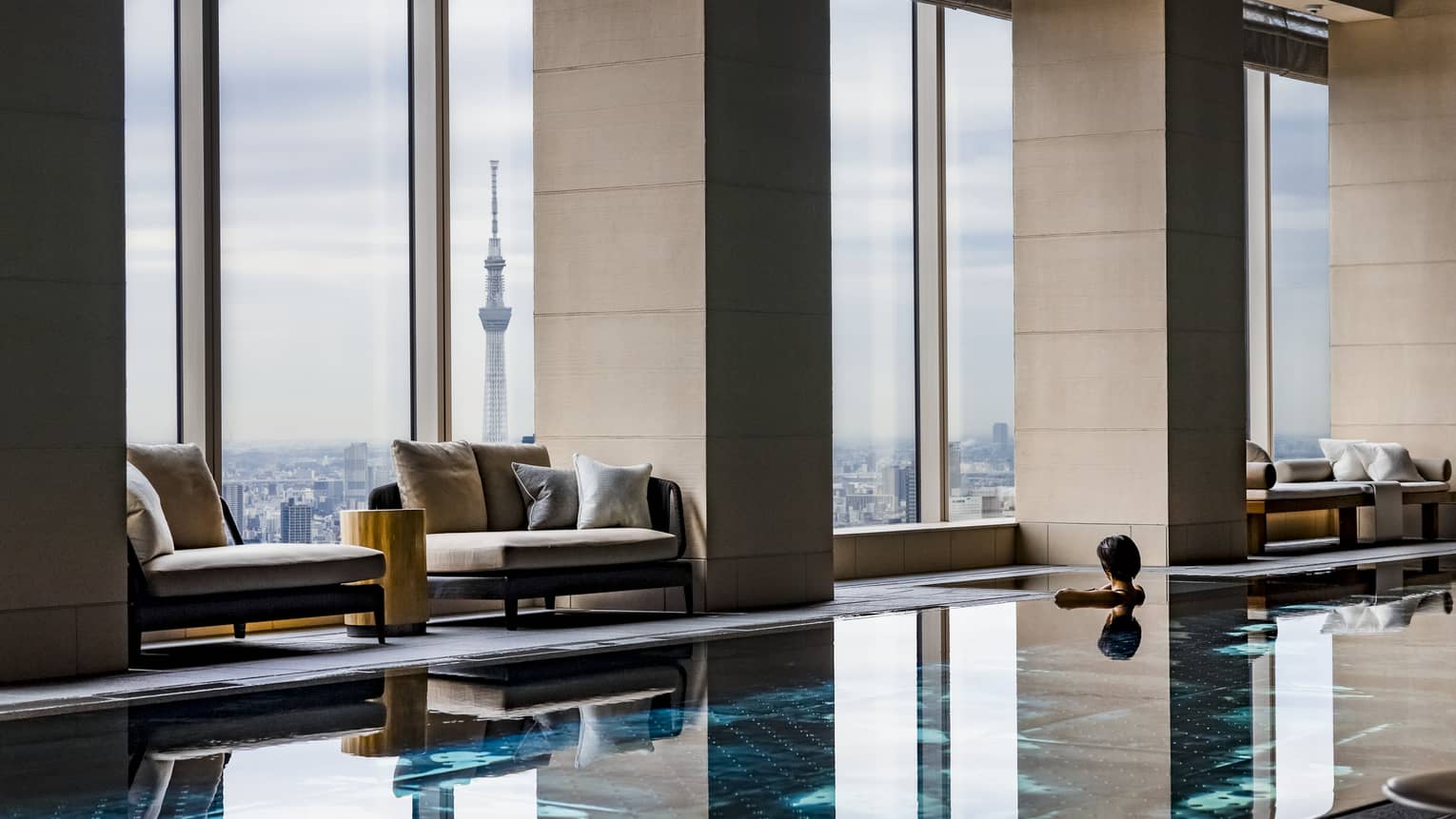
Calm, quietly elegant counter-and-private-room setting with a classic Japanese feel, warm lighting, and a contemplative atmosphere suited to focused dining rather than bustle.