On the Quiberon peninsula, where Atlantic tides shape what ends up on the plate, Brume occupies a telling address on Rue de Port Haliguen, the street that runs toward one of the peninsula's working harbours. The restaurant draws on the coastal sourcing tradition that defines serious cooking in southern Brittany, placing it in a category that rewards visitors who understand the connection between tide schedules and kitchen menus.
Pearl is the En Primeur Club membership app — saves, bookings, and concierge access live there. Same editors, same standards.
- Address
- 79 Rue de Port Haliguen, 56170 Quiberon, France
- Phone
- +33297501767
- Website
- brumequiberon.com
- Directions
- Get directions
 Saves & bookings on Pearl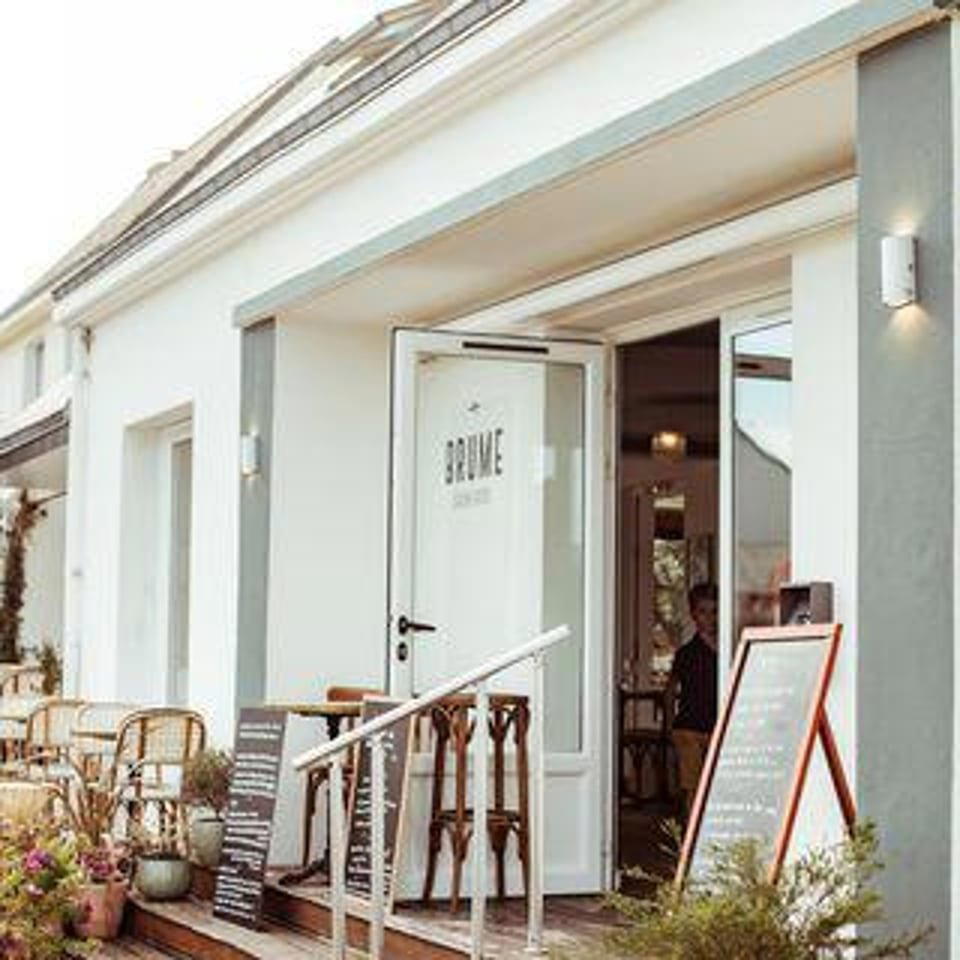
Where the Atlantic Sets the Menu
Brume is a restaurant in Quiberon, France, serving modern French bistro cooking with seafood; the recorded price tier is about $35 per person. The Quiberon peninsula is a narrow finger of land that juts south into the Bay of Biscay, exposed on its western flank to the full weight of the Atlantic and sheltered on its eastern side by the calmer waters of the Morbihan coast. The seafood that reaches Quiberon's restaurants travels shorter distances from water to plate than in almost any comparable coastal town in France, and the result is a culinary specificity that the broader Breton tradition has built its reputation on for generations. Brume, at 79 Rue de Port Haliguen, sits at the edge of that tradition, its address already telling you something: Port Haliguen is one of the peninsula's active harbours, and a kitchen this close to working boats is a kitchen with access that matters.
The Sourcing Logic of the Breton Coast
Southern Brittany operates on an ingredient logic that rewards proximity and penalises distance. The shellfish beds off the Quiberon coast, oysters, clams, langoustines, are among the more productive in France, and the fishing grounds that extend into the Bay of Biscay yield line-caught fish whose quality deteriorates fast with transport. Restaurants in this part of Morbihan that build their menus around what arrived that morning are not performing a marketing gesture; they are responding to a practical reality in which the freshest product is also, by a significant margin, the leading available product.
This is the tradition that places like Mirazur in Menton and Bras in Laguiole have formalised at the highest level, hyper-local sourcing as structural menu logic rather than seasonal decoration. In coastal Brittany, that logic predates the fine-dining conversation by decades. Fishermen's towns have always eaten what the sea offered that day, and the leading restaurants here are those that have retained that discipline rather than overriding it with imported protein or year-round fixed menus.
Along the broader French Atlantic seaboard, the same principle surfaces in different registers. L'Oustau de Baumanière in Les Baux and Les Prés d'Eugénie - Michel Guérard in Eugénie-les-Bains anchor their menus to immediate regional terroir, even if the expression differs sharply from what arrives on a plate in a Breton port town. The common thread is that geography determines the cooking, not the other way around.
Reading the Room at Port Haliguen
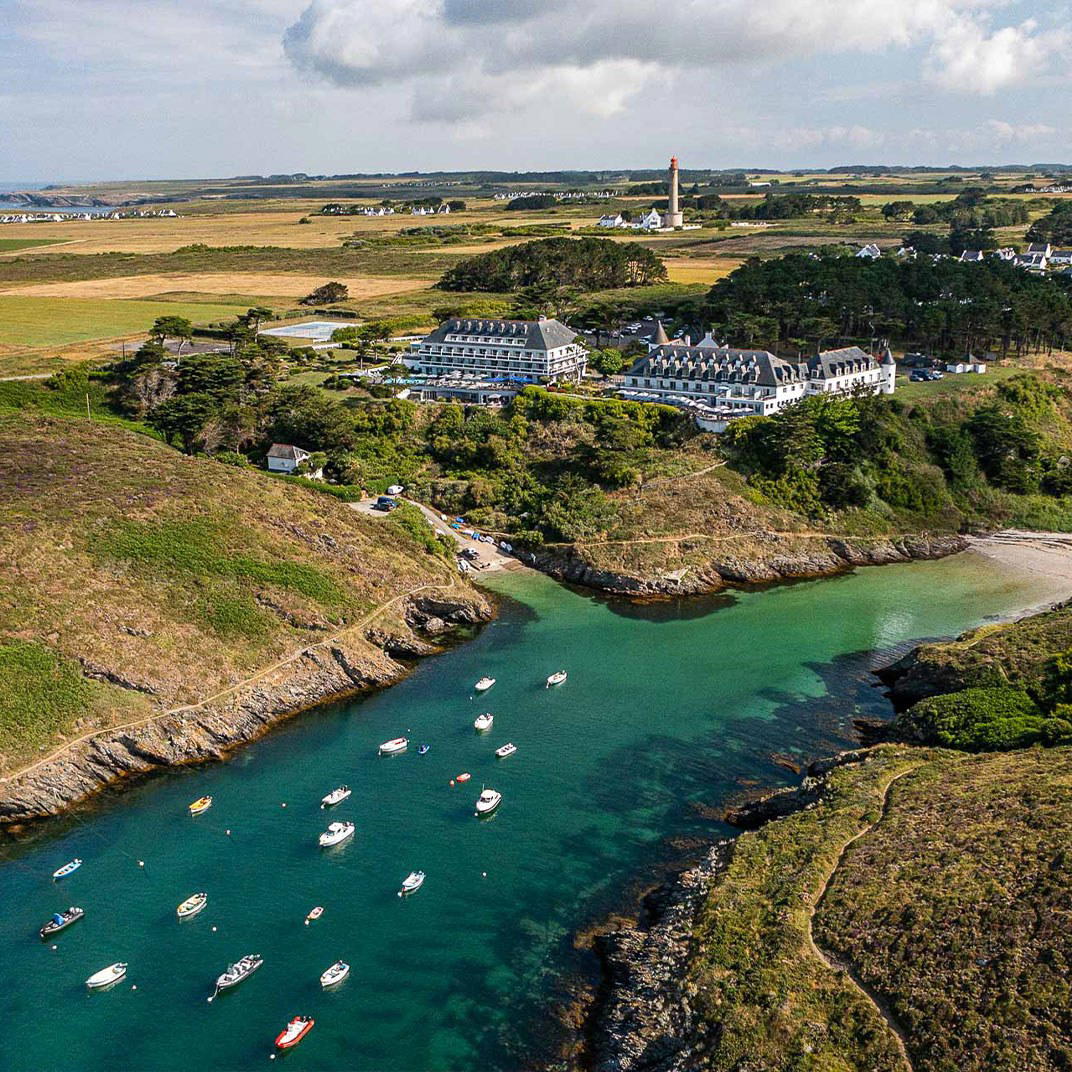
Quiberon in atmosphere is not Brittany's more visited towns. It lacks the postcard density of Concarneau and the market scale of Vannes, and that relative quiet is part of its character. The western coast, the Côte Sauvage, is genuinely rough, a protected site of pounding Atlantic surf and eroded rock that draws walkers and naturalists rather than resort crowds. The eastern harbour side, where Port Haliguen sits, operates at a different register: working boats, smaller pleasure craft, the practical rhythm of a peninsula that still fishes seriously.
A restaurant positioned on the harbour street inherits that atmosphere by default. The light in this part of Brittany, particularly in the shoulder seasons of spring and autumn, arrives at low angles over the water, diffuse and grey-silver in the way that painters have been documenting for a century. The name Brume, French for mist or haze, reads as a direct reference to that coastal light quality, the persistent sea-mist that characterises the peninsula in the early morning and after rain. It is a kitchen operating in a specific sensory environment, and the leading coastal restaurants are those whose interiors make some acknowledgment of that fact rather than sealing themselves off from it.
The Quiberon Dining Context
Quiberon is a small town by any measure, and its restaurant scene reflects that scale. The strongest category is, predictably, seafood and traditional Breton cooking: crêperies, fish bistros, and a handful of more considered restaurants that treat the local catch with the seriousness it deserves. The Crêperie and Crêperie Pourlette represent the casual end of the Breton tradition, anchoring the everyday dining options for both residents and visitors. Above that tier, the options narrow, which makes the restaurants that do operate at a more deliberate level worth tracking.
For context on where Quiberon sits in the wider French dining conversation, it helps to look at what the country's most decorated coastal and regional tables have in common. Auberge de l'Ill in Illhaeusern, Georges Blanc in Vonnas, and Flocons de Sel in Megève share an approach in which regional identity is the organising principle rather than a finishing detail. Quiberon does not operate at that tier of recognition, but the underlying logic, cook what the place produces, cook it with respect, is the same.
For those benchmarking against France's most formally acclaimed tables, the reference points extend further: Alléno Paris au Pavillon Ledoyen in Paris, Troisgros - Le Bois sans Feuilles in Ouches, Paul Bocuse - L'Auberge du Pont de Collonges in Collonges-au-Mont-d'Or, Auberge du Vieux Puits in Fontjoncouse, and Le 1947 à Cheval Blanc in Courchevel all represent the formal upper end of French regional cooking. Internationally, Le Bernardin in New York City and Lazy Bear in San Francisco show how the same discipline around sourcing and specificity translates across culinary systems. La Table du Castellet in Le Castellet offers a useful domestic comparison: a southern French coastal table that operates with similar regional focus but in a markedly different terroir.
Planning a Visit
Quiberon is accessible by car from Vannes in roughly 45 minutes or from Lorient in around an hour. The peninsula can be reached by train to Auray, with connecting transport onward, though driving gives considerably more flexibility given the geography. The shoulder seasons, May, June, September, offer calmer conditions and, for a kitchen oriented around daily catch, often a better product: Atlantic fishing in the peninsula's quieter months tends to yield higher-quality landings than the compressed summer season. Brume's address at 79 Rue de Port Haliguen places it within walking distance of the harbour itself, which makes orientation on arrival direct.
How It Stacks Up
Comparable venues nearby, for context on price, style, and recognition.
| Venue | Cuisine | Price | Notes |
|---|---|---|---|
| BrumeThis venue — the venue you are viewing | Modern French Bistro with Seafood | $$ | Not listed |
| Crêperie Pourlette | Breton Crêperie | $$ | centre ville |
| Crêperie | Breton Crêperie | $$ | Quiberon |
| Crêperie Dan Ewen | Breton Crêperie | $$ | Saint Patern |
| Le Signal 2108 | Bistronomic French with Regional Specialties | $$ | Signal Mountain |
| Somar | French Seafood Bistrot | $$ | Port du Croisic |
At a Glance
- Cozy
- Rustic
- Intimate
- Date Night
- Casual Hangout
- Terrace
- Natural Wine
- Local Sourcing
- Organic
- Natural Wine
- Waterfront
Current opening hours
- Monday
- Closed
- Tuesday
- 12–2 PM, 7–10 PM
- Wednesday
- 12–2 PM, 7–10 PM
- Thursday
- 12–2 PM, 7–10 PM
- Friday
- 12–2 PM, 7–10:30 PM
- Saturday
- 12–2 PM, 7–10 PM
- Sunday
- 12–2 PM
Hours can change for holidays and private events. Last verified .
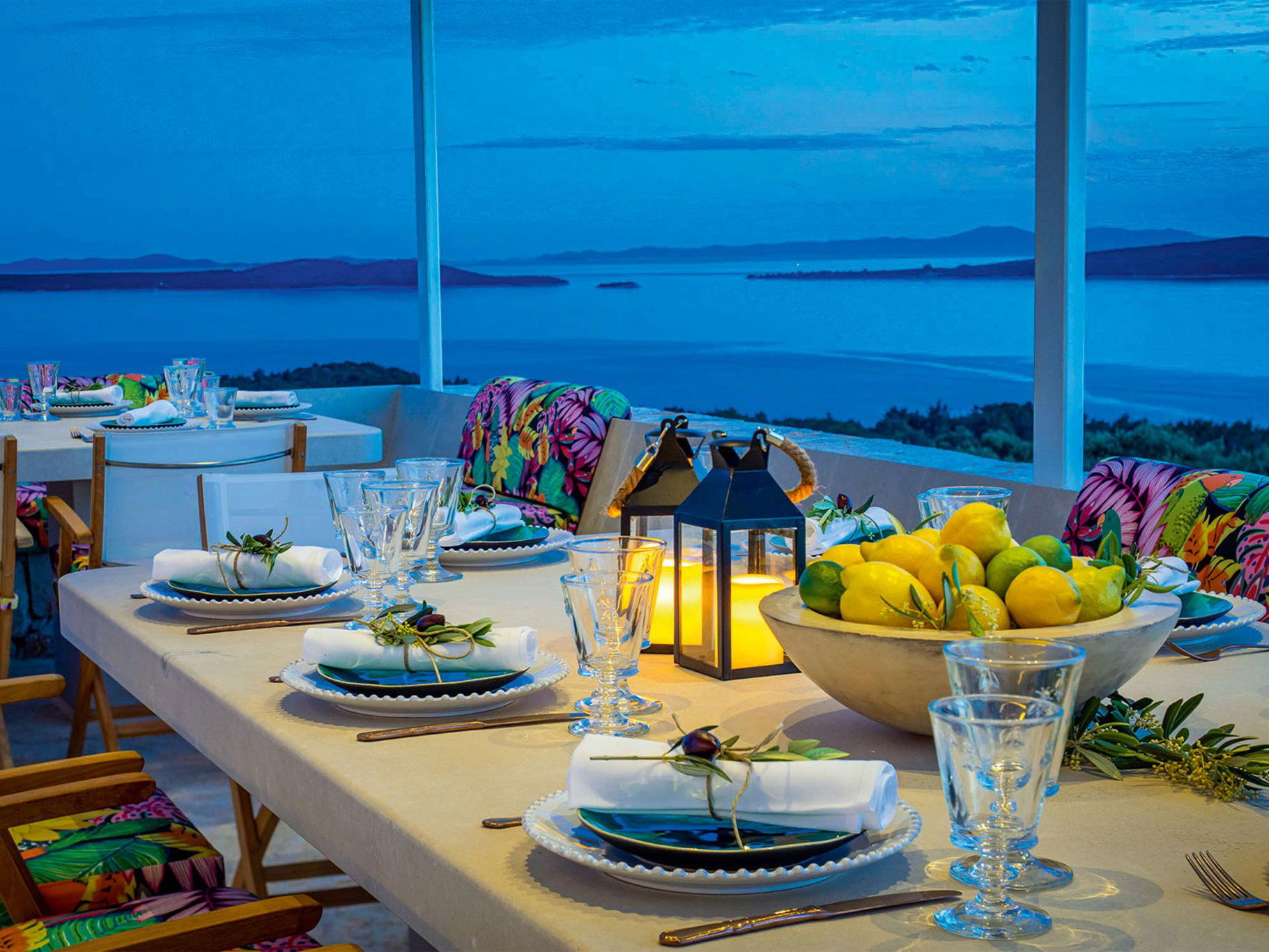
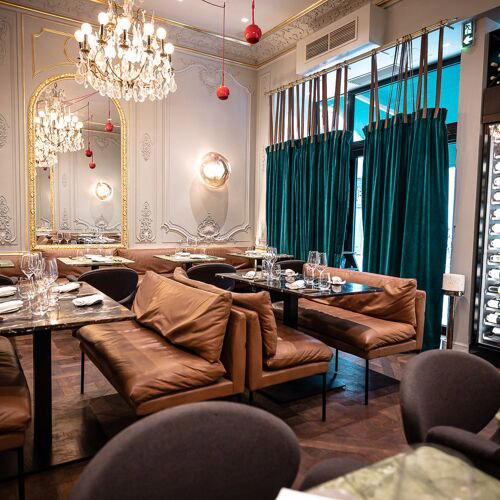
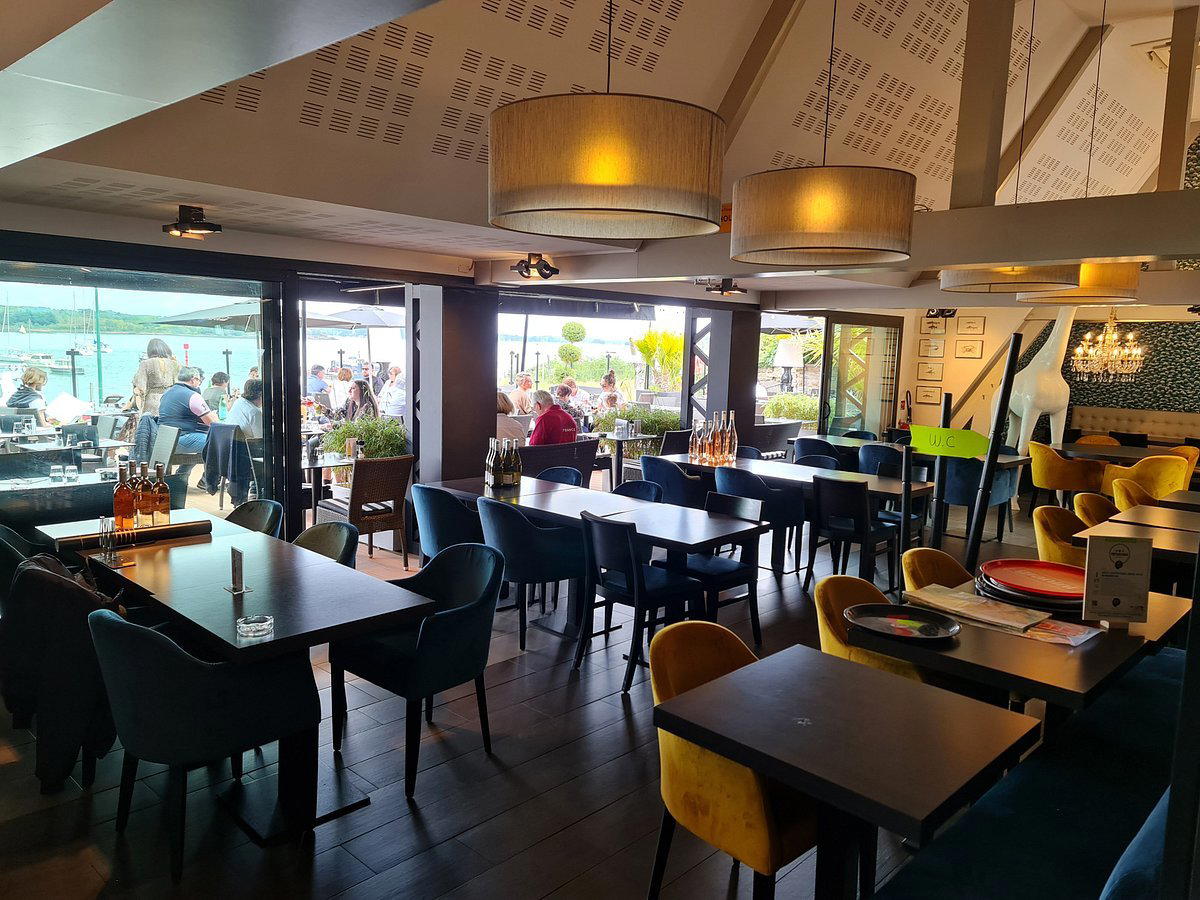
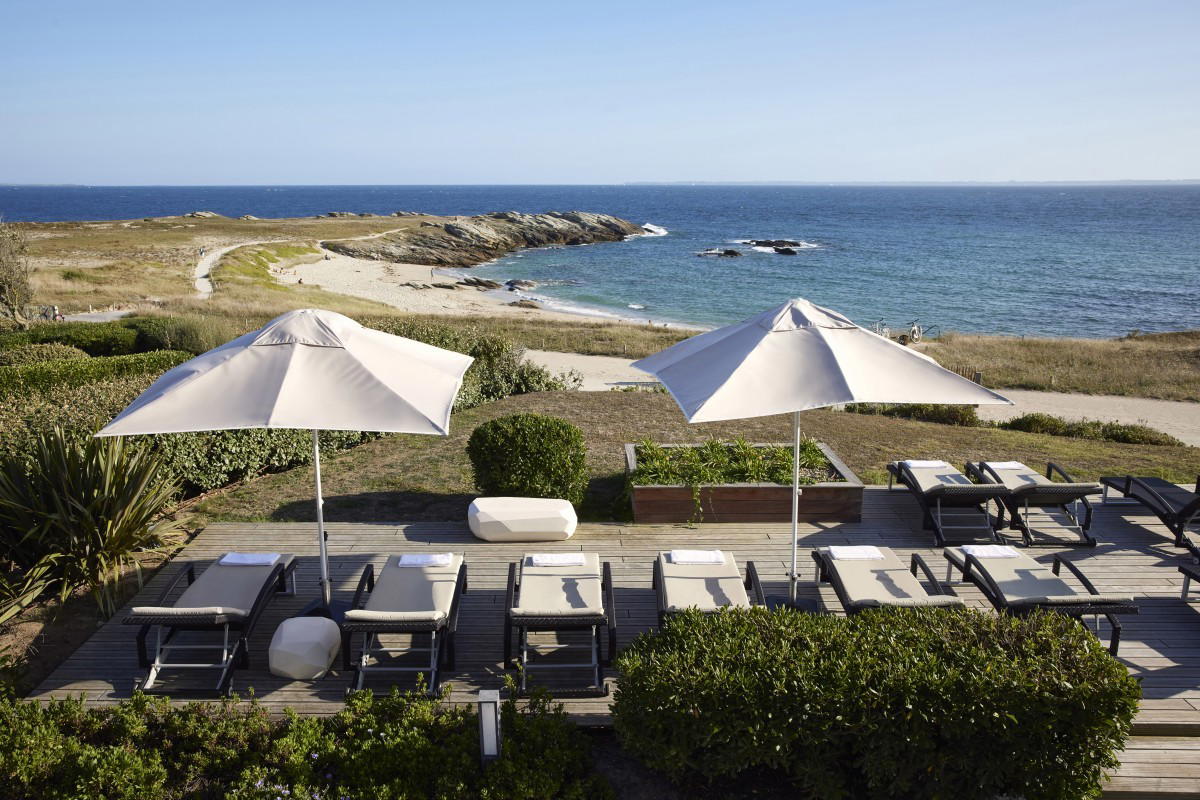
Relaxed and friendly atmosphere with wooden tables, a sensational shaded terrace, and sober, neat interior decoration.