On Rue Surcouf in the heart of Quiberon's old town, Crêperie occupies the informal end of Brittany's most serious food tradition. Galettes and crêpes here follow the regional template — buckwheat batter, local butter, Atlantic-coast ingredients — in a setting that reflects the peninsula's working relationship with simple, honest food rather than performance dining.
Pearl is the En Primeur Club membership app — saves, bookings, and concierge access live there. Same editors, same standards.
- Address
- 42-44 Rue Surcouf, 56170 Quiberon, France
- Phone
- +33297500156
- Website
- creperieduvieuxport.fr
- Directions
- Get directions
 Saves & bookings on Pearl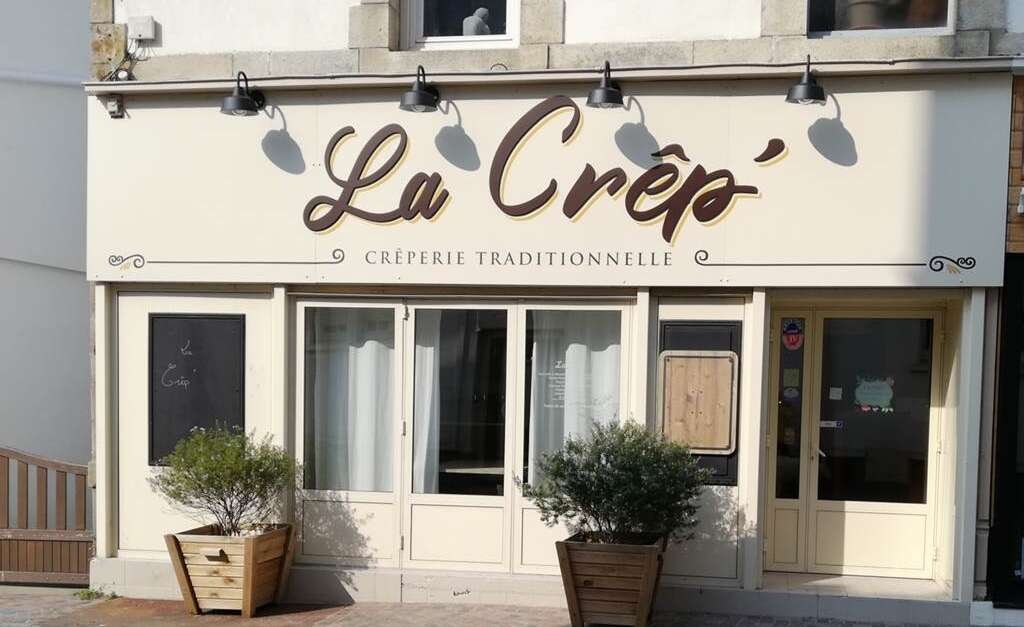
Buckwheat and the Atlantic: Brittany's Crêpe Tradition in Quiberon
There is a particular logic to eating crêpes on the Quiberon peninsula that goes beyond convenience. Brittany's crêperie culture is among the more codified informal dining traditions in France, a counterweight to the country's grand-restaurant inheritance represented elsewhere by the likes of Alléno Paris au Pavillon Ledoyen in Paris or Paul Bocuse - L'Auberge du Pont de Collonges in Collonges-au-Mont-d'Or. Where those institutions build meals around progression and ceremony, the Breton crêperie operates on a different principle entirely: a handful of ingredients, sourced close, cooked in front of you on a cast-iron billig, and served without theatre. The argument is not that crêpes are lesser food. It is that their tradition has its own discipline.
Crêperie, at 42-44 Rue Surcouf in central Quiberon, sits inside that tradition. The address places it in the town's residential core, away from the tourist-facing seafront strip, on a street that sees locals as reliably as visitors. That positioning matters in a place like Quiberon, a narrow peninsula jutting into the Atlantic south of Carnac, where the population shifts dramatically between summer and the quieter months. A crêperie that survives on local trade as well as seasonal footfall is operating to a different standard than one that depends entirely on the July and August influx.
What the Galette Represents
The distinction between a galette and a crêpe is one that Brittany takes seriously, and rightly so. Galettes — made from sarrasin, the local buckwheat flour — are the savoury foundation of the meal, traditionally filled with ham, egg, cheese, and combinations thereof. Crêpes, made from wheat flour, are sweet and come after. The two-course structure is simple but deliberate, and the quality of the result depends almost entirely on the batter, the butter, and the billig's temperature. In a region that has produced some of France's leading dairy, salted Breton butter is an ingredient category in itself, the margin between a good galette and an indifferent one often comes down to sourcing rather than technique.
This regional identity has its own gravity. While France's headline dining conversation tends to rotate around restaurants like Mirazur in Menton, Bras in Laguiole, or Flocons de Sel in Megève, Brittany's contribution to French food culture is not carried by Michelin-starred kitchens. It is carried by the crêperie, the cidre brut, and the buckwheat tradition that connects the peninsula's farming and coastal identity into a single, coherent plate.
Quiberon's Dining Register
Quiberon's restaurant scene is narrower than the regional capital Vannes, but it has developed a clearer identity over the past decade. The town's relationship with the Atlantic, and specifically with the seafood it produces, has pushed several addresses toward a more considered approach to local ingredients. Brume represents that shift toward the contemporary end of the spectrum. The crêperie tradition, embodied by addresses like this one and Crêperie Pourlette, anchors the other end: informal, affordable, and rooted in a format that has not needed to modernise because it was never broken.
That informality is a feature rather than a default. Across France, the crêperie occupies a specific cultural niche that has proved resistant to the casualisation that has flattened many other informal formats. The billig is not a gimmick; it is a professional tool, and the leading crêperies treat it as such. The cidre served alongside, ideally a dry Breton variety with enough tannin to work against the butter and cheese, is as considered a pairing as any wine list at a formal restaurant. For a broader view of where Quiberon's dining sits within these traditions, our full Quiberon restaurants guide maps the full range.
The Wider French Dining Context
It is worth holding the crêperie tradition against France's broader dining inheritance, not to rank them but to understand what each is doing. The country's formal restaurant culture, documented through addresses like Auberge de l'Ill in Illhaeusern, Les Prés d'Eugénie - Michel Guérard in Eugénie-les-Bains, or Georges Blanc in Vonnas, has always coexisted with deeply regional, ingredient-led traditions that resist formalism. Brittany's crêpe culture belongs to the latter category. So does the cassoulet of the southwest, the bouillabaisse of Marseille, and the choucroute of Alsace. These are not lesser expressions of French cooking. They are the substrate from which the country's formal cuisine draws its legitimacy.
The same argument could be made in international terms. Le Bernardin in New York City and Lazy Bear in San Francisco operate at the precision end of a spectrum that only makes sense because informal, traditional cooking exists at the other end. The crêperie is not aspiring to be something else. It is doing what it has always done.
Planning a Visit
Crêperie is at 42-44 Rue Surcouf in Quiberon's town centre, walkable from the main beach and the port area. Quiberon itself is reached by car via the D768 along the peninsula from Auray, or by seasonal train service that runs as far as Quiberon station during summer months. The town becomes considerably busier between late June and August, when the peninsula's population increases sharply and queue times at popular crêperies extend accordingly. Visiting mid-week or arriving at the early end of the lunch or dinner service tends to reduce wait time during the high season. Contact details and current hours are not confirmed in available records, so checking locally on arrival or through current listings is advisable before making a specific trip. Dress is casual throughout; the format does not require or expect otherwise.
How Crêperie Quiberon compares with similar nearby venues.
| Venue | Cuisine | Price |
|---|---|---|
| Rivage | Modern Cuisine | €€ |
| Le Cairn - Hôtel le Celtique | Contemporary | €€ |
At a Glance
- Cozy
- Rustic
- Family
- Casual Hangout
- Group Dining
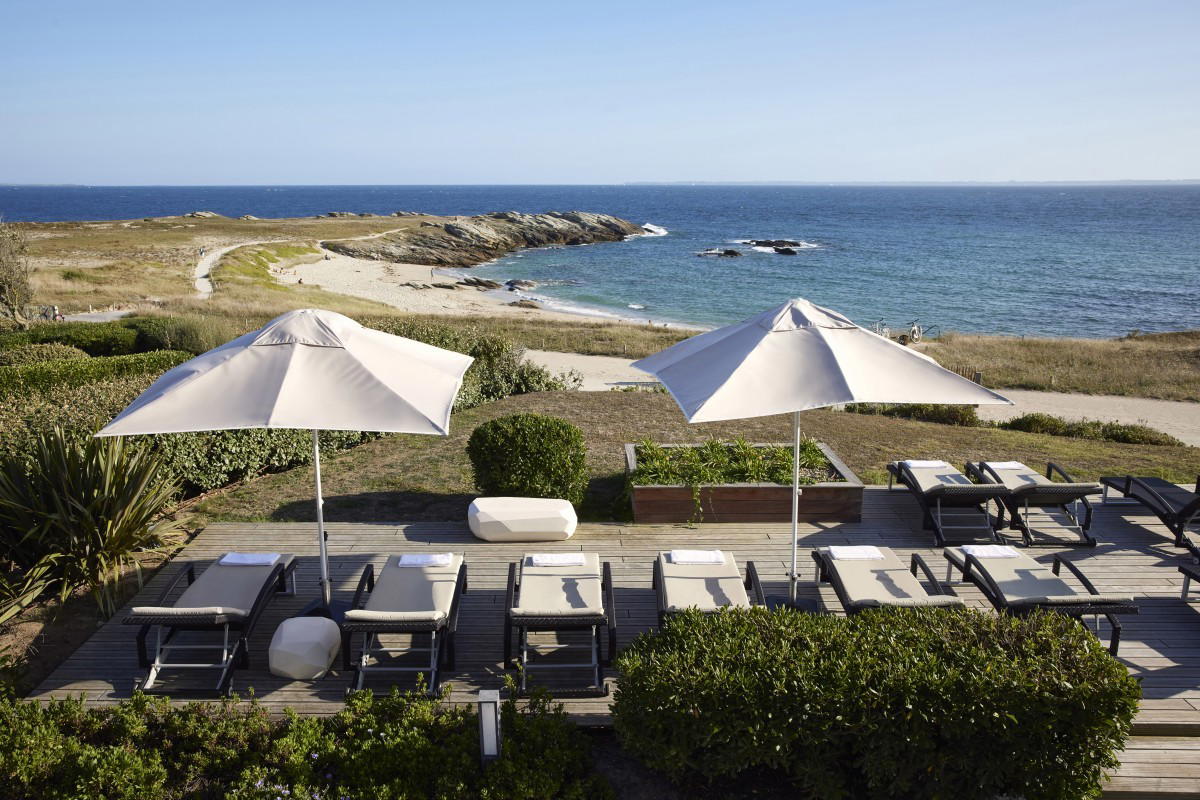
- Garden
- Terrace
- Garden
Current opening hours
- Monday
- 12–2 PM, 7–9:30 PM
- Tuesday
- 12–2 PM
- Wednesday
- Closed
- Thursday
- 12–2 PM, 7–9:30 PM
- Friday
- 12–2 PM, 7–9:30 PM
- Saturday
- 12–2 PM, 7–9:30 PM
- Sunday
- 12–2 PM, 7–9:30 PM
Hours can change for holidays and private events. Last verified .
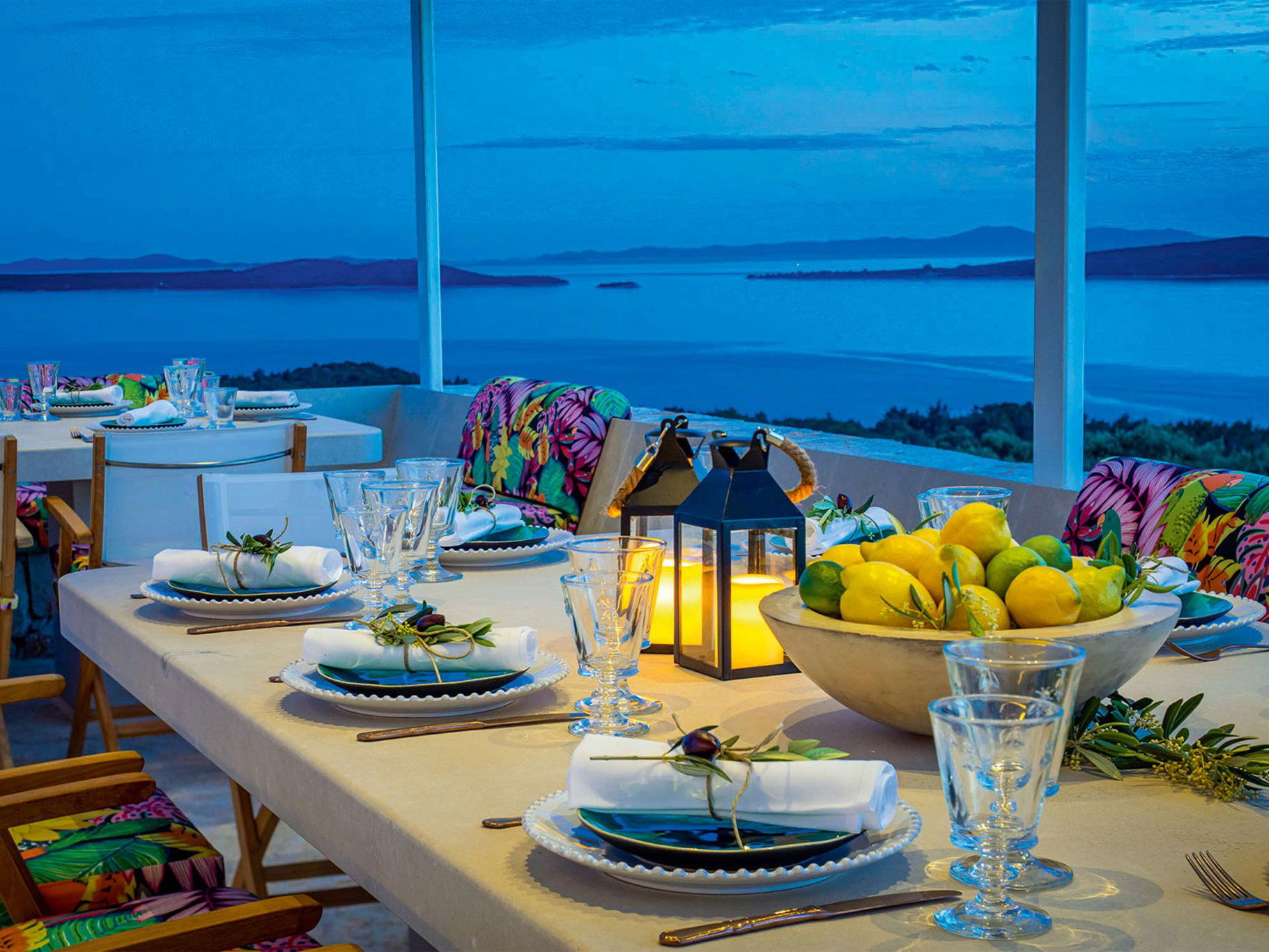
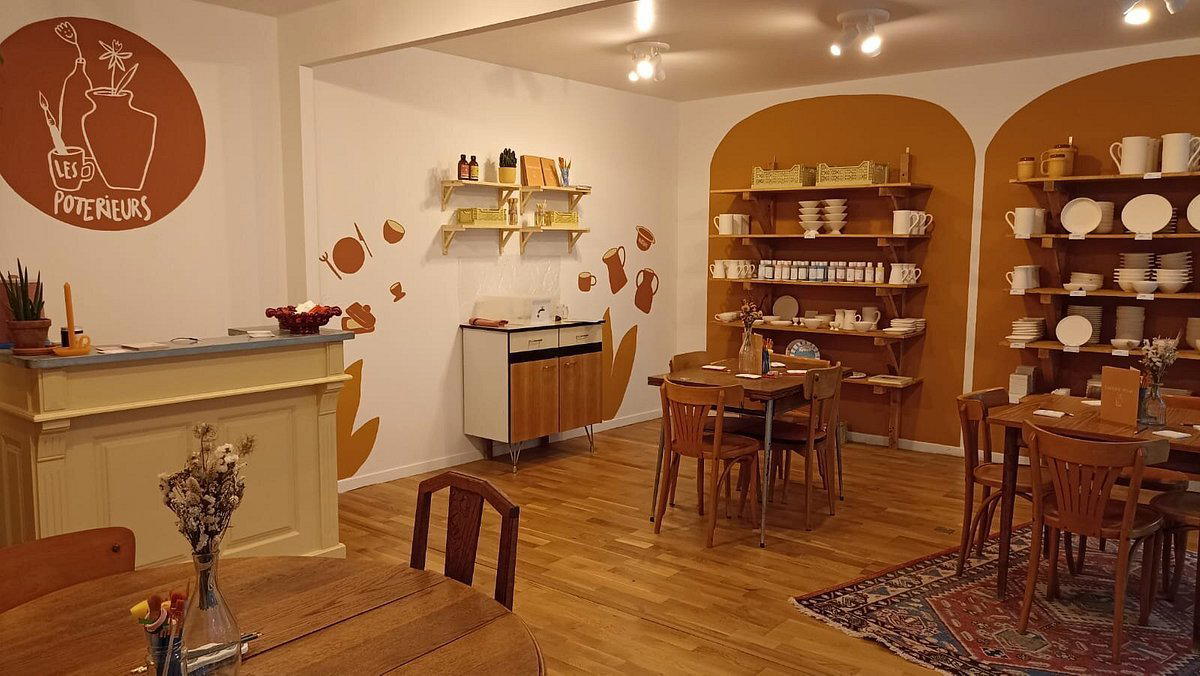
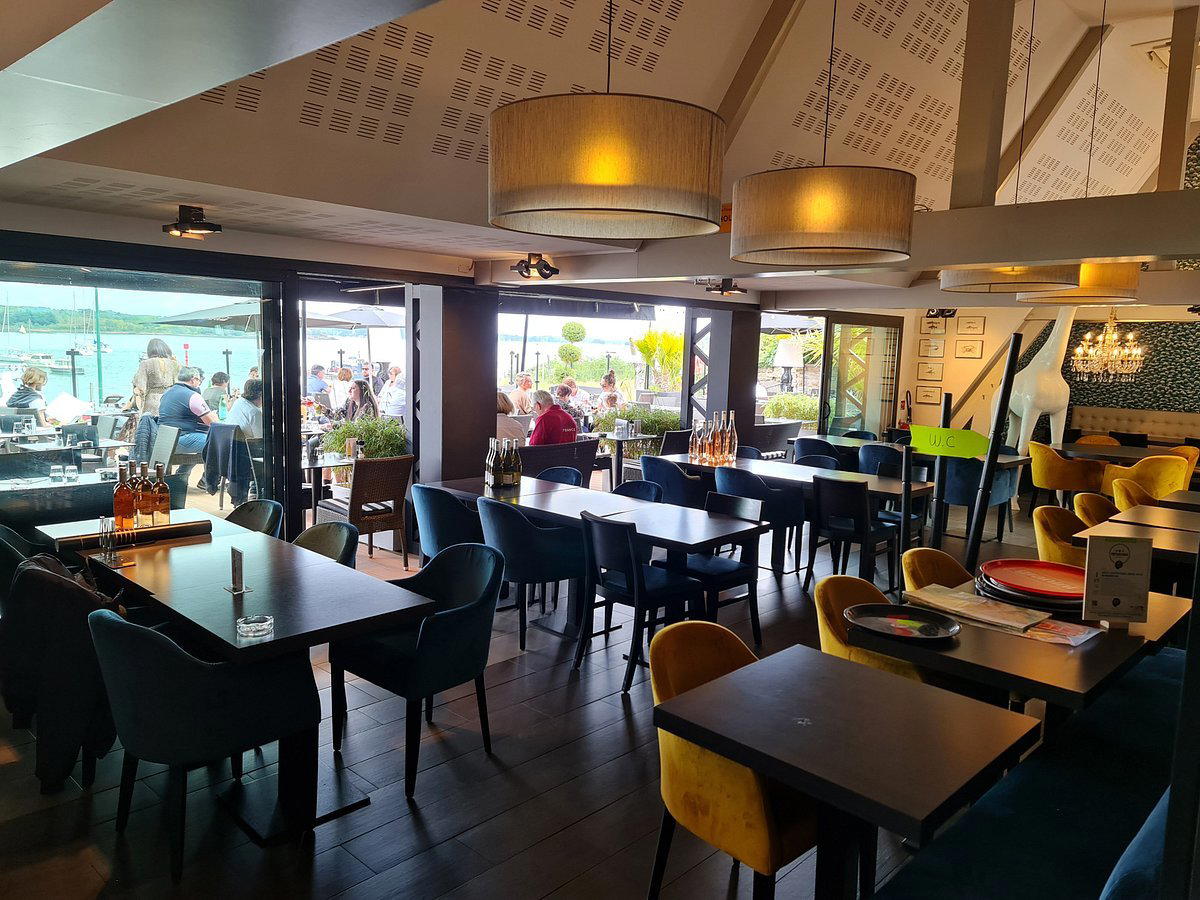
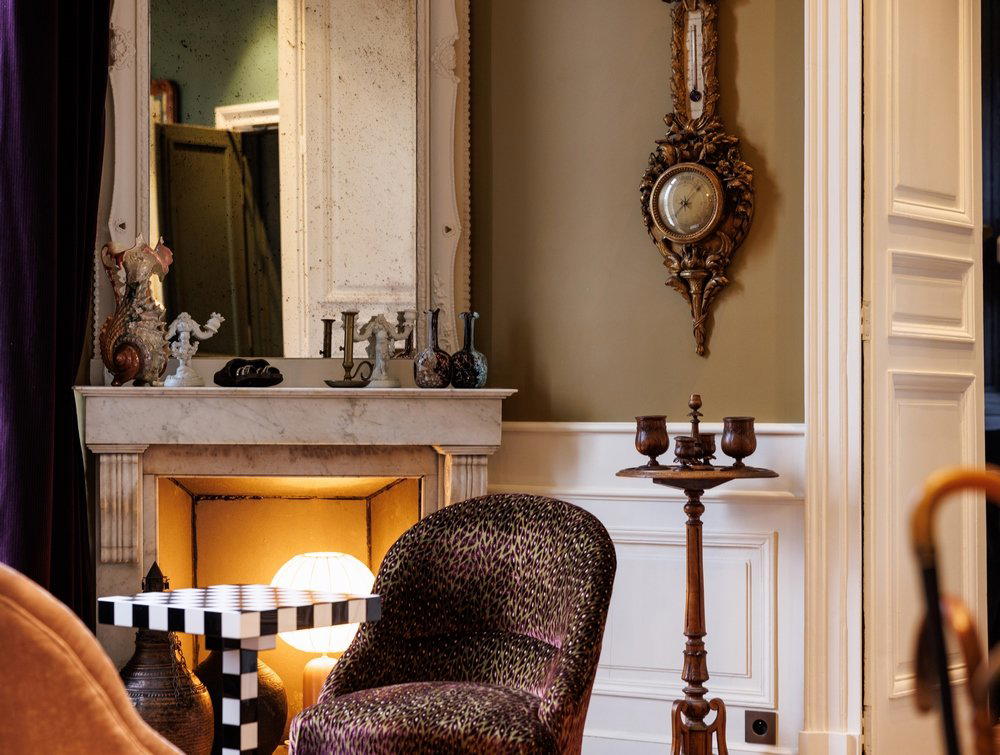
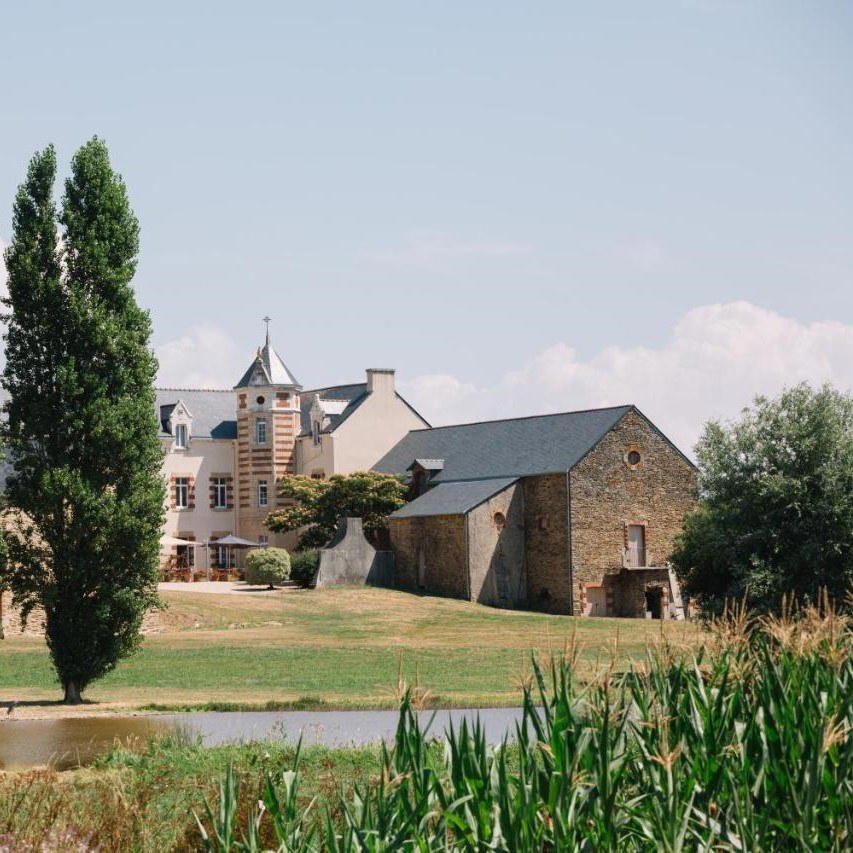
Warm, convivial, and family-friendly atmosphere in a typical old farmhouse.