On Eiermarkt square in the heart of Bruges, Brasserie Raymond occupies the kind of address that signals confidence rather than novelty. The format here is the familiar grammar of the Belgian brasserie, a menu architecture built around accessibility and depth rather than tasting-menu theatre. It sits in a city whose dining scene spans Michelin-chasing kitchens and neighbourhood staples, and holds its ground in the middle with the assurance of a room that knows its purpose.
Pearl is the En Primeur Club membership app — saves, bookings, and concierge access live there. Same editors, same standards.
- Address
- Eiermarkt 5, 8000 Brugge, Belgium
- Phone
- +3250337848
- Website
- brasserie-raymond.be
- Directions
- Get directions
 Saves & bookings on Pearl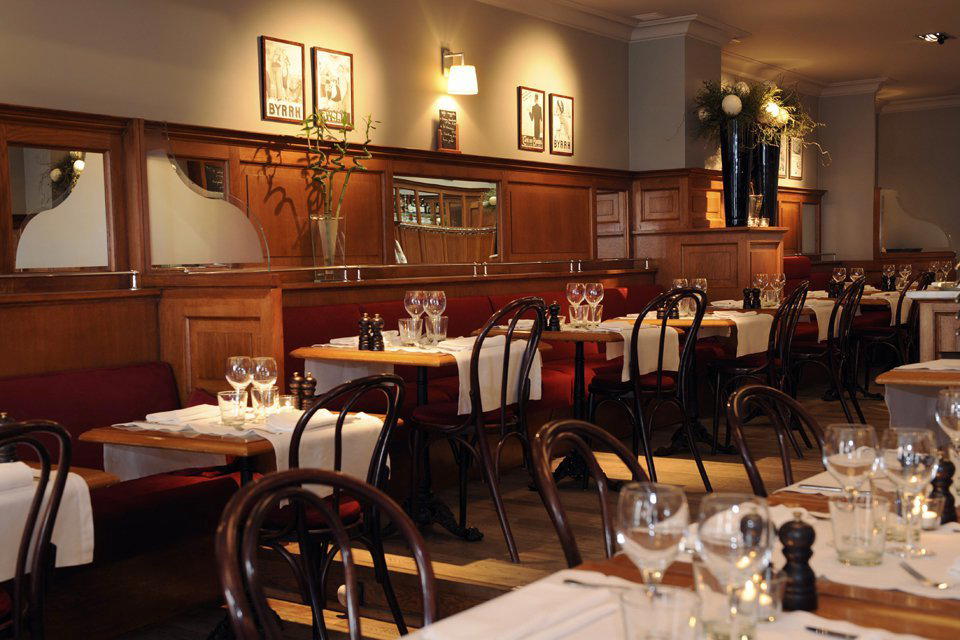
Eiermarkt and the Brasserie as a Form
Bruges has a way of making every address feel historic, but Eiermarkt, the old egg market at the city's centre, carries particular weight. The square is compact and walked by locals as much as visitors, which means any restaurant here is subject to a dual audience that more tucked-away spots can avoid. Brasserie Raymond sits at number five on that square, and the address tells you something about the register it is pitching at: not a destination-pilgrimage kitchen, not a casual lunch stop, but the kind of room that functions across occasions.
The brasserie format itself is worth understanding before arriving. In Belgium, the word carries a specific set of expectations that differ from the Parisian version. A Belgian brasserie tends to be more kitchen-serious than its French equivalent, less reliant on the drama of a zinc bar and more focused on a menu that can hold a table for two hours without repetition. The architecture of that menu, what it includes, how it is grouped, what it leaves out, communicates the kitchen's confidence more clearly than any single dish. A brasserie that tries to do everything usually does nothing well. One with a tighter, more considered range signals that there is a kitchen with a point of view behind it.
Where Raymond Sits in the Bruges Dining Hierarchy
Bruges operates on a recognisable tier system for restaurants. At the leading sit the ambitious tasting-menu kitchens: Mémoire and Sans Cravate at the creative French end, Zet'Joe by Geert Van Hecke in the modern European register, and De Karmeliet carrying the weight of the city's fine dining reputation. Below that, the neighbourhood-level spots fill in the daily eating, with places like 't Apertje anchoring a more vernacular Flemish tradition.
Brasserie Raymond occupies the space between these tiers, a position that is commercially demanding and editorially underwritten. It is not trying to compete with Michelin-tracked kitchens, but it is not simply serving tourist volume either. In a city that receives significant visitor numbers but retains a functioning local dining culture, that middle position requires a menu that reads clearly and delivers consistently. The square location means the room will turn over a range of guests across a single service; the brasserie format has to absorb that without losing coherence.
For Belgian dining of wider ambition, the regional context includes Boury in Roeselare and Willem Hiele in Oudenburg, both within reasonable reach of Bruges.
Menu Architecture as the Central Argument
The editorial angle for any serious brasserie is not the individual dish but the menu's internal logic. A well-structured brasserie menu does several things simultaneously: it signals the kitchen's range, it creates clear entry points for different appetite levels and budgets, and it avoids the trap of covering so much ground that nothing arrives with authority. Belgian brasserie menus typically organise around a core of meat-based mains, prepared with technique rather than fuss, with seafood as a secondary axis and a starter section that functions as a genuine course rather than an afterthought.
At Brasserie Raymond, the Eiermarkt address implies a kitchen that is serving a dual mandate: confidence for the local who returns regularly, and accessibility for the visitor who wants a proper Belgian meal without the formality of a tasting menu. These are not incompatible goals, but they require a menu with enough range to satisfy both without sprawling into incoherence. The brasserie that gets this right tends to be the one locals recommend when someone asks for something that is neither a special occasion nor a quick bite, a category that is harder to fill than it sounds.
For comparison across formats, it is worth noting how kitchens like Vrijmoed in Gent and La Durée in Izegem handle the question of menu discipline in their respective registers, or how Bozar Restaurant in Brussels balances institutional setting with kitchen ambition. Each solves the same problem differently. The brasserie format, as Raymond deploys it, is especially tested solution: a menu that earns its authority through consistency rather than surprise.
The Bruges Brasserie in International Context
The Belgian brasserie occupies a distinct position when viewed against its international equivalents. French counterparts in Paris tend toward spectacle and heritage branding; American interpretations, such as Le Bernardin in New York City, move toward a more formal fine-dining idiom. The Californian communal format, exemplified by Lazy Bear in San Francisco, takes the opposite route, collapsing formality entirely. The Belgian brasserie sits somewhere more pragmatic: serious about the kitchen, unsentimental about service theatre, and structured around a meal that has a beginning, a middle, and an end.
Bruges as a city reinforces this. Unlike Brussels, which runs on business lunch culture and political hospitality, Bruges eats on a slightly more relaxed clock. The tourist footfall creates pressure for accessible menus, but the resident population keeps quality benchmarks high. Mussels, grey shrimp, waterzooi, and seasonal game all have clear regional anchors that a competent brasserie kitchen uses rather than ignores.
Planning a Visit
The restaurant is at Eiermarkt 5, centrally placed in Bruges's historic core. Those looking to extend into the broader West Flanders and Flemish dining scene will find relevant context at Ralf Berendsen in Neerharen, Cuchara in Lommel, and d'Eugénie à Emilie in Baudour.
Reputation First
Comparable venues nearby, for context on price, style, and recognition.
| Venue | Cuisine | Price | Awards | Notes |
|---|---|---|---|---|
| Brasserie RaymondThis venue — the venue you are viewing | French & Belgian Brasserie | $$$ | Not listed | Not listed |
| La Tâche | French with Mediterranean Influences | $$$ | Not listed | St. Pieters |
| Laissez-Faire | Modern French Bistro | $$$ | Not listed | St. Pieters |
| Rombaux | Modern French Bistro | $$$ | Not listed | Sint-Kruis |
| L'aperovino | Modern French Bistro with Mediterranean & Asian Influences | $$$ | Michelin Plate | St-Gillis |
| Preus | Contemporary Belgian Fine Dining | $$$ | Not listed | St-Anna, Bruges |
Continue exploring
More in Bruges
Restaurants in Bruges
Browse all →
Bars in Bruges
Browse all →
Hotels in Bruges
Browse all →
Wineries in Bruges
Browse all →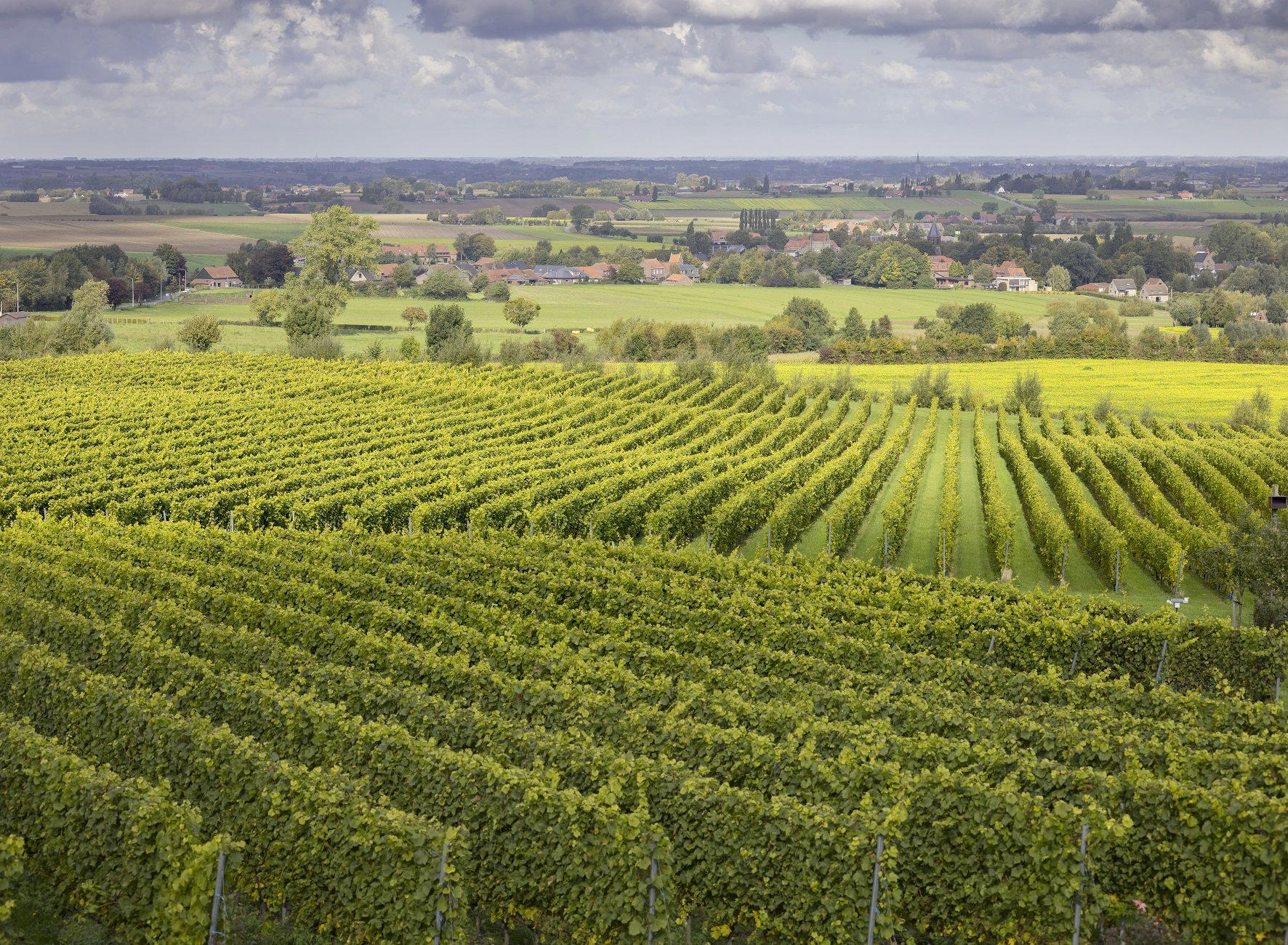
At a Glance
- Classic
- Elegant
- Cozy
- Date Night
- Special Occasion
- Terrace
- Historic Building
- Extensive Wine List
- Street Scene
Current opening hours
- Monday
- Closed
- Tuesday
- 12–2:30 PM, 6–9:30 PM
- Wednesday
- 12–2:30 PM, 6–9:30 PM
- Thursday
- 12–2:30 PM, 6–9:30 PM
- Friday
- 12–2:30 PM, 6–9:30 PM
- Saturday
- 12–2:30 PM, 6–9:30 PM
- Sunday
- Closed
Hours can change for holidays and private events. Last verified .
Nostalgic interior evoking convivial classic brasserie atmosphere with welcoming terrace.