
A Michelin Plate-recognised brasserie on Kardinal-Faulhaber-Straße, Brasserie Cuvilliés occupies Munich's upper-middle dining tier with an Alpine kitchen that draws on regional sourcing traditions.
Pearl is the En Primeur Club membership app — saves, bookings, and concierge access live there. Same editors, same standards.
- Address
- Kardinal-Faulhaber-Straße 1, 80333 München, Germany
- Phone
- +49 89 8000198710
- Website
- rosewoodhotels.com
- Directions
- Get directions
 Saves & bookings on Pearl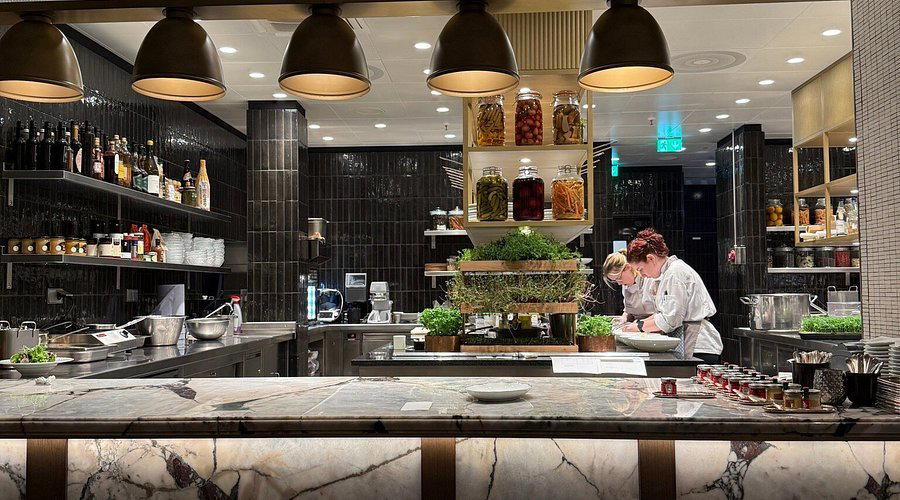
Where the Alpine Kitchen Meets the City Centre
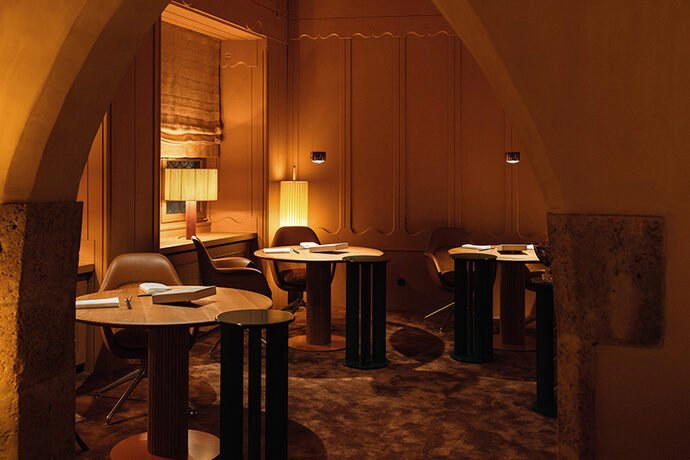
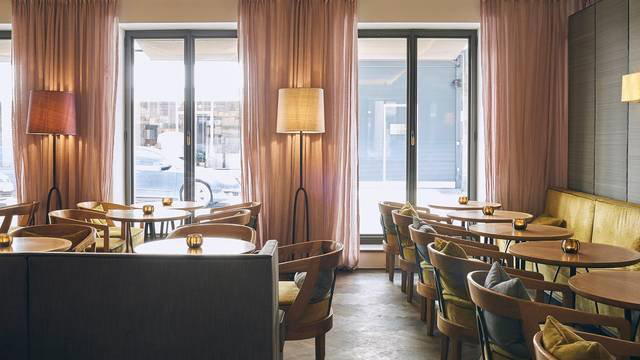
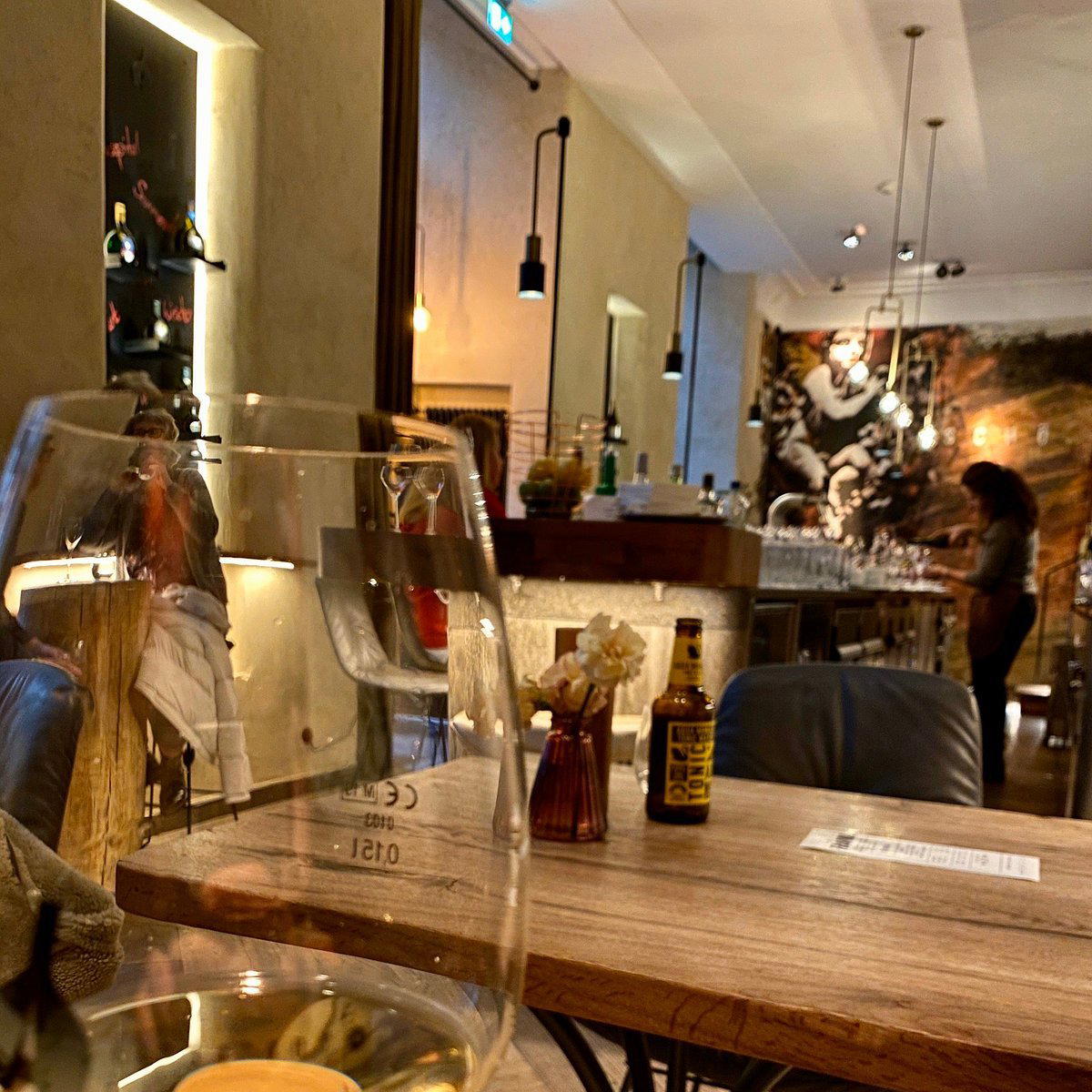
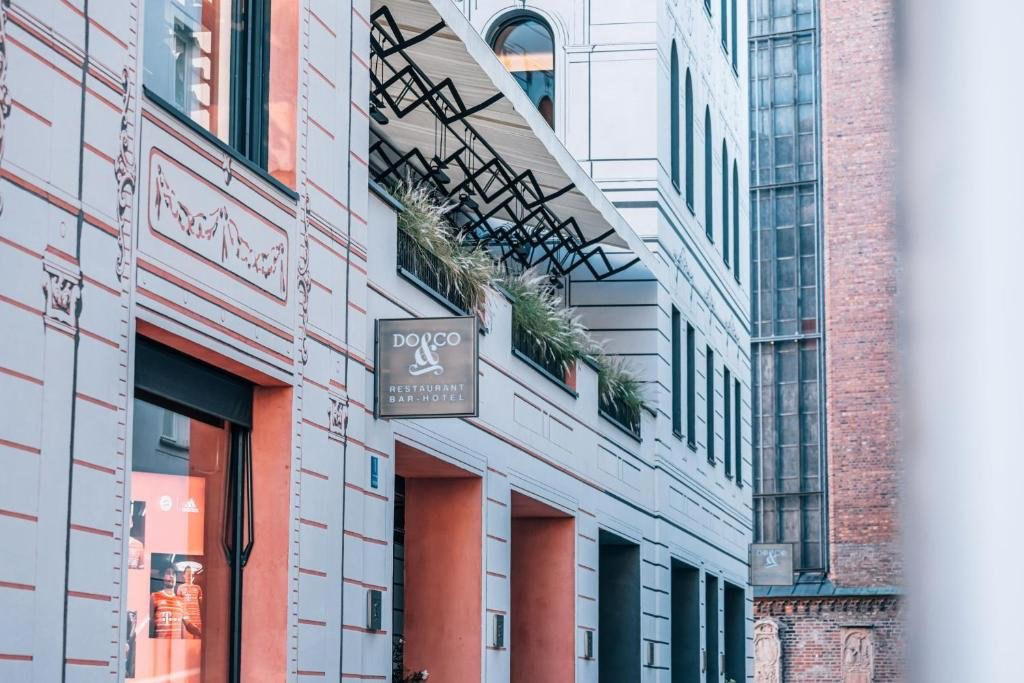
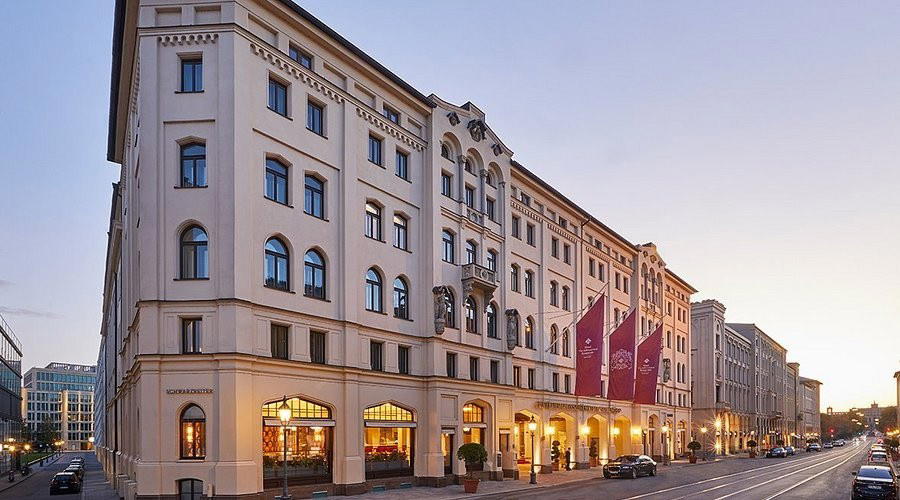
Kardinal-Faulhaber-Straße sits inside Munich's historic banking and ecclesiastical quarter, a stretch of the Altstadt where Baroque facades and nineteenth-century commercial architecture set a register that most restaurants in the area either ignore or lean into too heavily. Brasserie Cuvilliés takes a different approach: the room reads as a considered brasserie space rather than a period-costume exercise, with the address doing architectural work that the kitchen doesn't need to replicate. Walking in from the street, the shift from the formal exterior to a working dining room is immediate, this is a space designed for eating, not for spectacle.
The name references François de Cuvilliés, the Flemish-born court architect responsible for Munich's Residenztheater and some of the city's most ornate Rococo interiors. Using that name in a brasserie context carries a quiet editorial position: the cooking here connects to place and tradition without attempting to recreate the gilded excess associated with the original. The Alpine cuisine format reinforces that reading. Alpine kitchens, at their most disciplined, are defined by proximity, to the mountains, to seasonal cycles, and to a sourcing logic that puts the producer before the technique.
Alpine Cuisine and the Sustainability Argument
The broader case for Alpine cooking as an environmentally conscious format rests on geography. The Alpine arc, running from Savoy through Bavaria and into Austria, contains one of Europe's denser concentrations of small-scale agricultural producers: upland dairy farms, game estates, river fisheries, and orchards operating at altitudes that preclude industrial-scale monoculture. A kitchen genuinely committed to this sourcing network is, by structural necessity, dealing with shorter supply chains, lower transport distances, and seasonal menus that follow what the land produces rather than what a global logistics network can deliver year-round.
Munich sits at the northern edge of this system, close enough to the Bavarian Alps and the Voralpenland to access that producer network without difficulty. The city's better Alpine restaurants have, over the past decade, shifted from treating regional sourcing as a marketing note to treating it as the organising principle of the menu. Brasserie Cuvilliés sits inside that shift. Its Michelin Plate recognition for 2025 signals that the cooking meets a threshold of consistent quality without placing it in the starred tier occupied by venues such as Tantris or Tohru in der Schreiberei, both of which operate at €€€€ price points and carry two and three Michelin stars respectively. The Plate designation, at a €€€ price range, positions Brasserie Cuvilliés as a venue where quality-to-cost calibration is part of the proposition.
Where It Sits in Munich's Dining Tier
Munich's awarded dining scene clusters heavily at the leading. Alois - Dallmayr Fine Dining holds two Michelin stars with a Creative format at €€€€. JAN works a Creative programme at a comparable price register. The gap between those venues and the casual end of the city's restaurant market is significant, and the restaurant occupies a useful position in the middle: recognised by Michelin at the Plate level, operating at €€€, and anchored in a cuisine tradition, Alpine, that has its own coherent identity rather than functioning as a catch-all category.
For comparison, Gasthaus Waltz represents the more traditional end of Munich's regional dining. The restaurant reads as the format that sits between the Gasthaus register and the formal tasting-menu tier: still grounded in regional ingredients and Alpine logic, but operating with brasserie service rhythms and a room designed for a broader range of occasions.
Across Germany, the Alpine cuisine category is producing some of its most interesting work in smaller towns and resort contexts. Gourmetrestaurant Tannenhof in Sankt Anton am Arlberg and Die Geniesserstube im Alpenhof in Tux both operate within immediate proximity to the Alpine producer networks that Munich's kitchens access from a distance. The city-centre version of Alpine cooking involves a different set of trade-offs, and the restaurant represents how that works at the Plate level: sourcing discipline applied inside a metropolitan brasserie format rather than a resort dining room.
Germany's broader fine-dining circuit includes venues operating at considerably higher intensities. Aqua in Wolfsburg, Schwarzwaldstube in Baiersbronn, and Vendôme in Bergisch Gladbach each operate at three Michelin stars. Restaurant Haerlin in Hamburg and ES:SENZ in Grassau sit at the two-star level. Against that national field, the Plate recognition at the restaurant marks the first step into awarded territory: cooking that Michelin inspectors consider worth noting, without the tasting-menu infrastructure or price commitment of the starred bracket.
Practical Information for Planning a Visit
The address at Kardinal-Faulhaber-Straße 1 places the brasserie within walking distance of the Marienplatz S- and U-Bahn hub, making it direct to reach from most central Munich hotels. For those building a broader Munich itinerary, the full Munich restaurants guide, Munich hotels guide, Munich bars guide, Munich wineries guide, and Munich experiences guide map the full city offer across categories.
Comparable Options
Comparable venues nearby, for context on price, style, and recognition.
| Venue | Cuisine | Price | Notes |
|---|---|---|---|
| Brasserie CuvilliésThis venue — the venue you are viewing | Modern Bavarian-Alpine Brasserie | $$$$ | Not listed |
| Käfer-Schänke | Pan-European Fine Dining with Bavarian Heritage | $$$$ | Haidhausen |
| Platzl 6-8 | Modern Bavarian Fine Dining | $$$$ | Altstadt |
| Atlantik | Fresh Seafood Atlantik Kitchen | $$$$ | Theresienwiese |
| KOI | Modern Japanese Sushi and Robata | $$$$ | Lehel |
| Landersdorfer & Innerhofer | Modern Bavarian Fine Dining | $$$$ | Isarvorstadt |
Recognition history
Dated appearances from independent guides and award organizations, with the underlying list record or original source where available.
Michelin Plate
Michelin · 2026 Michelin Plate
Michelin Plate
Michelin

At a Glance
- Elegant
- Sophisticated
- Classic
- Special Occasion
- Open Kitchen
- Hotel Restaurant
- Historic Building
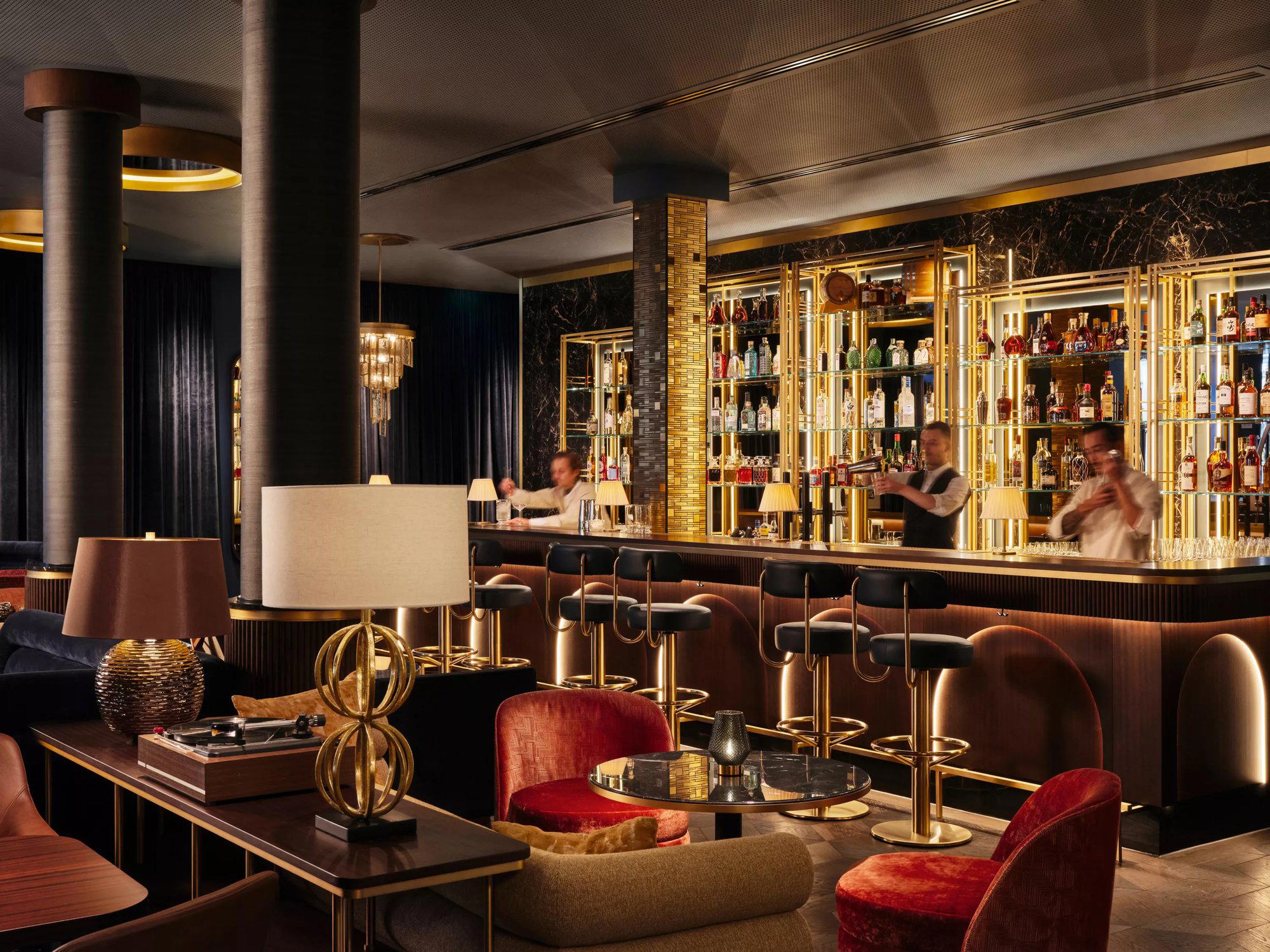
- Craft Cocktails
- Local Sourcing
Current opening hours
- Monday
- 6:30 AM–10 PM
- Tuesday
- 6:30 AM–10 PM
- Wednesday
- 6:30 AM–10 PM
- Thursday
- 6:30 AM–10 PM
- Friday
- 6:30 AM–10 PM
- Saturday
- 6:30 AM–10 PM
- Sunday
- 6:30 AM–10 PM
Hours can change for holidays and private events. Last verified .
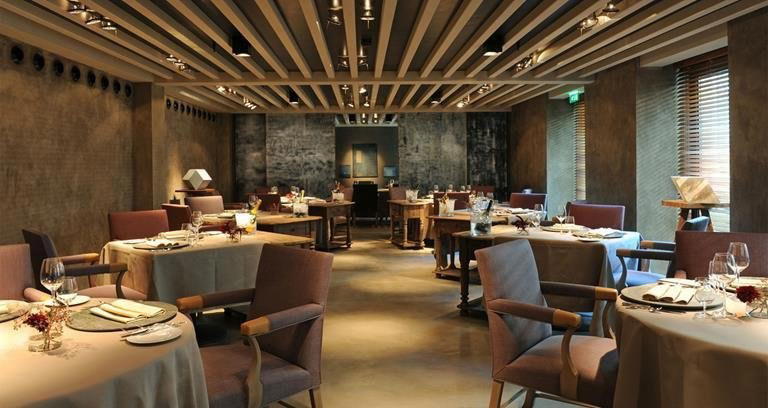
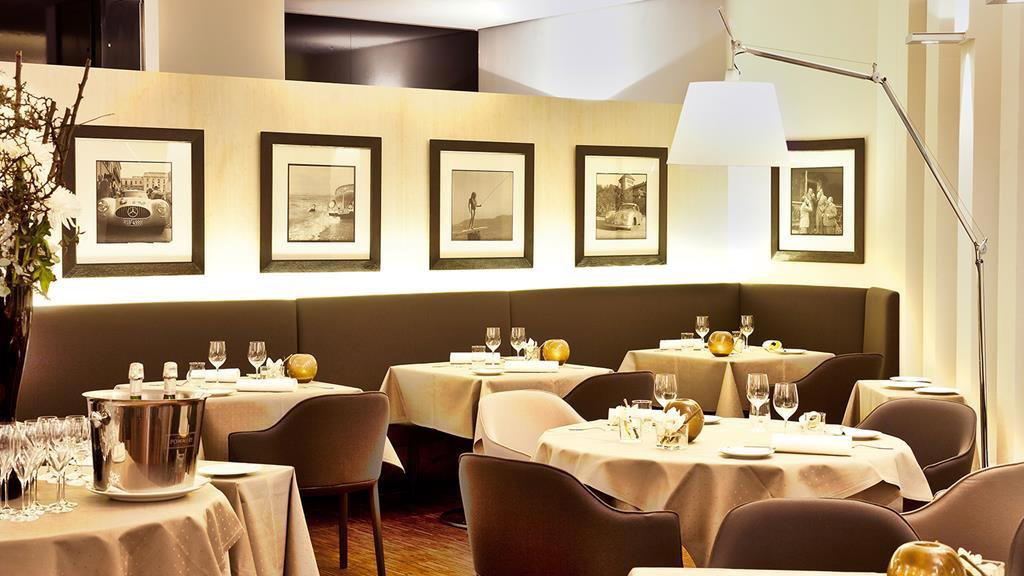
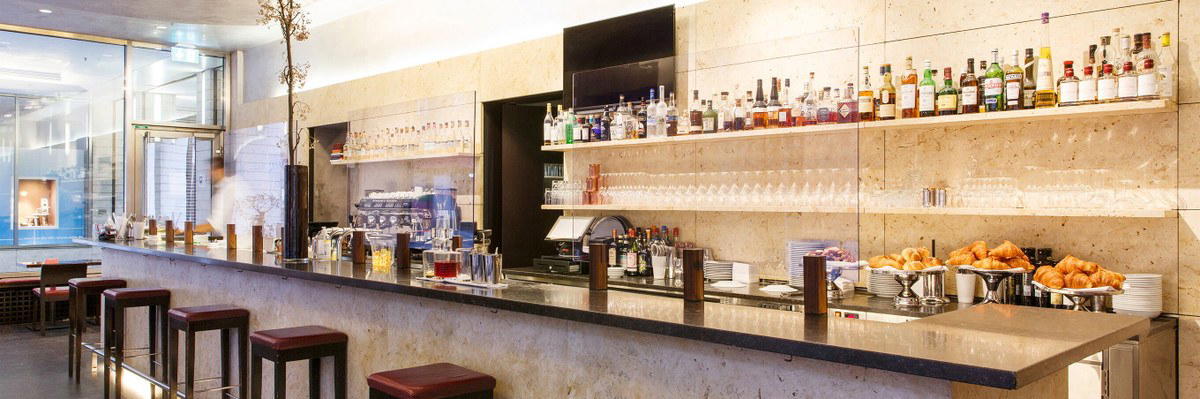
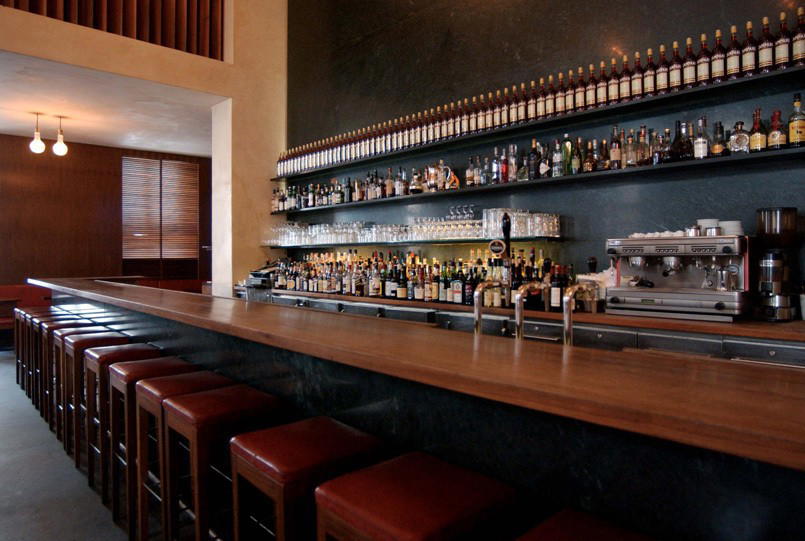
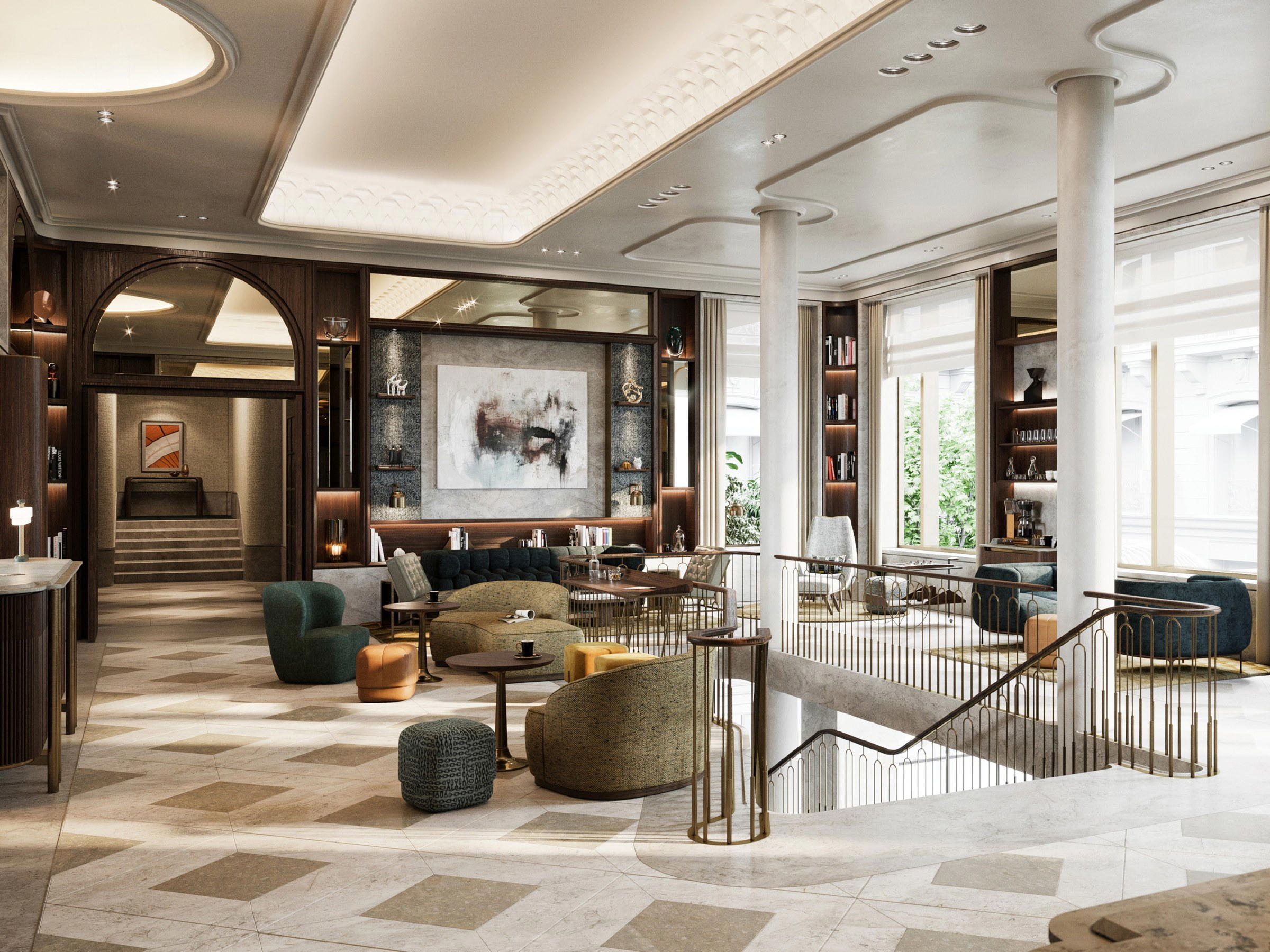
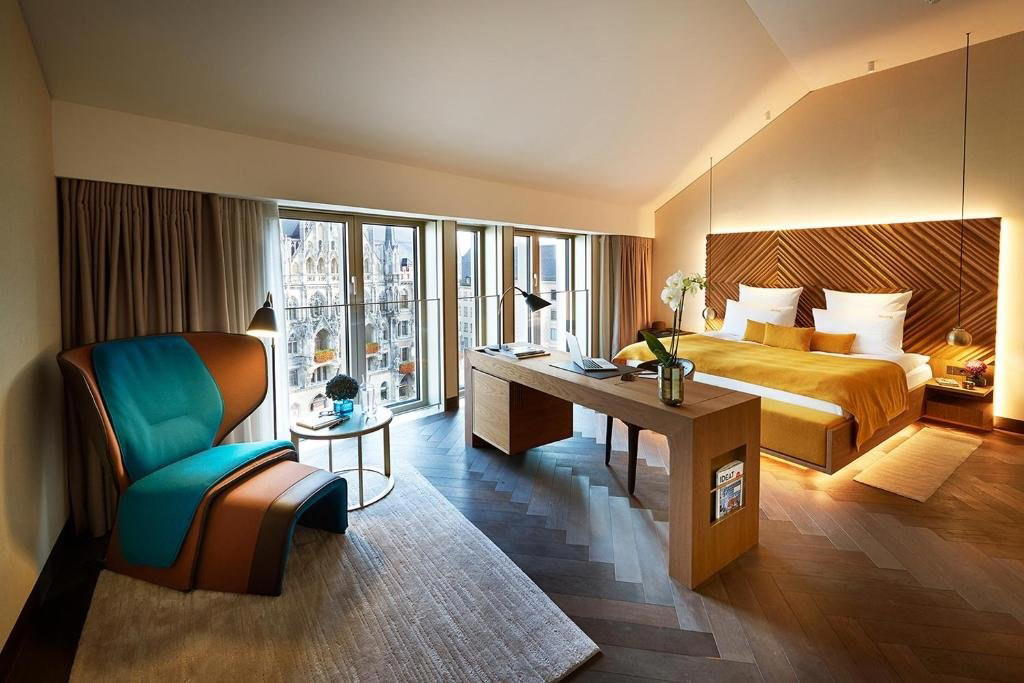
Chic brasserie atmosphere with high-quality materials like natural stone and brass, elegant rococo-style porcelain sculpture, and warm, lively setting.