On Wörthstraße in Munich's Haidhausen district, Taverna Diyar represents the kind of neighbourhood dining that sustains a city's everyday culinary life alongside its fine-dining circuit. The taverna format, rooted in Middle Eastern and Turkish tradition, occupies a distinct position in a Munich restaurant scene otherwise dominated by Bavarian classics and Michelin-chasing tasting menus. A local address worth understanding in context.
Pearl is the En Primeur Club membership app — saves, bookings, and concierge access live there. Same editors, same standards.
- Address
- Wörthstraße 10, 81667 München, Germany
- Phone
- +498948950497
- Website
- diyar.de
- Directions
- Get directions
 Saves & bookings on Pearl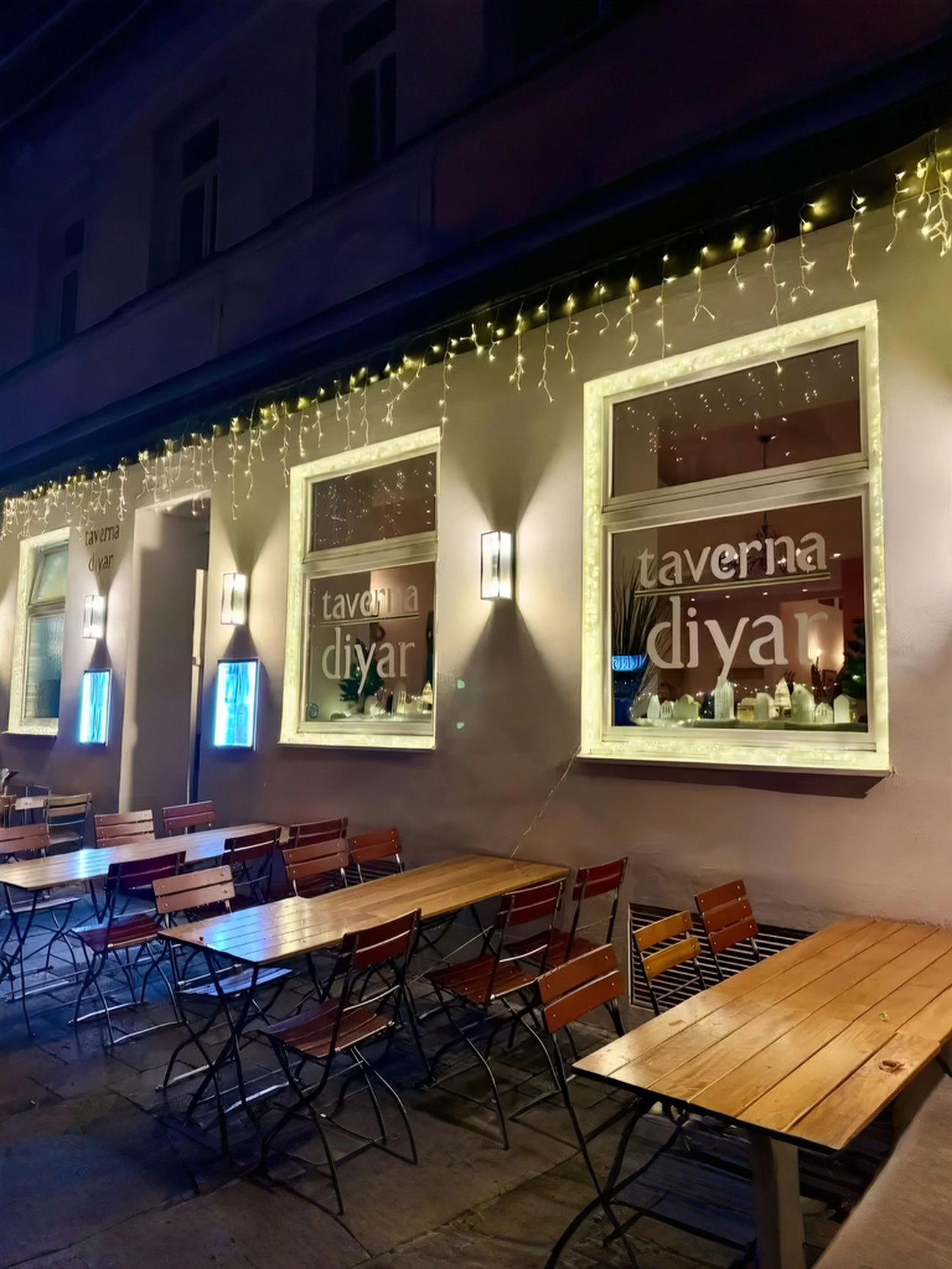
Haidhausen's Dining Character and Where Taverna Diyar Fits
Munich's restaurant conversation tends to concentrate on a narrow band of high-prestige addresses: the Michelin-decorated rooms of Tantris, the Franco-Japanese precision of Tohru in der Schreiberei, the creative tasting formats at Alois - Dallmayr Fine Dining and Atelier. Haidhausen, the inner-east neighbourhood where Wörthstraße sits, has historically been one of Munich's more open-grained residential districts, a place where working-class beer halls coexisted with immigrant-run kitchens and, more recently, a wave of independent restaurants that don't fit neatly into Bavarian or fine-dining categories.
Taverna Diyar at Wörthstraße 10 occupies that neighbourhood register. The taverna model, whether drawn from Turkish, Kurdish, or broader Middle Eastern tradition, is built around a different set of values than the tasting-menu rooms that dominate premium Munich coverage. It prizes hospitality at scale, dishes meant for the table rather than the individual plate, and a cooking tradition where technique is embedded in the food rather than announced by it. In a city where the Michelin tier runs deep, from local decorated rooms like JAN to Germany-wide reference points like Aqua in Wolfsburg and Schwarzwaldstube in Baiersbronn, a neighbourhood taverna represents a genuinely different proposition.
The Cultural Weight of the Taverna Format
In Turkish and Kurdish contexts, it implies an evening-oriented space, often with meze, grilled proteins, and the expectation of a long table rather than a quick meal. Diyar, as a name, carries geographical and cultural resonance in Turkish and Kurdish languages, suggesting homeland or region, a naming choice that often signals a kitchen oriented around a specific culinary origin rather than a pan-Middle-Eastern menu designed for broad accessibility.
This matters because the Middle Eastern and Turkish restaurant category in Germany has long ranged from fast-casual döner and kebab formats to a much smaller tier of full-service restaurants representing regional cuisines with depth. Germany's broader dining scene includes decorated rooms like Vendôme in Bergisch Gladbach and Victor's Fine Dining by Christian Bau in Perl at one extreme, but the majority of culturally significant eating happens in exactly the kind of neighbourhood rooms that rarely reach national coverage. Taverna Diyar sits in that category, and the category deserves more serious attention than it typically receives from premium travel platforms.
Turkish and Kurdish taverna cooking draws on a larder that is simultaneously ancient and regional: slow-cooked meats, fermented dairy, charcoal grilling, and spice combinations that shift significantly from the Aegean coast to southeastern Anatolia. A kitchen rooted in that tradition is operating within one of the world's most developed culinary systems, one that long predates the European fine-dining conventions that currently dominate Munich's prestige tier.
Munich's Broader Ethnic Dining Scene in Context
Munich has a substantial Turkish-German community, one of the largest in Bavaria, and that population has sustained a range of restaurants that operate mostly below the radar of international food guides. The city's fine-dining infrastructure, represented by rooms like those at ES:SENZ in Grassau nearby and reference-point kitchens like Waldhotel Sonnora in Dreis further afield, operates on a parallel track that rarely intersects with the neighbourhood taverna circuit.
That separation is partly a function of how food guides and premium platforms allocate attention, and partly a function of price point and format. A taverna serving meze and grilled meats to a mixed local crowd is not competing with the tasting-menu rooms on Atelier's or Restaurant Haerlin in Hamburg's terms. It is competing with other neighbourhood restaurants on value, consistency, and the quality of an experience that doesn't require a reservation three months out or a dress code conversation.
The comparison set that matters for the restaurant is Munich's neighbourhood dining tier. Within that set, the taverna format's emphasis on table-sharing, long meals, and a kitchen tradition with genuine depth gives it a distinct character.
What to Expect Approaching Wörthstraße 10
Haidhausen's street-level dining is predominantly low-key in presentation. The neighbourhood's physical character, older residential buildings, a mix of local shops and restaurants, and proximity to the Isar river, shapes the kind of dining that works here. Rooms that announce themselves aggressively tend to feel out of place; the neighbourhood rewards restaurants that feel like they belong to it. A taverna format, with its emphasis on warmth and informality, fits that register naturally.
For visitors oriented primarily around Munich's Michelin tier, the full picture of what Munich's restaurant scene offers extends beyond those decorated rooms. The neighbourhood dining layer, which includes addresses like Taverna Diyar, represents a different kind of access to the city: less curated, more contingent on the particular night and table, but often more revealing of how Munich actually eats.
Germany's decorated dining circuit, from Schanz in Piesport to Bagatelle in Trier and experimental formats like CODA Dessert Dining in Berlin, reflects a particular strand of ambition. The taverna circuit reflects a different but equally serious one: the ambition to cook a specific tradition well for a neighbourhood that knows it.
International reference points for this kind of cooking tradition exist in cities like New York, where Korean-American kitchens like Atomix and precision seafood rooms like Le Bernardin demonstrate how deeply a specific culinary lineage can be developed when given the right conditions. Munich's Turkish and Kurdish kitchen tradition has not yet found that kind of platform in the city's premium tier, which makes the neighbourhood taverna the primary place where that tradition is expressed and maintained.
Planning Your Visit
The restaurant is located at Wörthstraße 10, 81667 München, in Munich's Haidhausen district. Reservations are recommended. The restaurant is casual and the price level is around $25 per person. It is open Monday through Saturday from 12 PM to 11 PM and Sunday from 10 AM to 11 PM.
Style and Standing
Comparable venues nearby, for context on price, style, and recognition.
| Venue | Cuisine | Price | Notes |
|---|---|---|---|
| Taverna DiyarThis venue — the venue you are viewing | Kurdish-Turkish | $$ | Not listed |
| Restaurant Harem | Authentic Turkish Barbecue | $$ | Untermenzing |
| Gürmet | Turkish Meze & Natural Wine | $$ | Altstadt |
| Hans Kebab | Premium Turkish Döner Kebab | $$ | Freimann |
| HAN | Modern Turkish Grill | $$$ | Schwabing |
| Preysinggarten | Mediterranean with local Bavarian influences | $$ | Haidhausen |
At a Glance
- Cozy
- Rustic
- Date Night
- Family
- Casual Hangout
- Terrace
- Beer Program
Current opening hours
- Monday
- 12–11 PM
- Tuesday
- 12–11 PM
- Wednesday
- 12–11 PM
- Thursday
- 12–11 PM
- Friday
- 12–11 PM
- Saturday
- 12–11 PM
- Sunday
- 10 AM–11 PM
Hours can change for holidays and private events. Last verified .
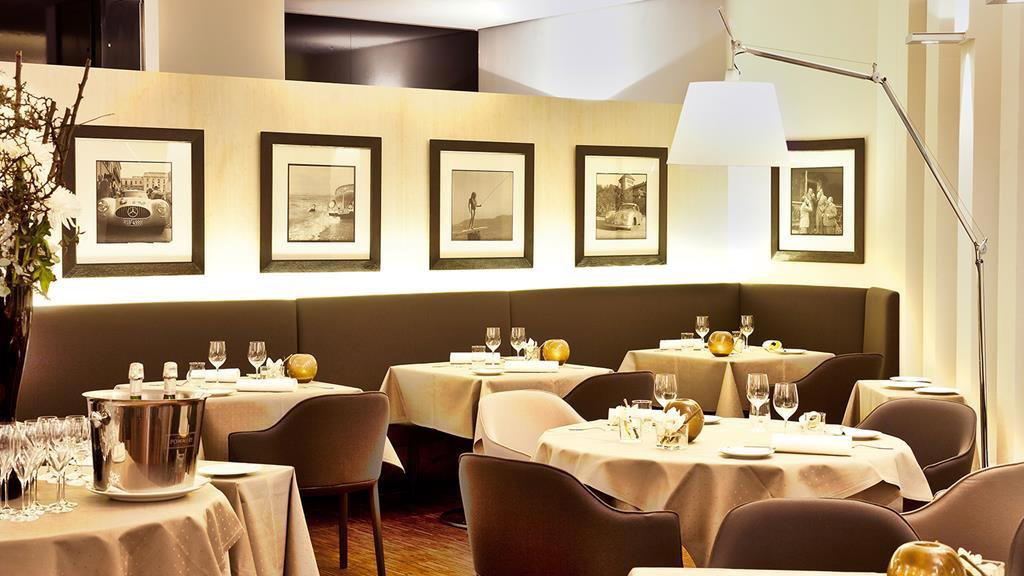
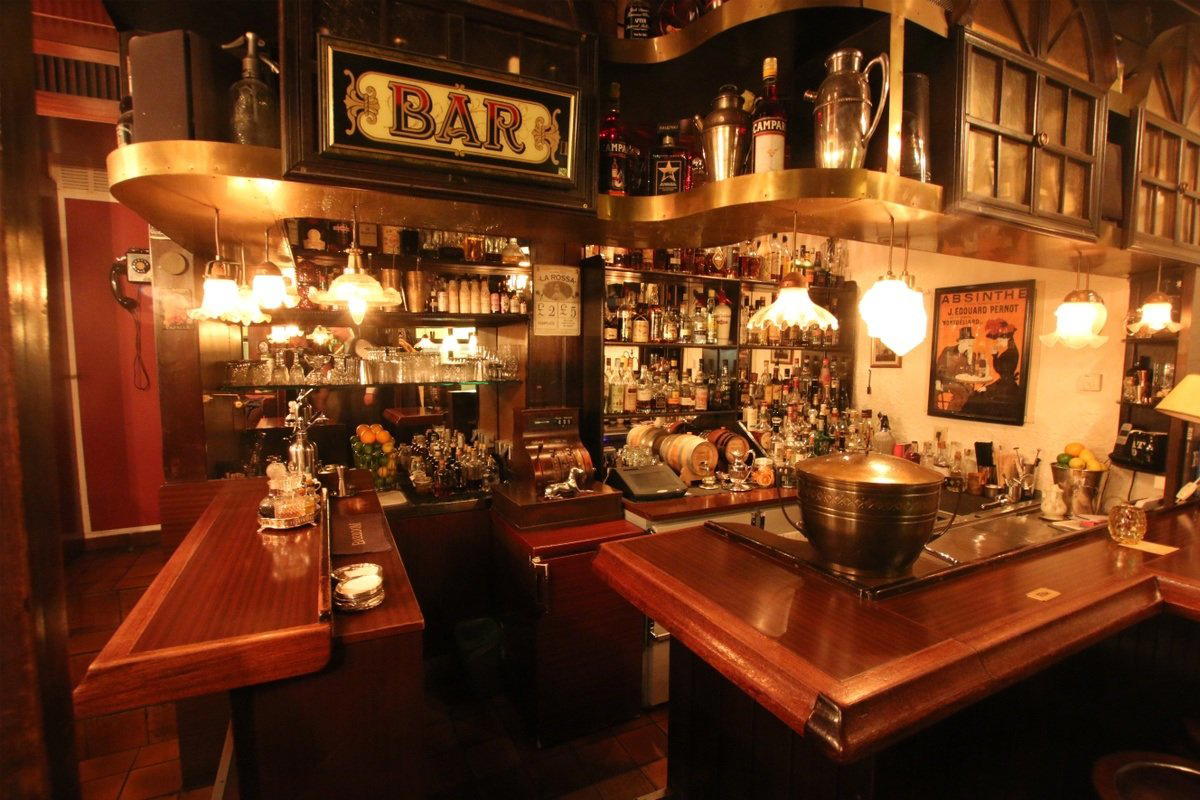
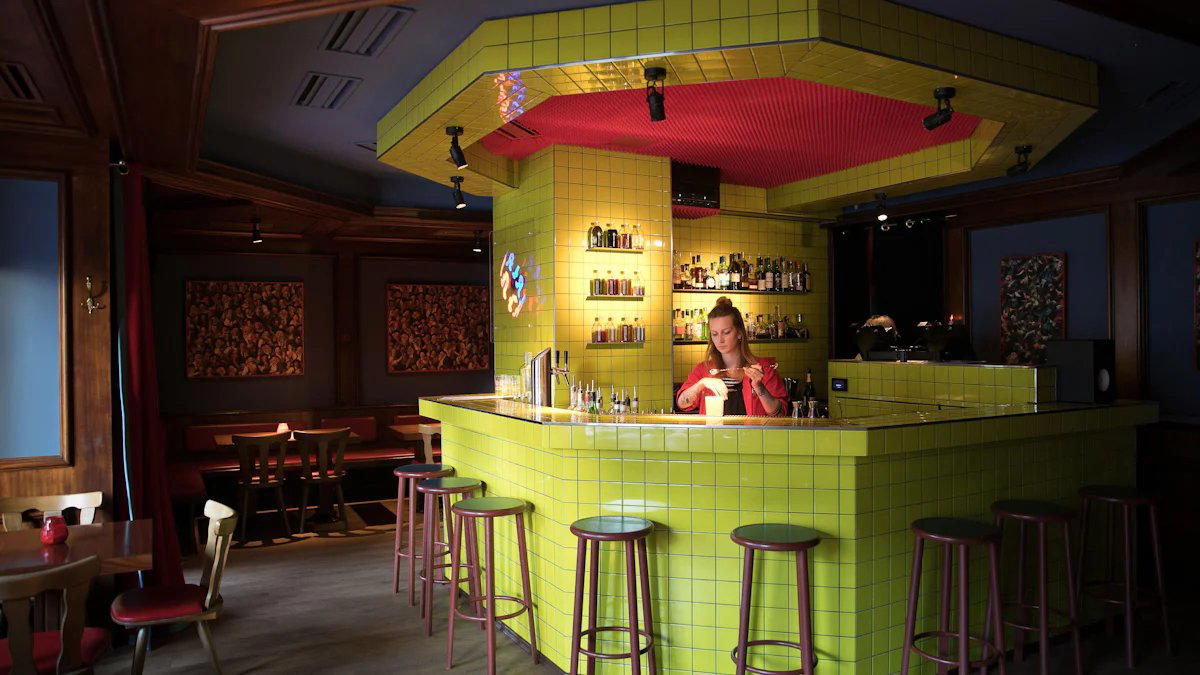
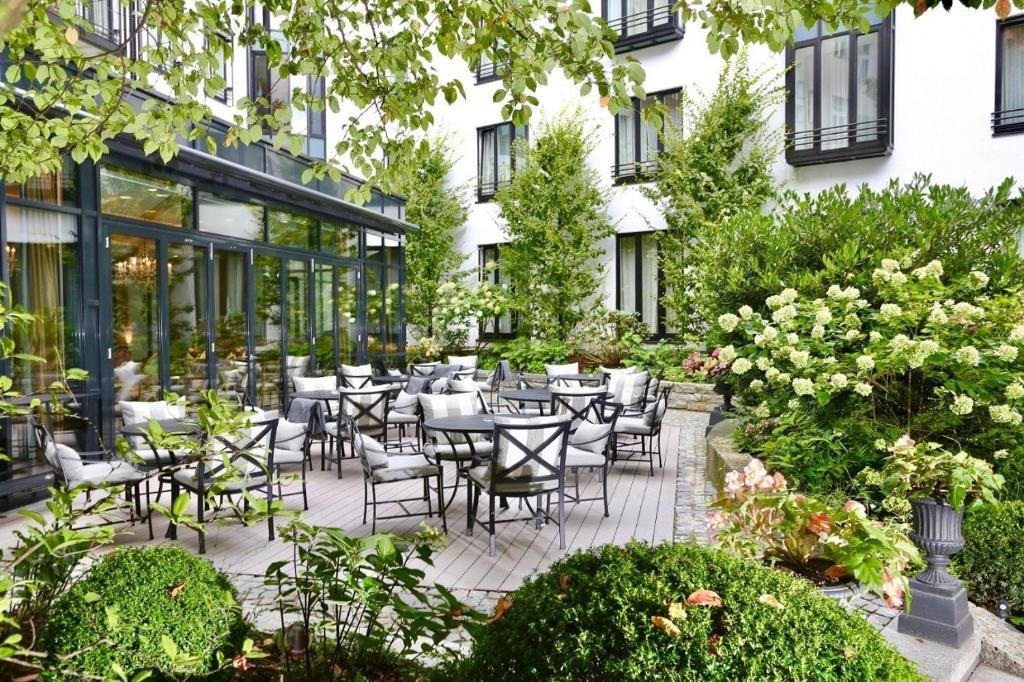
Cozy and warm atmosphere with bright cheerful interior, enhanced by outdoor terrace seating and occasional live music.