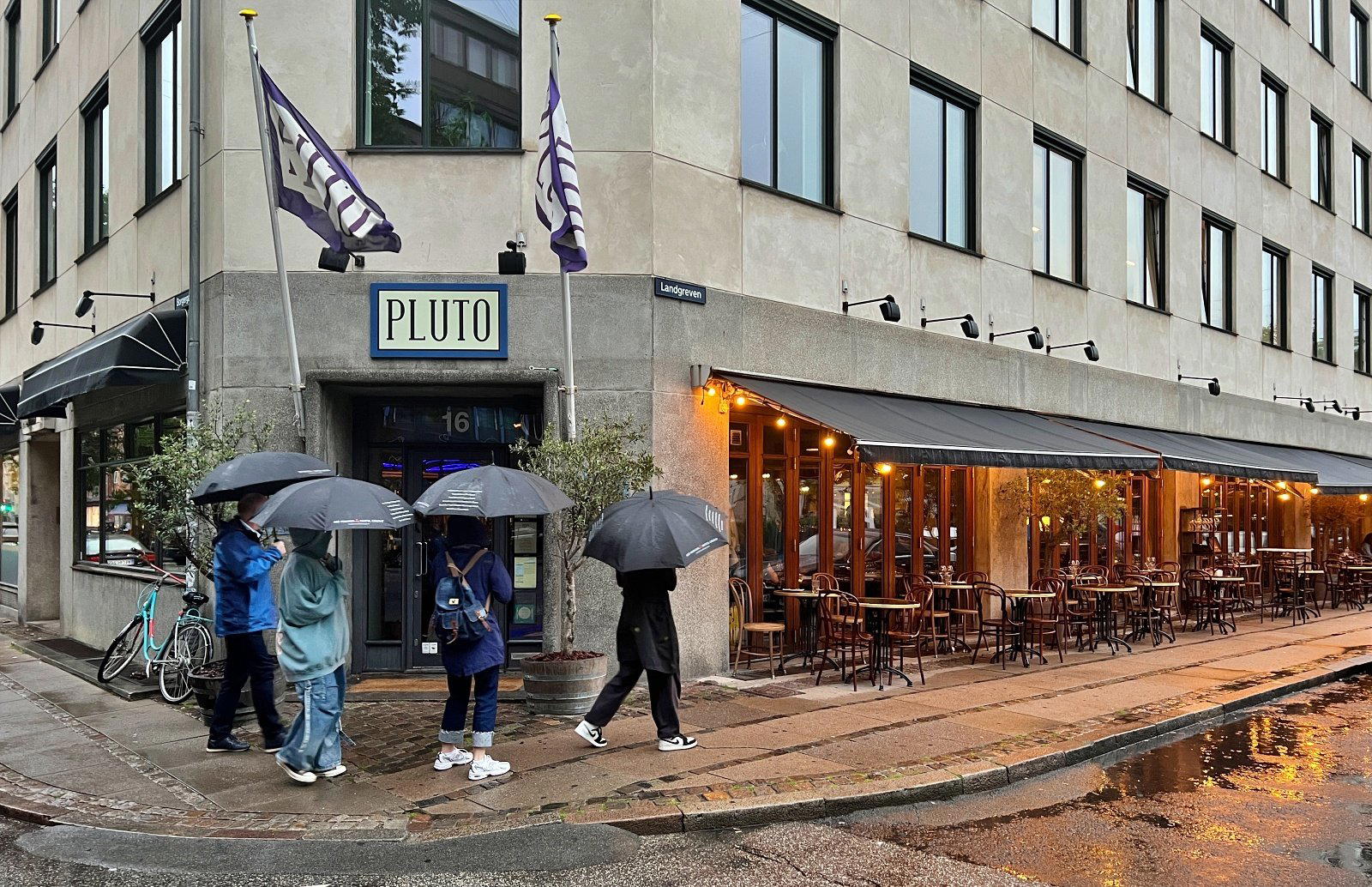
Borgergade 16
Our verdict
Borgergade 16 occupies a quiet address in Copenhagen's inner city, operating within a dining scene that has redefined Nordic cooking for a global audience. The venue sits in a neighbourhood where serious restaurants compete on the precision of their service team as much as the plate. Booking ahead is advisable for any visit to this tier of Copenhagen dining.

Pearl is the En Primeur Club membership app — saves, bookings, and concierge access live there. Same editors, same standards.
- Address
- Borgergade 16, 1300 København, Denmark
- Directions
- Get directions
The menu
What to order
- Savoury waffles
- Pasta dishes
- Oysters
- Tuna tartare
A Street, a Scene, and the Weight of the Address
Borgergade is one of those Copenhagen streets that rewards attention. The inner city block runs parallel to the canal district and sits within walking distance of Kongens Nytorv, the square that anchors the old city's commercial and cultural axis. The neighbourhood has accumulated a density of serious restaurants over the past two decades, partly as spillover from Nørreport and Frederiksstaden, partly because the area's mix of embassy buildings, old merchant houses, and converted courtyards creates the kind of architectural gravity that premium dining rooms tend to seek out. At number 16, that address carries its own expectation before a guest even crosses the threshold.
Copenhagen's fine dining tier is unusually competitive for a city of its size. Geranium holds three Michelin stars and ranked first on the World's 50 Best list in 2022, setting a reference point that every other restaurant in the city is measured against. Noma built and rebuilt the template for ingredient-led, seasonally structured menus that have since been adopted, adapted, and debated across northern Europe. Alchemist operates at a different register entirely, staging fifty-course theatrical progressions that position it outside conventional comparison. Kadeau and Koan each carve distinct territory through provenance specificity and cross-cultural technique. The scene is dense, and Borgergade 16 occupies a position within that field that rewards understanding before arrival.
The Service Triangle in Copenhagen's Dining Rooms
What separates the upper tier of Copenhagen restaurants from their peers in other European capitals is rarely the sourcing story alone. It is the coordination between kitchen, floor, and cellar that produces the coherence guests remember. In the city's most discussed rooms, the sommelier is not an afterthought appended to a menu of set courses but an active collaborator whose pairings shape the pacing and register of the meal. Front-of-house teams at this level are trained to read a table rather than perform at it, adjusting tempo and formality according to who is sitting down rather than defaulting to a scripted hospitality mode.
This collaborative architecture is a defining characteristic of post-Noma Copenhagen dining culture, and it has spread from the headline rooms to smaller, quieter addresses. A venue at Borgergade 16 sits within that culture whether or not its name appears on award shortlists. The expectations a guest carries to any serious Copenhagen address now include the assumption that the person explaining a dish and the person choosing a wine have discussed those decisions together, and that the floor staff understand the sourcing well enough to describe it without notes. That coordination is less about performance and more about the kind of institutional knowledge that builds when a team stays together across multiple seasons.
Denmark's broader fine dining circuit reinforces this point. Outside Copenhagen, Jordnær in Gentofte and Frederikshøj in Aarhus both carry Michelin recognition and operate with tight, experienced teams where the service structure is as considered as the menu architecture. Henne Kirkeby Kro and Frederiksminde in Præstø demonstrate that the collaborative service model has taken root in rural settings as well. Ti Trin Ned in Fredericia, Dragsholm Slot Gourmet in Hørve, and LYST in Vejle each represent this consistency at different points in the Danish geography. Further afield, Tri in Agger, Pearl by Paul Proffitt in Kruså, and Syttende in Sønderborg extend the argument that serious dining in Denmark is not a Copenhagen-only phenomenon.
What the Address Implies About Format and Expectation
In Copenhagen, address alone communicates a great deal about format. The inner city corridor around Bredgade and Borgergade has historically housed galleries, private clubs, and institutional buildings rather than casual dining. Restaurants that open here tend to operate at a considered pace, with menus structured around a fixed number of courses rather than à la carte choice. The room aesthetic in this district runs toward restraint, with materials sourced locally and a preference for natural light in evening settings supplemented by candlelight or warm-toned fixtures rather than theatrical installation lighting.
The contrast with venues like Alchemist, which fills a converted former Royal Danish Theatre building with immersive programming across multiple rooms and several hours, is instructive. Different parts of the city select for different dining intentions. The Borgergade district selects for guests who want the conversation at the table to remain the main event, with the service team present and informed but not choreographed for spectacle. Internationally, this places the address in the same broad category as rooms like Le Bernardin in New York City, where the frame of the experience is classical discipline rather than experiential theatre, or Lazy Bear in San Francisco, where the communal table format redistributes the service dynamic without reducing its seriousness.
Planning a Visit: What to Know Before You Go
Visitors approaching Copenhagen's serious restaurant tier for the first time benefit from a few structural facts. The city's top-end rooms book on a compressed window relative to peers in London or Paris, with tables at Michelin-recognised addresses often releasing one to three months ahead rather than the six-month forward calendars common in other capitals. That compression makes flexibility an asset: checking mid-week availability or being willing to dine at an early or late seating often opens access that a fixed Saturday-night search will not.
The inner city around Borgergade is accessible by Metro from Copenhagen Central Station, with Kongens Nytorv station a short walk from the address. The neighbourhood is also walkable from the hotel concentration around Bredgade and the Design Museum Denmark, making it a practical base for a dining-focused evening without requiring a taxi or rideshare. Smart casual dress reflects the register of the area, though Copenhagen's dining culture is notably less prescriptive about formal dress codes than comparable French or British rooms at the same price point.
For a broader orientation to the city's restaurant geography, our full Copenhagen restaurants guide maps venues across neighbourhoods and price tiers, from the canal-facing rooms of Christianshavn to the neighbourhood restaurants of Vesterbro and Nørrebro that operate well below the Michelin radar but with comparable seriousness about ingredients and technique.
Frequently asked questions
How do I find Borgergade 16?
Borgergade 16 is located at Borgergade 16, 1300 København, Denmark, Copenhagen.
What type of dining experience does the Borgergade address in Copenhagen typically signal?
In Copenhagen, the inner city corridor along Borgergade and Bredgade has historically housed gallery-adjacent, architecturally considered dining rooms that prioritise format and pacing over volume. The 1300 postal district positions Borgergade 16 within a neighbourhood where the room itself, not just the plate, is part of the proposition. Visitors to Copenhagen's serious dining tier should treat this address as a cue to research format and booking structure carefully before arriving.
What should I order at Borgergade 16?
Copenhagen restaurants in the inner city corridor around Borgergade and Bredgade typically operate set or structured formats rather than à la carte, so arriving without a fixed expectation of choice is sensible.
Is Borgergade 16 reservation-only?
Reservation policy has not been formally published for Borgergade 16. Copenhagen's upper dining tier, particularly in the inner city addresses around Borgergade, operates almost exclusively on advance bookings, often weeks ahead. Contacting the venue directly before planning your visit is the practical approach.
What do critics highlight about Borgergade 16?
No named critical reviews or awards are currently documented in the public record for Borgergade 16. The address itself carries contextual weight: the Borgergade corridor in Copenhagen's 1300 postal district has historically drawn serious, format-led dining rooms rather than casual operations, which shapes expectations around service and structure.
Do they accommodate allergies at Borgergade 16?
Copenhagen restaurants operating at the serious dining level routinely collect dietary information at the point of reservation, so communicating requirements when booking is the standard approach in this city's restaurant culture.
Is a meal at Borgergade 16 worth the investment?
Pricing information for Borgergade 16 has not been published. The address sits within a Copenhagen neighbourhood that skews toward structured, higher-commitment dining experiences rather than casual spend, which is a useful calibration point when budgeting a visit to this part of the inner city.
Budget and Context
| Venue | Cuisine | Price | Awards | Notes |
|---|---|---|---|---|
| Borgergade 16This venue — the venue you are viewing | Modern Mediterranean Fusion Bistro | $30–50 | Not listed | Not listed |
| Geranium | Modern New Nordic Pescatarian | $500+ | 3 Michelin Stars · World's 50 Best #1 | New Nordic, Creative |
| Noma | New Nordic Fine Dining | $300–500 | 3 Michelin Stars · World's 50 Best #1 | Creative |
| Alchemist | Avant-Garde Molecular Gastronomy with Social Commentary | $500+ | 2 Michelin Stars · World's 50 Best #5 | Progressive, Creative |
| Koan | Modern Korean-Nordic Fine Dining | $300–500 | 2 Michelin Stars · World's 50 Best #91 | New Nordic, Kaiseki, Creative |
| a|o|c | Modern Scandinavian Fine Dining | $300–500 | 2 Michelin Stars · La Liste Top Restaurants | New Nordic, Mediterranean Small Plates, Creative |
Continue exploring
More in Copenhagen
Restaurants in Copenhagen
Browse all →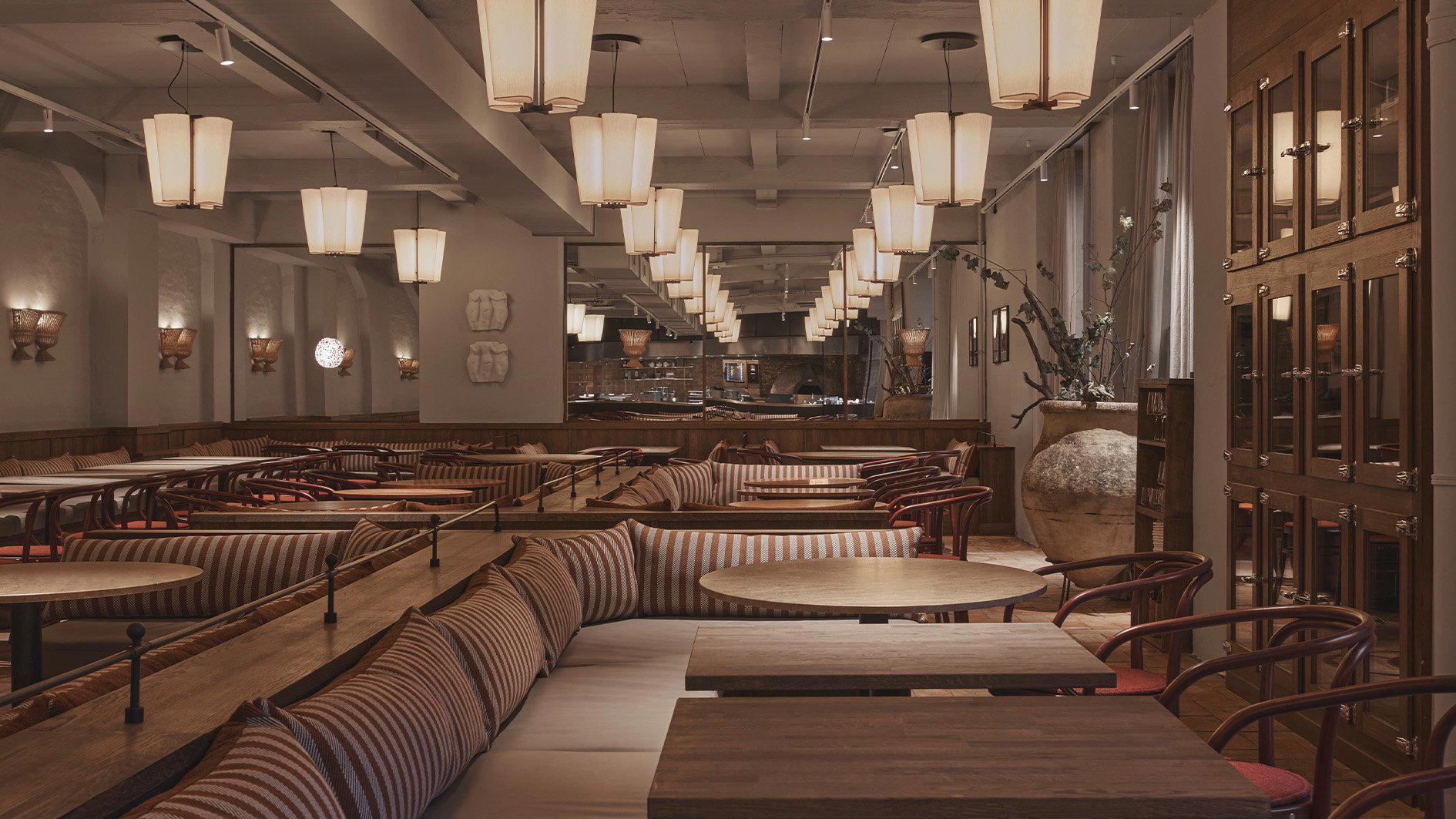
Bars in Copenhagen
Browse all →
Hotels in Copenhagen
Browse all →

Details
- Lively
- Energetic
- Rustic
- Trendy
- Industrial
- Group Dining
- Casual Hangout
- Celebration
- After Work
- Late Night
- Open Kitchen
- Standalone
- Natural Wine
- Craft Cocktails
- Sommelier Led
- Natural Wine
- Local Sourcing
- Family Style
- A La Carte
- Tasting Menu
- Natural Wines
- Cocktails
- Vegetarian Friendly
- Vegan Options
- Gluten Free Options
- Allergy Accommodating
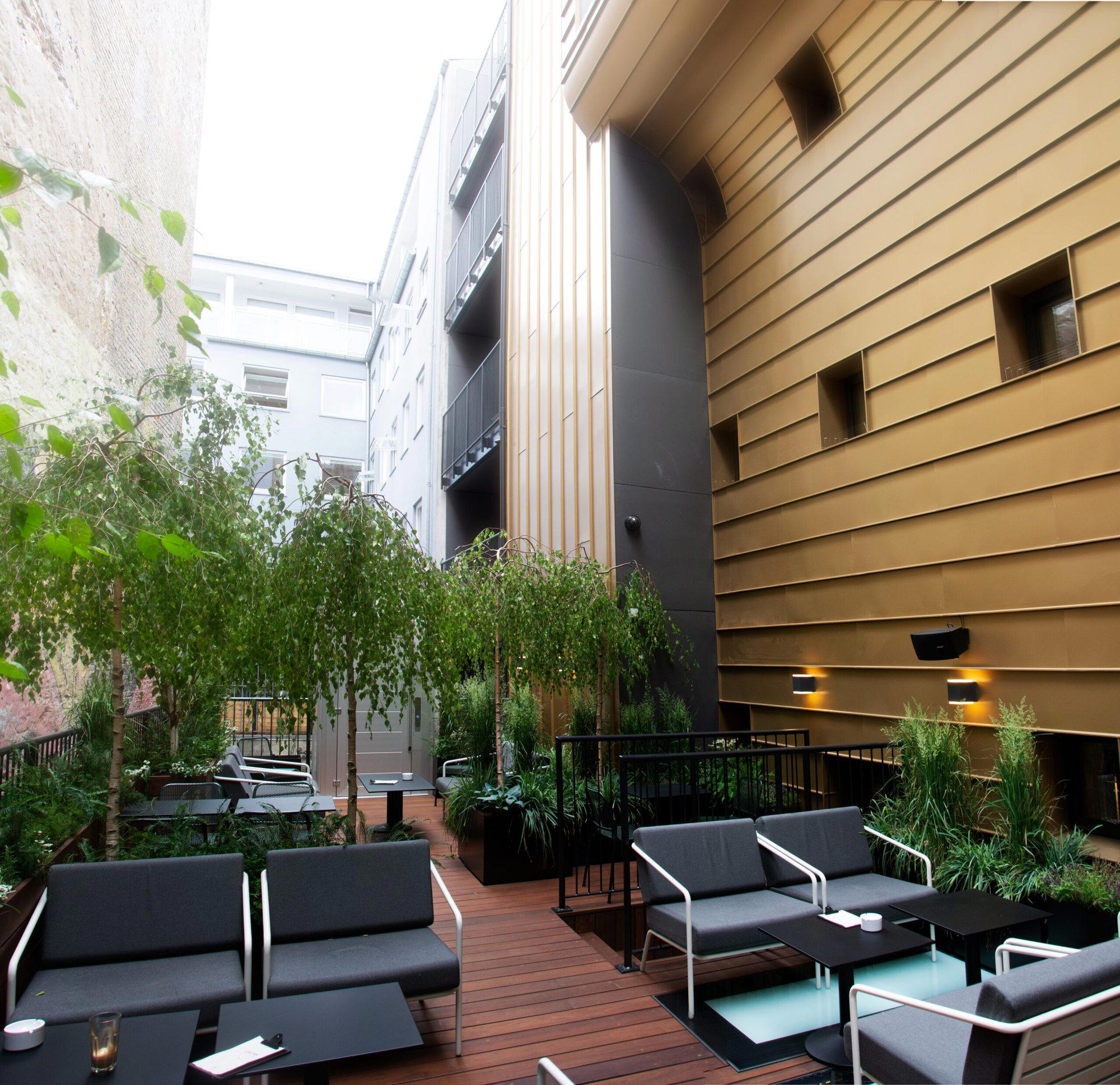
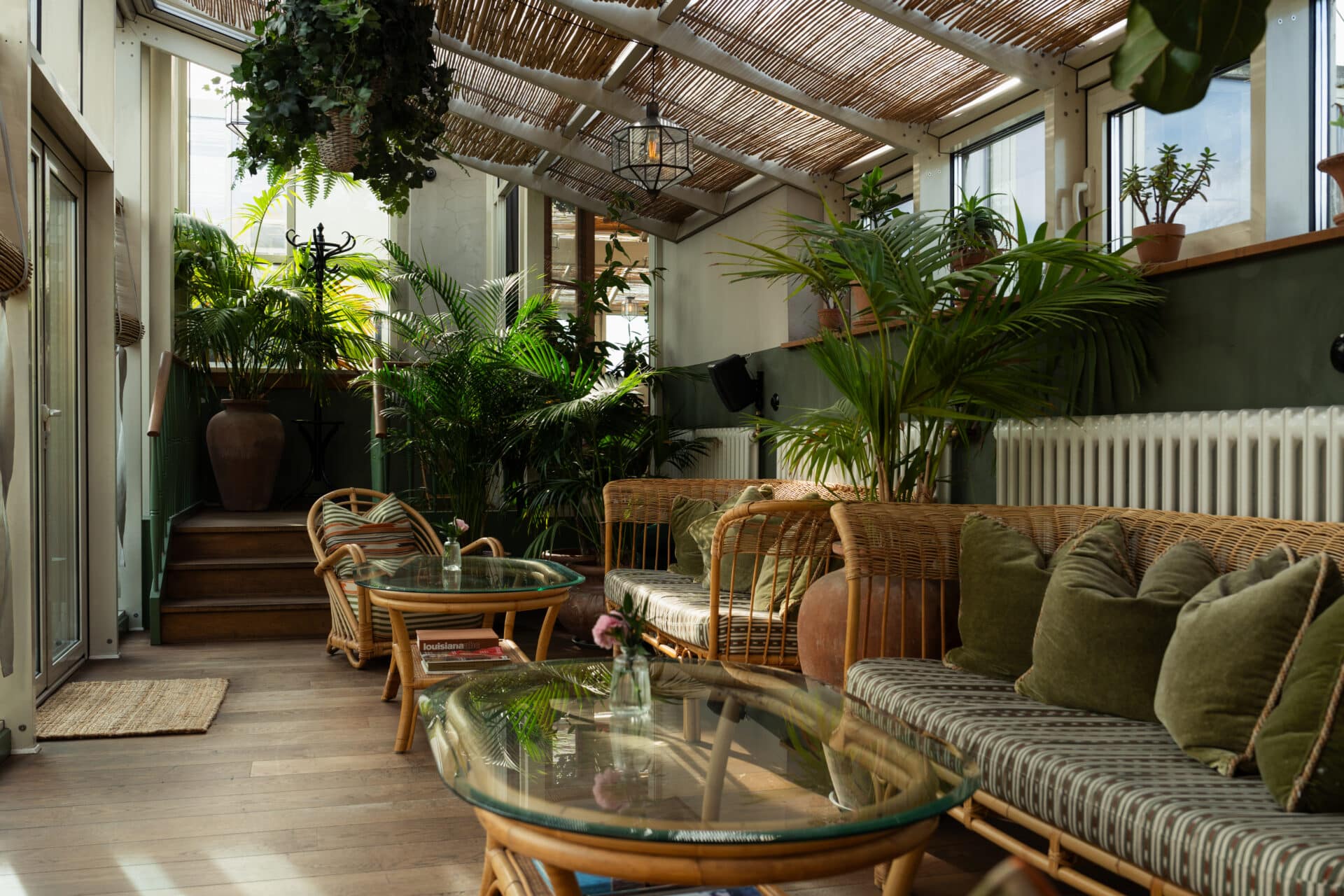
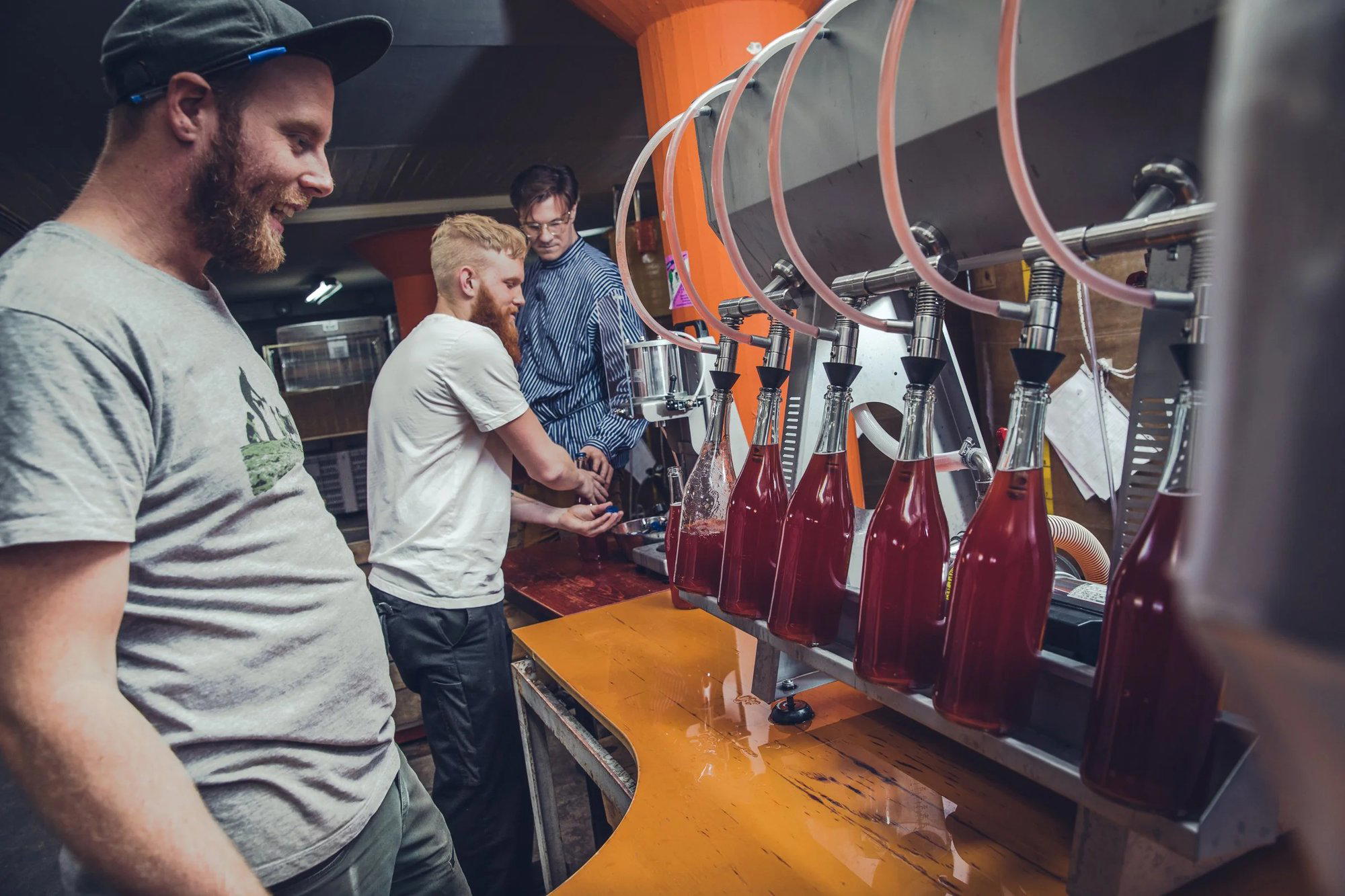
Lively and informal with concrete pillars, an intentionally unfinished industrial aesthetic, and high-energy service; wooden tables, long metal bar, and communal marble-topped seating create a busy social atmosphere.