Brasserie Hugo
Our verdict
Brasserie Hugo serves Mediterranean brasserie cooking with Italian and French influences at Phoenix Copenhagen on Bredgade 37 in Copenhagen, with leisurely pacing and conversational noise.

Pearl is the En Primeur Club membership app — saves, bookings, and concierge access live there. Same editors, same standards.
- Address
- Bredgade 37, 1260 København, Denmark
- Phone
- +4551844258
- Hours
- Mon–Thu 12–11 PMFri–Sat 12 PM–12 AMSun 12–11 PM
- Website
- brasseriehugo.dk
- Directions
- Get directions
- Booking
- Book on the venue's website
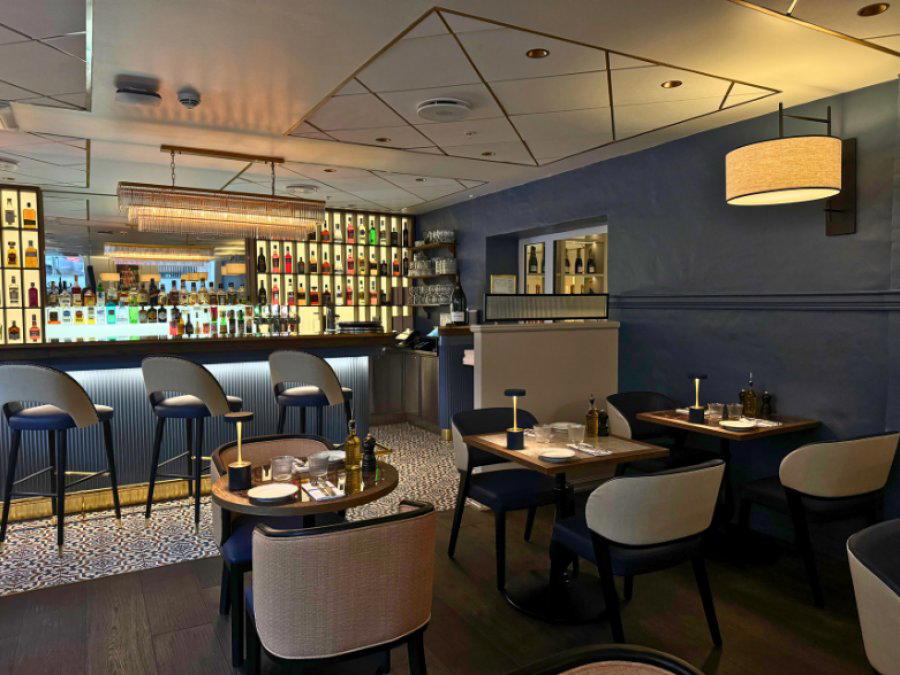
Bredgade, Before the Menu Arrives
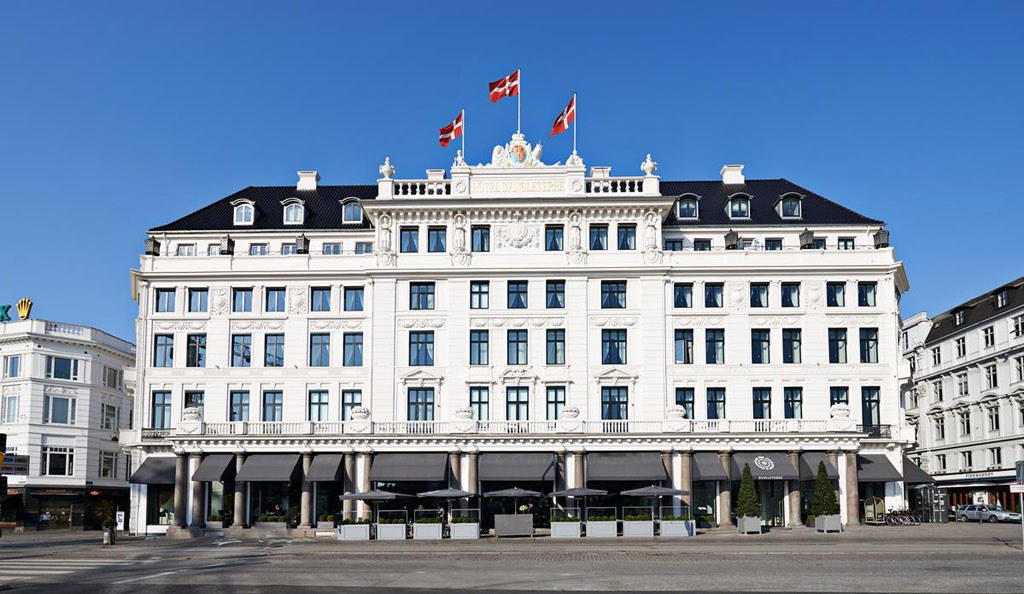
Bredgade is one of Copenhagen's more composed streets: a long, stately corridor running through the Frederiksstaden district, lined with neoclassical facades and embassies, a neighbourhood that was designed to project order rather than invite spontaneity. Arriving at number 37, the building itself participates in that architectural seriousness. What Brasserie Hugo does with the space inside is where the editorial question begins: what does a brasserie format mean in a city that has, over the past two decades, become most legible to the outside world through the language of New Nordic tasting menus and fermentation-led minimalism?
Copenhagen's dining conversation is largely dominated by the long-menu format. Geranium, Noma, Alchemist, Koan, and Kadeau all operate within fixed tasting structures where the kitchen controls sequencing and the diner surrenders choice in exchange for a coherent editorial statement. That format has a logic: it concentrates sourcing, simplifies service, and lets technique accumulate across courses. But it is also a format that requires commitment from the diner: time, price, and appetite for a predetermined narrative.
The brasserie sits at the other end of that spectrum. Its architecture is one of options: a menu organised by section rather than sequence, where the diner assembles an evening rather than receives one. That distinction is not merely logistical. It reflects a different theory of hospitality, one rooted in French and broader European tradition, and it is worth pausing on what that means in a Copenhagen context.
What the Menu Architecture Reveals
The brasserie format, in its French original, was built around availability rather than scarcity. Grand brasseries in Paris and Lyon were designed to serve at volume, at most hours, across a wide register of hunger: a glass of wine and an onion soup, or a full three-course meal anchored by a côte de boeuf. The menu was a catalogue, not a script. That openness was a feature, not a compromise.
Translating that into Copenhagen's current dining climate is an interesting editorial challenge. The city's most-discussed restaurants operate on scarcity: limited seats, long booking windows, fixed prices that commit the diner before they arrive. A brasserie-format venue on Bredgade offers something structurally different. Whether Brasserie Hugo leans into the democratic breadth that defines the format's European heritage, or sharpens it into something more curated, is the question a first visit puts directly in front of you.
The address places it in a part of the city with relatively few destination dining options by Copenhagen standards. Frederiksstaden is a residential and institutional neighbourhood. Visitors to the area tend to come for the Marble Church, the Museum of Art and Design, or the royal palace quarter. A brasserie here is not competing with a dense local restaurant cluster in the way that venues in Vesterbro or the Latin Quarter do. That position, in a neighbourhood that does not organise itself around food, gives it a different role: anchor rather than participant.
Copenhagen's Brasserie Tier in Context
Denmark's most-recognised restaurants in 2024 and 2025 are concentrated at the high-investment tasting-menu end. The country's Michelin-starred restaurants range from Copenhagen's city addresses to regional properties: Jordnær in Gentofte, Frederikshøj in Aarhus, Henne Kirkeby Kro in Henne, Frederiksminde in Præstø, Ti Trin Ned in Fredericia, Dragsholm Slot Gourmet in Hørve, LYST in Vejle, Tri in Agger, Pearl by Paul Proffitt in Kruså, and Syttende in Sønderborg. That geographic spread reflects how Danish fine dining has moved beyond Copenhagen, but the capital remains the reference point.
Within Copenhagen itself, the gap between the tasting-menu tier and casual neighbourhood eating has historically been wider than in Paris, London, or New York, cities where brasseries and bistros provide a substantial middle layer. The brasserie format, in this context, occupies a structural role in the Copenhagen dining market that it fills almost by default: a place where the menu stays open, booking pressure is lower than at the city's twelve-seat omakase equivalents, and the evening can expand or contract depending on what the diner wants from it. Comparable formats in other markets, from Le Bernardin in New York City to Lazy Bear in San Francisco, demonstrate how the question of format and menu structure plays out differently in each city's dining culture.
Reading Brasserie Hugo Against That Pattern
Bredgade 37 positions Brasserie Hugo in a part of Copenhagen that rewards a specific kind of visitor: someone who has already worked through the tasting-menu circuit, or someone who wants a dining option that does not require a multi-month booking window or a fixed-price commitment. The name itself signals intent. Brasserie, not bistro, not restaurant. The French-derived label carries specific expectations around menu breadth, service rhythm, and the relationship between food and the broader act of spending an evening in a room.
Visitors planning a Copenhagen itinerary should consult our full Copenhagen restaurants guide for up-to-date coverage across price tiers and formats.
Know Before You Go
- Address: Bredgade 37, 1260 København, Denmark
- Neighbourhood: Frederiksstaden, Copenhagen
- Format: Brasserie (European menu structure; section-based, not fixed tasting sequence)
- Price tier: Not confirmed; verify on arrival or via direct enquiry
- Awards: No Michelin stars or major guide recognition currently verified by EP Club
- Dress code: Not confirmed; smart-casual is consistent with the neighbourhood and format
- Hours: Not confirmed; verify before visiting
Frequently asked questions
What part of town is Brasserie Hugo in?
Brasserie Hugo is located at Bredgade 37, 1260 København, Denmark, Copenhagen.
How does Brasserie Hugo fit into Copenhagen's dining scene beyond New Nordic?
Copenhagen's most-discussed restaurants in 2024 and 2025 are concentrated at the tasting-menu end of the market, which makes a brasserie-format venue on Bredgade 37 a structurally different proposition: flexible ordering, no fixed sequence, and a format rooted in French and broader European tradition. For visitors who have already covered the city's tasting-menu circuit, or who prefer à la carte flexibility, Frederiksstaden's Brasserie Hugo occupies a distinct and relatively uncrowded position in the city's restaurant offer.
What do people recommend at Brasserie Hugo?
EP Club does not publish dish recommendations without verified sourcing. The brasserie format, which Brasserie Hugo follows at Bredgade 37, typically organises menus by section rather than a fixed sequence, giving diners the option to eat lightly or across multiple courses.
Do they take walk-ins at Brasserie Hugo?
Brasseries as a format have historically accommodated walk-ins more readily than tasting-menu restaurants, and Copenhagen's Bredgade corridor tends to see lower foot-traffic pressure than the central tourist zones. Contacting the venue directly before arriving is the safest approach, particularly for larger groups or weekend evenings.
What do critics highlight about Brasserie Hugo?
No named critical reviews or confirmed awards are held in EP Club's verified records for Brasserie Hugo at this stage. What can be said with confidence is that the venue's address on Bredgade, in Copenhagen's Frederiksstaden district, places it within a neighbourhood associated with considered, longer-established institutions rather than trend-driven openings.
Is Brasserie Hugo allergy-friendly?
No allergy or dietary accommodation data is currently verified by EP Club for Brasserie Hugo. Danish law requires all restaurants to provide allergen information on request, so the venue is legally obligated to assist at Bredgade 37 in Copenhagen. Guests with specific requirements should check the venue's official channels ahead of their visit.
Price Lens
| Venue | Cuisine | Price | Awards | Notes |
|---|---|---|---|---|
| Brasserie HugoThis venue — the venue you are viewing | Mediterranean Brasserie with Italian & French Influences | $50–100 | Not listed | Not listed |
| Geranium | Modern New Nordic Pescatarian | $500+ | 3 Michelin Stars · World's 50 Best #1 | New Nordic, Creative |
| Noma | New Nordic Fine Dining | $300–500 | 3 Michelin Stars · World's 50 Best #1 | Creative |
| Alchemist | Avant-Garde Molecular Gastronomy with Social Commentary | $500+ | 2 Michelin Stars · World's 50 Best #5 | Progressive, Creative |
| Koan | Modern Korean-Nordic Fine Dining | $300–500 | 2 Michelin Stars · World's 50 Best #91 | New Nordic, Kaiseki, Creative |
| a|o|c | Modern Scandinavian Fine Dining | $300–500 | 2 Michelin Stars · La Liste Top Restaurants | New Nordic, Mediterranean Small Plates, Creative |
Continue exploring
More in Copenhagen
Restaurants in Copenhagen
Browse all →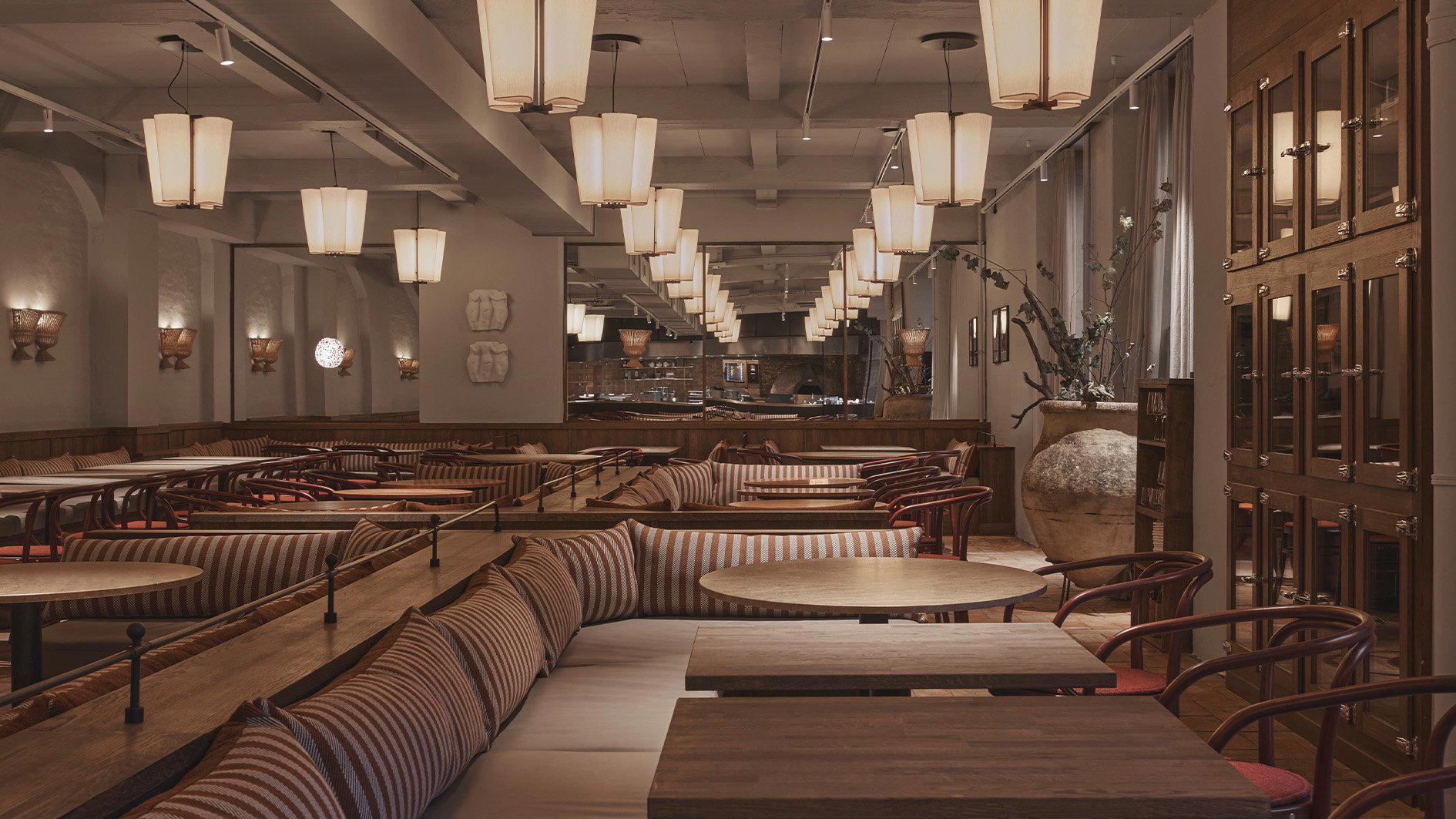
Bars in Copenhagen
Browse all →
Hotels in Copenhagen
Browse all →

Details
- Elegant
- Modern
- Sophisticated
- Cozy
- Date Night
- Business Dinner
- Group Dining
- Special Occasion
- Hotel Restaurant
- Private Dining
- Local Sourcing
- A La Carte
- Wine
- Vegetarian Friendly
Current opening hours
- Monday
- 12–11 PM
- Tuesday
- 12–11 PM
- Wednesday
- 12–11 PM
- Thursday
- 12–11 PM
- Friday
- 12 PM–12 AM
- Saturday
- 12 PM–12 AM
- Sunday
- 12–11 PM
Hours can change for holidays and private events. Last verified .
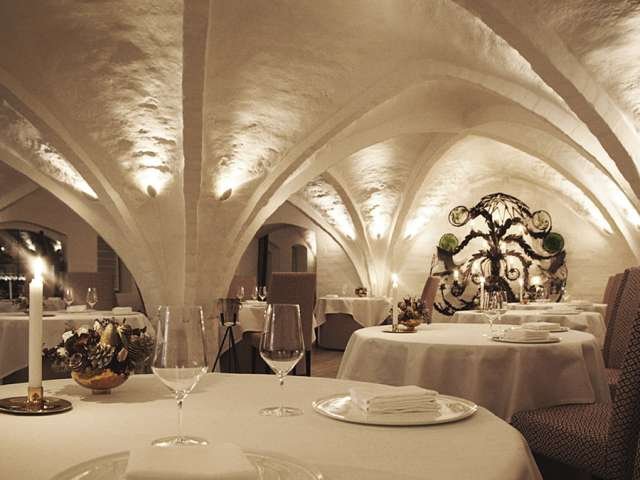
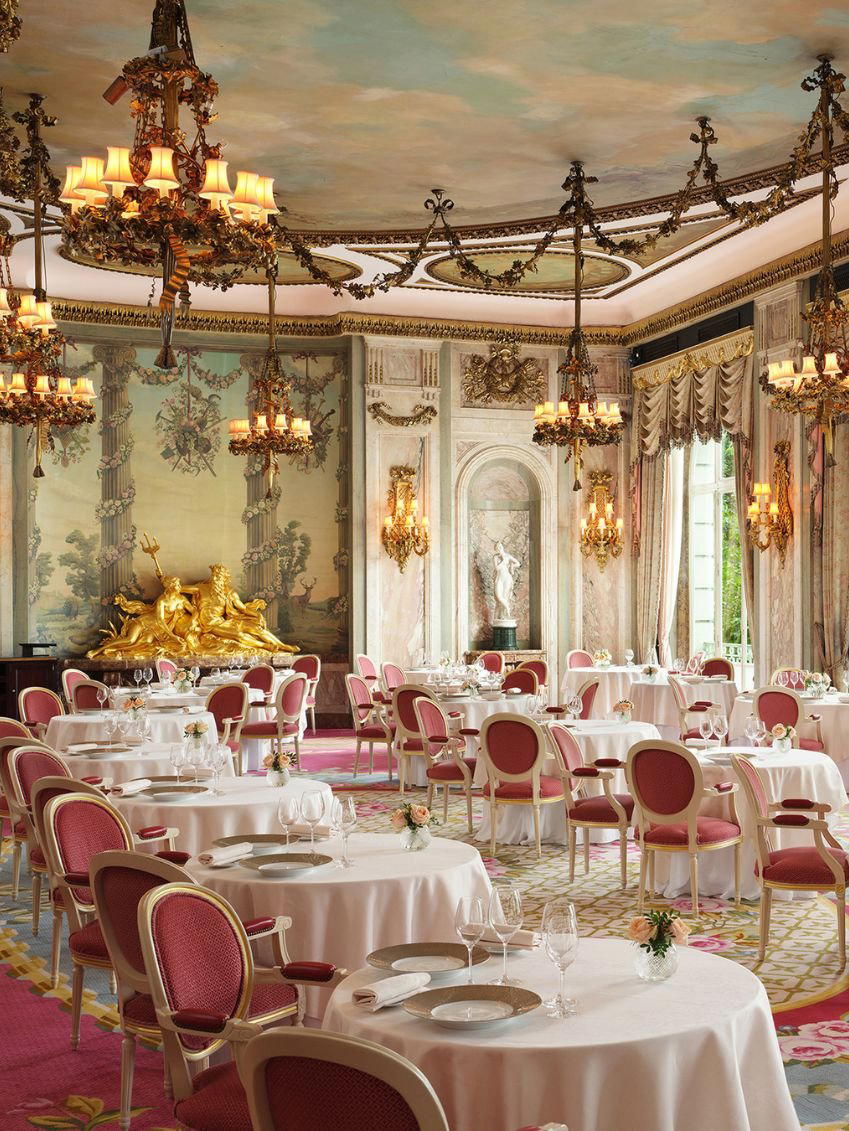
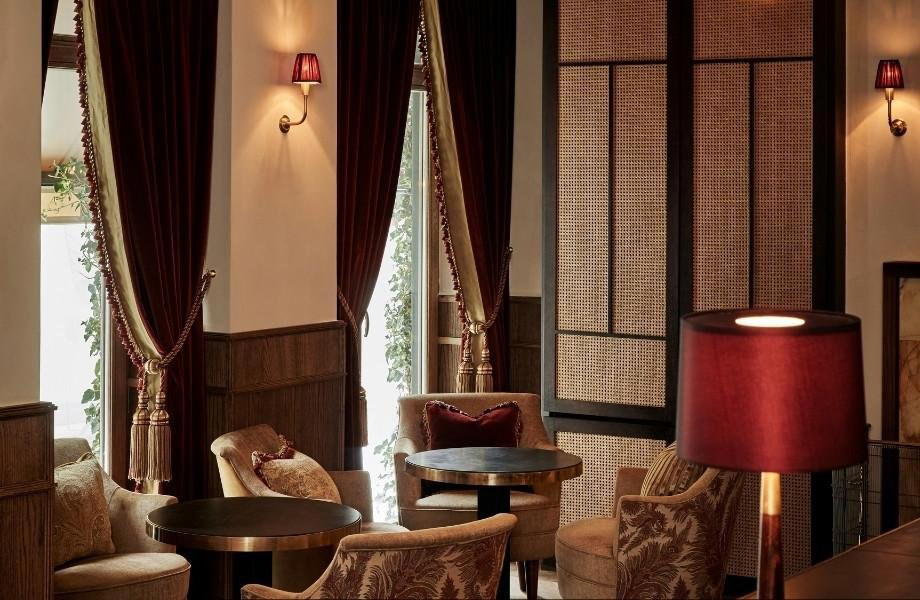
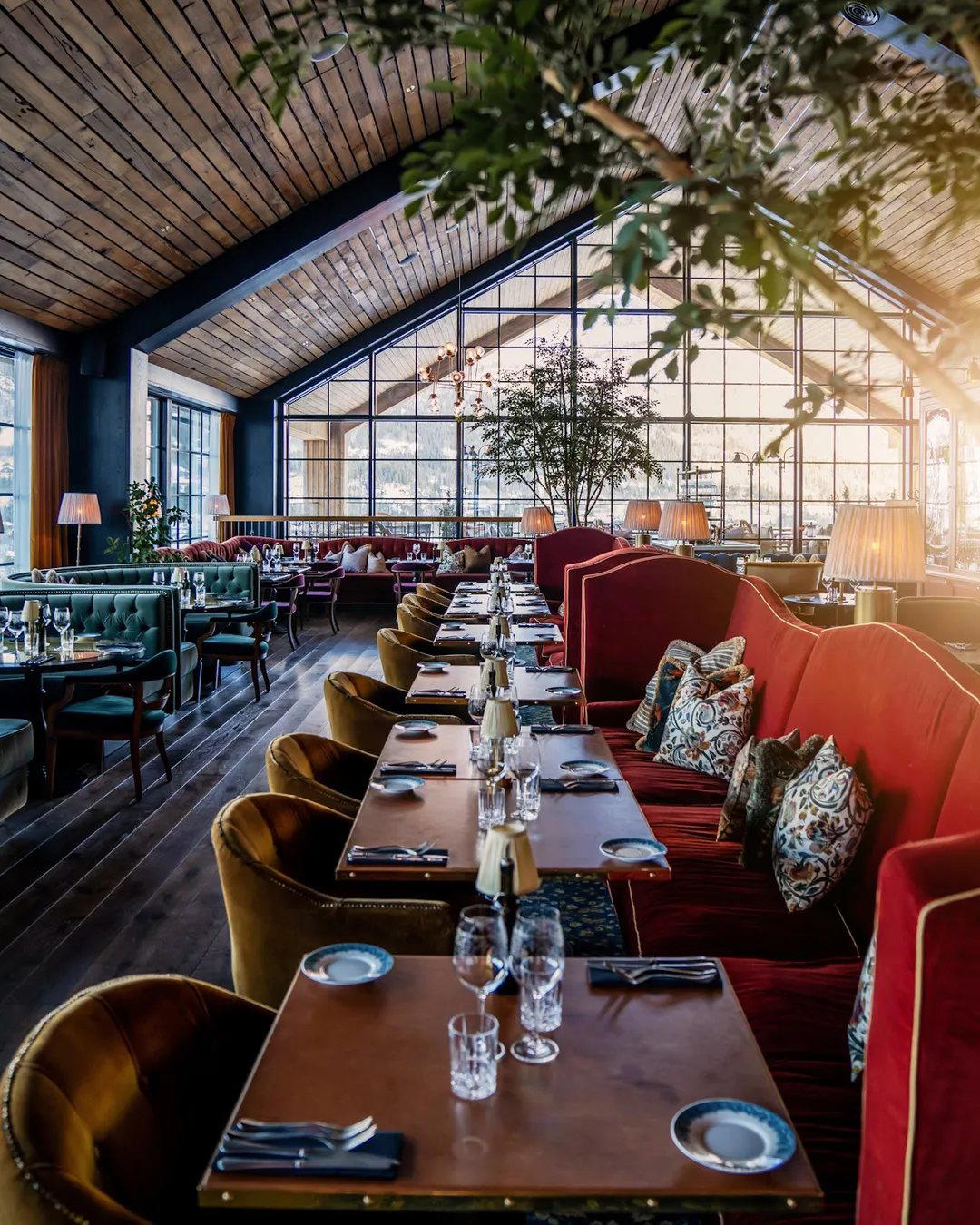
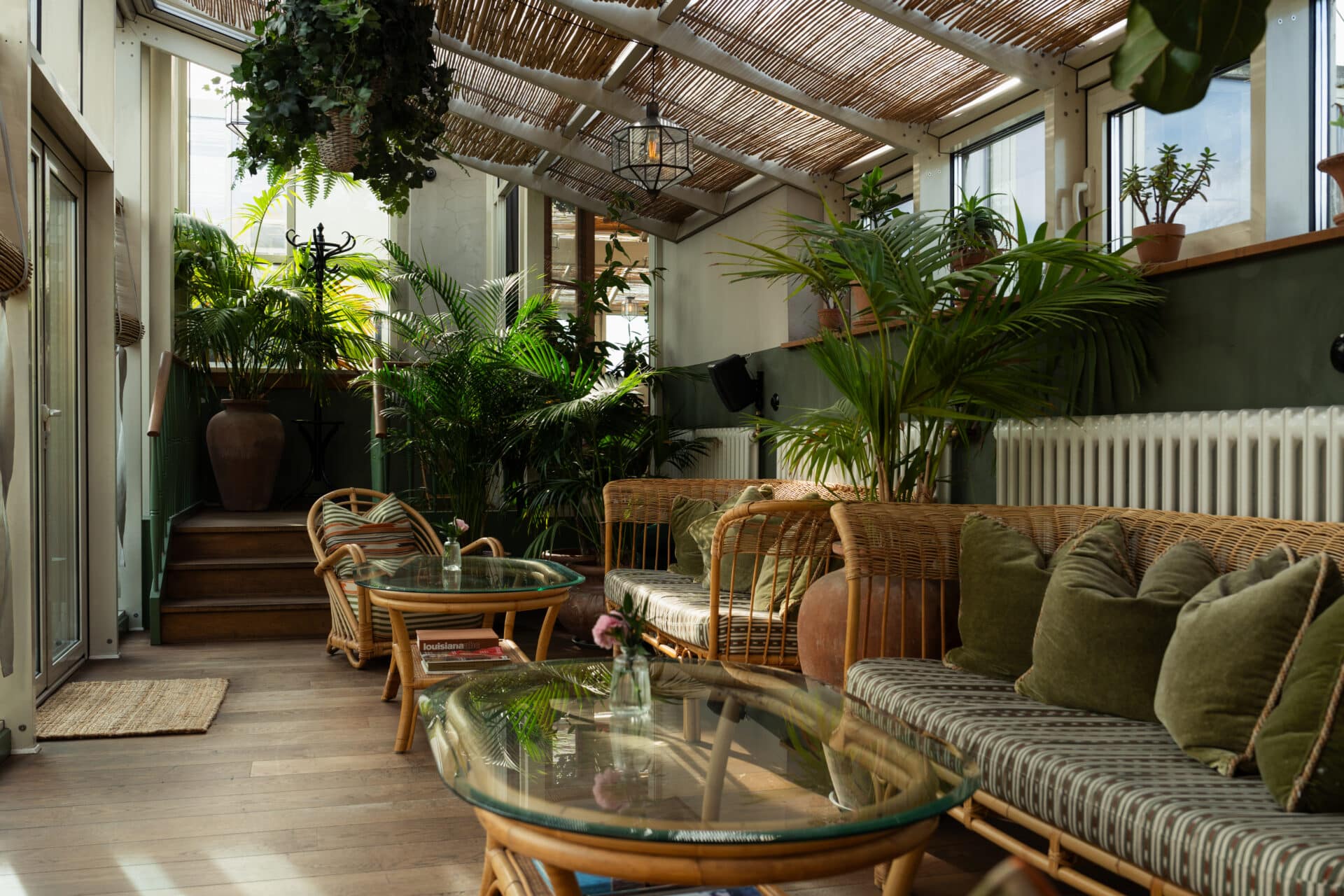
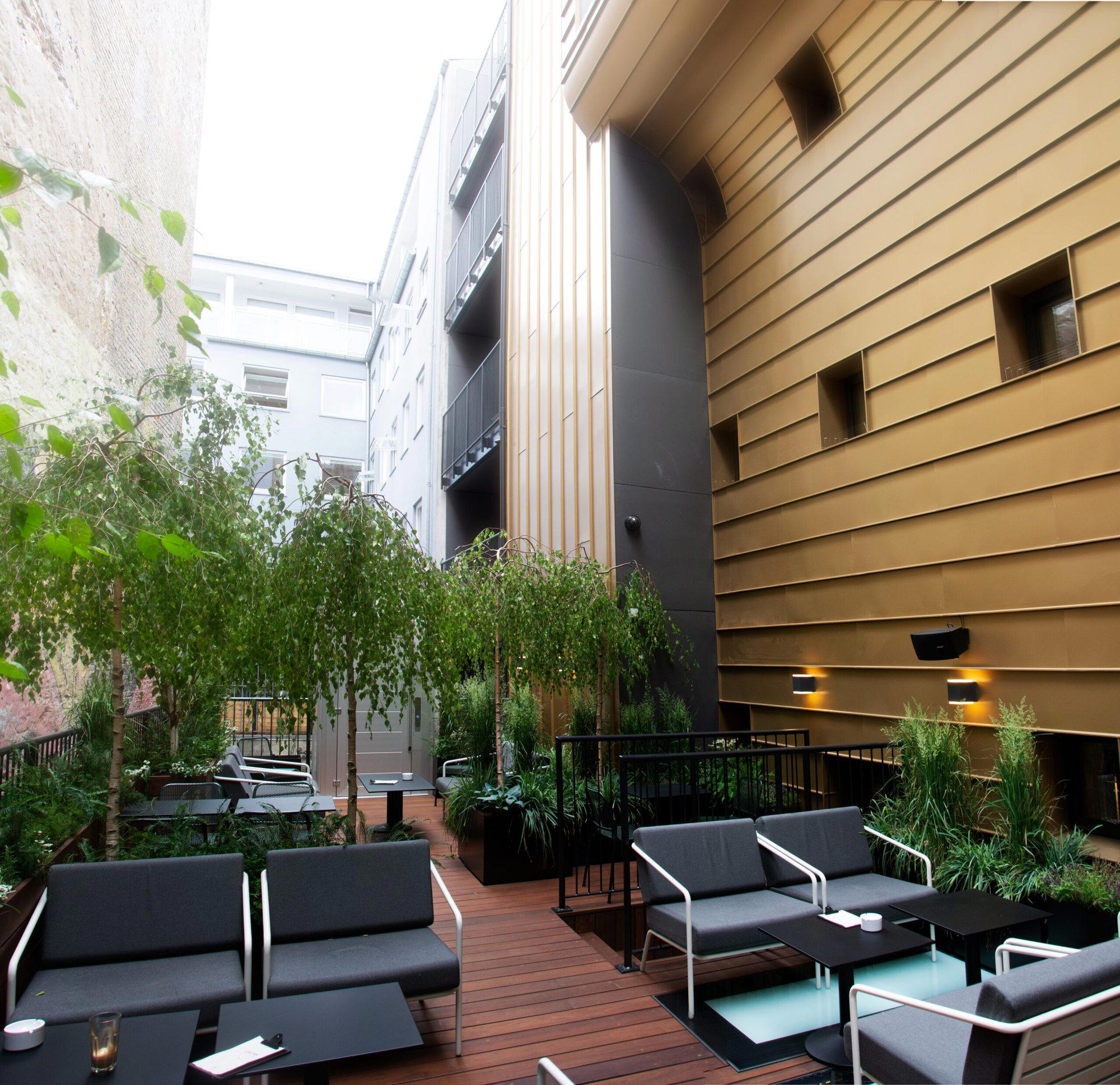
Elegant and refined with classic brasserie styling, muted tones, and attention to detail creating an exclusive, warm atmosphere.