Boqueria Seaport
Boqueria Seaport brings the communal energy of Barcelona's tapas tradition to Boston's waterfront district at 25 Thomson Place. The format centers on shared plates and a convivial bar culture that sits closer to the Spanish original than most American interpretations. It reads as a sociable alternative to the Seaport's seafood-heavy dining corridor.
Pearl is the En Primeur Club membership app — saves, bookings, and concierge access live there. Same editors, same standards.
- Address
- 25 Thomson Pl, Boston, MA 02210
- Phone
- +18574910857
- Website
- boqueriarestaurant.com
- Directions
- Get directions
 Saves & bookings on Pearl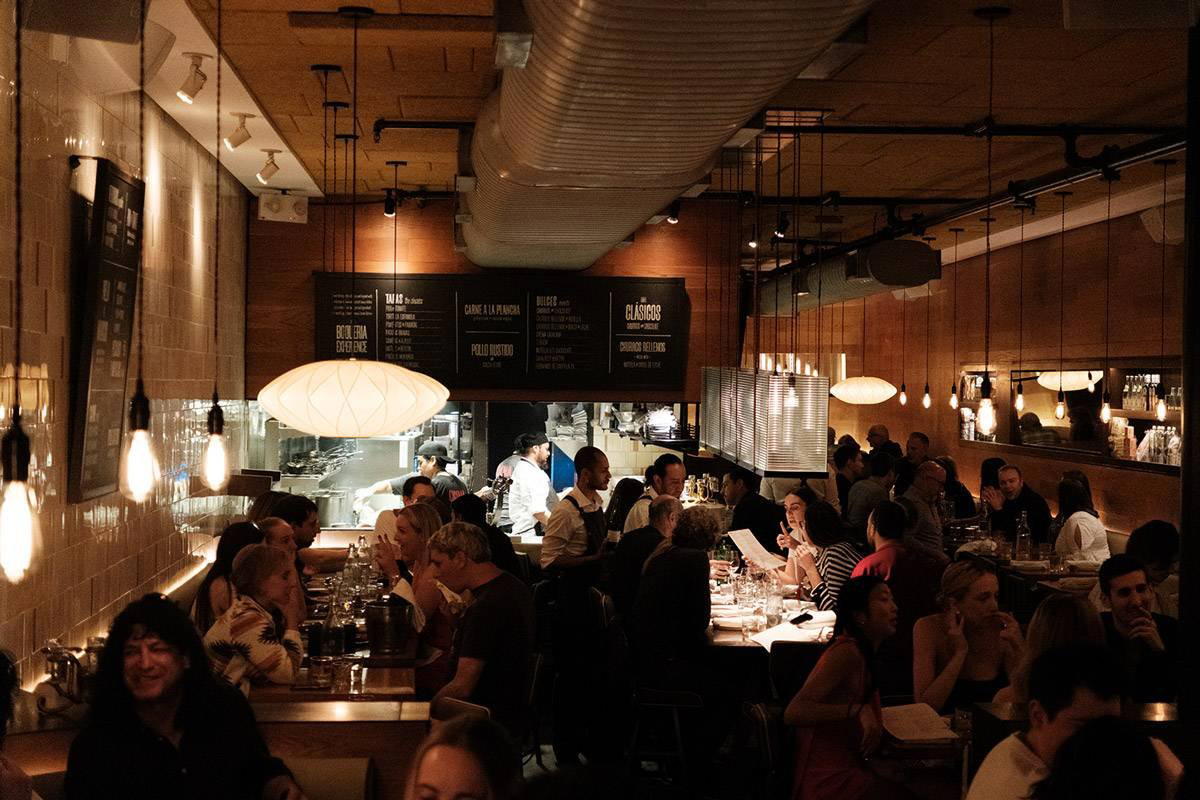
Seaport's Spanish Counter: Where Communal Eating Meets the Waterfront
Boston's Seaport District has spent the better part of a decade shedding its convention-center awkwardness and developing an actual dining identity. The waterfront corridor now runs from raw bar institutions like 75 on Liberty Wharf and the historic rooms of 1928 Rowes Wharf through to more format-driven spots that pull a different kind of crowd. Inside that mix, Boqueria Seaport at 25 Thomson Place occupies a distinct register: a Spanish tapas format in a neighborhood that still leans heavily on New England seafood and steakhouse conventions like those at Abe & Louie's. The contrast is part of the point.
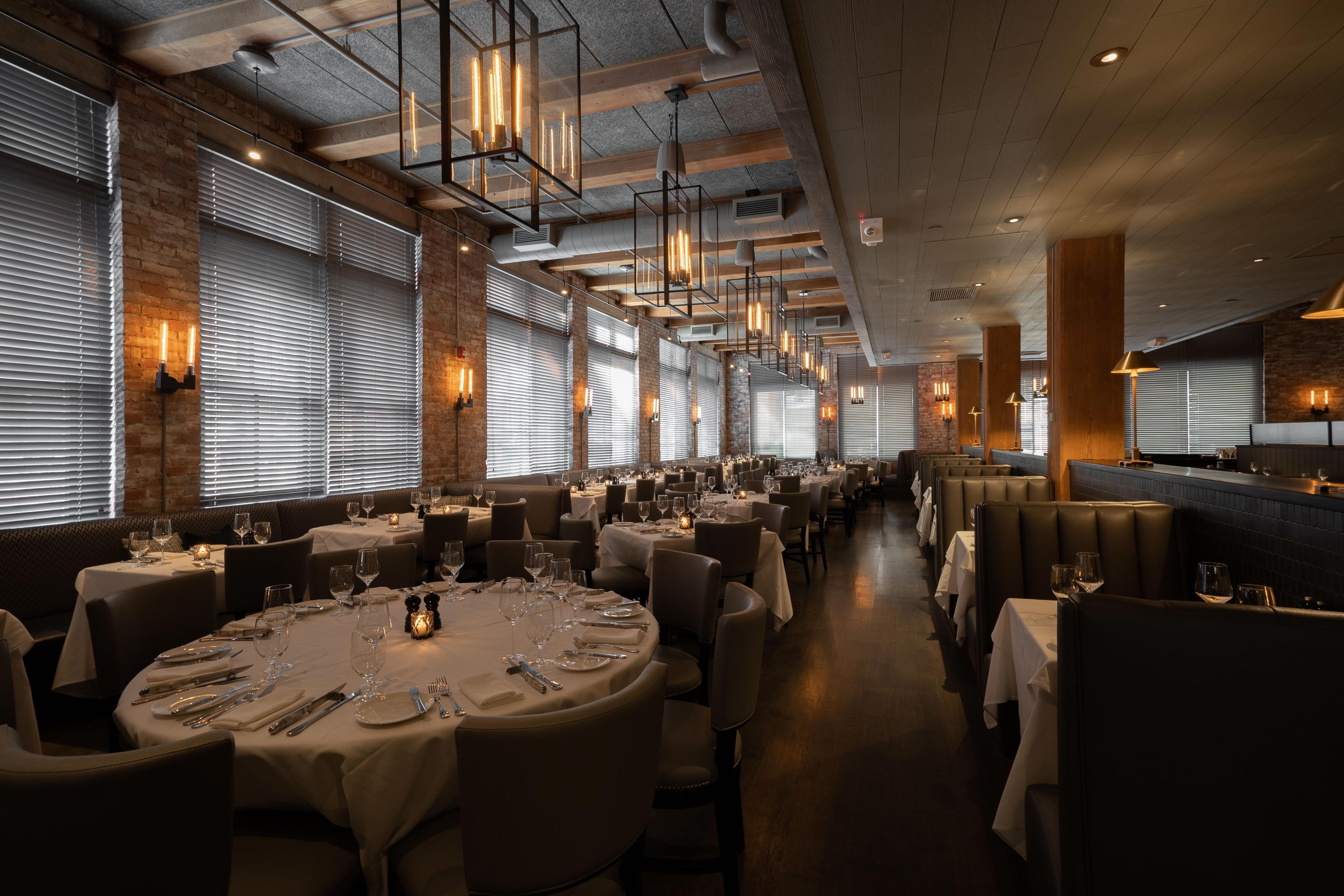
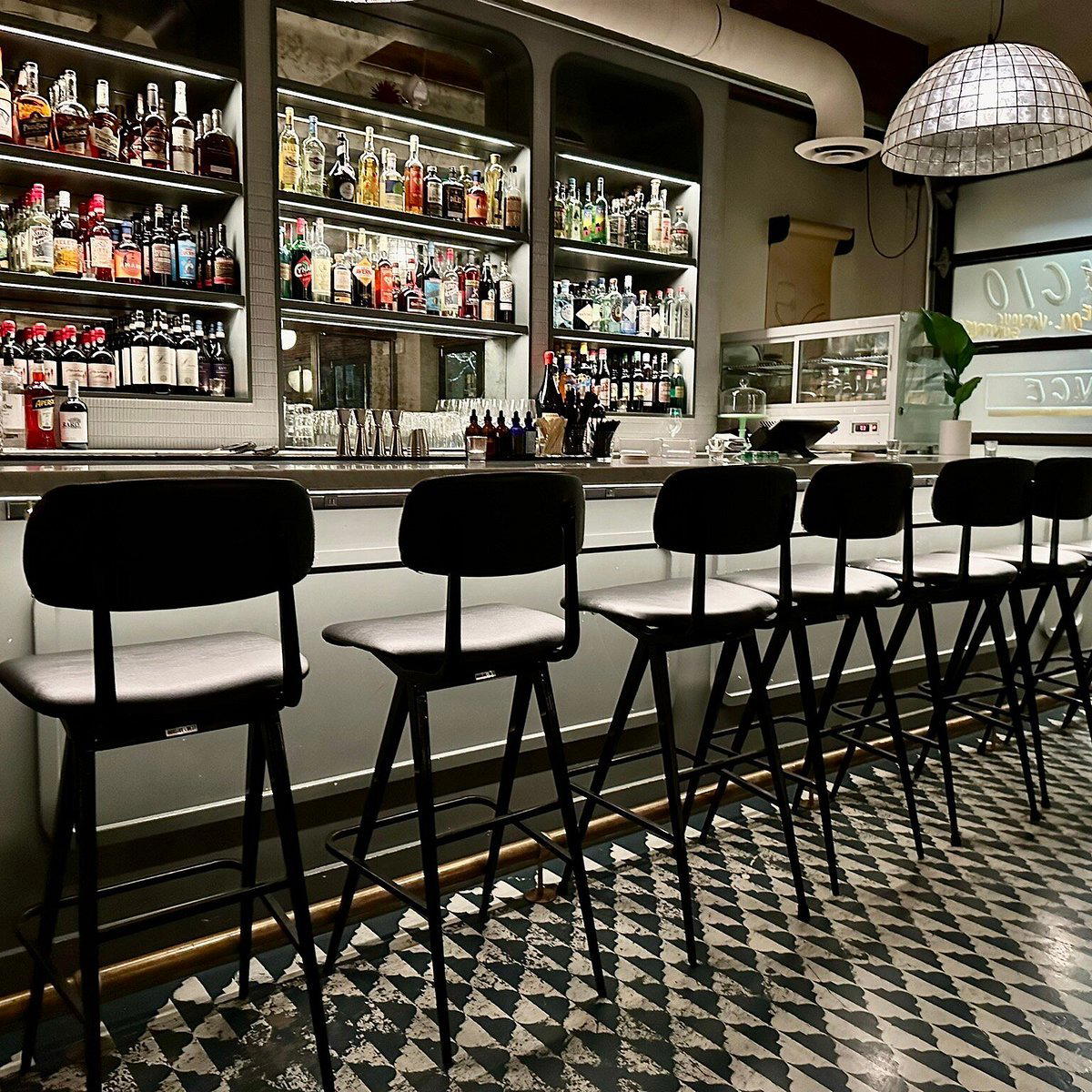
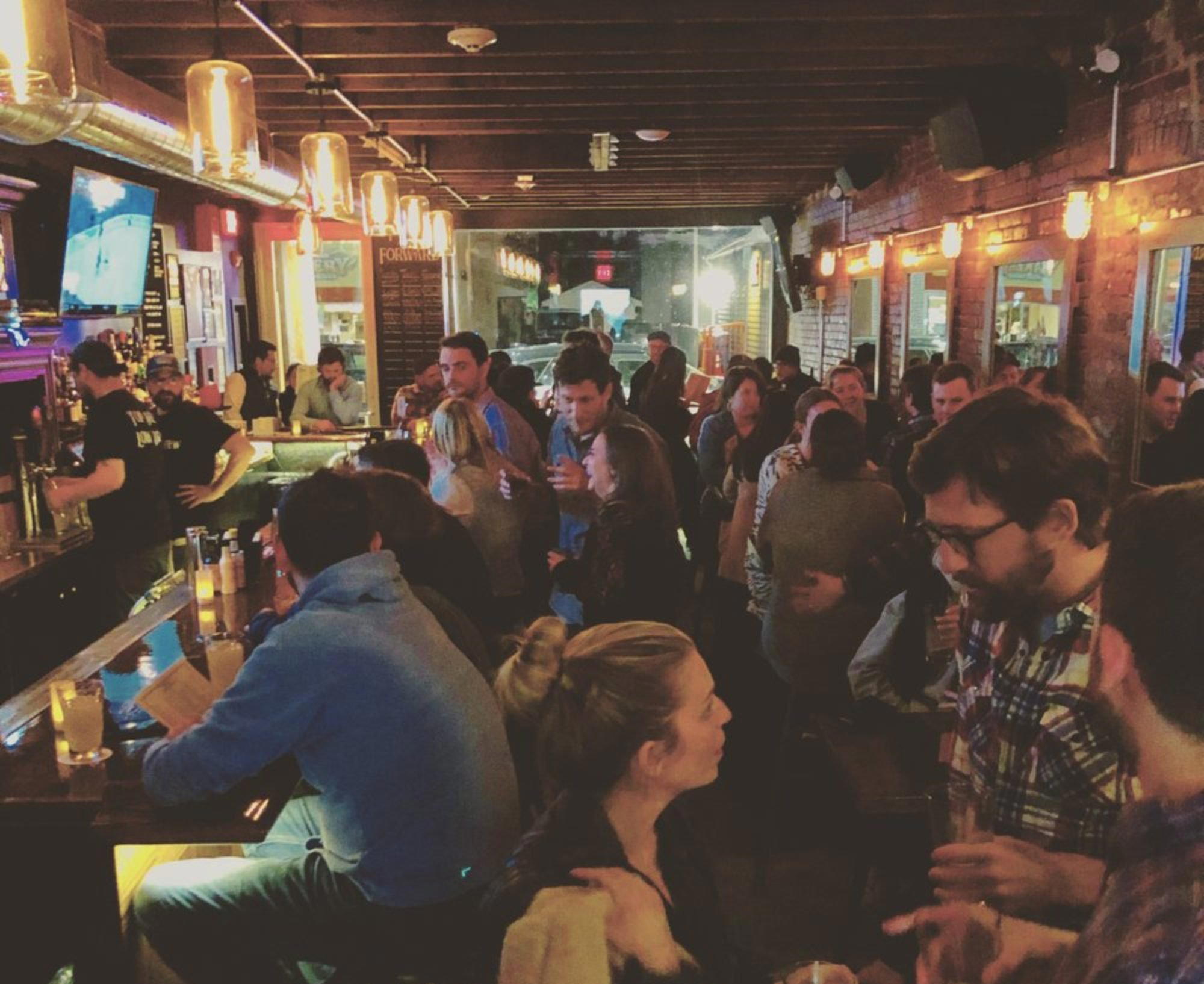
Walking into the space, the sensory cues shift quickly from the waterfront's gray steel-and-glass vernacular. The room is warmer, louder in the right way, and organized around the logic of a Spanish bar: an animated counter, close tables designed for sharing, and a pace that doesn't align with the American habit of sequential courses. The format is built for groups who graze rather than diners who progress, and the noise level reflects that social contract. It reads as intentional rather than accidental.
The Tapas Tradition and What It Demands in Translation
The Spanish tapas format is among the more frequently misread templates in American restaurant culture. In its original Barcelona and Madrid expressions, the small-plates model is less about variety for its own sake and more about a specific relationship between food, drink, and time. Dishes arrive when they're ready, wine and vermouth anchor the table, and the expectation of a finite meal gives way to something more elastic. The format depends on sourcing discipline and kitchen timing more than it does on spectacle.
American tapas restaurants have a variable record on this. Many drift toward a high-volume small-plates operation that looks Spanish in menu layout but functions more like a shared-appetizer format with higher ticket counts. The better-executed versions maintain the bar-forward culture, keep portion logic honest, and let the sourcing carry the argument. Boqueria, as a multi-city brand, sits in the more credible end of that spectrum for American interpretation. It operates with enough understanding of the Barcelona template that the format feels cohesive rather than decorative.
The city's dining scene has genuine depth in Japanese formats (see 311 Omakase), strong tasting-counter options like Agosto with its Portuguese-inspired chef's counter, and reliable neighborhood anchors. What it has historically lacked is a well-capitalized Spanish bar that operates with the same format confidence you'd expect in New York or Chicago. Boqueria Seaport addresses that absence directly.
Sourcing, Seasonality, and the Ethics of Small-Plate Cooking
The sustainability argument for tapas-format restaurants is less obvious than it is for farm-to-table tasting menus, but it's worth making. The small-plates model, when executed with discipline, creates a structural incentive to source more precisely. Smaller portions require less of any single ingredient, which in practice means kitchens can afford higher-quality, more responsibly produced inputs without the economics becoming unworkable. The model also reduces plate waste when communal sharing is the actual operating logic rather than a marketing label.
Across the wider conversation about ethical sourcing in restaurants, the comparison tier for this kind of work includes places where sourcing is the explicit editorial identity: Blue Hill at Stone Barns in Tarrytown, Single Thread Farm in Healdsburg, and Smyth in Chicago all operate with sourcing as a primary organizing principle. Boqueria is not in that category. It is a hospitality-focused tapas operation, not a manifesto. But the format carries inherent efficiencies that matter when thinking about what responsible casual dining looks like at a neighborhood scale.
The Seaport location specifically benefits from Boston's proximity to serious regional producers. New England's fishing grounds, dairy farms, and growing network of vegetable producers have raised the baseline quality available to kitchens at this tier. A Spanish kitchen anchored in coastal New England can draw on Iberian-adjacent traditions in seafood preparation while using local sourcing to ground the menu in place rather than in pure import dependency.
Where Boqueria Seaport Fits in Boston's Wider Dining Map
The honest context for Boqueria Seaport is as a sociable mid-range option in a neighborhood that can be expensive and format-heavy. It is not competing with the precision of 311 Omakase or the structural ambition of Agosto. Nationally, the peer conversation around format-driven, sourcing-conscious restaurants sits with places like Providence in Los Angeles, Lazy Bear in San Francisco, and Addison in San Diego, but those operate in a different tier and with different format ambitions. The closer comparison for the restaurant is within Boston's casual-but-considered middle tier: restaurants where the format is intentional, the sourcing is taken seriously, and the evening is expected to be convivial.
Among Boston's Spanish and Mediterranean options more broadly, Sarma in Somerville has set a high bar for what eastern Mediterranean small-plates cooking can look like with serious kitchen talent behind it. Boqueria operates from a different tradition and a different neighborhood logic, but the comparison is worth holding in mind when calibrating expectations. The Seaport location draws a mix of after-work groups, hotel guests from the adjacent properties, and diners who want something less format-heavy than the tasting-counter options nearby.
Nationally, the broader conversation about sustainability-led restaurant practice is well documented through venues like Atelier Moessmer Norbert Niederkofler in Brunico, Le Bernardin in New York, The French Laundry in Napa, The Inn at Little Washington, Atomix in New York, and Emeril's in New Orleans, each approaching the question from a different cuisine tradition and regional context.
Planning Your Visit
The restaurant is at 25 Thomson Place in Boston's Seaport District, accessible from South Station and the Silver Line waterfront stops. The format works well for groups of three or more who intend to share across the table; solo diners and pairs can seat at the bar and engage the format on smaller terms. The communal logic of tapas means the experience scales with group size in a way that most sequential-format restaurants do not. Reservations are recommended, especially for weekend evenings in the Seaport. Walk-in availability tends to be more accessible on weekday lunches and early weekday evenings.
Category Peers
Comparable venues nearby, for context on price, style, and recognition.
| Venue | Cuisine | Price | Notes |
|---|---|---|---|
| Boqueria SeaportThis venue — the venue you are viewing | Spanish Tapas | $$$ | Not listed |
| Dalia | Modern Spanish Wood-Fired | $$$ | South Boston |
| Row 34 | New England Seafood Raw Bar | $$$ | Fort Point |
| The Red Fox | Classic Italian-American | $$$ | North End |
| Iru | Refined Korean Fine Dining | $$$ | Brookline |
| Sportello | Italian Counter Service | $$$ | Fort Point |
Continue exploring
More in Boston
Restaurants in Boston
Browse all →
Bars in Boston
Browse all →
Hotels in Boston
Browse all →
Wineries in Boston
Browse all →
At a Glance
- Lively
- Trendy
- Modern
- Energetic
- Group Dining
- Brunch
- Date Night
- Celebration
- Waterfront
- Craft Cocktails
- Waterfront
Current opening hours
- Monday
- 11:30 AM–10 PM
- Tuesday
- 11:30 AM–10 PM
- Wednesday
- 11:30 AM–10 PM
- Thursday
- 11:30 AM–10 PM
- Friday
- 11:30 AM–11 PM
- Saturday
- 11 AM–11 PM
- Sunday
- 11 AM–10 PM
Hours can change for holidays and private events. Last verified .
Warm, modern space blending historical red-brick warehouse charm with contemporary vibrancy, busy with after-work crowds and lively group celebrations.