Iru
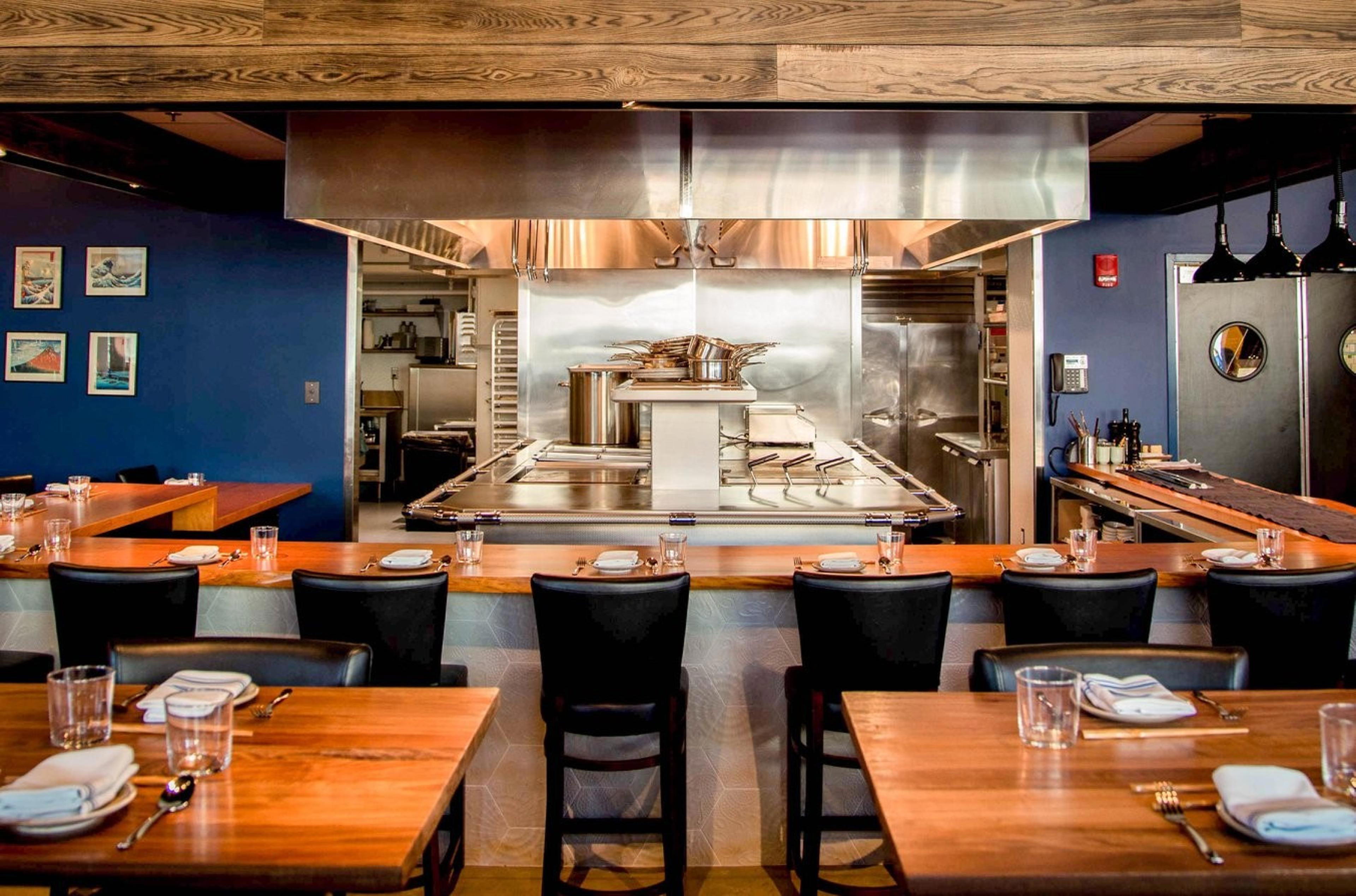
Iru occupies a quiet stretch of Washington Street in Brookline, sitting at the edge of Boston's dining radius in a neighborhood that rewards those who travel past the obvious downtown options. The restaurant's address places it in a residential pocket where daytime and evening service operate on noticeably different rhythms, making the time-of-visit decision as consequential as the reservation itself.
Pearl is the En Primeur Club membership app — saves, bookings, and concierge access live there. Same editors, same standards.
- Address
- 238 Washington St, Brookline, MA 02445
- Phone
- +16173835519
- Website
- instagram.com
- Directions
- Get directions
 Saves & bookings on Pearl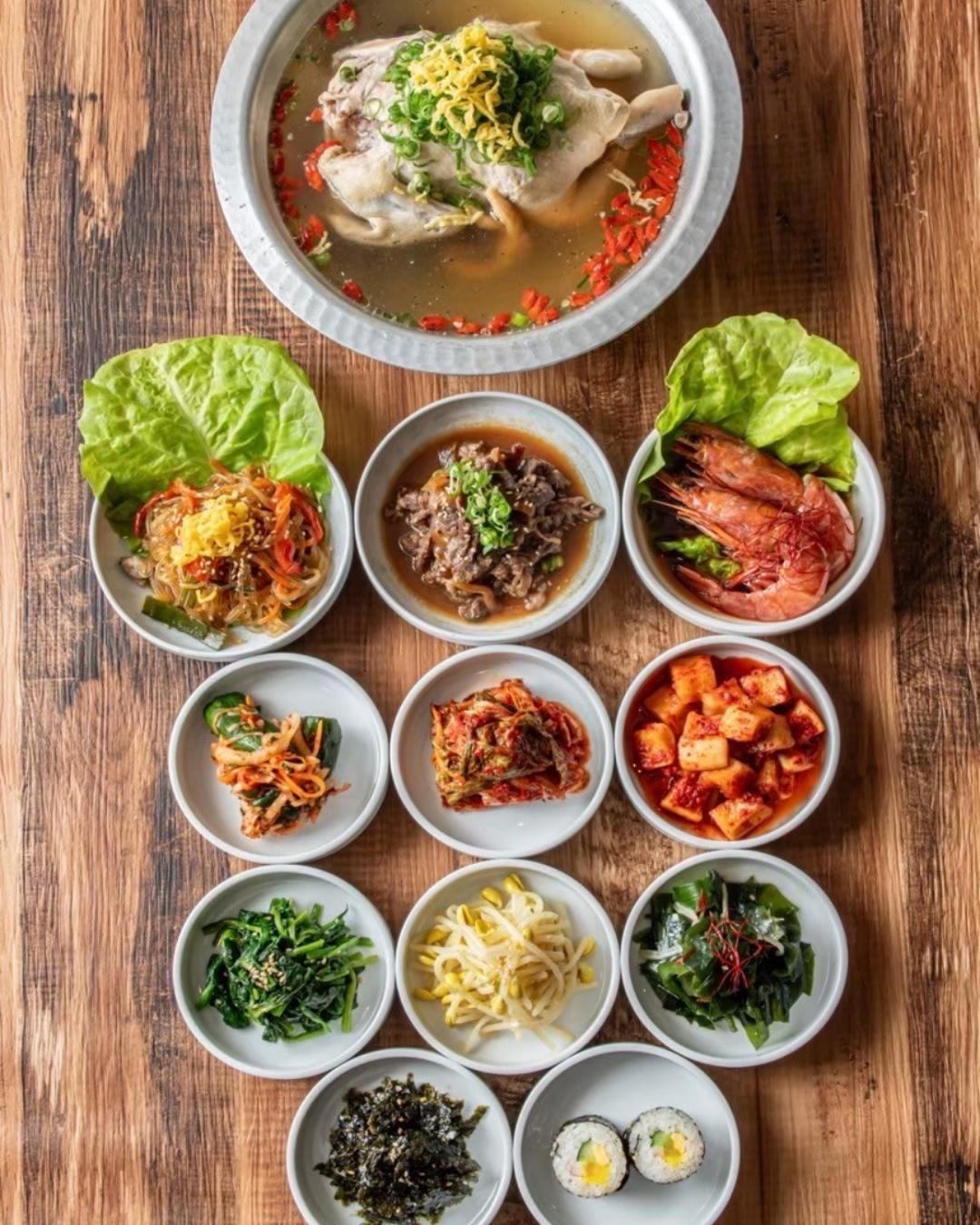
Brookline's Quiet Register
Boston's serious dining conversation has long centered on the Back Bay, the South End, and a handful of Cambridge addresses. Brookline operates on a different register entirely. The neighborhood draws a local clientele rather than a destination crowd, which means restaurants here tend to calibrate their pitch toward regulars rather than visitors checking off a list. Iru, at 238 Washington Street, sits inside that dynamic. The Washington Street corridor in Brookline runs through a residential and commercial mix that feels nothing like the curated density of the Seaport or Newbury Street. Arriving here on foot or by Green Line, the transition from city to neighborhood is immediate and the dining context shifts with it.
That geographic reality shapes how Iru functions at different hours of the day. In cities where restaurant neighborhoods carry their own gravitational pull, a single address can rely on foot traffic and ambient buzz to fill seats across all service windows. In Brookline, the calculus is different. Lunch and dinner here draw on separate motivations, separate moods, and often separate guests.
The Lunch-to-Dinner Shift
The divide between daytime and evening service is one of the more underexamined dimensions of restaurant programming in American cities. At the high-volume end of the market, lunch increasingly reads as an abbreviated version of dinner, with compressed menus and faster table turns. At the neighborhood end, where Iru operates, lunch and dinner can feel like genuinely different propositions anchored to different social contexts.
Daytime service in a neighborhood like Brookline tends to attract local professionals, residents running midday errands, and the kind of unhurried lunch that has largely disappeared from downtown Boston's pace. The surrounding streets include enough residential density and small businesses that a midday meal here carries a different social weight than a comparable reservation in the Financial District. For context, Boston's midday dining at institutions like Bar Mezzana (Italian) or Abe & Louie's (Steakhouse) skews toward expense-account pacing and business-lunch formality. The Brookline version is more relaxed, more local, and generally less pressured on both sides of the pass.
Evening service tilts the equation. Dinner in a neighborhood restaurant demands that the room earn its own destination status, because guests are making a deliberate choice to travel away from Boston's denser dining corridors. Across the city, that pattern has proven sustainable for a handful of Brookline addresses. The evening crowd brings different expectations: more time, more deliberate ordering, and a willingness to sit longer. The neighborhood itself sets up those conditions regardless of programming choices.
Where Iru Sits in Boston's Dining Map
Boston's restaurant field has diversified considerably in the last decade. The city once read as a seafood-and-steakhouse town with a handful of ambitious outliers. That characterization no longer holds. The current dining conversation includes serious Japanese programs at 311 Omakase and Bar Volpe, progressive American work at Asta (New American), and a raw bar tradition anchored by places like Neptune Oyster. Compared with the tasting-menu intensity of venues such as Alinea in Chicago, Atomix in New York City, or The French Laundry in Napa, Boston's top tier has historically operated with a more accessible price floor and less theatrical format architecture. That creates room for neighborhood restaurants like Iru to occupy a meaningful middle ground without competing on the same terms as downtown destination dining.
The Washington Street address puts Iru in the same general orbit as other Brookline options without the direct competitive pressure of the South End's clustered restaurant blocks.
Context Across American Cities
The neighborhood restaurant that earns destination status without downtown visibility is a durable pattern across American dining. In San Francisco, Lazy Bear built its reputation from a format that prioritized intimacy over location signaling. In New Orleans, Emeril's anchored a neighborhood before that neighborhood became a dining district. In New York, Le Bernardin has operated with such consistent critical authority that its Midtown address functions more as a fixed coordinate than a neighborhood identity. Internationally, 8½ Otto e Mezzo Bombana in Hong Kong and Single Thread Farm in Healdsburg each demonstrate that serious dining programs can establish their own gravitational pull regardless of conventional location logic.
Iru's Brookline position follows a version of that pattern at a more local scale. The venue isn't competing against Boston's downtown corridors; it's operating within a neighborhood context where the guest's travel decision is itself a signal of intent.
Planning a Visit
Iru sits at 238 Washington Street in Brookline, accessible via the Green Line's C branch, with Coolidge Corner as the closest major stop. The surrounding neighborhood is walkable, and parking on Washington Street and adjacent residential blocks is generally available outside peak evening hours. For those building a broader Boston itinerary, the full Boston hotels guide, full Boston bars guide, full Boston wineries guide, and full Boston experiences guide cover the city's wider range of options.
Given the lunch-versus-dinner dynamic described above, the timing of a visit to Iru carries practical weight. Midday visits align with the neighborhood's slower pace and are better suited to unhurried meals. Evening reservations reward guests who treat Brookline as a deliberate destination rather than a default option.
Cuisine Lens
Comparable venues nearby, for context on price, style, and recognition.
| Venue | Cuisine | Price | Notes |
|---|---|---|---|
| IruThis venue — the venue you are viewing | Refined Korean Fine Dining | $$$ | Not listed |
| Jinjee | Korean BBQ | $$ | Allston |
| Artisan Bistro | Contemporary American Bistro | $$$ | Downtown Crossing |
| Blue Ribbon Sushi | Premium Omakase Sushi | $$$ | Kenmore |
| Filippo Ristorante | Classic Abruzzese Italian | $$$ | North End |
Continue exploring
More in Boston
Restaurants in Boston
Browse all →
Bars in Boston
Browse all →
Hotels in Boston
Browse all →
Wineries in Boston
Browse all →
At a Glance
- Elegant
- Modern
- Intimate
- Date Night
- Special Occasion
- Standalone
Current opening hours
- Monday
- Closed
- Tuesday
- 5–10 PM
- Wednesday
- 5–10 PM
- Thursday
- 5–10 PM
- Friday
- 5–10 PM
- Saturday
- 5–10 PM
- Sunday
- Closed
Hours can change for holidays and private events. Last verified .
Refined fine dining atmosphere with attentive service.