On Rosenbergerstraße in Frankfurt's city centre, BonVivant Restaurant positions itself within a local fine dining scene that rewards restaurants with clear architectural ambition in their menus. Compared to Frankfurt peers leaning on Mediterranean or international frameworks, BonVivant's name signals a classical European hospitality register, placing it alongside the neighbourhood's more considered dining options.
Pearl is the En Primeur Club membership app — saves, bookings, and concierge access live there. Same editors, same standards.
- Address
- Rosenbergerstraße 4, 60313 Frankfurt am Main, Germany
- Phone
- +491772469222
- Website
- bonvivant-ffm.de
- Directions
- Get directions
 Saves & bookings on Pearl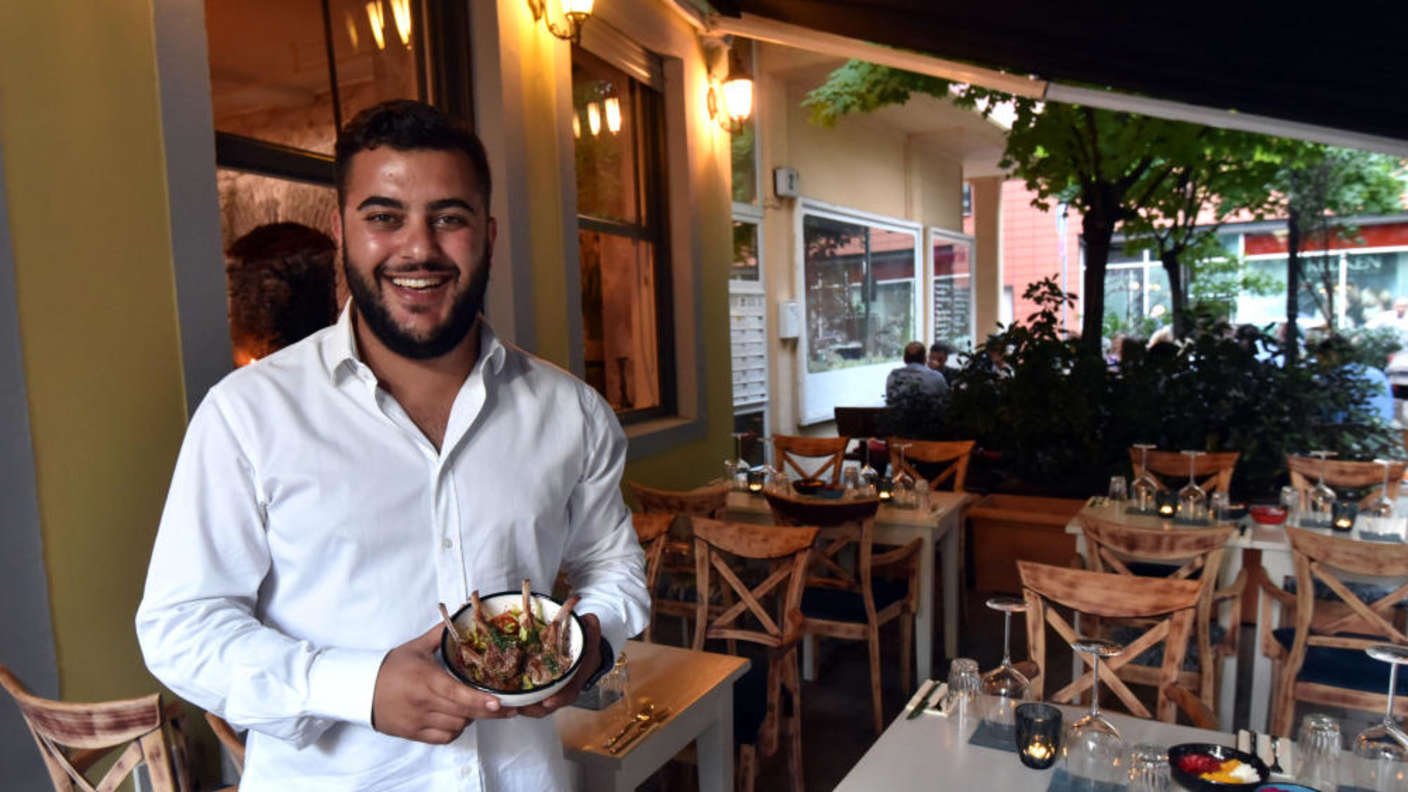
Frankfurt's Fine Dining Grid and Where BonVivant Sits
Frankfurt occupies a particular place in Germany's restaurant hierarchy. It is not Munich, where destination dining has consolidated around a handful of well-capitalized addresses, nor Hamburg, where institutions like Restaurant Haerlin have spent decades building durable reputations on classical French foundations. Frankfurt is a financial city first, which means its restaurant scene has historically served expense-account pragmatism more than gastronomic ambition. That dynamic has shifted over the past decade. A cohort of mid-to-upper tier restaurants has emerged in the city centre and Sachsenhausen districts, filling the gap between hotel dining rooms and the kind of serious tasting-menu formats you find at addresses like JAN in Munich or Aqua in Wolfsburg.
BonVivant Restaurant, at Rosenbergerstraße 4 in the 60313 postal district, operates within that emerging mid-tier. The address places it in the Innenstadt, Frankfurt's commercial and hotel core, within reasonable walking distance of the Hauptwache and the city's principal retail corridors. That neighbourhood context matters: restaurants in this district compete not only with each other but with the dining floors of the city's major business hotels, which means the pressure to offer something architecturally coherent on the plate is real.
Reading the Menu as Structure, Not Just Selection
The name BonVivant carries a specific cultural signal. In classical European hospitality vocabulary, a bon vivant is someone who eats and drinks with knowledge and pleasure, someone whose engagement with a meal is active rather than passive. When a restaurant adopts that name, it makes an implicit promise about how the menu will be built: not as a list of dishes but as a sequenced argument about what good eating looks like in this particular kitchen.
Germany's most architecturally ambitious menus tend to follow one of two models. The first is the long-form tasting structure, where a kitchen exercises maximum control over sequence, pace, and portion, as seen at addresses like Schwarzwaldstube in Baiersbronn or Vendôme in Bergisch Gladbach. The second is the more flexible à la carte or hybrid format, where the kitchen builds dishes with enough internal coherence that a guest can construct their own through-line. Both approaches demand the same thing from a kitchen: that each component earns its position on the menu through function, not decoration.
For a city-centre Frankfurt address trading on a name like BonVivant, the menu architecture question is central to how the restaurant positions itself. Is this a room that asks guests to surrender editorial control to the kitchen, or one that trusts guests to make educated decisions from a structured selection? That distinction shapes everything from price point to service cadence to the kind of wine list the restaurant can credibly support. It also determines who the regular guest is: the power-lunch table that needs to be back in a meeting within ninety minutes, or the couple who has blocked out an evening and wants to be guided through something deliberate.
Frankfurt Peers and the Competitive Frame
The Frankfurt addresses that BonVivant competes with most directly are those operating in the city-centre fine dining register without Michelin hardware to anchor the conversation. Places like Allgaiers Restaurant and Ariston occupy recognizable positions in that tier, as do more format-specific addresses like atm by Deli&Grape; and culturally distinct options like Babam and ALEJANDRO'S. Across this peer group, the differentiating factor is rarely ingredients alone. It is how the kitchen uses menu structure to communicate its point of view.
Germany's national fine dining reference points sit further afield. Victor's Fine Dining by Christian Bau in Perl, ES:SENZ in Grassau, Schanz in Piesport, and Waldhotel Sonnora in Dreis are the addresses that define what the country's highest tier looks like. Frankfurt does not have an equivalent in that bracket currently, which creates a structural opportunity for any city-centre restaurant willing to bring genuine menu discipline to a room that can also handle the operational demands of a business-heavy clientele.
Internationally, the menu-as-architecture question has produced particularly discussed formats of the past decade. Le Bernardin in New York City built its reputation around a menu structured by cooking technique rather than ingredient category. Lazy Bear in San Francisco uses a communal tasting format where sequence and narrative are inseparable from the food itself. CODA Dessert Dining in Berlin inverts the conventional menu entirely, building savoury thinking into a dessert-led structure. These are extreme examples, but they illustrate the principle: menu architecture is not neutral. It reveals what a kitchen believes about the relationship between food, time, and the guest.
Planning a Visit to Rosenbergerstraße 4
BonVivant Restaurant sits in the heart of Frankfurt's Innenstadt, an area well served by the city's U-Bahn network, with Hauptwache and Konstablerwache stations within comfortable walking distance. The 60313 postcode is a dense commercial district, which means parking is limited and public transit is the more practical approach for most guests. The restaurant is recommended for reservations and is closed on Monday; it serves Tuesday through Thursday and Sunday from 5 to 11 PM, and Friday and Saturday from 5 PM to midnight.
Compact Comparison
Comparable venues nearby, for context on price, style, and recognition.
| Venue | Cuisine | Price | Notes |
|---|---|---|---|
| BonVivant RestaurantThis venue — the venue you are viewing | Roemerberg, Mediterranean Grill | $$$ | Not listed |
| Restaurant Classico | Not listed | $$$ | Goethehaus, Authentic Mediterranean Seafood |
| Die Leiter | Not listed | $$$ | Roemerberg, Mediterranean-European Bistro |
| Ranch & Sea steak of the art | Not listed | $$$ | Goethehaus, American Steakhouse & Barbecue |
| Tonka | Messegelande, Regional Vegan German | $$$ | Not listed |
| Lazuli | Not listed | $$$ | Roemerberg, Mediterranean Small Plates & Craft Cocktails |
Continue exploring
More in Frankfurt
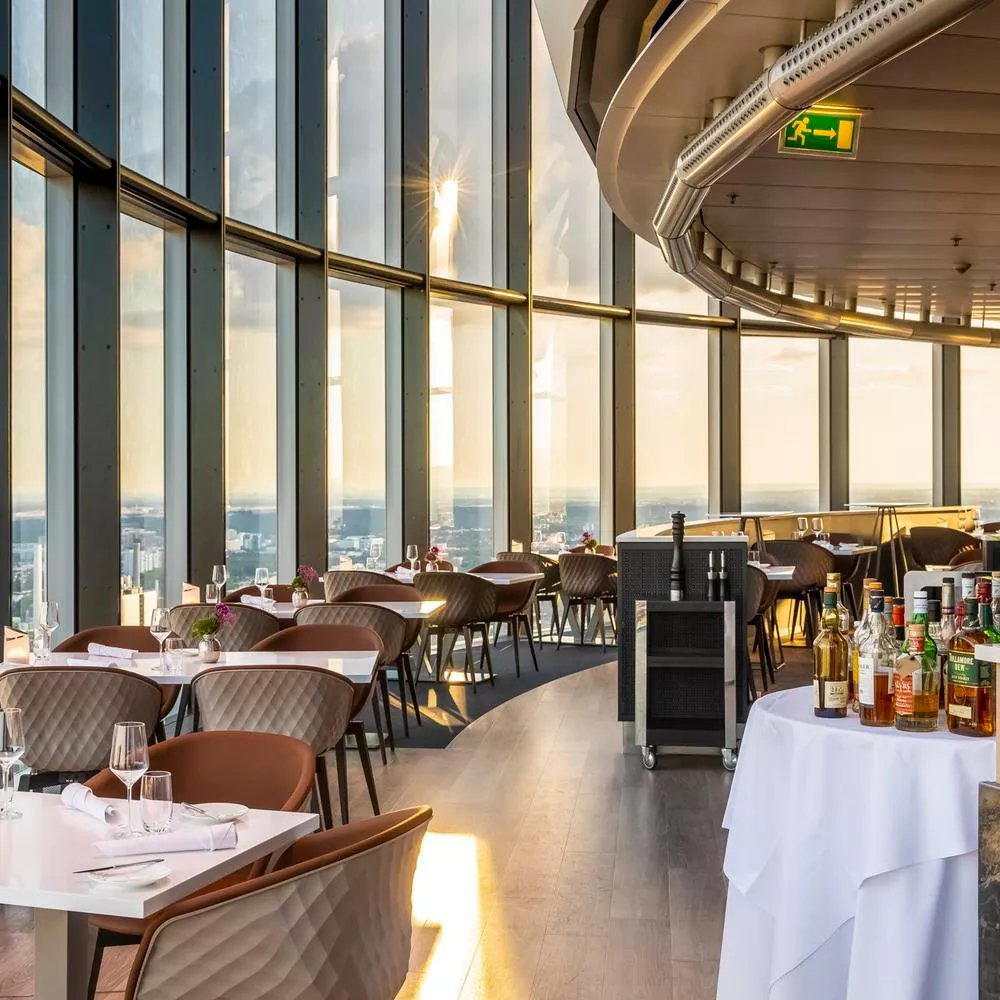
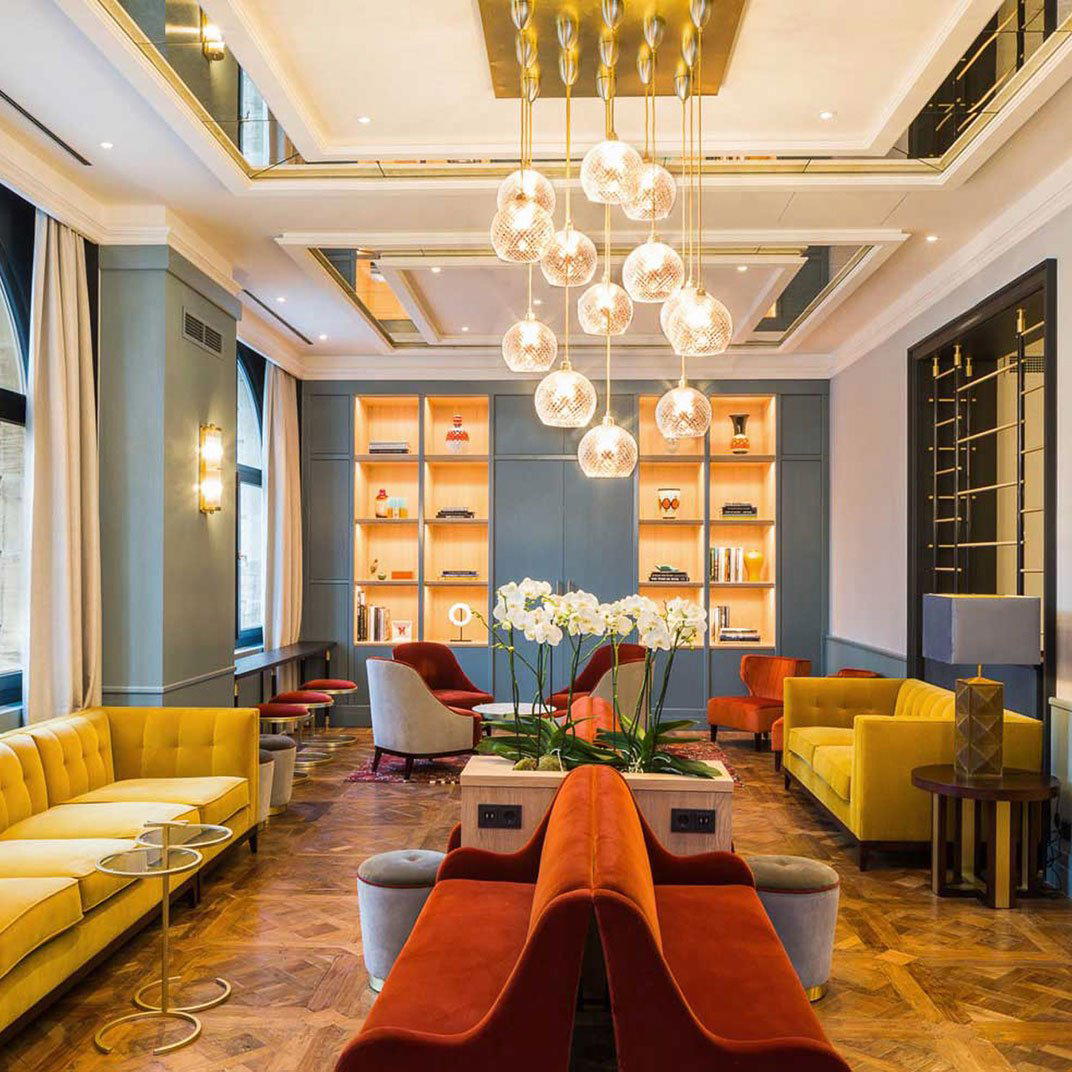
Restaurants in Frankfurt
Browse all →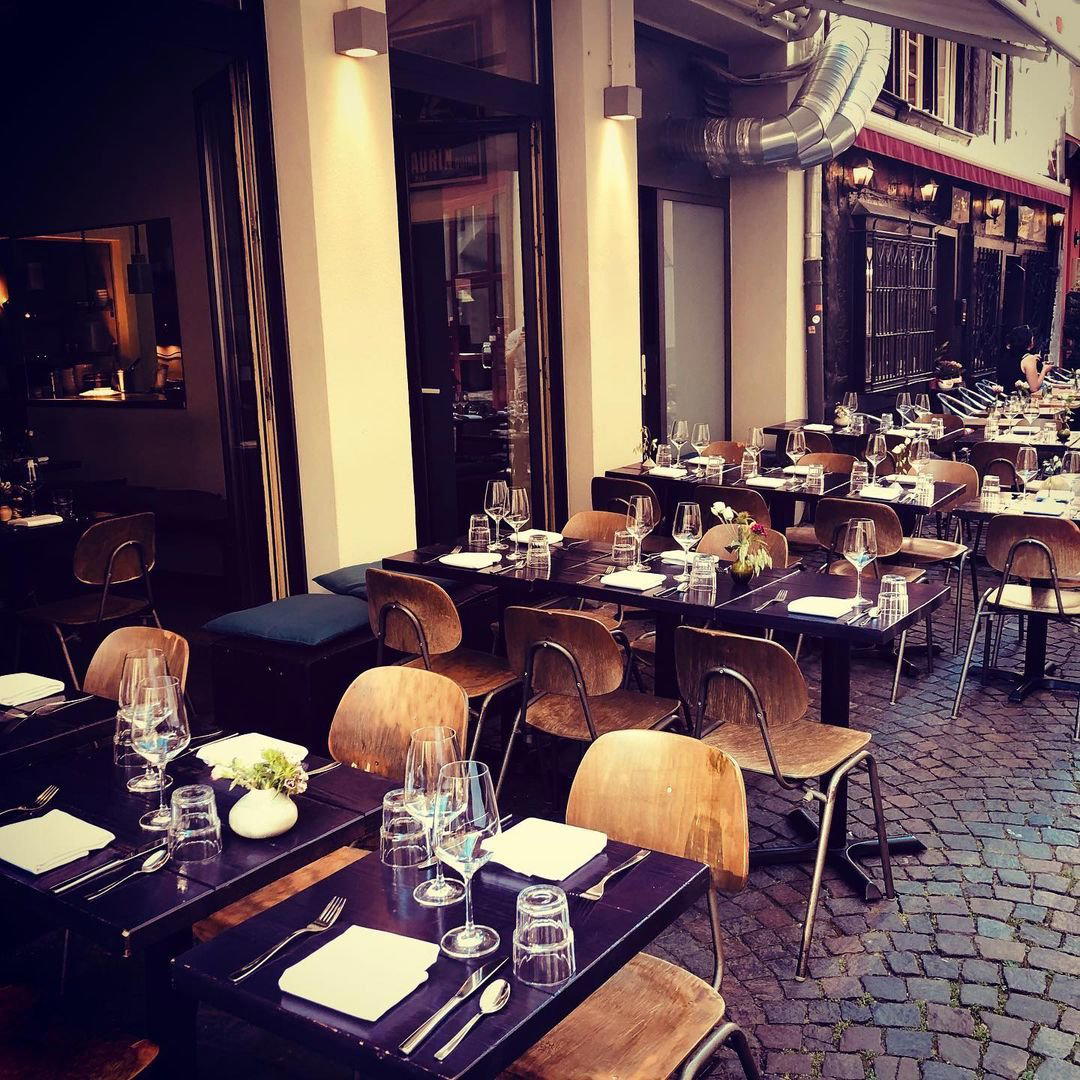
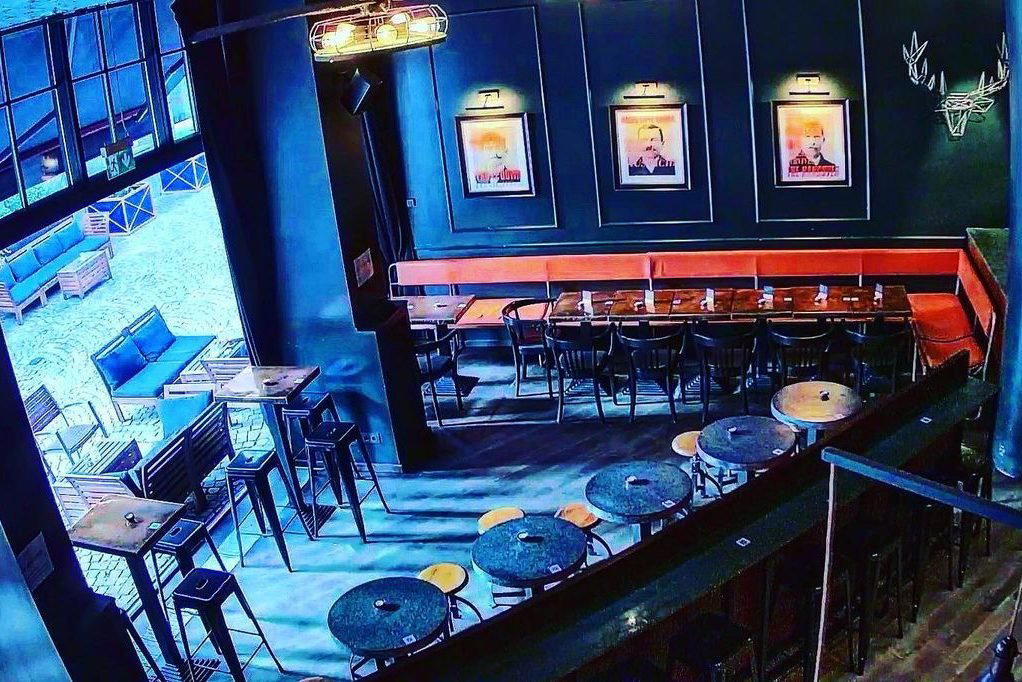
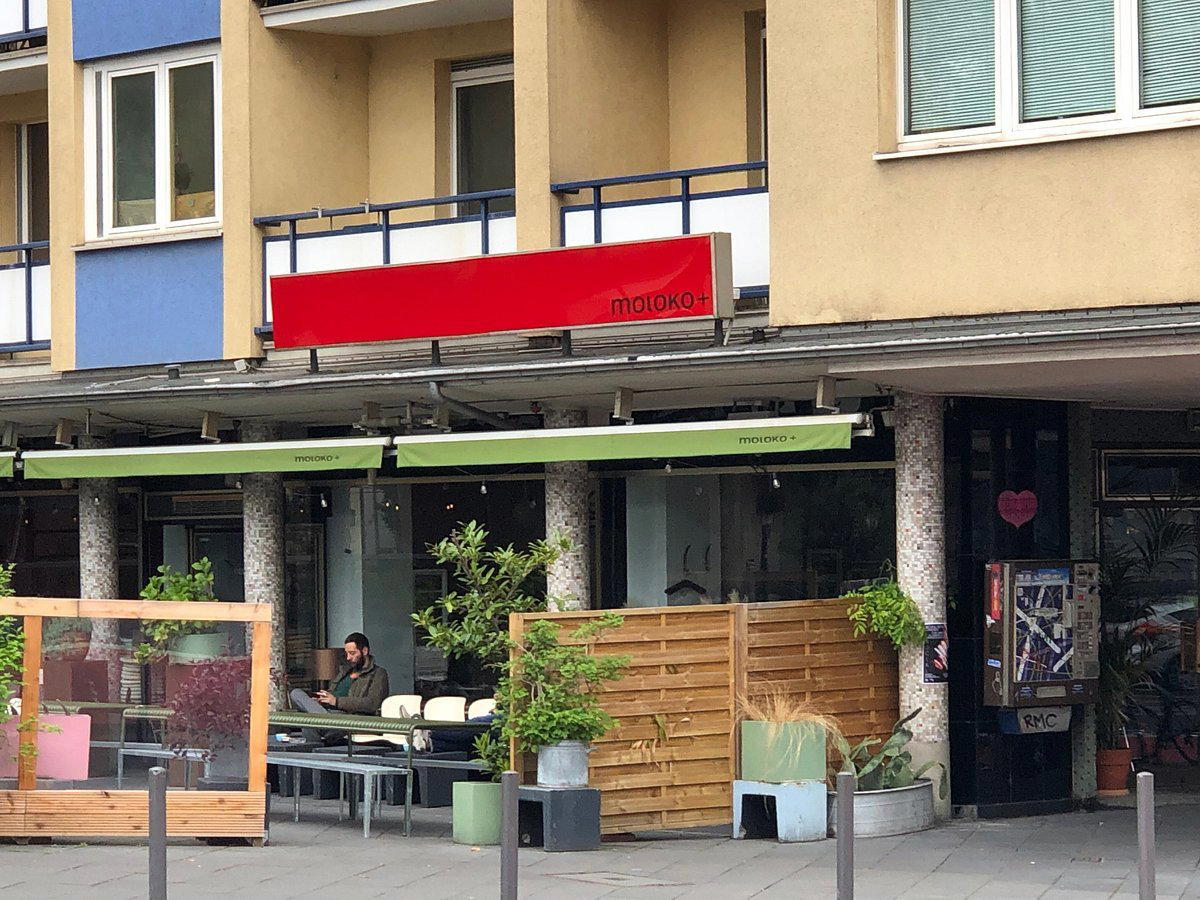
Bars in Frankfurt
Browse all →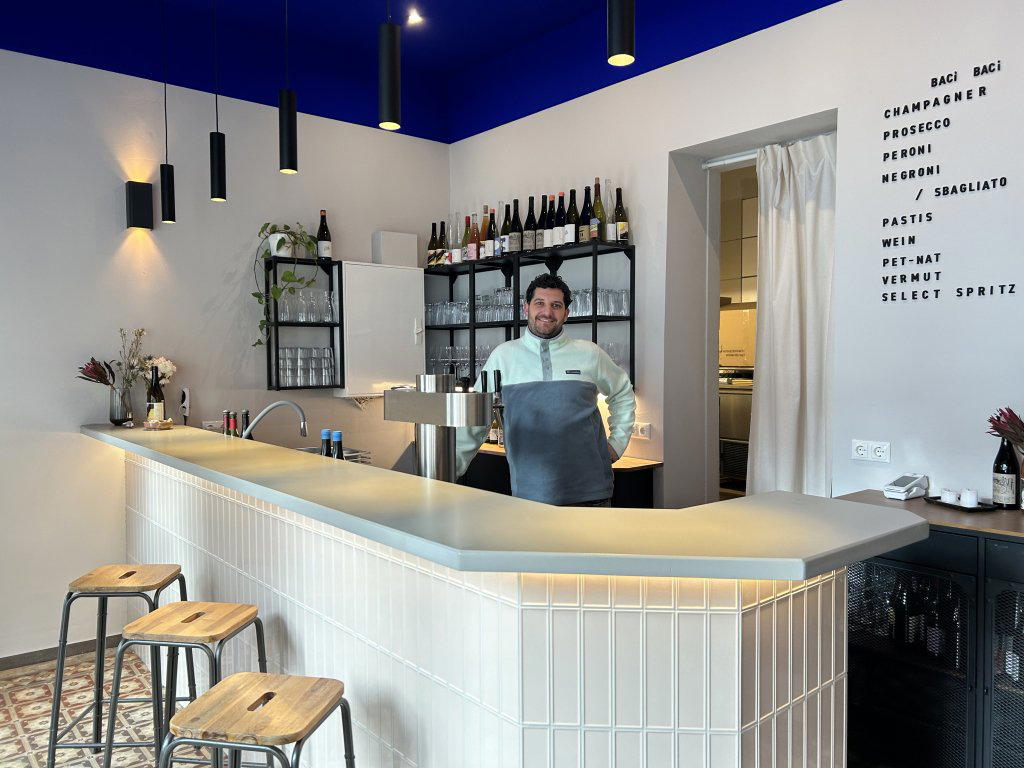
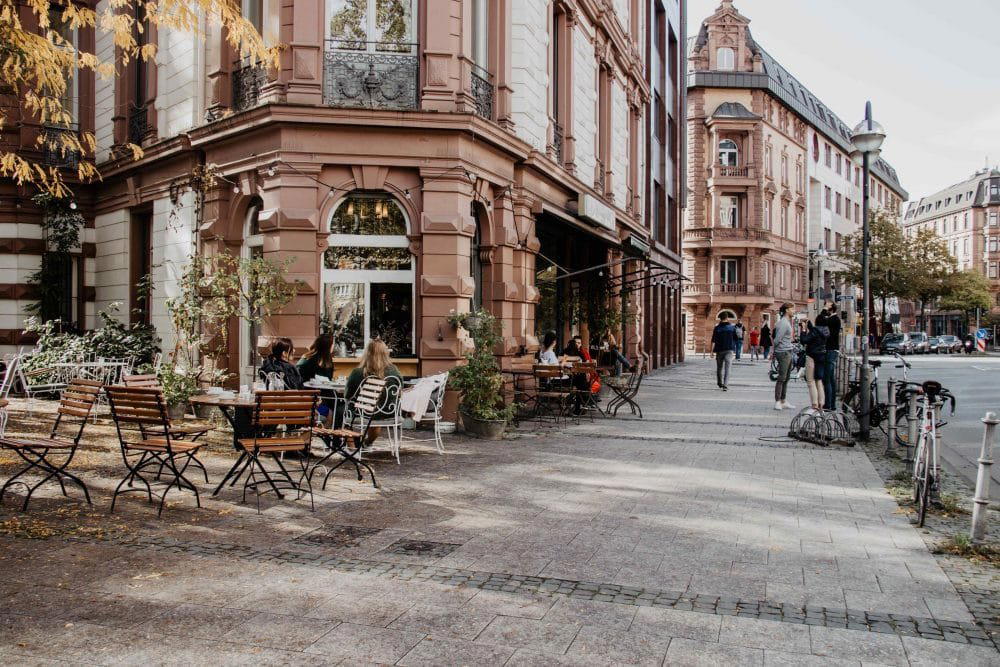

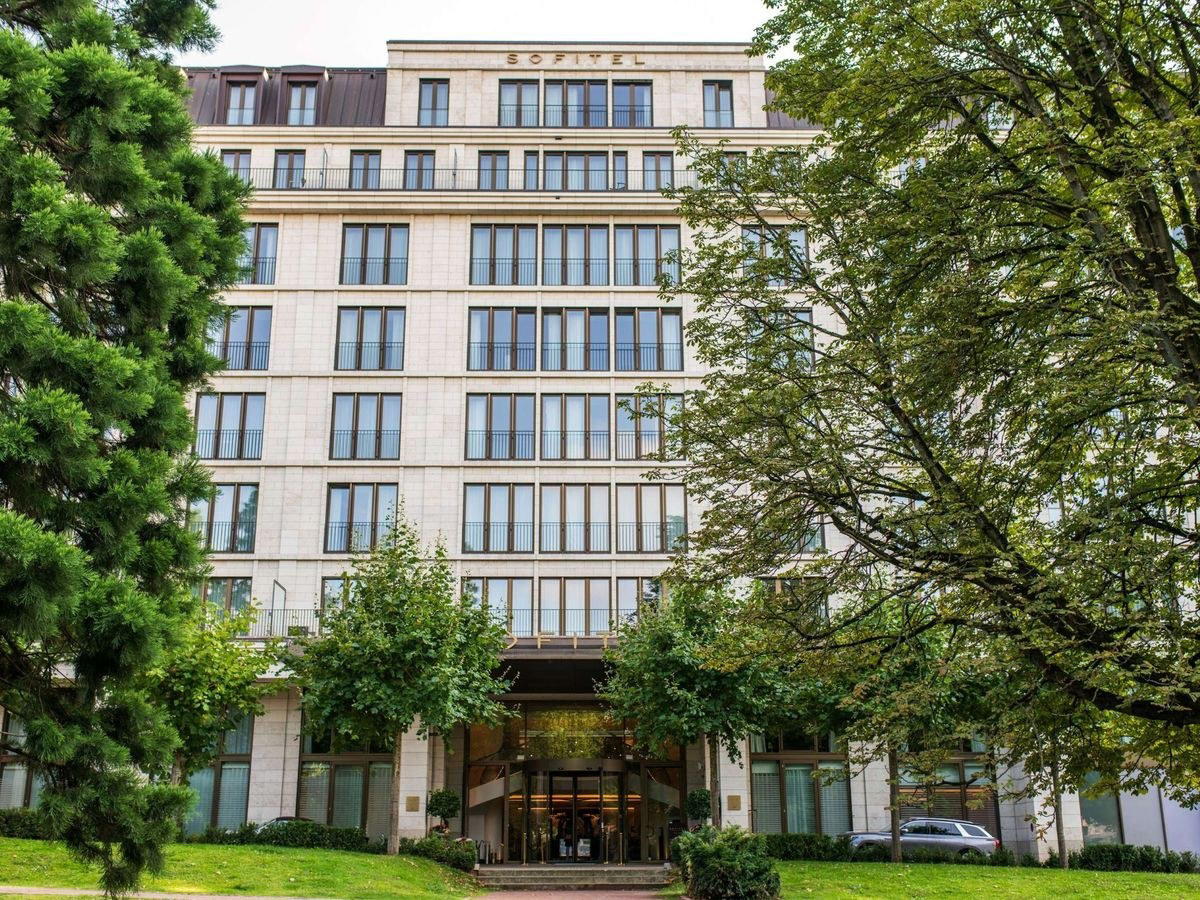
Hotels in Frankfurt
Browse all →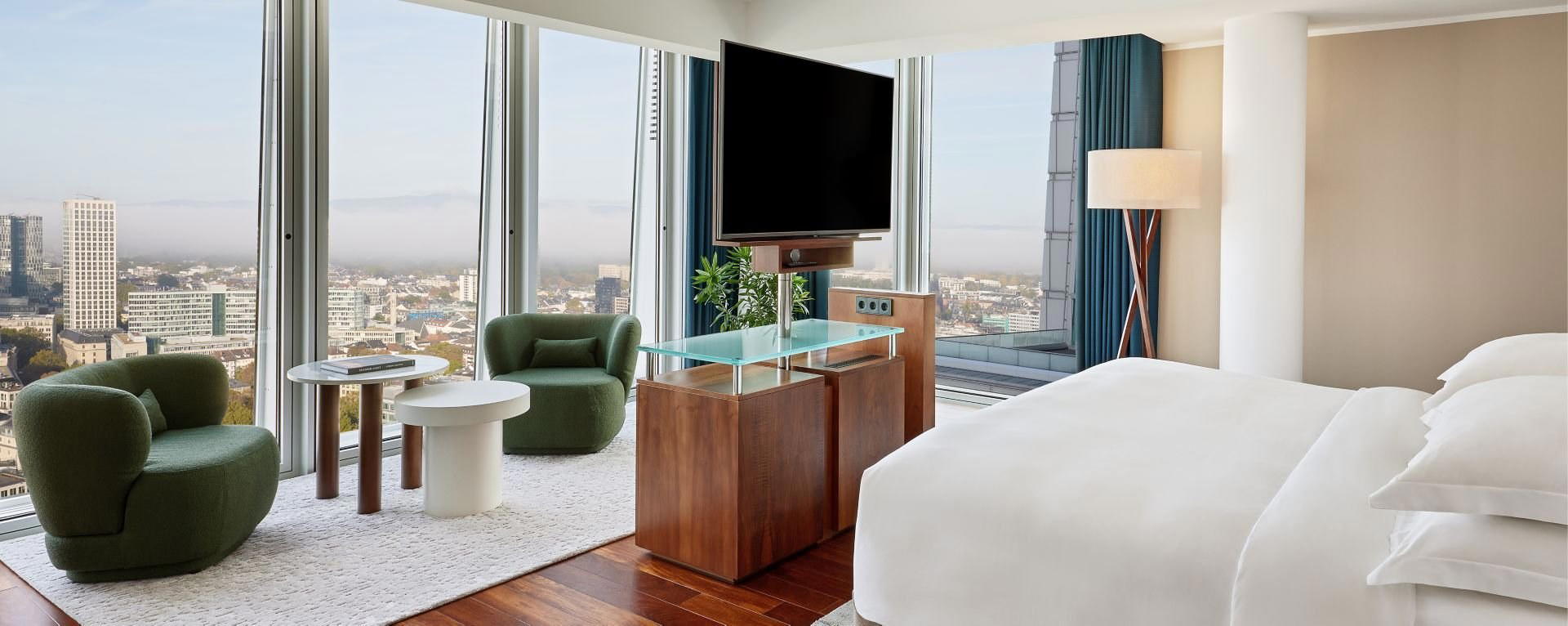

At a Glance
- Romantic
- Cozy
- Elegant
- Date Night
- Special Occasion
- Terrace
- Extensive Wine List
- Local Sourcing
Current opening hours
- Monday
- Closed
- Tuesday
- 5–11 PM
- Wednesday
- 5–11 PM
- Thursday
- 5–11 PM
- Friday
- 5 PM–12 AM
- Saturday
- 5 PM–12 AM
- Sunday
- 5–11 PM
Hours can change for holidays and private events. Last verified .
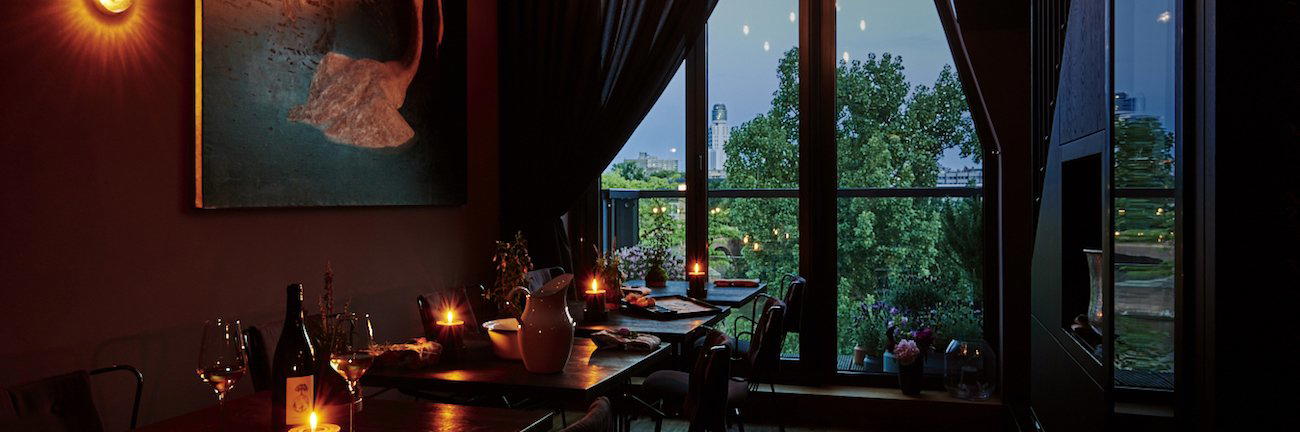
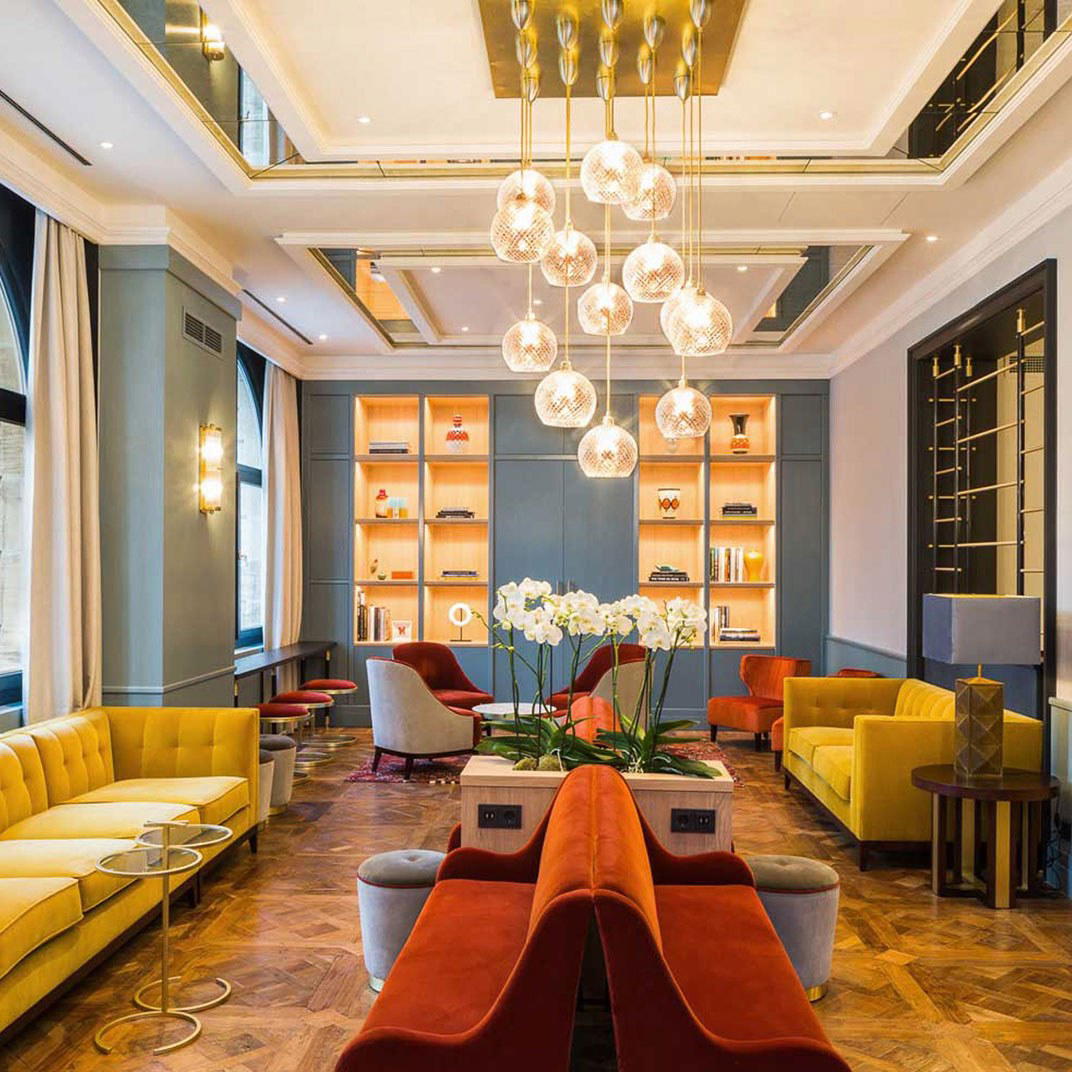
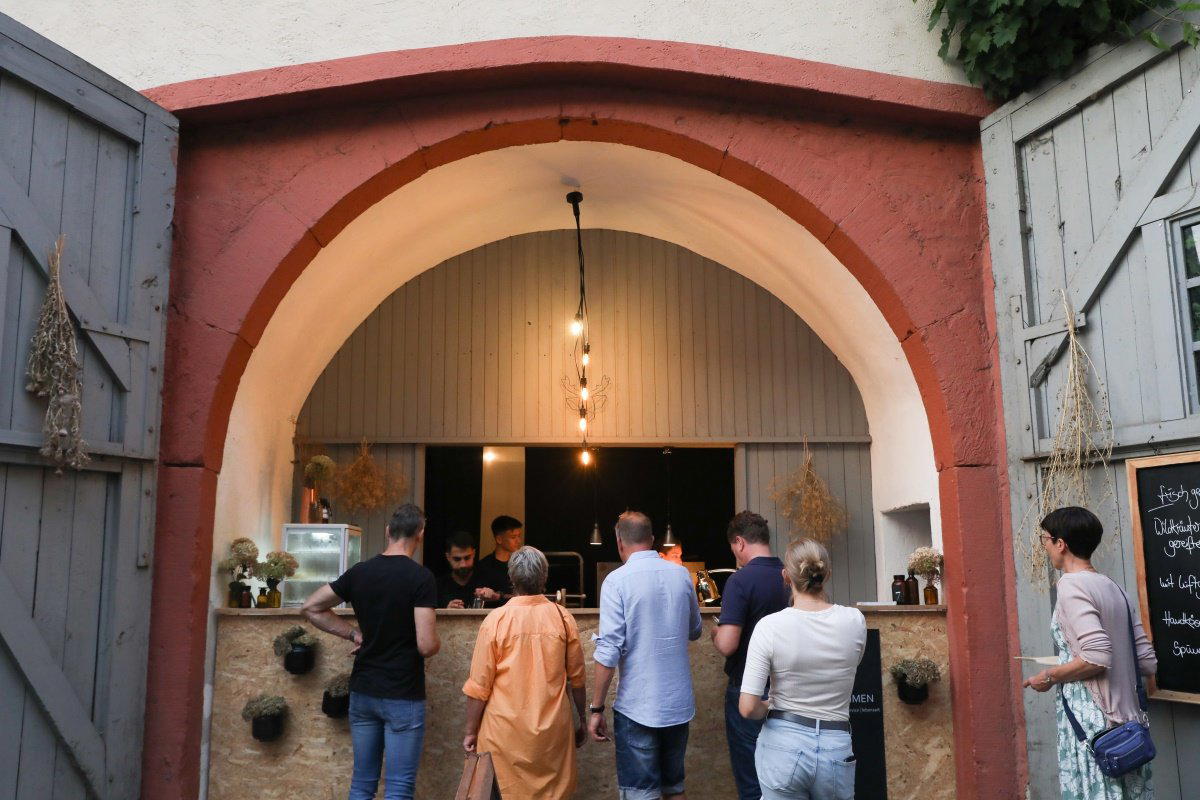
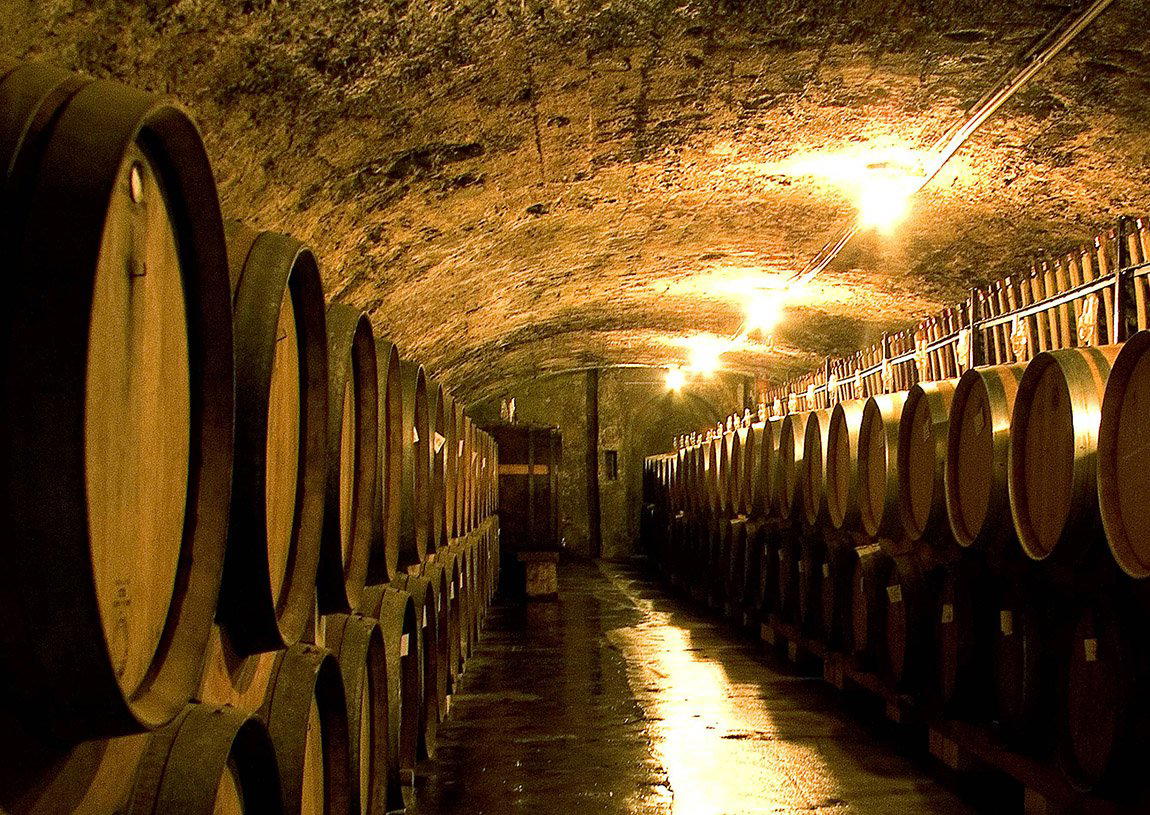
Cozy and romantic atmosphere with candlelight, rock walls, relaxing music, and warm hospitality.