
Michelin Plate
Our verdict
Léa Lestage runs this neighbourhood bistrot in the 17th arrondissement, where ingredient sourcing drives the menu and market freshness sets the rhythm. The room is modest, the pricing fair, and the cooking straightforward—Paris bistronomy stripped of grandeur and focused on produce quality.

Pearl is the En Primeur Club membership app — saves, bookings, and concierge access live there. Same editors, same standards.
- Address
- 30 rue du Printemps, Paris, Île-de-France, 75017, FRA
- Phone
- +33 9 60 07 99 08
- Hours
- Mon ClosedTue–Thu 12–2 PM, 7:30–9:30 PMFri–Sat 12–2 PM, 7:30–10 PMSun Closed
- Website
- guide.michelin.com
- Directions
- Get directions
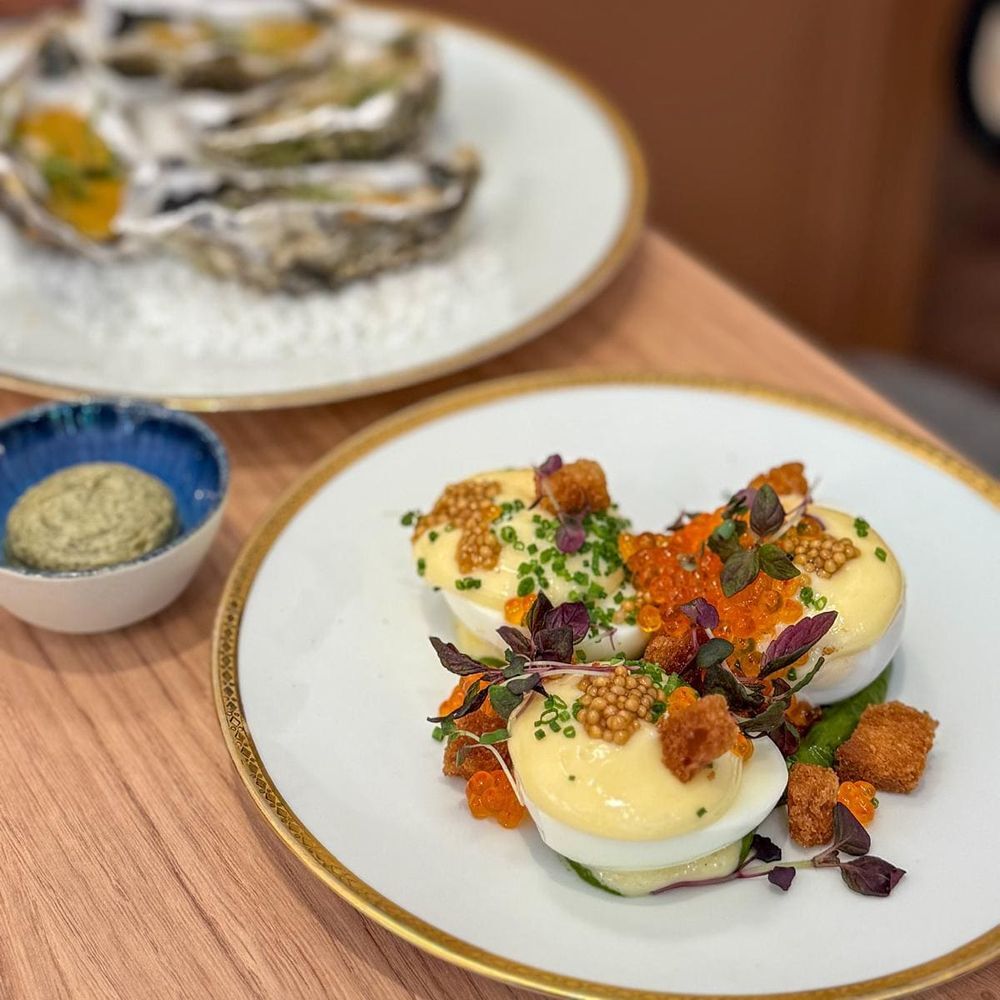
The menu
What to order
- Langoustine
- Terrine
- Potato millefeuille
Rue du Printemps sits in the northwestern wedge of the 17th, a residential stretch where restaurants work for regulars rather than tourists. Bolea occupies a corner storefront with a plain facade and a dining room that holds two dozen seats. The kitchen is visible from most tables, and the service moves with the easy familiarity of a place where names are remembered.
Léa Lestage runs the operation with a produce-first discipline that borrows from the broader bistronomy current, smaller margin, higher ingredient cost, simpler technique, that has reshaped Paris's mid-tier dining over the past decade. The menu turns over according to what suppliers deliver each morning, and that framework limits the repertoire but ensures that vegetables, fish, and meat arrive at peak ripeness or condition. Lestage's sourcing network skews toward small-scale farms and line-caught boats, the kind of suppliers whose yields fluctuate week to week and whose pricing reflects labour rather than volume.
What the Cooking Prioritises
The menu stays short: three or four starters, as many mains, a dessert or two. Format is à la carte, which keeps the ticket flexible and allows regulars to order light or build a longer meal depending on appetite. Technique leans classic, roasting, pan-frying, braising, with little modernist flourish. Seasonality dictates not just which ingredients appear but how they are treated: root vegetables roasted whole in autumn, greens barely wilted in spring, summer stone fruit left raw or minimally cooked. The kitchen does not announce farms by name on the menu, but the quality gap between mass-market and artisan product is legible on the plate.
Wine selection follows a similar logic: small-domain bottles, natural-leaning but not dogmatic, with enough by-the-glass options to support a quick solo meal or a longer evening with friends. Pricing stays neighbourhood-appropriate, which in this part of Paris means accessible to locals without dipping into industrial-tier quality. Pairings are informal; staff will suggest a bottle or glass based on what you order, but there is no sommelier ceremony.
Where It Fits in the 17th's Dining Tier
The 17th is less consolidated than the Marais or Saint-Germain, and its restaurant scene spans brasserie holdovers, corner cafés, and a scattering of ingredient-driven bistros like Bolea. Nearby, La Fourchette du Printemps works a similar produce-forward model a few streets away, while Pêche and Le P'Tit Musset occupy adjacent nodes in the neighbourhood's mid-tier ecosystem. Bolea distinguishes itself through consistency rather than flash: the cooking does not chase trends, and the menu avoids the overwrought plating that marks ambitious openings in hipper quarters.
Further afield, Paris's ingredient-sourcing vanguard includes addresses like Écume, which emphasises fish provenance, and Agapé, where chef Thibaut Spiwack's farm partnerships and seasonal discipline earned the restaurant a Michelin star and pricing two tiers above Bolea's. What separates those addresses from neighbourhood operations is format ambition, tasting menus, extended wine programmes, multi-course pacing, and the corresponding investment in front-of-house polish. Bolea opts out of that trajectory, keeping format simple and pricing aligned with its residential catchment.
For context within the broader city, our full Paris restaurants guide maps the spectrum from haute-cuisine palaces to neighbourhood bistros, while our Paris bars guide covers pre- or post-dinner drinking nearby. If you are staying in the quarter, our Paris hotels guide lists accommodations across all arrondissements.
How to Plan a Visit
Bolea does not publish hours or a booking method in public channels, so expect to arrange a table by phone or walk-in. The neighbourhood skews residential, which means dinner service is likely the main slot, with lunch possible but unconfirmed. Arrive expecting a modest room and a tight menu; the experience rewards those who prioritise ingredient quality over theatrical plating or service pageantry.
Dress is neighbourhood-casual. The clientele leans local: couples from nearby apartments, small groups celebrating a milestone, solo diners reading over a glass of wine. If you are planning a broader Paris itinerary, other ingredient-driven options nearby include 114, Faubourg, 116, 14 paradis, and 19 Saint Roch, each working a similar bistronomy model but with different neighbourhood contexts and price brackets. For a contrast in ambition and format, 19.20 by Norbert Tarayre leans traditional, while addresses outside the capital, such as .... Et la Fourmi in Nantes, [S] Corner in Courchevel, 1217 in Bagnols, 1387 in Strasbourg, 14 Avenue in La Baule, and 16âme in Le Monêtier-les-Bains, show how ingredient-sourcing discipline translates across regional French markets.
For those interested in how produce-driven cooking plays out in other cities, Los Angeles addresses like Jōdo Saké Bar and Onigiri Time in Pasadena offer parallel models, albeit with different ingredient ecosystems and dining cultures. Back in Paris, the 17th remains one of the city's less scrutinised quarters for food, which keeps competition gentler and allows operators like Lestage to focus on daily execution rather than buzz management. Bolea delivers what it promises: seasonal cooking, tight sourcing, and a room that feels like a local fixture rather than a destination chase.
Frequently asked questions
Would Bolea be comfortable with kids?
The short à la carte format and neighbourhood setting in the 17th make Bolea workable for families. Chef Léa Lestage keeps the menu tight, and the residential surroundings suggest a quieter, less formal tone than central-Paris dining rooms.
Is Bolea better for a quiet night or a lively one?
Bolea sits in a residential pocket of the 17th, away from the tourist corridors of the Marais or Saint-Germain. The short carte and bistrot scale lean toward low-key evenings rather than animated late-night energy.
Is Bolea Michelin-listed?
Bolea has received recognition including: Dans ce bistrot du 17e s. Léa Lestage....
Where do I go for Bolea?
Bolea is located at 30 rue du Printemps, Paris, Île-de-France, 75017, FRA, Paris.
How hard is it to get a table at Bolea?
The venue does not publish booking channels or hours, so securing a table requires a phone call or walk-in. That opacity makes planning less predictable, though the 17th's lower foot traffic may ease pressure compared to the Left Bank.
What do critics highlight about Bolea?
Recognition places Léa Lestage at the center of the kitchen, steering a concise three- or four-starter format that prioritises proximity and seasonal flexibility. The bistrot's address on rue du Printemps in the 17th situates it within a quieter band of Paris dining.
Comparable Spots, Quickly
Comparable venues by cuisine and price in the same metro.
| Venue | Cuisine | Price | Awards |
|---|---|---|---|
| BoleaThis venue — the venue you are viewing | French Bistro | $30–50 | Michelin Plate |
| La Fourchette du Printemps | Modern French Bistro | Not listed | Michelin Plate |
| Pêche | Seafood Bistro | $30–50 | Not listed |
| Le P'Tit Musset | Traditional French Bistro | $50–100 | Not listed |
| Écume | Modern French Seafood Counter | $50–100 | Not listed |
| Agapé | Modern French Fine Dining | $200–300 | 1 Michelin Star |
Recognition history
Dated appearances from independent guides and award organizations, with the underlying list record or original source where available.
Michelin Plate
Michelin
Continue exploring
More in Paris
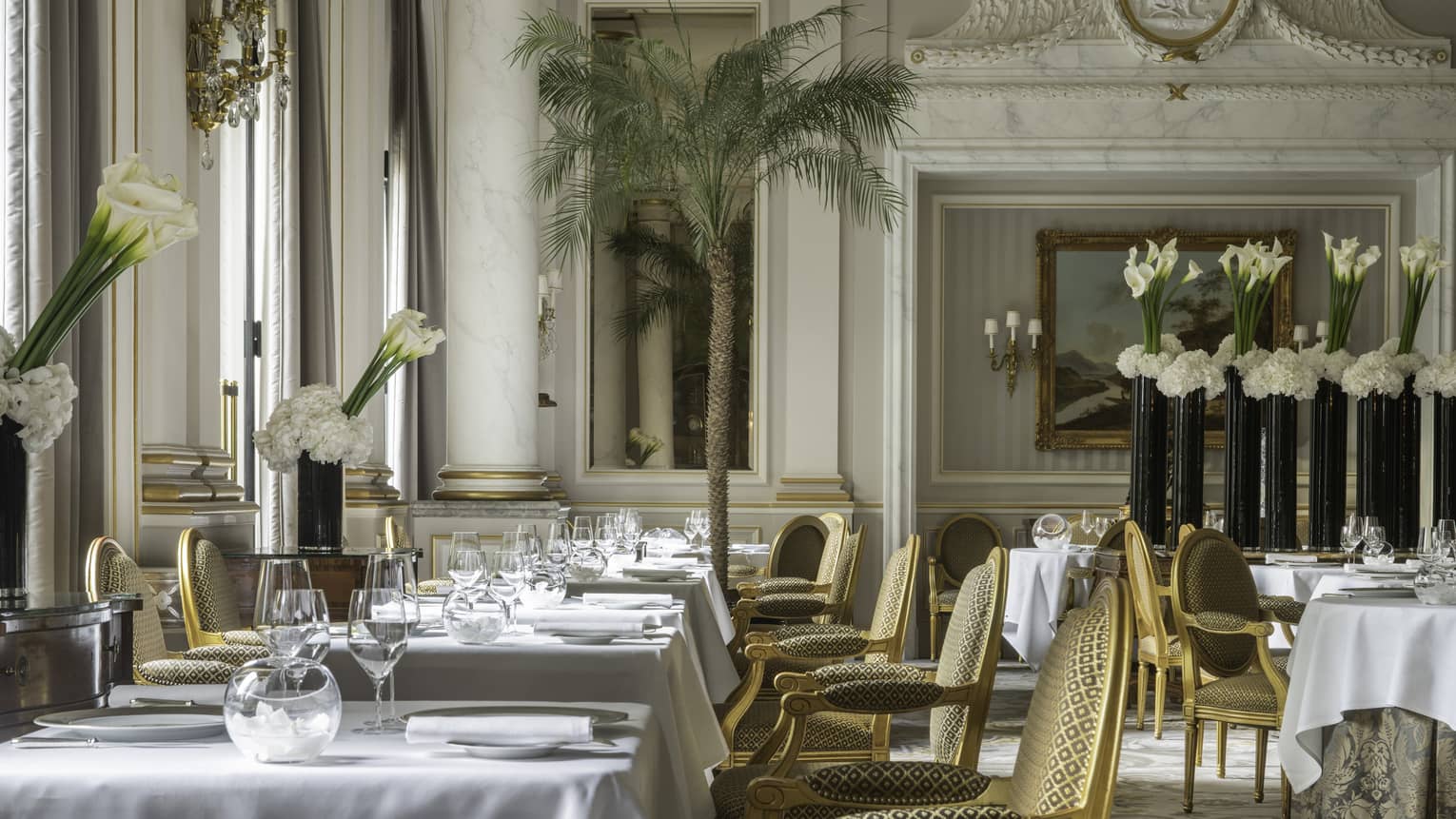
Restaurants in Paris
Browse all →
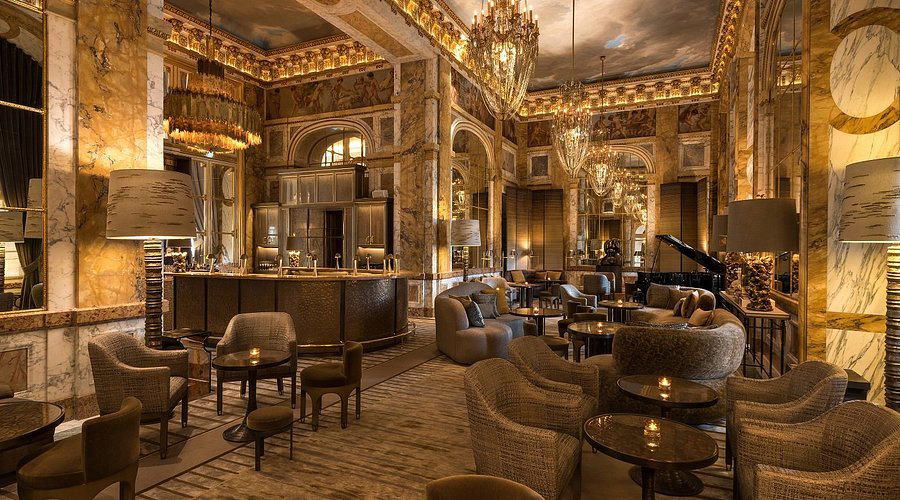
Bars in Paris
Browse all →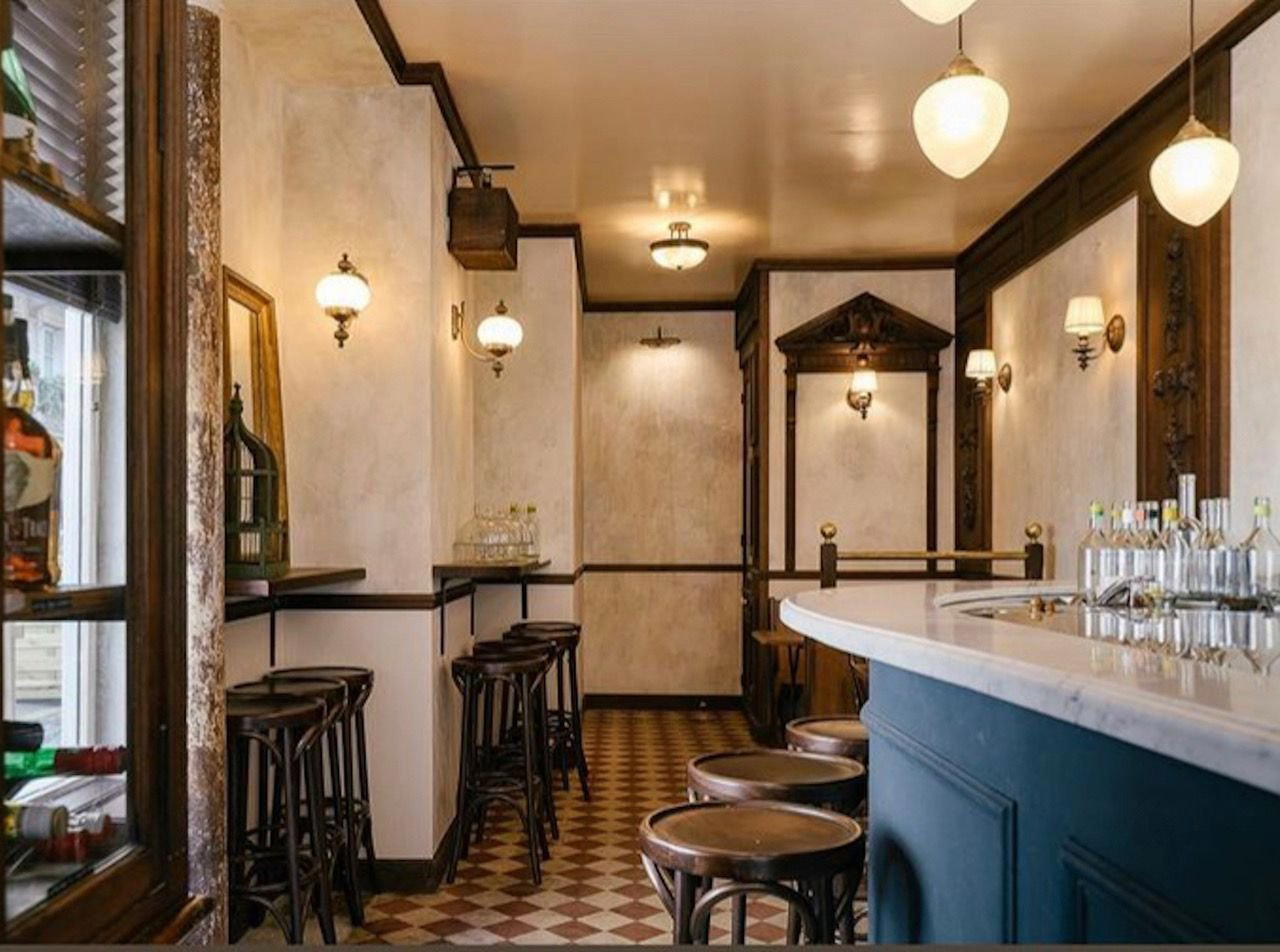
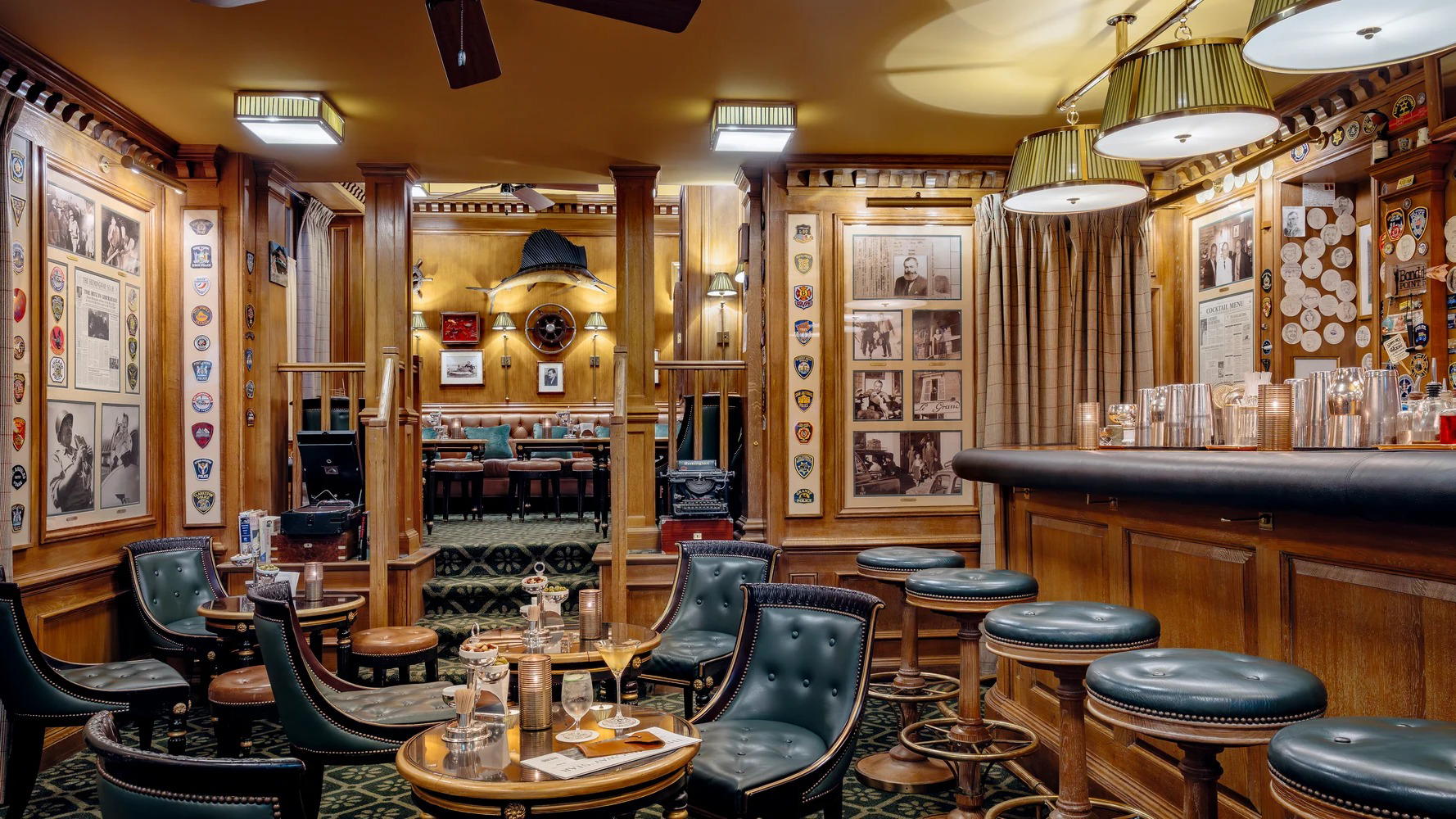
Hotels in Paris
Browse all →

Details
- Classic
- Cozy
- Elegant
- Intimate
- Date Night
- Business Dinner
- Solo
- Casual Hangout
- Standalone
- Local Sourcing
- Street Scene
- A La Carte
- Wine
- Vegetarian Friendly
Current opening hours
- Monday
- Closed
- Tuesday
- 12–2 PM, 7:30–9:30 PM
- Wednesday
- 12–2 PM, 7:30–9:30 PM
- Thursday
- 12–2 PM, 7:30–9:30 PM
- Friday
- 12–2 PM, 7:30–10 PM
- Saturday
- 12–2 PM, 7:30–10 PM
- Sunday
- Closed
Hours can change for holidays and private events. Last verified .
Warm, inviting, and residential, with a quiet neighborhood-bistro feel and a refined but unpretentious atmosphere.