Skip to Main Content
Modern French Bistro
← Collection
Paris, France

La Fourchette du Printemps

CuisineModern Cuisine
Price€€€
Dress CodeSmart Casual
ServiceFormal
NoiseQuiet
CapacityIntimate
Michelin

A Michelin Plate-recognised address on Rue du Printemps in the 17th arrondissement, La Fourchette du Printemps holds a 4.5 Google rating across 252 reviews and operates in the mid-to-upper price tier of Paris modern cuisine. The room draws a neighbourhood crowd as much as a destination diner, placing it in a distinct register from the grand palatial rooms of the 8th.

Pearl is the En Primeur Club membership app — saves, bookings, and concierge access live there. Same editors, same standards.

Plan your visit on PearlPlan Your Visit
Address
La fourchette du printemps, Rue du Printemps, 75017 Paris, France
La Fourchette du Printemps restaurant in Paris, France
About

The 17th and the Case for Neighbourhood Modern Cuisine

Paris's premium dining map has long been drawn along predictable lines: the 8th arrondissement anchors three-star spending, while addresses like 114, Faubourg and Accents Table Bourse compete in the dense central tier. The 17th sits in a different register. Quieter in foot traffic than Saint-Germain, less theatrically self-conscious than the Marais, it has accumulated a string of serious neighbourhood tables without the accompanying media noise. La Fourchette du Printemps, on Rue du Printemps, belongs to this cohort: a modern French bistro operating at the €€€ price tier in a district where cooking tends to be taken seriously precisely because it has nothing else to sell on.

La Fourchette du Printemps sits in a meaningful middle bracket of Parisian dining. This is not the entry-level bistro category, nor the three-star destination circuit occupied by addresses such as Mirazur in Menton or Troisgros in Ouches. It sits where a significant volume of serious Paris eating actually happens: skilled kitchens, deliberate menus, and a price point that still allows for a proper wine pairing without the four-figure bill that follows a meal at Alléno Paris au Pavillon Ledoyen or L'Ambroisie.

Modern Cuisine in a City Defined by Tradition

The phrase "modern cuisine" in Paris carries specific weight. The city produced the canonical techniques that other countries then innovated against, and a kitchen declaring itself modern here is making a statement about its relationship to that inherited grammar. The category spans a wide range in practice, from produce-led minimalism to technique-driven tasting menus, but its leading practitioners share a willingness to work outside the codified classical register without abandoning its discipline. Anona and Amâlia both represent versions of this approach in Paris, each drawing on different reference points. La Fourchette du Printemps operates in the same broad field, with a 4.5 rating across 252 Google reviews suggesting that its execution lands consistently with a mixed audience of regulars and first-time visitors.

Reading the Wine Program at a Plate-Level Table

At the €€€ price point in Paris, the wine list is often where a restaurant's actual ambitions become legible. A perfunctory list signals a kitchen-first operation that treats the cellar as an afterthought. A carefully composed one, calibrated to the menu without inflating the bill beyond reason, signals something more considered. Paris's Michelin Plate tier has produced notable examples of both. The restaurants that sustain strong review averages in this bracket, as La Fourchette du Printemps does with its 252-count sample, typically achieve that through a coherent front-of-house proposition that treats wine as part of the meal's architecture rather than a revenue line.

France's wine geography gives any serious Paris table a structural advantage: proximity to Burgundy, the Loire, Champagne, and the Rhône means that a buyer with genuine knowledge can assemble a list of real depth without importing aggressively. The most interesting wine programs in this city tier tend to lean into that geography, pairing Loire Chenin with fish courses and lesser-known Burgundy villages with meat, rather than defaulting to recognisable appellations at accessible price points. Whether La Fourchette du Printemps pursues this approach, the Plate recognition and sustained rating suggest the overall experience holds together, and the wine component forms part of that coherence. For context on how wine curation varies across France's regional fine dining tables, Flocons de Sel in Megève and Bras in Laguiole both demonstrate what a wine list anchored to local geography and menu logic can achieve at the highest level.

Seasonal Timing and the Rhythm of the 17th

The 17th arrondissement operates on a slightly different seasonal rhythm from the more tourist-dependent central districts. Summer weekends see attendance dip as Parisians leave the city, which creates a window where tables at recognised neighbourhood addresses are more accessible than in autumn or spring. The Michelin Plate cycle, updated annually, gives restaurants like La Fourchette du Printemps a moving horizon to work against: kitchens in this recognition bracket are generally pushing upward rather than coasting, which makes the period following a new guide release a particularly productive time to visit. For comparable neighbourhood quality in a different arrondissement context, Auberge de Montfleury offers a useful point of comparison.

Where It Sits in the Paris Hierarchy

The upper end of Parisian modern cuisine operates in a different financial and logistical register entirely. Kei and Le Cinq at the Four Seasons Hôtel George V are €€€€ operations with the booking timelines and dress expectations to match. Auberge de l'Ill and Paul Bocuse in Collonges-au-Mont-d'Or carry historical weight that places them in a separate category. La Fourchette du Printemps at €€€ with a Michelin Plate sits below that register but above the neighbourhood bistro tier, which is precisely where much of Paris's most practical fine dining happens. For internationally minded modern cuisine comparison, Frantzén in Stockholm and FZN by Björn Frantzén in Dubai illustrate what the same broad category looks like at the three-star tier in other cities.

Planning Your Visit

La Fourchette du Printemps is located on Rue du Printemps in the 17th arrondissement, accessible via the Wagram or Pereire metro stations on line 3. At the €€€ price tier, budgeting for a full meal with a paired wine selection is reasonable without the three-figure-per-head baseline that the 8th arrondissement's starred rooms typically require. Booking ahead is advisable: Michelin Plate-recognised addresses in Paris's quieter residential arrondissements draw a loyal local clientele that can fill midweek services without the walk-in availability that a larger tourist-facing room might offer. Spring and autumn represent the periods of highest demand for this category of Paris table.

Signature Dishes
chocolate spherelemon basil sphere
Frequently asked questions

Comparable Venues

Comparable venues nearby, for context on price, style, and recognition.

At a Glance
Vibe
  • Elegant
  • Cozy
  • Intimate
  • Classic
  • Sophisticated
Best For
  • Date Night
  • Special Occasion
Experience
  • Open Kitchen
Drink Program
  • Extensive Wine List
Dress CodeSmart Casual
Noise LevelQuiet
CapacityIntimate
Service StyleFormal
Meal PacingLeisurely

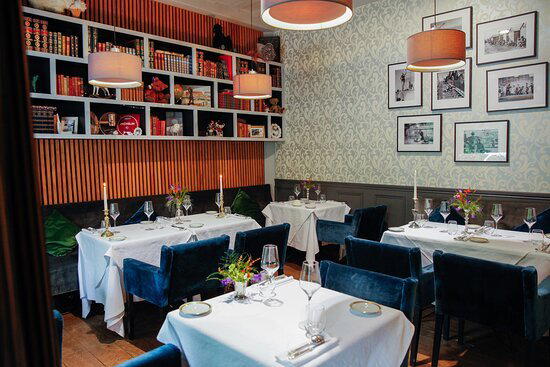
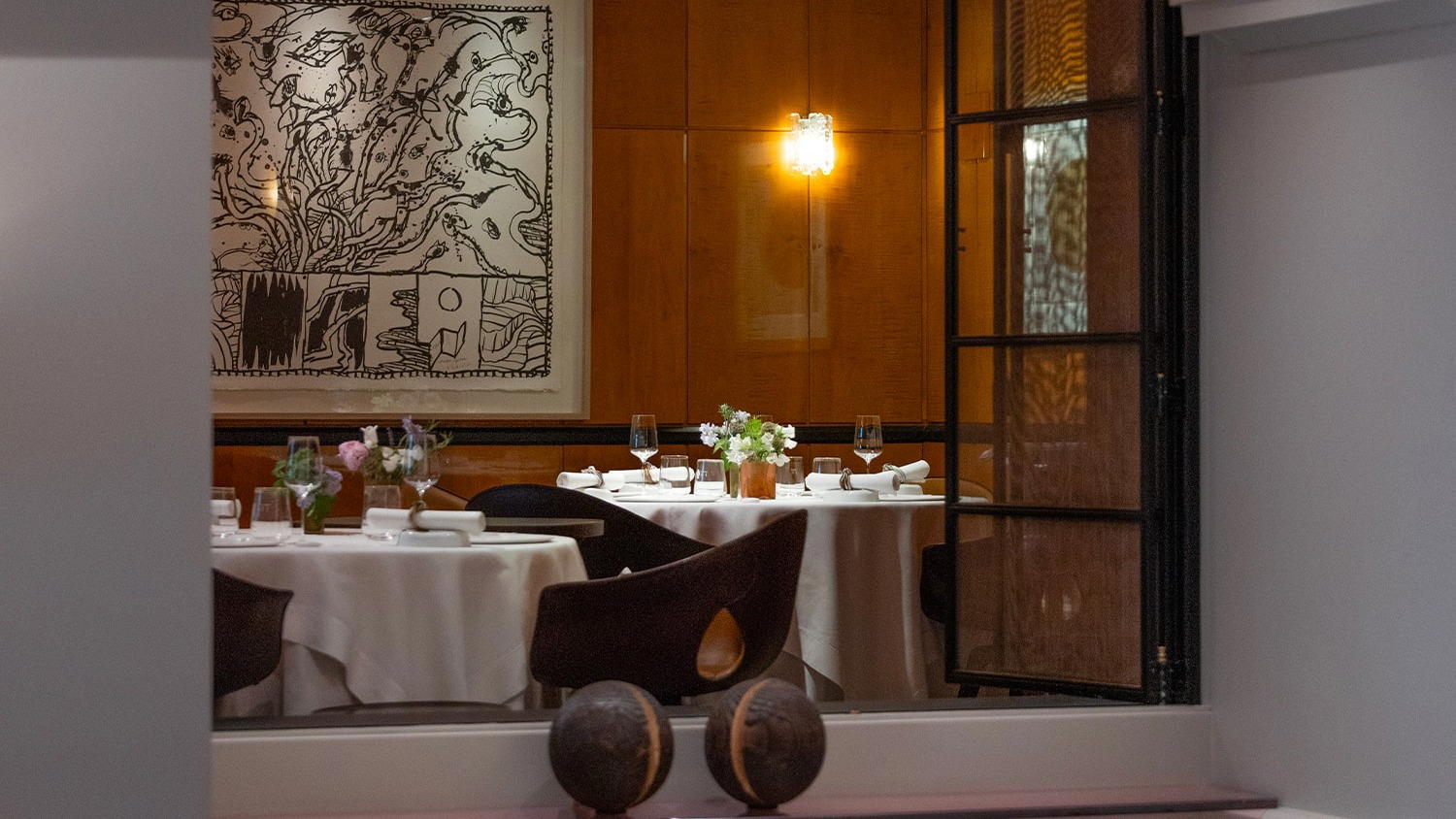
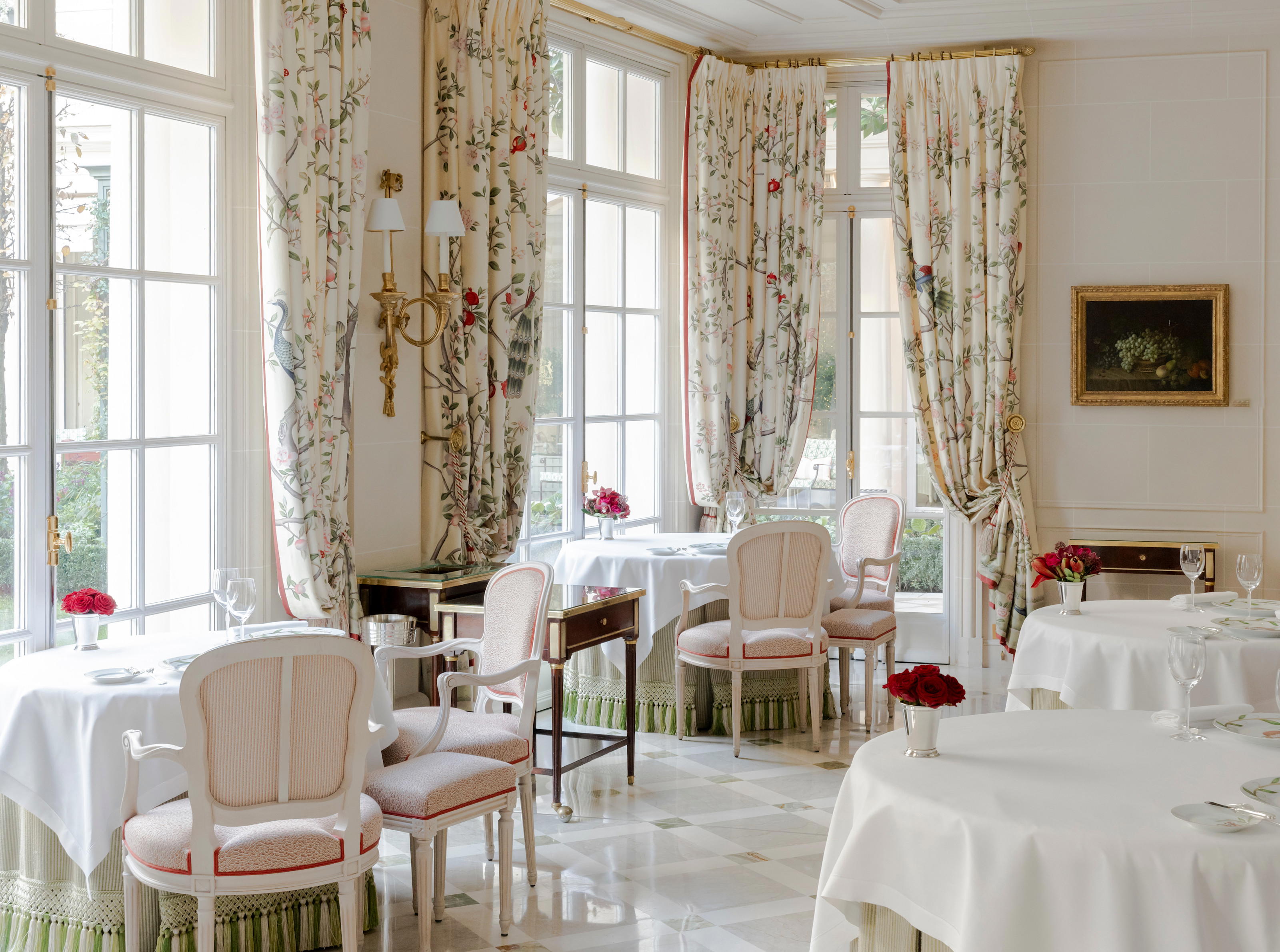
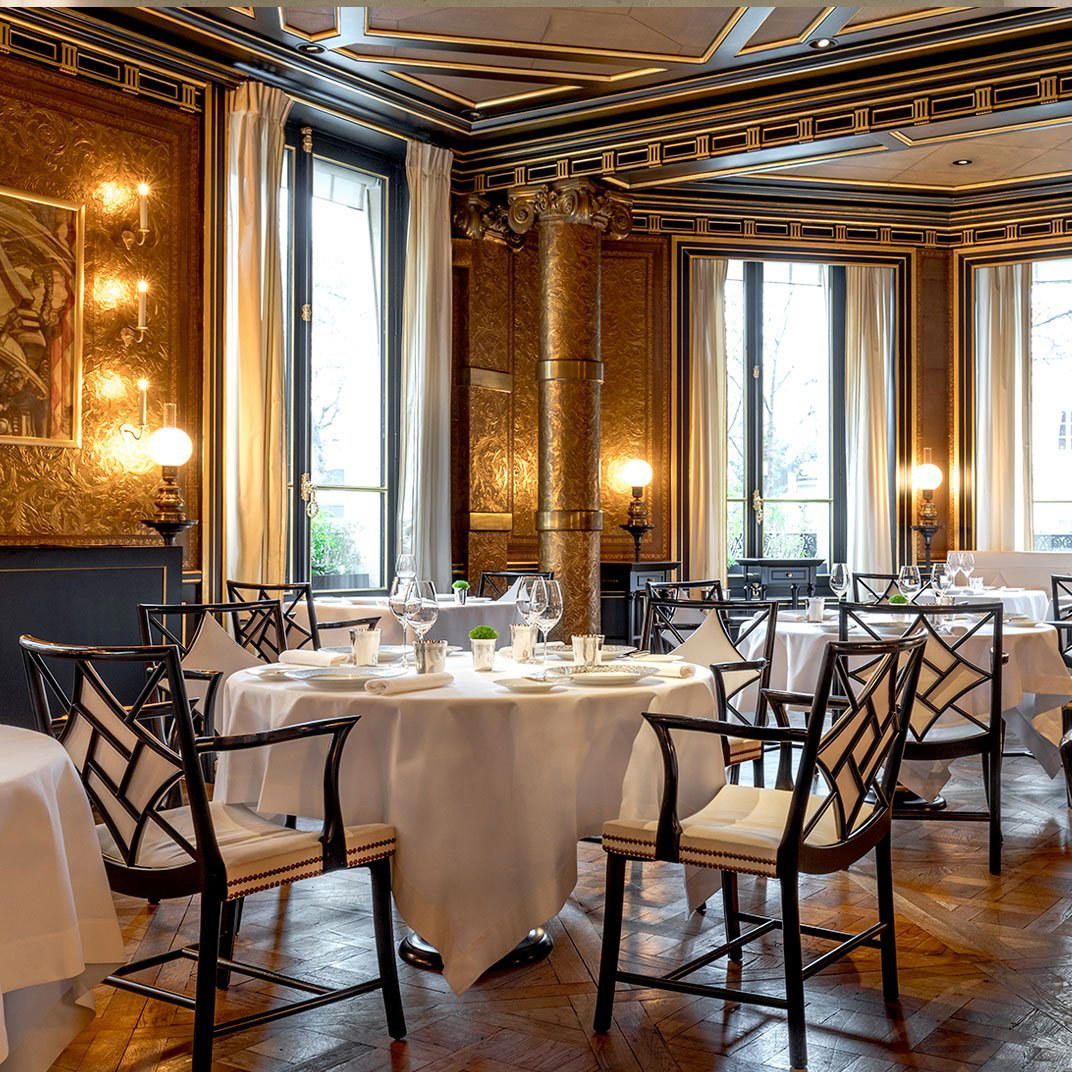
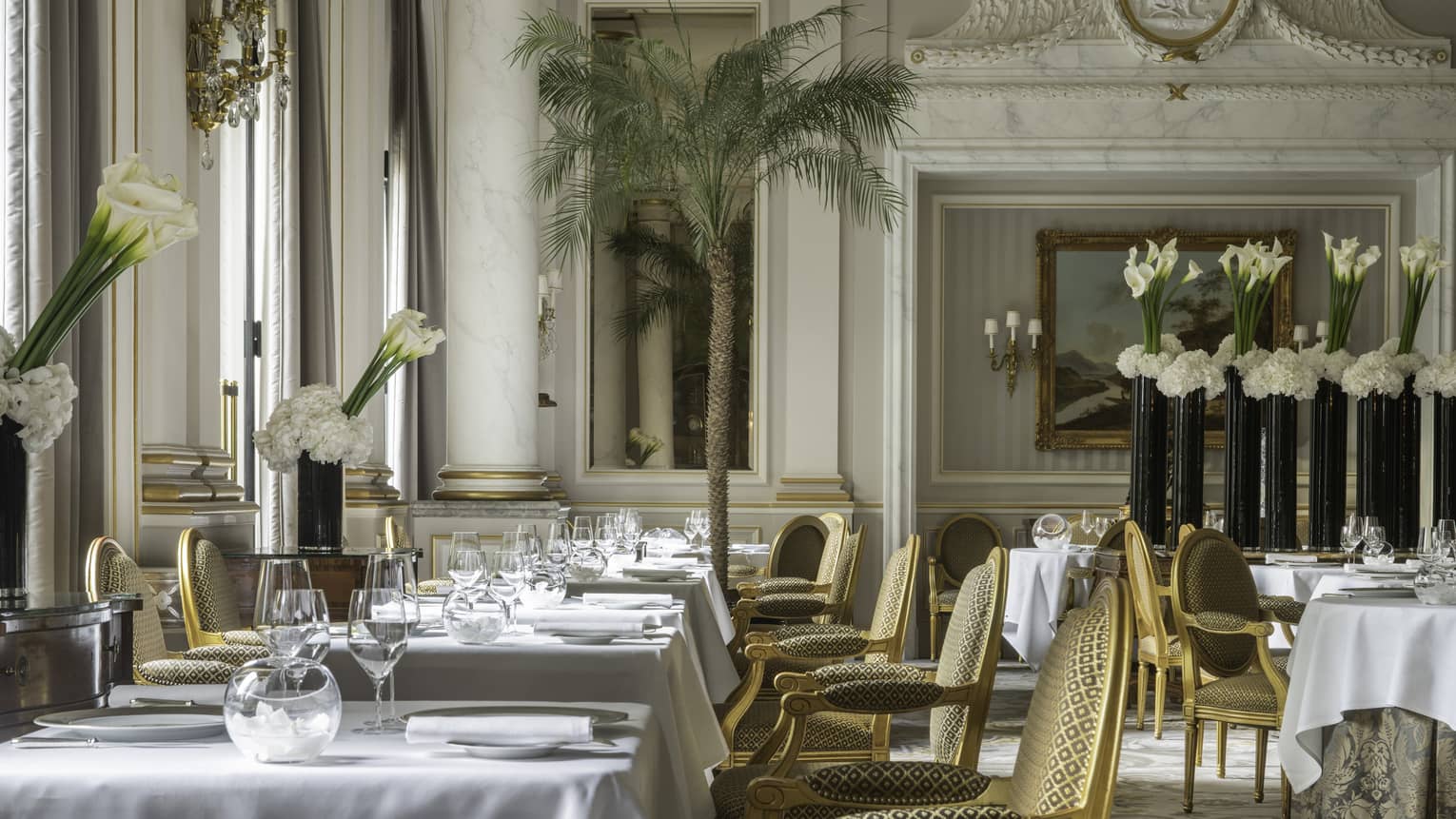
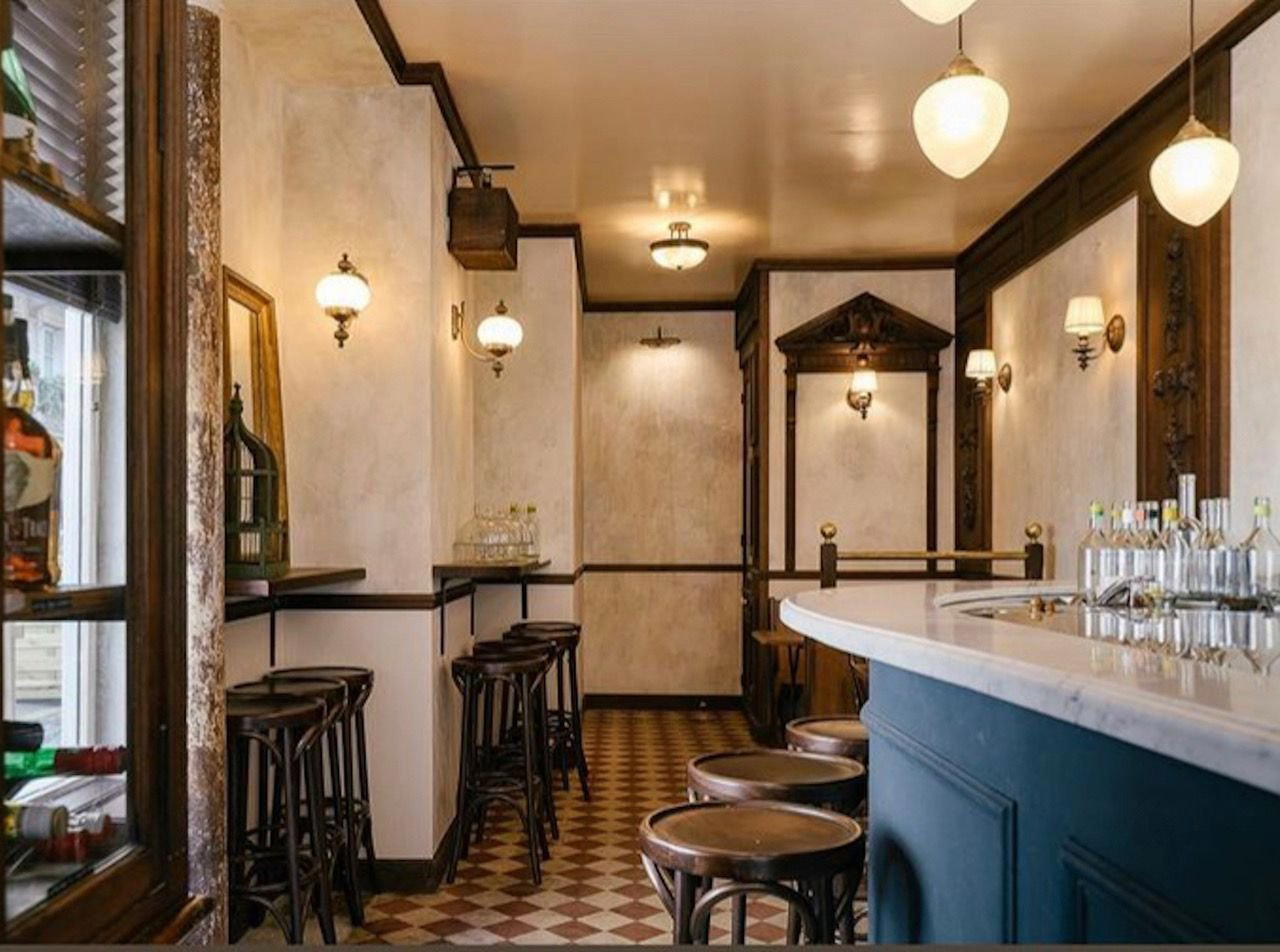
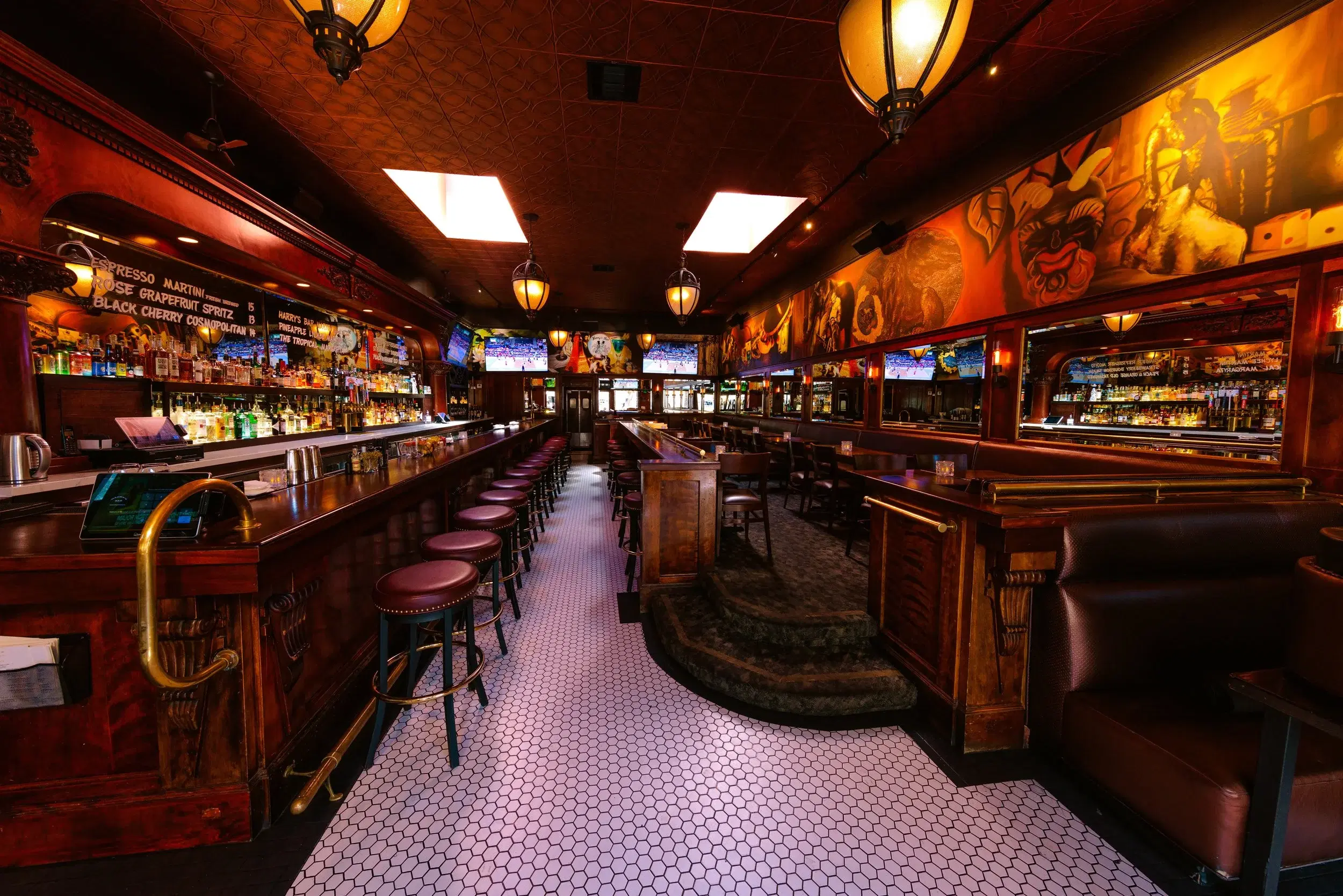
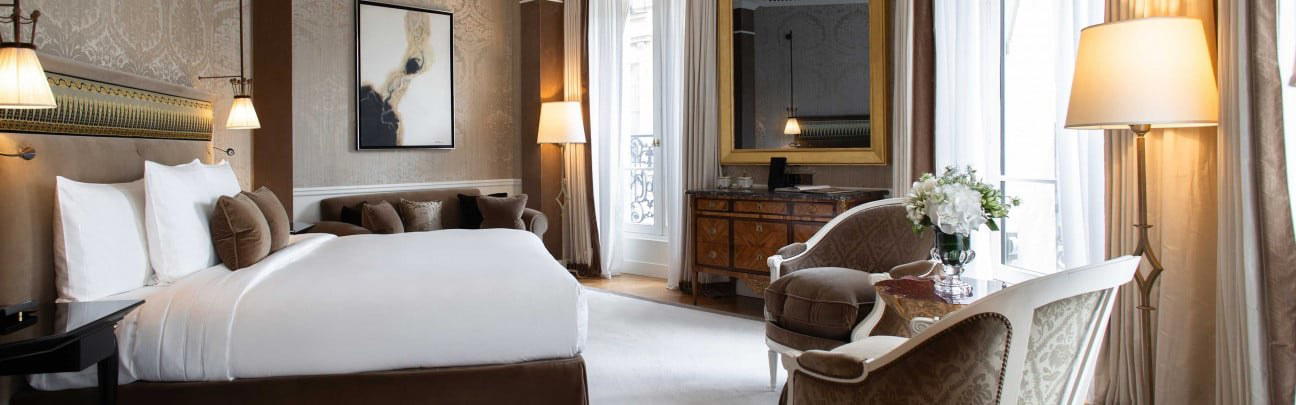
Classic and refined decor with cozy, elegant, and unpretentious atmosphere; quiet and neat with discreet service.

Signature Dishes
chocolate spherelemon basil sphere