
Michelin Plate
Our verdict
On Avenue George V, one of Paris's most pressure-tested addresses, 19.20 by Norbert Tarayre holds consecutive Michelin Plate recognition for 2024 and 2025 while staying in the accessible mid-range tier. The kitchen works within traditional French cuisine, a discipline that rewards restraint and timing over spectacle. The room earns consistent approval from a broad cross-section of visitors and Parisians alike.

Pearl is the En Primeur Club membership app — saves, bookings, and concierge access live there. Same editors, same standards.
- Address
- 33 Av. George V, 75008 Paris, France
- Phone
- +33 1 53 23 78 50
- Hours
- Mon–Fri 8:30 AM–12:30 AMSat–Sun 10 AM–12:30 AM
- Website
- 19-20paris.fr
- Directions
- Get directions
- Booking
- Book on SevenRooms
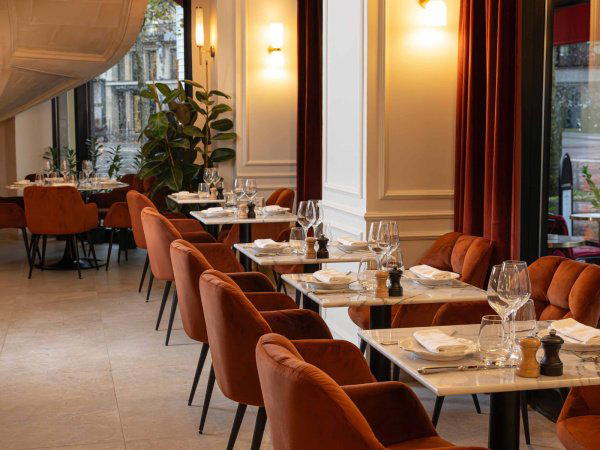
Avenue George V and the Weight of the Address
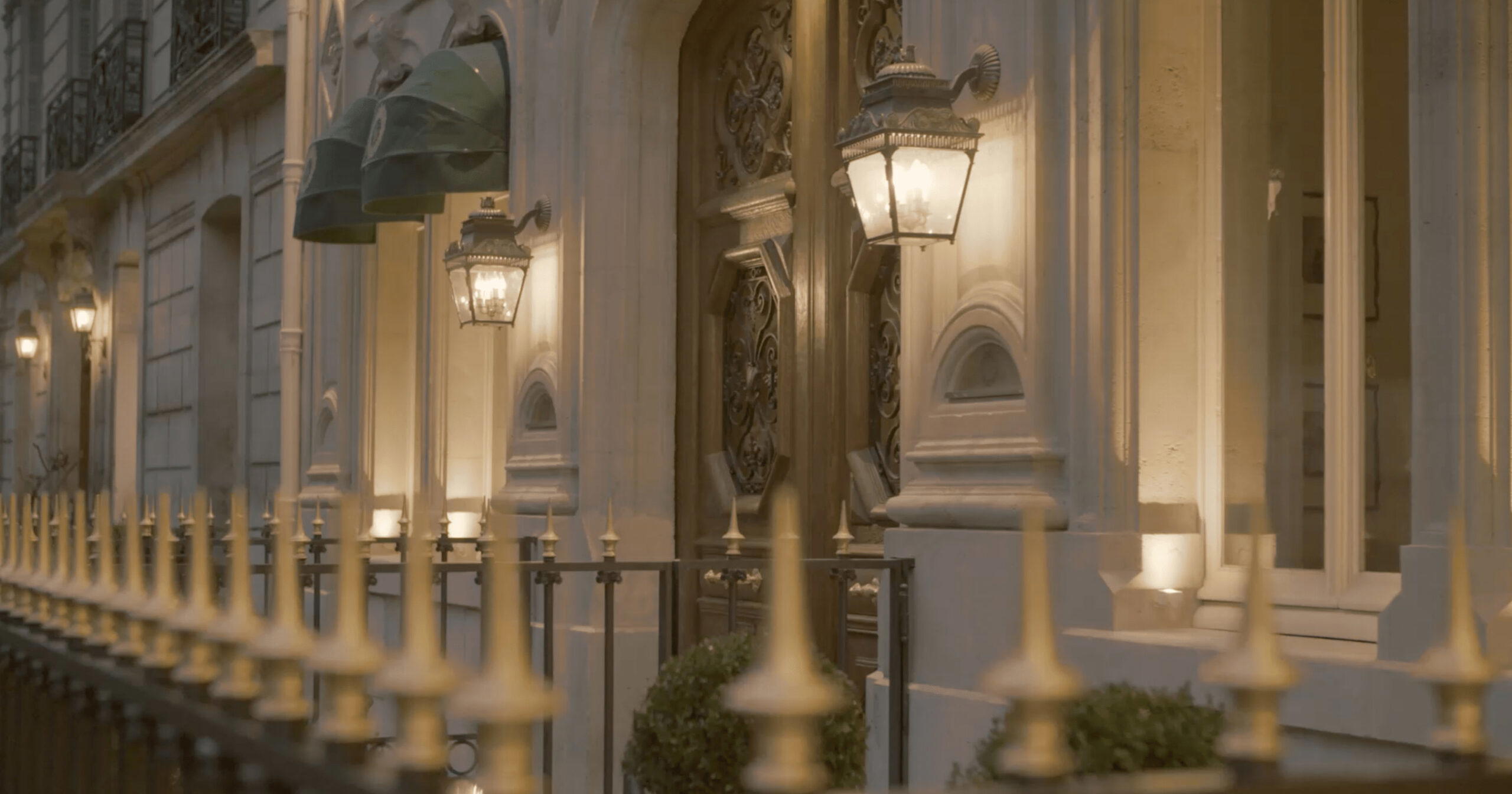
Avenue George V carries a particular kind of expectation. The street runs from the Champs-Élysées down toward the Seine, flanked by fashion houses, palace hotels, and the kind of stone facades that remind you Paris has been doing luxury longer than most cities have existed. Eating here is never a neutral act. The address frames every meal before you sit down, and restaurants on this stretch either surrender to the theatre of it or push back with something more grounded.
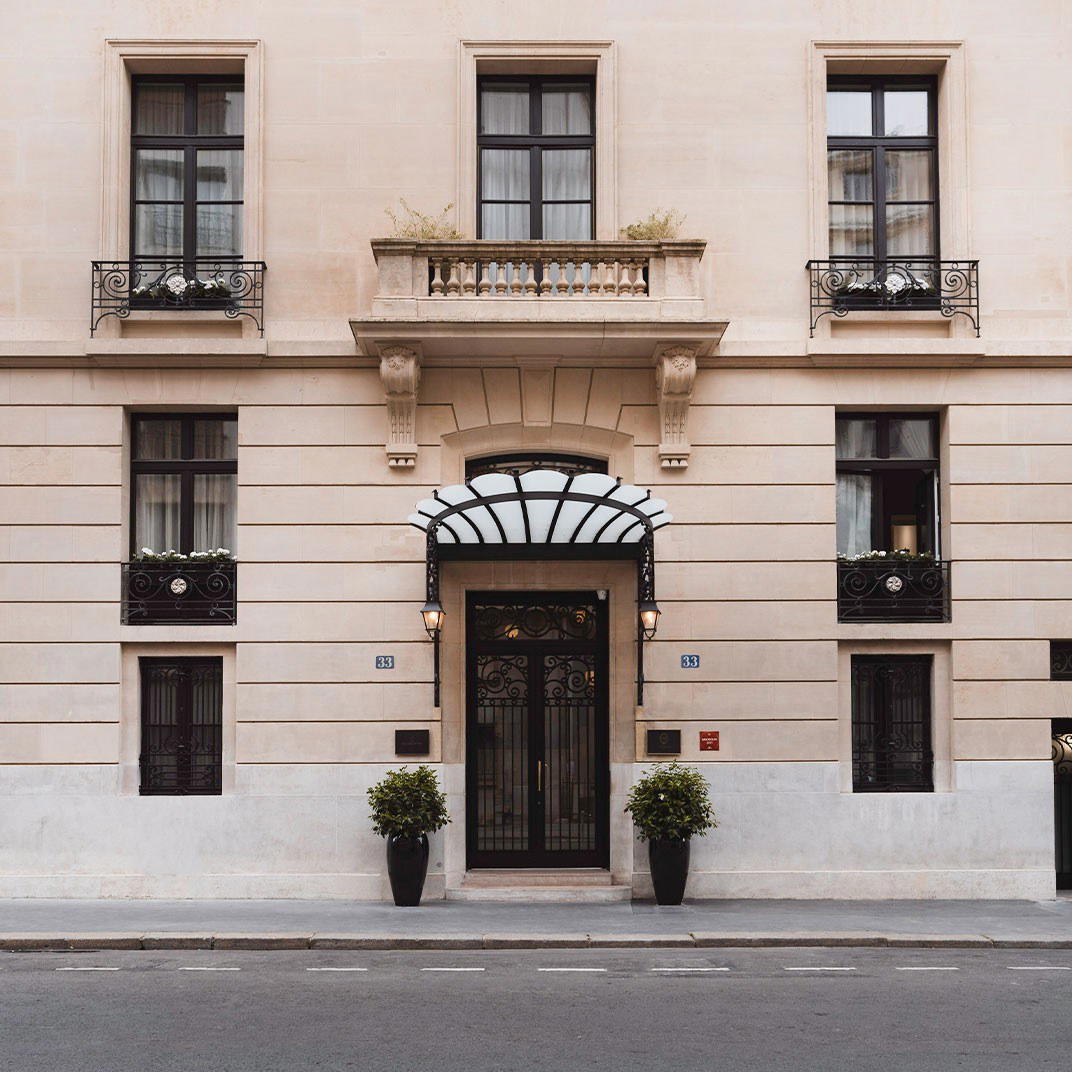
19.20 by Norbert Tarayre, at number 33, takes the second position. The room operates within the mid-range price tier, a deliberate choice on a street where the comparison set includes Allard and properties orbiting the palace hotel dining rooms. That positioning is not an accident. Traditional French cuisine at the €€ tier on Avenue George V is a statement about what the restaurant thinks the address should mean.
The Ritual of a Traditional French Meal
France's dining culture still operates on a sequence that most of the world has loosened or abandoned. Amuse, entrée, plat, fromage, dessert: the structure is not decorative, it is functional. It paces a meal across two hours so that each course arrives when the previous one has settled, and it creates a rhythm that makes conversation easier rather than competing with it. Restaurants that honour this sequence do so because they understand that the meal is a social form, not just a delivery mechanism for food.
At 19.20, the framework is traditional French cuisine, a category that aligns with the philosophy of cooking grounded in technique, product quality, and classical preparation rather than invention for its own sake. This puts it in a different conversation from the three-Michelin-starred creative houses nearby. Venues like Anecdote or the more contemporary formats in the 8th arrondissement operate with different ambitions. Traditional cuisine asks the kitchen to make something familiar taste exactly as it should, which is a harder brief than it sounds.
Across France, the restaurants that have held this standard most durably, from Auberge de l'Ill in Illhaeusern to Auberge Grand'Maison in Mûr-de-Bretagne, share a common trait: they do not treat the classics as a constraint but as a form of precision. The Michelin Plate, which 19.20 holds for both 2024 and 2025, signals exactly this. The award recognises kitchens that cook well within their declared register without implying the ambition to redefine it.
Where 19.20 Sits in the Paris Traditional Register
Paris has a clear hierarchy within traditional French cooking. At the apex sit the three-star rooms: Paul Bocuse's Auberge du Pont de Collonges outside Lyon held the standard for decades, and within Paris itself, L'Ambroisie on Place des Vosges operates in the classic French mode at €€€€ pricing. That upper tier asks for a different kind of commitment: longer reservations, dress code formality, and prices that are hard to sustain as a regular habit.
The mid-range tier, where 19.20 operates, is where most Parisians actually eat well on a recurring basis. The Atelier Maître Albert and Le Violon d'Ingres occupy similar ground: Michelin-recognised, technique-led, and priced for repeat visits rather than annual celebrations. This cohort is where the health of French dining culture is actually measured. When Michelin maintains Plate recognition across consecutive years, as it has for 19.20, it signals that the kitchen is consistent rather than chasing recognition with occasional showpieces.
For a restaurant on a tourist-heavy address, maintaining that average across a significant sample is a logistical achievement as much as a culinary one.
Pacing and Etiquette on George V
Eating on Avenue George V tends toward the formal end of Paris's dining spectrum, not in the sense of rigid rules but in the sense that the room expects you to take time. The area draws an international crowd alongside the French regulars, and the better restaurants here calibrate accordingly: service that can operate bilingually, a pace that doesn't rush the table, and a room designed for conversation rather than spectacle.
Traditional French dining etiquette carries a few practical expectations worth noting for visitors. Bread arrives before the meal and continues through it. Wine is ordered to complement courses rather than chosen from a cocktail list. The fromage course, if offered, is not an afterthought; it is a course, placed between the plat and dessert with intention. Rushing any of these stages is regarded in the French context as a misreading of what the meal is for.
For those planning a visit, the address at 33 Avenue George V places the restaurant within walking distance of the George V Métro station on Line 1. The surrounding neighbourhood, the 8th arrondissement, also contains a concentration of other Michelin-recognised tables, making it a logical base for a Paris dining programme. For broader planning across the city, our full Paris restaurants guide covers the range of options by arrondissement and price tier, while our full Paris hotels guide, bars guide, and experiences guide round out a stay in the city.
The Broader Context: Traditional Cuisine Beyond Paris
The traditional French register is not exclusive to the capital. Some of the most rigorous examples sit in provincial France, where the relationship between the kitchen and its local producers is more immediate. Bras in Laguiole and Troisgros in Ouches approach the classical tradition from a regional rootedness that a Paris address cannot replicate. Flocons de Sel in Megève and Mirazur in Menton represent the Alpine and Riviera inflections of French haute cuisine. Even outside France, the tradition has migrated: Auga in Gijón demonstrates how classical technique adapts to different coastlines and ingredients.
What 19.20 offers is a version of that tradition placed deliberately on one of Paris's most internationally visible streets, priced for a wider audience than the palace hotel dining rooms, and recognised by Michelin for consistency over two consecutive years. Within the 8th arrondissement, that combination is less common than the address density might suggest. Nearby, 20 Eiffel operates in a similar accessible-contemporary register, though the framing and neighbourhood pull differ. The Paris wineries guide is also worth consulting when building a full programme around a meal here, particularly for those interested in natural and classic-cellar producers supplying restaurants in this tier.
What to Know Before You Go
Michelin Plate recognition in 2024 and 2025 establishes 19.20 as a kitchen that cooks reliably within the traditional French register. The price tier sits at €€, making it accessible against the broader 8th arrondissement comparison set. The address at 33 Avenue George V is served by the George V Métro station. Given the international footfall of the street, booking ahead is advisable, particularly for weekday lunches, which in the traditional French format tend to draw a professional crowd from the surrounding business district.
Frequently Asked Questions
What do people recommend at 19.20 by Norbert Tarayre?
The restaurant holds a Michelin Plate for both 2024 and 2025, recognising consistent quality across its traditional French cuisine offer. Traditional French cuisine at this level tends to centre on classical technique applied to seasonal product, with the quality of execution across the full meal sequence, rather than any single course, being the main draw. For those building a broader Paris itinerary around restaurants in this register, the full Paris restaurants guide provides useful category and neighbourhood context.
Frequently asked questions
What's the price range at 19.20 by Norbert Tarayre?
Pricing at 19.20 by Norbert Tarayre is listed as €€.
What style of cooking does 19.20 by Norbert Tarayre do?
19.
What kind of recognition has 19.20 by Norbert Tarayre received?
19.20 by Norbert Tarayre has received recognition including: Michelin Plate (2025); Michelin Plate (2024).
What do people recommend at 19.20 by Norbert Tarayre?
The kitchen holds a Michelin Plate in both 2024 and 2025, which signals consistent execution across the traditional French sequence: entrée, plat, fromage, dessert. At the €€ price tier on Avenue George V, the value proposition sits clearly in classically prepared French dishes rather than experimental or fusion cooking. Specific dish recommendations are best confirmed directly with the restaurant before your visit, as the menu follows seasonal French tradition.
Where exactly is 19.20 by Norbert Tarayre?
19.20 by Norbert Tarayre is located at 33 Av. George V, 75008 Paris, France, Paris.
Cuisine and Recognition
| Venue | Cuisine | Price | Awards | Notes |
|---|---|---|---|---|
| 19.20 by Norbert TarayreThis venue — the venue you are viewing | Modern French Bistronomy | $50–100 | Michelin Plate | Not listed |
| Alléno Paris au Pavillon Ledoyen | Modern French Fine Dining | $150–200 | 3 Michelin Stars · World's 50 Best #79 | Creative |
| Kei | Modern French with Japanese Influences | $300–500 | 3 Michelin Stars · World's 50 Best #93 | Contemporary French, Modern Cuisine |
| L'Ambroisie | Classic French Haute Cuisine | $300–500 | 2 Michelin Stars · World's 50 Best #23 | French, Classic Cuisine |
| Le Cinq - Four Seasons Hôtel George V | French, Modern Cuisine | Not listed | Michelin 3 Star | Not listed |
| Plénitude | Modern French Sauce-Led Fine Dining | $300–500 | 3 Michelin Stars · World's 50 Best #14 | Contemporary French |
Recognition history
Dated appearances from independent guides and award organizations, with the underlying list record or original source where available.
Michelin Plate
Michelin
Full recognition history (3 entries)
Michelin Plate
Michelin
Michelin Plate
Michelin
Continue exploring
More in Paris
Restaurants in Paris
Browse all →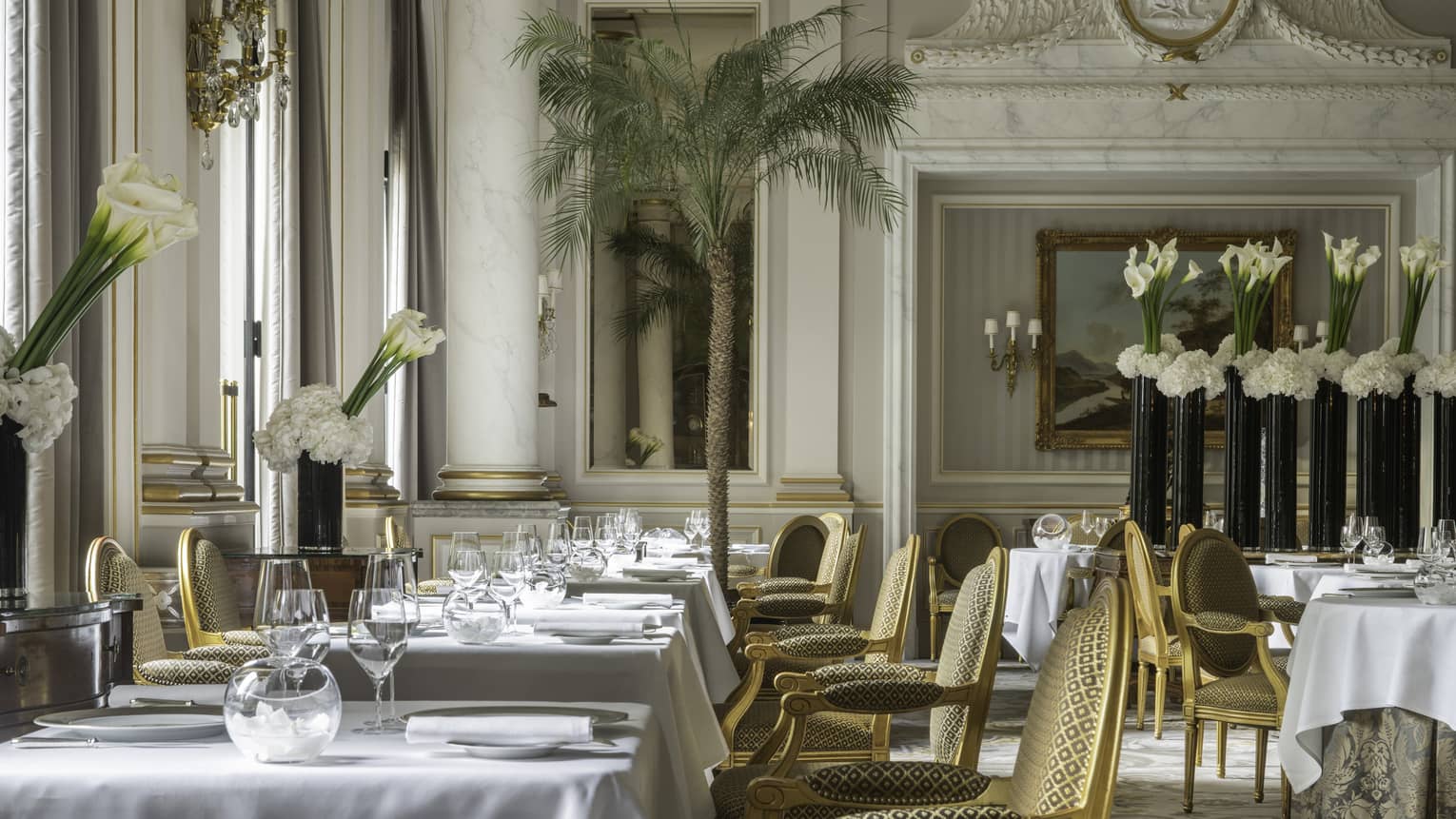
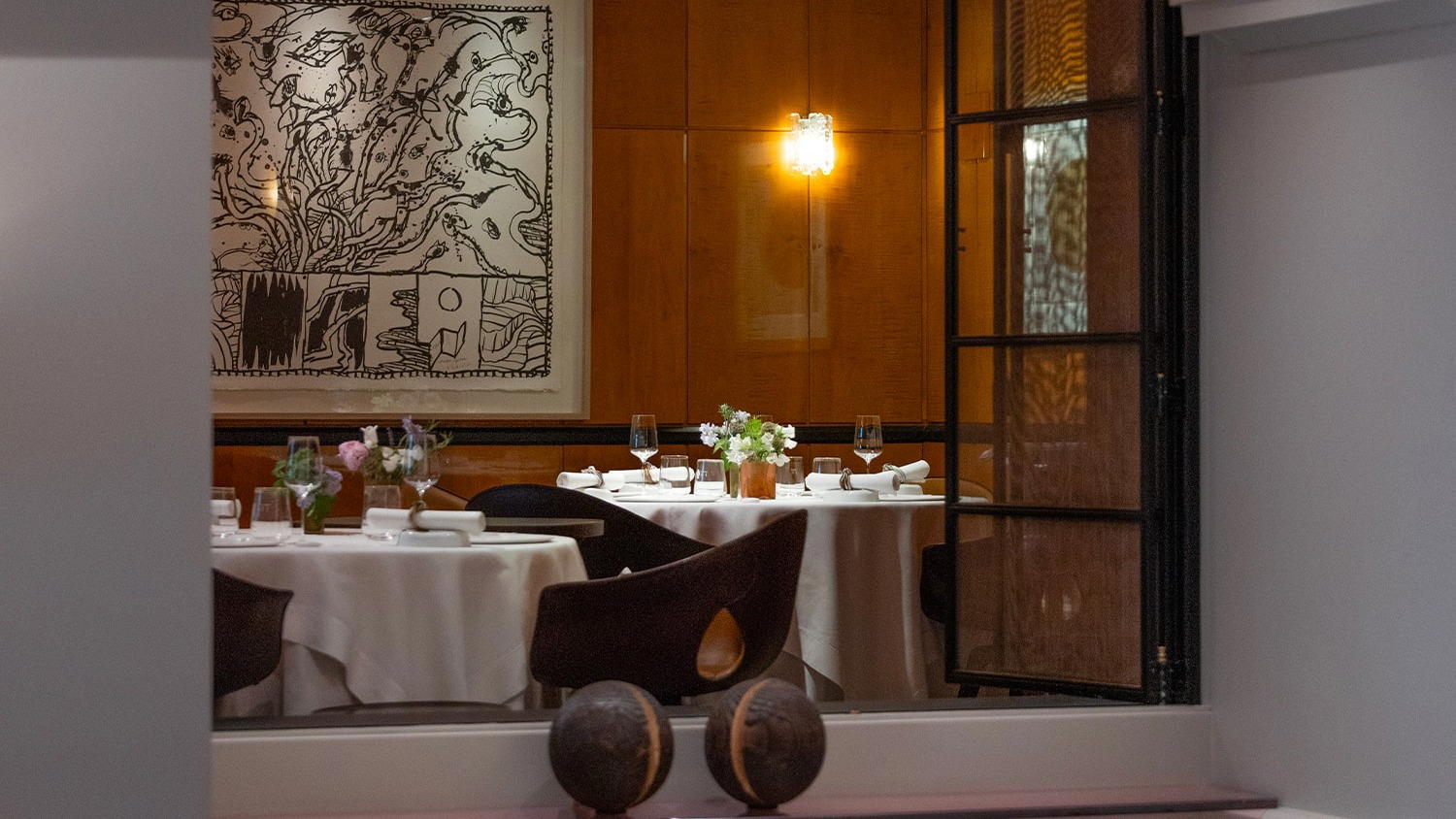

Bars in Paris
Browse all →
Hotels in Paris
Browse all →



19.20 by Norbert Tarayre
The wine
- Wine program
- Curated wine list
- Extensive wine list
- Craft cocktails
Details
- Elegant
- Cozy
- Intimate
- Sophisticated
- Trendy
- Date Night
- Business Dinner
- Group Dining
- Casual Hangout
- Hotel Restaurant
- Open Kitchen
- Chefs Counter
- Extensive Wine List
- Craft Cocktails
- Local Sourcing
- A La Carte
- Vegetarian Friendly
Current opening hours
- Monday
- 8:30 AM–12:30 AM
- Tuesday
- 8:30 AM–12:30 AM
- Wednesday
- 8:30 AM–12:30 AM
- Thursday
- 8:30 AM–12:30 AM
- Friday
- 8:30 AM–12:30 AM
- Saturday
- 10 AM–12:30 AM
- Sunday
- 10 AM–12:30 AM
Hours can change for holidays and private events. Last verified .
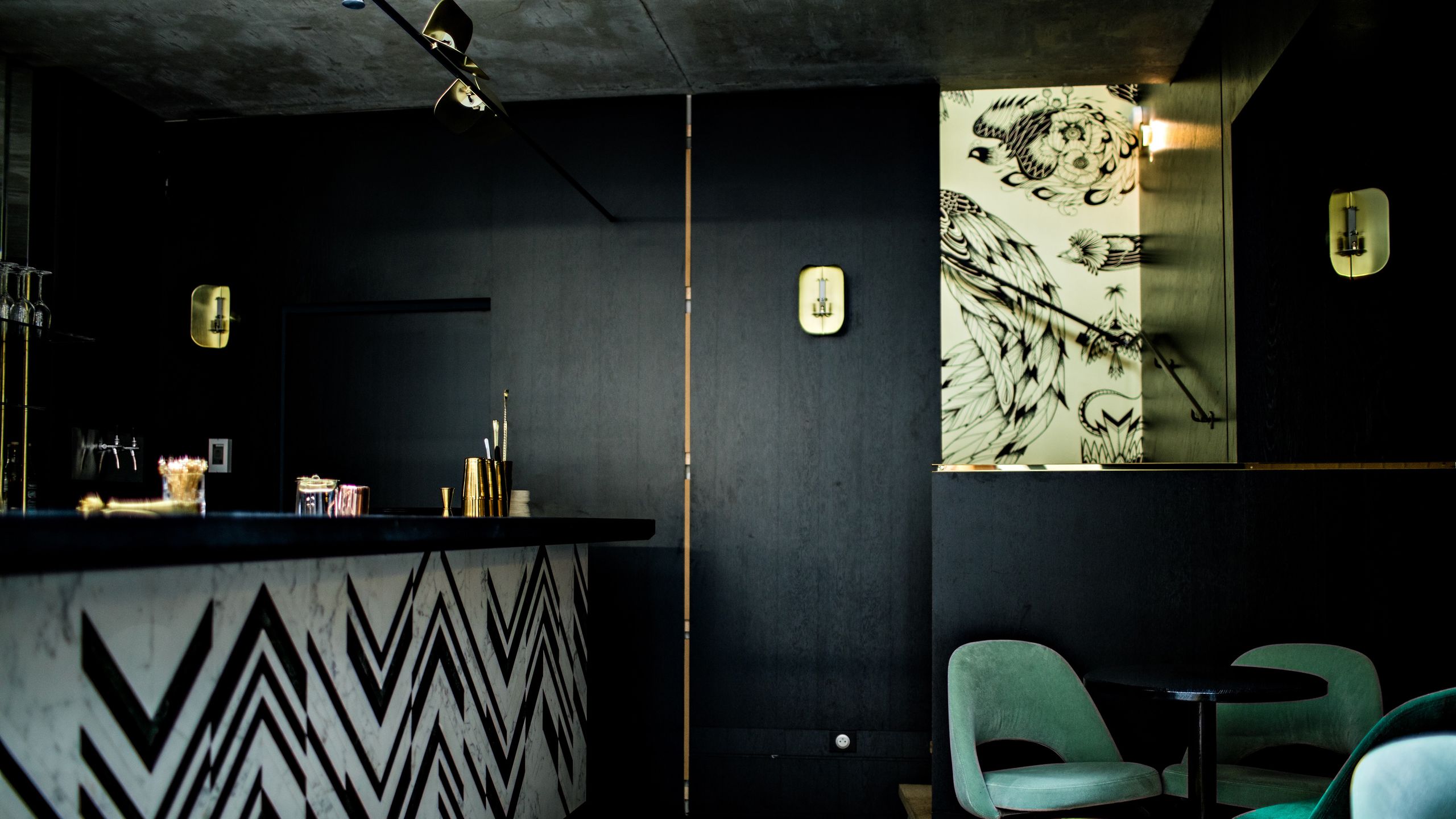
Cozy and intimate with 1920s Paris theme featuring paintings, drapes, marble partitions, colorful art blending savannah animals and Parisian monuments, evoking warmth, elegance, and joie de vivre.