


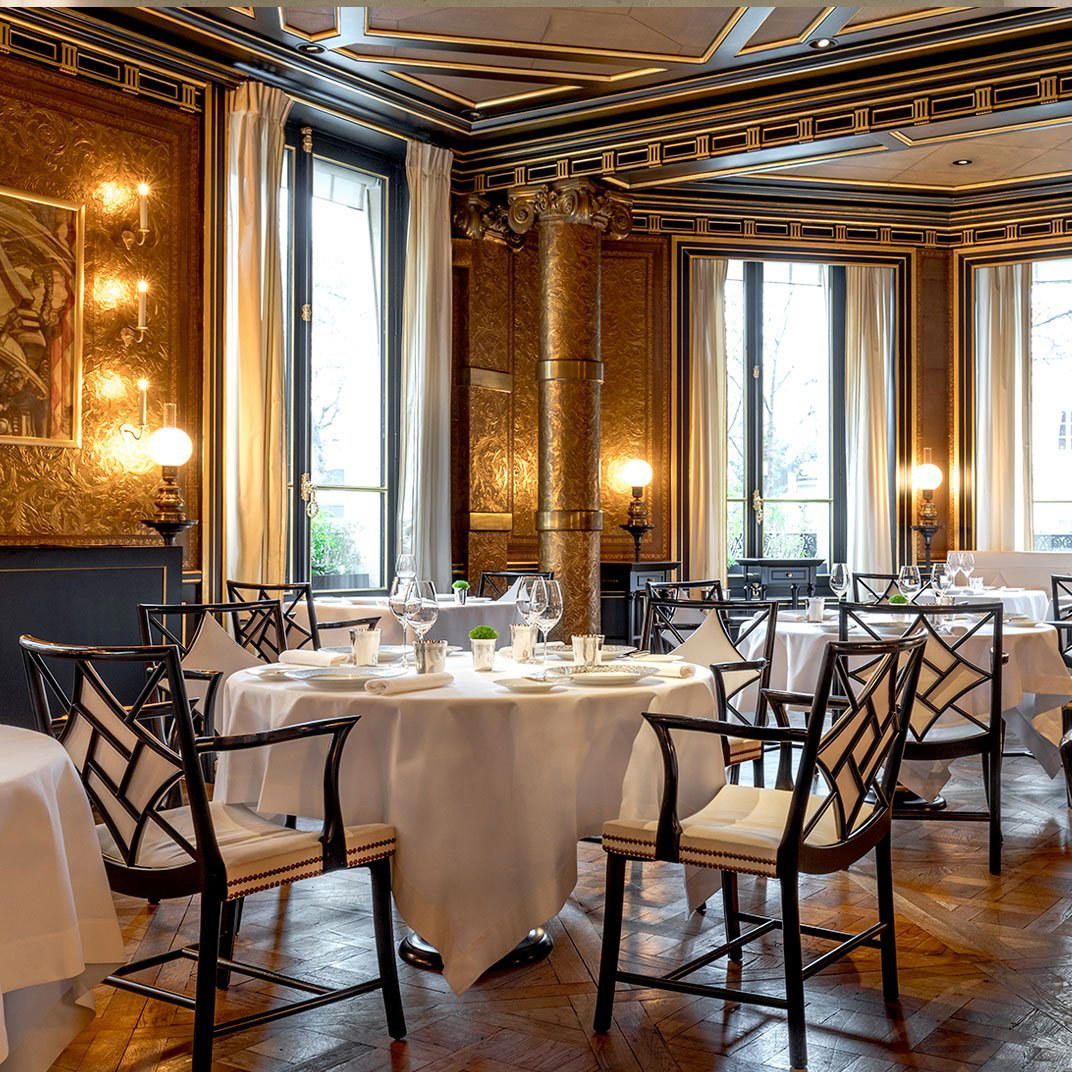
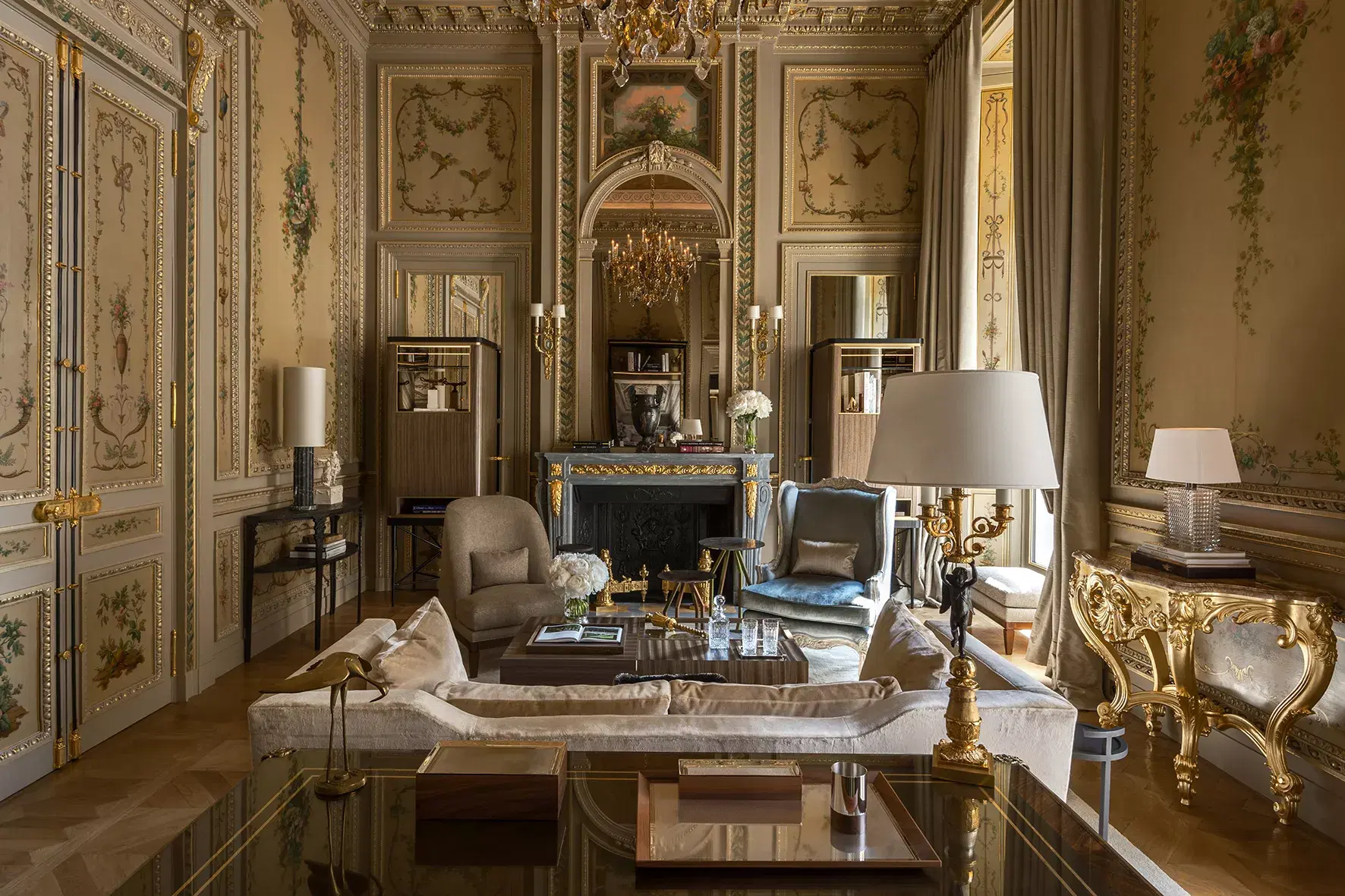
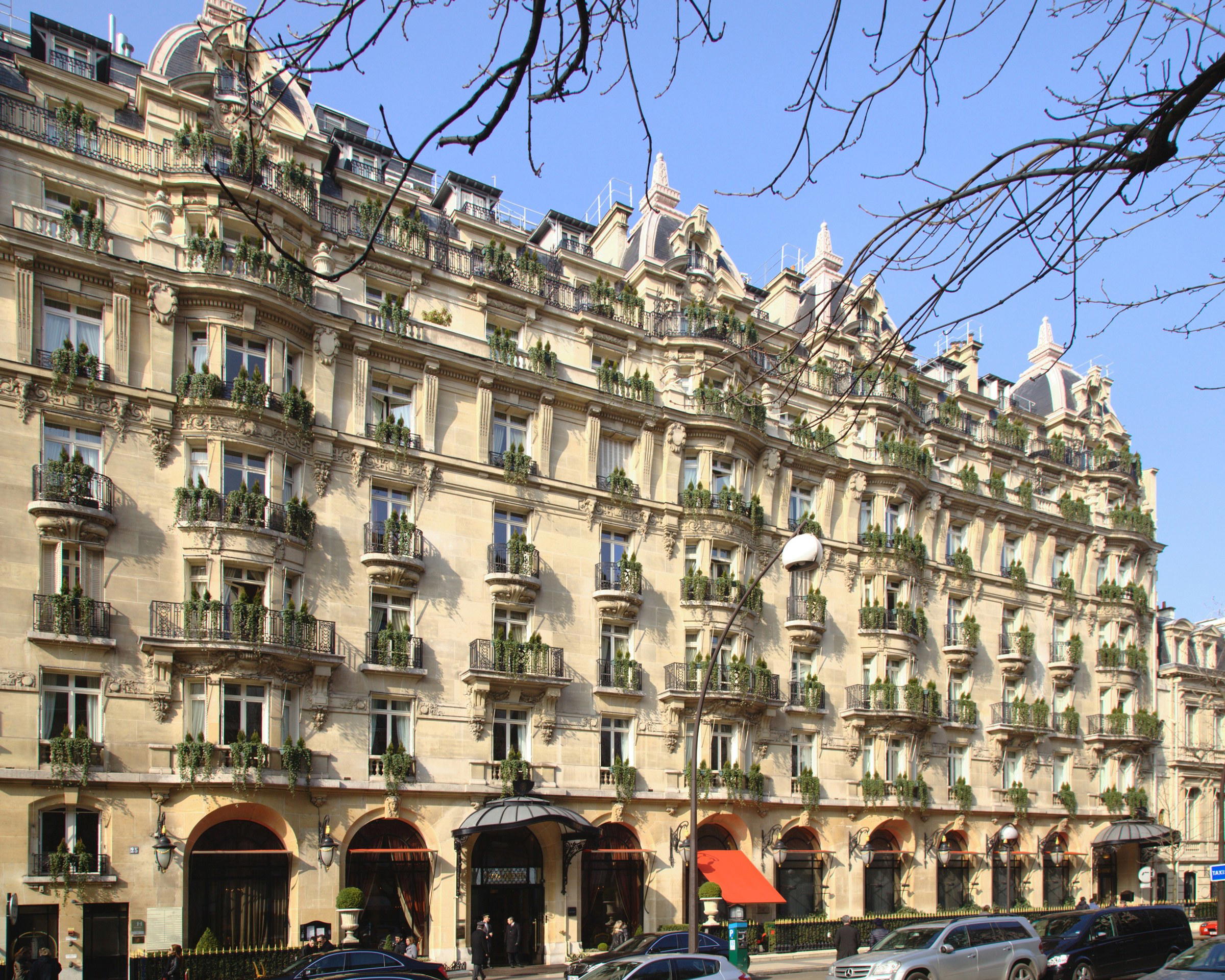
Housed within Le Bristol on the Rue du Faubourg Saint-Honoré, 114, Faubourg holds a Michelin star and a wine list of 1,200 selections across 140,000 bottles. Chef Arnaud Faye leads a kitchen that applies modern precision to French classical foundations, while the gilded interior, dahlia motifs, an open staircase, visible kitchen below, makes the room as much of a statement as the food.
Pearl is the En Primeur Club membership app — saves, bookings, and concierge access live there. Same editors, same standards.
- Address
- 114 Rue du Faubourg Saint-Honoré, 75008 Paris, France
- Phone
- +33 1 53 43 44 44
- Website
- oetkerhotels.com
- Directions
- Get directions
 Saves & bookings on Pearl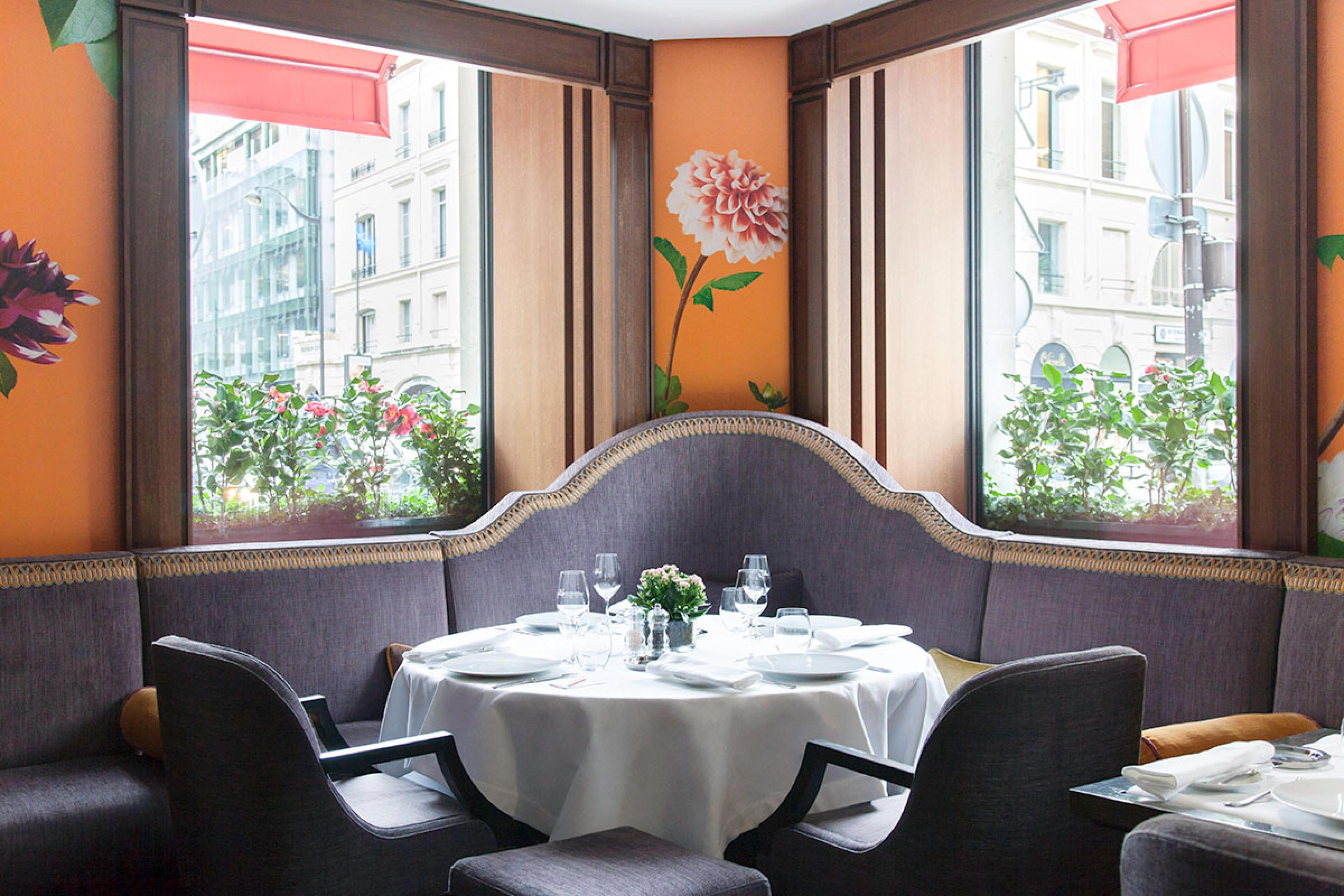
A Room That Earns Its Address
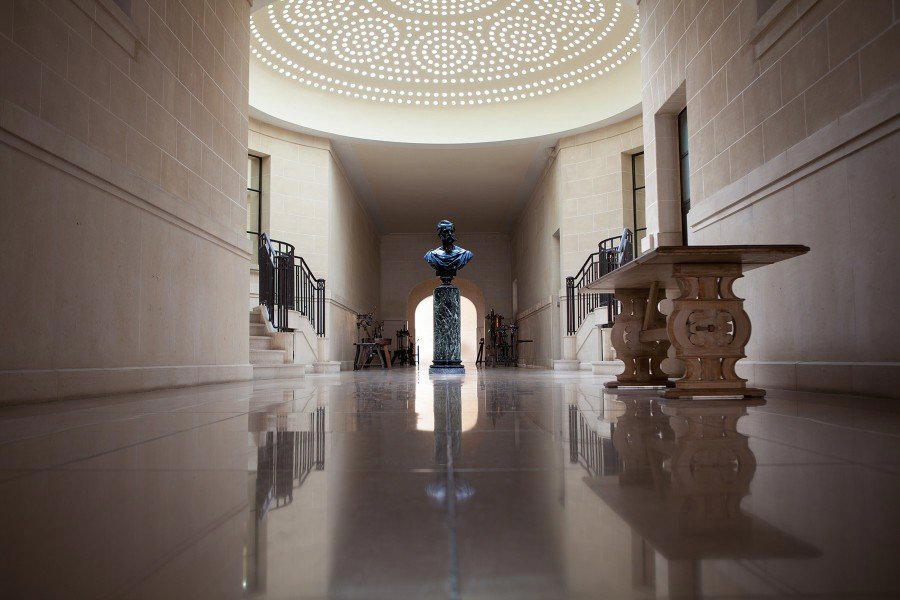
114, Faubourg is a one-Michelin-star Modern French Brasserie in Paris's 8th arrondissement, with lunch and dinner service and a price tier of €€€€. Gilded columns intersect with orange walls carrying oversized dahlia motifs in luminescent relief. A grand staircase descends from the entrance level to a lower floor where tables sit close enough to watch the open kitchen at work. The architecture is doing something specific here: it frames dining as spectacle without sacrificing the sense of enclosure that makes a long lunch feel private. This balance, between theatre and intimacy, is one accomplished hotel dining rooms in Paris have spent decades trying to calibrate.
The Rue du Faubourg Saint-Honoré address puts 114, Faubourg in one of the city's most loaded dining corridors. Its immediate comparable set includes Le Cinq at the Four Seasons George V and Plénitude at the Cheval Blanc, hotel restaurants whose ambitions have largely overtaken the properties that contain them. 114, Faubourg occupies a slightly different register: brasserie in spirit, starred in recognition, and priced at the €€€€ tier that places it alongside L'Ambroisie and Kei as addresses where the bill requires commitment before you sit down.
The Kitchen Behind the Star
French modern cuisine, as a category, spans enormous ground, from the hyper-technical deconstructions favoured at Alléno Paris au Pavillon Ledoyen to the product-driven minimalism practised at smaller independent tables like Anona or Accents Table Bourse. What 114, Faubourg represents is a third mode: classical French cooking filtered through a contemporary sensibility, where the logic of technique is inherited rather than invented.
Chef Vincent Schmit heads the kitchen, supported by Wine Director Baptiste Gillet-Delrieu and General Manager Luca Allegri, a front-of-house configuration that signals institutional seriousness rather than the kind of chef-driven auteur model that defines many starred independents. The Michelin star the restaurant holds is awarded to the restaurant's overall execution rather than to any singular creative voice, which is appropriate for what the restaurant is trying to do. The kitchen's orientation is toward French classicism rendered with contemporary precision: carefully composed plates, flavours that reference a canon rather than depart from it, and vegetable-focused options that sit alongside the mainline French repertoire without overshadowing it.
The broader lineage here connects to Eric Fréchon, the long-standing culinary director associated with Le Bristol, whose influence on the property's cooking culture extends across its restaurants. That lineage places the restaurant in a direct line to some of the foundational work of modern French hotel cuisine, a tradition that runs through the great provincial houses like Troisgros, Auberge de l'Ill, and Bras, and into the Paris hotel context through properties that have increasingly treated their restaurants as standalone culinary propositions rather than amenity spaces.
The Wine Argument
Any serious assessment of the restaurant has to spend time on the cellar. A list of 1,200 selections drawn from 140,000 bottles is not a wine list in the conventional sense, it is a working archive. The breakdown by strength (Burgundy, Champagne, Bordeaux, Loire, Rhône) maps onto the traditional canon of French fine wine, and the pricing tier (marked at the high end, with significant representation above the €100 bottle) matches the room's overall register.
In Paris at the €€€€ level, a wine program of this depth is a differentiating factor rather than a given. Plenty of starred restaurants maintain lists that are competent and correctly priced; fewer maintain the kind of back-catalogue depth that allows a sommelier to run laterally across vintages and appellations. The 140,000-bottle figure, if taken at face value, positions this cellar among the more substantial in the city's hotel dining category. Baptiste Gillet-Delrieu's stewardship of that inventory is as much of the offering as anything arriving from the kitchen, and for wine-focused guests, it may be the primary reason to choose this address over comparable competitors.
Where 114, Faubourg Sits in the Paris Dining Conversation
Paris's starred restaurant population in the 8th arrondissement has bifurcated over the past decade. On one side are the maximally ambitious multi-course propositions aimed at the international destination-dining market; on the other are addresses that have recalibrated toward a more grounded, less itinerary-driven experience. The restaurant lands clearly in the second group. Its lunch service runs five days a week (noon to 2 PM, Monday through Friday), with dinner service extending to 10 PM daily, a schedule that makes it accessible for working lunches and for guests who want a starred experience without the three-hour commitment of a tasting menu format.
That operational posture contrasts with the format at heavily tasting-menu-dependent addresses elsewhere in the city, and it aligns the restaurant with a tradition of serious French dining that values the single-plate composition as much as the extended sequence. For reference points outside Paris, the ethos maps loosely onto what establishments like Auberge de Montfleury and Auguste represent at different price points: French technique applied without the need to perform its own modernity.
The comparison to international modern cuisine counterparts is instructive. Restaurants like Frantzén in Stockholm or FZN by Björn Frantzén in Dubai represent the northern European strand of modern cuisine, technically aggressive, format-driven, and built around a singular chef's vision. The restaurant represents the opposing French tradition: institutional depth, classical grounding, and a cellar that outlasts any individual kitchen tenure. Neither approach is inherently superior; they answer different questions about what fine dining is for.
Reading the Room: Who Books Here and Why
That breadth is consistent with what Le Bristol's brasserie format is designed to do: occupy a position that is prestigious without being inaccessible, and that delivers the surface signals of Parisian chic, the room, the service structure, the wine list, without requiring diners to orient themselves around a chef's personal statement.
For visitors to Paris building a restaurant itinerary, the restaurant makes most sense as a lunch destination on a weekday, when the room operates at full capacity and the food-and-wine combination can be taken seriously without the schedule compression of dinner.
Restaurants like Amâlia or Mirazur in Menton and Flocons de Sel in Megève sit at the other end of the chef-as-author spectrum; they are useful reference points precisely because they clarify what the restaurant is not attempting. This is a restaurant that has made peace with its institutional identity, and executes it with enough rigour to have earned Michelin's recognition for it. The address on the Faubourg Saint-Honoré is not incidental context, it is the point, and the kitchen and cellar are built to justify it.
Planning Your Visit
Lunch runs noon to 2 PM, Monday through Sunday; dinner runs 7 PM to 10 PM daily. The restaurant sits at 114 Rue du Faubourg Saint-Honoré in the 8th arrondissement, within Le Bristol Paris. Pricing falls at the €€€€ tier, with wine pricing marked similarly high, factor in the cellar's depth if you plan to drink seriously, since the per-bottle cost will almost certainly exceed the food spend at this level of list.
- beef tartare with hand-cut chips
- pan-fried langoustine ravioli with Sichuan pepper and coconut-lime emulsion
- oven-roasted guinea fowl
- chocolate soufflé
- Bourbon vanilla millefeuille
- pan-seared frog's legs with tandoori spices
How It Stacks Up
Comparable venues nearby, for context on price, style, and recognition.
| Venue | Cuisine | Price | Awards | Notes |
|---|---|---|---|---|
| 114, FaubourgThis venue — the venue you are viewing | Modern French Brasserie | $$$$ | Michelin 1 Star | Not listed |
| Divellec | Modern French Seafood | $$$$ | Michelin 1 Star | Invalides |
| Nakatani | Modern French with Japanese Influence | $$$$ | Michelin 1 Star | 7th Arr. - Palais-Bourbon |
| La Grande Cascade | Classic French Fine Dining | $$$$ | Michelin 1 Star | Bois de Boulogne |
| L'Atelier de Joël Robuchon - Étoile | Modern French Fine Dining | $$$$ | Michelin 1 Star | Champs-Élysées |
| L'Escarbille | Modern French Fine Dining | $$$$ | Michelin 1 Star | Meudon |
Recognition history
Dated appearances from independent guides and award organizations, with the underlying list record or original source where available.
Michelin 1 Star
Michelin
Michelin 1 Star
Michelin
We're Smart World 1 Radish
We're Smart World
Wine Spectator Best of Award of Excellence
Wine Spectator
Michelin 1 Star
Michelin
Continue exploring
More in Paris
Restaurants in Paris
Browse all →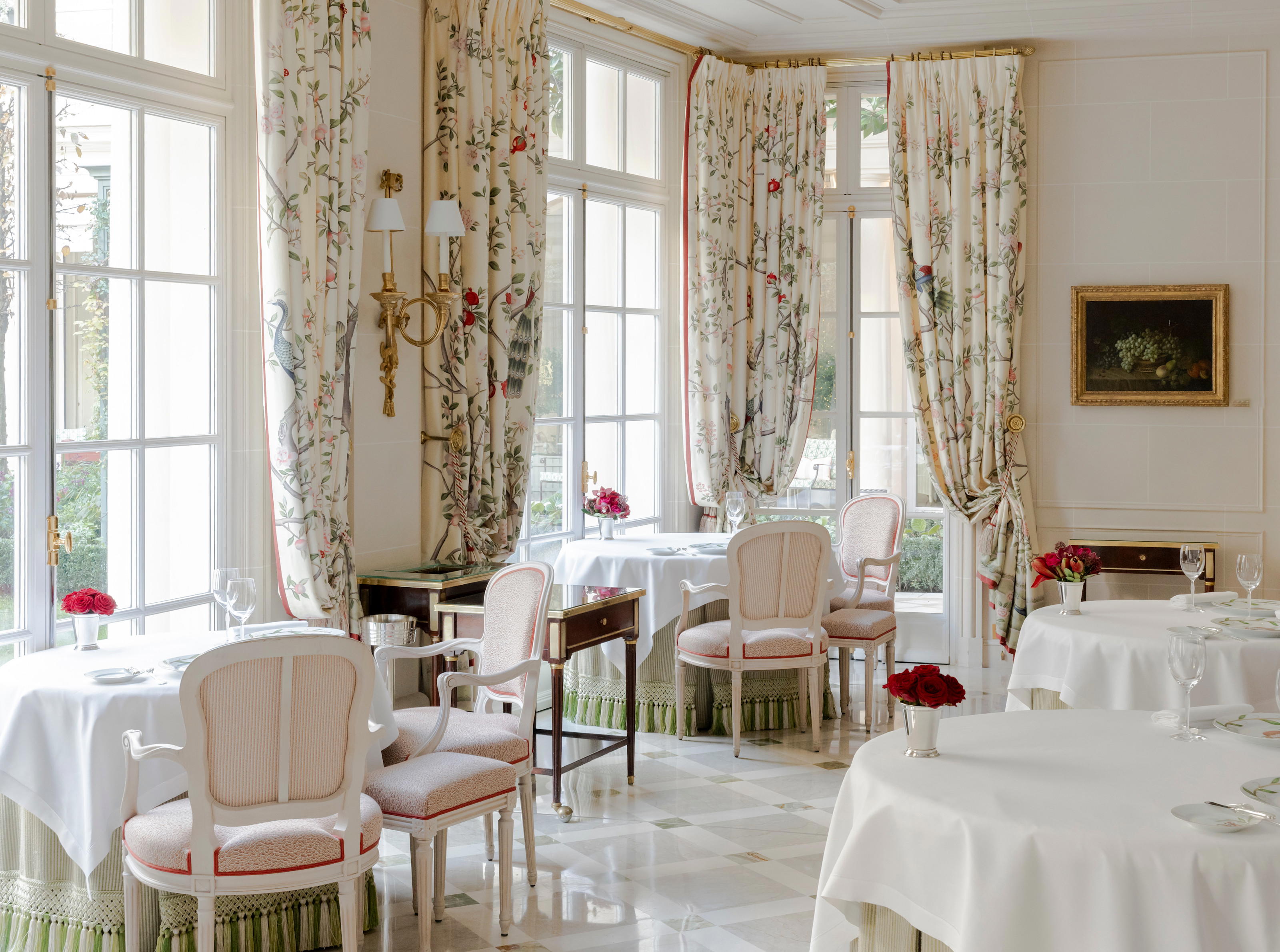

Bars in Paris
Browse all →
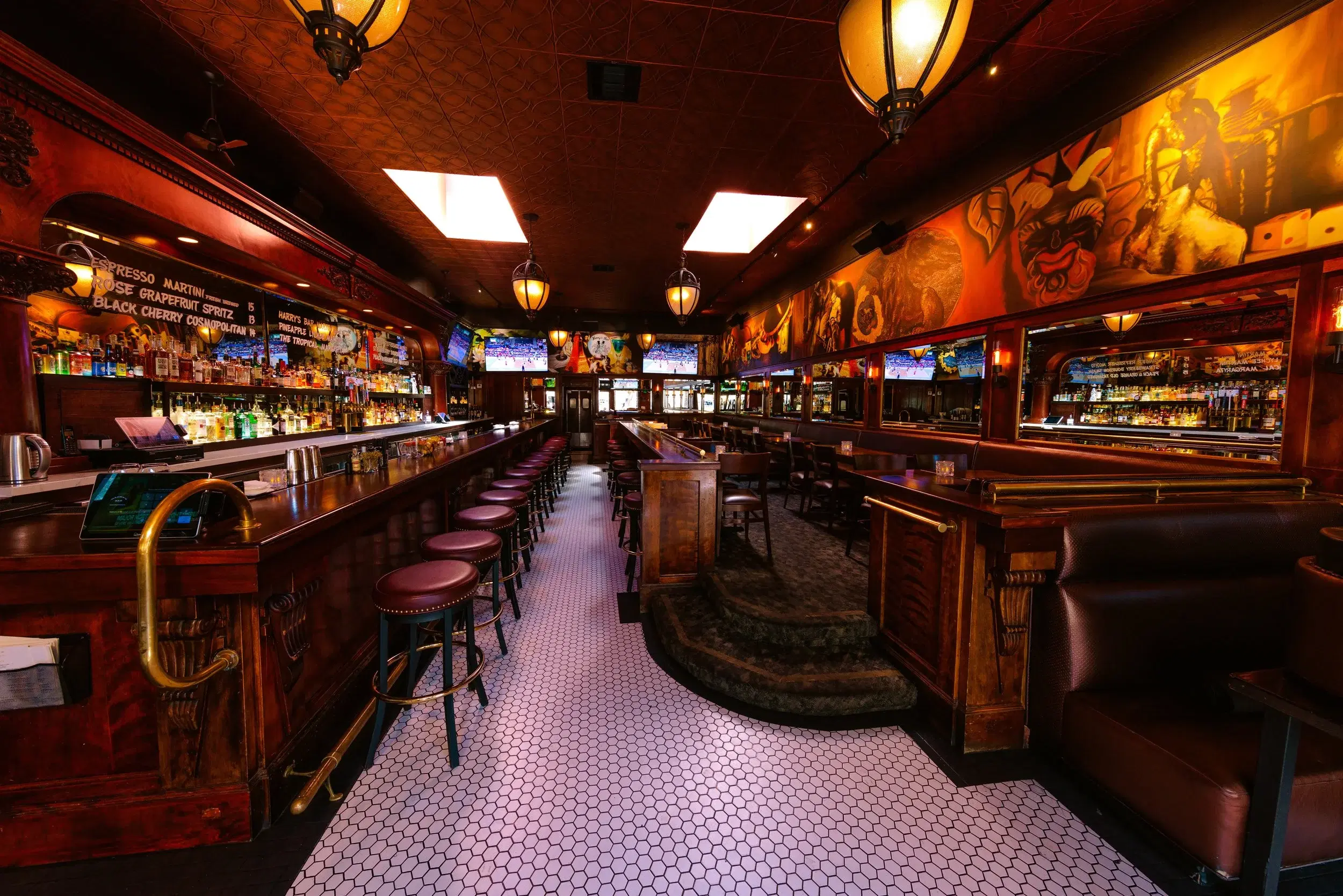
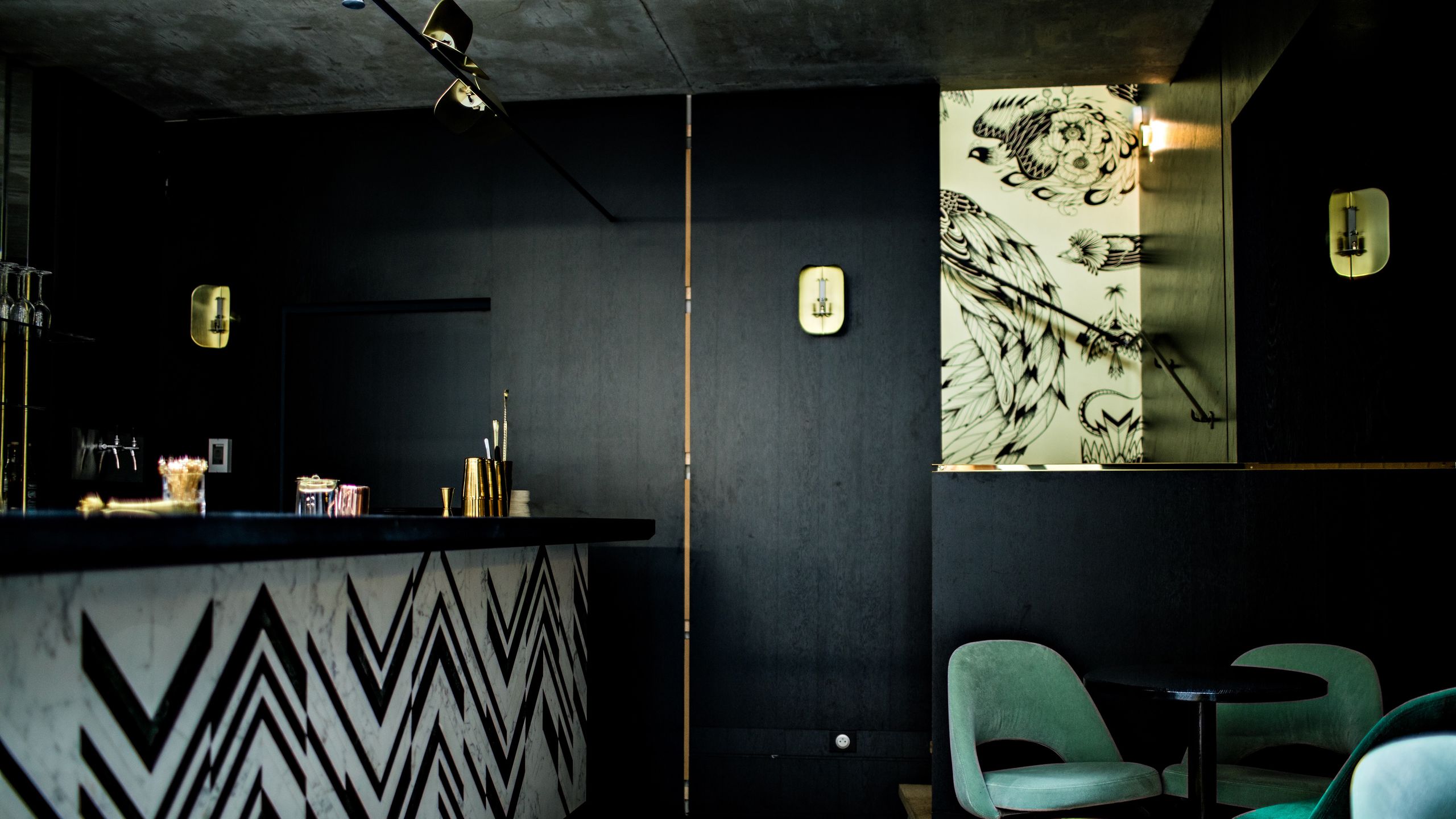
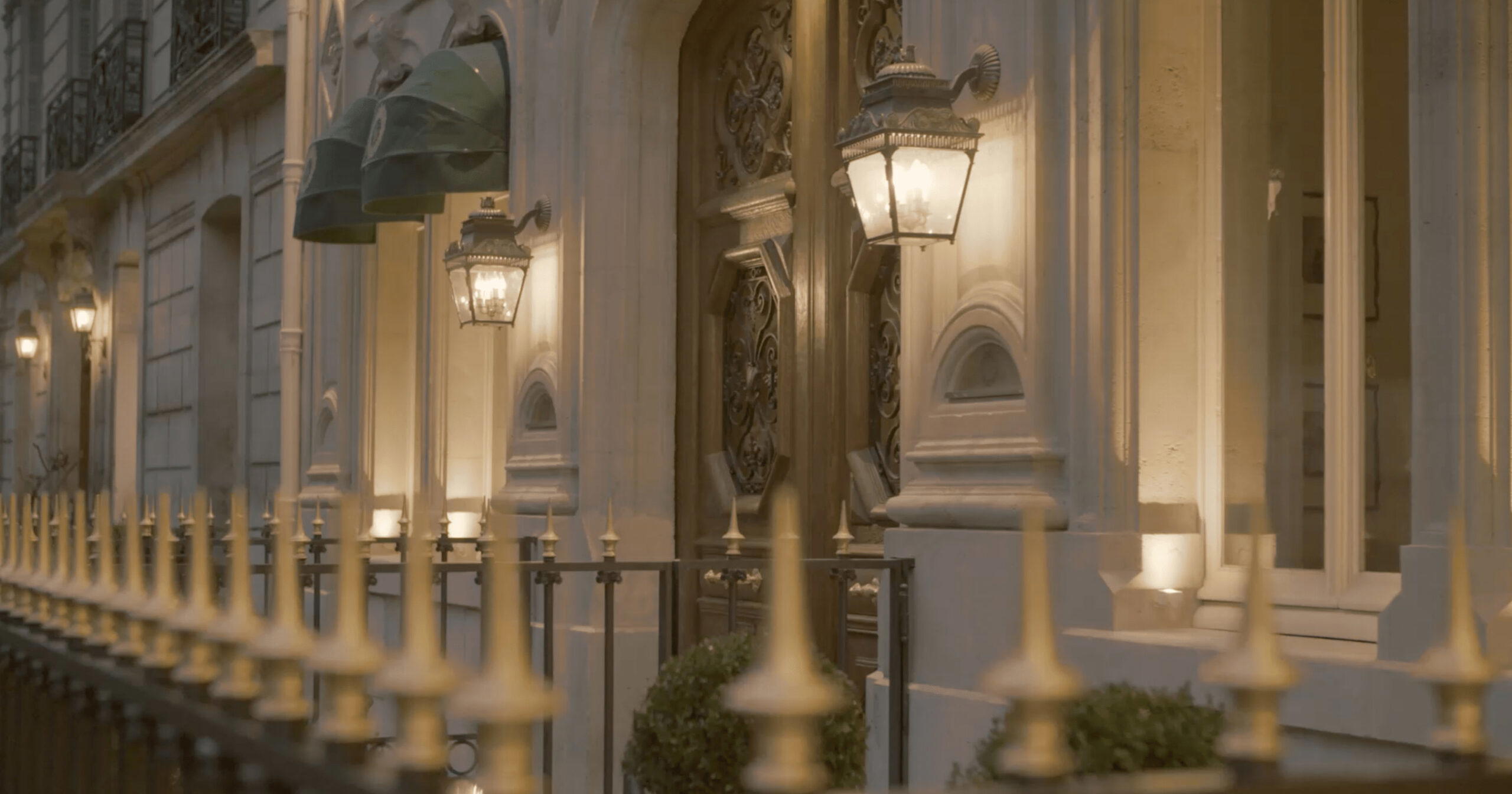
Hotels in Paris
Browse all →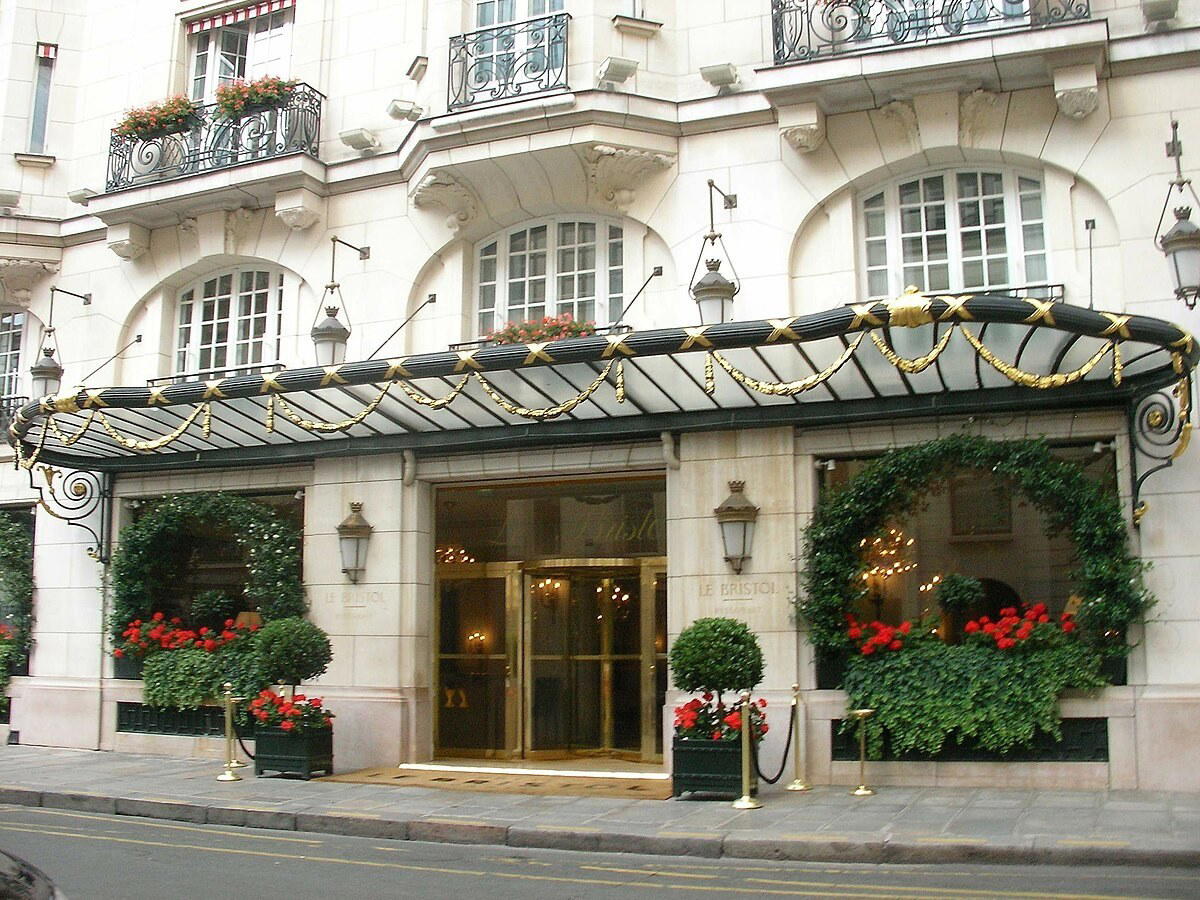
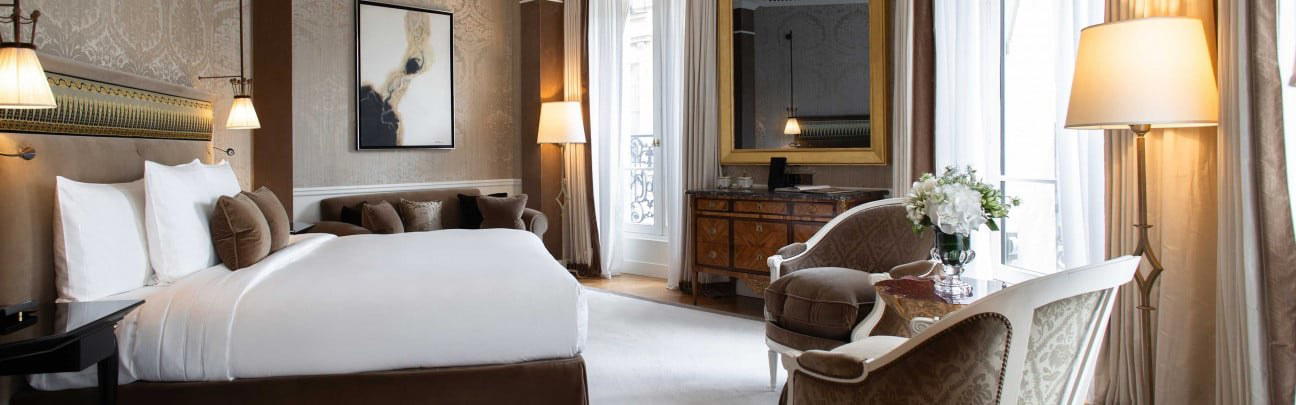



At a Glance
- Elegant
- Sophisticated
- Intimate
- Lively
- Date Night
- Special Occasion
- Celebration
- Business Dinner
- Hotel Restaurant
- Open Kitchen
- Private Dining
- Extensive Wine List
- Sommelier Led
- Local Sourcing
Current opening hours
- Monday
- 12–2 PM, 7–10 PM
- Tuesday
- 12–2 PM, 7–10 PM
- Wednesday
- 12–2 PM, 7–10 PM
- Thursday
- 12–2 PM, 7–10 PM
- Friday
- 12–2 PM, 7–10 PM
- Saturday
- 12–2 PM, 7–10 PM
- Sunday
- 12–2 PM, 7–10 PM
Hours can change for holidays and private events. Last verified .
Chic and shimmering with elegant yet casual atmosphere; the duplex space features colorful dahlia wall paintings, golden columns, and wrought iron details creating an intimate yet bustling environment with classical bourgeois décor.