116 pairs Japanese-French Fusion Izakaya with an open kitchen, extensive wine list, natural wine, craft cocktails, and lunch or dinner service in Paris 16e.
Pearl is the En Primeur Club membership app — saves, bookings, and concierge access live there. Same editors, same standards.
- Address
- 2 Rue Auguste Vacquerie, 75116 Paris, France
- Phone
- +33147201045
- Website
- restaurant-116.fr
- Directions
- Get directions
 Saves & bookings on Pearl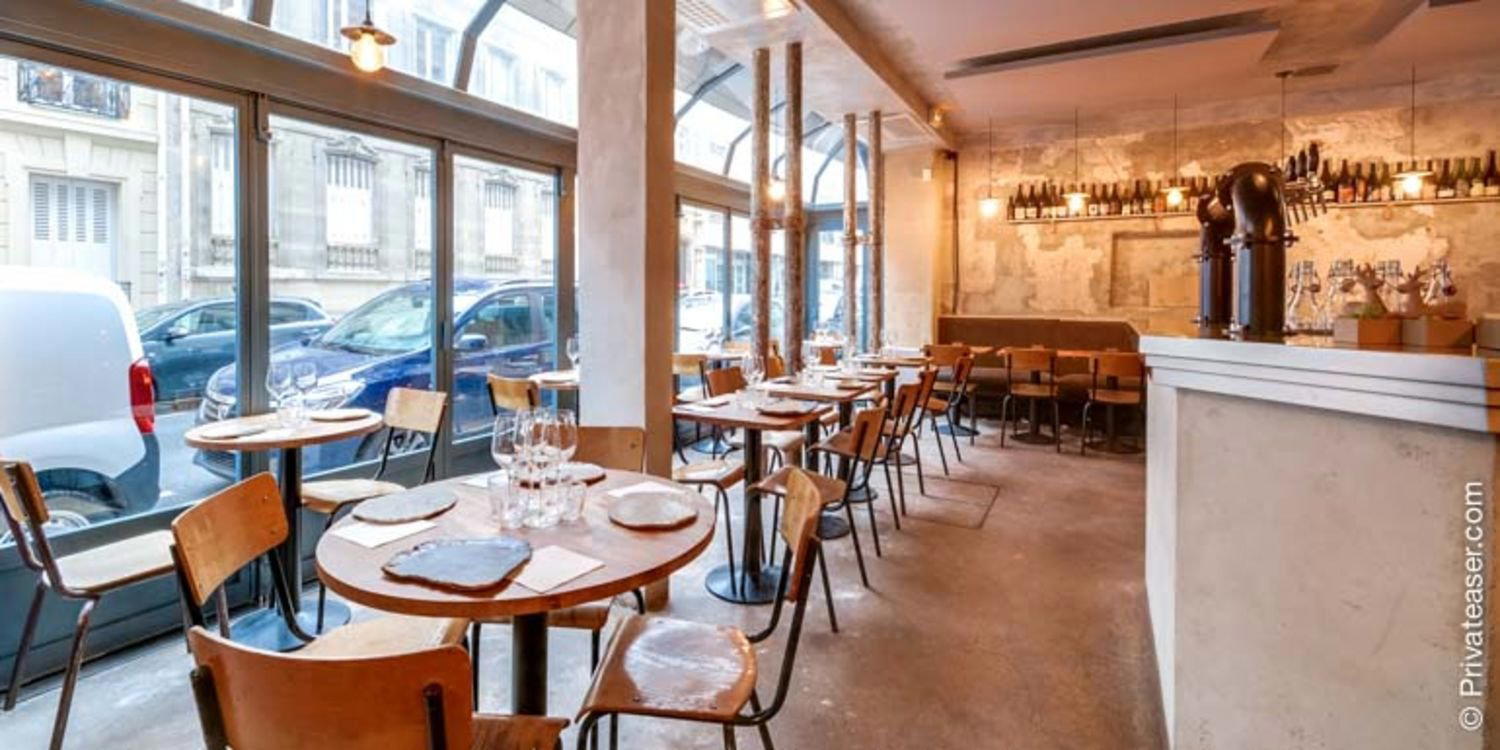
The 16th and What It Signals About Serious Parisian Dining
The 16th arrondissement occupies a particular position in the Parisian restaurant hierarchy: quieter than the 8th, less trafficked by tourists than the Marais, and historically the address of choice for a certain kind of understated, high-expectation dining. Rue Auguste Vacquerie sits within that tradition. The street runs close enough to the Champs-Élysées corridor that comparisons with the grand hotel restaurants of the 8th are inevitable, yet the 16th has its own register, one that tends to reward residents and regulars over first-time visitors looking for spectacle.
At this address, the approach places 116 within a cohort of Paris addresses that prioritise considered sourcing over theatrical presentation. That orientation is increasingly relevant as French fine dining moves away from classical excess and toward a tighter relationship between what arrives on the plate and where it was grown, raised, or harvested. Venues like Arpège established the benchmark for kitchen garden-driven dining in Paris decades ago; the question for newer addresses in quieter arrondissements is whether the supply chain discipline and kitchen philosophy can match that standard without the institutional weight behind them.
Sustainability as Structure, Not Decoration
Across France’s most considered kitchens, sustainability has moved from being a marketing position to an operational framework. At Bras in Laguiole, the relationship between kitchen and terroir is so embedded it shapes the entire menu architecture. At Mirazur in Menton, biodynamic garden produce drives seasonal sequencing. The same logic is reshaping expectations in Paris, where urban kitchens face a harder logistical problem: sourcing ethically and seasonally in a dense city where supplier relationships require active management rather than proximity.
In the 16th, 116’s address on Rue Auguste Vacquerie places it within a neighbourhood where the clientele tends to know the difference between a kitchen that talks about responsible sourcing and one that structures its purchasing around it. That distinction matters more in this arrondissement than it would in a higher-volume tourist corridor, where the volume of covers makes supplier traceability harder to maintain. The smaller, more local character of the 16th’s dining culture creates the conditions where that kind of rigour is both expected and possible.
France’s regulatory environment for food labelling and origin certification is among the most detailed in Europe, which means kitchens operating here have both the tools and the accountability to make sourcing claims that hold up. Chefs working within that framework, as those at Troisgros - Le Bois sans Feuilles have done for generations, treat supply chain decisions as culinary decisions rather than administrative ones. That same seriousness is what separates a kitchen making a genuine environmental commitment from one using the language of sustainability as positioning.
The Competitive Set in Paris’s Upper Tier
Paris’s top-tier restaurants have become increasingly stratified. At the highest bracket, places like Alléno Paris au Pavillon Ledoyen and Le Cinq at the Four Seasons Hôtel George V operate at the intersection of grand palatial setting and technical ambition. At the other end of the formal spectrum, Kei demonstrates how a Franco-Japanese sensibility can produce some of the city’s most precise cooking within a more intimate environment. L’Ambroisie on the Place des Vosges remains the reference point for classic French discipline applied without compromise.
Within this context, restaurants in the 16th occupy a somewhat different competitive position: they are drawing from a neighbourhood clientele that has high standards and low tolerance for performance over substance. The address at 2 Rue Auguste Vacquerie is not a destination address in the way that a Michelin-flagged room in the 8th or 1st would be, which means the kitchen has to earn its covers through consistency rather than through the gravitational pull of a famous postcode. That is, in practice, a more demanding standard to meet.
Outside Paris, the broader French fine dining reference points are equally instructive. Auberge de l’Ill in Illhaeusern and Au Crocodile in Strasbourg both demonstrate how sustained quality outside capital cities requires a different kind of institutional commitment. Assiette Champenoise in Reims shows how a strong regional identity can coexist with technical ambition at the highest level. These comparisons matter because they define what French fine dining looks like when it is done with patience and structural seriousness rather than trend-chasing.
Waste Reduction and Kitchen Discipline
The question of waste in high-end kitchens has become a genuine differentiator. Nose-to-tail cooking, whole-vegetable utilisation, and fermentation-led preservation are no longer niche concerns; they are criteria by which serious diners assess whether a kitchen’s environmental claims are reflected in actual practice. Flocons de Sel in Megève operates in an alpine context where seasonal availability naturally enforces discipline; urban kitchens in Paris have no such external constraint and must build that discipline into their purchasing and preparation cycles deliberately.
Auberge du Vieux Puits in Fontjoncouse has long used its isolated location as a reason to extract maximum value from every ingredient arriving at the kitchen door. AM par Alexandre Mazzia in Marseille takes a different approach, using ingredient intensity and small-format plates to reduce waste through portion precision. These are the reference frameworks within which a Paris restaurant serious about sustainability must position itself.
Planning a Visit to 116
The 16th is accessible by Métro lines 1 and 9 via the Kleber or Iena stations, both within comfortable walking distance of Rue Auguste Vacquerie. The neighbourhood is quieter in the evenings than the more tourist-heavy arrondissements, which means street parking and dining room noise levels both tend to be more manageable. For international visitors, the address sits within easy reach of the Arc de Triomphe area, making it a reasonable dinner option when staying in or around the 8th. For those building a broader itinerary, our full Paris restaurants guide maps the city’s key dining options by neighbourhood and price tier.
The international comparison points are also worth noting for travellers moving between cities. Le Bernardin in New York City operates at a similar intersection of sourcing seriousness and technical refinement, and Atomix in New York City demonstrates how sustainability and cultural specificity can reinforce each other in a fine dining format. Paul Bocuse - L’Auberge du Pont de Collonges remains the historical anchor for understanding what French cuisine at its most sustained looks like across decades.
A quick peer reference to anchor this venue in its category.
| Venue | Cuisine | Price |
|---|---|---|
| 116This venue — the venue you are viewing | Not listed | Not listed |
| Alléno Paris au Pavillon Ledoyen | Creative | €€€€ |
| Kei | Contemporary French, Modern Cuisine | €€€€ |
| L'Ambroisie | French, Classic Cuisine | €€€€ |
| Le Cinq - Four Seasons Hôtel George V | French, Modern Cuisine | €€€€ |
| Pierre Gagnaire | French, Creative | €€€€ |
Continue exploring
More in Paris
Restaurants in Paris
Browse all →

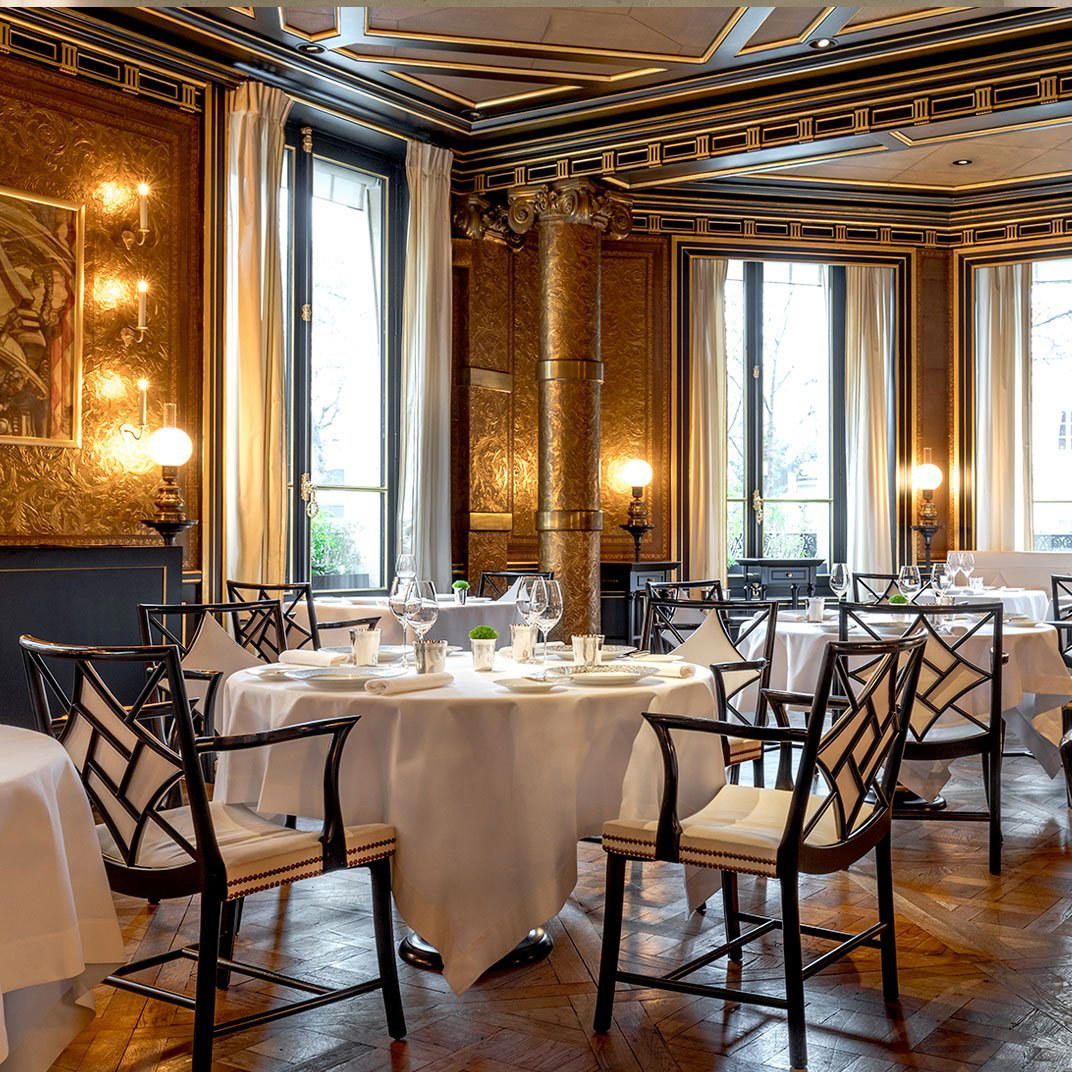
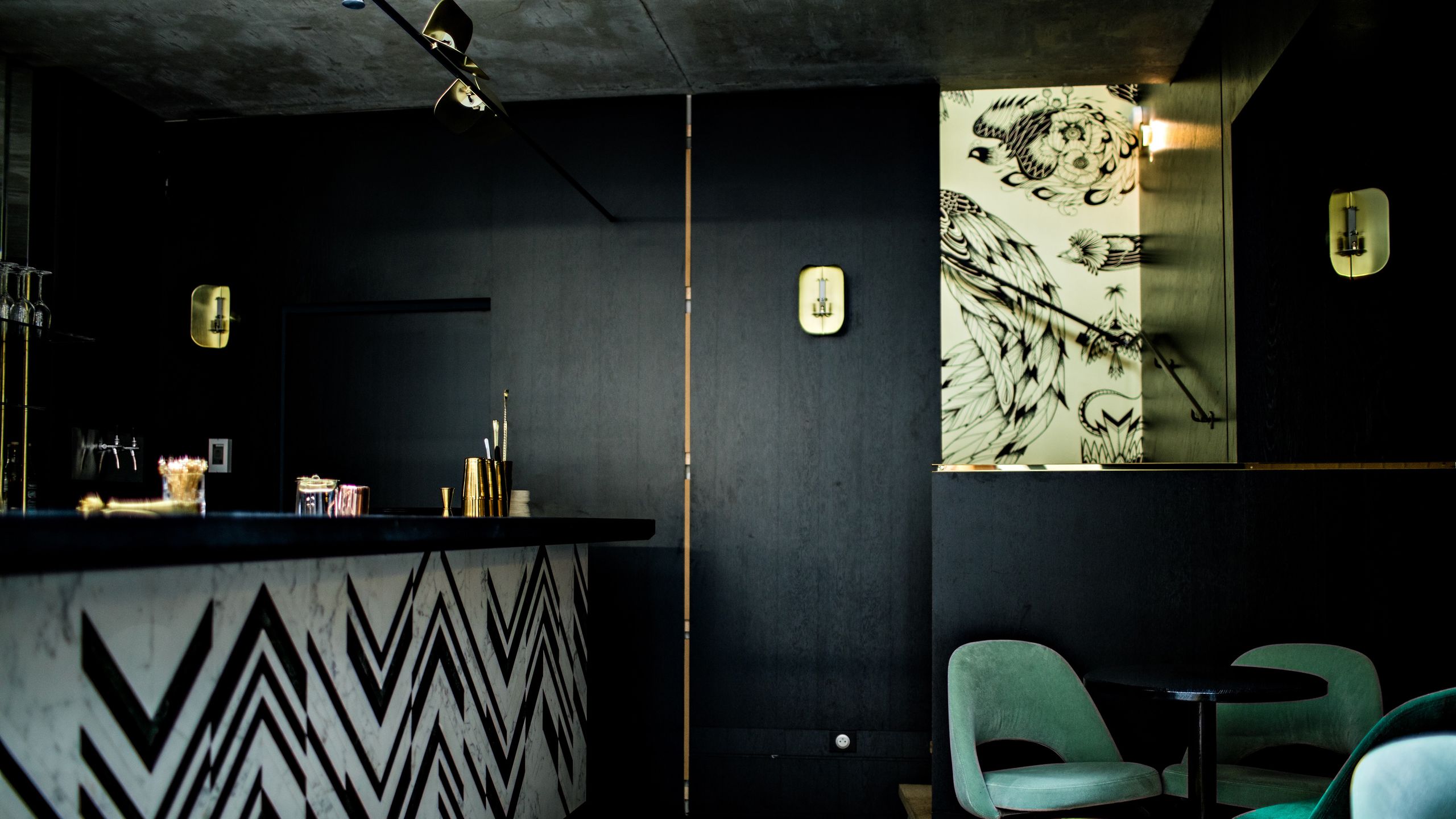
Bars in Paris
Browse all →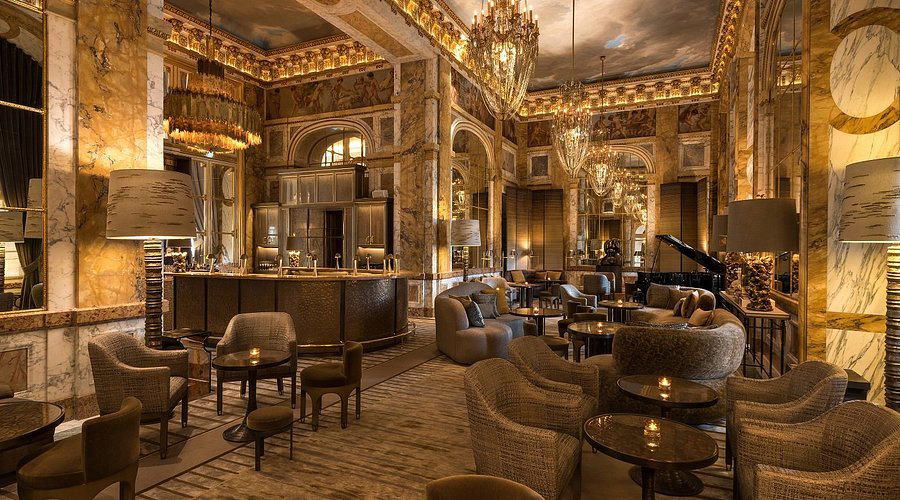
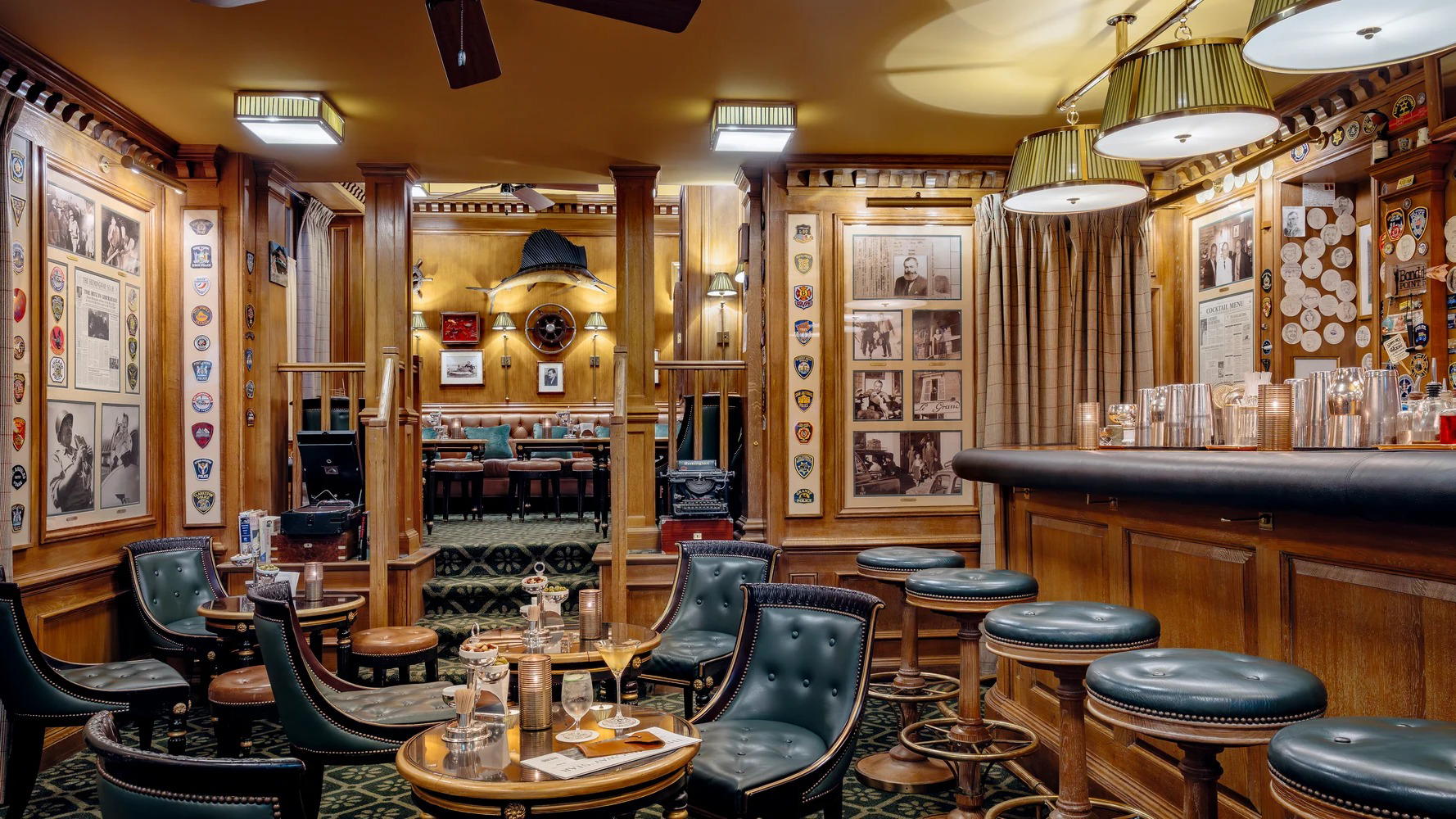
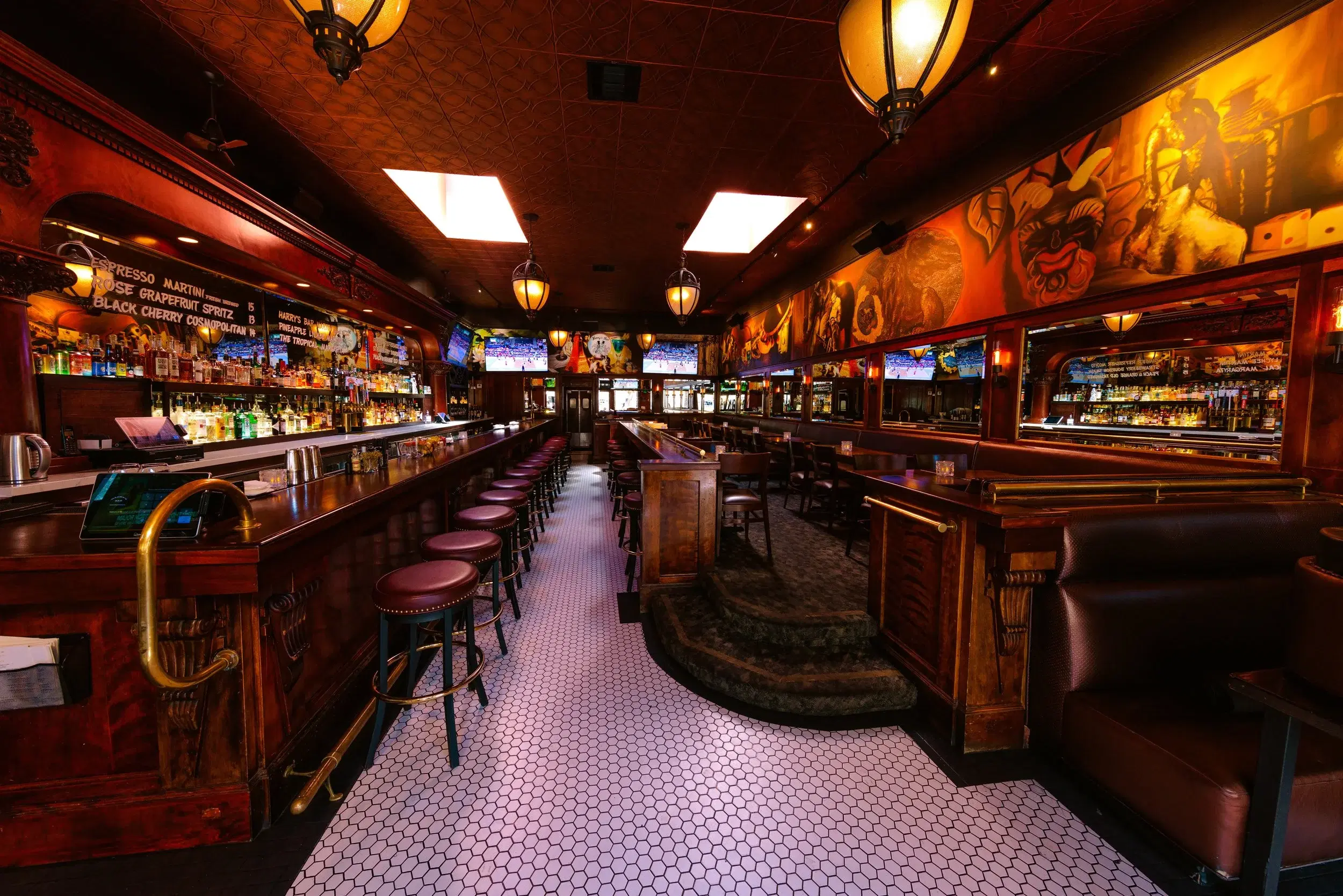
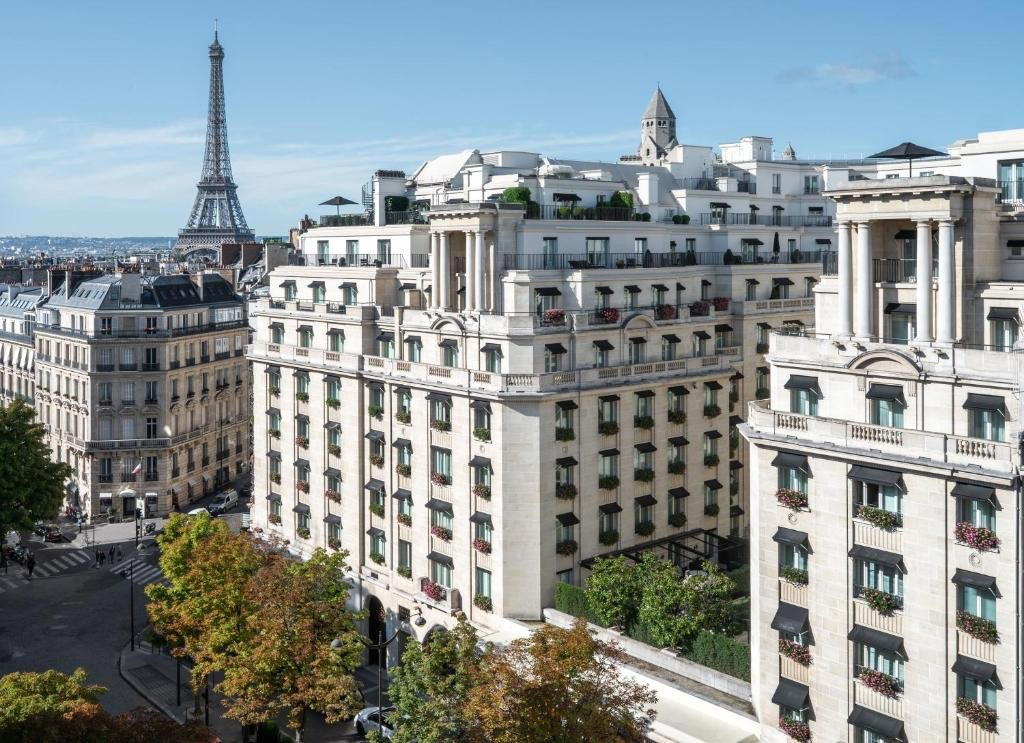
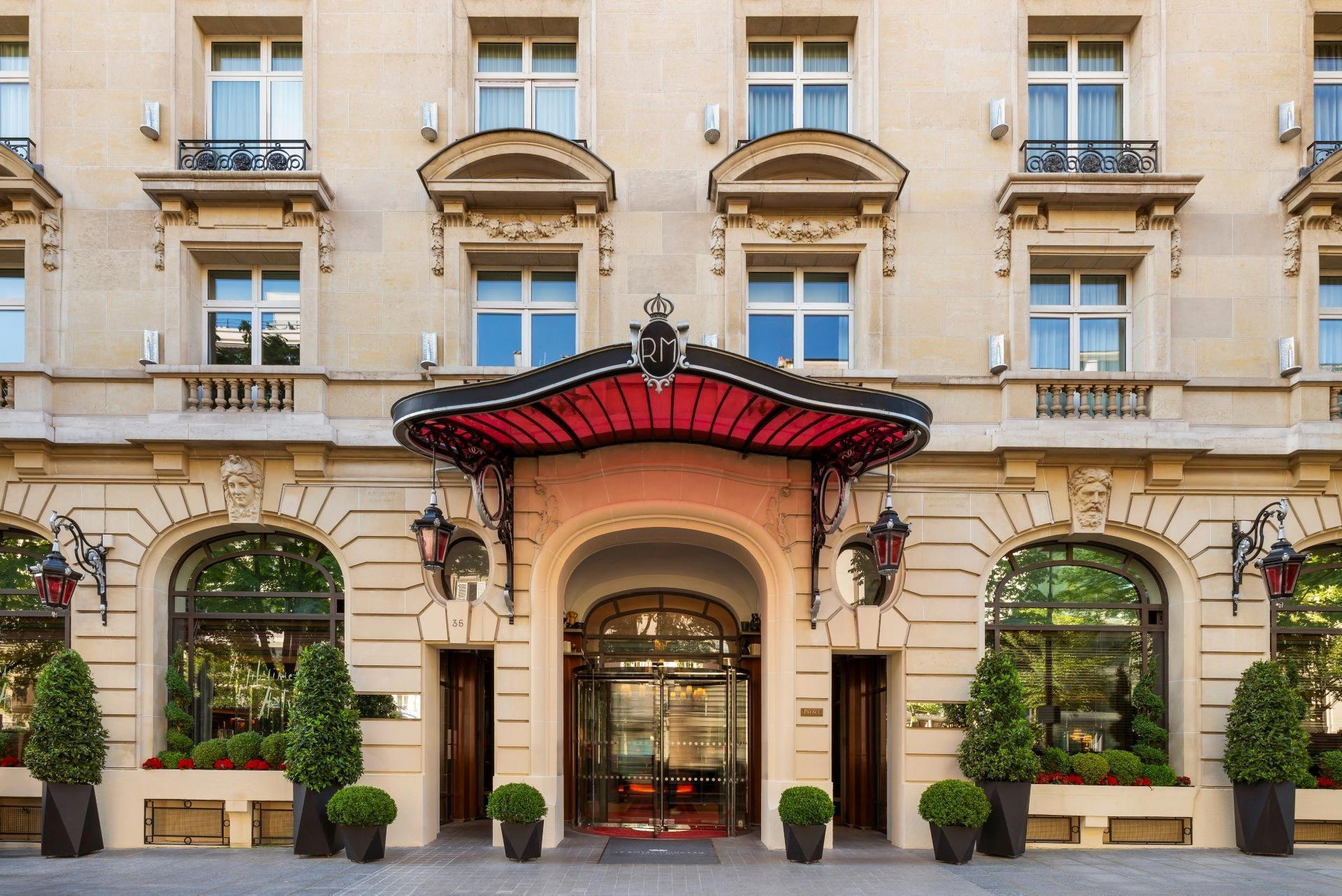
Hotels in Paris
Browse all →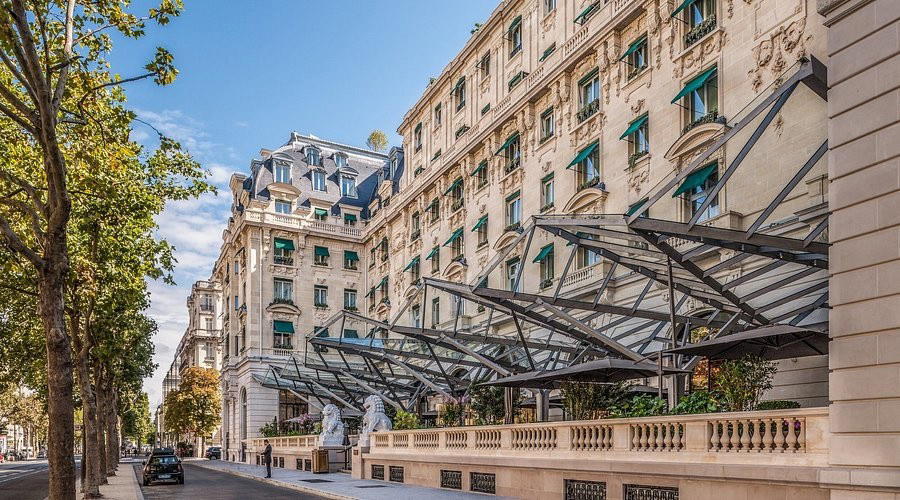



At a Glance
- Trendy
- Modern
- Lively
- Sophisticated
- Casual Hangout
- After Work
- Group Dining
- Open Kitchen
- Extensive Wine List
- Natural Wine
- Craft Cocktails
- Beer Program
- Natural Wine
- Local Sourcing
Current opening hours
- Monday
- 12–2:30 PM, 7–9:30 PM
- Tuesday
- 12–2:30 PM, 7–9:30 PM
- Wednesday
- 12–2:30 PM, 7–9:30 PM
- Thursday
- 12–2:30 PM, 7–9:30 PM
- Friday
- 12–2:30 PM, 7–9:30 PM
- Saturday
- 7–9:30 PM
- Sunday
- Closed
Hours can change for holidays and private events. Last verified .
Minimalist upscale setting with overheated, energetic atmosphere during lunch (described as Shibuya-level decibels); sophisticated and casual in the evening with a wine bar aesthetic.
Know Before You Go
- Getting there
- 2 Rue Auguste Vacquerie, 75116 Paris, France