On Rue de Lévis in the 17th arrondissement, Écume occupies a corner of Paris where neighbourhood dining and serious culinary craft converge. Compared to the grand-room formality of L'Ambroisie or Le Cinq, it operates at a more intimate register, where the interplay between kitchen, cellar, and floor often defines the experience as much as any single dish.
Pearl is the En Primeur Club membership app — saves, bookings, and concierge access live there. Same editors, same standards.
- Address
- 78 R. de Lévis, 75017 Paris, France
- Phone
- +33971578323
- Website
- ecume.paris
- Directions
- Get directions
 Saves & bookings on Pearl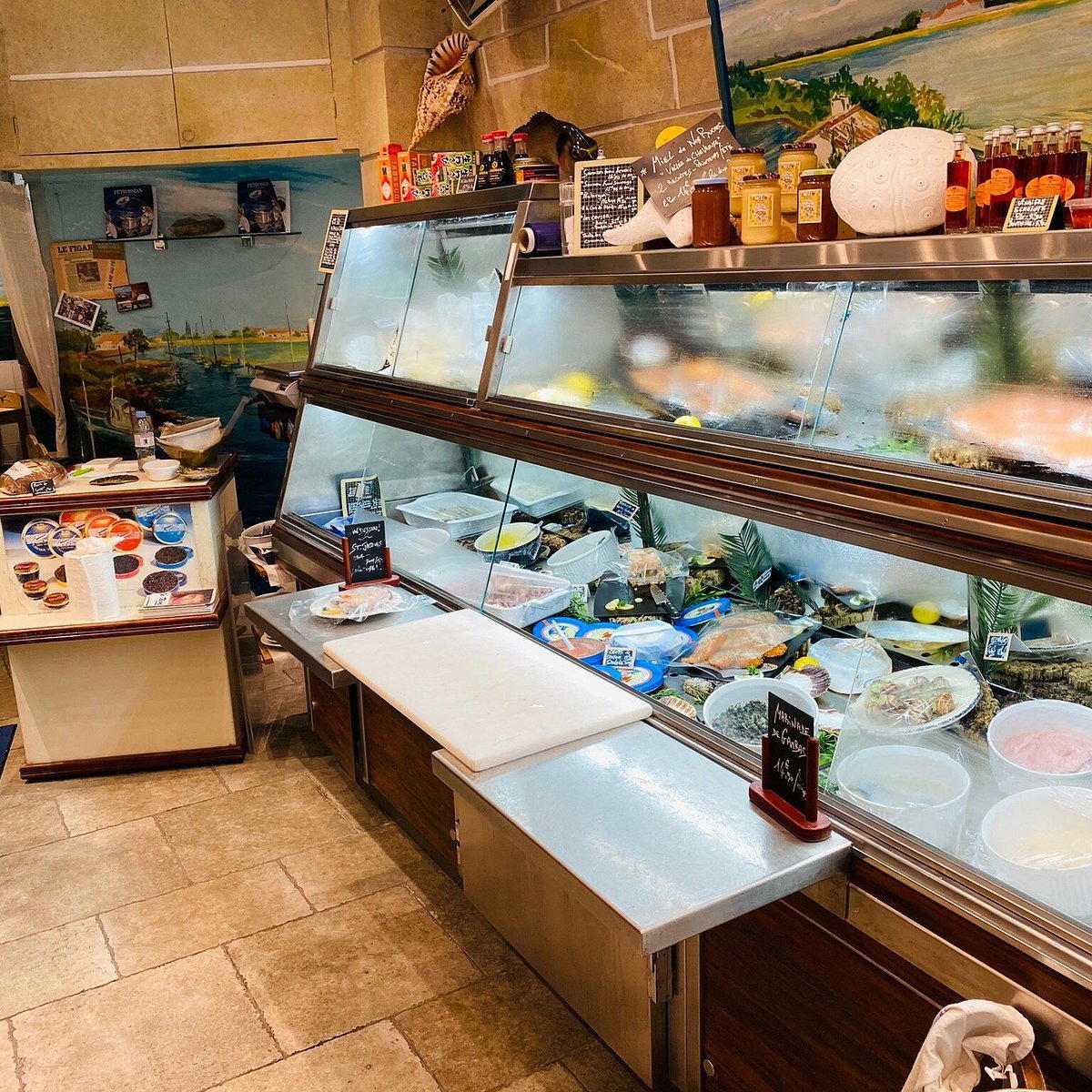
The 17th Arrondissement and the Question of Scale
Paris has long sorted its serious restaurants into two broad camps: the palace-adjacent grandes tables where ceremony is part of the transaction, and the smaller, neighbourhood-rooted addresses where the cooking is equally considered but the frame is tighter. The 17th arrondissement, straddling the Batignolles market quarter and the quieter residential streets pushing toward Pereire, has historically belonged to the second category. Rue de Lévis itself is a covered-market street, one of the city's better food markets threading through the neighbourhood, which means a restaurant at number 78 is surrounded by daily commerce in produce, cheese, and charcuterie. That context matters. Kitchens on market streets tend to think in shorter loops between supplier and plate. The comparison venues operating in Paris's upper tier — Alléno Paris au Pavillon Ledoyen, Le Cinq at the Four Seasons Hôtel George V, and L'Ambroisie on Place des Vosges — operate inside monument buildings with formalized service structures. Écume's address positions it differently, in a part of the city where the distance between the street and the kitchen counter is genuinely short.
A Name Built Around a Single Idea
The word écume means foam or seafoam in French, and it carries a double register: the literal texture of the sea and a more poetic sense of something ephemeral rising to the surface. In contemporary French cooking, that kind of naming is deliberate. The generation of Paris restaurants that emerged over the past decade has largely moved away from chef-name eponyms and toward conceptual or elemental names that signal a culinary orientation before the first course arrives. That shift parallels what happened in natural wine, where label language became a kind of philosophy marker. A restaurant named Écume is signalling something about lightness, marine reference points, and probably a French coastal or Atlantic ingredient vocabulary. It is the kind of name that sets a register, and then has to deliver on it across every element of the experience, from the bread service to the wine list.
Where Service Architecture Becomes the Story
The editorial angle worth examining at Écume is not any single element but the coordination between roles. In the better Paris restaurants, the triangle formed by kitchen, sommelier, and front-of-house has become as significant as any individual performance. Kei, which holds three Michelin stars and represents one model of how contemporary French cooking absorbs outside influences, is frequently discussed in terms of its kitchen precision, but the experience is equally shaped by how the floor mediates between the technical cooking and the guest. Arpège under Alain Passard has long been studied not just for its vegetable-centric approach but for how the sommelier program, built around low-intervention French producers, reinforces the kitchen's restraint. The same logic applies to smaller addresses. At a restaurant with limited covers, the front-of-house carries proportionally more weight: there is no volume to absorb poor pacing, no large room to diffuse an awkward exchange. Every table interaction is visible, and the sommelier's read of the room determines whether a pairing becomes a conversation or a transaction.
In a neighbourhood like the 17th, where the clientele includes both local regulars and destination diners arriving with formed expectations, the team has to work across two quite different modes of hospitality. Regulars want ease and recognition; destination diners want to be taught something. Managing both simultaneously is a specific skill, and restaurants that do it well tend to develop a distinct house character rather than a service style borrowed from a larger institutional model. France has several reference points for this kind of integrated team operation outside Paris: Flocons de Sel in Megève, Bras in Laguiole, and Auberge de l'Ill in Illhaeusern each demonstrate how a coherent team identity, sustained over time, produces something more durable than any individual dish.
The French Culinary Tradition Écume Sits Inside
French restaurant culture has a long tradition of addresses that resist categorization as either casual or grand, operating instead in a middle register where the food is serious and the setting is not ceremonial. The bistrot de luxe model, technically simple room, technically ambitious plate, has been a Paris constant since at least the 1990s. What has changed in the current decade is the role of the wine program in defining that register. A decade ago, a strong wine list was a marker of ambition; now, the composition of the list (natural producers, regional specificity, sommelier-led discovery rather than prestige label curation) is a signal of culinary philosophy. Restaurants like Écume, positioned in a neighbourhood context rather than a palace address, typically align their cellar with the kitchen's sourcing logic. That coherence is increasingly what separates the notable neighbourhood address from the merely competent one.
The broader French dining circuit that EP Club covers includes addresses like Mirazur in Menton, Troisgros in Ouches, Les Prés d'Eugénie in Eugénie-les-Bains, Paul Bocuse in Collonges-au-Mont-d'Or, Georges Blanc in Vonnas, Auberge du Vieux Puits in Fontjoncouse, and La Table du Castellet in Le Castellet. These are the anchoring references for what serious French cooking looks like across different formats and geographies. A Paris neighbourhood address like Écume belongs to a separate but related conversation: what does a tightly scaled, team-driven restaurant accomplish when it is not competing on ceremony or destination travel but on the quality of an evening for someone who lives twenty minutes away?
Planning Your Visit
Écume is located at 78 Rue de Lévis in the 17th arrondissement, accessible from the Villiers or Malesherbes metro stations on lines 2 and 3. The Rue de Lévis market runs through the week, making the immediate streets busy through the late morning and early afternoon; arriving for an evening reservation means the market activity has settled and the neighbourhood takes on a quieter residential character. Because no booking data is currently confirmed in our records, the most reliable approach for reservations is to contact the restaurant directly or check current availability through Paris-specific dining platforms. For diners coming from outside the 17th, the neighbourhood rewards arriving with time to walk the market street before the meal. See our full Paris restaurants guide for broader context on how the 17th fits into the city's dining geography. International reference points for the kind of team-driven, marine-inflected cooking that Écume's name implies include Le Bernardin in New York and the collaborative formats explored at Lazy Bear in San Francisco.
At a Glance
| Venue | Cuisine | Price |
|---|---|---|
| ÉcumeThis venue — the venue you are viewing | Not listed | Not listed |
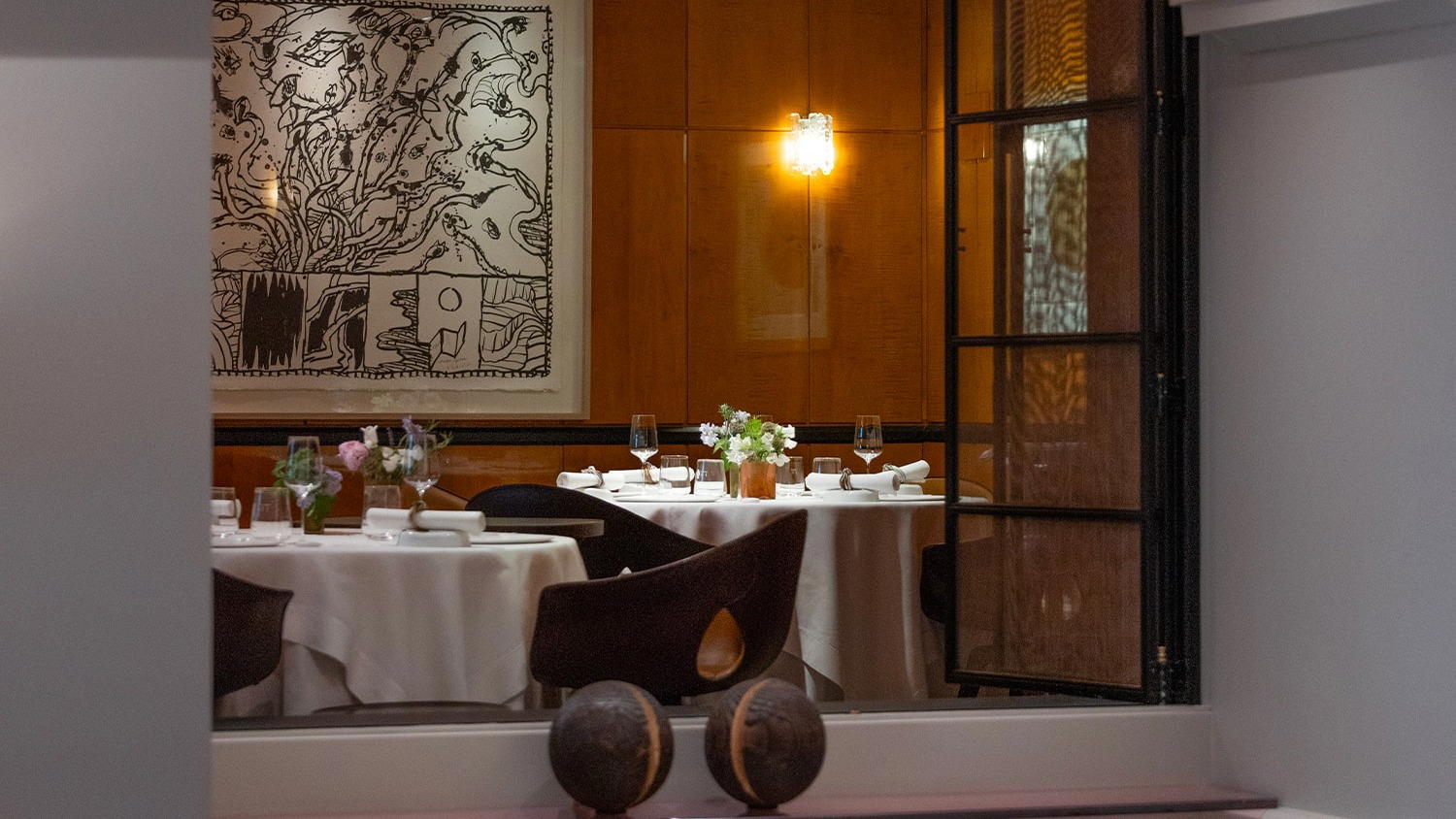
| Alléno Paris au Pavillon Ledoyen | Creative | €€€€ |
| Kei | Contemporary French, Modern Cuisine | €€€€ |
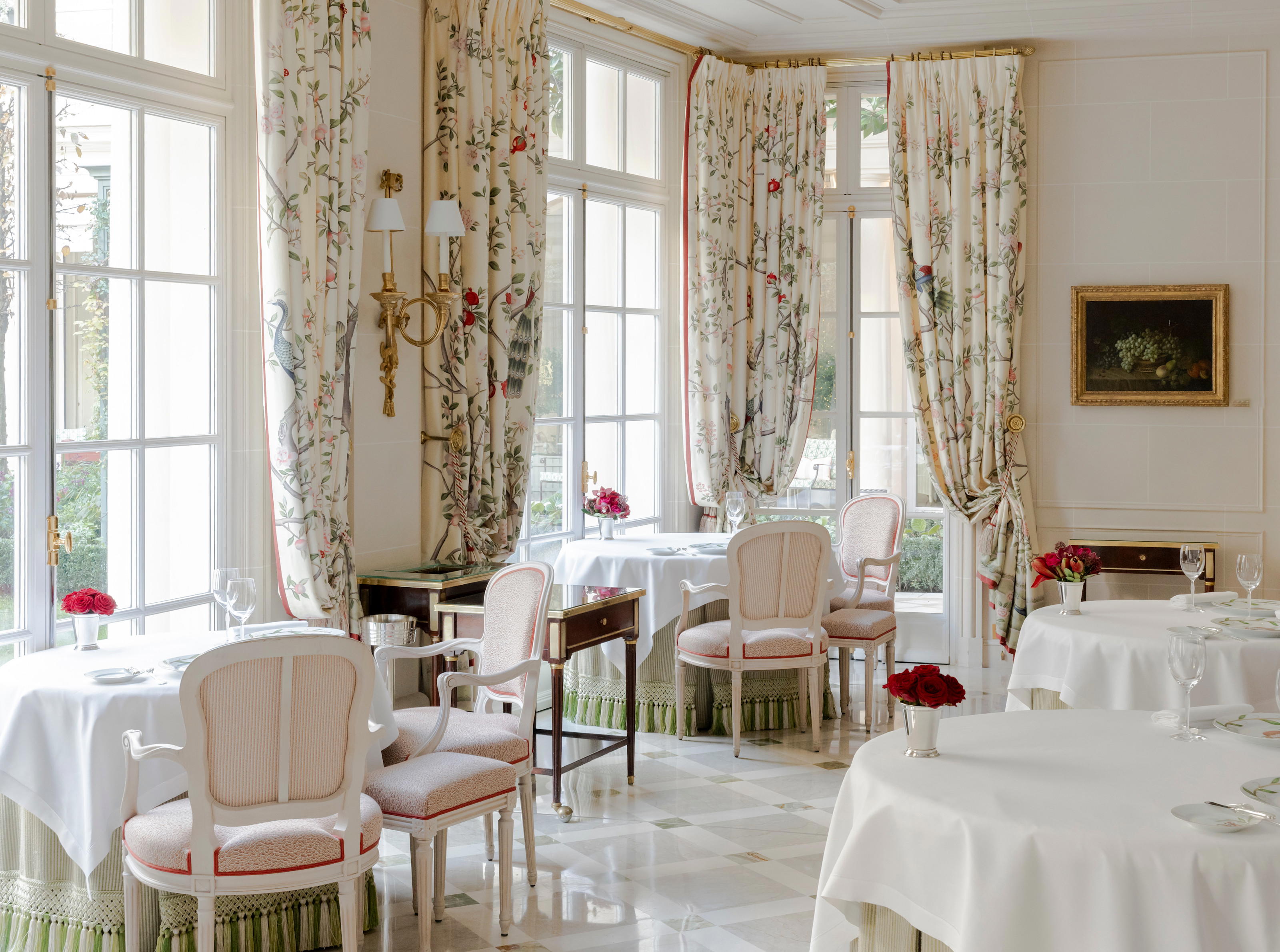
| L'Ambroisie | French, Classic Cuisine | €€€€ |
| Le Cinq - Four Seasons Hôtel George V | French, Modern Cuisine | €€€€ |
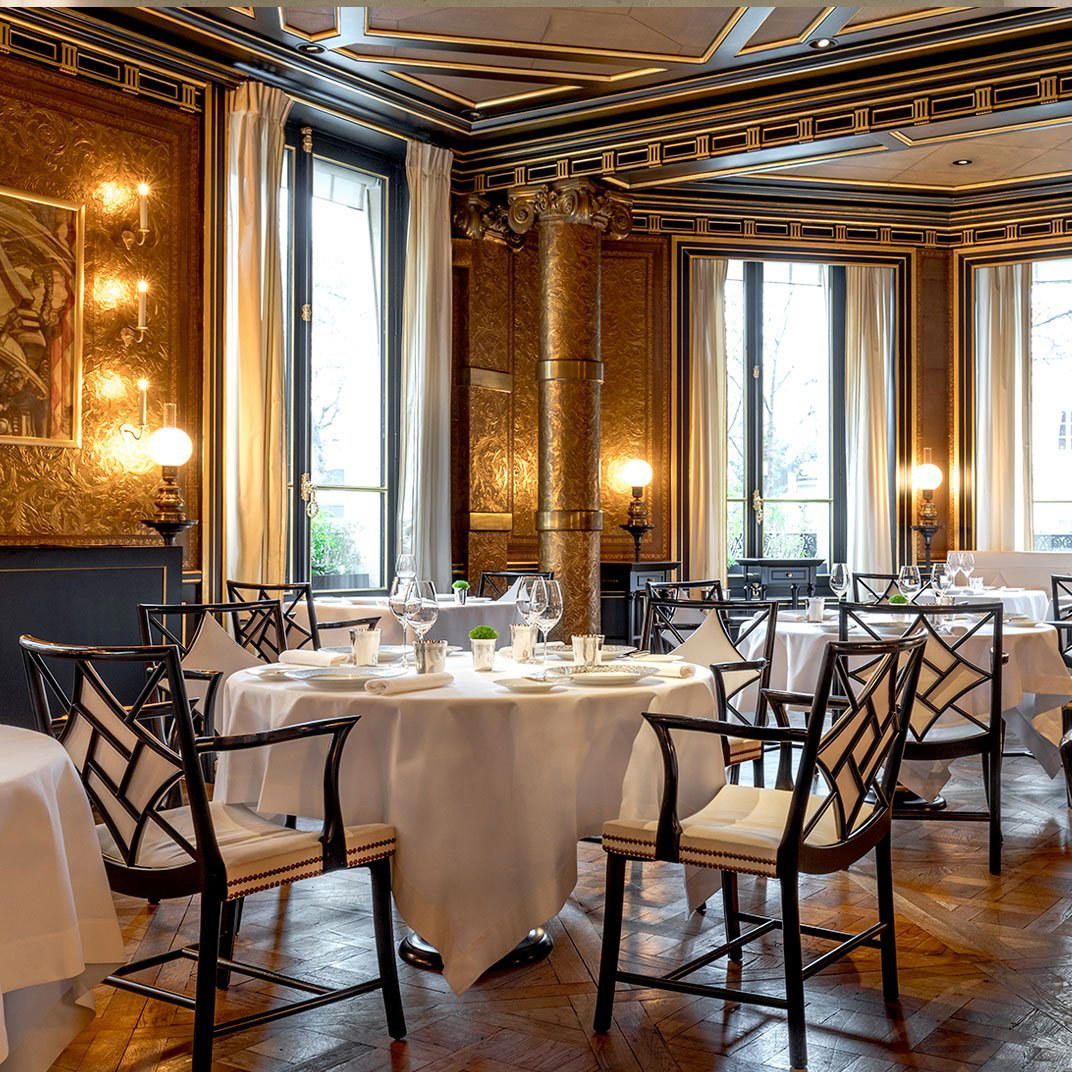
| Pierre Gagnaire | French, Creative | €€€€ |
Continue exploring
More in Paris
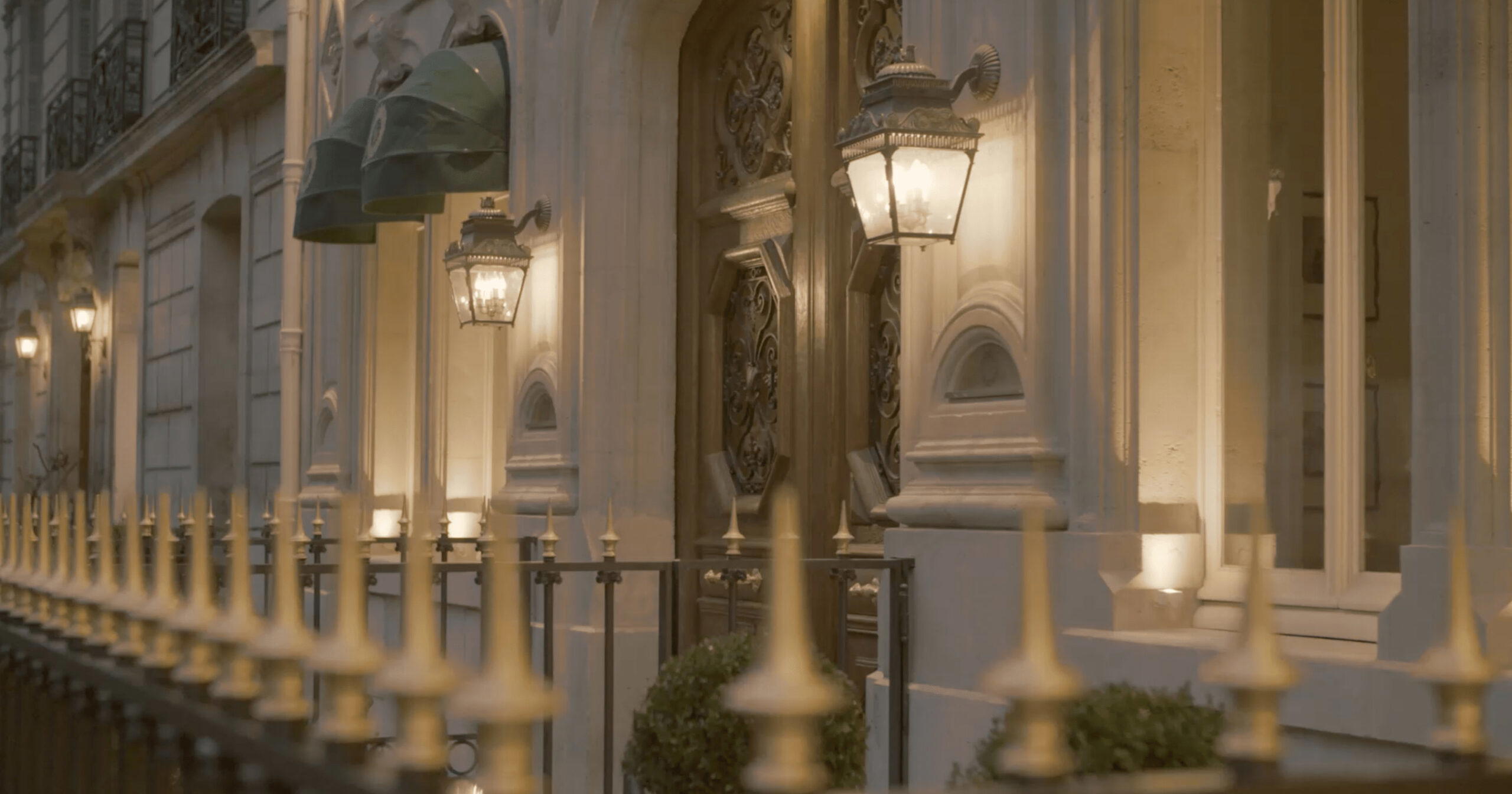
Restaurants in Paris
Browse all →
Bars in Paris
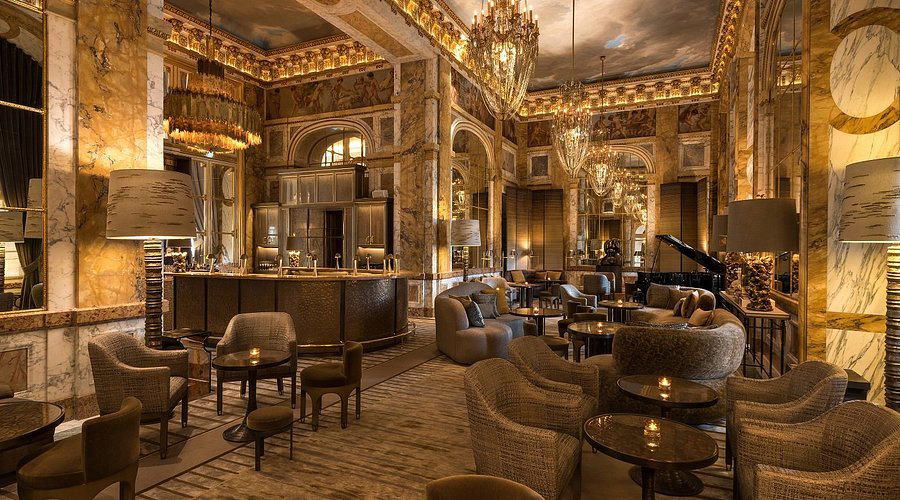
Browse all →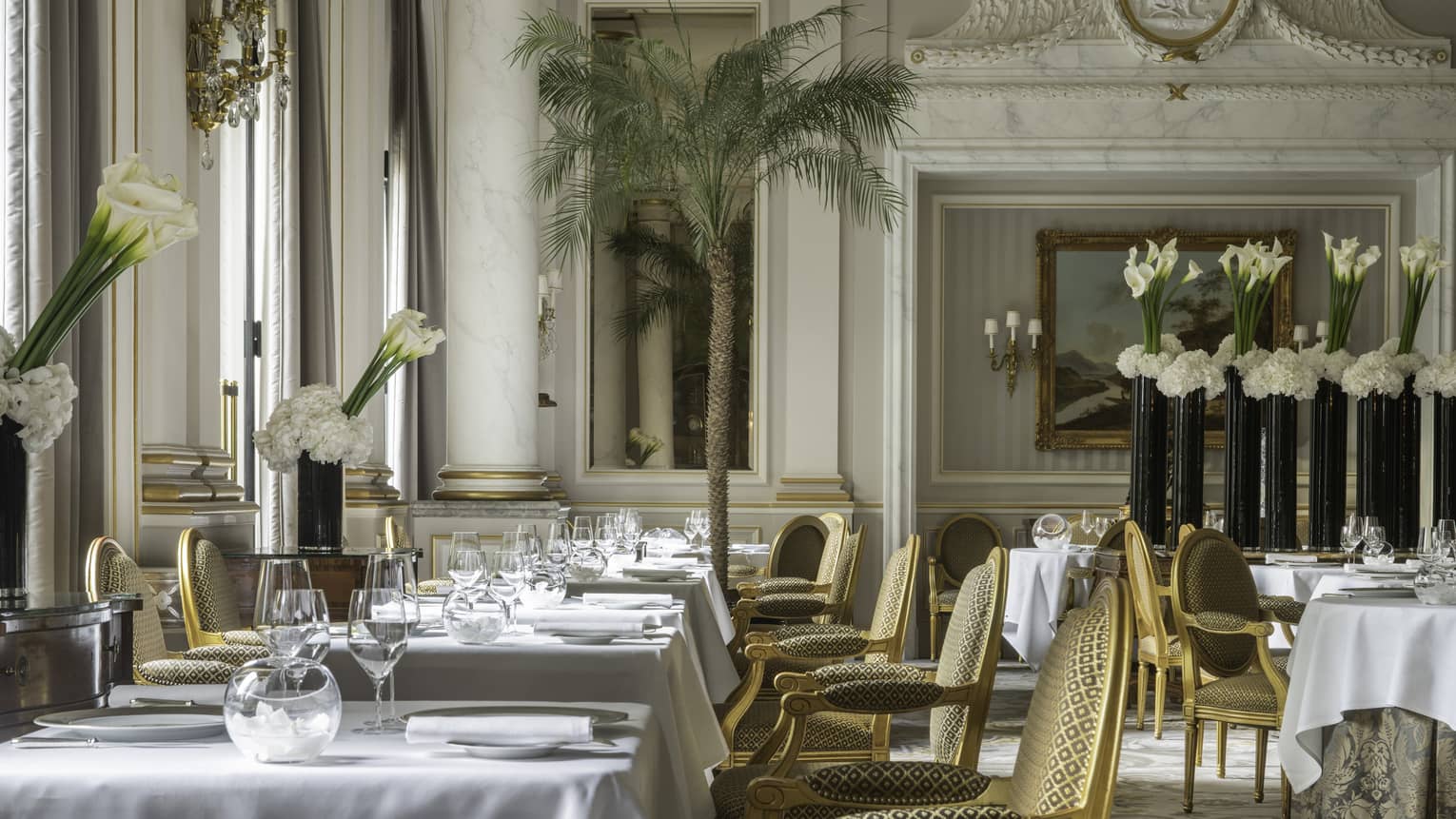
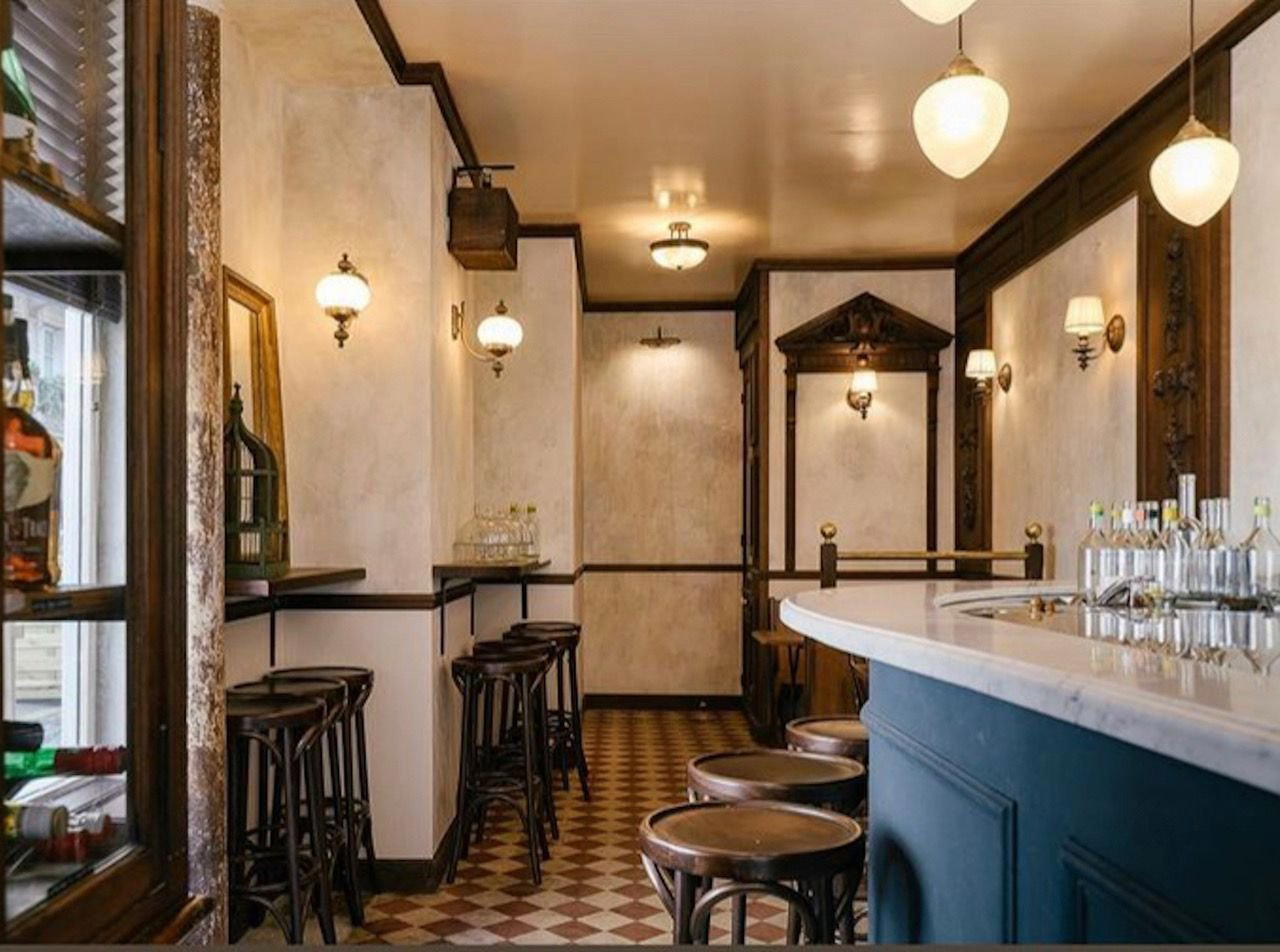
Hotels in Paris
Browse all →



At a Glance
- Modern
- Elegant
- Intimate
- Date Night
- Special Occasion
- Open Kitchen
Current opening hours
- Monday
- Closed
- Tuesday
- 7–10 PM
- Wednesday
- 7–10 PM
- Thursday
- 7–10 PM
- Friday
- 7–10 PM
- Saturday
- 7–10 PM
- Sunday
- Closed
Hours can change for holidays and private events. Last verified .
Authentic, modern, and personal atmosphere with fresh food prepared at the counter.
Know Before You Go
- Getting there
- 78 R. de Lévis, 75017 Paris, France