Bodega
Bodega occupies a River North address at 353 North Clark and 65 West Kinzie Street, placing it at one of Chicago's more trafficked intersections for after-work dining and late-night drinking. The venue sits within a neighbourhood bracket that includes some of the city's most competitive mid-to-upscale casual operators, making its particular approach to food and atmosphere worth examining against that wider context.
Pearl is the En Primeur Club membership app — saves, bookings, and concierge access live there. Same editors, same standards.
- Address
- 353 North Clark, 65 W Kinzie St, Chicago, IL 60654
- Phone
- +13129409900
- Website
- bodegaimports.com
- Directions
- Get directions
 Saves & bookings on Pearl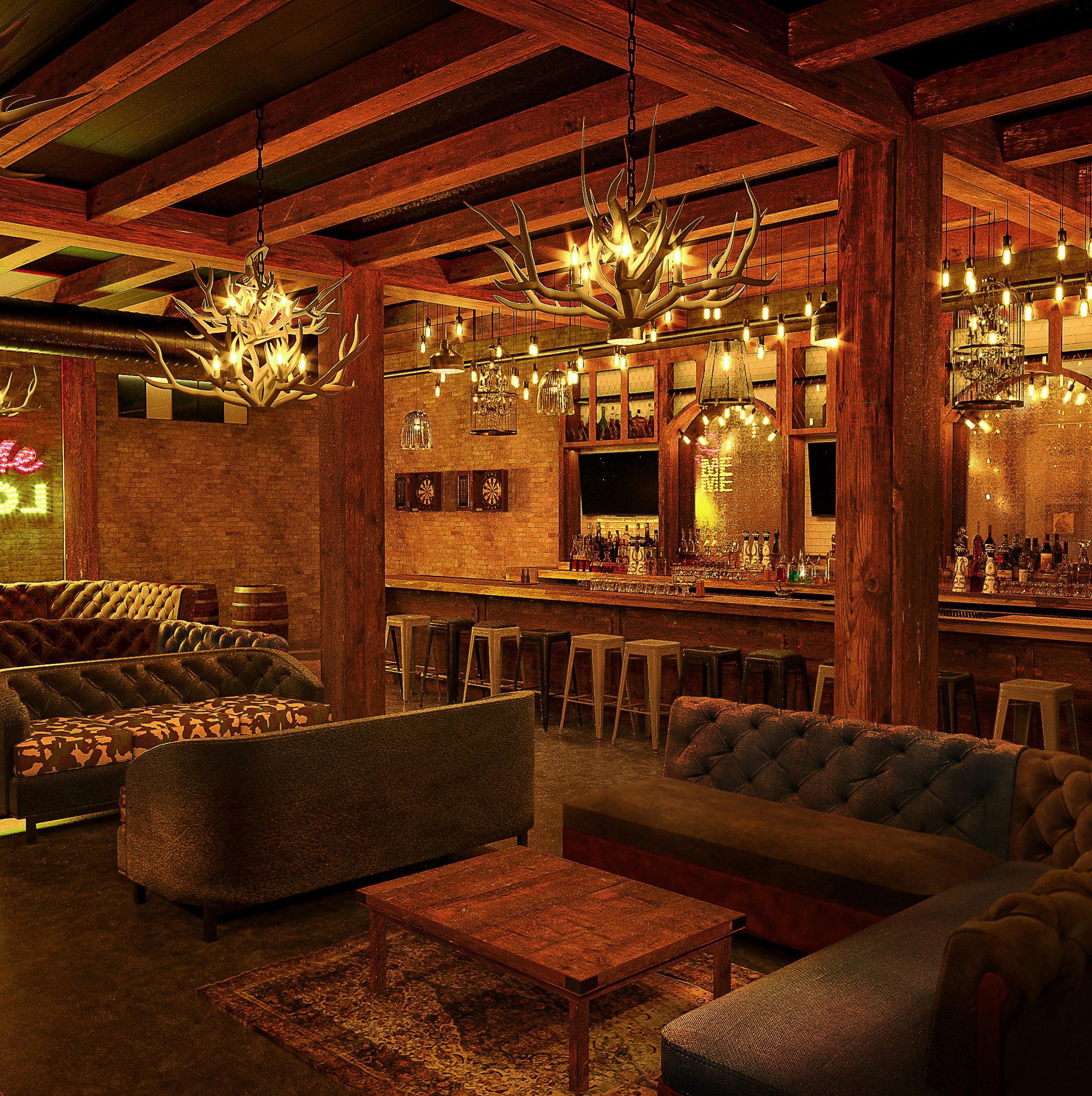
River North, Recalibrated
River North has spent the last decade sorting itself into tiers. The neighbourhood that once ran on tourist-facing steakhouses and weekend-volume clubs has, since roughly 2015, developed a secondary stratum of operators more interested in food credibility than cover counts. That shift mirrors patterns visible in comparable dense urban corridors, from Chicago's own West Loop to comparable blocks in Manhattan's Meatpacking District. Bodega, at the corner of North Clark and West Kinzie, sits inside that recalibration, a River North address that reads as a deliberate choice rather than a default landing spot for operators who couldn't secure West Loop real estate.
The name itself carries meaning in this context. In Latin American urban culture, the bodega is a neighbourhood anchor: the place that holds the community's daily rhythm, open at odd hours, stocked with the specific things locals actually need rather than what a merchandiser thinks they should want. Transplanting that concept into a River North footprint, where the surrounding block is more financial-district lunch crowd than corner-store regulars, sets up an immediate tension between reference point and execution. That tension is, in many ways, the editorial story of this address.
Where Chicago's Dining Scene Places This Address
Chicago's premium dining geography has a clear hierarchy. The city's Michelin-starred tier is concentrated in the West Loop and River North, with operators like Alinea, Smyth, and Oriole defining what the city's most ambitious tasting-menu format looks like. Below that, a competitive middle tier runs on strong culinary identity without the prix-fixe formality, operators like Kasama have demonstrated that this middle register can carry serious critical weight and booking demand without requiring white tablecloths or a hundred-dollar-a-head floor. Bodega's North Clark and Kinzie coordinates place it squarely in that competitive conversation, on blocks where the room's energy and the kitchen's ambition have to do equal work.
That competitive set matters because it shapes how a venue at this address needs to position itself. In River North, proximity to the high-volume tourist circuit is a structural fact, the question is whether a kitchen chooses to absorb that gravity or work against it. The operators who have built lasting credibility in this neighbourhood, and in comparable dense urban pockets like San Francisco's SoMa or New York's Flatiron, tend to be the ones who planted a flag on technique or sourcing specificity rather than just ambiance alone. Lazy Bear in San Francisco and Le Bernardin in New York City both illustrate, at different price points, how defined technical identity creates durability in competitive urban dining markets.
The Local-Global Technique Question
Chicago's most durable mid-tier operators have consistently returned to the same productive tension: Midwest sourcing married to technique that arrived from somewhere else. That is not a new formula. The Great Lakes region produces notable freshwater fish, the prairie states supply heritage-breed pork and beef with traceable provenance, and Illinois' agricultural belt means seasonal produce calendars are genuinely useful planning tools for a kitchen that pays attention. What changes is the technique layer applied on top of that material.
Particularly instructive comparisons are national. Blue Hill at Stone Barns in Tarrytown built its entire identity around the argument that local product, when properly understood, needs less intervention rather than more. SingleThread Farm in Healdsburg takes the opposite approach, applying Japanese kaiseki structure to Northern California's agricultural calendar. Atomix in New York City layers Korean culinary logic over fine-dining format in ways that have made it among the more discussed restaurants in the country. Each of these represents a different resolution to the same problem: how do you bring an imported method to indigenous product without flattening either one?
In a River North context, where the dining public is diverse and the neighbourhood's food history is less rooted than, say, Pilsen or Chinatown, the answer a kitchen gives to that question tends to define whether it reads as a concept or a restaurant. Concepts date. Restaurants, when the kitchen has genuine conviction about its product relationships and its technique logic, tend to compound in value over time. Particularly resilient examples nationally, from The French Laundry in Napa to Addison in San Diego, share a consistency of approach across years rather than a single breakout dish or seasonal moment.
For a venue using the bodega reference as its cultural anchor, the specific version of that local-global negotiation is worth watching. The name implies accessibility and dailiness; the River North real estate implies a check average that serves a different audience than the corner store original. Reconciling those two registers is an ongoing editorial question about who this address is actually for.
The Broader American Scene Around It
Nationally, the operators most worth tracking are the ones who have found productive ways to work between culinary traditions rather than inside a single one. Emeril's in New Orleans built a career on the argument that Creole cooking could absorb French technique without losing its own logic. Providence in Los Angeles applies classical French structure to Pacific seafood with a consistency that has held across more than two decades. Frasca Food and Wine in Boulder made a Friulian regional cuisine the organizing principle of a landlocked Colorado dining room and built lasting critical reputation on specificity alone. The Inn at Little Washington and Atelier Moessmer Norbert Niederkofler in Brunico both represent, at different scales, how deep regional commitment can generate international recognition without abandoning place-specific logic. Next Restaurant in Chicago has taken a different approach entirely, rotating its concept by season and era rather than committing to a fixed identity. Each model has its advocates and its structural limits.
Bodega's address in River North puts it in dialogue with all of these reference points, whether or not the kitchen is explicitly thinking in those terms. The neighbourhood's dining public is sophisticated enough to read the signals a venue sends through its sourcing language, its menu architecture, and its room design.
Price and Recognition
Comparable venues nearby, for context on price, style, and recognition.
| Venue | Cuisine | Price | Notes |
|---|---|---|---|
| BodegaThis venue — the venue you are viewing | Not listed | $$ | Not listed |
| Big Star West Town | West Town, Mexican Seafood Taqueria | $$ | Not listed |
| Barcocina West Town | West Town, Modern Mexican | $$ | Not listed |
| La Catedral Cafe Little Village | Not listed | $$ | Little Village, Guadalajara-inspired Mexican Cafe |
| Tortas Frontera by Rick Bayless | Far North Side, Mexican Tortas | $ | Not listed |
| Pilsen Yards | Pilsen, Latin Street Food & Mezcal Bar | $$ | Not listed |
At a Glance
- Lively
- Casual
- Well Known
- Casual Hangout
- After Work
- Late Night
- Group Dining
- Standalone
- Craft Cocktails
Current opening hours
- Monday
- Closed
- Tuesday
- Closed
- Wednesday
- Closed
- Thursday
- Closed
- Friday
- 10 PM–2 AM
- Saturday
- 10 PM–3 AM
- Sunday
- Closed
Hours can change for holidays and private events. Last verified .
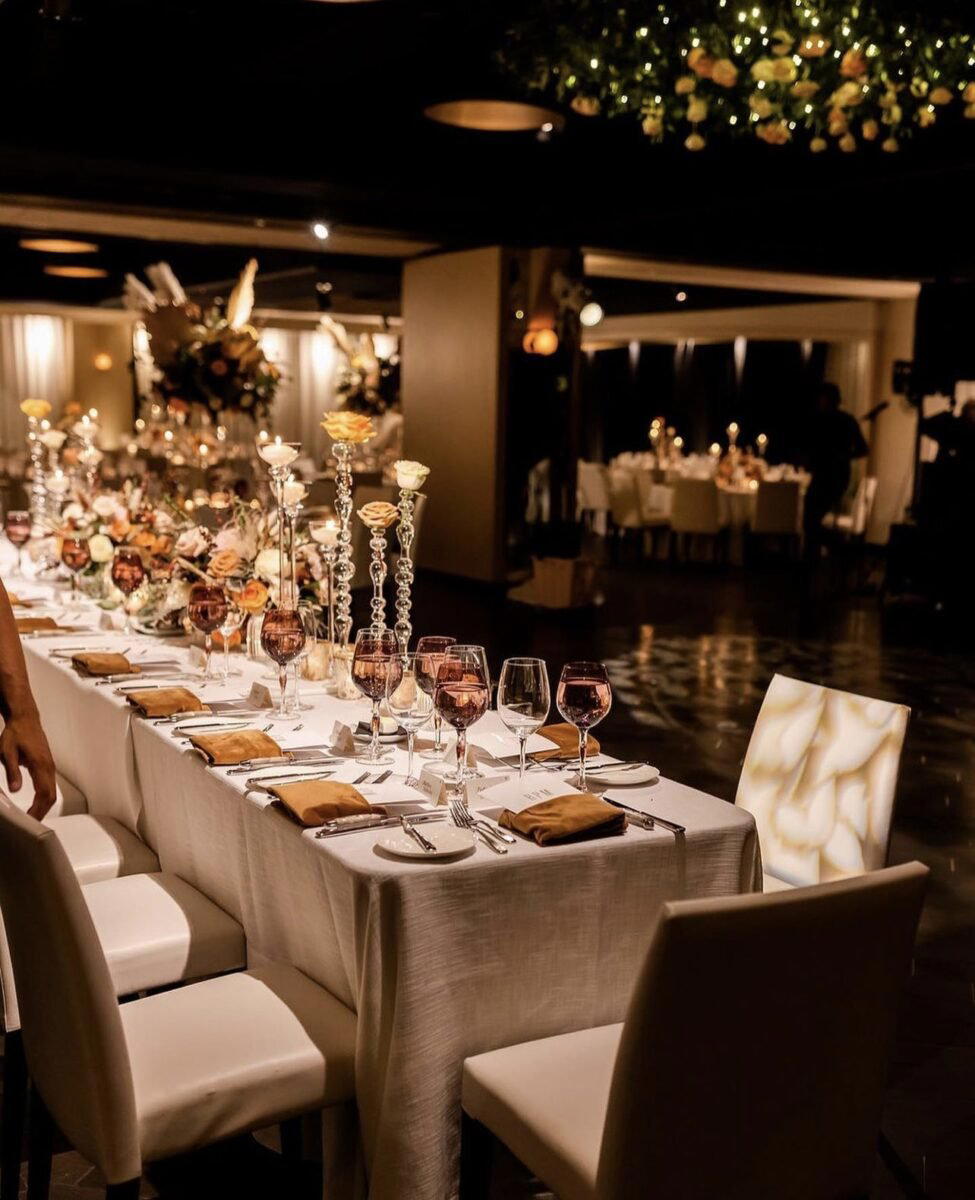
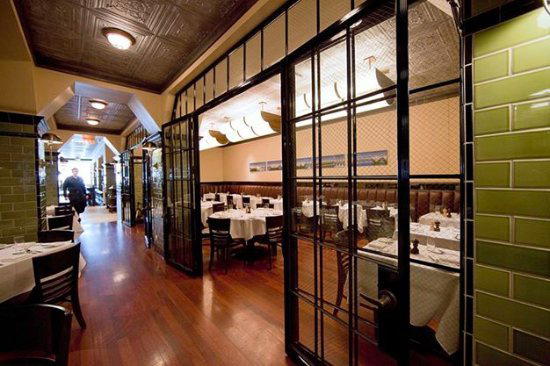
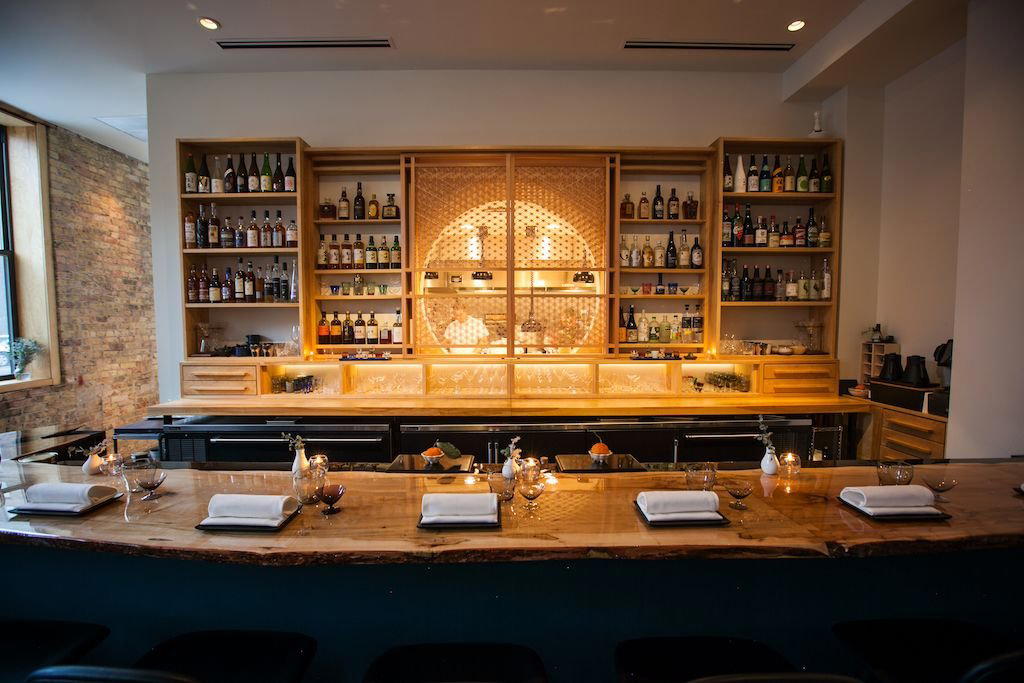
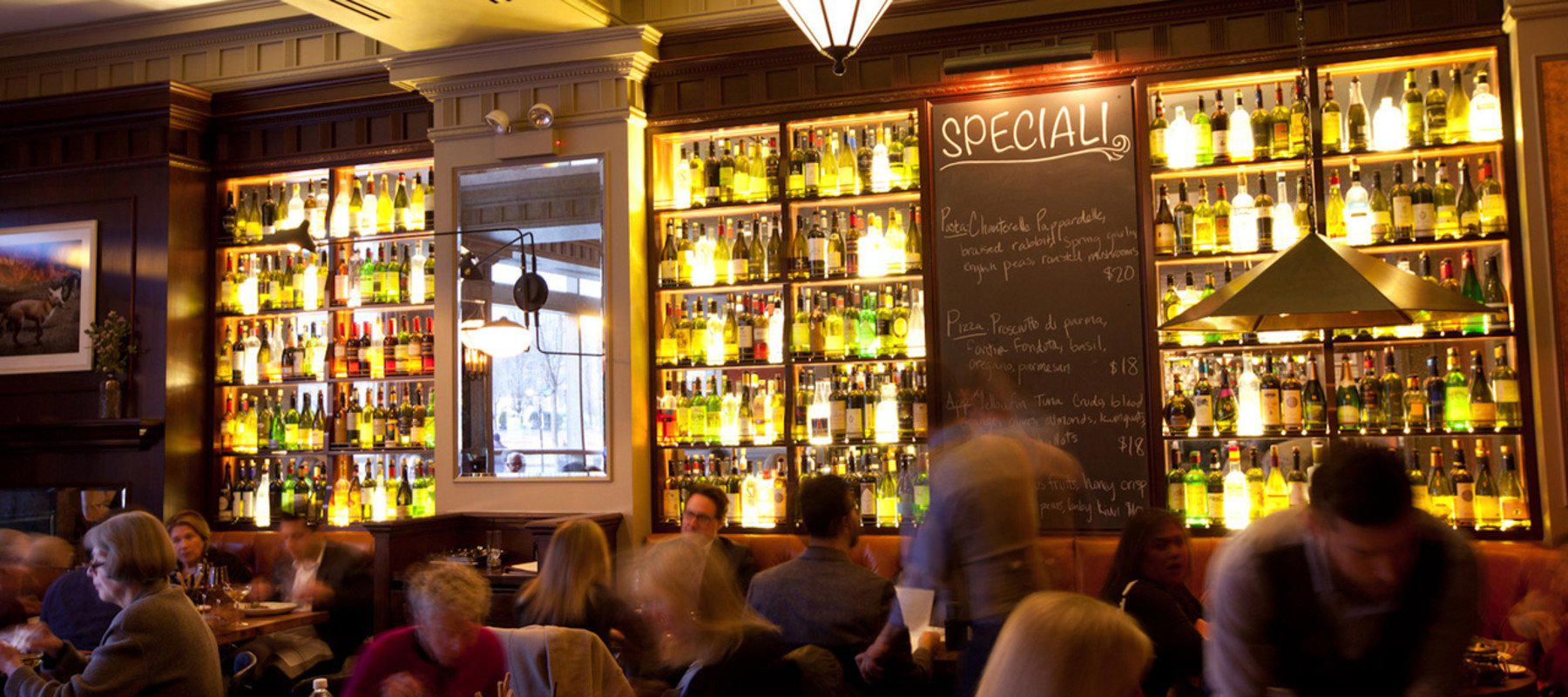
High-energy bar atmosphere with a casual, lively vibe well-suited for happy hour, game day viewing, and late-night dining.