Barcocina West Town
Our verdict
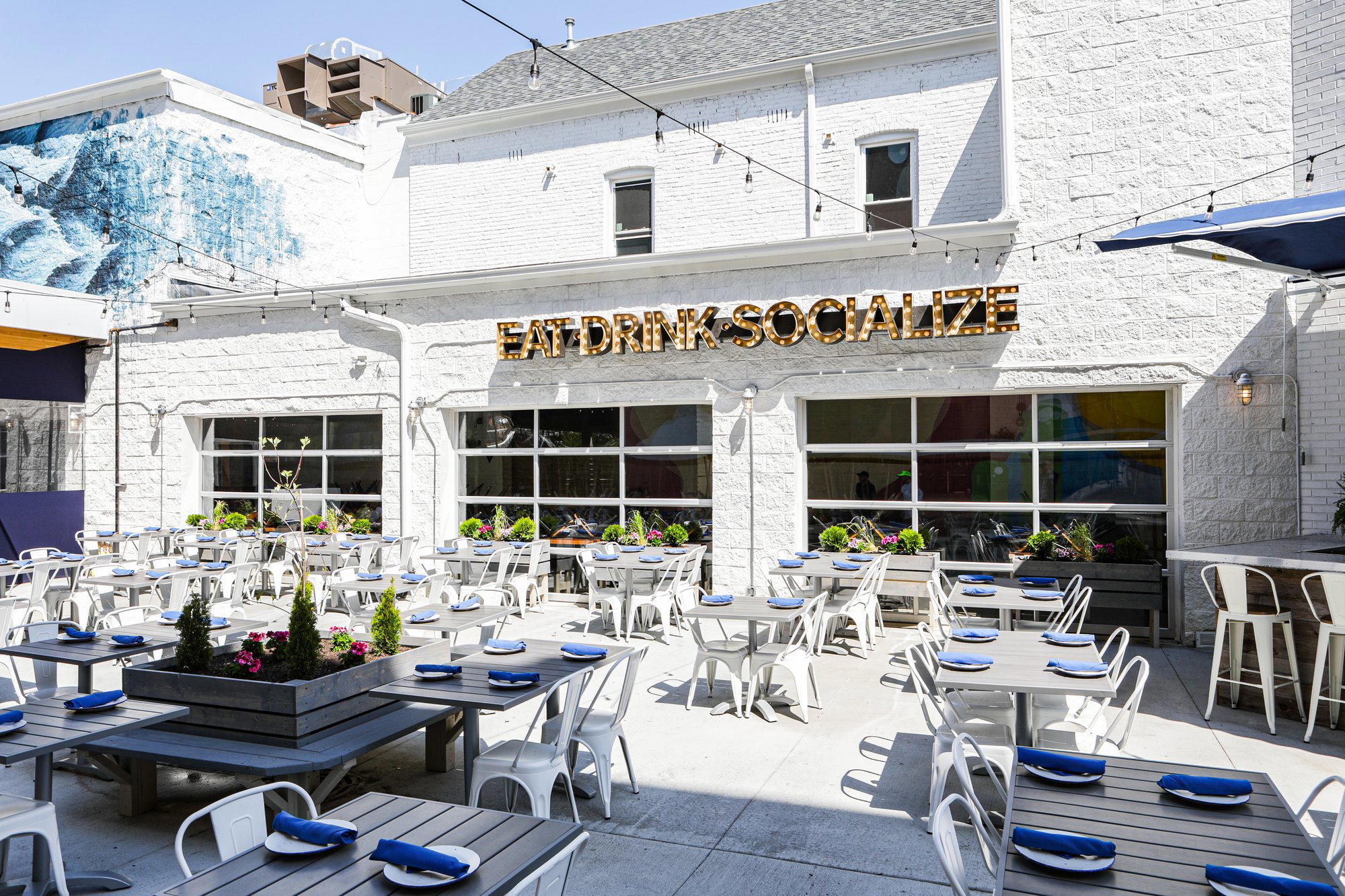
Barcocina West Town sits on Chicago Avenue in one of the city's most food-forward corridors, where casual formats and serious kitchen intentions coexist. The address puts it squarely in West Town's dining scene, a neighbourhood that has shifted steadily toward operators who treat sourcing and technique as inseparable. For visitors already tracking Chicago's mid-tier restaurant momentum, it belongs on the itinerary alongside the neighbourhood's other considered options.

Pearl is the En Primeur Club membership app, where members save venues, book tables and use the concierge.
The menu
What to order
- Tacos al Pastor
- Ceviche
- Barcocina Guacamole
- Chiles Rellenos
West Town's Dining Character and Where Barcocina Fits
Chicago Avenue between Ashland and Western has become one of the more instructive stretches in Chicago for reading how neighbourhood dining evolves. The corridor runs through West Town, a district that spent the early 2010s absorbing spillover energy from Wicker Park and has since developed a distinct identity: operators who price at accessible mid-range but apply sourcing discipline more associated with the city's fine-dining tier. The result is a concentration of restaurants that do not announce themselves loudly but reward the kind of attention that brings repeat visitors. Barcocina West Town, at 1814 W Chicago Ave, sits inside that pattern.
West Town's position in Chicago's broader dining geography is worth understanding before any single address on the strip. The city's most decorated restaurants cluster in other neighbourhoods: the Fulton Market corridor holds institutions like Alinea and Smyth, while Oriole and Kasama anchor different parts of the city's premium map. West Town operates at a different register: fewer tasting menus, more neighbourhood formats, and a dining public that is as likely to be a local regular as an out-of-town visitor working through a list. That context shapes what Barcocina is and what to expect from it.
The Environmental Conversation Happening in Neighbourhood Kitchens
Sustainability in restaurant kitchens stopped being a marketing differentiator around 2018 and became, in the better rooms, an operational baseline. The shift arrived earlier and more visibly at the high end: Blue Hill at Stone Barns in Tarrytown built its entire identity around farm-to-table integrity, and Single Thread Farm in Healdsburg made the supply chain itself part of the guest experience. But the more consequential change has happened further down the price ladder, where sourcing ethics and waste reduction cannot rely on a $400 tasting menu to absorb the cost.
West Town's restaurant cluster reflects that pressure clearly. Operators here have to justify their sourcing choices within margins that high-end formats do not face. The ones doing it credibly are not broadcasting the fact; they are building it into how their kitchens operate, from what gets ordered and in what quantities to how byproducts get used across a week's service. That discipline is less visible than a farm name printed on a menu, but it is more durable as a practice. Barcocina's position on Chicago Avenue places it in that category of operators for whom environmental consciousness is a kitchen discipline rather than a front-of-house story.
For comparison across American markets, the sustainability conversation looks different depending on scale and format. Providence in Los Angeles has built a reputation around responsible seafood sourcing at a fine-dining price point. Addison in San Diego works with regional producers as part of its technical program. At the neighbourhood level, the challenge is doing the same work without the revenue per cover to cushion the cost. The restaurants that manage it tend to keep menus shorter, rotate more frequently based on availability, and treat the seasonal calendar as a hard constraint rather than a loose inspiration. That approach produces cooking with more internal logic, even when it makes the menu less predictable from visit to visit.
Chicago's Neighbourhood Restaurant Tier: What It Offers and What It Costs
Chicago's restaurant scene organises itself across several distinct tiers, and understanding where a given address sits saves the wrong kind of surprise. At the upper end, Next Restaurant and the Alinea group operate on fixed-price, advance-purchase formats that require planning months out. That tier delivers exceptional technical execution and a specific kind of occasion dining. Below it, a much larger and arguably more interesting middle layer of restaurants does serious kitchen work at prices that allow for more spontaneous visits.
Barcocina West Town belongs to that middle layer. The address on Chicago Avenue is accessible by the CTA Blue Line, with Chicago station a short walk from the restaurant, which makes it reachable from downtown without a car. The neighbourhood itself has enough density around it, including bars and other dining options along Chicago Avenue and Milwaukee Avenue, that building an evening around the area rather than a single reservation is direct. That flexibility is part of the West Town proposition: less pre-planning required, more room for the evening to develop on its own terms.
Across the country, the restaurants drawing the most sustained critical attention in 2024 and 2025 are not always the most decorated. Frasca Food and Wine in Boulder has built a following through consistency and regional focus rather than spectacle. Lazy Bear in San Francisco occupies a format between supper club and tasting menu that defies easy categorisation. Atomix in New York and Atelier Moessmer Norbert Niederkofler in Brunico represent the global end of kitchens where ethical sourcing and technical ambition converge. These comparisons are useful not because Barcocina positions against them directly, but because they illustrate the broader trajectory that neighbourhood restaurants are tracking, even at a different scale and price point.
For visitors building a Chicago itinerary, the full picture of the city's dining options across formats and neighbourhoods is available in our full Chicago restaurants guide. Internationally, comparisons worth considering include Le Bernardin in New York for its sourcing rigour, Emeril's in New Orleans for regional identity, and The French Laundry in Napa for the benchmark that reshapes what American fine dining thinks is possible. The Inn at Little Washington rounds out a useful set of American rooms where the kitchen's relationship to its sourcing geography has become part of the restaurant's defining character.
Know Before You Go
- Address: 1814 W Chicago Ave, Chicago, IL 60622
- Neighbourhood: West Town
- Transit: CTA Blue Line, Chicago station
- Booking: Contact the venue for current availability
- Price range: Mid-range neighbourhood format; confirm current pricing on arrival
Frequently asked questions
What's Barcocina West Town's location?
Barcocina West Town is located at 1814 W Chicago Ave, Chicago, IL 60622, Chicago.
How does Barcocina West Town's location on Chicago Avenue compare to other West Town dining options?
The stretch of Chicago Avenue between Ashland and Western has become one of the more concentrated blocks in Chicago for neighbourhood restaurants that treat sourcing as an operational baseline rather than a marketing angle. For diners working through West Town's dining options, the address itself signals a kitchen operating within that higher-baseline context.
What do people recommend at Barcocina West Town?
Because neighbourhood kitchens at this level on Chicago Avenue tend to rotate offerings with the season, the most reliable recommendations come from recent visitors rather than a fixed signature list. Checking current review platforms for dishes posted in the last four to six weeks gives a more accurate picture than any static list. The kitchen's West Town address, on a stretch that has attracted sourcing-conscious operators, suggests the menu tracks what's available rather than anchoring to year-round standbys.
Should I book Barcocina West Town in advance?
West Town restaurants at the neighbourhood mid-range tier generally don't require the multi-month lead time that Chicago's top tasting-menu rooms demand, but weekend evenings on Chicago Avenue can fill quickly given the corridor's growing dining density. A same-week reservation attempt is usually workable for weekday visits; for Friday or Saturday, a few days' notice is the more practical approach. Checking directly with the restaurant is the safest route since no formal booking policy is publicly documented.
Side-by-Side Snapshot
A quick peer list to put this venue’s basics in context.
| Venue | Cuisine | Price | Awards | Notes |
|---|---|---|---|---|
| Barcocina West TownThis venue (the venue you are viewing) | Modern Mexican | $20–30 | Not listed | Not listed |
| Smyth | Modern American Tasting Menu | $200–300 | 3 Michelin Stars · World's 50 Best #1 | Progressive American, Contemporary |
| Alinea | Avant-Garde Molecular Gastronomy | $300–500 | 2 Michelin Stars · World's 50 Best #37 | Progressive American, Creative |
| Kasama | Modern Filipino | $30–50 | 2 Michelin Stars · World's 50 Best #31 | Filipino |
| Next Restaurant | Avant-Garde Themed Tasting Menus | Not listed | 1 Michelin Star · We're Smart World 2 Radishes | American Cuisine |
| Moody Tongue | Modern American with Beer Pairings | $200–300 | 1 Michelin Star · La Liste Top Restaurants | Contemporary |
Continue exploring
More in Chicago
Restaurants in Chicago
All restaurants in Chicago →
Bars in Chicago
All bars in Chicago →


Details
- Lively
- Trendy
- Energetic
- Casual Hangout
- Group Dining
- Brunch
- Family
- Terrace
- Craft Cocktails
- A La Carte
- Small Plates
- Margaritas
- Vegetarian Friendly
Current opening hours
- Monday
- 12–10 PM
- Tuesday
- 5 PM–2 AM
- Wednesday
- 5–10 PM
- Thursday
- 5 PM–12 AM
- Friday
- 5 PM–1 AM
- Saturday
- 11 AM–1 AM
- Sunday
- 11 AM–10 PM
Hours can change for holidays and private events. Hours as of .
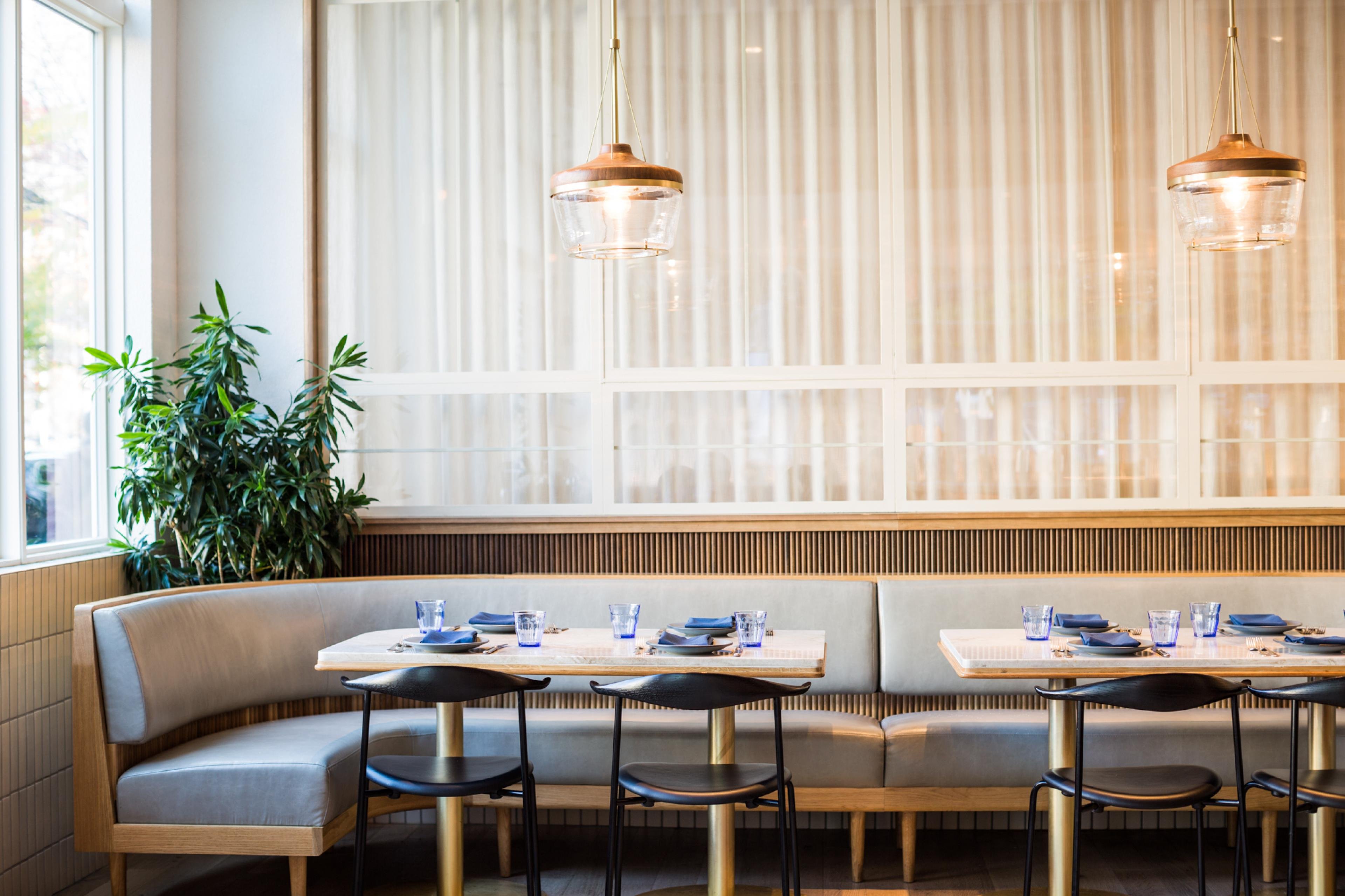
Lively and lively atmosphere well-suited for casual festive nights out or family gatherings.