Brønnum

Brønnum occupies a storied address at August Bournonvilles Passage 1, steps from the Royal Danish Theatre in central Copenhagen. The space sits at the intersection of classical Danish civic life and the city's contemporary dining conversation, drawing a crowd that ranges from pre-theatre regulars to visitors working through Copenhagen's broader restaurant scene. It belongs to a city that has spent two decades rewriting the rules of Nordic cooking.
Pearl is the En Primeur Club membership app — saves, bookings, and concierge access live there. Same editors, same standards.
- Address
- August Bournonvilles Passage 1, 1055 København, Denmark
- Phone
- +4588440404
- Website
- bronnumcph.dk
- Directions
- Get directions
 Saves & bookings on Pearl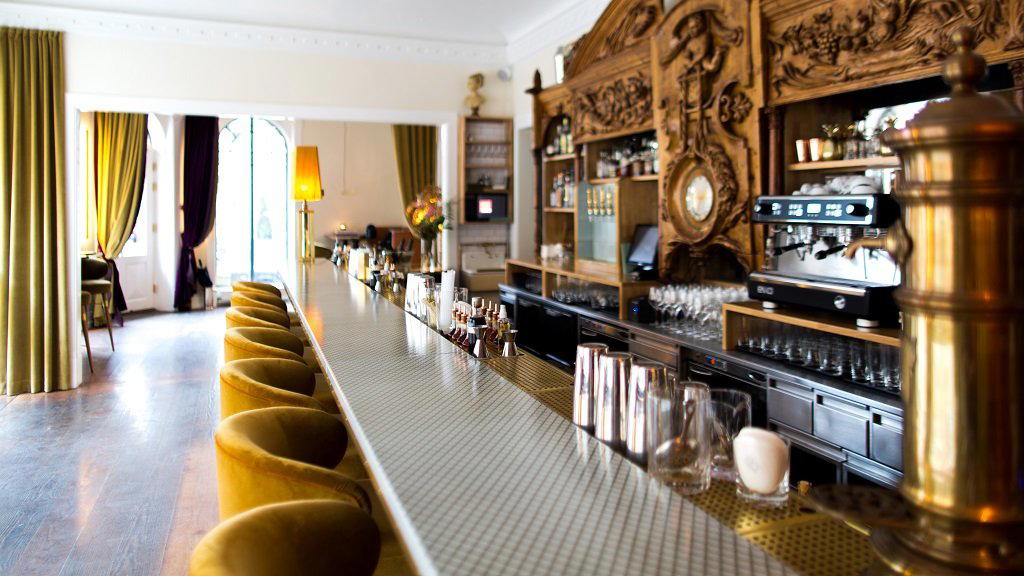
A Room With Weight Behind It
Some dining rooms arrive carrying history before a single dish is served. The address at August Bournonvilles Passage 1 places Brønnum directly in the civic heart of Copenhagen, flanked by the Royal Danish Theatre and the architectural confidence of the old city. That context is not incidental. In a city where Geranium operates from a football stadium's upper floor and Alchemist has built an entirely separate theatrical universe on the harbour, the question of setting is always part of the editorial conversation. Brønnum answers it with restraint and institution, not spectacle.
Walking through the passage toward the entrance, the surrounding architecture does the atmospheric work quietly. The approach is stone and proportion rather than neon or novelty, a sensory register that signals formality without stiffness. Copenhagen has learned, partly through the global influence of Noma, that a room's physical language should serve the cooking rather than compete with it. Whether any given kitchen delivers on that promise is the more interesting question.
Copenhagen's Dining Register
To place Brønnum accurately, it helps to understand the tier structure of Copenhagen's restaurant scene. At the leading end, the city runs a small cohort of tasting-menu destinations that command international attention: Geranium with three Michelin stars, Koan fusing New Nordic with kaiseki precision, Kadeau bringing Bornholm's island larder into the capital. These are reservation-months-ahead propositions with price points to match the €€€€ bracket across the board.
Below that, Copenhagen sustains a serious middle register: restaurants where the cooking is technically considered, the sourcing is demonstrably Nordic, and the room operates with professional ease rather than ceremony. That is the tier in which many visitors spend most of their time, and it is where a venue like Brønnum, positioned beside one of the city's great cultural institutions, occupies a plausible and well-trafficked slot. The Royal Danish Theatre generates a pre- and post-performance crowd that rewards a kitchen capable of cooking to a clock. That logistical reality shapes the dining rhythm of any restaurant in this immediate neighbourhood.
The Sensory Architecture of the Space
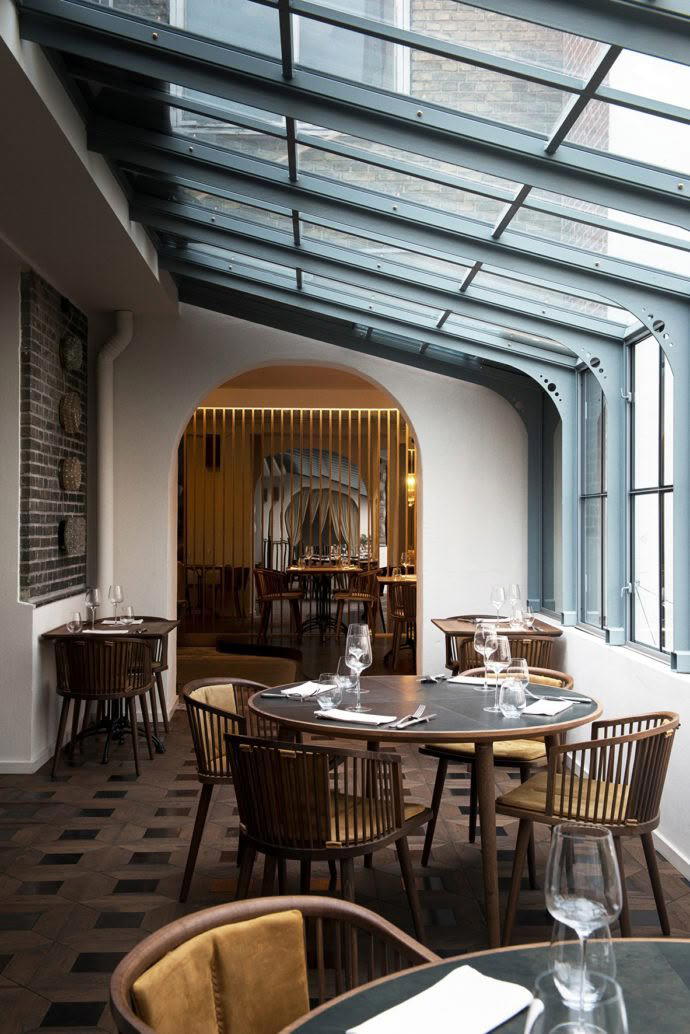
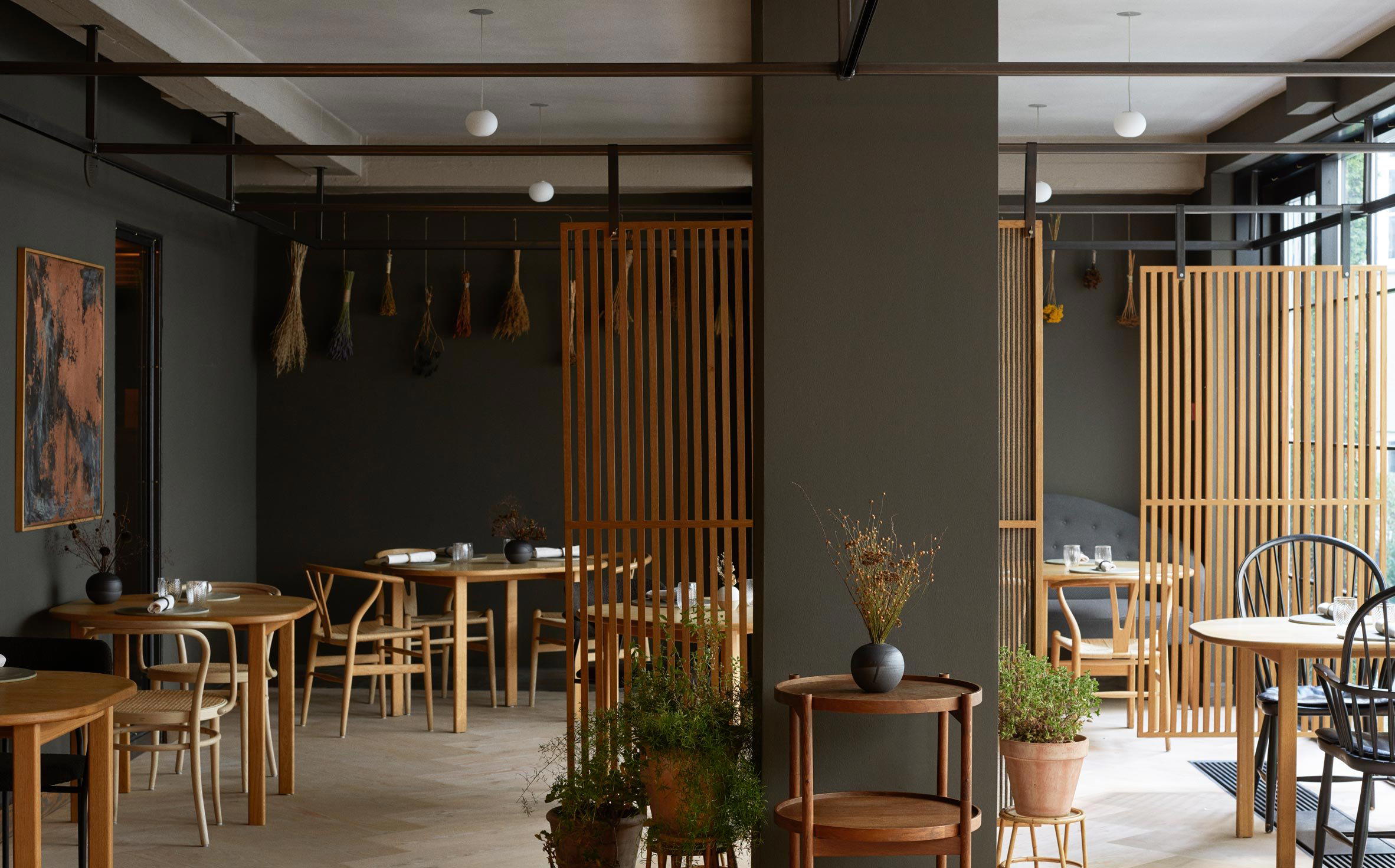
Danish interiors at the serious end of the market have moved decisively away from the maximalist approach. The dominant mode now favours natural material, controlled light, and furniture that earns its place without announcing itself. The broader visual vocabulary in use across Copenhagen's dining scene, from the linen and pale timber of neighbourhood spots to the considered darkness of higher-end rooms, reflects a collective aesthetic that prizes craft over decoration.
For a space tied to theatrical culture, the acoustic environment matters more than it might elsewhere. Theatre-adjacent restaurants often manage two distinct sittings: the pre-performance dinner that must move efficiently, and the post-performance return, when conversation slows and the room settles into something more relaxed. Sound levels, table spacing, and service pace all carry different weight in that context than they do in a freestanding destination restaurant.
This is a pattern visible in high-performing theatre-district venues globally. Le Bernardin in New York City, adjacent to Lincoln Center's cultural corridor, has long calibrated its room to the pre-performance rhythm without sacrificing seriousness. Closer to home, destination venues outside the capital, like Frederikshøj in Aarhus and Henne Kirkeby Kro in Jutland, show that Danish kitchens can sustain formal-register cooking across radically different settings. The common thread is attention to pace.
Copenhagen's Wider Restaurant Map
Brønnum sits at the centre of a city with one of Europe's densest concentrations of serious cooking per square kilometre. For a visitor building a full itinerary, it is one data point in a map that includes Jordnær in Gentofte, a two-Michelin-star address just north of the city, and extends to destinations like Dragsholm Slot Gourmet in Hørve, Frederiksminde in Præstø, and the west-coast precision of LYST in Vejle. Denmark's serious cooking does not concentrate in Copenhagen alone, and a broader trip could reasonably include Ti Trin Ned in Fredericia, Tri in Agger, Pearl by Paul Proffitt in Kruså, or Syttende in Sønderborg.
For a consolidated view of how Brønnum fits into the capital's full dining picture, the EP Club Copenhagen restaurants guide maps the scene by tier, neighbourhood, and format. Copenhagen rewards the visitor who plans at that level rather than booking individual names without regard for the overall shape of the city's food culture.
What makes Copenhagen's mid-tier interesting in 2024 is that New Nordic influence has diffused far enough that it no longer reads as a discrete genre. The foraging instinct, the fermentation habit, the insistence on provenance, these are now table stakes rather than distinguishing features. What separates kitchens at this level is execution and specificity: what they do with the shared vocabulary, how precisely they source, how well the room and the cooking speak the same language. A venue like Lazy Bear in San Francisco shows that communal-format, chef-driven dining can build a sustained identity without borrowing Nordic signifiers at all. Copenhagen's challenge, and opportunity, is that its own identity is now the export model being borrowed elsewhere.
What the Location Tells You
Restaurant addresses carry information. A position beside the Royal Danish Theatre in central Copenhagen tells you several things simultaneously: the surrounding foot traffic skews educated and culturally engaged, the operational pressure to perform across multiple sittings is high, and the neighbourhood's visual character is architecture-first rather than street-food-casual. These are conditions that tend to produce formal-register cooking, attentive service, and wine lists assembled for people who know what they are looking at.
They are also conditions that can, if a kitchen is not careful, produce competence without distinctiveness. Copenhagen has enough serious restaurants at every tier that a central address alone does not guarantee destination status. The city's most closely watched openings over the past decade, from the original Noma to the current wave of tasting-menu specialists, earned their positions through cooking that gave critics something specific to say. Location is context. It is not a credential.
Know Before You Go
- Address: August Bournonvilles Passage 1, 1055 København, Denmark
- Location context: Adjacent to the Royal Danish Theatre, central Copenhagen
- Pricing: Not published; confirm with venue before visiting
- Hours: Not published; verify before travel
- Dress: The theatre-adjacent setting and architectural character of the neighbourhood suggest smart-casual at minimum
How Brønnum Copenhagen compares with similar nearby venues.
| Venue | Cuisine | Price |
|---|---|---|
| Goldfinch | Chinese | Not listed |
| Restaurant Anton | Modern Cuisine | €€ |
| Marchal | Contemporary French, Modern Cuisine | €€€ |
Recognition history
Dated appearances from independent guides and award organizations, with the underlying list record or original source where available.
Falstaff Bar - 92 Falstaff Points
Falstaff
Continue exploring
More in Copenhagen
Restaurants in Copenhagen
Browse all →
Bars in Copenhagen
Browse all →
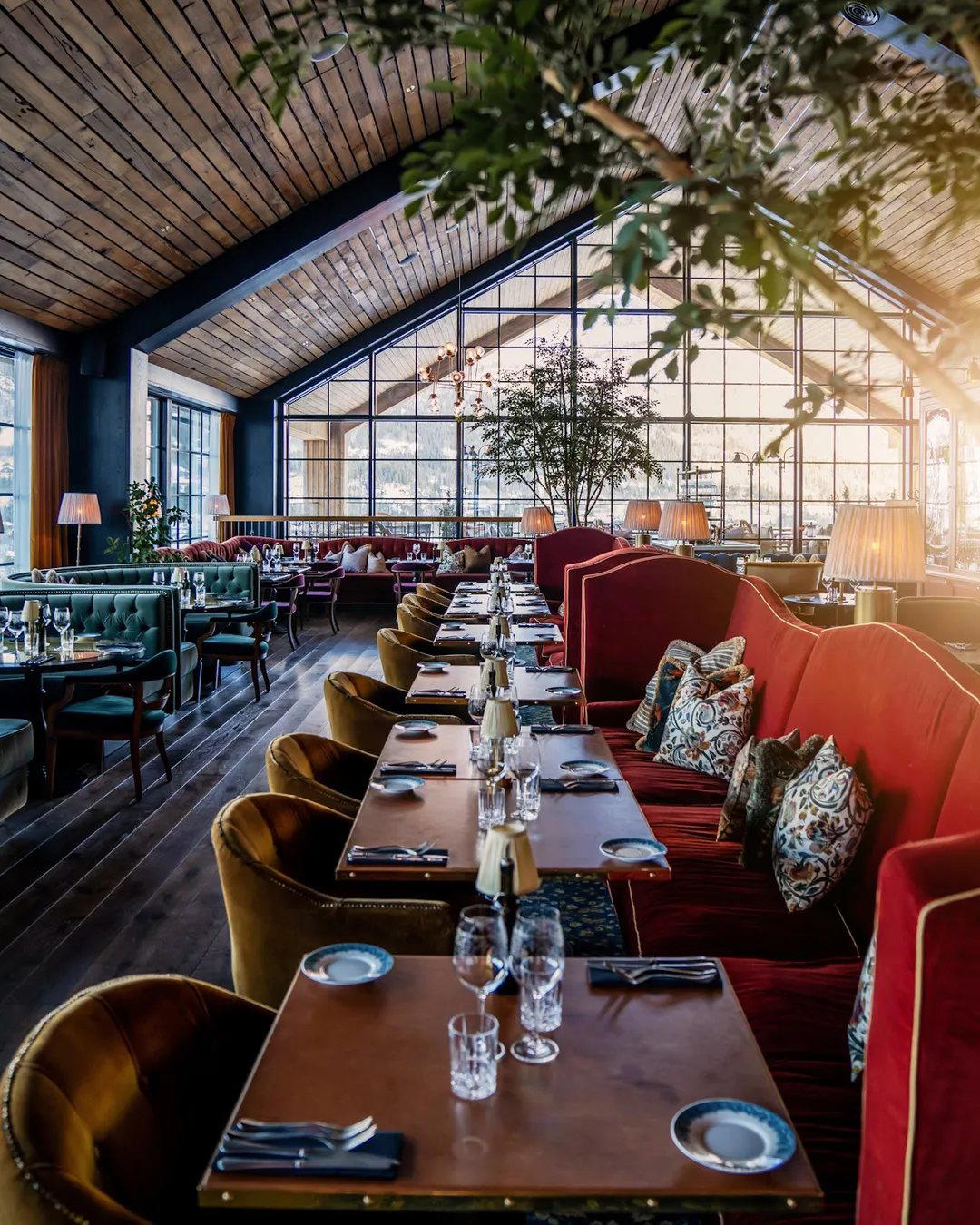
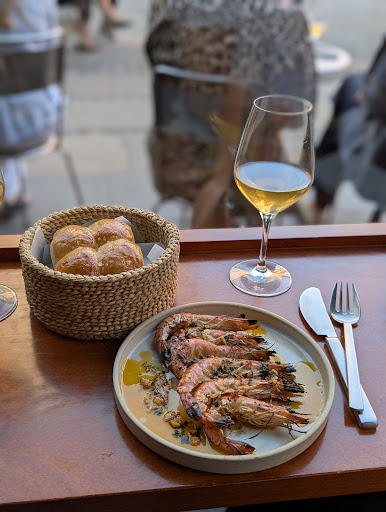
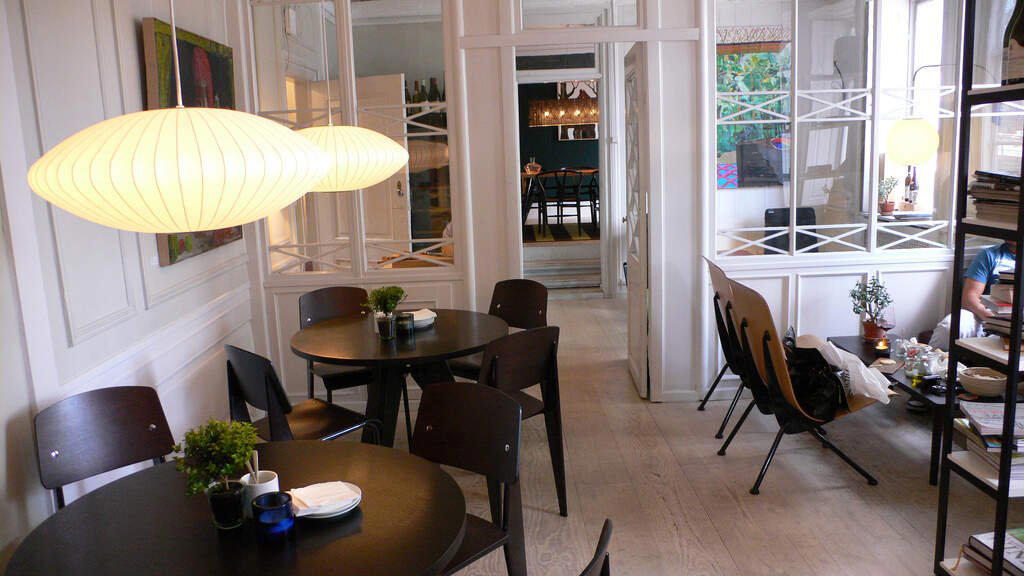
Hotels in Copenhagen
Browse all →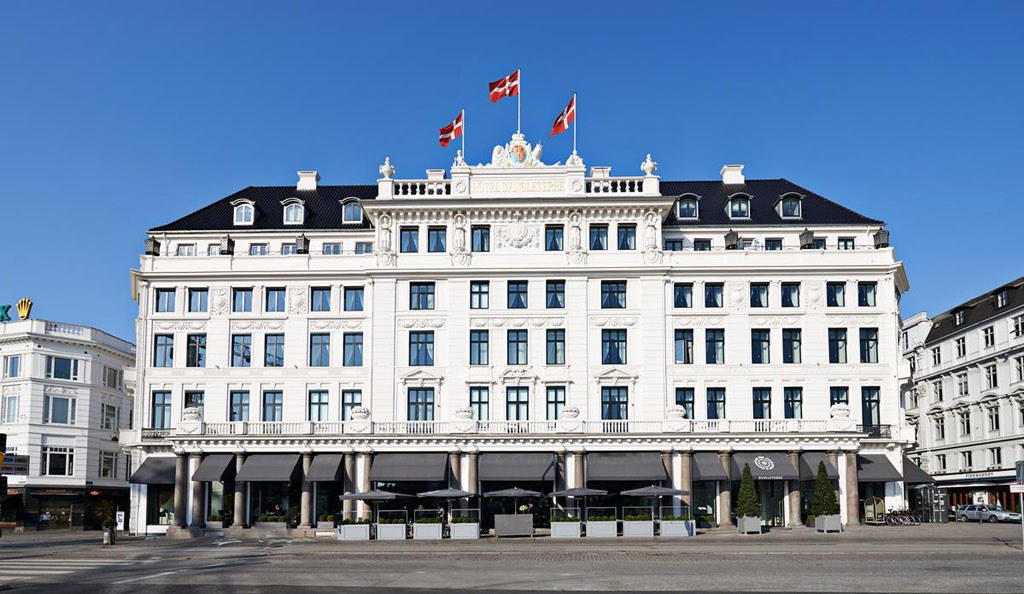

At a Glance
- Classic
- Trendy
- Elegant
- Cozy
- Sophisticated
- Date Night
- After Work
- Casual Hangout
- Historic Building
- Craft Cocktails
Current opening hours
- Monday
- 4 PM–12 AM
- Tuesday
- 4 PM–1 AM
- Wednesday
- 4 PM–1 AM
- Thursday
- 4 PM–2 AM
- Friday
- 4 PM–2 AM
- Saturday
- 4 PM–2 AM
- Sunday
- Closed
Hours can change for holidays and private events. Last verified .
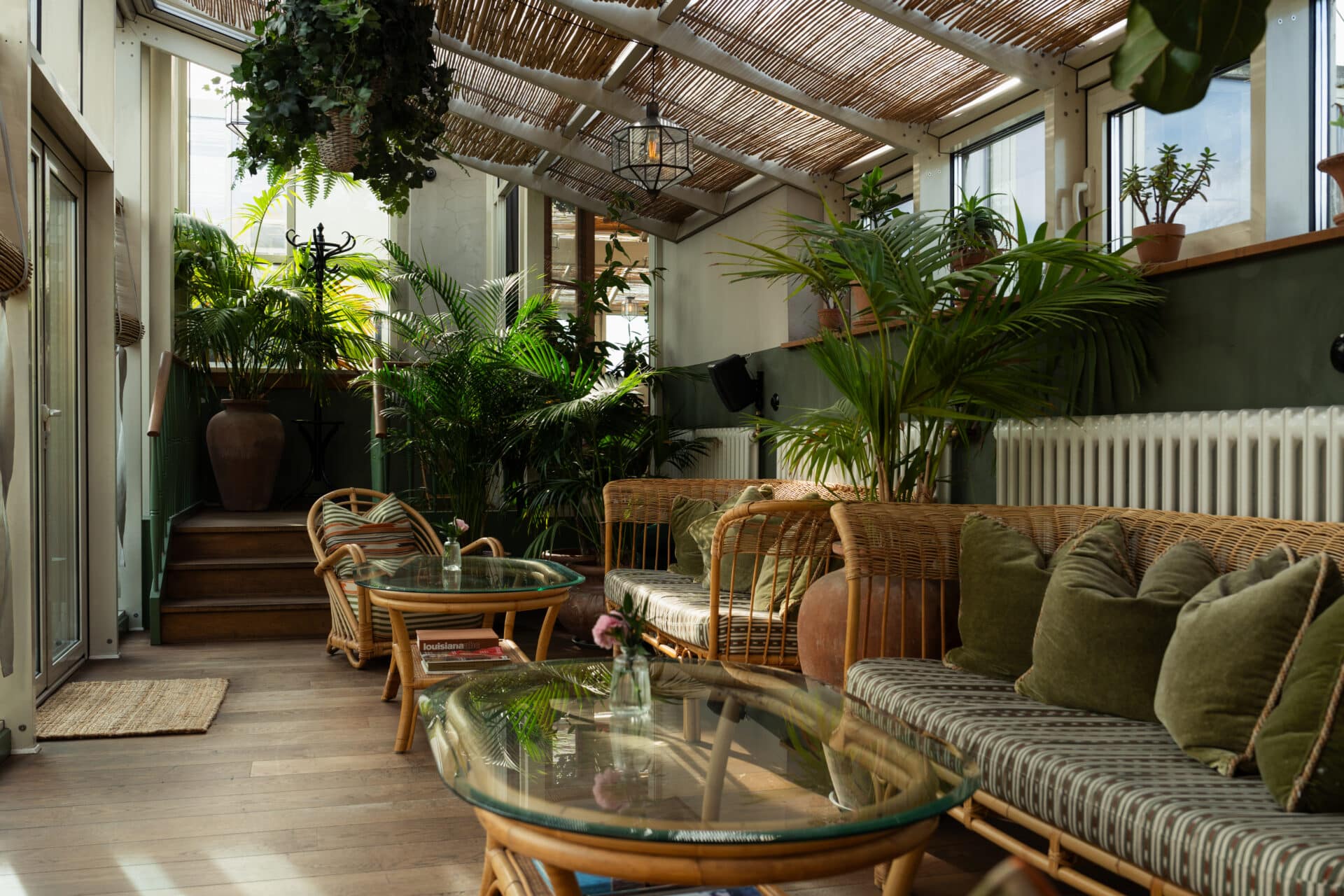
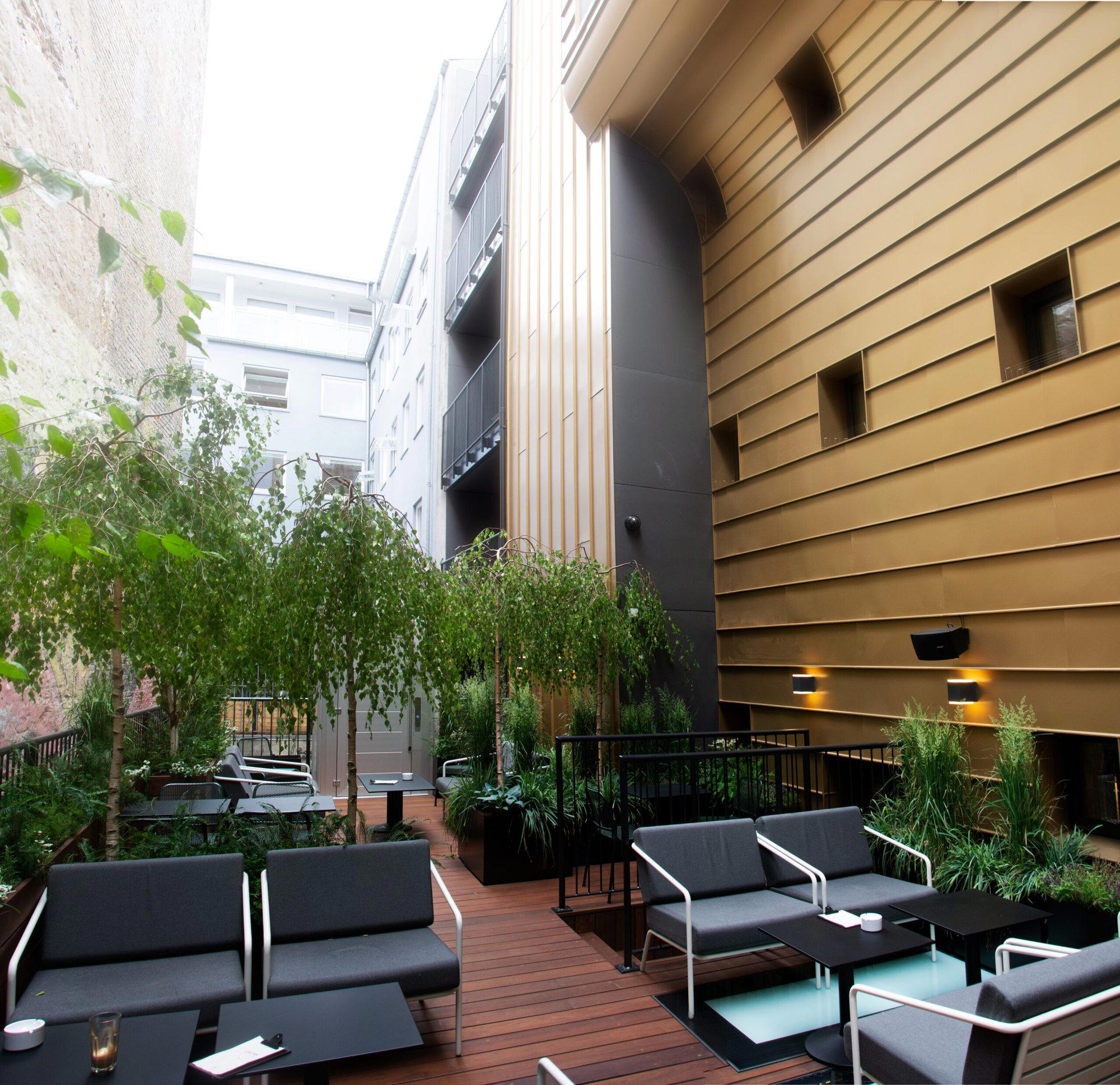
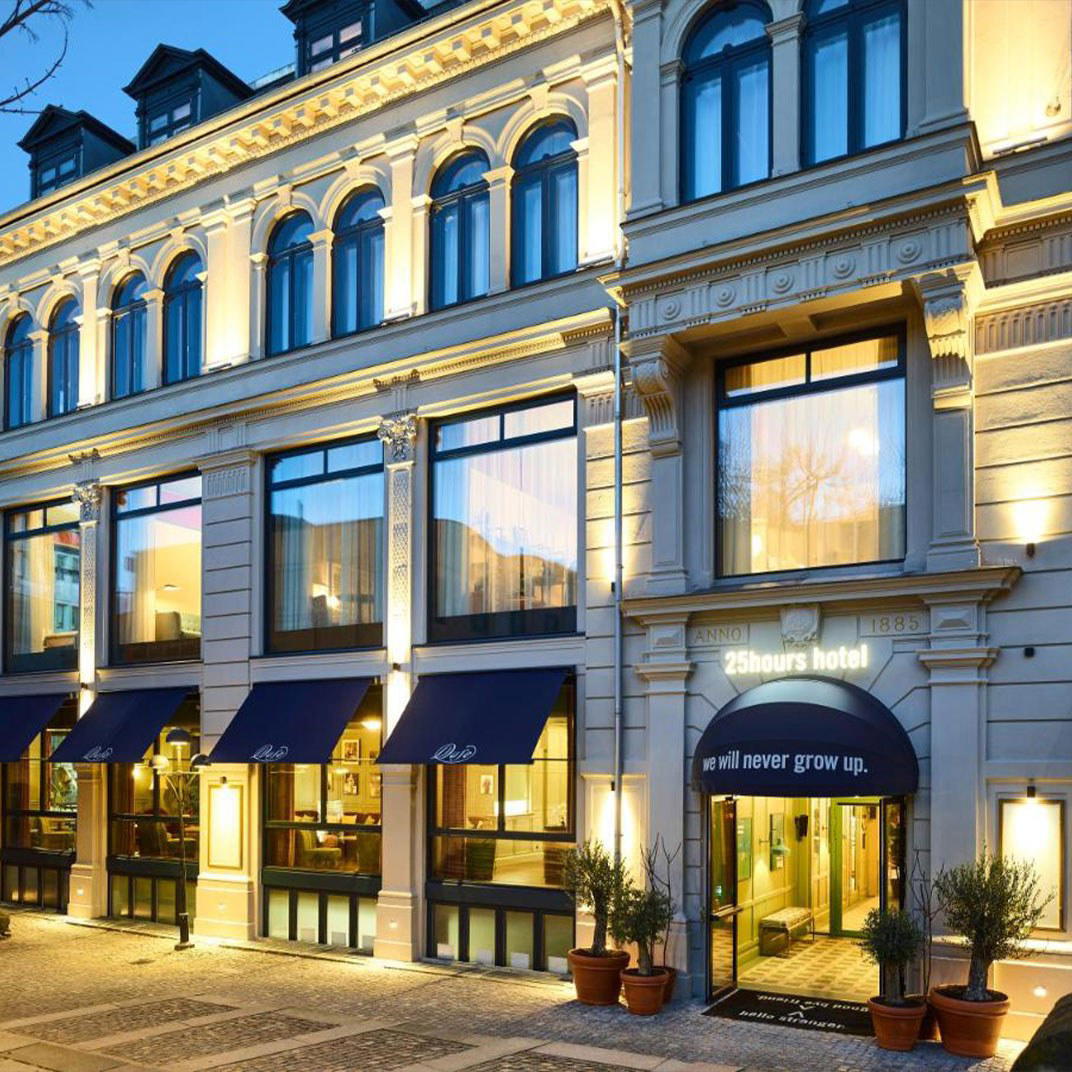
Laid-back yet elegant atmosphere in a historic listed building with old-school charm, artistic edge, and stylish setting.
Know Before You Go
- Getting there
- August Bournonvilles Passage 1, 1055 København, Denmark