Frk. Barners Kælder
Frk. Barners Kælder occupies a basement address on Helgolandsgade in Copenhagen's Vesterbro district, where the wine list tends to drive the room as much as the kitchen. The format sits closer to the wine-bar-with-serious-food tradition than to the tasting-menu circuit, making it a practical reference point for drinkers who want depth in the glass alongside a considered plate.
Pearl is the En Primeur Club membership app — saves, bookings, and concierge access live there. Same editors, same standards.
- Address
- Helgolandsgade 8A, 1653 København, Denmark
- Phone
- +4533330533
- Website
- frkbarners.dk
- Directions
- Get directions
 Saves & bookings on Pearl
A Basement, a Cellar, and a Different Kind of Copenhagen Evening
Copenhagen's fine-dining conversation runs predictably through a handful of addresses: the tasting-menu temples with Nordic credentials, the Michelin-decorated rooms that book out months in advance, and the newer wave of creative-format restaurants chasing the ground that Noma and Geranium mapped out over the past two decades. Frk. Barners Kælder sits outside that conversation by design. The address — a basement on Helgolandsgade 8A in Vesterbro — signals the format before you reach the door: this is a kælder, a cellar, and in Copenhagen's hospitality vocabulary that word carries specific meaning. It implies informality relative to the tasting-menu circuit, a preference for the table over the performance, and usually a wine list that rewards attention.
Vesterbro itself has shifted considerably as a dining district. What was once the city's meatpacking periphery now holds a concentration of restaurants that operate in the register between neighborhood local and destination dining. The area draws a different crowd than the refined rooms around Kongens Nytorv or the expense-account tables near Tivoli, and operators here generally build programs that reflect that: bottle-forward wine lists, menus designed for ordering across multiple visits rather than consumed as a single curated experience, and spaces that function as well at 10pm as at 7.
The Wine-Bar Format in a Nordic Context
Across northern European cities, the wine-bar-with-serious-food format has consolidated into a recognizable tier. It sits above the casual bistro in terms of cellar investment and kitchen ambition, but declines the ceremony of the full tasting-menu sequence. In Copenhagen specifically, this format has room to operate beside the progressive end of the market, venues like Alchemist and Koan occupy a different register entirely, where concept and sequence are inseparable from the meal. The wine-led cellar format answers a different question: what do you drink and eat when you want the evening to be yours to control rather than the kitchen's to choreograph?
Frk. Barners Kælder, read through that lens, belongs to the category of Copenhagen venues where the wine list is the editorial spine of the room. The cellar address reinforces the framing: the physical descent into the space works as a kind of threshold between the city above and an environment oriented around the bottle. This is an older European hospitality tradition, the cave à manger of French wine culture, the enoteca model of northern Italy, translated into a Scandinavian context where natural and low-intervention wines have become the dominant curatorial language among serious operators.
Copenhagen's wine culture has matured enough to support genuine cellar depth at this tier. The city's proximity to the natural wine importers and négociant relationships built through the Noma era created a secondary infrastructure, sommeliers, buyers, and educated regulars, that now sustains bottle programs at venues well below the Michelin-decorated level. A room that takes its cellar seriously in Copenhagen today has access to producers and allocations that would have been implausible two decades ago.
What the Format Implies About the Kitchen
The wine-led format in cities like Copenhagen tends to produce kitchens that work from the glass outward. Dishes are built for pairing flexibility rather than sequential narrative, smaller plates, acids and fats deployed deliberately, fermentation as a tool rather than a trend. This kitchen orientation is legible in the broader Copenhagen restaurant scene at multiple price points, and it connects to the same fermentation and preservation culture that made venues like Kadeau internationally relevant. The difference is application: at a cellar-format venue, those techniques serve the bottle rather than the other way around.
Without published menu data available, specific dish descriptions would be speculative. What the format implies is a menu structured around flexibility, plates that work independently and in combination, priced to encourage exploration across a full evening rather than consumed as a fixed sequence. That structure is consistent across the European wine-bar tier and unlikely to deviate significantly at a Copenhagen address that has built its identity around the kælder concept.
Positioning Within the Danish Dining Context
Denmark's fine-dining geography extends well beyond Copenhagen. Venues like Jordnær in Gentofte, Frederikshøj in Aarhus, Henne Kirkeby Kro, and Dragsholm Slot Gourmet have established that serious cooking is not confined to the capital. Within Copenhagen itself, the competition for the evening of a visitor with a finite number of nights is significant. The tasting-menu tier, Geranium, Alchemist, Koan, demands planning horizons of weeks or months and a specific appetite for the format. Frk. Barners Kælder competes in a different frame: the evening when you want the wine to lead, the format to stay open, and the room to feel like a place rather than a production.
That positioning is practically useful for the visitor building a multi-night Copenhagen itinerary. One or two evenings at the tasting-menu level is the norm; the remaining nights call for something that delivers quality and interest without the full ceremony. The wine-forward cellar format fills that gap more reliably than a casual bistro and without the lead time of a Michelin-decorated booking.
For reference points outside Denmark, the format has close relatives at venues like Lazy Bear in San Francisco, where the boundary between fine dining and communal-format eating has been deliberately blurred, or at the more wine-focused end of New York's serious restaurant tier. The Copenhagen version tends to be quieter in its execution, less theatrics, more focus on what's in the glass.
Know Before You Go
| Address | Helgolandsgade 8A, 1653 København, Denmark |
| District | Vesterbro, Copenhagen |
| Format | Cellar wine bar with kitchen; bottle-forward program |
| Bookings | |
| Pricing | Not published; consistent with mid-to-upper Vesterbro wine-bar tier |
| Leading paired with | An evening that follows or precedes a tasting-menu night elsewhere in the city |
Continue exploring
More in Copenhagen
Restaurants in Copenhagen
Browse all →
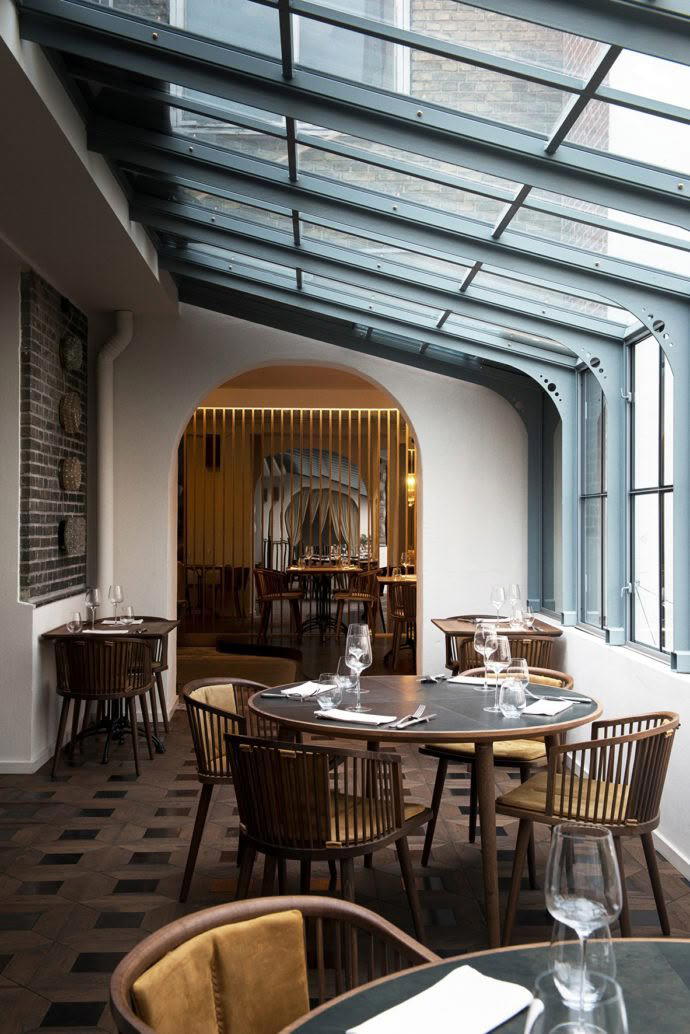
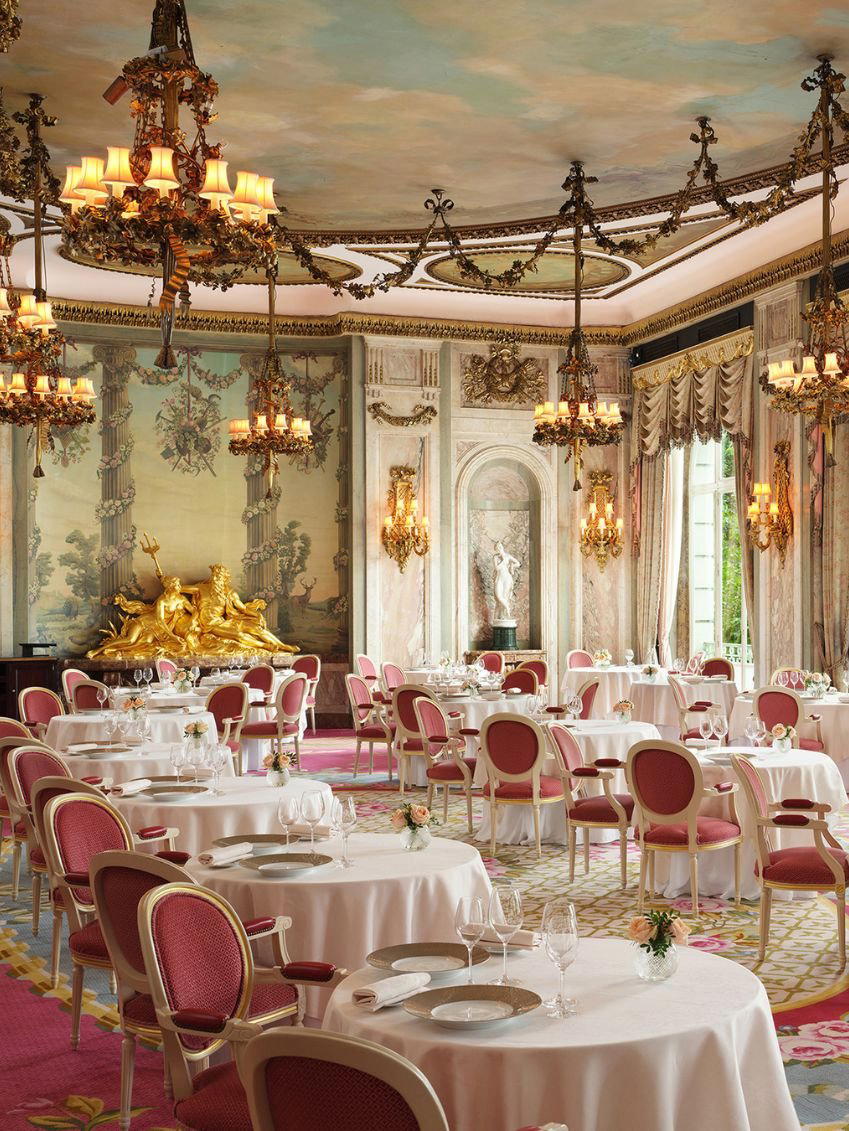
Bars in Copenhagen
Browse all →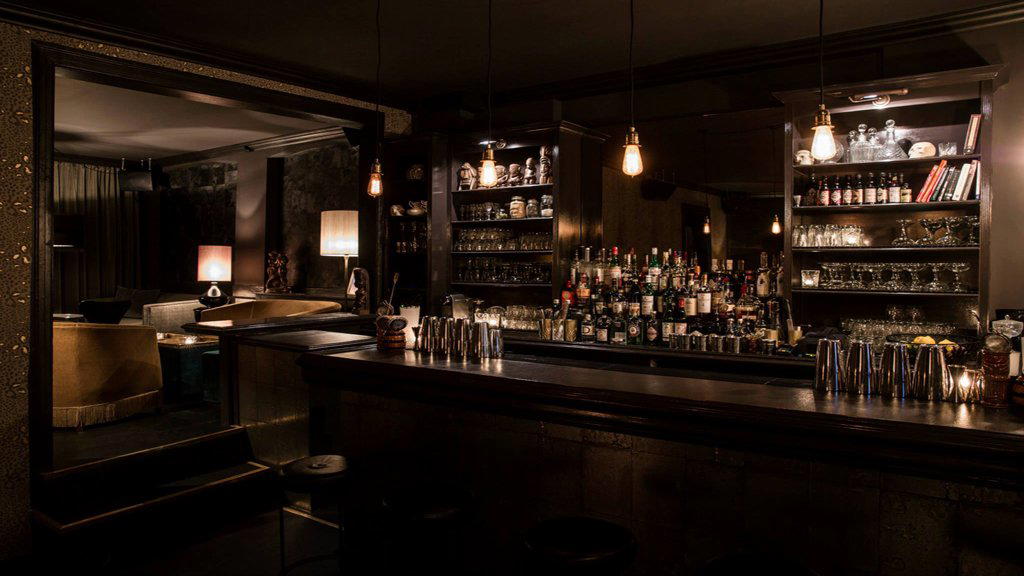
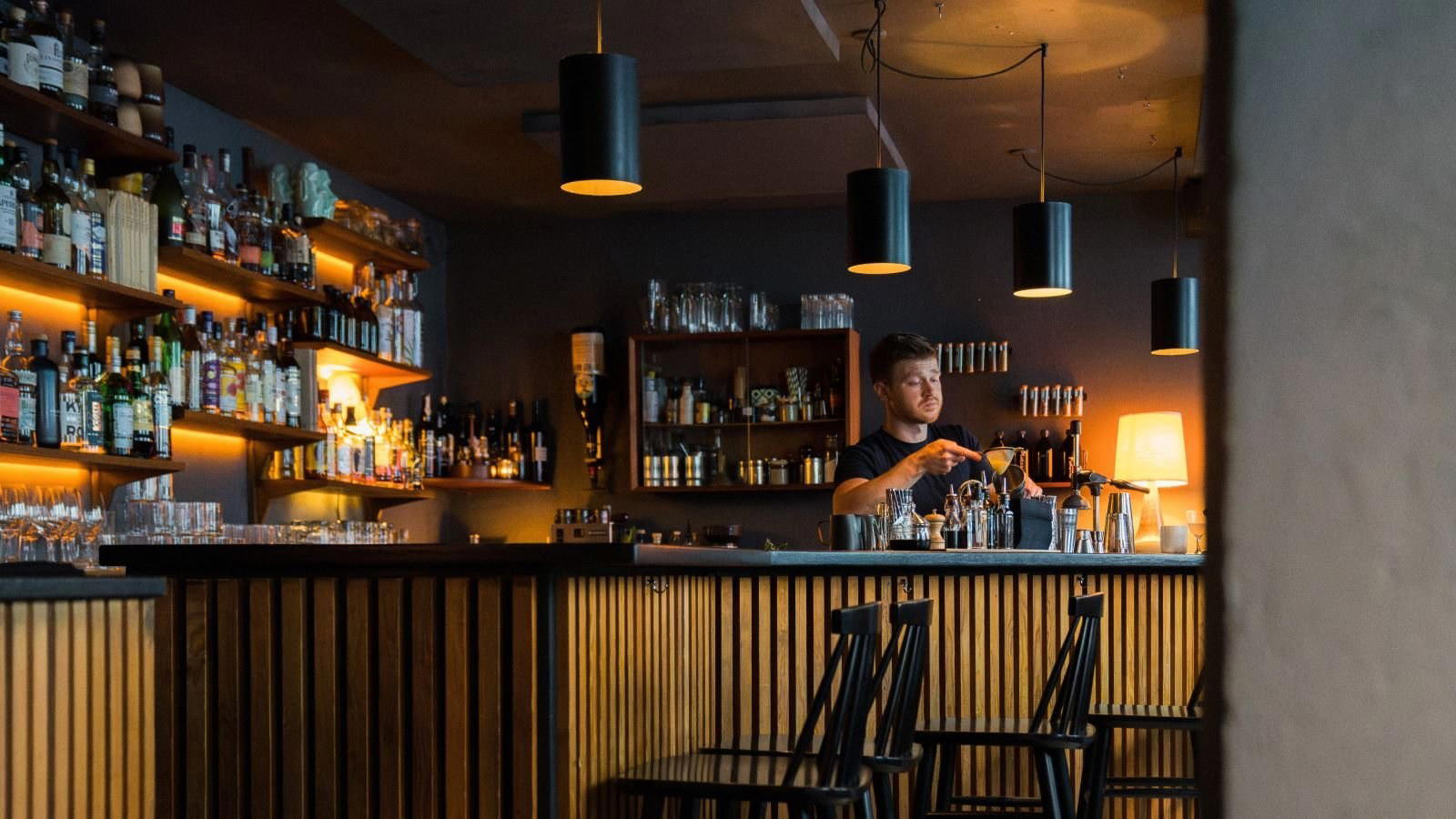
Hotels in Copenhagen
Browse all →

At a Glance
- Cozy
- Classic
- Rustic
- Casual Hangout
- Group Dining
- Historic Building
- Beer Program
- Local Sourcing
Current opening hours
- Monday
- 12–4 PM, 5:30–10 PM
- Tuesday
- 12–4 PM, 5:30–10 PM
- Wednesday
- 12–4 PM, 5:30–10 PM
- Thursday
- 12–4 PM, 5:30–10 PM
- Friday
- 12–4 PM, 5:30–10 PM
- Saturday
- 12–4 PM, 5:30–10 PM
- Sunday
- 12–4 PM, 5:30–10 PM
Hours can change for holidays and private events. Last verified .
Know Before You Go
- Getting there
- Helgolandsgade 8A, 1653 København, Denmark