Our verdict
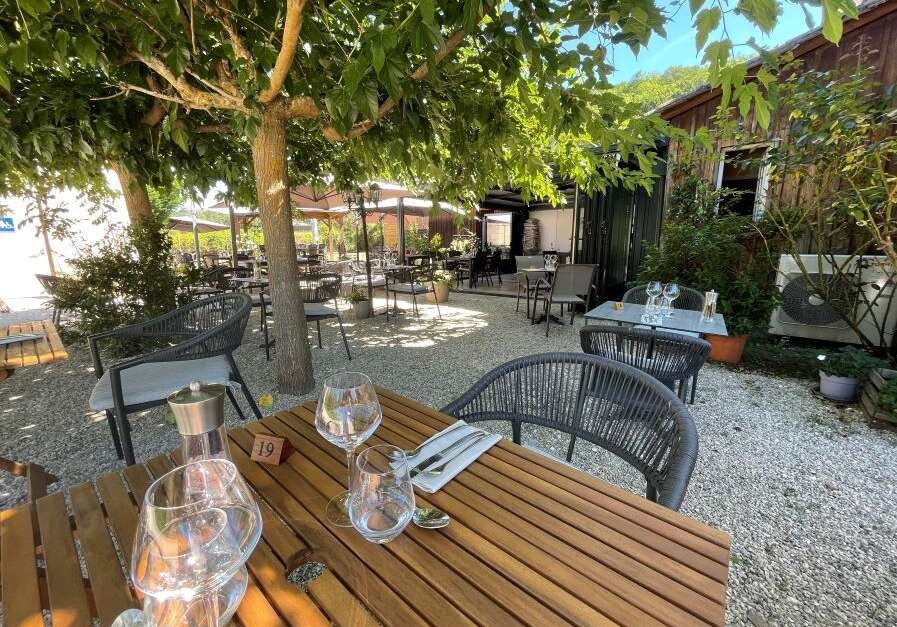
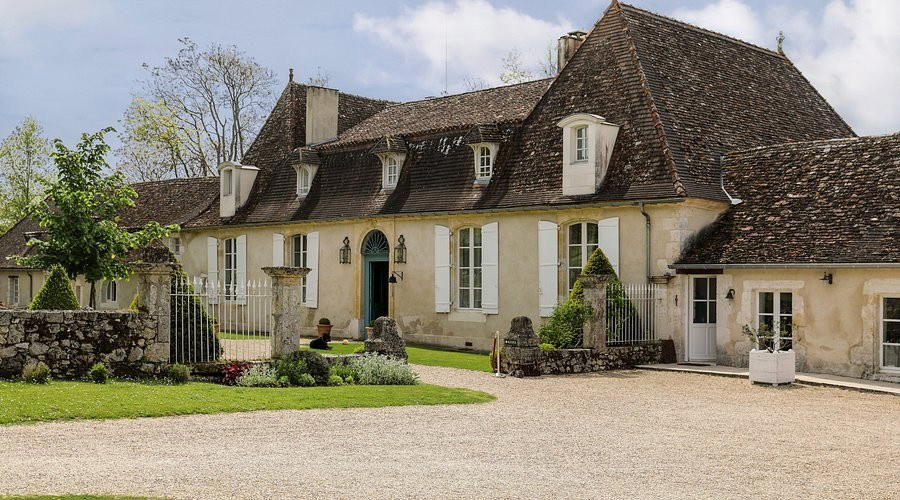
A bistrot occupying a former presbytery on Queyssac's village square, Bistrot du Presbytère draws on the Dordogne's deep agricultural heritage to anchor its cooking in place. The setting, a stone-walled room beside the church, signals the kind of rooted, unhurried French provincial dining that still resists trend cycles. For visitors exploring the Périgord, it represents a direct line to the region's larder.

Pearl is the En Primeur Club membership app — saves, bookings, and concierge access live there. Same editors, same standards.
- Address
- 104 Pl. de l'Église, 24140 Queyssac, France
- Phone
- +33553587336
- Hours
- Mon–Tue ClosedWed 12–1:30 PMThu–Sat 12–1:30 PM, 7–9 PMSun 12–1:30 PM
- Website
- bistrotpresbytere.fr
- Directions
- Get directions
The menu
What to order
- Omelette aux cèpes et truffes
- Ris de veau aux morilles
- Joue de porc
Church Square, Stone Walls, and the Dordogne's Larder
There is a category of French restaurant that exists almost as a geographical argument. Placed on a village square, often in a building with a former civic or religious life, it makes the case that the leading reason to eat in the surrounding region is the region itself. Bistrot du Presbytère, positioned beside the church at Queyssac in the Dordogne, belongs to this tradition. The presbytery as building type carries a particular weight in French rural life: these structures were designed to anchor a community, and the ones converted to restaurants tend to retain that quality, offering a settled, unhurried atmosphere that purpose-built dining rooms rarely achieve.
Queyssac sits in the Périgord Noir, the southern zone of the Dordogne department defined by dense oak forest and limestone escarpments, and by a food culture that has been accumulating depth for several centuries. For visitors arriving from Bergerac or from the more trafficked stretches of the Dordogne Valley, the village represents a quieter register of the same agricultural heritage, one that rewards slowing down. See our full Queyssac restaurants guide for additional context on eating in the area.
What the Périgord Puts on the Table
The Dordogne's reputation as a food region rests on a specific set of ingredients that remain genuinely local rather than notionally so. Black truffle from the Périgord Noir, duck and goose raised for foie gras across the department, walnut oil pressed from orchards along the valley floors, and cèpes harvested from the oak and chestnut woodland that covers much of the area: these are not decorative references to terroir but materials that enter the kitchen in quantity and define what cooking here looks like at its most direct.
This is a different register from the luxury-rural proposition you encounter at France's most celebrated destination restaurants. The question those kitchens ask is how to transform and refine regional produce; the question a village bistrot in the Périgord asks is how little transformation a good ingredient actually needs. Confit duck cooked slowly in its own fat, walnut-dressed salads, a terrine built from locally raised pork: the techniques are old and the logic is economic in origin, but the results, when the sourcing is right, carry a clarity that more elaborate cooking sometimes works against.
France's highest-profile rural restaurants, including Bras in Laguiole and Auberge du Vieux Puits in Fontjoncouse, have built reputations on the argument that rural France contains ingredients worth serious culinary attention. The bistrot tradition makes the same argument at a different pitch: that proximity to the source is itself a form of quality control, and that a short supply chain in a region as well-stocked as the Périgord produces a kitchen with real material advantages.
Placing Queyssac in the French Provincial Dining Tradition
France's provincial restaurant culture has long operated on a spectrum that runs from the starred destination house, sometimes requiring a year's advance planning and a four-figure per-head commitment, down to the village table that a local farmer might use on a Sunday. The middle ground, occupied by bistrots of genuine quality rather than mere convenience, is where a great deal of the most honest French cooking actually happens. Establishments such as Maison Lameloise in Chagny and Georges Blanc in Vonnas occupy the upper end of that provincial spectrum; a village bistrot in the Dordogne occupies a different position, one defined by informality and proximity to ingredients rather than by formal ambition.
That positioning is not a limitation. It is a different kind of proposition for the traveller who has already encountered the formal end of French dining, whether at Alléno Paris au Pavillon Ledoyen, Mirazur in Menton, or Flocons de Sel in Megève, and who understands that the breadth of French culinary culture includes both its decorated three-star houses and its village bistrots with menus written in marker pen on a blackboard. The contrast is instructive: destinations like Le 1947 à Cheval Blanc in Courchevel and La Vague d'Or in Saint-Tropez represent one version of French ambition; a stone room on a Périgord church square represents another, and both are worth understanding.
Getting There and Planning Your Visit
Queyssac is not a village with significant tourist infrastructure, which is part of its character. The address, 104 Place de l'Église, places the bistrot directly on the church square, which is the geographic centre of the settlement and direct to locate. Bergerac, the nearest city with a regional airport, sits a manageable distance to the west, making the Dordogne Valley an accessible driving base. Visitors combining this area with the wider Périgord circuit, which might include the prehistoric sites around Les Eyzies and the market towns of Sarlat and Périgueux, will find Queyssac positioned in the quieter southern reaches of that route.
The nature of a village bistrot in rural France means that verifying current hours, seasonal closures, and reservation requirements directly with the venue before any visit is not optional; it is basic planning. Smaller establishments in the Périgord frequently operate reduced hours outside the summer season, close on certain days entirely, and may require advance booking even when they appear, by size, to be walk-in places. Contacting the restaurant ahead of time is the only reliable approach.
For comparison and inspiration across the broader spectrum of French restaurant dining, Paul Bocuse - L'Auberge du Pont de Collonges, Auberge de l'Ill in Illhaeusern, Les Prés d'Eugénie in Eugénie-les-Bains, La Table du Castellet, Troisgros - Le Bois sans Feuilles in Ouches, and L'Oustau de Baumanière in Les Baux each represent a distinct chapter in French provincial and destination dining. Further afield, Le Bernardin in New York City and Lazy Bear in San Francisco show how French culinary logic has travelled and adapted beyond its home territory.
Frequently asked questions
Is Bistrot du Presbytère okay with children?
A village bistrot on Place de l'Église in Queyssac is by nature an unhurried, community-facing space, not a high-tempo city restaurant with a strict adult atmosphere. The pace and setting tend to suit families comfortably. That said, the Dordogne dining tradition is one of long, course-driven meals, so bringing patient older children is the more practical choice.
What's the overall feel of Bistrot du Presbytère?
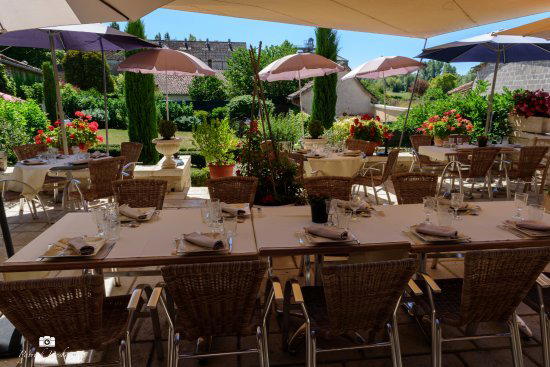
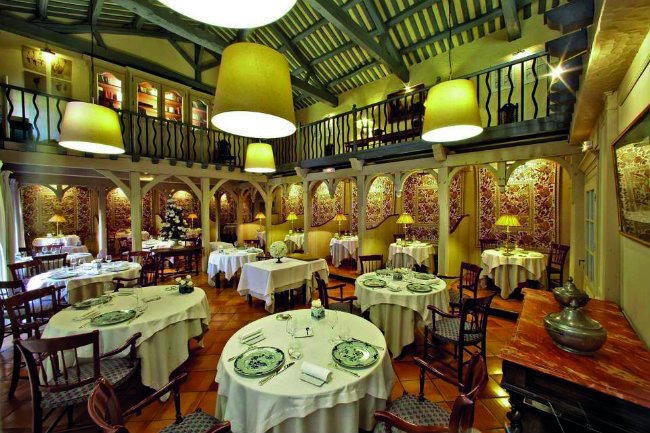
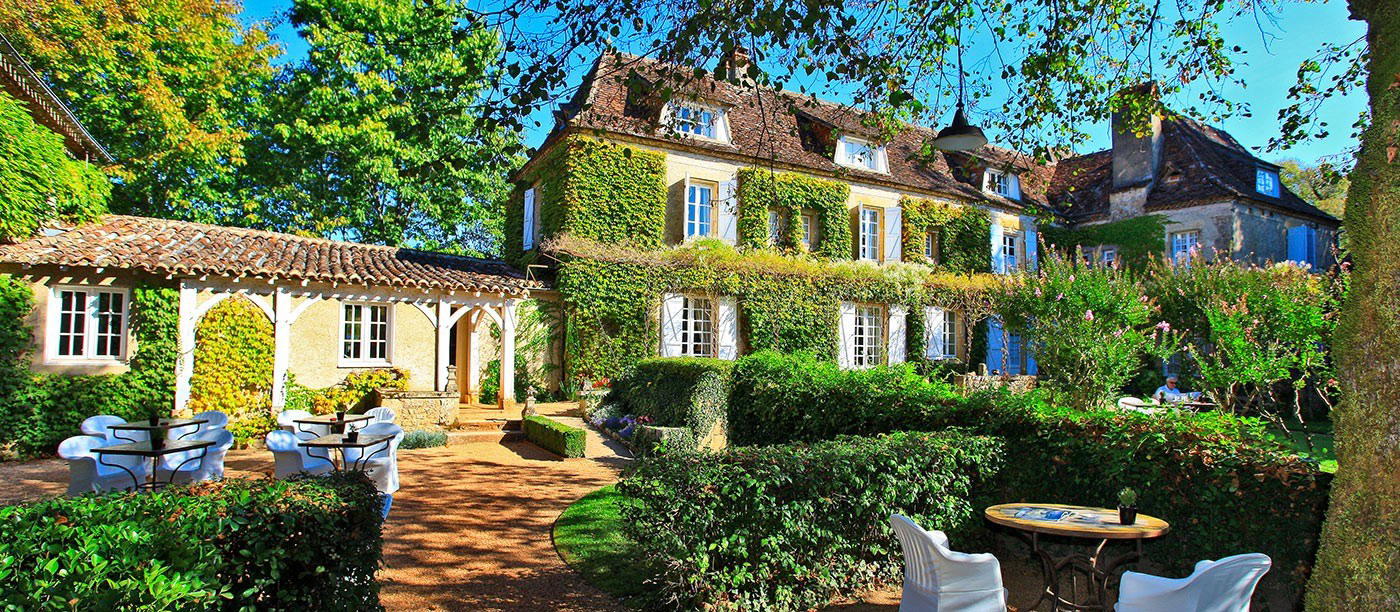
The address at 104 Place de l'Église places this bistrot directly on Queyssac's church square, which shapes the atmosphere more than any interior decision could. Stone-village bistrot dining in the Périgord runs toward the unpretentious end of French provincial culture: linen tablecloths without ceremony, cooking anchored to local produce rather than culinary theatre. Expect a room where locals and visitors occupy the same space on equal terms.
Is Bistrot du Presbytère in Queyssac worth visiting if you're based in Sarlat or Bergerac?
Queyssac sits in the Dordogne department, placing it within reasonable driving distance of both Sarlat and Bergerac, two of the region's main traveller hubs. A bistrot on the village church square at 104 Place de l'Église operates as a working local restaurant rather than a destination constructed for tourists, which is precisely what makes the detour coherent. The Périgord's provincial dining tradition at this level of informality is harder to find the closer you get to the more-visited towns.
What do regulars order at Bistrot du Presbytère?
In the Dordogne, a bistrot on a village square is almost certainly drawing from the Périgord's defining larder: duck in various preparations, foie gras, walnut oil, and black truffle when the season allows. These are not trend-driven additions but the foundational ingredients of this particular French region. Without a current menu on record, those categories represent the most reliable anchors of what a kitchen in Queyssac, 24140, is likely building around.
Side-by-Side Snapshot
Comparable venues nearby, for context on price, style, and recognition.
| Venue | Cuisine | Price | Notes |
|---|---|---|---|
| Bistrot du PresbytèreThis venue — the venue you are viewing | Traditional French Regional Bistro | $20–30 | Not listed |
| L’aventure | French Mountain Grill | $30–50 | Oz en Oisans |
| Caffe Cuisine | French Bistronomic Market Cuisine | $30–50 | Branne |
| Le Comptoir du Marché | French Market Bistro | $30–50 | Les Halles de Talence |
| Le Cantou | Traditional French Quercy Bistro | $20–30 | Saint Cirq Lapopie |
| Chez Fred | Bistronomic French | Not listed | Podensac |

Details
- Rustic
- Cozy
- Classic
- Family
- Casual Hangout
- Terrace
- Historic Building
- Local Sourcing
- A La Carte
- Vegetarian Friendly
Current opening hours
- Monday
- Closed
- Tuesday
- Closed
- Wednesday
- 12–1:30 PM
- Thursday
- 12–1:30 PM, 7–9 PM
- Friday
- 12–1:30 PM, 7–9 PM
- Saturday
- 12–1:30 PM, 7–9 PM
- Sunday
- 12–1:30 PM
Hours can change for holidays and private events. Last verified .
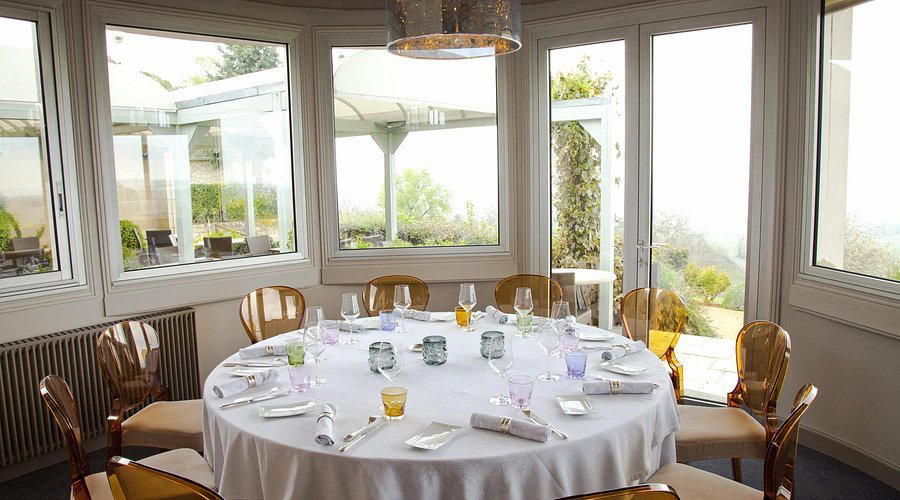
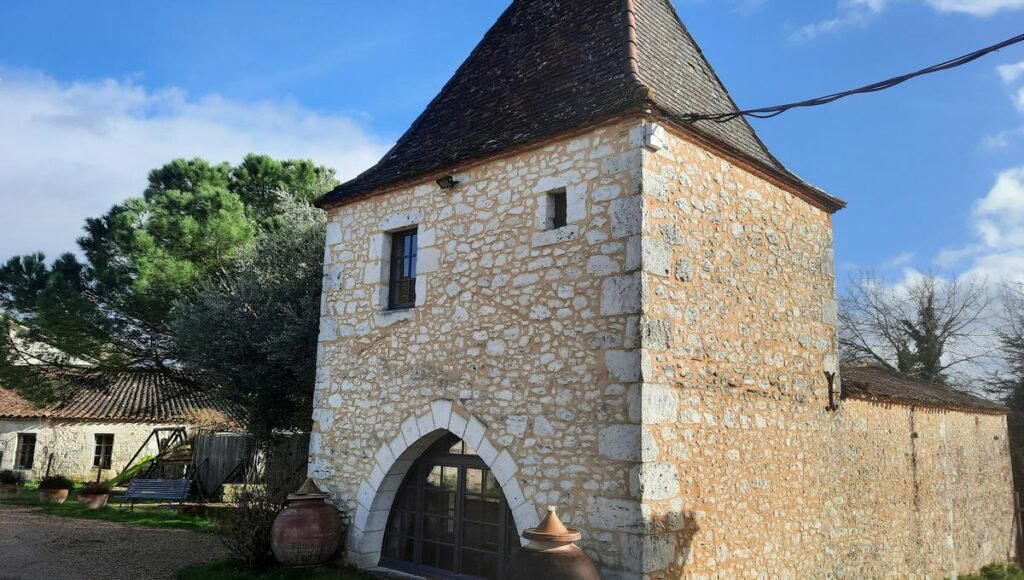
Old stones and ancient fireplace create a warm, authentic rural chic atmosphere.