Maison Wessman par Thierry Marx

Michelin Bib Gourmand
Our verdict
At Les Verdots wine estate in Conne-de-Labarde, Thierry Marx's bistro-format restaurant reframes the Dordogne's larder through a menu that sets open-field tomatoes and duck confit against unexpected pairings. The travertine terrace looks out over working vines, and the wine list draws almost entirely from the surrounding estate. It is a destination that rewards those who understand what Bergerac's countryside actually produces.

Pearl is the En Primeur Club membership app — saves, bookings, and concierge access live there. Same editors, same standards.
- Address
- 425 impasse des Verdots
- Phone
- +33 5 53 58 34 31
- Website
- maisonwessman-wines.com
- Directions
- Get directions
- Booking
- Book on TheFork
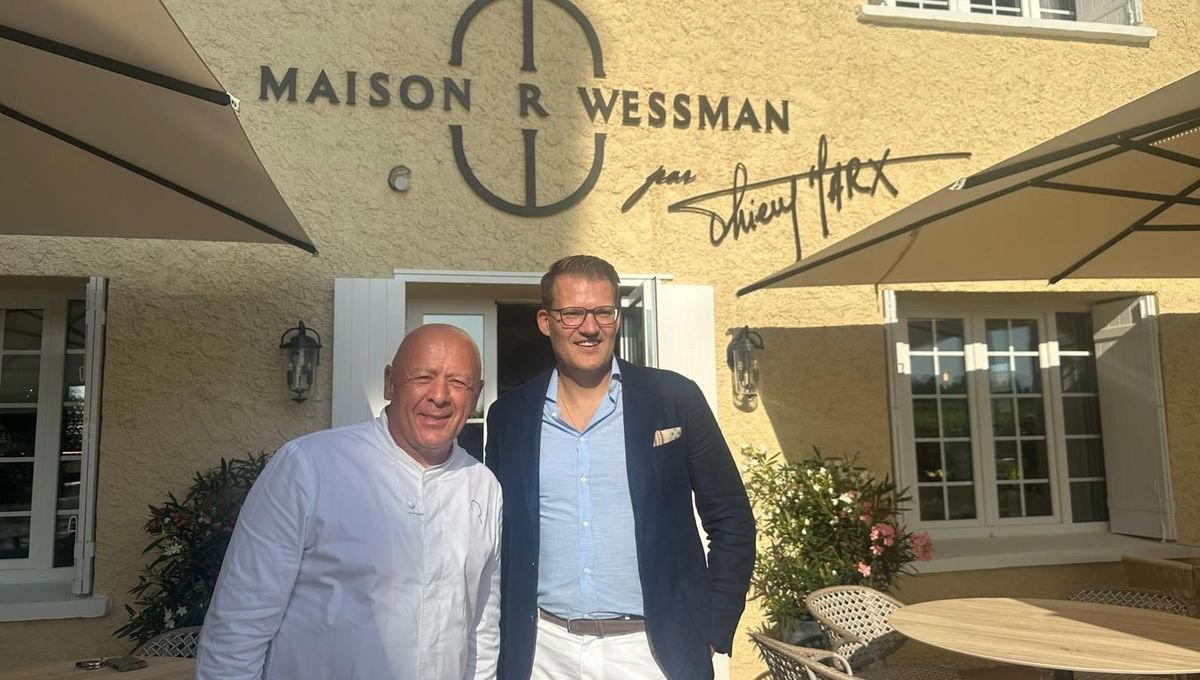
Vines, Terroir, and a Kitchen That Reads the Land
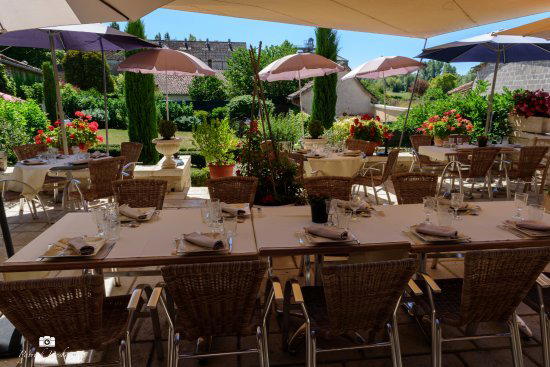
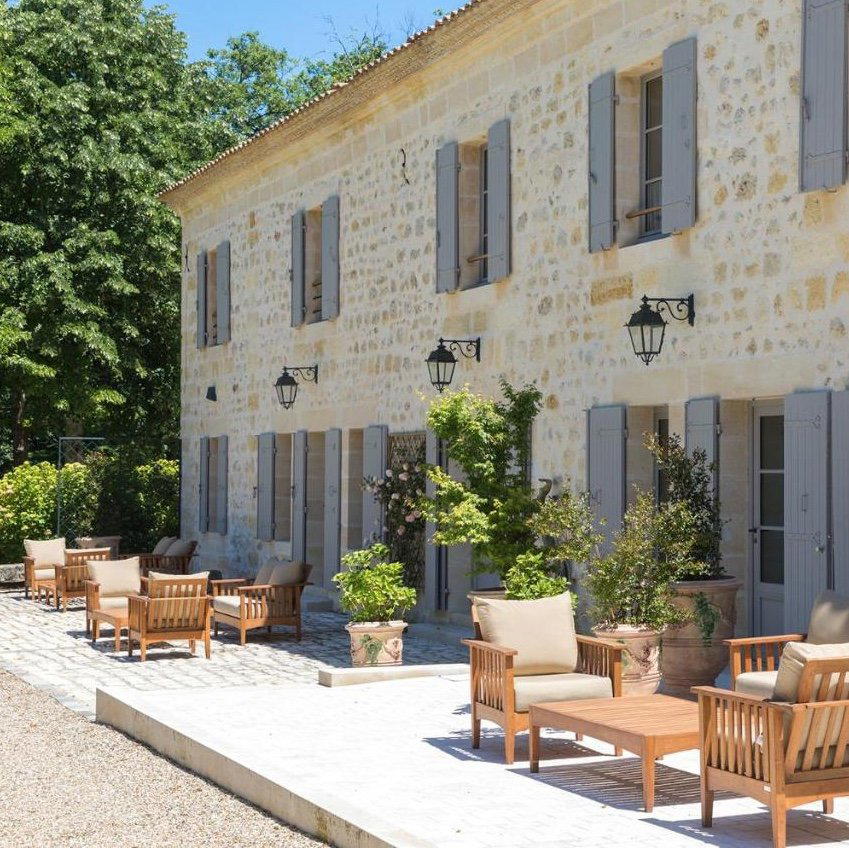
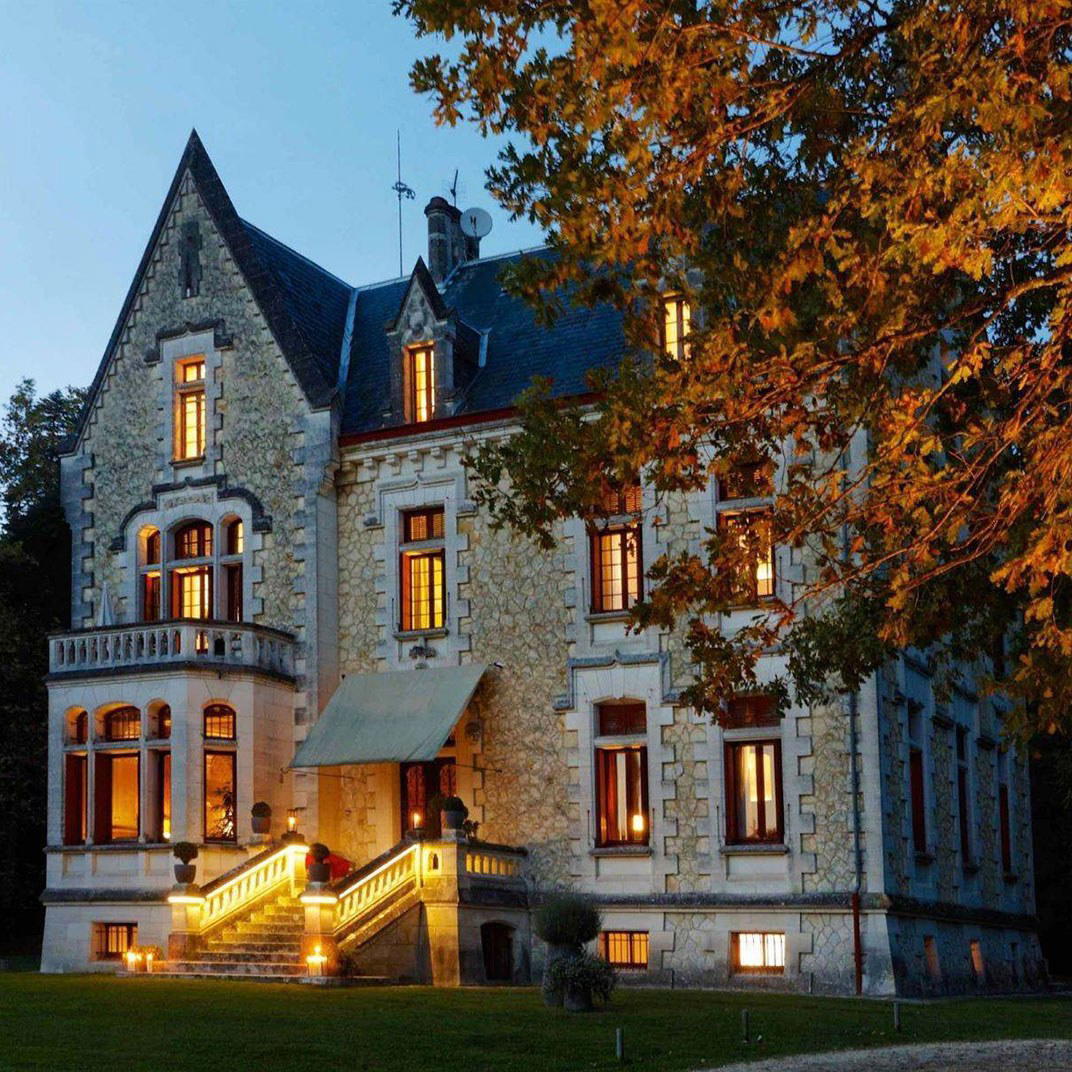
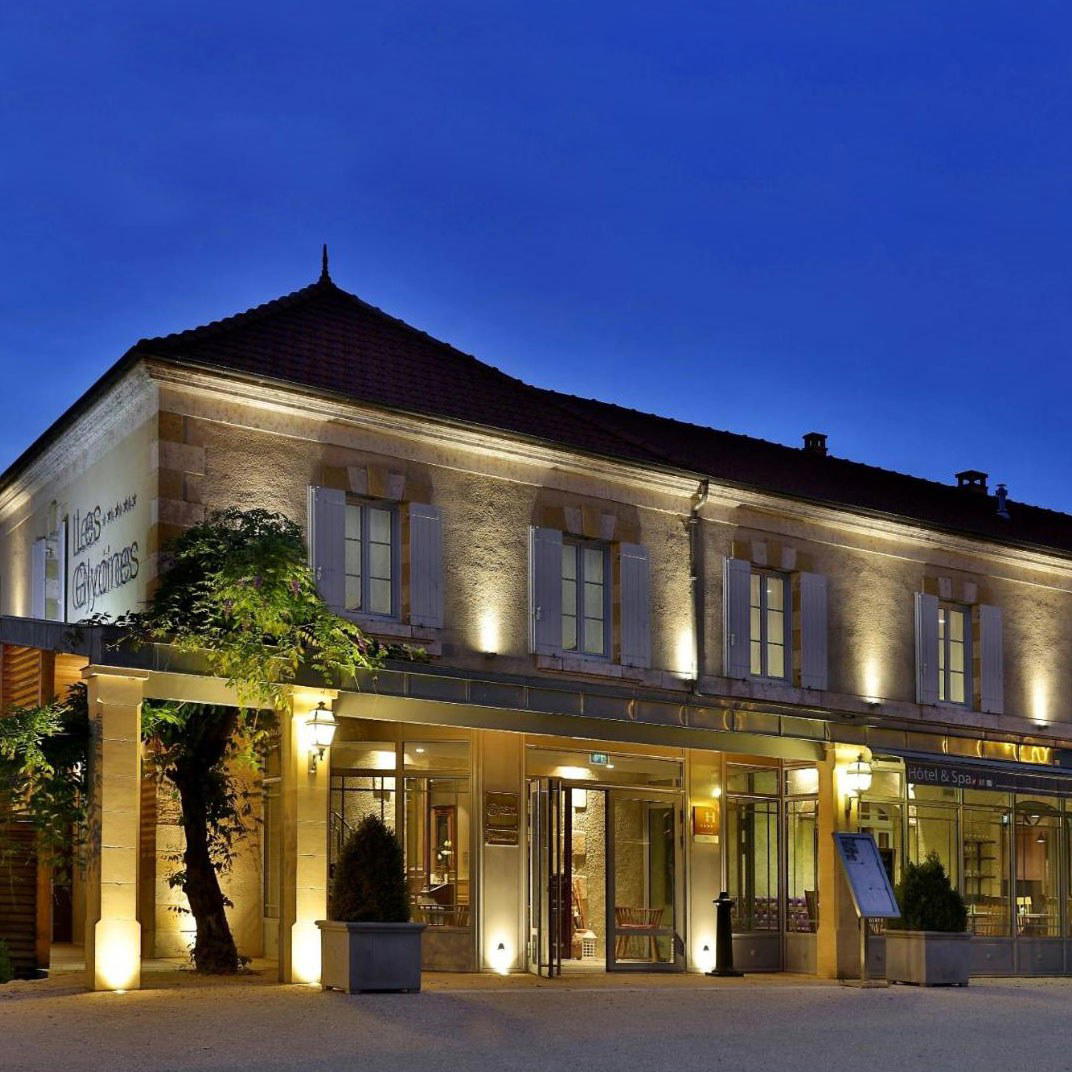
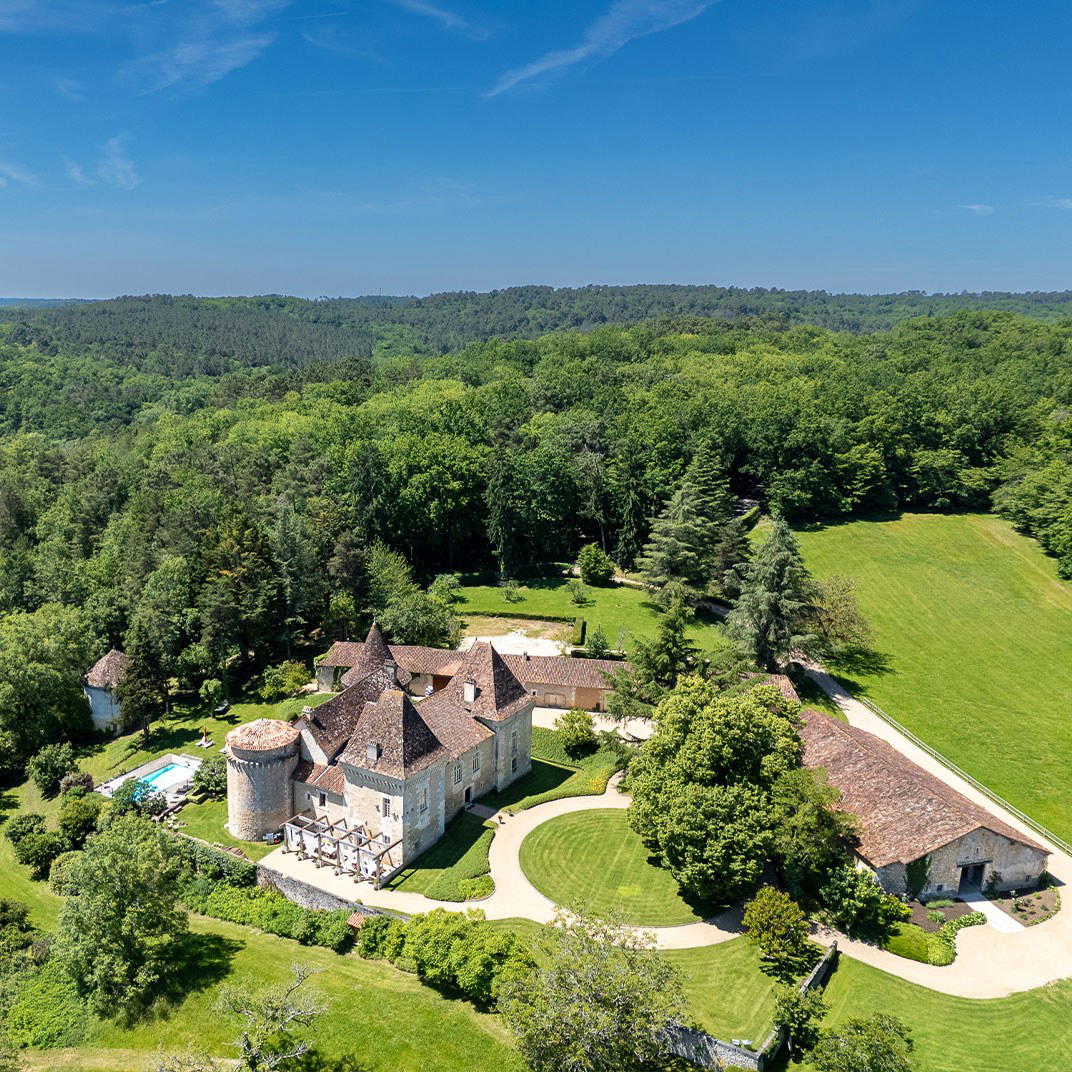
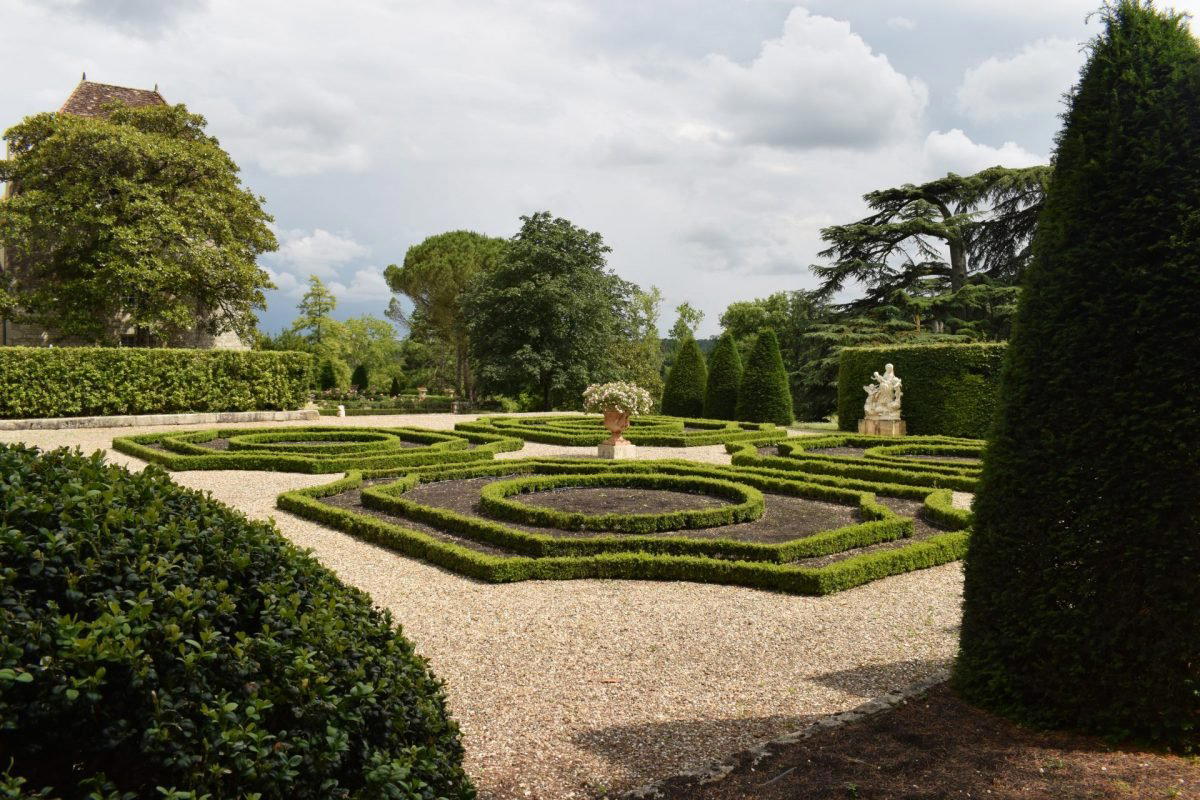
There is a particular kind of restaurant that only makes sense when you can see where the food comes from. At 425 impasse des Verdots in Conne-de-Labarde, the kitchen at Maison Wessman par Thierry Marx operates within Les Verdots wine estate, and the travertine terrace out front looks directly onto the vines. That physical relationship between the table and the source is not incidental staging. It is the organizing principle of what arrives on the plate.
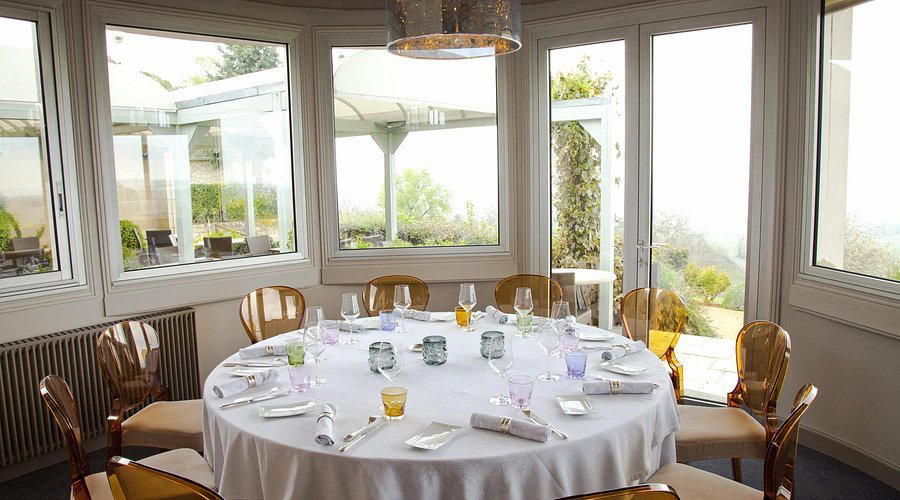
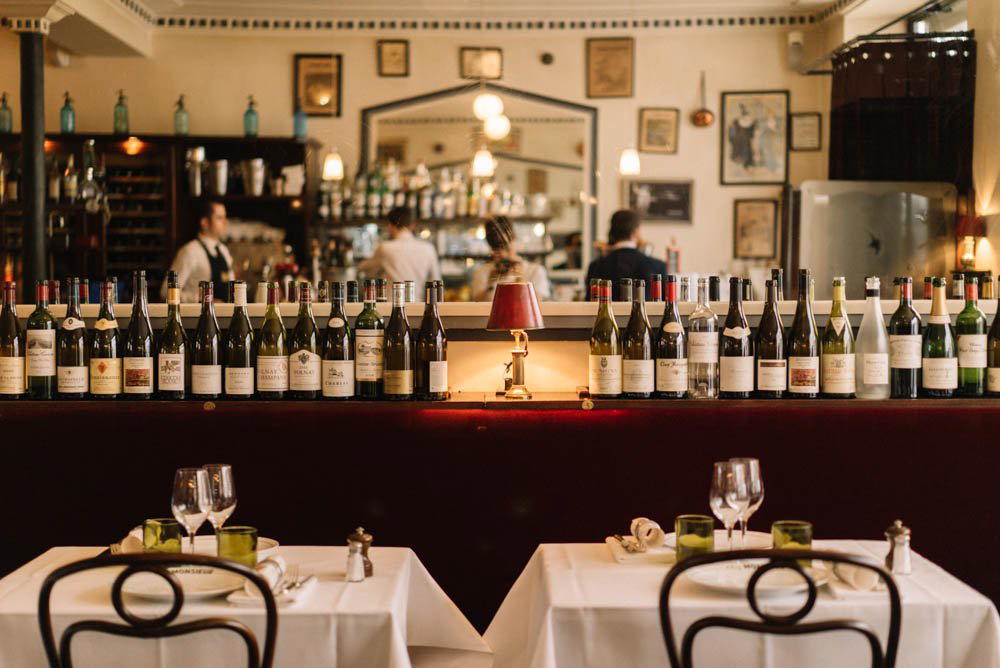
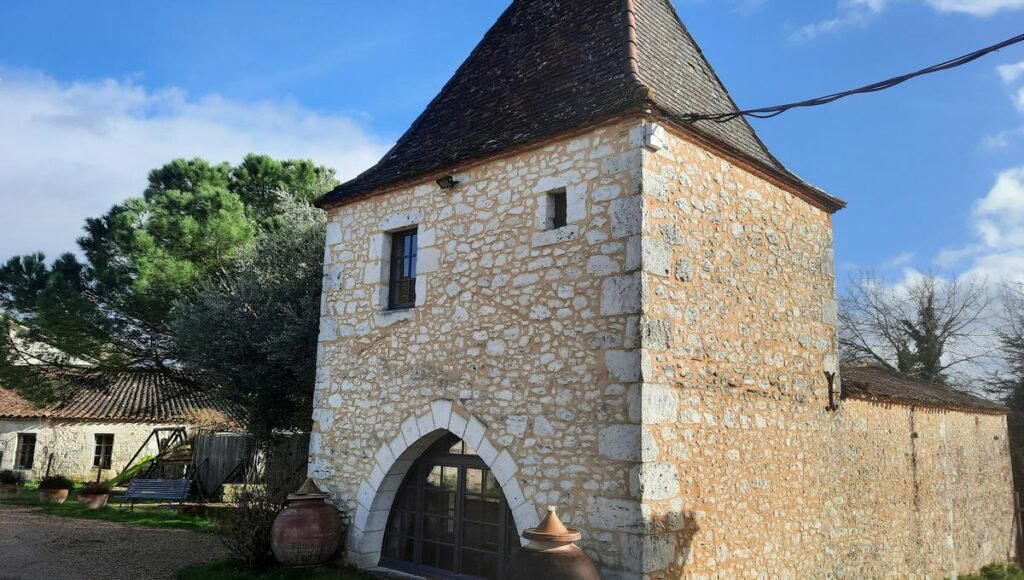
The building itself is in the local architectural vernacular: stone, proportion, and a sense of permanence that fits into the Dordogne countryside without announcing itself. Inside, the decor runs to chic bistro: comfortable, considered, and free from the kind of over-designed formality that can make estate restaurants feel like museum annexes. The room reads as a place where people actually eat, which in this part of southwest France is the appropriate register. For readers comparing this kind of integrated estate dining to higher-formality city addresses, the contrast with multi-course tasting formats at venues like Alléno Paris au Pavillon Ledoyen in Paris or Mirazur in Menton is instructive: this is a kitchen working in a bistro idiom, not a grand-projet format.
What the Dordogne Grows and Why It Matters Here
Southwest France has a specific agricultural logic. Duck — confit, magret, foie gras — is not a regional cliché but a consequence of centuries of land use. The Périgord and Bergerac sub-regions produce tomatoes, lentils, and soft cheeses alongside the Malbec, Merlot, and Sémillon that the Bergerac appellation is known for. A kitchen that sources within this geography has immediate access to ingredients with genuine provenance, and the challenge is doing something with them that earns the provenance rather than simply invoking it.
The menu at Maison Wessman par Thierry Marx does the more demanding thing. Duck confit appears, as it should in this landscape, but it is served with lentils and carrot dressed in a mustard vinaigrette rather than in the standard rendered-fat-and-salted configuration. Open-field tomatoes, which in high summer in southwest France have actual flavour density, arrive with fresh goat's milk cheese, vanilla oil, and strawberries, a combination that uses acidity and dairy to draw out tomato character rather than simply presenting the tomato as a vehicle. The floating island with raspberries and custard closes the menu on a note that reads as classically French in form but locally sourced in fruit.
This is ingredient sourcing treated as editorial decision-making: the Dordogne's larder is the brief, and the cooking responds to it rather than overriding it with technique. For context on how other regional French restaurants approach their local material, Bras in Laguiole and Auberge du Vieux Puits in Fontjoncouse offer instructive comparisons at a different price tier and formality level.
The Wine List as a Position Statement
In the broader context of southwest French wine, Bergerac sits in Bordeaux's shadow despite producing wines from the same or adjacent grape varieties across a similar slate of soils. The estate wine list at Maison Wessman par Thierry Marx foregrounds Les Verdots production directly, which makes it a working argument for the appellation rather than a gesture toward it. A short list built around a single estate is a constraint, but it is also a form of editorial confidence: the assumption is that what the land produces is sufficient to carry the meal.
Bergerac's whites, particularly those built on Sémillon and Sauvignon Blanc, can match the richness of southwest cooking without the weight of a full Bordeaux. The regional logic of pairing the estate's production with a kitchen working from the same terroir is coherent in a way that imported wine lists rarely achieve in this kind of setting.
Where This Sits in the French Countryside Dining Scene
Estate restaurants in France occupy a wide spectrum. At one end are the conversion projects where a winery has added a dining room primarily to support wine sales, with food as an afterthought. At the other end are operations where the culinary program is serious enough to attract visitors on its own terms, with the wine connection as added depth rather than primary motivation. The involvement of Thierry Marx, whose culinary record across France places him in a recognized tier of French cooking, shifts this restaurant toward the latter category. The menu described in the estate's documentation shows a kitchen thinking about flavour architecture rather than default regional assembly.
For readers with broader context in French regional cooking, the comparison set is not the grand maisons like Troisgros in Ouches or Auberge de l'Ill in Illhaeusern. It is the smaller-format, chef-driven bistro operating within a specific geographical brief. That category has produced some of the most interesting cooking in France over the past decade, precisely because the constraints of a short menu and a defined larder tend to produce more focused decisions than an open-ended carte.
Other recognized French addresses working at different price points and regions include Flocons de Sel in Megève, AM par Alexandre Mazzia in Marseille, Assiette Champenoise in Reims, and Au Crocodile in Strasbourg. For international reference points, Le Bernardin in New York City and Paul Bocuse in Collonges-au-Mont-d'Or represent different registers of the French culinary tradition. Emeril's in New Orleans offers a useful transatlantic contrast in how regional ingredients get translated through a named-chef lens.
Planning a Visit
Conne-de-Labarde is a small commune in the Dordogne department, positioned within Bergerac wine country and most accessible by car from Bergerac town. The address, 425 impasse des Verdots, sits on the estate itself, so the arrival is through vineyard land rather than a village centre. Given the estate setting and the chef association, advance reservation is the prudent approach, particularly during summer when the terrace is in use and the Dordogne draws visitors from across Europe.
Readers should verify current availability and format directly with the estate before travelling, as operating seasons for estate restaurants in this part of France can be more compressed than city addresses.
For a fuller picture of what Conne-de-Labarde and the surrounding Bergerac area offer, see our full Conne-de-Labarde restaurants guide, our full Conne-de-Labarde wineries guide, our full Conne-de-Labarde hotels guide, our full Conne-de-Labarde bars guide, and our full Conne-de-Labarde experiences guide.
Frequently asked questions
Would Maison Wessman par Thierry Marx be comfortable with kids?
The bistro-register interior and travertine terrace at 425 impasse des Verdots suggest a setting without a strict adult-only orientation. Southwest French estate restaurants of this type tend toward relaxed hospitality rather than formal dining codes. That said, the short, considered menu and vineyard setting are calibrated for guests who want to engage with the food and wine, so very young children may find the pace slow.
What's the overall feel of Maison Wessman par Thierry Marx?
A detached stone building on the Les Verdots wine estate, with a travertine-paved terrace that looks directly onto the vines. Inside, the decor is described as chic bistro-style — comfortable without being rustic, formal without being stiff. The kitchen, overseen by Thierry Marx, takes the position that the land around the building should determine what appears on the plate.
Is Maison Wessman par Thierry Marx award-winning?
Maison Wessman par Thierry Marx has received recognition including: Forming the heart of the stunning Les Verdots wine estate, this detached building in the local architectural style looks out over the vineyards; a travertine-paved terrace is laid out in front. Inside, the comfortable interior is done out i….
What should I eat at Maison Wessman par Thierry Marx?
The documented menu centres on southwest French produce reframed through a precise editorial lens. Duck confit with lentils, carrot, and mustard vinaigrette is the kitchen's direct engagement with regional tradition. The floating island with raspberries and custard closes the meal in a classical register. The wine list, focused on the Les Verdots estate and the broader Bergerac appellation, is worth treating as part of the meal rather than an afterthought.
What part of town is Maison Wessman par Thierry Marx in?
Maison Wessman par Thierry Marx is located at 425 impasse des Verdots, Conne-de-Labarde.
Should I book Maison Wessman par Thierry Marx in advance?
Advance booking is advisable. The Dordogne draws significant visitor traffic through summer, and a chef-associated estate restaurant with a short menu and a terrace will fill quickly during peak season. The venue does not currently list a phone or booking URL in public records, so checking directly with the Les Verdots estate is the most reliable approach.
What's the signature at Maison Wessman par Thierry Marx?
The tomato dish — open-field tomatoes with fresh goat's milk cheese, vanilla oil, and strawberries — is the clearest statement of the kitchen's method. It takes a straightforward Dordogne ingredient and builds around it using contrasts in fat, acid, and sweetness that are unexpected without being forced. It is the dish most likely to define how you remember the meal.
Quick Comparison
Comparable venues nearby, for context on price, style, and recognition.
| Venue | Cuisine | Price | Awards | Notes |
|---|---|---|---|---|
| Maison Wessman par Thierry MarxThis venue — the venue you are viewing | Modern French Bistronomic | $30–50 | Michelin Bib Gourmand | Not listed |
| Mélange | Creative French Fusion | $50–100 | Michelin Plate | Saussignac |
| La Table du Marché | Creative French Bistro | $50–100 | Michelin Plate | Bergerac City |
| L'Herboriste | Modern French Gastronomic | $50–100 | Michelin Plate | Castelmoron-sur-Lot |
| Le Bistrot du Château - Le Stelsia | Southwestern French Bistro | $30–50 | Michelin Plate | Saint-Sylvestre-sur-Lot |
| Monsieur Robert | Modern French Bistro | $30–50 | Michelin Bib Gourmand | Saint-Robert |
Recognition history
Dated appearances from independent guides and award organizations, with the underlying list record or original source where available.
Michelin Bib Gourmand
Michelin
Full recognition history (2 entries)
Michelin Plate
Michelin · 2026 Michelin Plate
Continue exploring
More in Conne-de-Labarde
Restaurants in Conne-de-Labarde
Browse all →
Hotels in Conne-de-Labarde
Browse all →

Details
- Elegant
- Scenic
- Modern
- Date Night
- Special Occasion
- Terrace
- Extensive Wine List
- Local Sourcing
- Vineyard
- A La Carte
Charming vineyard setting with well-decorated interior, terrace views, but tables closely spaced leading to noticeable ambient noise.