Le Comptoir du Marché occupies a stall within Les Halles de Talence, the covered market hall on Cours de la Libération that anchors the commune's food culture just south of Bordeaux. The format is market-integrated dining at its most direct: produce sourced steps away, prepared simply, eaten at the counter or nearby tables. For a read on how Bordeaux's left-bank suburbs eat on a weekday, this is a credible starting point.
Pearl is the En Primeur Club membership app — saves, bookings, and concierge access live there. Same editors, same standards.
- Address
- Les Halles De Talence, 316 bis Cr de la Libération, 33400 Talence, France
- Phone
- +33661694510
- Website
- facebook.com
- Directions
- Get directions
 Saves & bookings on Pearl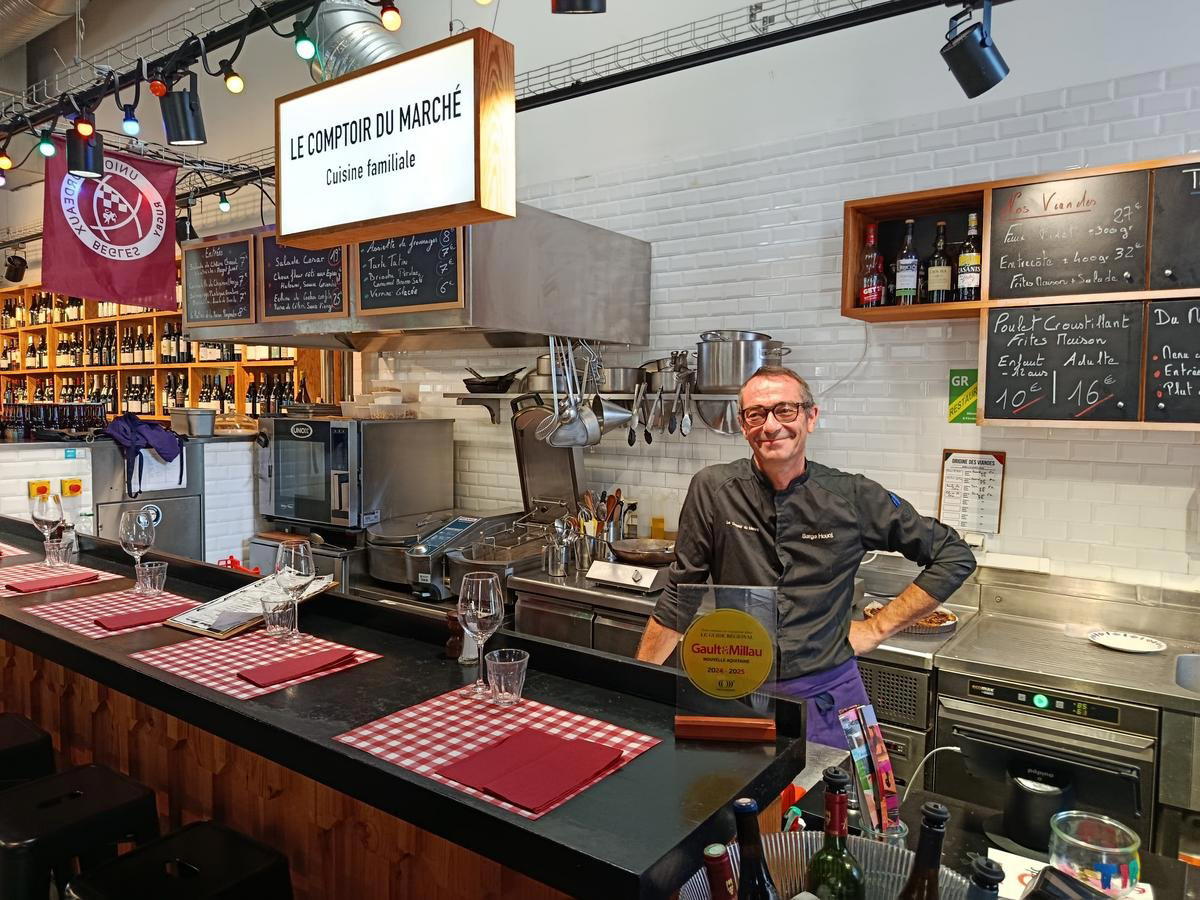
Market Halls and the Logic of Proximity
Across France, the covered market hall has performed a slow but steady comeback as a dining destination in its own right. Where the model once meant a butcher's counter and a fishmonger operating in parallel isolation, a newer generation of market-embedded kitchens has emerged, treating the hall's raw material as both supply chain and editorial statement. The cook is physically adjacent to the producer; the distance between field, stall, and plate collapses to metres rather than kilometres. Le Comptoir du Marché, positioned within Les Halles de Talence at 316 bis Cours de la Libération, belongs to this format. Its address is Talence, the commune that runs directly south of Bordeaux along the left bank of the Garonne, and its logic is the market hall it inhabits.
Talence sits within the Bordeaux metropolitan area but operates with a distinct rhythm from the city centre. The Cours de la Libération functions as a civic artery through the commune, and Les Halles de Talence is among its principal gathering points. For a broader read on the area's dining options, see our full Talence restaurants guide.
What Market-Hall Dining Actually Means for Sourcing
The ingredient-sourcing logic of a market-embedded comptoir is structurally different from that of a restaurant operating at a remove from its supply. When a kitchen occupies a stall inside a covered market, the purchasing decisions are made at proximity: the morning's fish, the season's vegetables, the regional cheeses are selected not from a wholesale catalogue but from the neighbouring traders. This creates a menu that is, by definition, reactive rather than fixed. What appears on the plate on a Tuesday in November will not be what appears on a Friday in April, and that volatility is the format's defining discipline rather than a limitation.
The Bordeaux region provides a particular richness of raw material for a kitchen operating this way. The Gironde estuary contributes seafood, including the lamprey preparations that define local winter eating and the shad that marks spring. The Entre-Deux-Mers hinterland produces vegetables and small-farm poultry. The proximity to the Basque Country, accessible in under two hours by road, extends the sourcing radius to include Ossau-Iraty cheeses, Espelette pepper, and the pork products of the Pyrenean foothills. A market-hall kitchen in Talence is embedded in one of France's more varied regional food systems.
This stands in contrast to the rarefied sourcing programmes of France's multi-starred kitchens, where chefs at places like Mirazur in Menton or Bras in Laguiole operate with dedicated farm relationships and multi-year supplier contracts. The market-hall model runs on a different economy: the relationship is daily, transactional, and responsive to what the immediate region produces on any given morning.
The Physical Setting
Covered market halls in France carry an architectural and social grammar that long predates the contemporary restaurant. The noise level, the light quality, the ambient commerce happening in adjacent stalls — these are structural features of the dining environment, not incidentals. Eating at a comptoir inside a halles means accepting that the room belongs partly to grocers, fishmongers, and cheese vendors, and that this shared occupancy is precisely what gives the format its character. The meal happens at the intersection of retail and hospitality, which is where French market culture has always operated.
Les Halles de Talence provides this context for Le Comptoir du Marché. The practical implication for visitors is that the experience tracks market hours rather than conventional restaurant service patterns, and that the leading approach is to arrive with time to browse the hall before or after eating. This is a format where the surrounding commerce is part of the experience, not a distraction from it.
Where This Sits in the Regional Picture
Talence and the broader Bordeaux metropolitan area represent a different dining register from the marquee addresses of French gastronomy. The Bordeaux region's dining reputation has historically been anchored by its wine culture rather than its restaurant scene — the grands châteaux of the Médoc and Saint-Émilion command more international attention than any Gironde kitchen. At the level of celebrated French cooking, the reference points are elsewhere: the classical legacy of Paul Bocuse - L'Auberge du Pont de Collonges, the Alsatian depth of Auberge de l'Ill, or the creative ambition of Alléno Paris au Pavillon Ledoyen. The market-hall comptoir operates in an entirely different register from these addresses, and comparison is the wrong frame.
The more useful comparison is with the everyday eating culture of France's mid-sized cities and their suburbs, where the covered market remains a functioning institution rather than a heritage curiosity. In this category, a well-run market-embedded kitchen competes on freshness, regional honesty, and value per cover rather than on technical ambition or critical recognition. The western Atlantic coast has several reference points in this regard: Christopher Coutanceau in La Rochelle represents the starred end of Atlantic seafood cooking, while the comptoir format sits at the accessible, daily-use end of the same regional food culture.
For readers moving between registers, the contrast is instructive. A dinner at La Marine in Noirmoutier-en-l'île or a lunch at AM par Alexandre Mazzia in Marseille operates with months of advance booking, fixed tasting formats, and substantial per-head spend. The market-hall comptoir works on the opposite principle: low friction, variable menu, and pricing calibrated to everyday use.
Planning a Visit
Because Les Halles de Talence drives the format, the operating logic follows market rhythm. Covered markets in France typically run Tuesday through Sunday with the strongest produce availability on weekend mornings, and the kitchen's offering reflects what the hall holds on any given service. Talence is reachable from central Bordeaux by tram, the city's extensive network reaches the Cours de la Libération corridor, making this accessible without a car. This is day-use dining in the most direct sense.
How Le Comptoir du Marché Talence compares with similar nearby venues.
| Venue | Cuisine | Price |
|---|---|---|
| Panaille | Modern Cuisine | €€ |
| Kedem | Middle Eastern | €€ |
Continue exploring
More in Talence
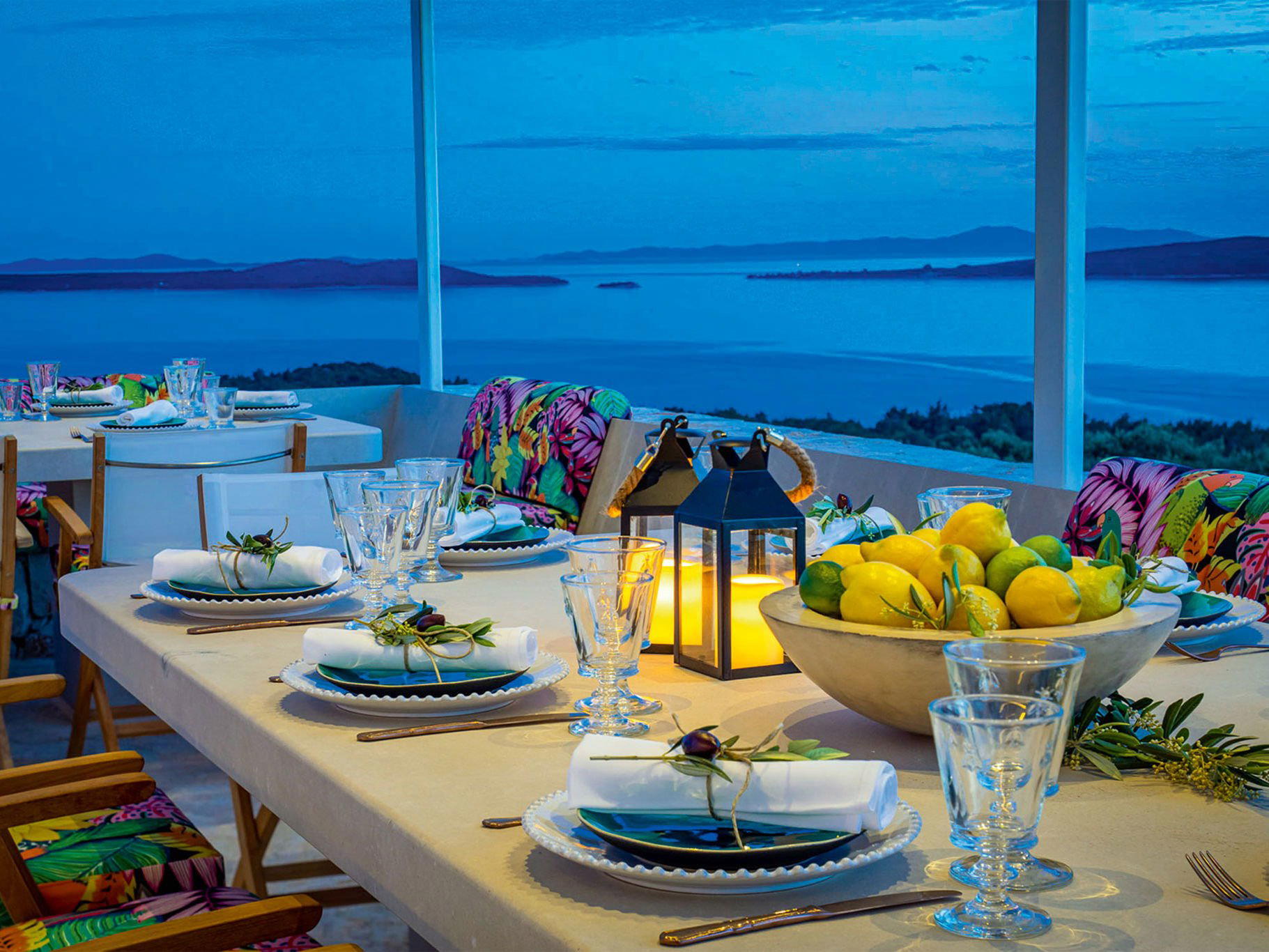
Restaurants in Talence
Browse all →
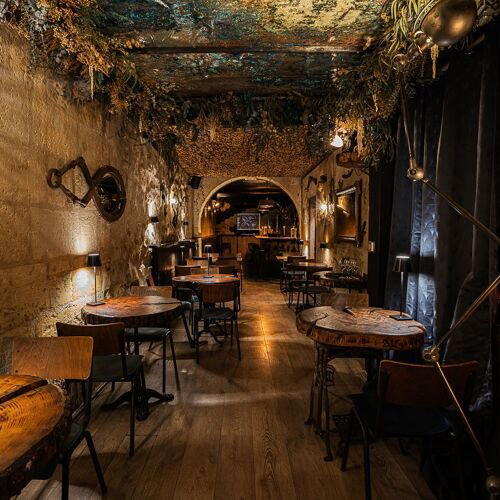
Bars in Talence
Browse all →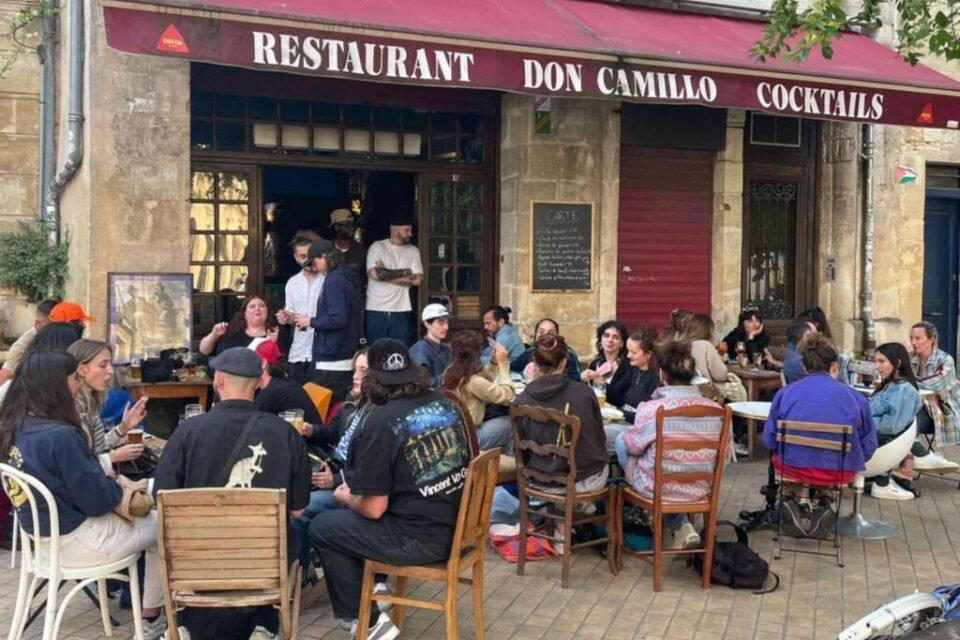
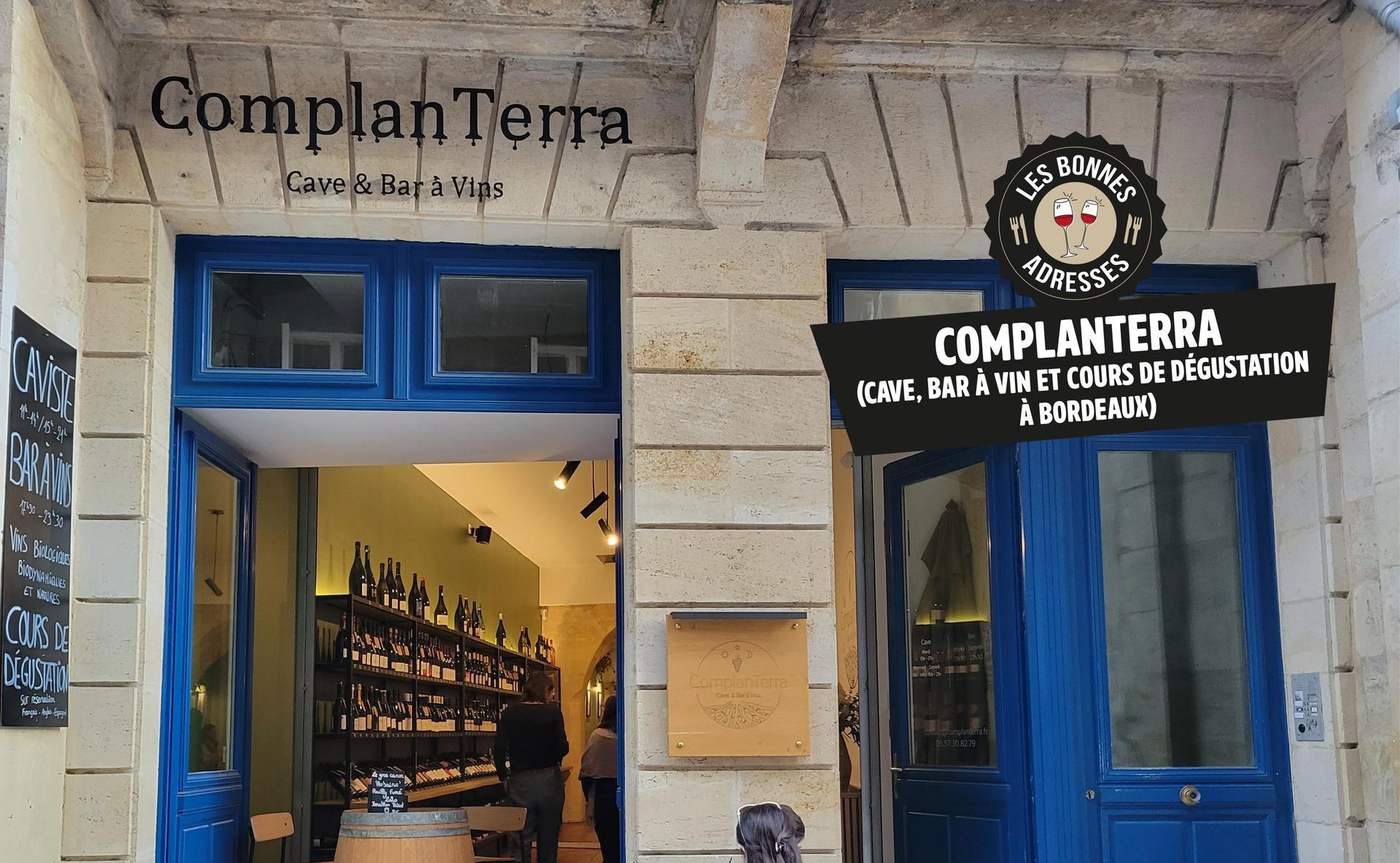
Hotels in Talence
Browse all →
At a Glance
- Lively
- Cozy
- Casual Hangout
- Open Kitchen
- Local Sourcing
Current opening hours
- Monday
- Closed
- Tuesday
- 12–2:30 PM
- Wednesday
- 12–2:30 PM
- Thursday
- 12–2:30 PM, 6–10 PM
- Friday
- 12–2:30 PM, 6–10 PM
- Saturday
- 12–2:30 PM, 6–10 PM
- Sunday
- 9 AM–3:30 PM
Hours can change for holidays and private events. Last verified .
Dynamic and lively market atmosphere with an open kitchen view, creating an energetic yet cozy dining experience amid the hall's effervescence.
Know Before You Go
- Getting there
- Les Halles De Talence, 316 bis Cr de la Libération, 33400 Talence, France