Le Cantou
Our verdict
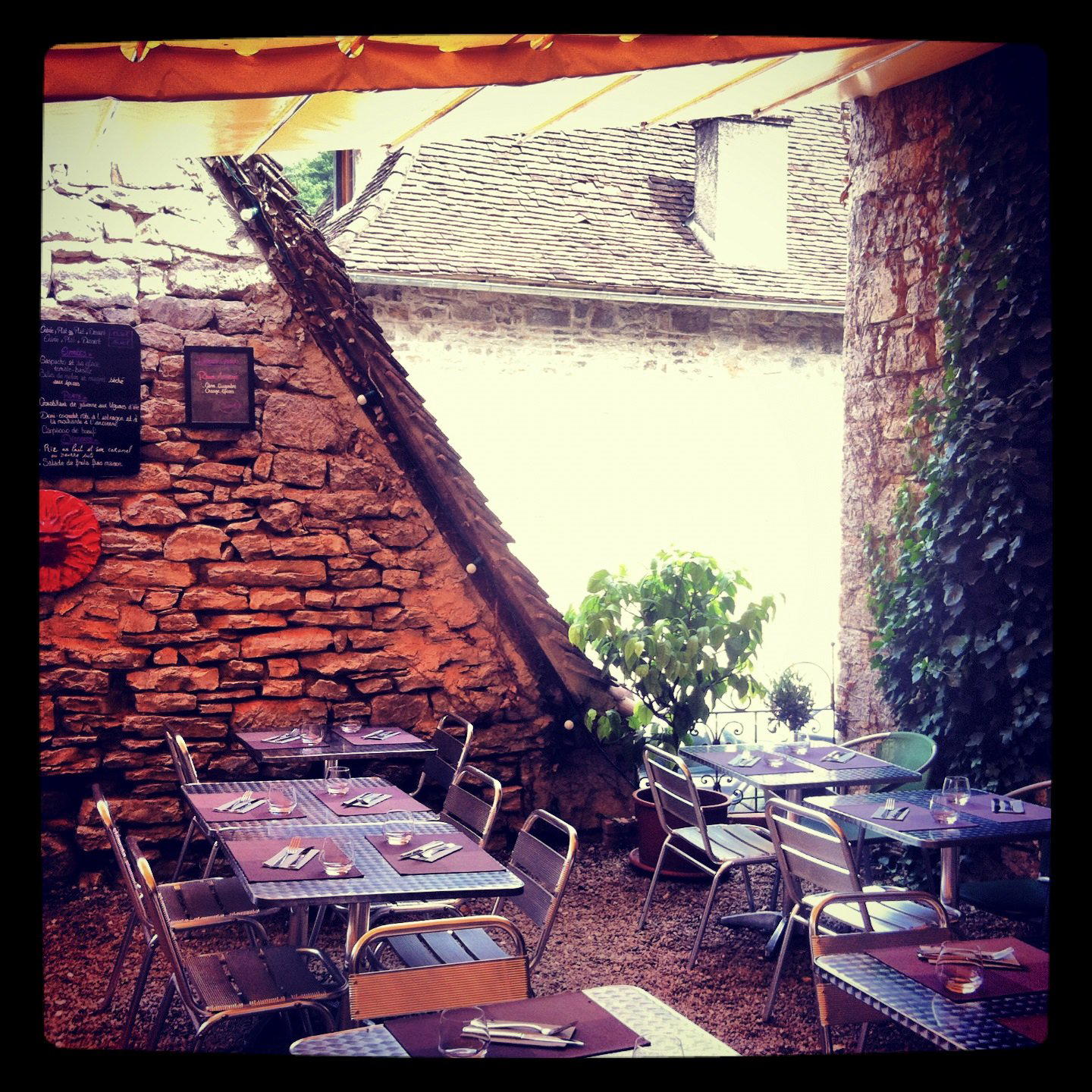
Le Cantou serves Traditional French Quercy Bistro cooking on rue de la Pelissaria, with local sourcing, a terrace, and a street-scene view for lunch or dinner.

Pearl is the En Primeur Club membership app — saves, bookings, and concierge access live there. Same editors, same standards.
- Address
- rue de la Pelissaria, 46330 Saint-Cirq-Lapopie, France
- Phone
- +33565355903
- Hours
- Mon 12–2 PM, 7–9 PMTue ClosedWed 12–2 PM, 7–9 PMThu 12–2 PMFri–Sun 12–2 PM, 7–9 PM
- Website
- fr-fr.facebook.com
- Directions
- Get directions
The menu
What to order
- Pastry dough filled with melted cheese
- Duck dishes
- Choux farci escargots
- Œuf parfait
Stone, River, and the Lot Valley Table
Approaching Saint-Cirq-Lapopie along the D662 as it traces the Lot river, the village appears above you in stages: limestone cliffs, then tightly packed medieval rooflines, then a church tower that has been oriented toward the valley for seven centuries. The village is classified among France's Plus Beaux Villages, a designation that carries genuine weight in the Occitanie region, and the streets inside are narrow enough that arriving on foot from the lower car park feels less like a tourist maneuver and more like the only sensible approach. Le Cantou sits on the rue de la Pelissaria, one of the lanes that threads through the old quarter, and the address alone locates it within the village's most characterful core.
In a place where the physical environment is this concentrated, the relationship between what is served and where it comes from matters in ways that go beyond marketing language. The Lot Valley and the Quercy Blanc plateau to the south have long supplied a specific palette of ingredients: black truffles from Périgord's edge, walnuts pressed into oils and used whole, duck and goose raised for foie gras, saffron cultivated in small quantities around the Quercy, and lamb from the Causse limestone uplands. These are not incidental local products. They are the raw material of a cooking tradition that predates French haute cuisine by centuries, and any serious table in this part of the Lot department works from that foundation.
What the Quercy Table Looks Like in Practice
The cuisine of this part of southwestern France belongs to a tradition sometimes called cuisine du terroir in the most literal sense: cooking defined not by technique first but by the territory that produces the ingredients. In the Quercy, that means cassoulet's distant cousins, confits cooked low and slow, and preparations built around duck fat as the primary cooking medium rather than butter or olive oil. The Périgord truffle, available fresh from late November through March, reshapes menus seasonally in ways that restaurants in Paris or Lyon must import and plan months ahead. Here, the supply chain is shorter, and that brevity shows in the quality of what reaches the plate.
For context, the kind of regional sourcing that drives cooking in the Lot sits at a different point on the French dining spectrum from, say, the three-Michelin-starred creative laboratories one finds at Mirazur in Menton or Alléno Paris au Pavillon Ledoyen. Those kitchens also emphasize sourcing, but within a framework of high-technique transformation. In a village like Saint-Cirq-Lapopie, the emphasis shifts toward direct expression of the ingredient rather than its conceptual reinvention. The closest regional peer in terms of philosophy, though operating at a significantly higher recognition level, is Bras in Laguiole, roughly 150 kilometres to the southeast on the Aubrac plateau, where Michel Bras built a language around the specific plants and animals of a defined territory. The Lot operates at a smaller scale and quieter register, but the underlying logic is shared.
The Village as Competitive Set
Saint-Cirq-Lapopie supports a small cluster of restaurants, most operating seasonally in alignment with the village's tourism rhythm. The summer months, particularly July and August, bring the heaviest visitor traffic to what is otherwise a commune of fewer than 200 permanent residents. Booking ahead during that window is not optional for any table worth sitting at. Auberge du Sombral - Les Bonnes Choses is the other frequently cited address in the village, occupying the country-cooking register with a longer track record. Le Cantou sits within that same small peer group, where the competitive distinction comes down to the specifics of sourcing, menu evolution, and how a kitchen handles the region's seasonal markers.
That seasonal structure matters practically. Visitors planning around the truffle season, roughly mid-November to late March, will find a version of the region's table that is markedly different from the summer menu built around market vegetables and river fish. The Lot itself historically supplied trout and carp to local tables, and the river remains a contextual presence even where farmed alternatives have become more common. Knowing which season you are arriving in is the first decision any serious diner should make. For a broader orientation to what the village offers across its tables, our full Saint-Cirq-Lapopie restaurants guide maps the options in detail.
Where Le Cantou Sits in the Wider French Picture
France's restaurant culture has a long tradition of tables embedded in historically significant locations, where the environment amplifies the dining experience without being a substitute for it. The model is different from the destination-restaurant format exemplified by Flocons de Sel in Megève or Auberge de l'Ill in Illhaeusern, where the restaurant itself is the primary reason for the journey. In Saint-Cirq-Lapopie, the village and its landscape are always the primary draw, with dining as an integral but second layer. That context shapes expectations: a table here should be evaluated against what it contributes to a day in the Lot Valley, not against what three-Michelin-star kitchens in Lyon or Marseille deliver. Comparing Le Cantou to Paul Bocuse in Collonges-au-Mont-d'Or or Troisgros in Ouches would be a category error. The relevant comparison is what a considered regional table in an exceptional village setting should deliver: honest sourcing, seasonal discipline, and a room that earns its location.
Other French addresses that operate in historically charged environments, such as Auberge du Vieux Puits in Fontjoncouse or L'Oustau de Baumanière in Les Baux, show how the relationship between setting and table can be managed at a high level. The Lot Valley equivalent operates without the Michelin infrastructure of those addresses, but the ingredient sourcing logic that underpins cooking in Quercy is no less coherent. For readers accustomed to the creative ambition of AM par Alexandre Mazzia in Marseille or the technical precision of Assiette Champenoise in Reims, the register here is deliberately lower, and that is not a concession but a choice rooted in what the territory offers.
Planning a Visit
Saint-Cirq-Lapopie is accessible from Cahors, roughly 33 kilometres to the west, which has a train connection on the Paris-Toulouse line. From Cahors, a car is effectively necessary; the village has no public transport link, and the D662 river road, while beautiful, is not easily walked. Arriving by car also solves the question of exploring the wider Lot gorge, which extends both east toward Figeac and west toward Cahors with several other stops worth making. Accommodation in the village itself is limited, and most visitors either base themselves in Cahors or book one of the small gîtes or chambres d'hôtes in the surrounding area.
Frequently asked questions
Is Le Cantou good for families?
Saint-Cirq-Lapopie draws a broad visitor mix across summer, and the restaurants along streets like rue de la Pelissaria generally reflect that range. The medieval quarter setting means tight interior spaces are the norm, so families with pushchairs should factor that in. As a practical note, confirm opening hours and reservation availability directly before visiting, as many village restaurants here operate seasonally.
What should I expect atmosphere-wise at Le Cantou?
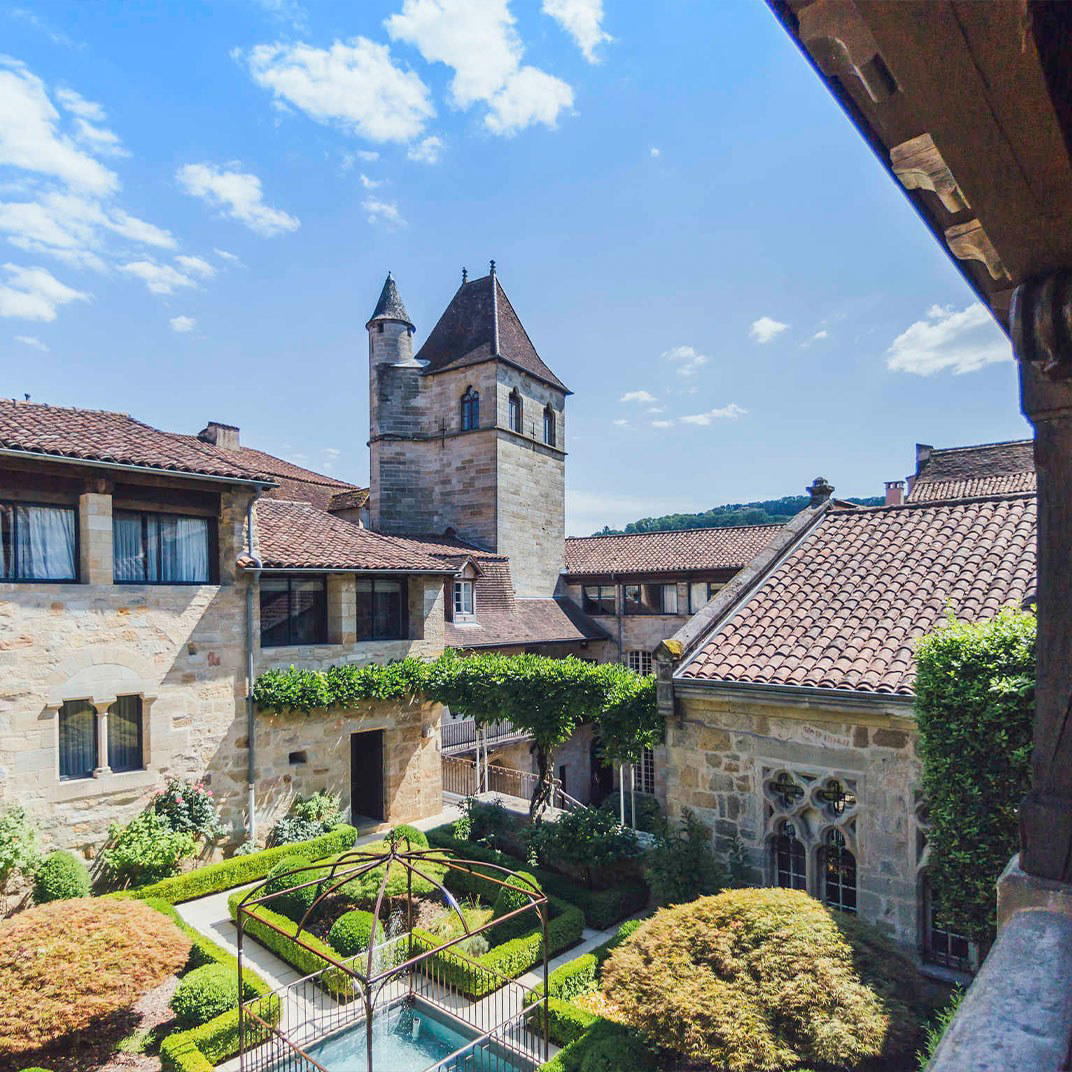
The rue de la Pelissaria address puts Le Cantou inside Saint-Cirq-Lapopie's old medieval core, where the architecture does much of the work: limestone walls, low ceilings, and irregular floor plans typical of this part of the Lot. The village itself sits above the river on a cliff face, so the surrounding environment is an active part of any meal here in a way that flat-town settings simply cannot replicate. Expect a setting shaped more by centuries of building than by interior design.
What's the must-try dish at Le Cantou?
What the Quercy region reliably produces, however, is a table defined by Causses lamb, Périgord-adjacent truffles, duck, and walnut-based preparations. Any restaurant working within this tradition in Saint-Cirq-Lapopie is likely to reflect at least some of those ingredients, but confirm the current menu directly with Le Cantou before visiting.
At-a-Glance Comparison
Comparable venues nearby, for context on price, style, and recognition.
| Venue | Cuisine | Price | Awards | Notes |
|---|---|---|---|---|
| Le CantouThis venue — the venue you are viewing | Traditional French Quercy Bistro | $20–30 | Not listed | Not listed |
| Auberge du Sombral - Les Bonnes Choses | Traditional French Regional Bistro | $20–30 | Michelin Plate | Saint-Cirq-Lapopie |
| LOU BOURDIE | Traditional Quercy Regional French Bistro | $30–50 | Not listed | Bach |
| Vents d'Est | Authentic Alsatian | $20–30 | Not listed | Les Chalets / Bayard / Belfort / Saint-Aubin / Dupuy |
| Blanquette | Modern French Bistro | $20–30 | Not listed | Les Chalets / Bayard / Belfort / Saint-Aubin / Dupuy |
| Combustible | Modern French Bistro | $20–30 | Not listed | Capitole / Arnaud Bernard / Carmes |
Continue exploring
More in Saint-Cirq-Lapopie
Restaurants in Saint-Cirq-Lapopie
Browse all →
Bars in Saint-Cirq-Lapopie
Browse all →
Hotels in Saint-Cirq-Lapopie
Browse all →

Details
- Cozy
- Rustic
- Intimate
- Scenic
- Date Night
- Casual Hangout
- Family
- Terrace
- Local Sourcing
- Street Scene
- A La Carte
- Vegetarian Friendly
Current opening hours
- Monday
- 12–2 PM, 7–9 PM
- Tuesday
- Closed
- Wednesday
- 12–2 PM, 7–9 PM
- Thursday
- 12–2 PM
- Friday
- 12–2 PM, 7–9 PM
- Saturday
- 12–2 PM, 7–9 PM
- Sunday
- 12–2 PM, 7–9 PM
Hours can change for holidays and private events. Last verified .
Charming and inviting atmosphere with warm lighting, friendly service, and terrace views of medieval streets, though some note background music.