On Collins Street, Bistrot d'Orsay occupies a quietly confident position among Melbourne's French-leaning dining rooms, sitting closer to the brasserie tradition than the formal French fine-dining tier. Where peers like Florentino orient toward Modern Italian formality and Attica toward progressive Australian, Bistrot d'Orsay holds the French bistrot register — a format with its own discipline and its own loyal audience in this city.
Pearl is the En Primeur Club membership app — saves, bookings, and concierge access live there. Same editors, same standards.
- Address
- 184 Collins St, Melbourne VIC 3000, Australia
- Phone
- +61396546498
- Website
- bistrotdorsay.com.au
- Directions
- Get directions
 Saves & bookings on Pearl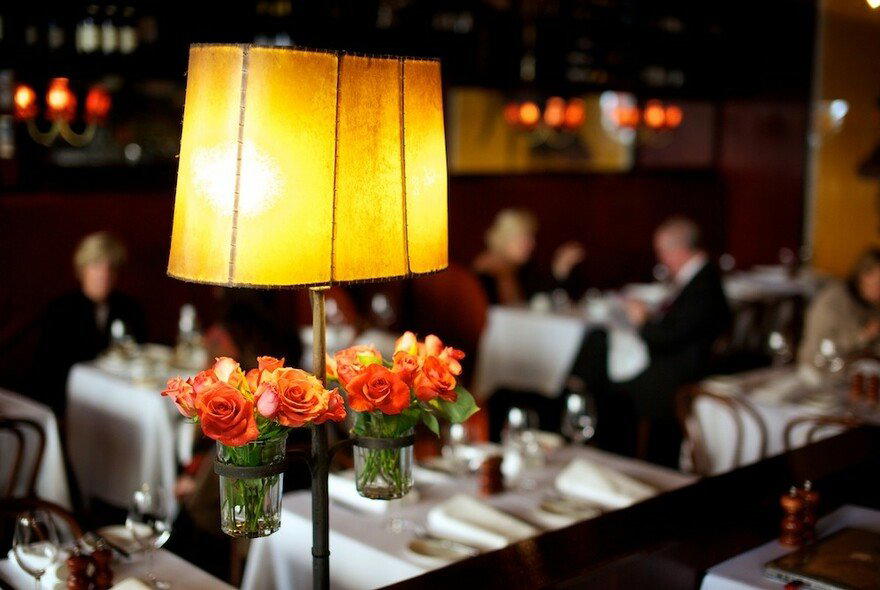
Collins Street and the French Bistrot Form
Collins Street has long operated as Melbourne's institutional dining corridor — the address where banks, law firms, and old-money hospitality have coexisted for well over a century. The stretch between Spring and Swanston carries a particular density of rooms that trade on permanence: high ceilings, deep banquettes, rooms that feel like they were built to last rather than to trend. Bistrot d'Orsay at 184 Collins Street sits inside that tradition, in a neighbourhood where the physical container of a restaurant is itself a statement about what kind of dining you are offering.
The bistrot format — as opposed to the brasserie or the formal French dining room, has a specific discipline attached to it. It implies a certain scale, a certain informality without casualness, a menu architecture built around classical technique applied to approachable formats. In a city like Melbourne, which has absorbed French influence through successive waves of immigration and culinary training, the bistrot register occupies a middle tier that is harder to sustain than either the affordable end or the full fine-dining bracket. It requires conviction about what it is, because it does not have spectacle or price to do the signalling.
Among Melbourne's French-inflected rooms, Bistrot d'Orsay sits in a peer group that is smaller than it might appear. The city's French dining has thinned at the formal end and broadened at the casual end, leaving the mid-register bistrot format as a somewhat specific niche. That positioning, neither white-tablecloth ceremonial nor blackboard-special casual, gives the room a character that rewards readers who know what they are looking for.
The Physical Room: Architecture as Editorial Position
In Melbourne's dining scene, the rooms that have lasted tend to share a common quality: they were designed with a fixed idea of what they wanted to be, and that idea is still legible decades later. The French bistrot aesthetic has its own vocabulary, banquette seating that runs along walls, closely arranged tables that create a particular kind of social density, materials that age visibly rather than resist aging. These are not accident. They are choices that communicate something about the dining contract on offer.
Bistrot d'Orsay's Collins Street address places it in a building stock that skews toward heritage commercial, the kind of envelope that tends to impose high ceilings and formal proportions on any tenant who enters it. That envelope suits the bistrot tradition well: the French bistrot was, historically, a room that felt inherited rather than constructed, a space that looked as though it had always been there. In Melbourne, where the genuinely old and the carefully aged coexist, that quality is harder to fake and more valuable when it reads as authentic.
The seating arrangement in a bistrot matters in ways that differ from a fine-dining room. Where tasting-menu counters and chef's tables create directed, hierarchical experiences, a good bistrot generates lateral energy: the room eats together, conversations bleed across tables at acceptable volumes, and the architecture quietly refuses to subdivide the experience into private bubbles. For context on how Melbourne's other dining rooms handle scale and seating discipline differently, Above Board runs a strict counter format that inverts the bistrot dynamic entirely, while Flower Drum sustains a formal room energy through a very different cultural tradition.
Where Bistrot d'Orsay Sits in Melbourne's French and European Tier
Melbourne's European dining rooms have differentiated sharply over the past decade. The Italian lineage runs through rooms like 48h Pizza e Gnocchi Bar at the casual end and Florentino at the formal end. The Australian Modern tradition is anchored by places like Attica, which has held its position as a reference point for ingredient-led progressive dining. The steak-and-frites register has its own practitioner in 7 Alfred, which handles that format with a discipline that keeps it distinct from the broader bistrot category.
French bistrot specifically occupies a different lane from all of these. It carries classical technique expectations, proper stocks, butter-led sauces, protein cookery that prizes precision over novelty, without requiring the ceremony of a tasting menu. The format has an international reference class: Le Bernardin in New York represents French formal at its most technically serious, while rooms like Lazy Bear in San Francisco show what happens when the bistrot communal instinct is applied to an entirely different culinary tradition. Bistrot d'Orsay's ambition is narrower and more specific than either of those, which is not a criticism, it is the point.
For readers comparing across Australian cities, the mid-register French and European dining rooms in Adelaide (Botanic operates in a different register entirely, leaning toward native-ingredient fine dining) and Sydney (Rockpool anchors the formal end) illustrate how differently each city has developed its European dining inheritance. Victoria's regional scene adds further texture: Provenance in Beechworth and Laura at Pt Leo Estate show how European technique is being absorbed into place-specific Victorian contexts. Brae in Birregurra takes a further step away from European framing altogether.
Planning Your Visit
Bistrot d'Orsay is located at 184 Collins Street in Melbourne's CBD, reachable on foot from Flinders Street Station in under ten minutes, with tram access directly along Collins Street. The address is squarely in the financial and legal district, which shapes the lunch crowd and the rhythm of service: this is a room that has historically done serious trade at midday and maintained a different, slower pace in the evenings. For a broader map of where this room sits relative to the city's other dining options, our full Melbourne restaurants guide covers the complete range of categories and price tiers.
Readers building a longer Australian itinerary who want to go beyond city dining should note that Hentley Farm in Seppeltsfield, Pipit in Pottsville, Ormeggio at The Spit, Salt Water in Cairns, and Lizard Island Resort each represent distinct regional expressions of Australian dining that extend the picture considerably.
The Short List
| Venue | Cuisine |
|---|---|
| Bistrot d'OrsayThis venue — the venue you are viewing | Not listed |
| Attica | Australian Modern |
| Flower Drum | Cantonese |
| Vue de Monde | Australian Fine Dining |
| Florentino | Modern Italian |
Continue exploring
More in Melbourne
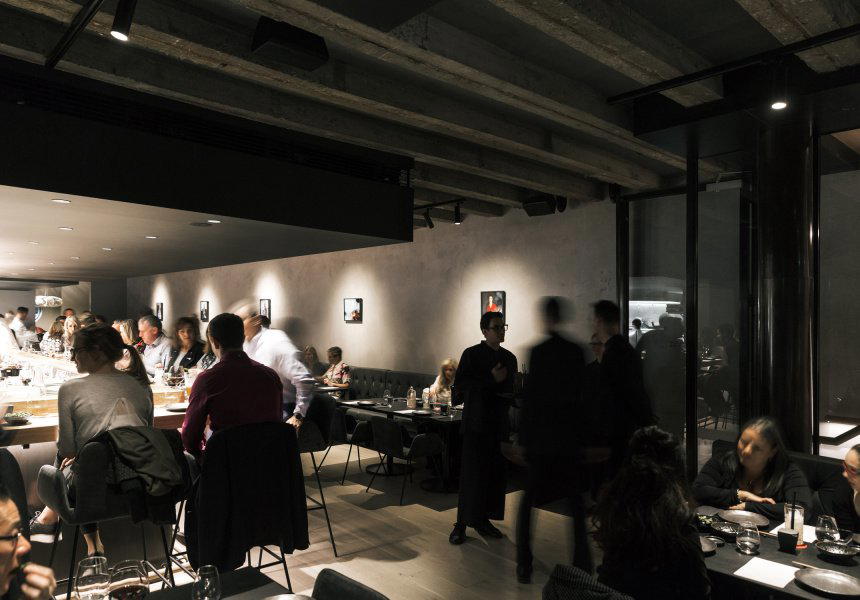
Restaurants in Melbourne
Browse all →
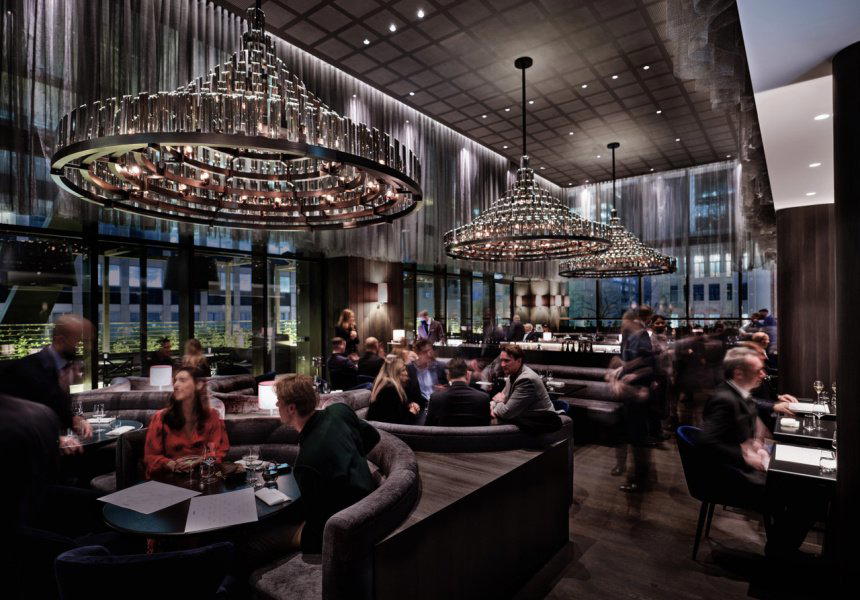
Bars in Melbourne
Browse all →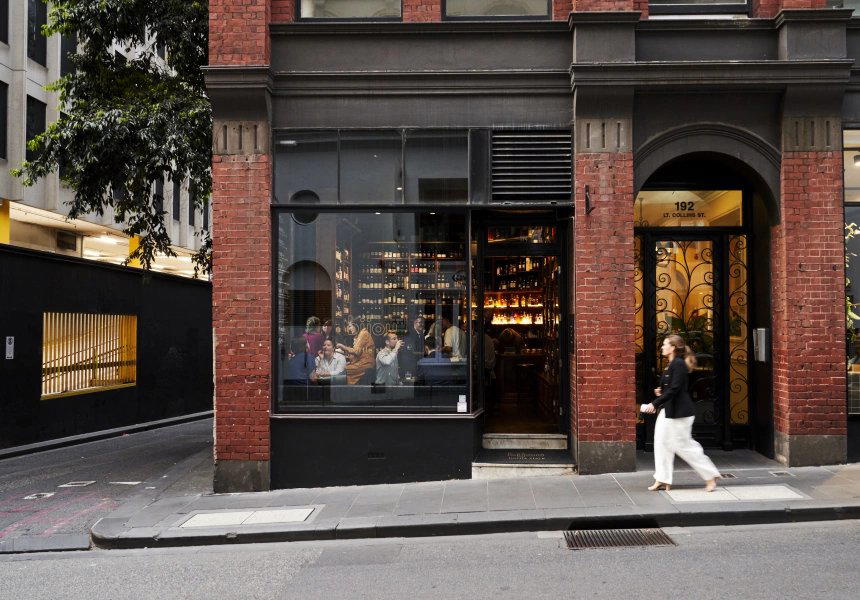
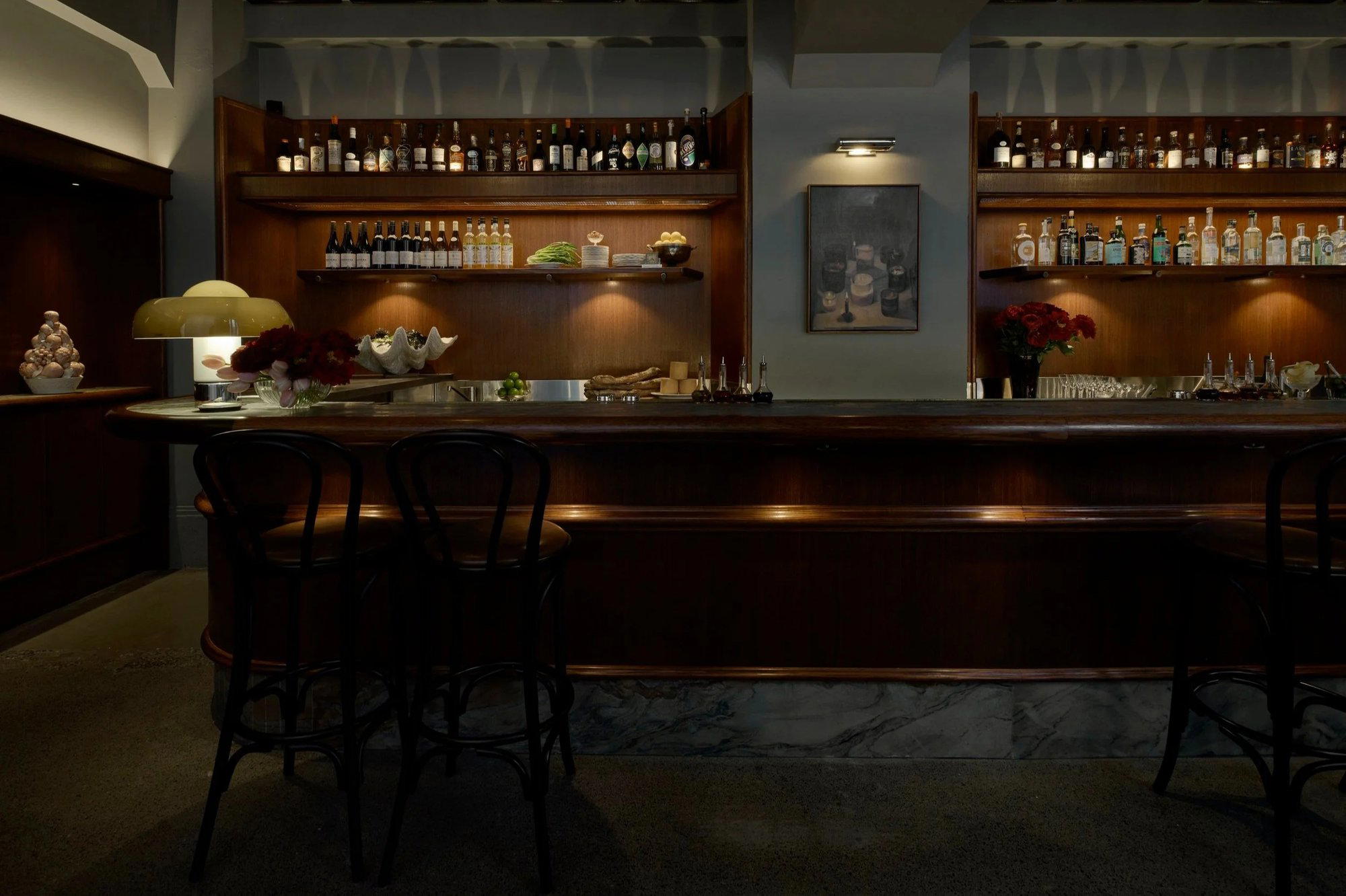
Hotels in Melbourne
Browse all →


At a Glance
- Classic
- Elegant
- Sophisticated
- Intimate
- Date Night
- Special Occasion
- Business Dinner
- Historic Building
- Extensive Wine List
- Street Scene
Current opening hours
- Monday
- 11:30 AM–3 PM, 5–10 PM
- Tuesday
- 11:30 AM–3 PM, 5–10 PM
- Wednesday
- 11:30 AM–3 PM, 5–10 PM
- Thursday
- 11:30 AM–3 PM, 5–10 PM
- Friday
- 11:30 AM–3 PM, 5–10 PM
- Saturday
- 11:30 AM–3 PM, 5–10 PM
- Sunday
- Closed
Hours can change for holidays and private events. Last verified .
Dark wood paneling and soft lighting create an evocative Parisian atmosphere with a trompe l'oeil ceiling and vintage French poster.
Know Before You Go
- Getting there
- 184 Collins St, Melbourne VIC 3000, Australia