Skip to Main Content

Google: 4.1 · 287 reviews

← Collection
Melbourne, Australia

Hyde Melbourne Place

Price≈$220
Size191 rooms
GroupHyde / Ennismore (Accor)
NoiseLively
CapacityLarge
National Geographic

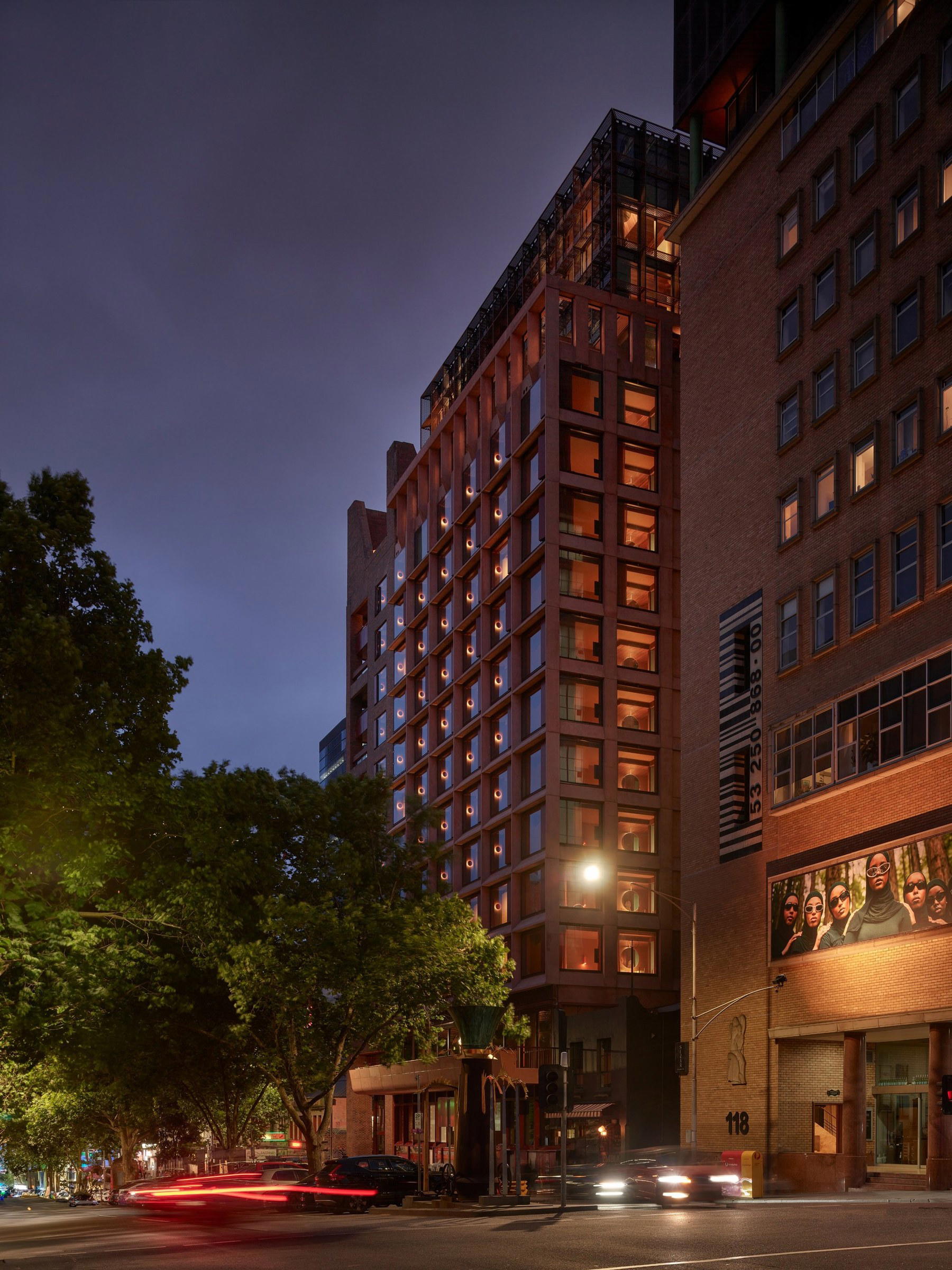
<strong>Hyde Melbourne Place</strong> sits at 130 <strong>Russell Street</strong> in central Melbourne, <strong>a CBD address that puts</strong> the hotel in direct conversation with the city’s restaurant, bar and laneway culture. Published venue data does not list a star rating, price range, chef, awards or booking channel, so the useful read is contextual: this is a city hotel to assess by location, dining access and how its public spaces connect with Melbourne’s after-dark habits.

Pearl is the En Primeur Club membership app — saves, bookings, and concierge access live there. Same editors, same standards.

Hyde Melbourne Place hotel in Melbourne, Australia
About

Russell Street and the hotel-as-dining-address question

Approaching 130 Russell Street means entering a part of Melbourne where hotels do not operate apart from the city’s dining culture. The CBD grid is dense with theatres, laneways, late coffee, wine bars and restaurant rooms that treat design, lighting and pace as seriously as the plate. In this setting, a hotel is judged less by lobby grandeur than by how well it plugs into the rhythms around it: pre-theatre drinks, post-dinner nightcaps, breakfast meetings, and the kind of midweek dinner that starts as convenience and becomes the point of the evening.

Hyde Melbourne Place belongs to that central-city category. The available venue record confirms the name and address, but does not provide a chef, cuisine type, price range, awards, star rating, opening hours, phone number or direct website. That absence matters editorially. In Melbourne, a hotel dining programme carries weight only when its restaurant and bar details can be read against the city’s independent dining standard. Without published detail in the record, the stronger conclusion is logistical and contextual rather than promotional: this is a CBD hotel whose value depends heavily on access to the surrounding food and drink circuit, and on how its own public rooms function once those details are confirmed directly through current hotel channels.

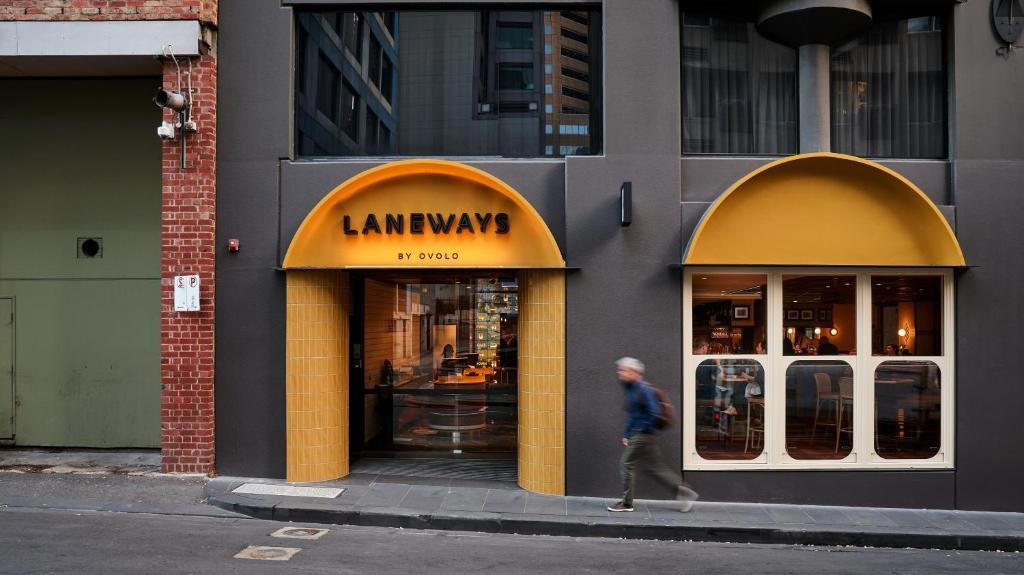
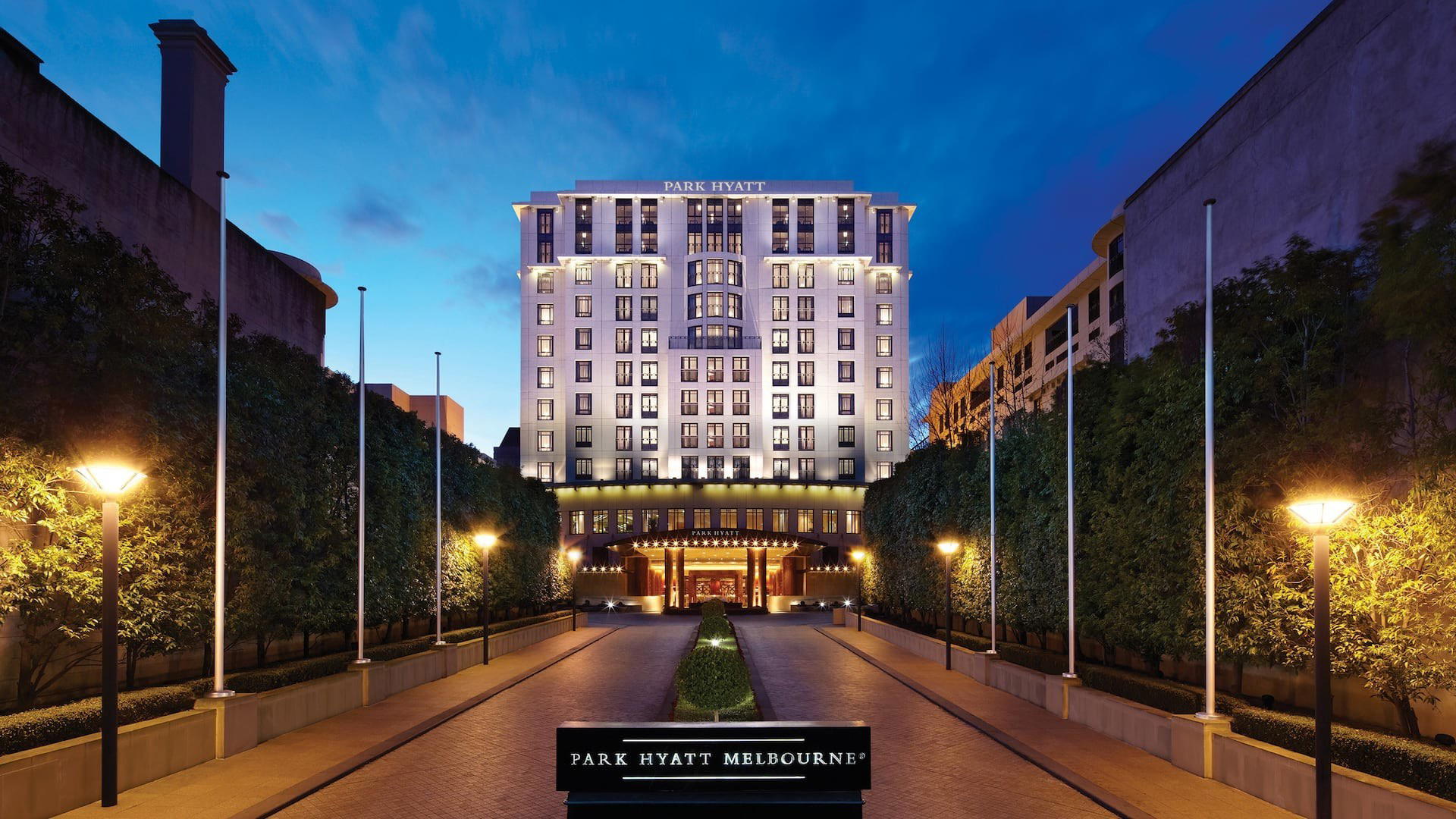
Melbourne’s hotel market has been moving in two visible directions. One side favours large international properties with broad facilities and corporate depth, represented locally by Grand Hyatt Melbourne and Crown Towers Melbourne. The other side leans into smaller, design-conscious city stays where the neighbourhood, bar programme and restaurant adjacency carry more of the identity. Adelphi Hotel, Laneways By Ovolo, Melbourne and Hyatt Centric Melbourne sit in that more urban register. The Russell Street address places Hyde Melbourne Place in the same conversation, although the database does not support claims about its room count, restaurant format or culinary leadership.

Why dining defines the Melbourne hotel stay

In many Australian cities, hotel restaurants compete mainly with other hotel restaurants. Melbourne is harsher. A CBD hotel dining room is compared with independent restaurants within a short tram ride, laneway bars around the corner and operators with loyal local followings. That changes the standard. A hotel cannot rely on captive guests alone; it needs a reason for Melburnians to enter from the street, sit at the bar, order dinner and treat the room as part of the city rather than an amenity for travellers.

This is where the dining programme becomes the real test for a property on Russell Street. The database does not list a cuisine type or chef for Hyde Melbourne Place, so no specific restaurant claim should be made here. What can be said with confidence is that the address sits in a city where hotel food and beverage is increasingly evaluated as public culture. The stronger Melbourne hotel restaurants understand timing: early seatings before shows, later dining for the post-office crowd, and drinks that work after 10pm when the room has to feel intentional rather than merely open.

For travellers building a food-led stay, the prudent approach is to treat the hotel as an anchor and the CBD as the dining field. Our full Melbourne restaurants guide is the more useful companion when choosing where to eat beyond the hotel, while Our full Melbourne bars guide helps map the city’s cocktail and wine-bar circuit. The relationship matters: Melbourne rewards guests who do not over-plan every meal inside the building, yet it also rewards hotels that give a credible reason to stay in for the first drink or final course.

The peer set: CBD polish, laneway energy and design hotels

Melbourne’s hotel scene is not a single ladder from budget to luxury. It is a series of overlapping peer sets. Large convention-friendly properties compete on facilities, recognition and scale. Lifestyle hotels compete on design, location and the social charge of their public areas. Art-led hotels compete on neighbourhood specificity and personality. The Russell Street address points toward the second and third categories more than a resort-style model.

That distinction helps separate useful comparisons from lazy ones. 1 Hotel Melbourne speaks to the city’s newer sustainability-led luxury conversation. Art Series - The Larwill Studio reflects the art-hotel model in a different part of the city, where identity is tied to creative framing rather than CBD immediacy. Leading Western Melbourne City Hotel sits in a more functional urban-stay bracket. None is a direct substitute in every sense, but together they show how varied Melbourne’s hotel decision has become.

For a traveller prioritising restaurants and bars, the CBD grid has a practical advantage over a more secluded luxury address. Dinner can be arranged across several neighbourhoods without turning the evening into a transfer exercise. Theatre, Chinatown, late-night drinking and central shopping are part of the same urban pattern. A hotel at 130 Russell Street benefits from that density, and its own dining offer, once confirmed, should be judged against the fact that guests can leave the front door and immediately enter one of Australia’s deeper city-centre food cultures.

What the available record confirms, and what it does not

The confirmed Category 1 data is deliberately limited: the venue is Hyde Melbourne Place, located at 130 Russell St, Melbourne VIC 3000, Australia. The record does not include a phone number, website, price range, star rating, awards, hotel group, hours, dress code, booking method, restaurant cuisine, chef name, seat count or guest rating. Those omissions should not be smoothed over. A premium travel reader is better served by knowing the evidentiary boundary than by reading invented certainty.

The lack of listed awards also affects positioning. Awards from Michelin, 50 Best, hotel-rating systems or named travel publications would normally help place a hotel within an international peer set. Here, the trust signal is instead contextual: a verified central Melbourne address within a city known for competitive dining and bar standards. That is a weaker signal than a formal rating, but it is not meaningless. Location in Melbourne’s CBD carries real practical value for guests whose itinerary is built around restaurants, galleries, theatre and late drinking rather than poolside retreat.

Price is also absent from the record, which means value cannot be judged against nightly rates. In Melbourne, rate sensitivity changes sharply between midweek business nights, major events, school holidays and late-summer travel. Without current pricing, the relevant editorial advice is to compare the hotel against its immediate purpose: a design-forward CBD base for dining and nightlife should be assessed differently from a full-service luxury tower or a resort-style coastal property. Our full Melbourne hotels guide gives the broader city comparison.

How to use the address for a food-focused stay

The central location is the practical asset. Russell Street runs through a part of the CBD where movement is simple by tram, taxi or on foot, and where the city’s dining day stretches beyond conventional hotel service patterns. Morning coffee, business lunch, early dinner and late bar seating are separate rituals in Melbourne, not one continuous tourist schedule. Guests who choose a CBD hotel for dining should think in blocks: one serious restaurant booking, one flexible bar plan, and one meal left open for a neighbourhood discovery through verified current sources.

Because the database does not list a booking method for Hyde Melbourne Place, reservations for rooms, restaurants or bars should be verified through current official channels rather than assumed from third-party snippets. The same applies to dress code, hours and in-house dining availability. Melbourne’s better restaurant rooms can change opening days, menu formats and bar access across the year, especially around public holidays and major events. The safer planning move is to confirm the hotel’s food and beverage details before building an evening around staying on property.

Travellers extending the trip beyond hotels can read across categories. Our full Melbourne experiences guide helps connect meals with cultural programming, while Our full Melbourne wineries guide is useful for wine-led days outside the CBD. That matters because Melbourne’s appeal is cumulative: a good hotel address, a precise dinner plan, a bar within reach and a day trip that does not feel bolted on.

Australian and international reference points

Within Australia, Melbourne’s city-hotel conversation differs from Sydney’s harbour-led luxury and Queensland’s resort grammar. Capella Sydney in Sydney operates in a civic sandstone register, while The Calile in Brisbane is tied to subtropical pool-club design and James Street social life. The Tasman in Hobart draws on heritage and proximity to Tasmania’s food-and-wine identity. Melbourne’s CBD, by contrast, is more about compression: dinner, theatre, laneways, shopping and late bars layered within a tight grid.

Resort and retreat comparisons clarify the point further. Southern Ocean Lodge in Kingscote, Emirates One&Only Wolgan Valley in Wolgan Valley and Osborn House in Bundanoon are destination stays where the property itself carries more of the itinerary. JW Marriott Gold Coast Resort & Spa in Surfers Paradise and Mondrian Gold Coast in Gold Coast belong to a coastal leisure pattern. A Russell Street hotel is a different proposition: the city supplies much of the theatre.

Internationally, the useful comparison is not palace grandeur but how urban hotels operate as social infrastructure. The Fifth Avenue Hotel in New York City shows how a dense city address can make dining and design central to the stay. Hôtel de Paris Monte-Carlo in Monte Carlo and Badrutt's Palace Hotel in St. Moritz sit in older European traditions of grand-hotel ritual. Melbourne’s version is less ceremonial and more street-facing. The stronger city hotels here do not ask guests to withdraw from the city; they give them a sharper entry point into it.

Frequently asked questions

At a Glance
Vibe
  • Modern
  • Trendy
  • Sophisticated
  • Energetic
  • Elegant
  • Minimalist
Best For
  • Weekend Escape
  • Business Trip
  • Celebration
  • Romantic Getaway
  • Group Retreat
  • Destination Wedding
Experience
  • Design Destination
  • Panoramic View
  • Terrace
  • Private Dining
  • Rooftop Pool
Amenities
  • Wifi
  • Fitness Center
  • Room Service
  • Business Center
  • Concierge
  • Meeting Rooms
  • Breakfast
  • Bar
Views
  • Skyline
  • Street Scene
Dress CodeSmart Casual
Noise LevelLively
CapacityLarge
Rooms191
Check-In15:00
Check-Out11:00
PetsNot allowed

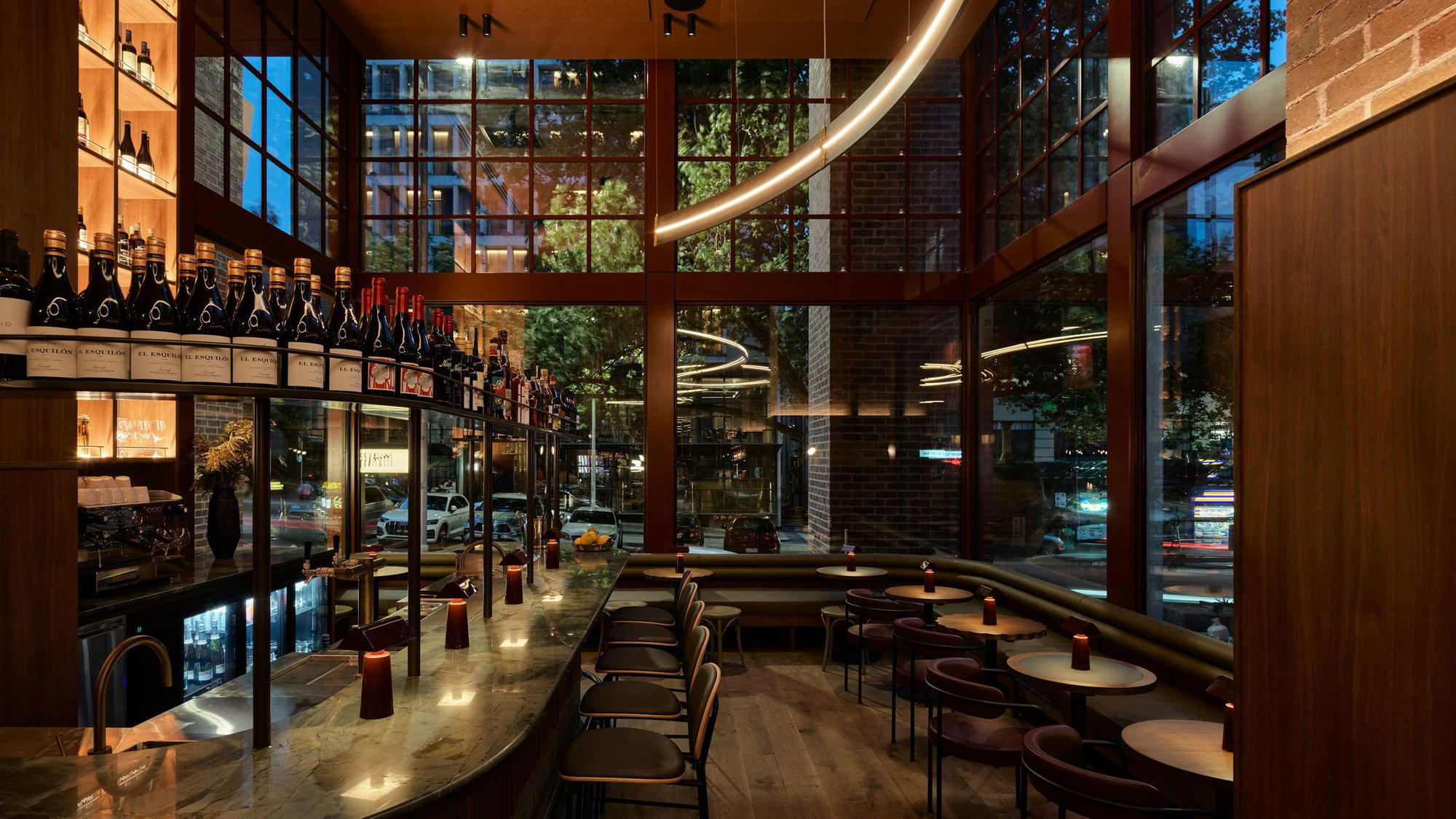
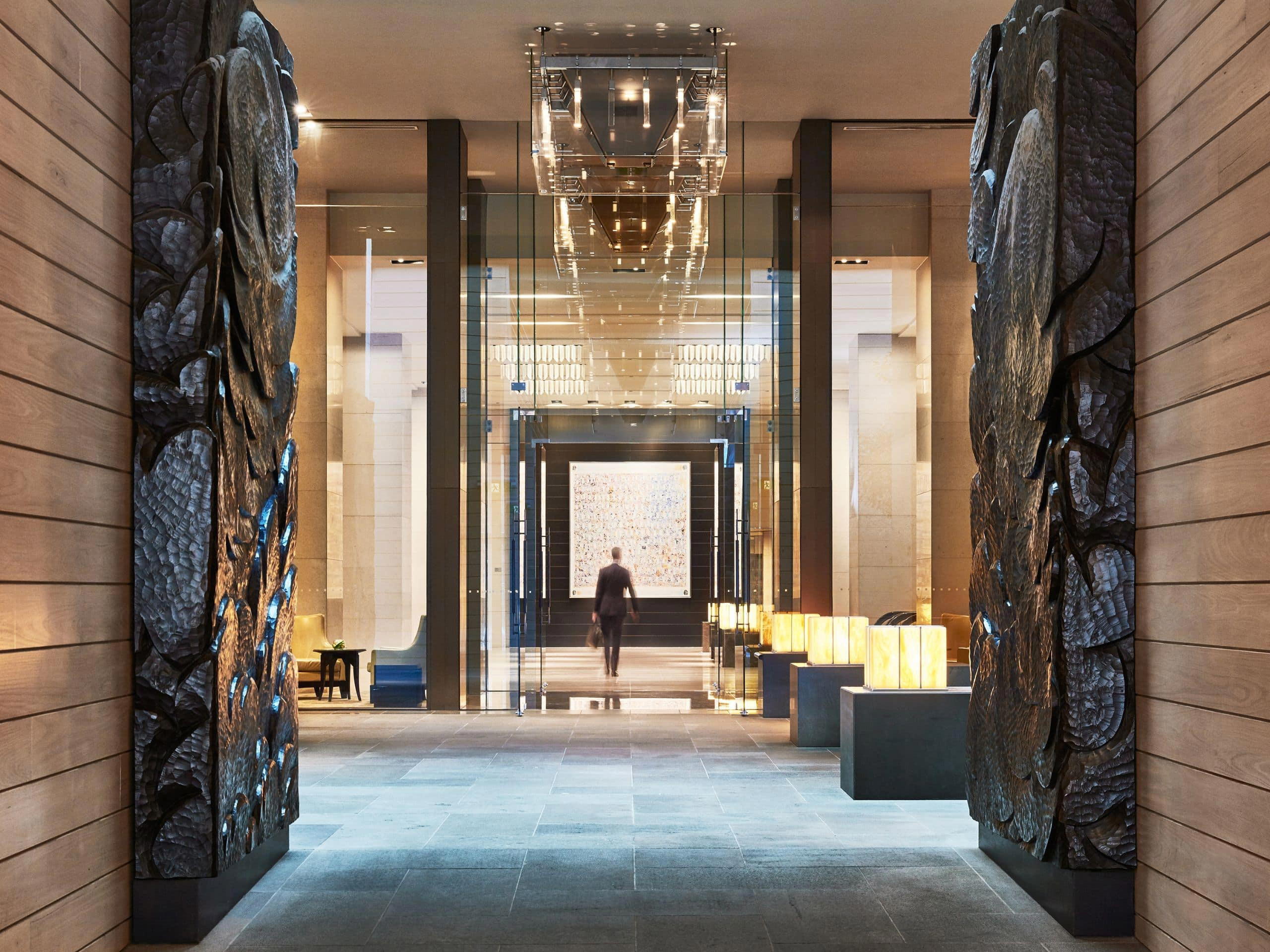
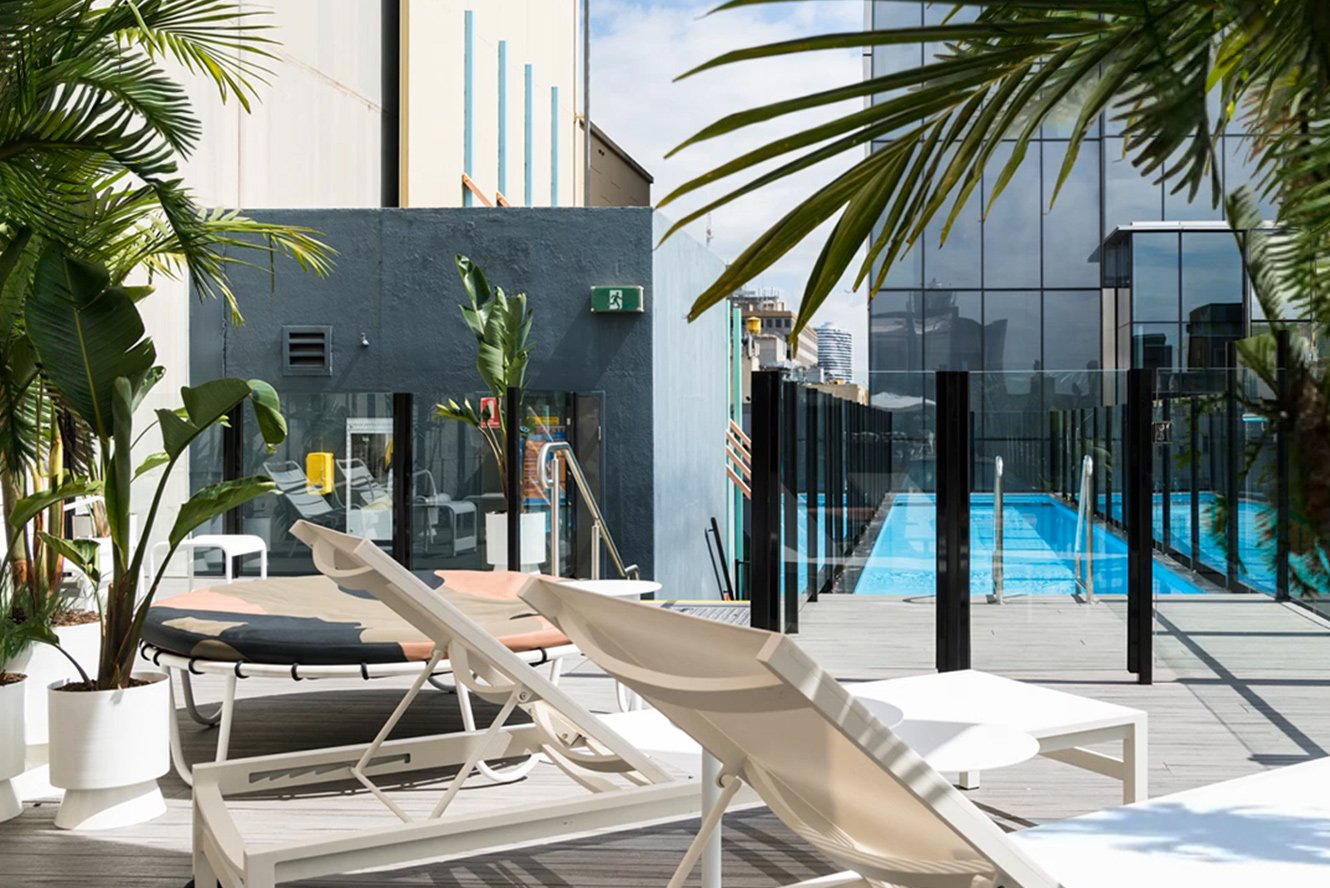
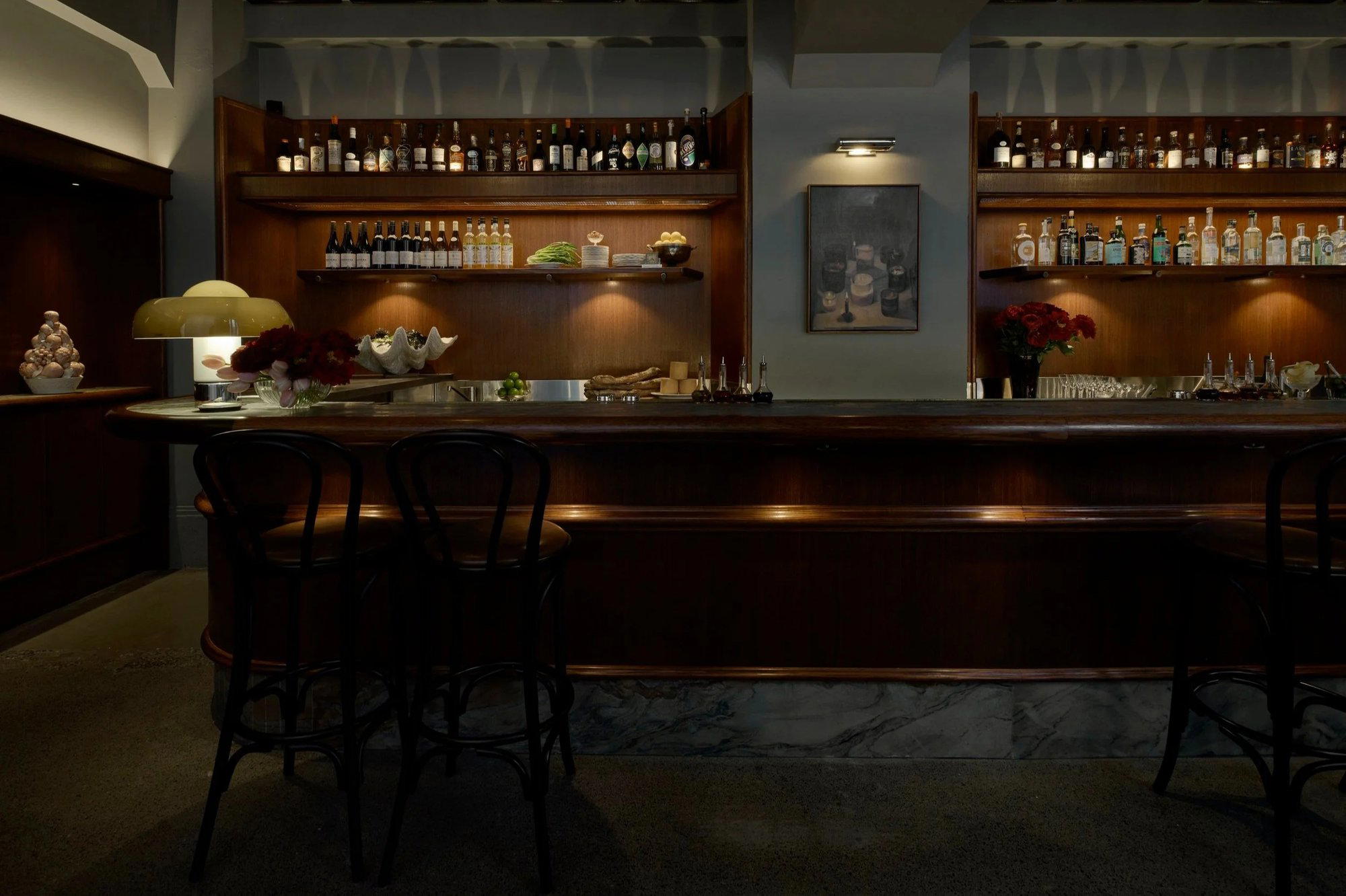
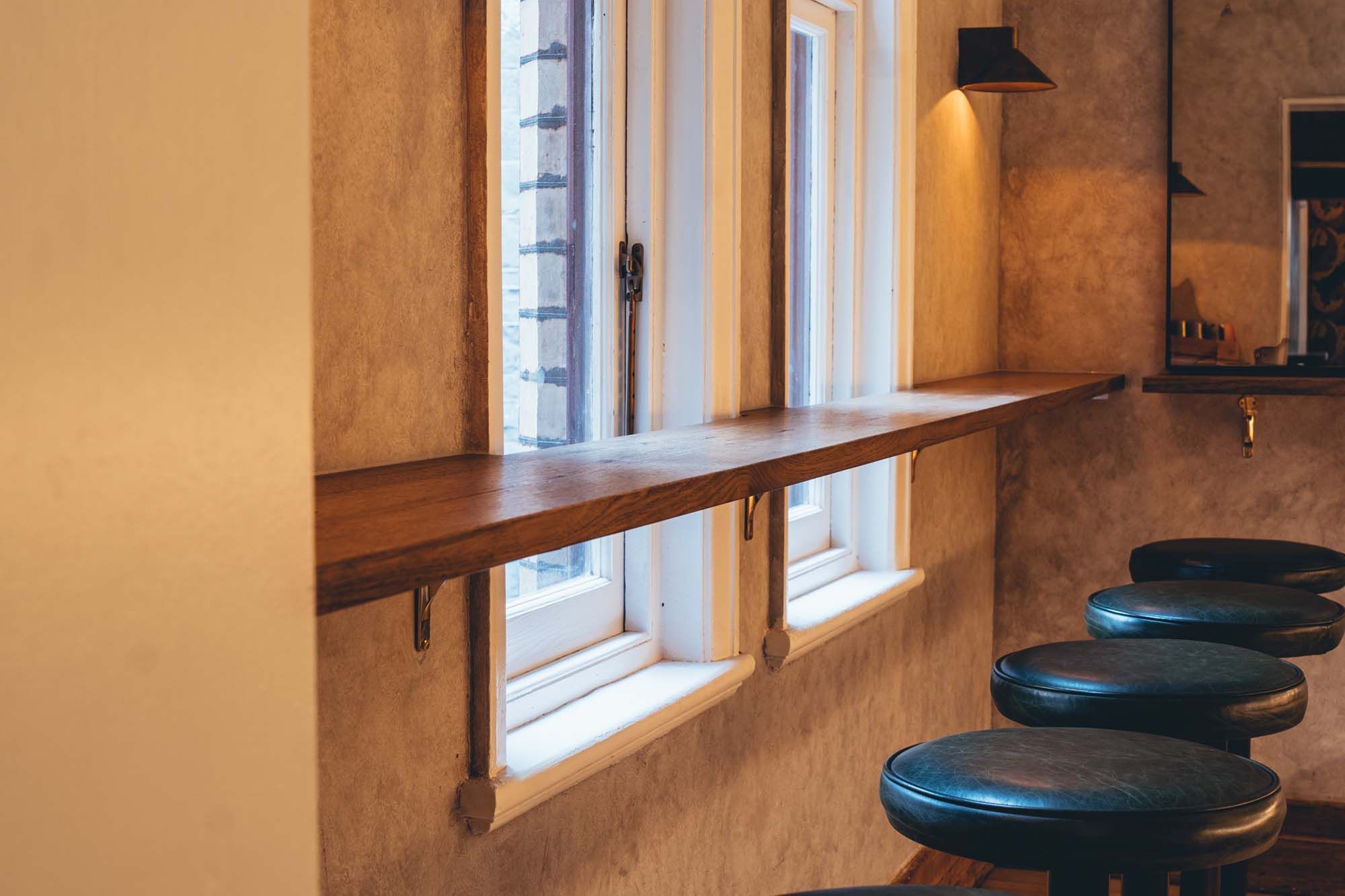
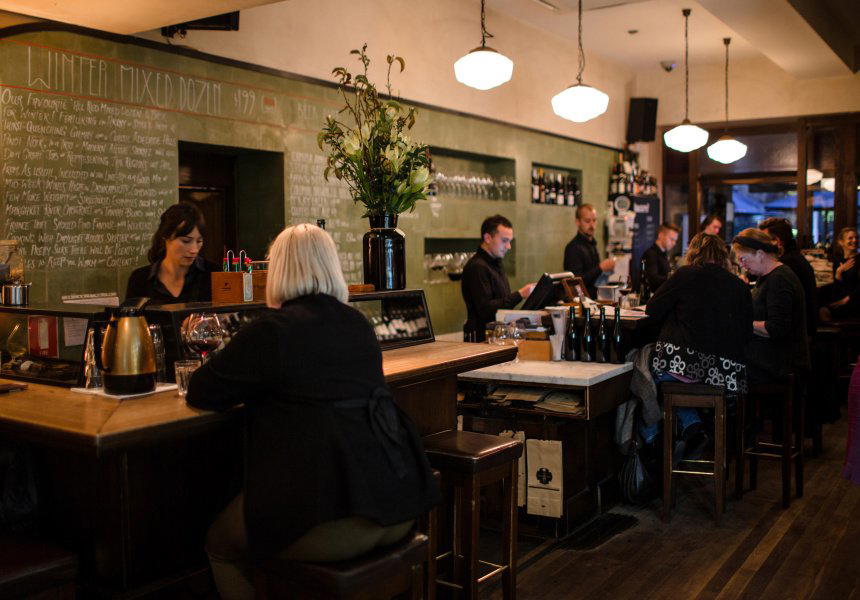
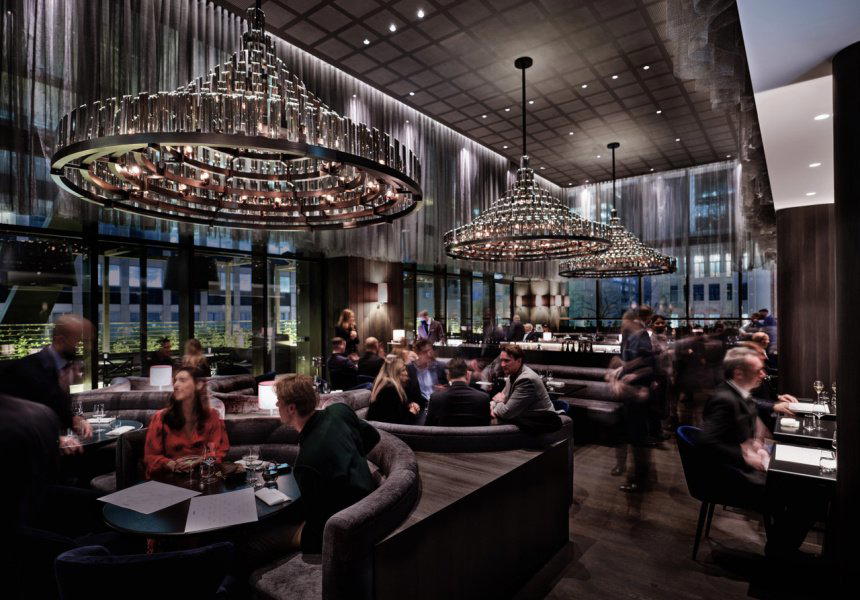
Moody, sculptural, and design-forward interiors with earth-toned palettes and contemporary art, creating an energetic yet polished urban atmosphere that comes alive at night with rooftop dining and a hidden late-night bar.[7][3][6][15]