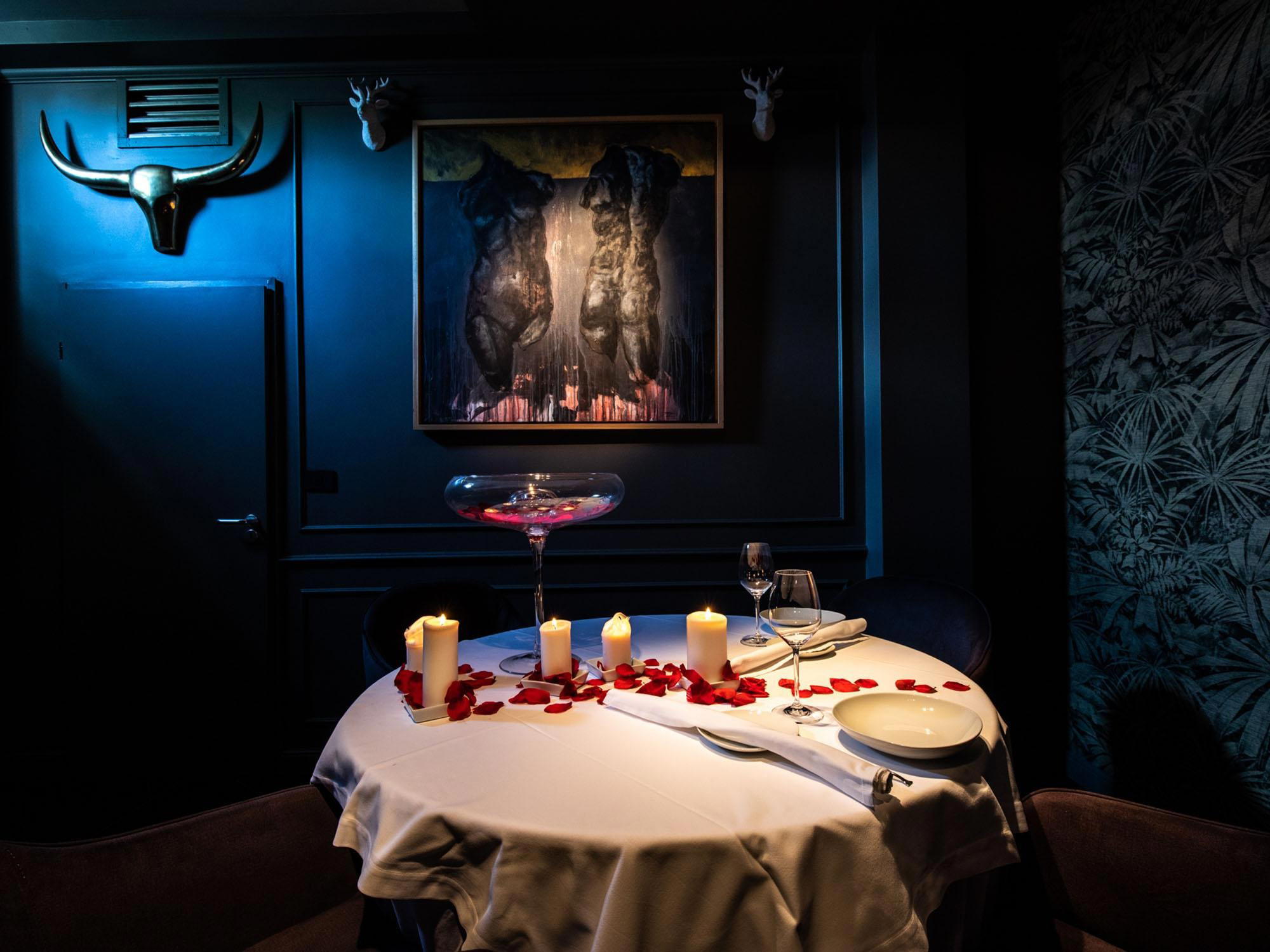
Intimate dining in a fortress setting
Pearl is the En Primeur Club membership app — saves, bookings, and concierge access live there. Same editors, same standards.
- Address
- Štanjel 1a, 6222 Štanjel, Slovenia
- Phone
- +38657310070
- Website
- gradstanjel.si
 Saves & bookings on Pearl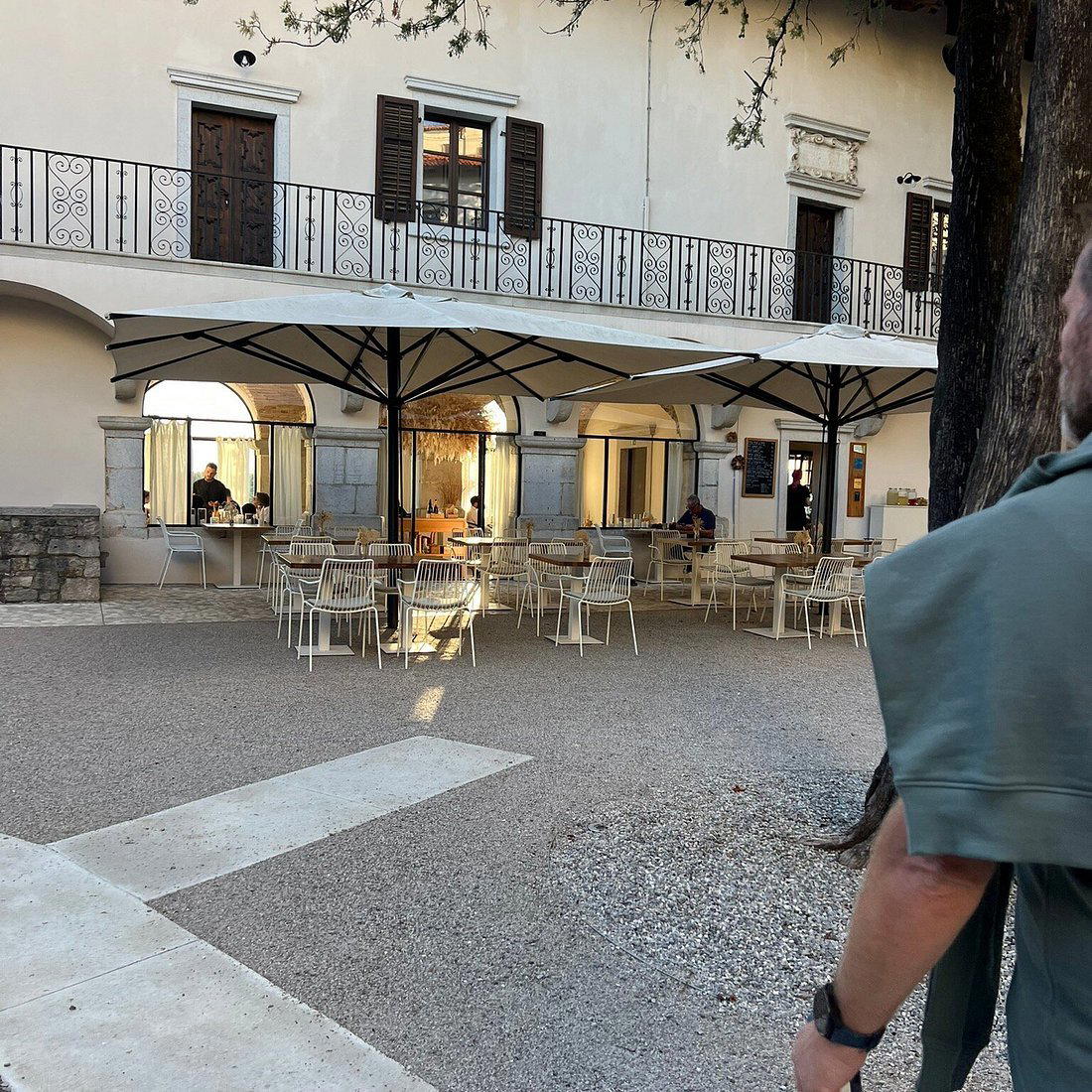
Stone Villages and the Karst Kitchen
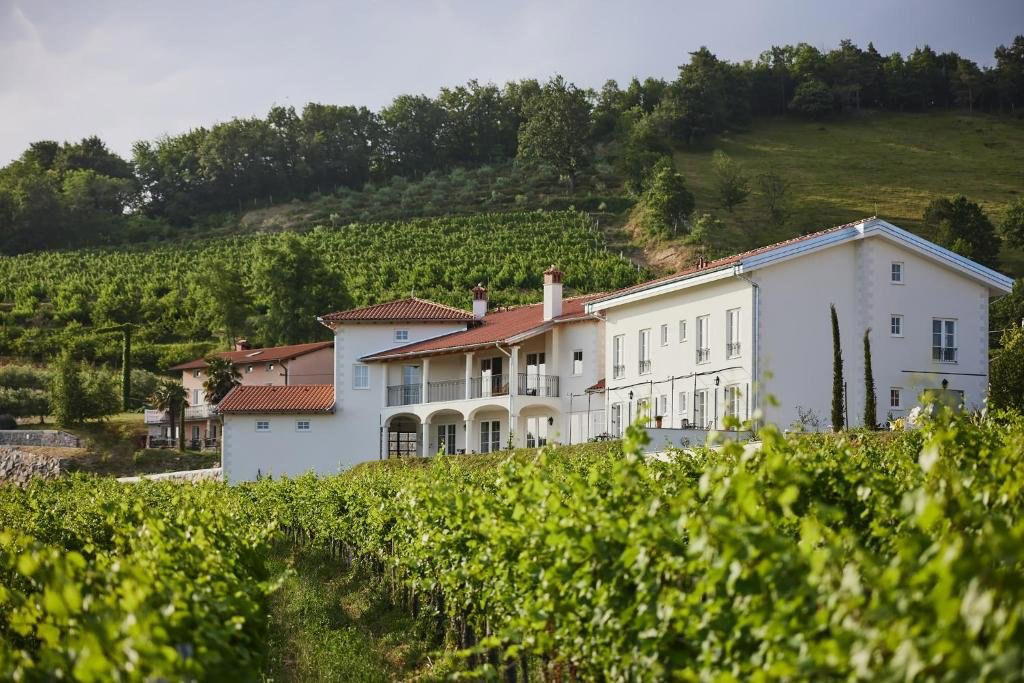
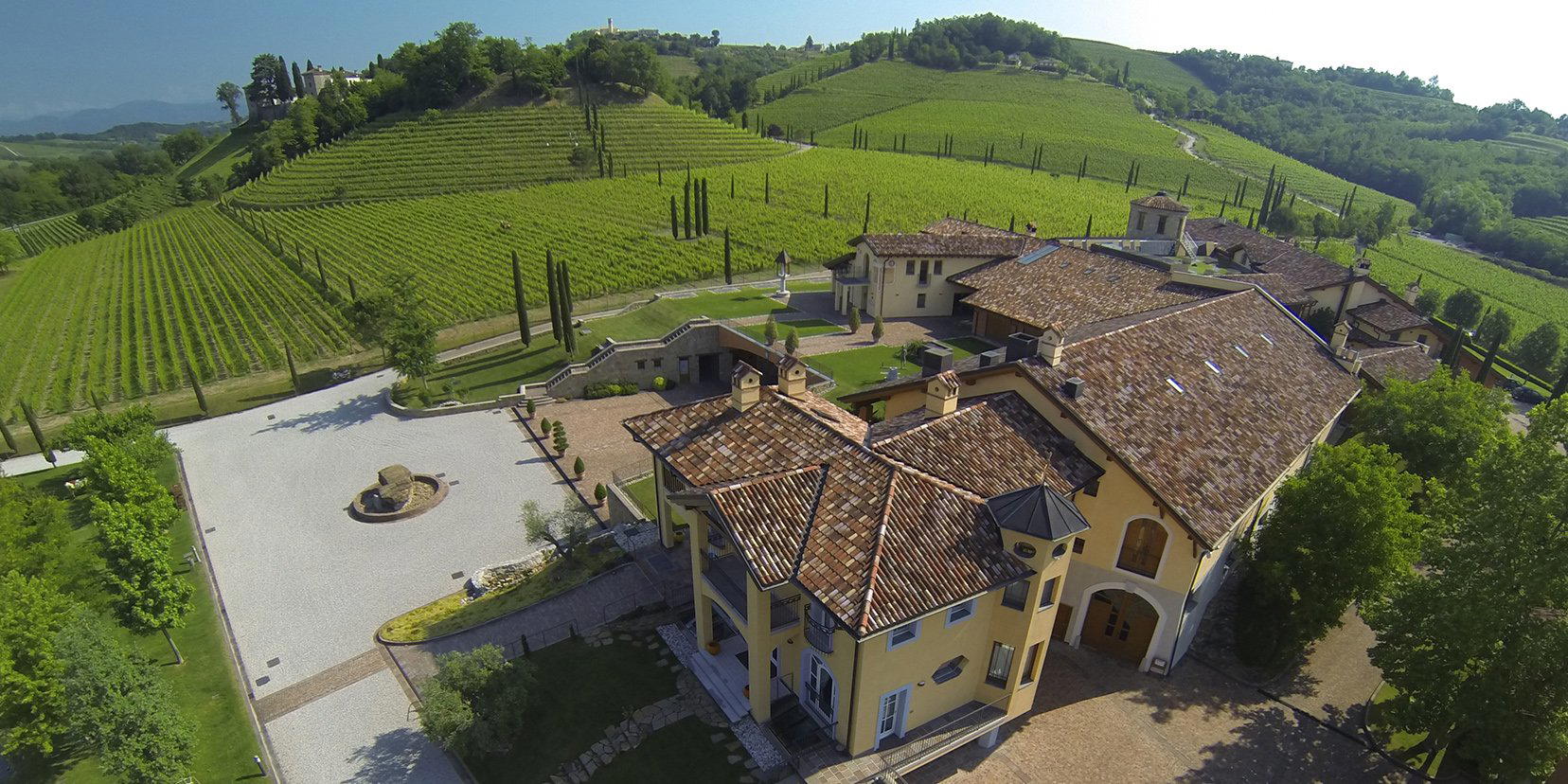
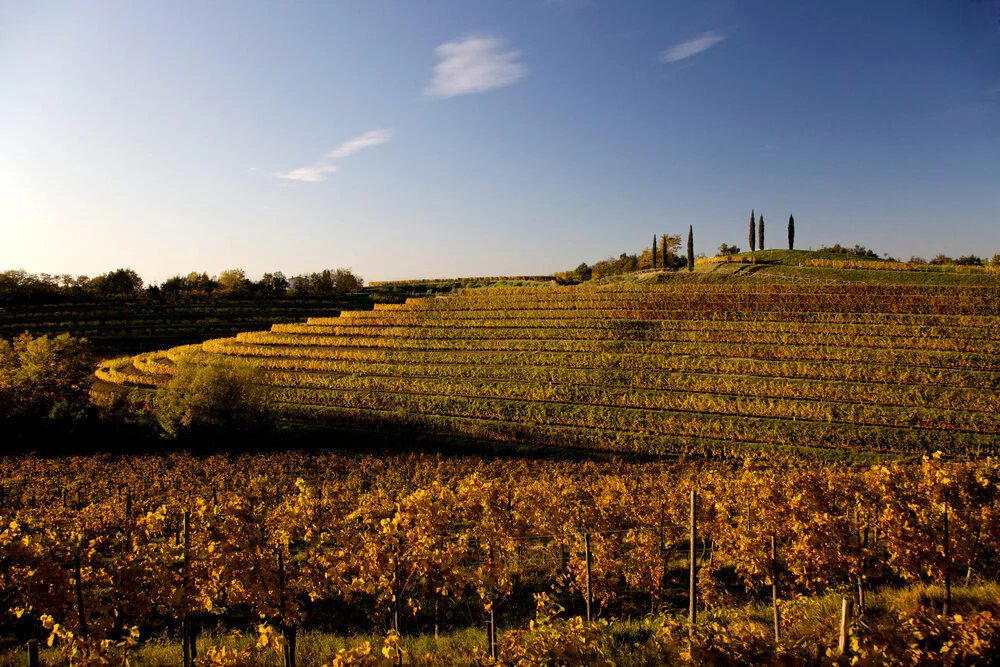
The Karst plateau above the Vipava Valley is one of Slovenia's most geologically distinctive regions: a windswept limestone shelf where thin red soil, the bora wind, and centuries of agricultural ingenuity have shaped a cooking tradition that owes little to central European influence and considerable debt to the Adriatic and the Italian northeast just across the border. Villages here are built from the same grey stone that sits underfoot, and Štanjel is among the most intact of them, a medieval hilltop settlement that functions as both a living community and an open-air architectural exhibit. Bistro Grad Štanjel operates inside that environment, at Štanjel 1a in the old castle complex, with views across terraced vineyards and the broad valley below.
What the Land Puts on the Plate
Karst cuisine is defined by what the terrain produces rather than what can be imported. The region's best-known contribution to Slovenian food culture is Kraški pršut, a dry-cured ham air-dried in the bora, with protected designation of origin status under EU law, comparable in logic to Parma's prosciutto but leaner in character, shaped by harsher conditions. Teran, the indigenous red wine made from Refošk grapes grown on Karst's iron-rich terra rossa, is the natural accompaniment: high in acidity, low in alcohol by regional standards, and historically consumed for its supposed health properties alongside cured meats. Any kitchen in this geography that takes ingredient sourcing seriously is working with these two products as foundations rather than garnishes.
Beyond the famous cured products, the Karst plateau contributes wild herbs, mushrooms from the mixed forest edges, and a pastoral tradition that includes sheep and goat cheeses. The region's proximity to the Slovenian Adriatic coast, roughly forty kilometres west, also pulls fish and shellfish into the rotation. This convergence of interior and coastal supply is what separates Karst cooking from the straightforwardly inland traditions of the Julian Alps or the Pannonian east, it is a kitchen with multiple supply lines, all of them short.
For context on how kitchens in Slovenia's western regions use this kind of terroir-grounded sourcing as a structural principle rather than a marketing gesture, Gostilna Pri Lojzetu in Vipava is instructive: it operates in the adjacent Vipava Valley with a similar emphasis on local wine and agricultural produce, and has drawn sustained critical attention for that approach. Hiša Franko in Kobarid, further north in the Soča Valley, represents the most internationally recognised expression of this west-Slovenian philosophy, with a tasting format and sourcing rigour that has placed it firmly within the European fine-dining conversation.
The Setting as Context
Approaching Štanjel from the main road below, the village appears as a silhouette of towers and rooflines on the ridge. The castle, Grad Štanjel, was substantially restored in the twentieth century under architect Maks Fabiani, and the complex includes gardens, a chapel, and restored residential structures. Eating inside this environment carries a different kind of weight than a purpose-built restaurant: the architecture is doing most of the atmospheric work before any food arrives. Karst stone walls, the quality of light through small windows, and the altitude combine to produce a setting where the physical and culinary contexts reinforce each other.
Komen, the municipality in which Štanjel sits, is a slow-traffic area by design and circumstance. There is no rail connection, and visitors typically arrive by car from Nova Gorica to the west or from the A1 motorway corridor to the east. That relative inaccessibility has kept the village from the kind of day-trip saturation that affects more famous Slovenian destinations, and it means that a lunch or dinner at Bistro Grad Štanjel is almost always part of a deliberate visit rather than an impulse stop. For the broader Komen restaurant picture, including Špacapanova Hiša, which takes a contemporary approach to Karst ingredients in a neighbouring village setting.
Slovenia's Rural Fine-Dining Tier
Over the past decade, Slovenia has developed a recognisable category of destination dining that operates outside Ljubljana but draws visitors specifically for the table. The pattern runs from Hiša Denk in Zgornja Kungota in the Styrian wine country to Hiša Linhart in Radovljica in the Gorenjska region, and extends south to Grič in Šentjošt nad Horjulom and Gostilna Skaručna in Vodice near Ljubljana. What connects these places is a shared logic: strong local sourcing, a wine list built around regional producers, and a physical setting that the food is designed to reflect. Bistro Grad Štanjel fits that pattern geographically and contextually, sitting in the Karst portion of that dispersed network.
This is a different competitive set than Ljubljana's more urban propositions. Restavracija Strelec in Ljubljana operates inside a castle tower in the capital with a tasting format aimed at international visitors, while Dam in Nova Gorica operates in the border city at the edge of the Karst with a Mediterranean-inflected menu. The Štanjel address is more remote than either, which shifts the dining calculus toward those willing to build a day or a weekend around the visit. Internationally, the model of a serious kitchen embedded in a difficult-to-reach historic structure has parallels in places like Le Bernardin in New York City or Lazy Bear in San Francisco, where the effort of getting there becomes part of the experience's framing, though the Štanjel version operates at a different scale and register.
Other Slovenian kitchens in historically significant settings include Otočec Castle Restaurant in Otočec, Pavus in Lasko, and Gostilna Francl in Celje, as well as Ošterija Debeluh in Brezice and Grič in Dobrova Polhov Gradec, Milka in Kranjska Gora further north. Together they form a geography of serious cooking spread across Slovenia's varied regions, each anchored in a specific physical and agricultural context.
Planning the Visit
Štanjel is leading approached as a half-day or full-day destination from Nova Gorica (roughly 20 kilometres to the west), Lipica, or the Vipava Valley. The village itself warrants time before or after eating: the Fabiani Garden, the Ferrari Castle interior when open, and the views from the village ramparts are all worth the approach. Visitors should confirm details directly before making the journey, particularly in shoulder season when smaller Karst venues sometimes operate on reduced schedules. The surrounding region rewards a longer stay: Karst wine routes, the Lipica stud farm, and the coastal towns of Štanjel's broader hinterland are all within an hour's drive.
A Quick Peer Check
Comparable venues nearby, for context on price, style, and recognition.
| Venue | Cuisine | Price | Awards | Notes |
|---|---|---|---|---|
| Bistro Grad ŠtanjelThis venue — the venue you are viewing | Traditional Karst Bistro | $$ | , | |
| Špacapanova Hiša | Modern Karst Cuisine | $$$ | Michelin Plate | Komen |
| Arkade Cigoj | Traditional Slovenian Farm-to-Table | $$ | , | Črniče |
| Gostilnica 5-6 kg | Traditional Slovenian & Wood-Fired Pizza | $$ | , | Trnovo |
| Turistična Kmetija Breg | Traditional Brda & Friulian Farm Cuisine | $$ | , | Dobrovo, Brda region |
| Domačija Ražman | Authentic Istrian | $$ | , | Gračišče |
At a Glance
- Rustic
- Cozy
- Scenic
- Classic
- Casual Hangout
- Group Dining
- Special Occasion
- Courtyard
- Historic Building
- Standalone
- Extensive Wine List
- Local Sourcing
- Organic
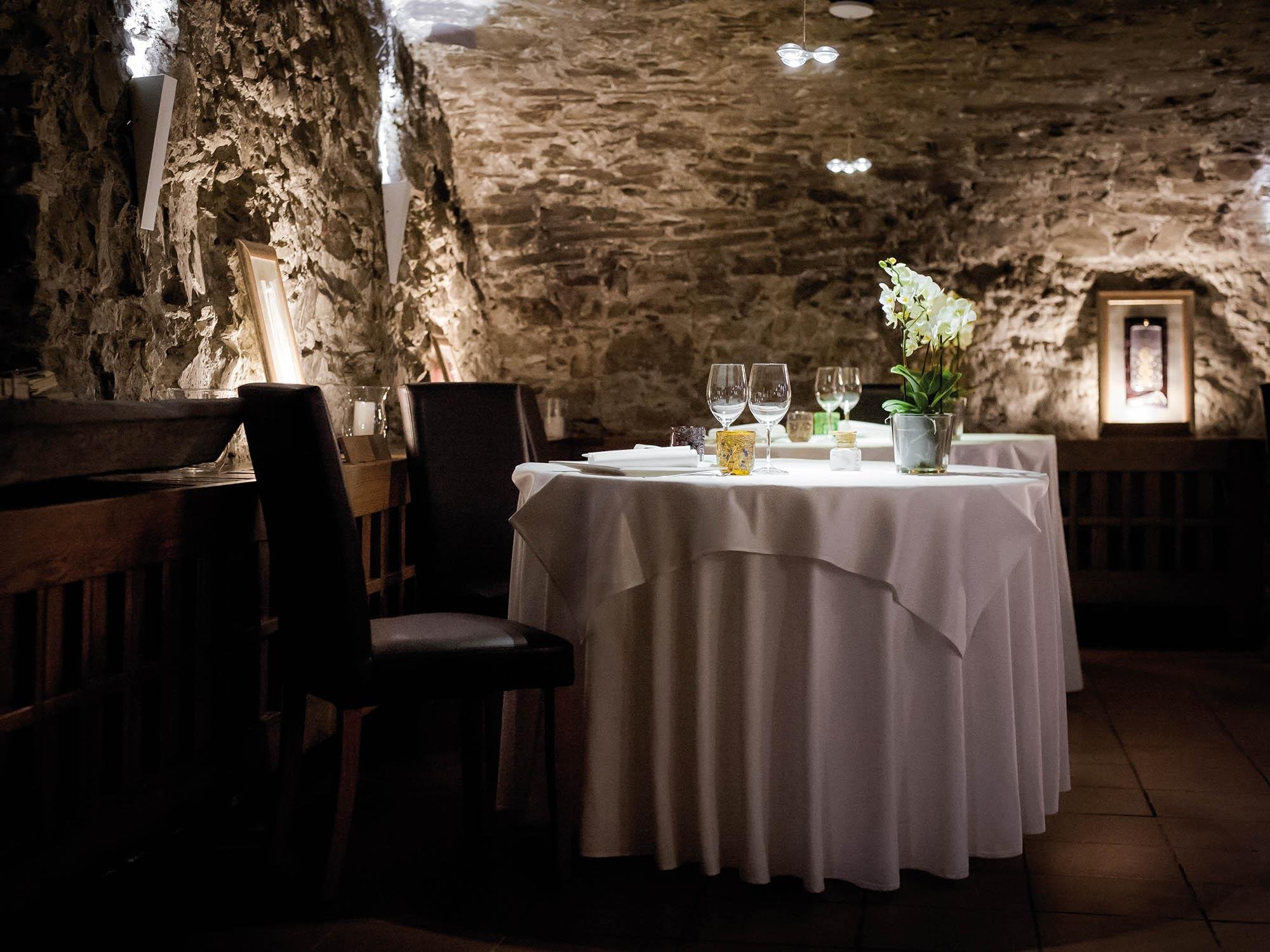
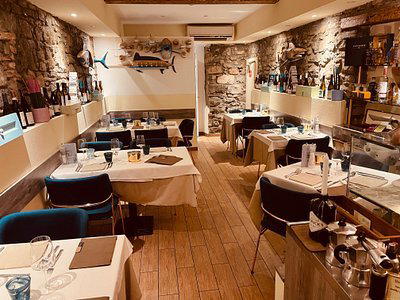
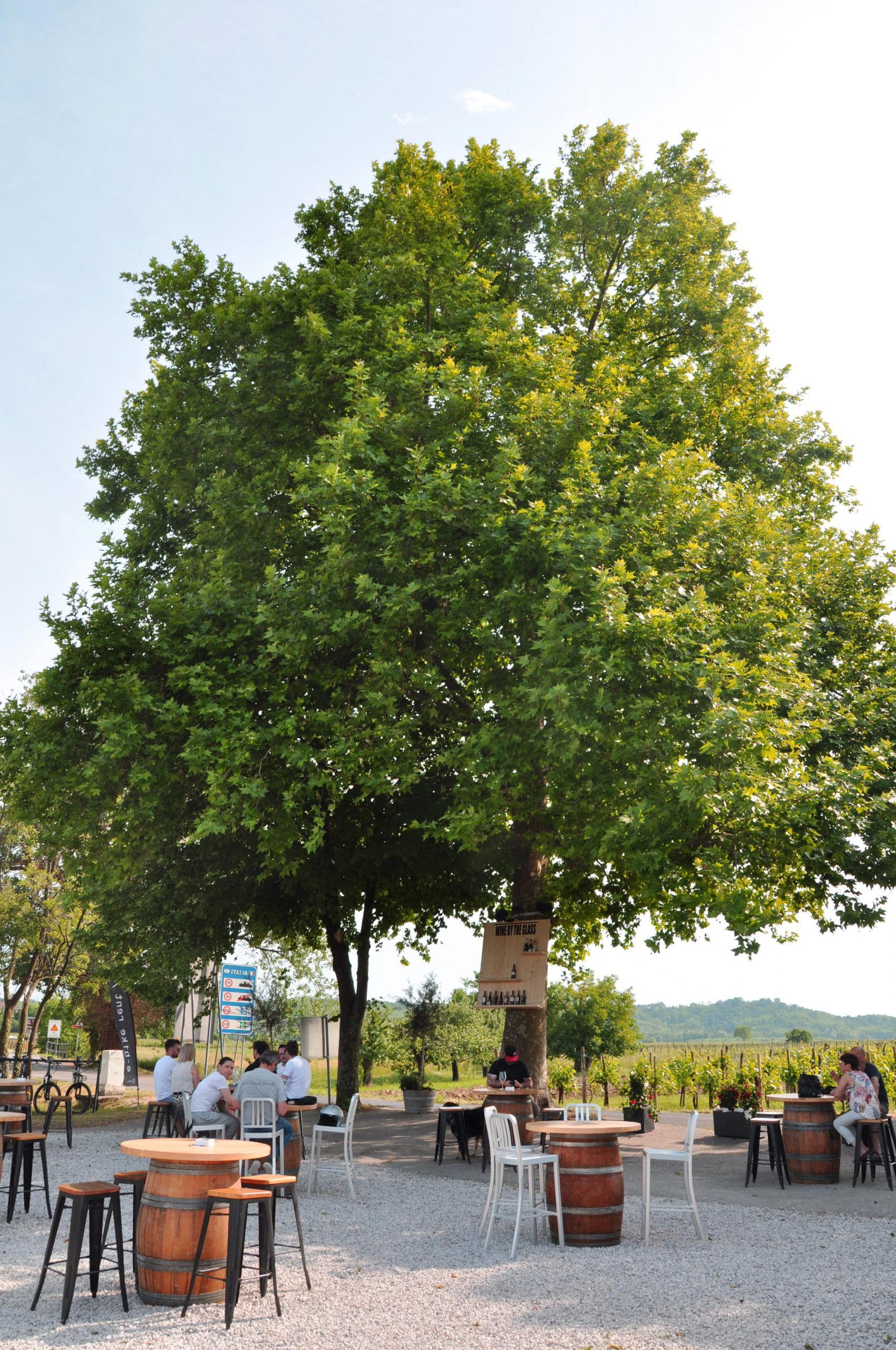
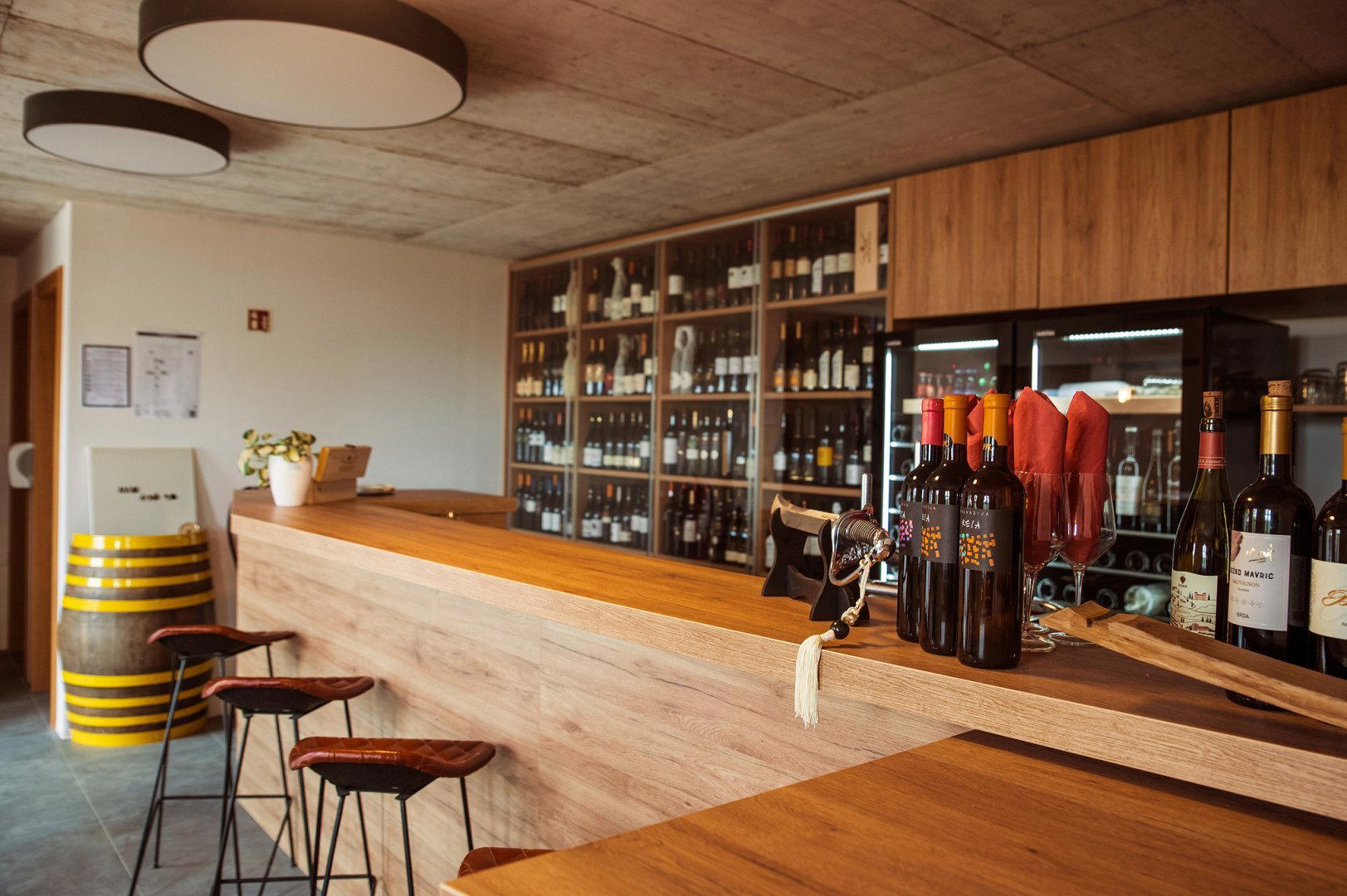
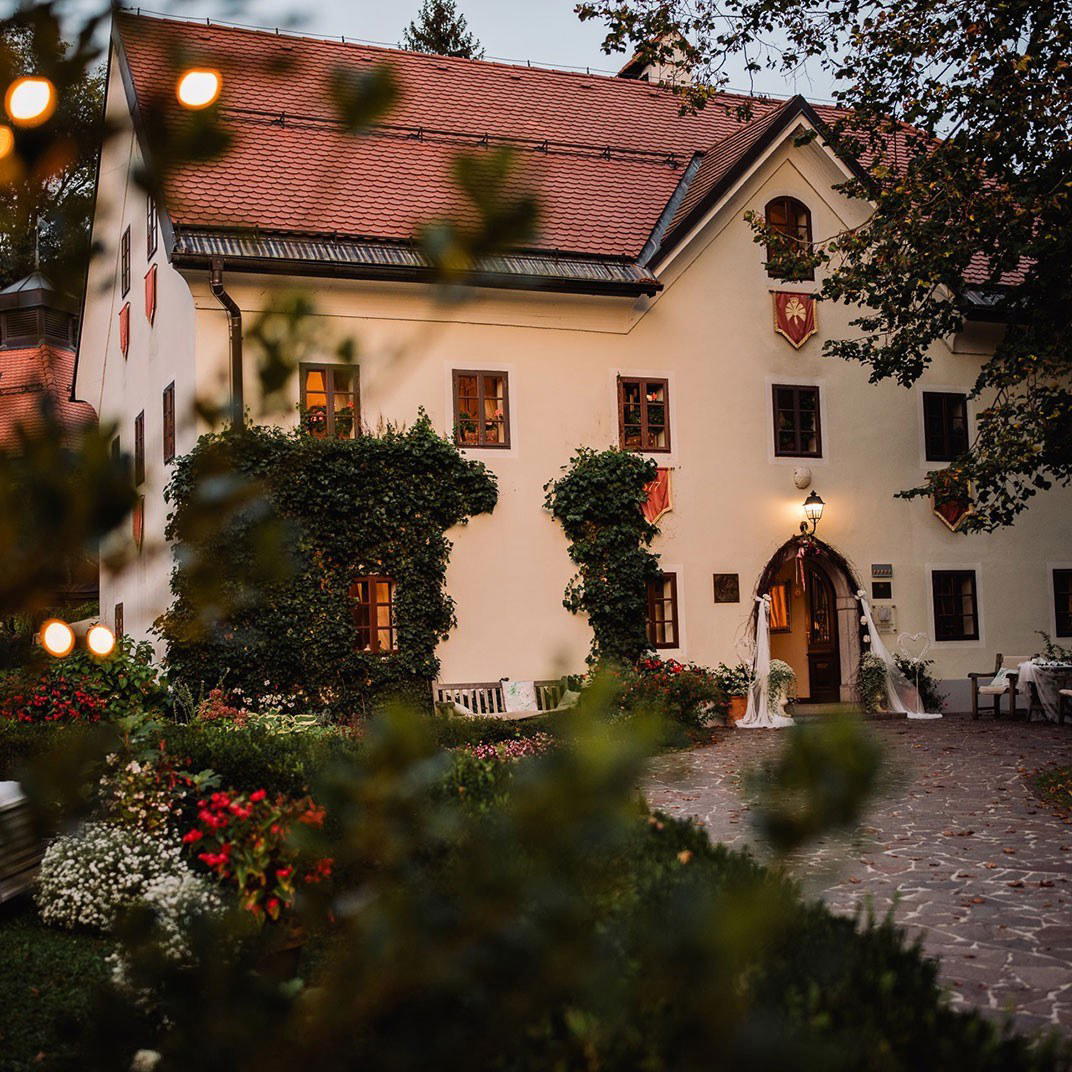
Atmospheric and intimate castle courtyard setting with traditional Karst ambiance, featuring historic stone architecture and warm lighting.