
Michelin Plate
Our verdict
In the Karst village of Komen, Špacapanova Hiša holds consecutive Michelin Plate recognitions (2024 and 2025), placing it among Slovenia's acknowledged contemporary kitchens. The cooking draws on the limestone plateau's distinct larder: local producers, the region's wine traditions, and seasonal rhythms that shift the menu across the year. At €€€ pricing, it sits at the serious end of the Karst dining tier.

Pearl is the En Primeur Club membership app, where members save venues, book tables and use the concierge.
The menu
What to order
- Oven-roasted lamb
- Oven-roasted kid
- Cow’s milk curd ravioli
- Prosciutto
The Karst Plateau and What It Puts on the Table
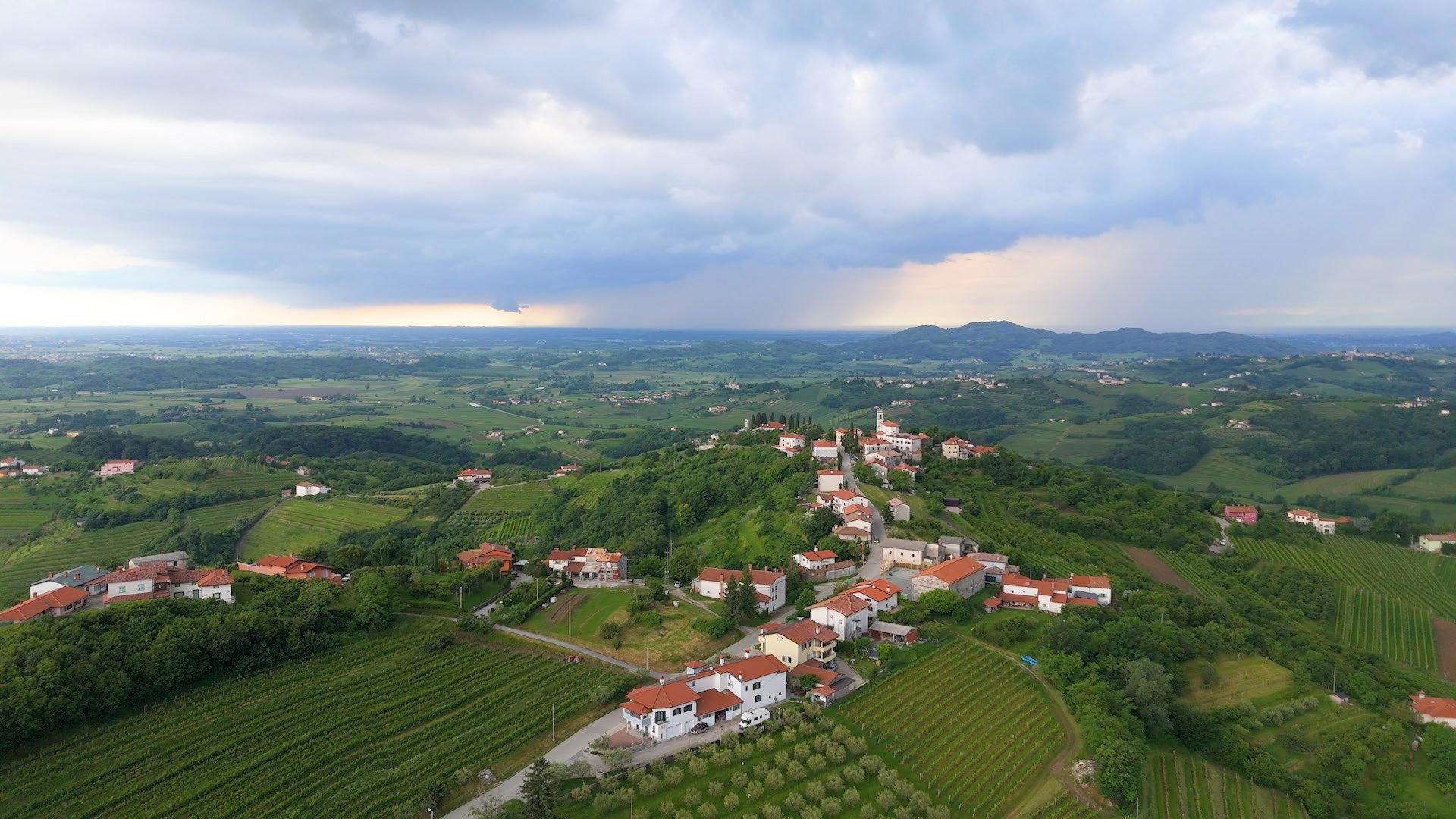
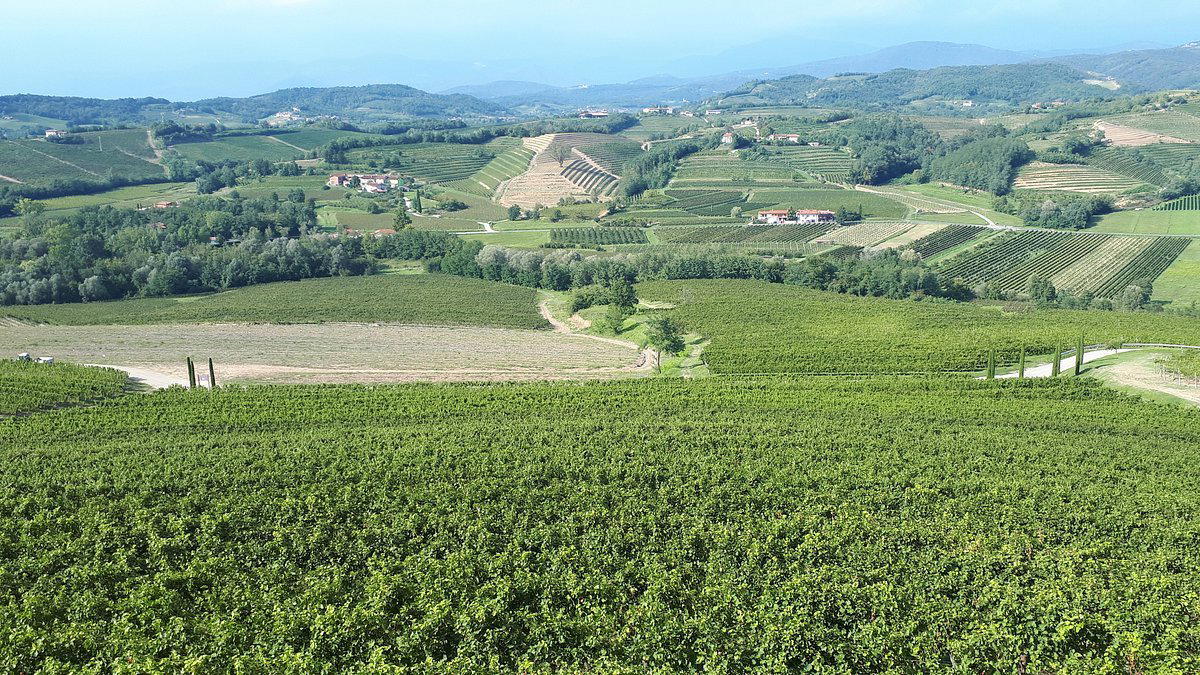
The Karst region of southwestern Slovenia is defined less by its villages than by the land beneath them. The limestone plateau, porous and mineral-rich, shapes everything that grows on or near it: the low-yielding vines, the slow-cured meats, the wild herbs that appear along field margins in spring. Dining here is not a matter of choosing between tradition and innovation; it is a matter of how directly a kitchen is willing to translate that particular geology into something on a plate.
Špacapanova Hiša sits in Komen, a small settlement at the heart of this plateau, and its consecutive Michelin Plate recognitions in 2024 and 2025 place it in the category of kitchens the Guide considers worth the detour. That designation, for a contemporary restaurant operating at this scale in a village of this size, is an editorial statement about the seriousness of the sourcing and execution rather than a comment on spectacle or theatre. The Karst has a short list of venues earning that kind of attention, and Špacapanova Hiša is on it. For broader context on where this fits within Slovenia's recognised dining tier, see comparable addresses like Dam in Nova Gorica and Hiša Linhart in Radovljica, both working contemporary menus at the €€€ level.
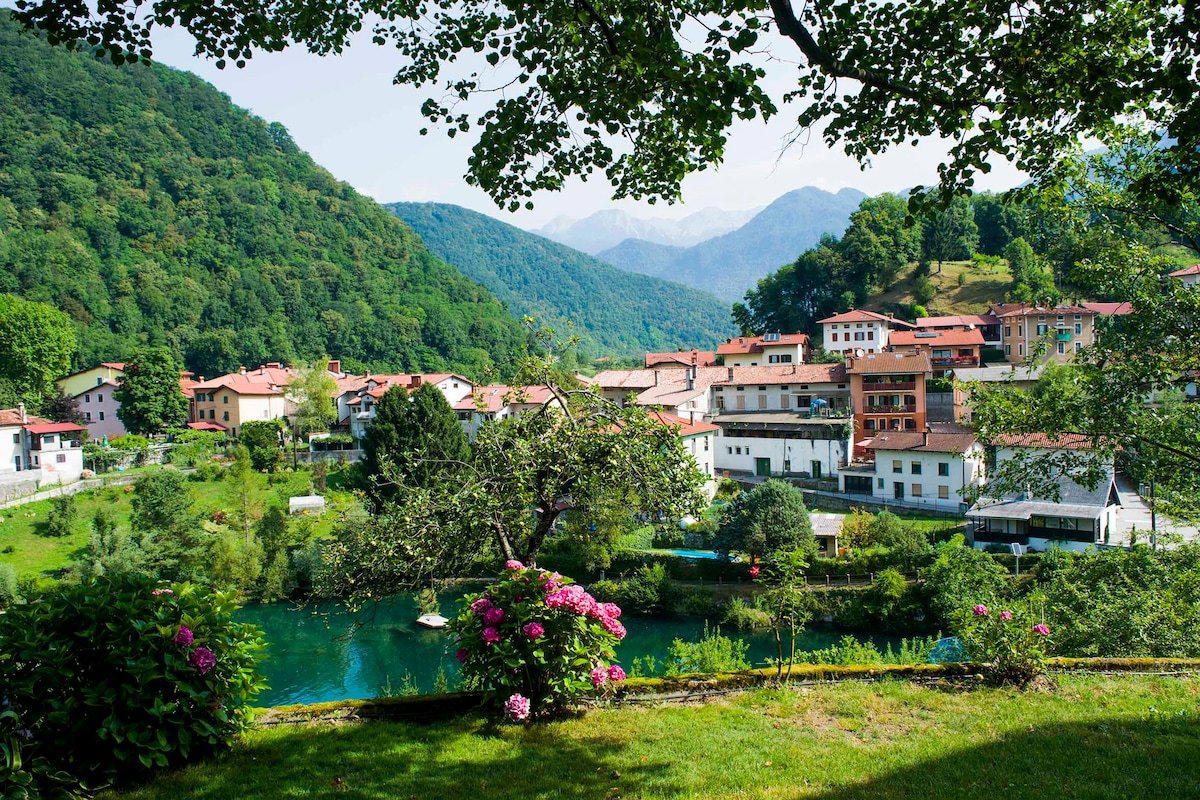
Approaching Komen: What the Setting Tells You
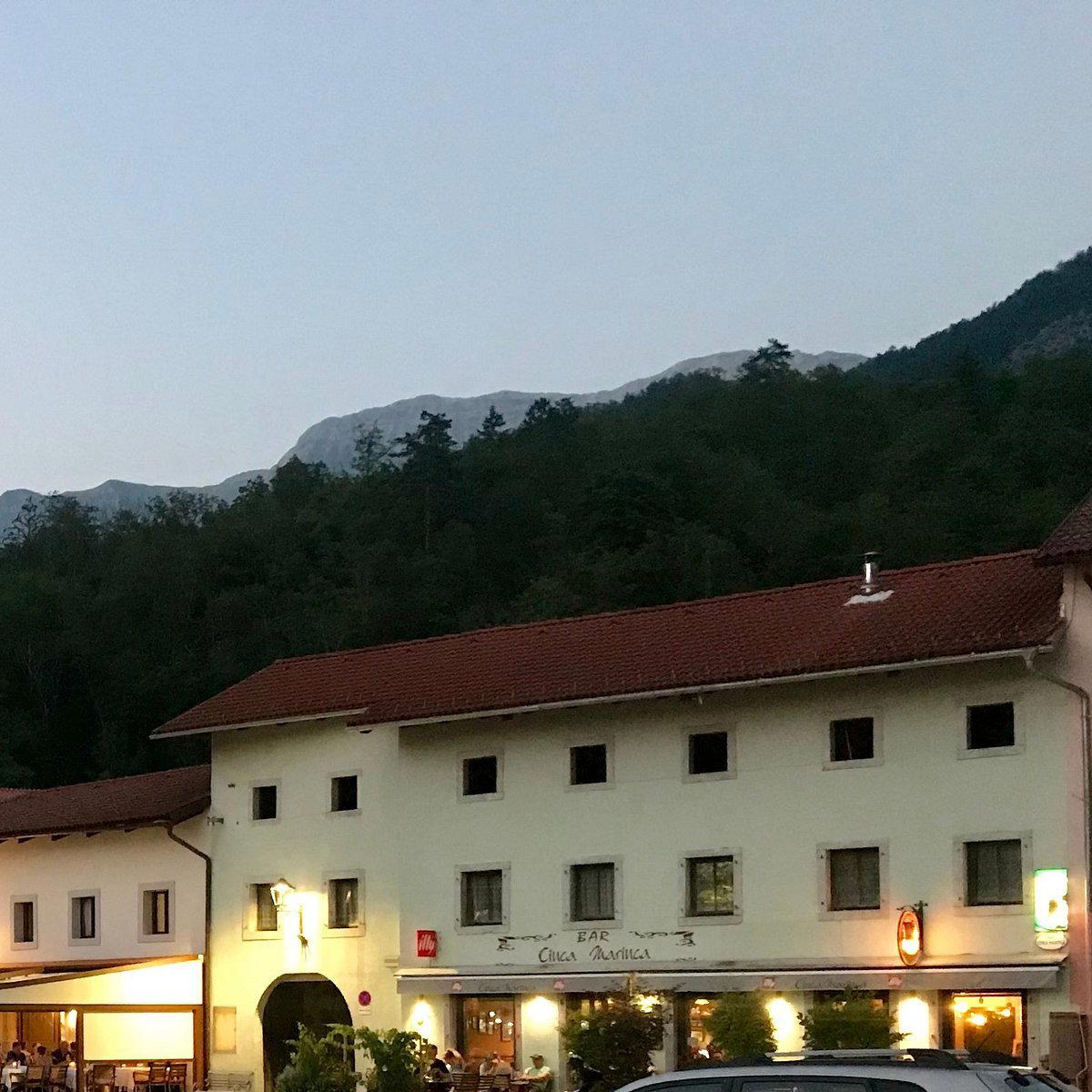
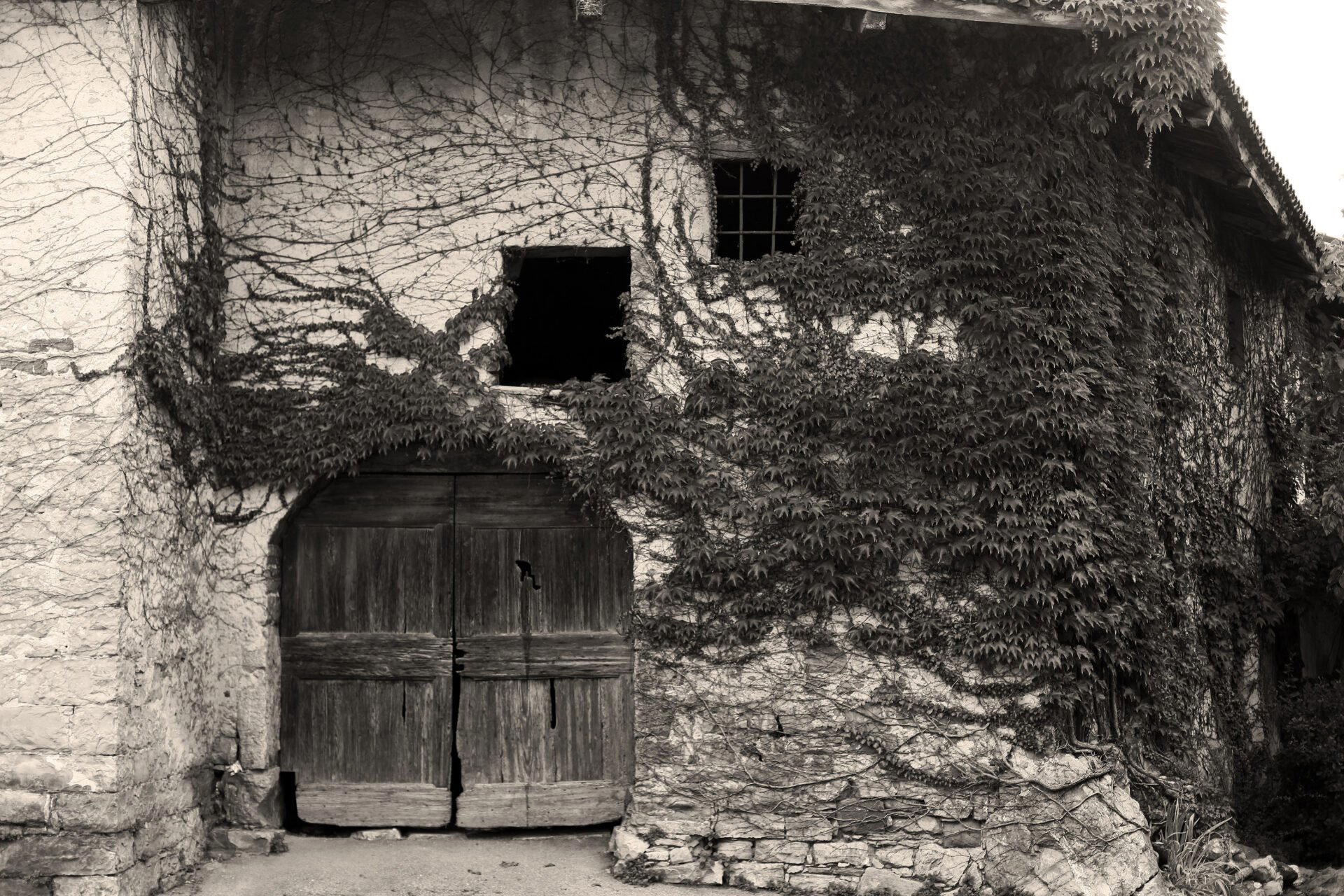
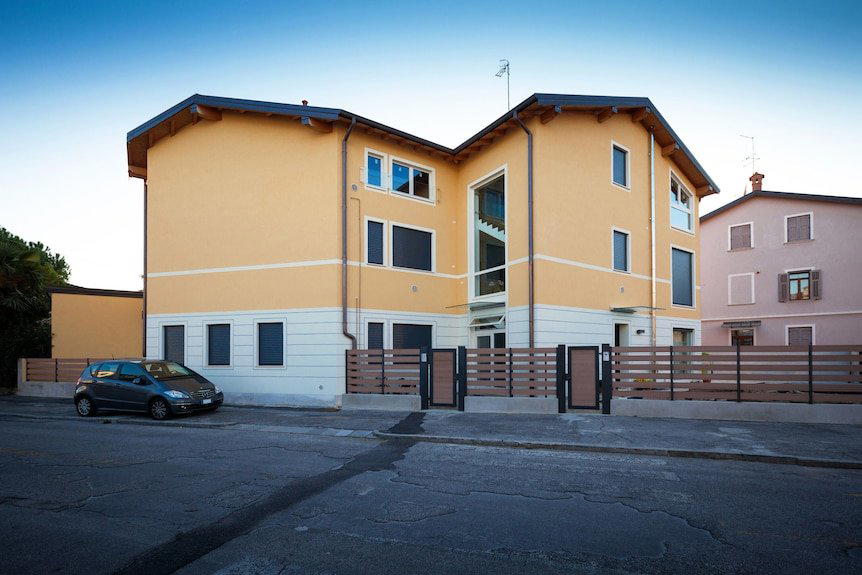
The drive to Komen from the coast or from the direction of Nova Gorica crosses open plateau interrupted by dry stone walls, occasional vineyards, and the kind of agricultural quiet that makes it immediately clear why provenance matters here. There are no competing urban distractions. The building itself carries that same register: a Karst stone house of the type that has framed domestic life on this plateau for generations, its solidity an architectural argument for the region before you have eaten a single course.
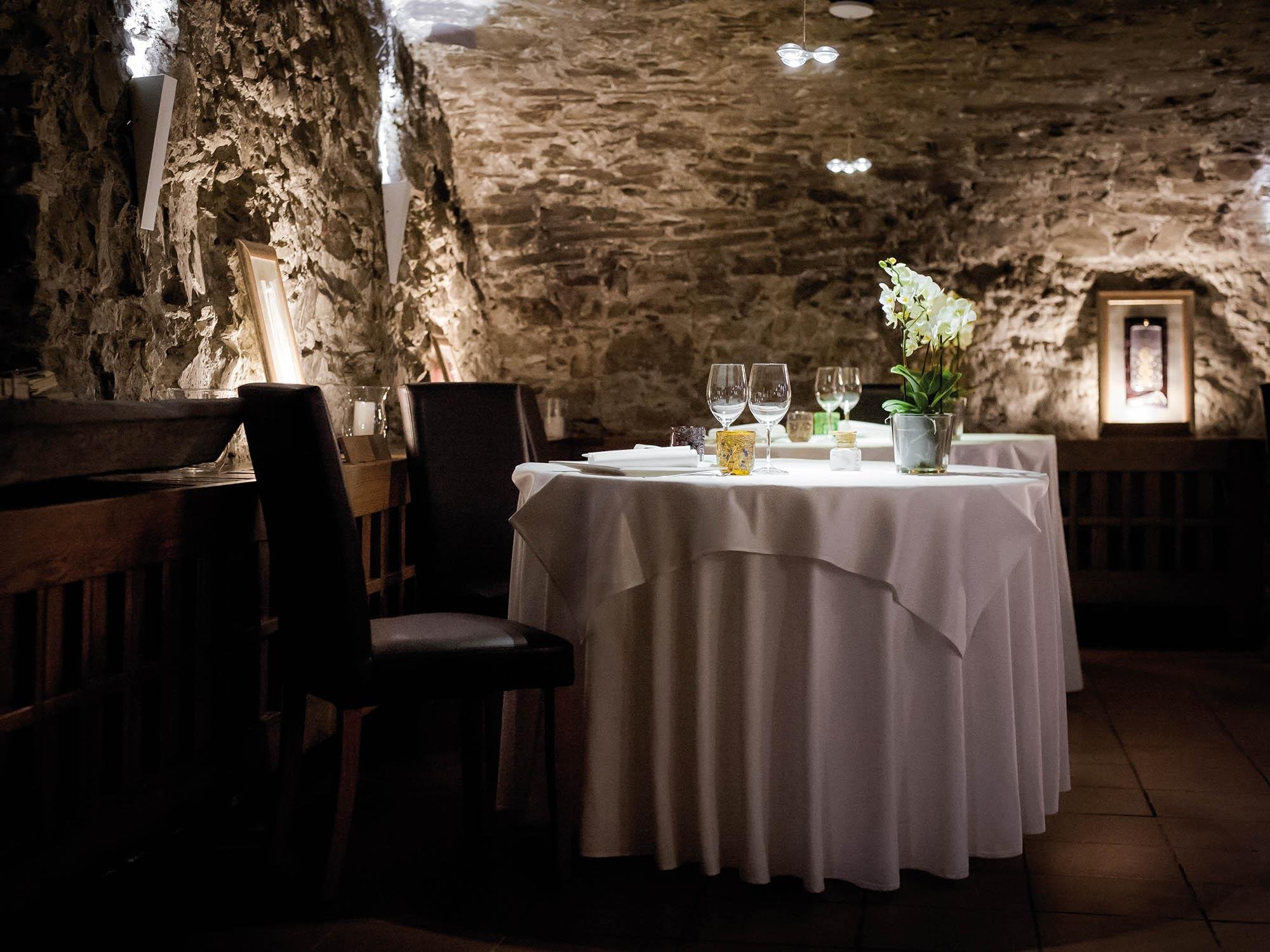
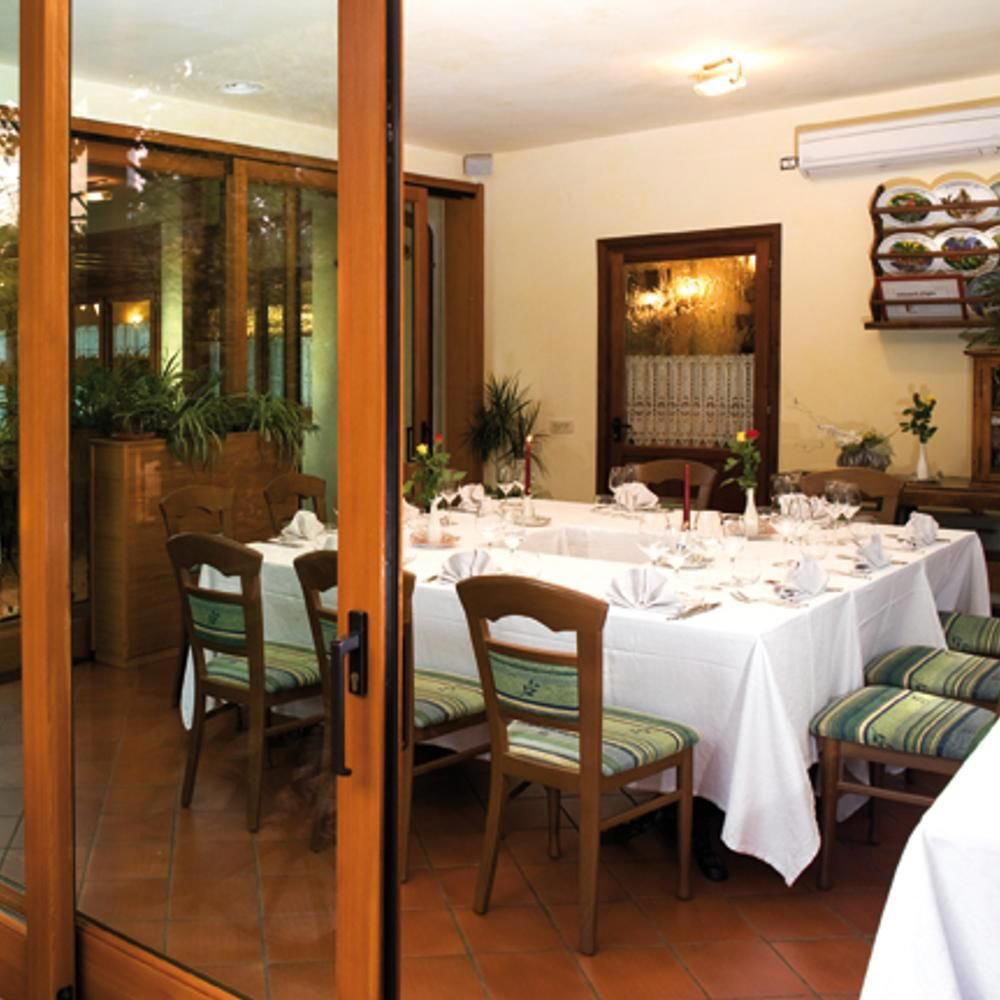
Inside, the atmosphere reads as a considered contemporary conversion of a traditional rural structure rather than a polished hotel-style dining room. The material vocabulary of the Karst, stone, wood, honest surfaces, is present without being museological. Guests arriving for dinner in this context are, in effect, sitting inside the argument the kitchen is making about place. That alignment between space and food is one of the harder things to manufacture and one of the more persuasive things a regional restaurant can offer.
Ingredient Sourcing as the Editorial Framework
The Karst plateau produces a specific and non-generic larder. Teran, the indigenous red wine grape of the region, grows in iron-rich red soil and produces wine with a high acidity and a minerality that has no direct analogue in other European wine zones. Pršut, the dry-cured ham of the Karst, is a protected designation product shaped by the bora wind that descends from the Julian Alps. Seasonal foraging, wild mushrooms, asparagus in spring, fruit in summer, roots and game in autumn, maps directly onto a contemporary kitchen's ability to shift the menu in response to what the plateau is actually producing at a given moment.
Contemporary Slovenian restaurants operating at this tier have largely moved away from the French-derived tasting menu format toward something more explicitly regional in its ingredient logic. Hiša Franko in Kobarid established a model for this approach in the Soča Valley; Gostilna Pri Lojzetu in Vipava does so in the adjacent Vipava Valley. Špacapanova Hiša occupies the Karst iteration of that same broader shift: sourcing as the organising logic, local producers as named participants rather than anonymous suppliers, and the menu as a seasonal document rather than a fixed catalogue.
The €€€ price tier positions this kitchen below the €€€€ bracket occupied by Hiša Franko and Milka in Kranjska Gora, making it one of the more accessible entry points into serious contemporary Slovenian cooking without the full commitment of a higher-spend tasting menu evening. That positioning is notable: the Michelin recognition is present, the ingredient seriousness is there, and the price point remains within range of a well-planned two-night visit to the Karst rather than a once-a-year special occasion reservation.
How It Sits Within Slovenia's Recognised Contemporary Tier
Slovenia's Michelin-listed contemporary kitchens now form a geographically distributed network rather than a capital-city cluster. Ljubljana anchors one end with venues like Restavracija Strelec, but the recognised addresses are spread across regions: the Soča corridor, the Vipava Valley, the Karst, Styria in the northeast with Hiša Denk in Zgornja Kungota, and the Sava Valley with Pavus in Lasko. What this distribution signals is that the country's dining recognition is now tied to regional identity rather than proximity to a single urban centre.
Špacapanova Hiša sits at the Karst node of that network. For regional peers working at comparable price and format levels, see also Grič in Šentjošt nad Horjulom and A3 in Brestanica. Internationally, the trajectory of contemporary regional kitchens anchoring themselves to a specific terroir finds equivalents in venues like Jungsik in Seoul and César in New York City, both working contemporary formats with a defined sourcing philosophy.
Planning a Visit to Komen
Komen is not a destination most visitors stumble across; it requires deliberate planning, which is partly what makes the restaurant function as it does. The Karst region sits between Trieste and Nova Gorica, accessible from both, and a visit to Špacapanova Hiša fits logically into a broader itinerary combining the Karst wine zone, the Lipica stud farm, and the Škocjan Caves UNESCO site nearby. Booking in advance is the prudent approach for any evening visit, given the village scale and the restaurant's recognised standing. For accommodation and other planning in the area, our full Komen hotels guide covers the local options, and if you are building a wider Karst itinerary, our Komen wineries guide, our Komen bars guide, and our Komen experiences guide complete the picture. For a full view of the dining options in the area, our Komen restaurants guide maps the broader scene. The €€€ pricing means a full dinner for two with wine from the Karst zone sits at a meaningful but not prohibitive spend for a special evening on a regional food itinerary. Also see City Terasa in Maribor if your Slovenian route extends northeast.
Frequently asked questions
Does Špacapanova Hiša work for a family meal?
At €€€ pricing in a small Karst village with a Michelin Plate, this is a considered dinner-out rather than a casual family lunch stop.
What is the atmosphere like at Špacapanova Hiša?
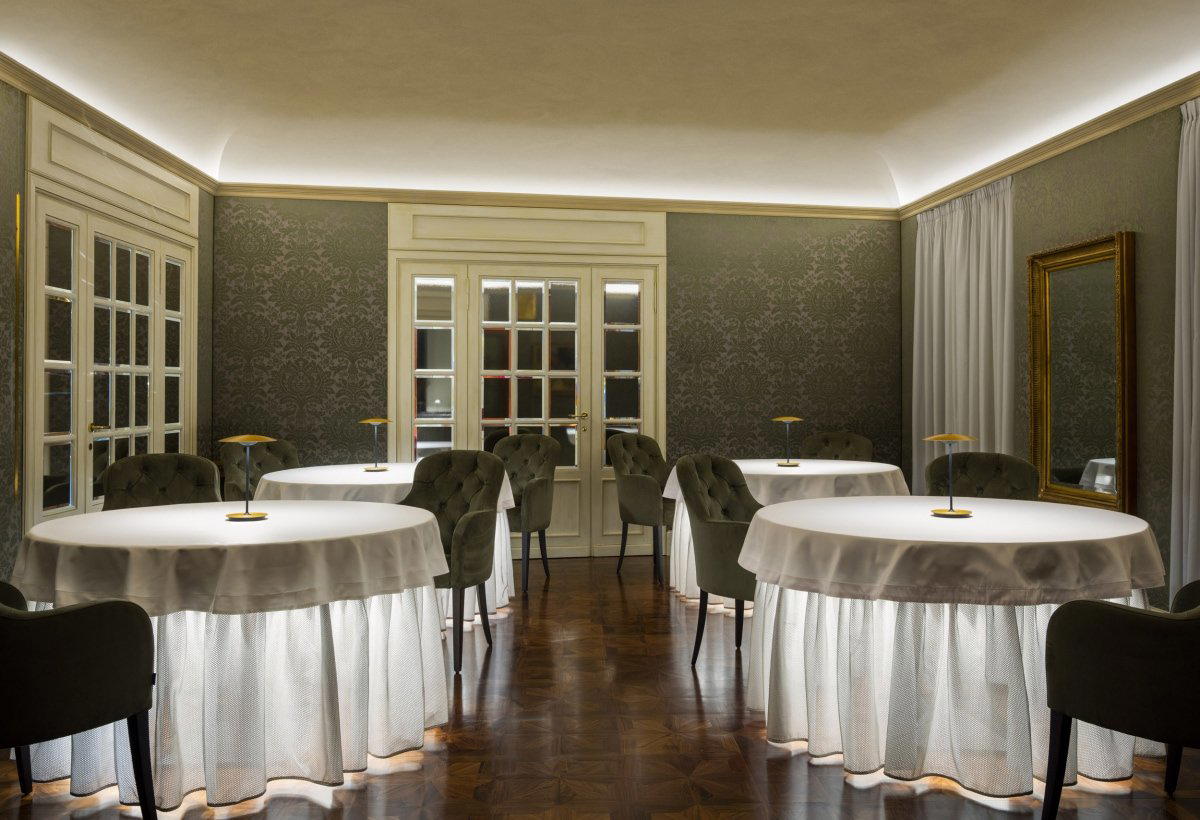
If you arrive expecting a city-style dining room, the Karst stone house setting will reorient you immediately. With consecutive Michelin Plate recognitions and €€€ pricing, the atmosphere reflects the seriousness of the kitchen: the space is grounded in its regional architecture rather than performing any imported aesthetic, and the overall register is quiet, focused, and built around the food rather than around spectacle.
What's the must-try dish at Špacapanova Hiša?
The menu is contemporary and shifts with the season and the Karst larder, so a fixed answer is the wrong frame. The Michelin Plate recognition points to execution across the menu rather than a single signature item; the more useful approach is to follow what the kitchen is emphasising on the night of your visit, which typically reflects what the plateau is producing at that moment in the year.
At-a-Glance Comparison
| Venue | Cuisine | Price | Awards | Notes |
|---|---|---|---|---|
| Špacapanova HišaThis venue (the venue you are viewing) | Modern Karst Cuisine | $50–100 | Michelin Plate | Not listed |
| Dam | Modern Mediterranean with Slovenian-Italian Influences | $50–100 | 1 Michelin Star · La Liste Top Restaurants | Mediterranean, Modern Cuisine |
| Hiša Franko | Modern Slovenian Fine Dining | $300–500 | 3 Michelin Stars · World's 50 Best #69 | Modern European, Creative |
| Milka | Modern Alpine Fine Dining | $200–300 | 2 Michelin Stars · La Liste Top Restaurants | Creative |
| Gostilna Pri Lojzetu | Modern Slovenian Fine Dining | $50–100 | 1 Michelin Star · La Liste Top Restaurants | Modern Cuisine |
| Hiša Linhart | Modern Slovenian Farm-to-Table | $50–100 | 1 Michelin Star · Falstaff Restaurant - 95 Falstaff Points | Contemporary |
Recognition history
Dated appearances from independent guides and award organizations, with the underlying list record or original source where available.
Michelin Plate
Michelin · 2026 Michelin Plate
Full recognition history (3 entries)
Michelin Plate
Michelin
Michelin Plate
Michelin
Continue exploring
More in Komen
Restaurants in Komen
All restaurants in Komen →
Details
- Rustic
- Cozy
- Intimate
- Classic
- Special Occasion
- Date Night
- Celebration
- Garden
- Historic Building
- Natural Wine
- Local Sourcing
- Farm To Table
- Garden
- Tasting Menu
- A La Carte
- Natural Wine
- Local Wine
- Vegetarian Friendly
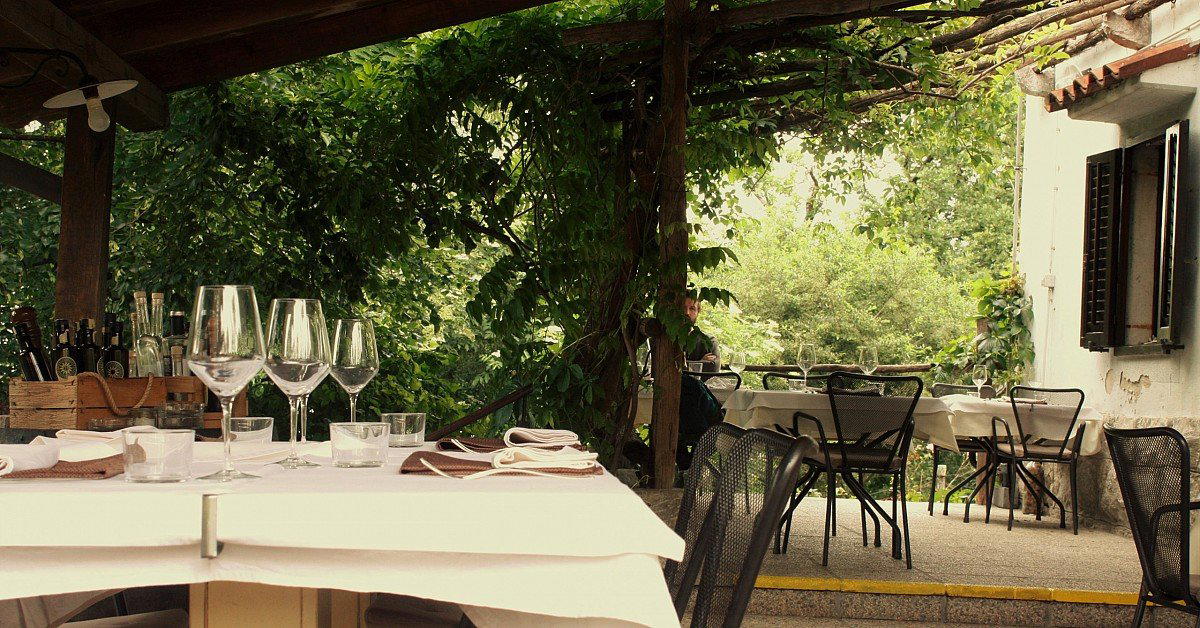
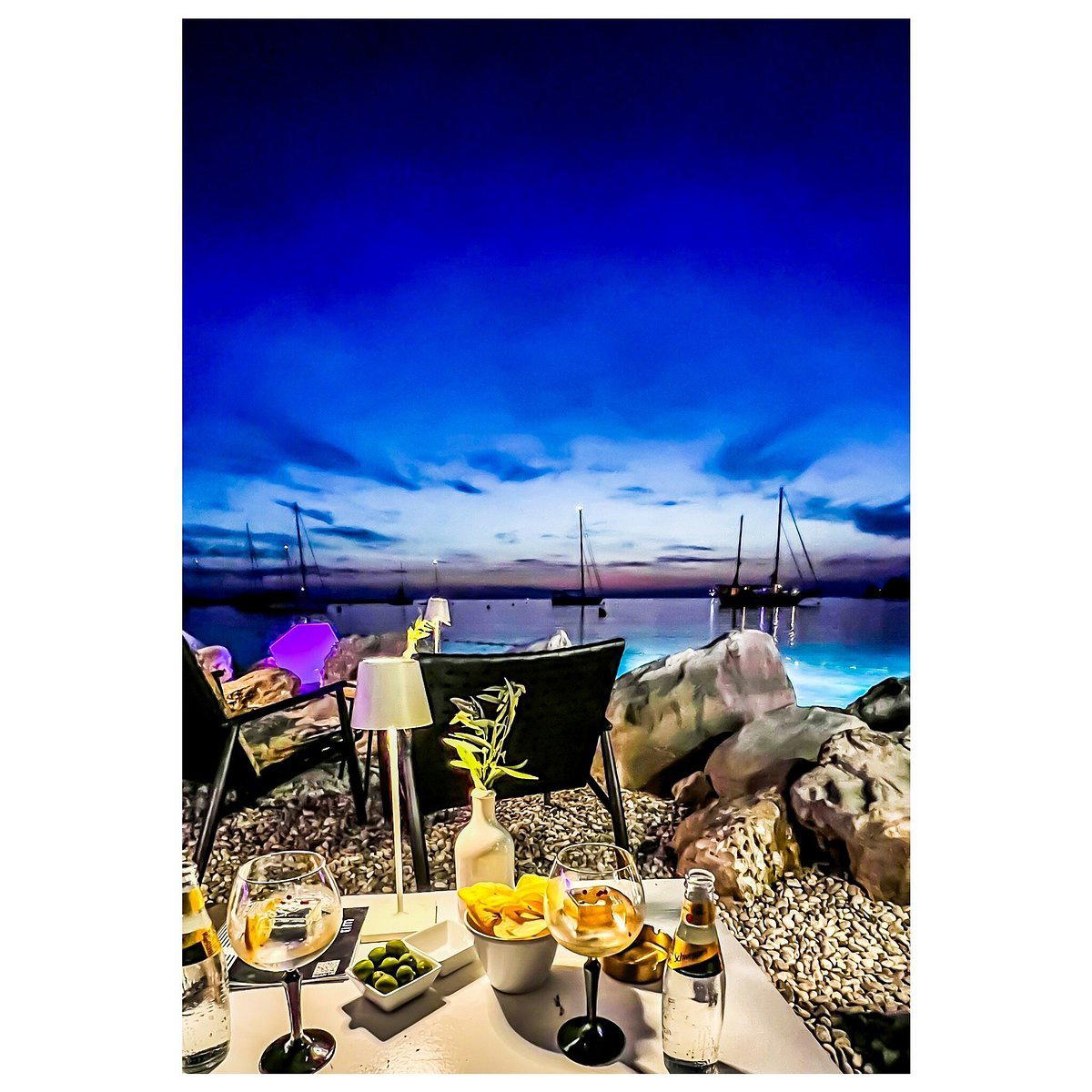
Warm, welcoming family atmosphere blending rustic Karst tradition with modern touches, cozy interior, and shaded garden terrace.