
Opened in May 2024, Bistro Fourrage brings a Paris brasserie sensibility to Storgata in central Oslo, with a French-inspired menu and a wine program that arrived with enough conviction to register quickly on the city's radar. It sits in a different register from Oslo's New Nordic counter-dining rooms, trading tasting-menu ceremony for the more relaxed rhythms of the French bistro tradition.
Pearl is the En Primeur Club membership app — saves, bookings, and concierge access live there. Same editors, same standards.
- Address
- Storgata 97, 0182 Oslo, Norway
- Phone
- +47 92 92 72 85
- Website
- fourrage.no
- Directions
- Get directions
 Saves & bookings on Pearl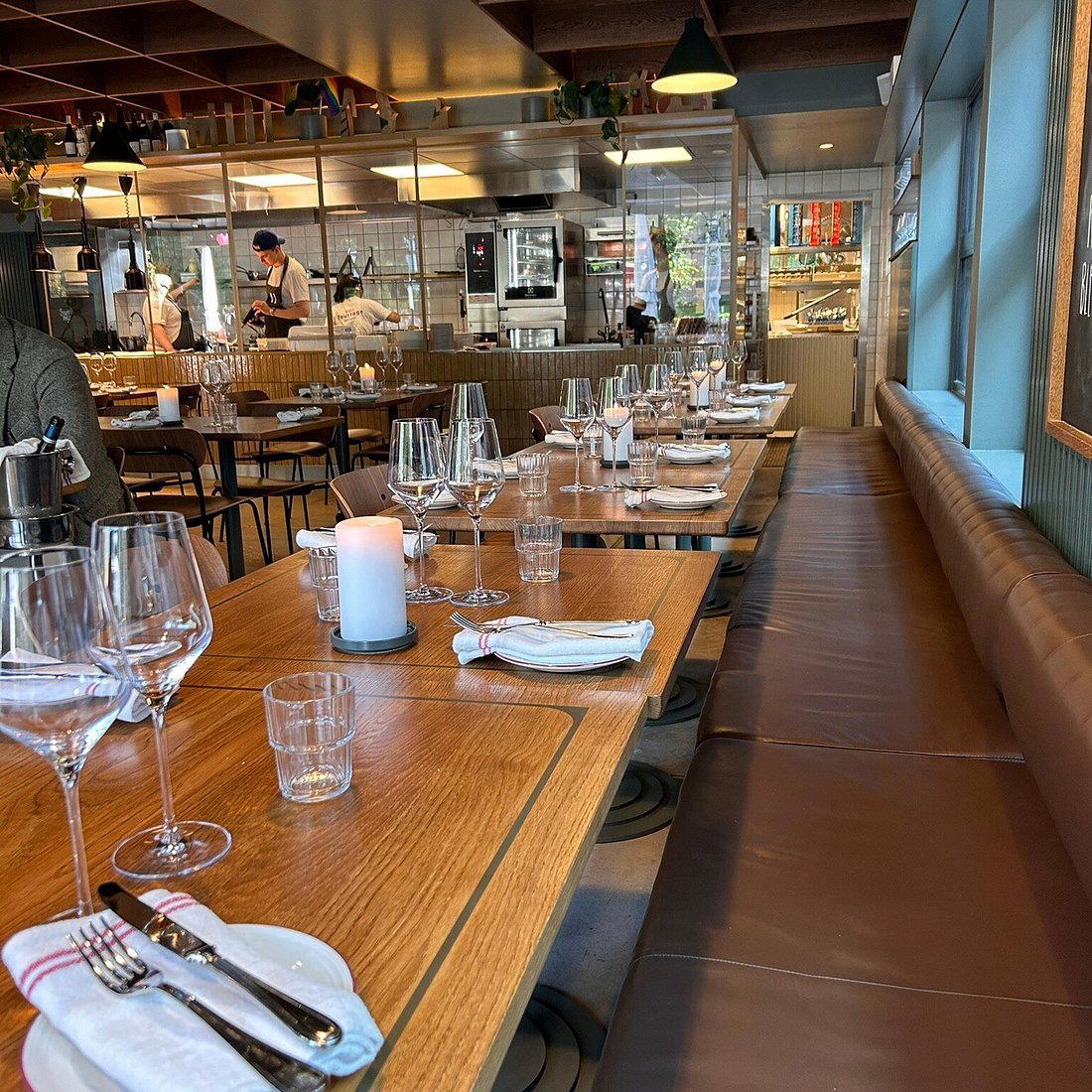
A French Cadence on Storgata
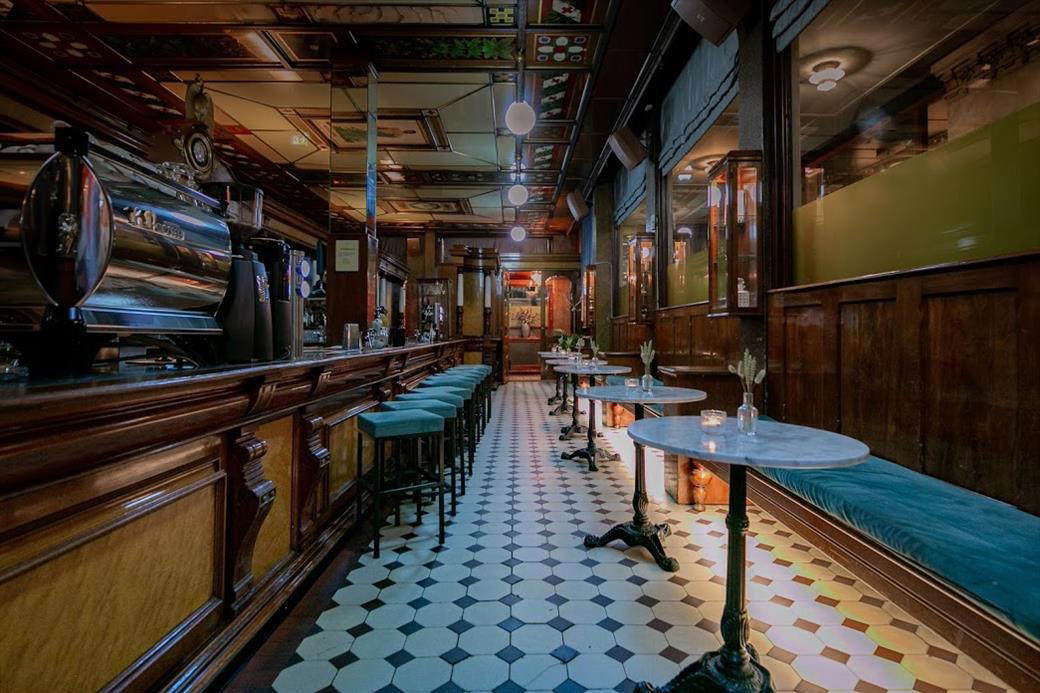
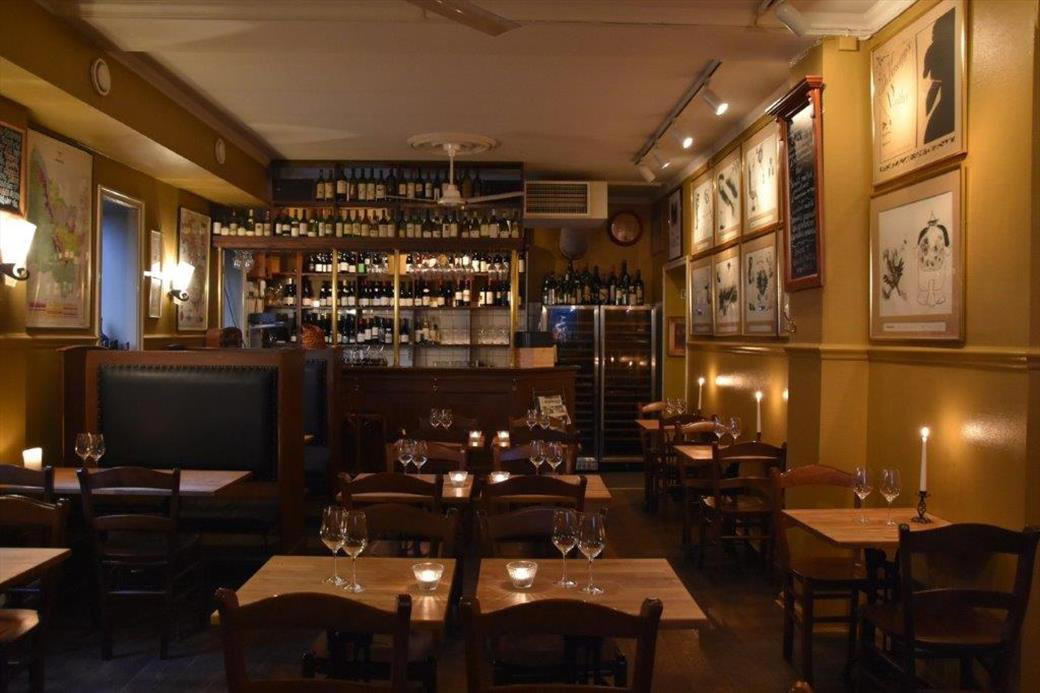
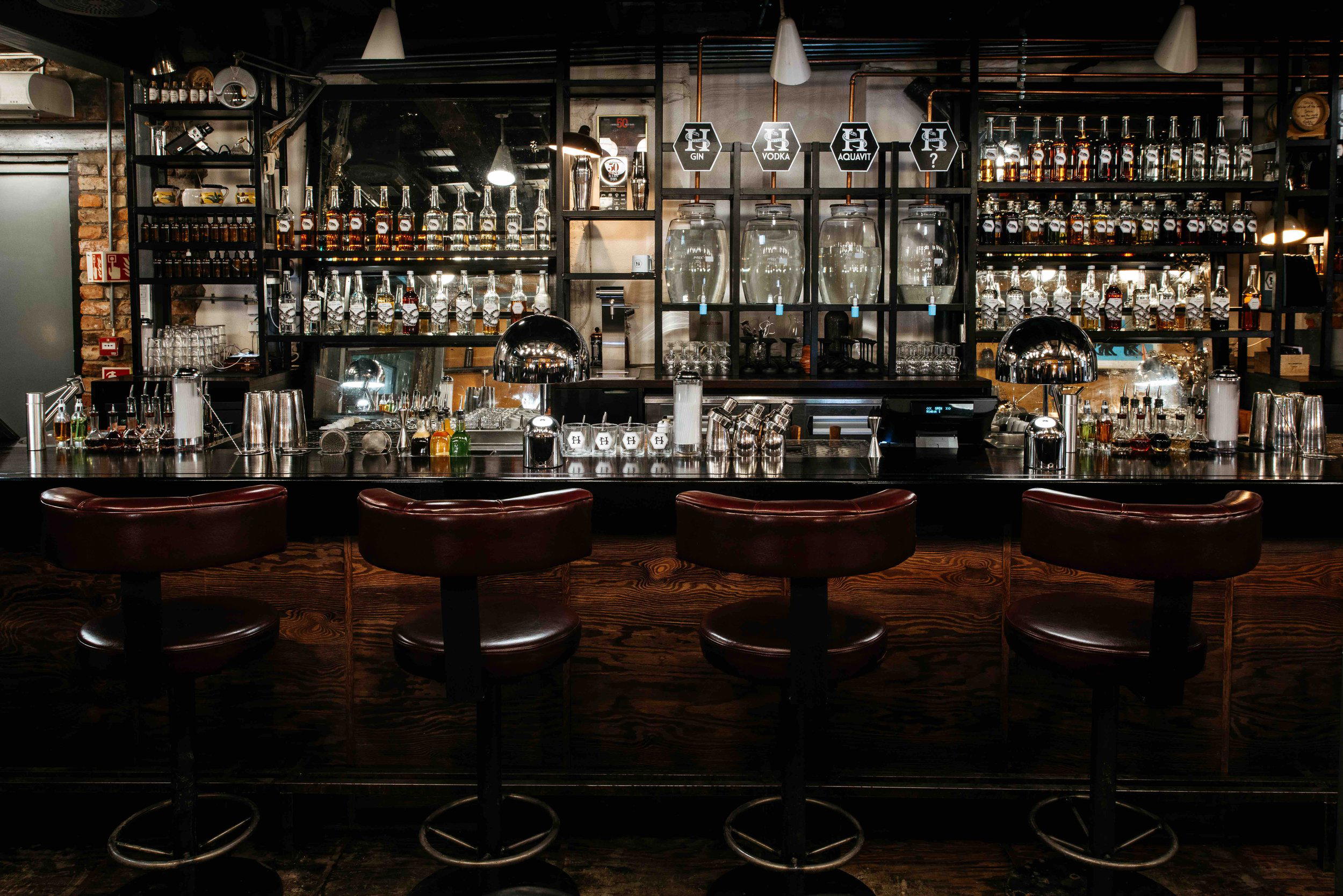
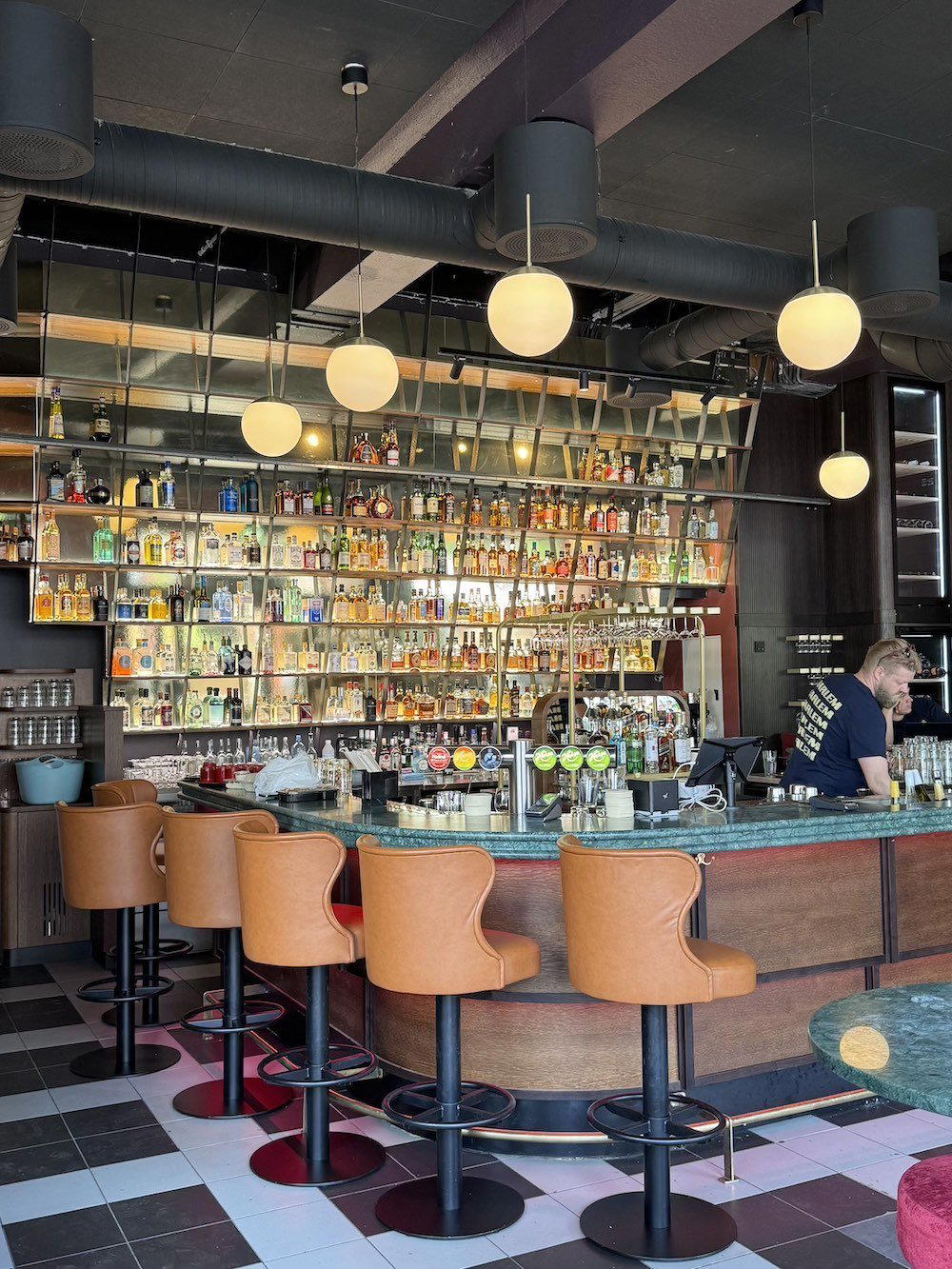
Walk into Bistro Fourrage on Storgata and the references land before you read the menu. The room reads more Paris 11th arrondissement than Grünerløkka neighbourhood bistro: the kind of space where the light is calibrated to make a carafe of natural wine glow amber and where the background noise reaches a comfortable hum without tipping into chaos. Oslo has spent the better part of two decades building a reputation on New Nordic restraint, on hushed counters and foraged ingredient lists that demand concentration. Bistro Fourrage proposes something different, a dining room where the ritual is looser, the mood is set by the bottle on the table rather than the dish on the pass, and the French brasserie grammar is applied with enough seriousness to feel like a position, not a theme.
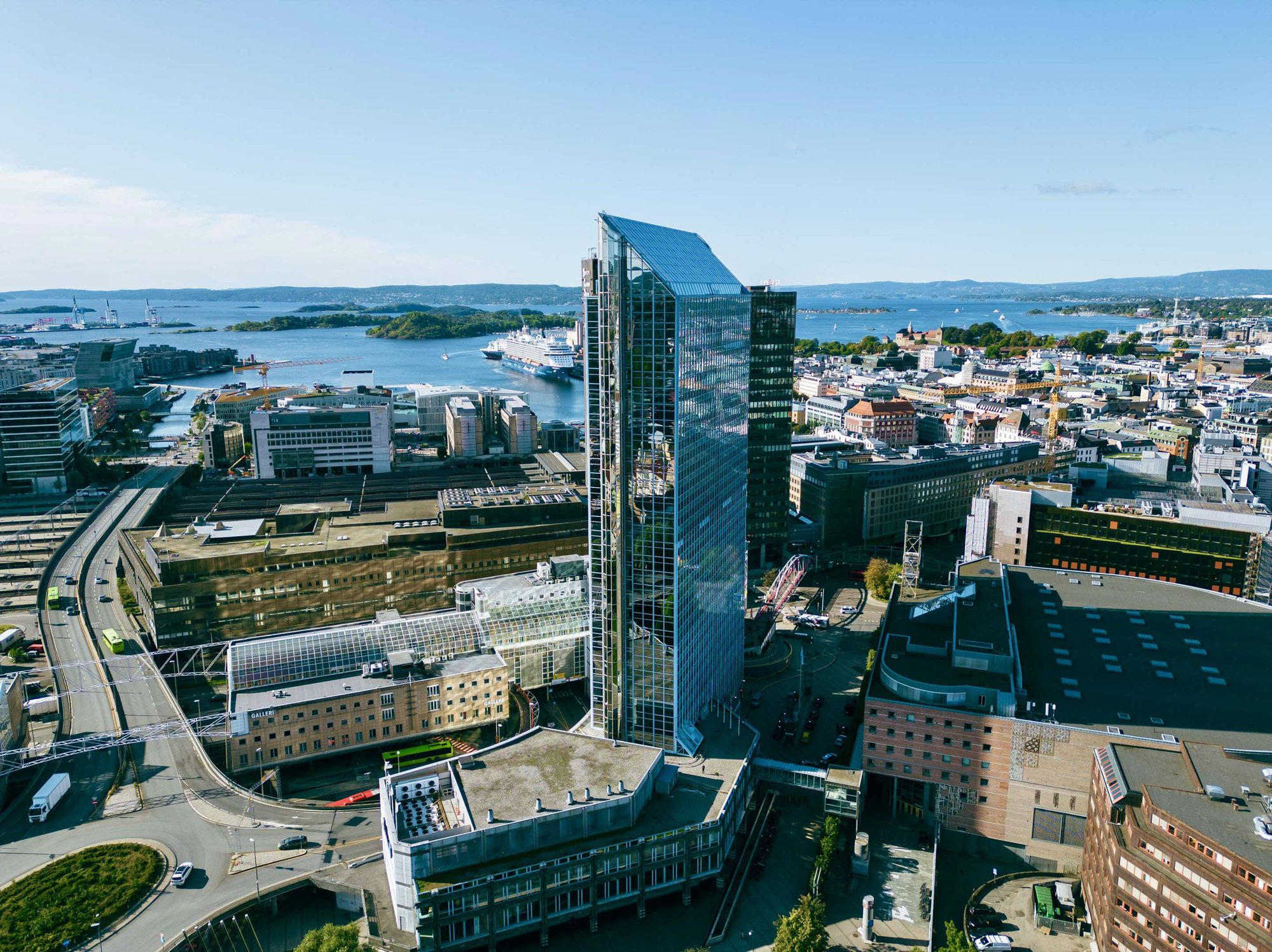
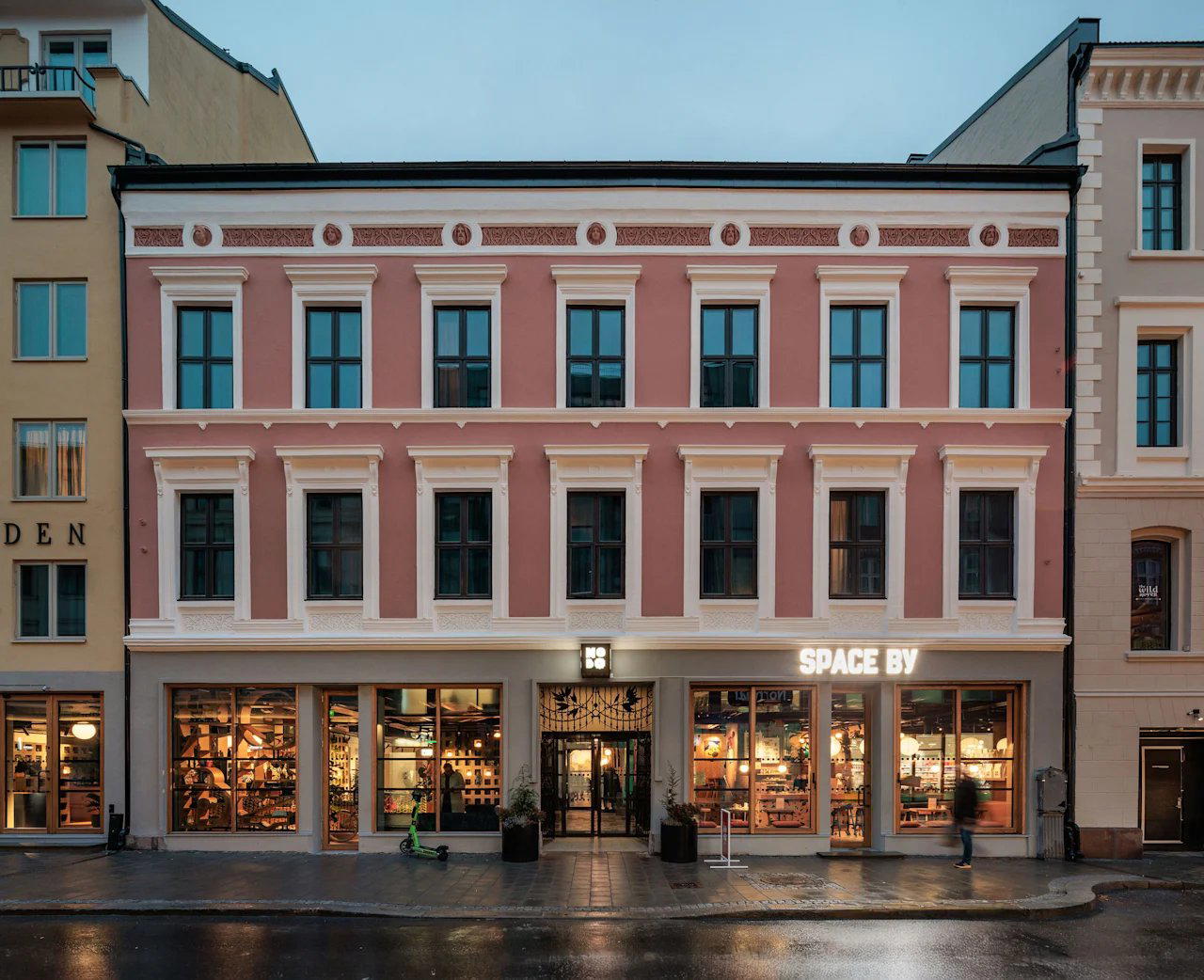
Storgata 97 places it in central Oslo, close to the city centre and well placed for an easy arrival on foot or by public transport. It is not the neighbourhood of Oslo's headline fine-dining rooms, for that, you look toward venues like Maaemo or Kontrast, both operating at the higher-ceremony end of Oslo's dining spectrum with price points and booking lead times to match. Bistro Fourrage is pitched differently: it belongs to the mid-register of Oslo eating, where the conversation flows across the whole table rather than concentrating on the next course.
The Meal as Ritual, French-Style
The French bistro meal has its own liturgy, and it differs substantially from the Scandinavian tasting-menu format that has defined Oslo's international reputation. There is no omakase logic here, no fixed procession of micro-courses that guides the diner from first bite to last. The rhythm is instead one of choice, of small negotiations between guests about what to share and in what order, of a second glass arriving because the conversation warranted it rather than because the wine pairing called for it. That informality is itself a form of discipline, it requires a kitchen confident enough in its output to let the meal find its own pace.
Menu at the restaurant draws on French brasserie conventions with enough specificity to suggest genuine engagement with the tradition rather than surface-level borrowing. Oslo has seen French-adjacent openings before, but the comparison that the kitchen seems to be making is with Paris itself, not with the softer, Scandinavian-inflected European bistro that became common across the city in the 2010s. That is a harder comparison to sustain, and it is the one that gives the restaurant its particular tension. Mon Oncle occupies a related space in Oslo's French-leaning category, and the two venues serve as useful reference points for understanding how the city's appetite for continental European dining has evolved beyond the brasserie-as-occasion-restaurant model.
The venue opened in May 2024 specifically flagged as a wine scene addition, not a restaurant that also serves wine, but a place where the wine list is part of the editorial point. In the French bistro tradition, this is correct: the bottle precedes the menu, shapes what you order, and often determines how long you stay. Oslo's bar and natural wine scene has matured considerably, with venues like Bar Amour and Hot Shop establishing that the city's drinkers are prepared to engage seriously with producer-driven lists. The restaurant enters that conversation from the bistro side of the table.
Where It Sits in the Oslo Dining Picture
Oslo's restaurant scene in 2024 and 2025 is navigating a tension between its international identity as a New Nordic capital and the everyday eating preferences of a city that, like most European cities, wants reliable neighbourhood options as much as it wants destination restaurants. The fine-dining tier is well mapped: Maaemo and Kontrast at the leading, with several European-trained kitchens operating in the tier below. The more interesting development is in the mid-register, where independently run rooms with clear culinary points of view are opening without the aspiration to become destination restaurants in the conventional sense.
The restaurant, less than a year after opening, has registered quickly enough to be noted as part of the wine scene rather than simply filed under French restaurants. That positioning matters. It suggests the venue is being received as a place with a perspective on how to drink and eat together, rather than as a kitchen that happens to have a list. For Oslo diners already familiar with the French brasserie format from travel, or from the handful of Paris-aligned rooms that have operated in the city for years, it offers a reference point that feels current rather than nostalgic. Norway's broader restaurant geography is worth knowing for context: the country's serious fine-dining rooms are distributed across multiple cities, from RE-NAA in Stavanger and FAGN in Trondheim to Gaptrast in Bergen, Iris in Rosendal, Under in Lindesnes, and Boen Gård in Tveit. Oslo's contribution to that map has leaned heavily on Nordic-focused kitchens, which makes a venue committed to French brasserie logic a genuine alternative within the capital rather than a redundant entry.
The comparison to a Paris brasserie rather than a bistro, noted in the venue's own framing, signals an ambition of scale and attitude rather than intimacy. The brasserie format implies a broader menu, a higher noise level, and a certain democratic energy that the tasting-menu room deliberately refuses. Whether the restaurant sustains that energy as it moves out of its opening phase is the question that the next twelve months will answer.
Planning a Visit
The restaurant is located at Storgata 97 in central Oslo. Booking is recommended, especially for weekend evenings.
- Steak Tartare
- Entrecôte
- Sole Meunière
- Profiteroles
- Croque Fourrage
- Rilettes de la Maison
What It’s Closest To
Comparable venues nearby, for context on price, style, and recognition.
| Venue | Cuisine | Price | Notes |
|---|---|---|---|
| Bistro FourrageThis venue — the venue you are viewing | Classic French Bistro | $$ | Not listed |
| Villa Heftye | French-Norwegian Bistro with Seasonal Nordic Ingredients | $$$$ | Filipstad |
| Brasserie Rivoli | French Brasserie with Norwegian influences | $$$ | Vaterland |
| Posthallen Drinkhub | Bar Snacks and Cocktails | $$ | St. Hanshaugen |
| Rest | Dining | Not listed | Oslo |
| Grotto | French Bistro | $$$ | Homans Byen |
Recognition history
Dated appearances from independent guides and award organizations, with the underlying list record or original source where available.
Star Wine List
Star Wine List
Continue exploring
More in Oslo
Bars in Oslo
Browse all →
At a Glance
- Modern
- Romantic
- Lively
- Date Night
- Group Dining
- Special Occasion
- Open Kitchen
- Standalone
- Sommelier Led
- Local Sourcing
Current opening hours
- Monday
- 4–11 PM
- Tuesday
- 4–11 PM
- Wednesday
- 4–11 PM
- Thursday
- 4–11 PM
- Friday
- 4–11 PM
- Saturday
- 2–11 PM
- Sunday
- Closed
Hours can change for holidays and private events. Last verified .
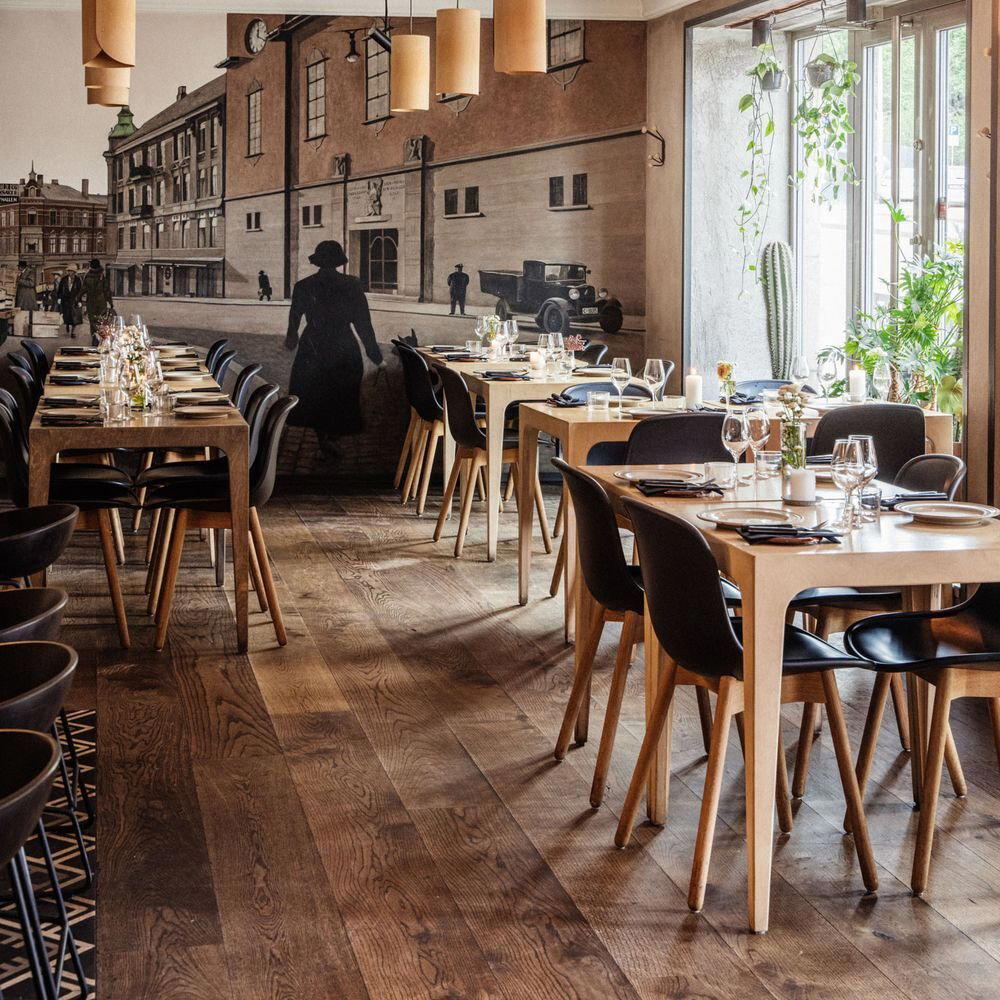
Modern industrial aesthetic with concrete walls and open spaces; bright and contemporary with visible kitchen; high noise level from lively atmosphere on weekend evenings.