In a mid-sized São Paulo state city not typically associated with Japanese cuisine, Hiro's Japanese Food occupies a fixed address in Jardim America that signals staying power rather than trend-chasing. Bauru's Japanese community has deeper roots than many visitors assume, and restaurants like Hiro's are part of that long-settled presence. For Japanese food outside the São Paulo axis, it represents a practical and culturally grounded option.
Pearl is the En Primeur Club membership app — saves, bookings, and concierge access live there. Same editors, same standards.
- Address
- R. Dr. José Maria Rodrigues Costa, 348 - Jardim America, Bauru - SP, 17017-331, Brazil
- Phone
- +5514991583939
- Website
- hirosbauru.com.br
- Directions
- Get directions
 Saves & bookings on Pearl
Japanese Food in Brazil's Interior: The Scene Hiro's Inhabits
Brazil holds the largest Japanese diaspora population outside Japan, a fact that shapes the country's restaurant geography in ways that extend well beyond São Paulo's Liberdade district. Cities across the interior of São Paulo state developed Japanese communities through early twentieth-century agricultural migration, and that settlement history created local demand for Japanese food that predates the cuisine's fashionable moment in Brazilian fine dining. Bauru, a commercial hub of roughly 380,000 people in the central-west of São Paulo state, is part of that pattern. Hiro's Japanese Food, located at R. Dr. José Maria Rodrigues Costa, 348 in the Jardim America neighbourhood, operates within this longer tradition rather than as a response to any recent trend.
That distinction matters when assessing what interior-city Japanese restaurants in Brazil are actually doing. While São Paulo's upper-end Japanese omakase scene has moved toward Michelin-adjacent pricing and imported Japanese produce, venues like D.O.M. in São Paulo represent the benchmark for ingredient-sourced precision at that level, regional restaurants have historically built their identity around what can be sourced locally and prepared consistently for a regular clientele. The questions worth asking of any Japanese restaurant in a city like Bauru are different from those you'd ask in Liberdade: Is the rice cooked with the care its role demands? Does the fish programme reflect honest procurement rather than inflated claims? Is the kitchen working within its actual supply chain rather than pretending otherwise?
Ingredient Geography: What Sourcing Looks Like Outside São Paulo
The ingredient sourcing question is where Japanese food in Brazil's interior reveals its real character. São Paulo state's Japanese agricultural legacy means that some ingredients, certain vegetables, specialty rice varieties, and even some farmed fish, have regional production histories that can support a local kitchen without dependency on air freight from the capital. Bauru's position along major SP-state road and logistics corridors means access to São Paulo city produce markets is more practical than it would be from more remote interior cities. A restaurant operating at this address for long enough to build a neighbourhood following has necessarily developed relationships with suppliers that reflect this geography.
This is the sourcing context that separates Japanese restaurants in cities like Bauru from either end of the spectrum: they are neither working with the imported Hokkaido scallops and aged bluefin that define São Paulo's premium omakase tier, nor are they relying on generic frozen inputs that characterise casual delivery-only operations. The middle register, done well, means fresh farmed salmon, competent local produce, and sauces built from pantry staples that have been part of Brazilian-Japanese cooking for generations. For comparison, Kampeki Sushi in Canoas represents a similar mid-sized Brazilian city approach to Japanese food, where regional sourcing and a stable local clientele define the operating model more than any single headline ingredient.
Jardim America and the Neighbourhood Context
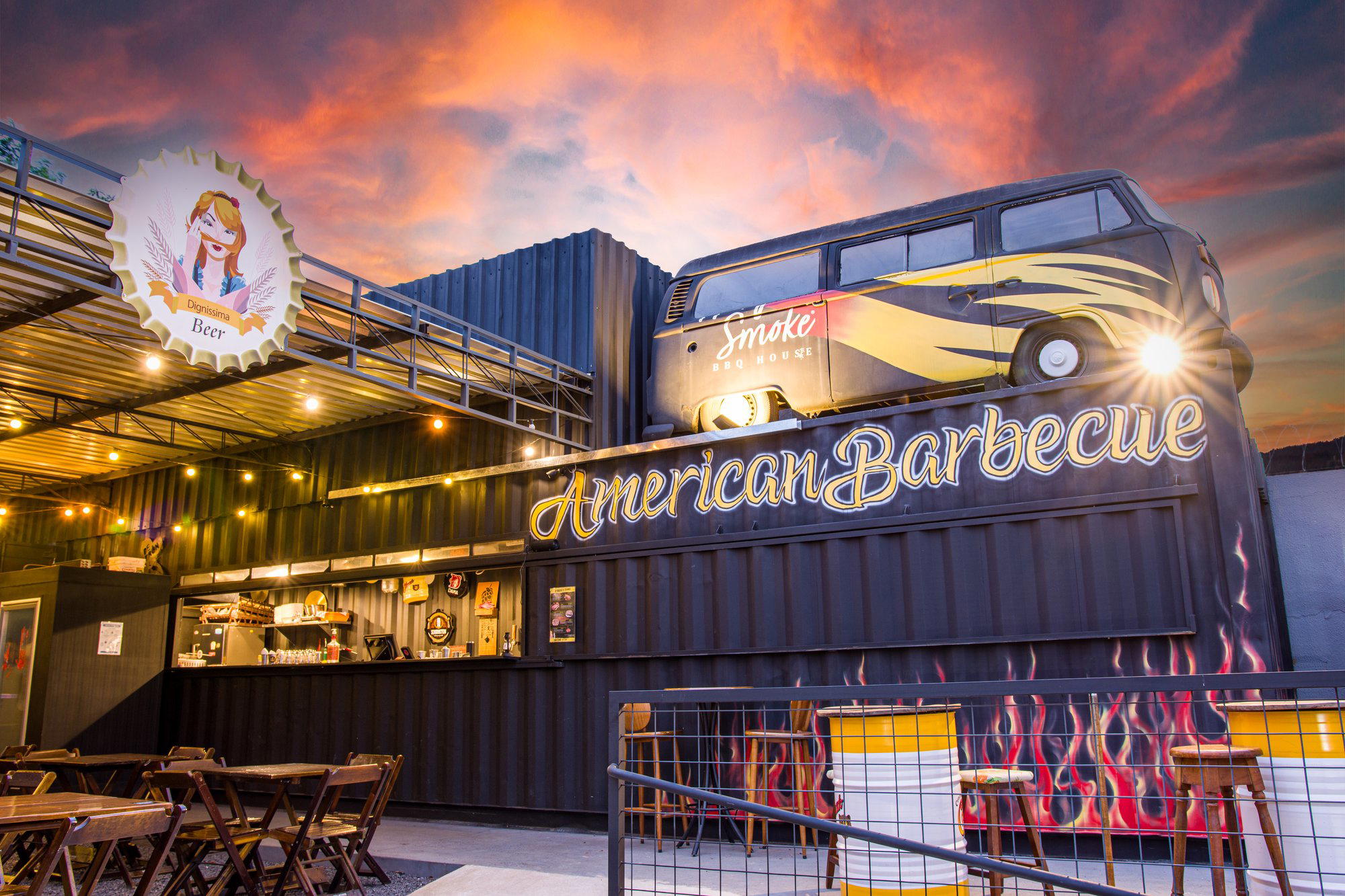
Jardim America is a residential district in Bauru, the kind of neighbourhood where a restaurant's longevity depends on repeat custom from nearby residents and workers rather than destination dining from outside the city. This shapes the format and price positioning of restaurants in the area more than any explicit culinary decision. Among Bauru's restaurant options covered in our full Bauru restaurants guide, the city's dining scene includes options across formats: Bistrô Vila Graziella offers a more European-influenced bistro approach, while Dignissima Beer & Smoke anchors the city's casual grilled-meat and beer end of the market. The Leading Açaí on Av. Getúlio Vargas covers the lighter, snack-format segment. Hiro's sits in a distinct lane from all three: the only cuisine type in this local set that connects Bauru to Brazil's Japanese agricultural and culinary inheritance.
Restaurants serving specialty cuisines in residential Bauru neighbourhoods tend to attract a mix of Japanese-Brazilian families maintaining food traditions and broader local residents for whom Japanese food has become a regular rather than occasional choice. That dual audience, present in most Brazilian interior cities with Japanese community roots, creates a different calibration of the menu than you'd find at a tourist-facing restaurant or a prestige-signalling city-centre destination.
How Bauru Fits the Wider Brazilian Regional Dining Pattern
Brazilian regional dining has developed significant depth in cities outside the Rio-São Paulo axis, a point that the country's own food media has been slow to acknowledge. Restaurants like Cantina Pozzobon in Santa Maria and Bistro Fitz Carraldo in Manaus illustrate how regional cities develop their own coherent dining cultures shaped by local immigration history and supply geography. Casa da Flor Restaurante in Dourados and Casa da Dika Restô e Eventos in Bragança follow a comparable pattern in their respective cities. In each case, the restaurant's identity is tied to its specific geographic and demographic context rather than to a national or international fine-dining template.
Hiro's fits that pattern for Japanese food in Bauru. Its address in Jardim America, rather than in the city's commercial centre, places it closer to a neighbourhood staple than a dining event. That positioning is not a limitation; it is a reasonable response to the actual demand structure in a mid-sized Brazilian city. For reference, Aero Burguer e Grill in Santa Cruz do Sul and Famosa Pizza in Ribeirao Preto occupy equivalent positions in their respective local dining ecosystems: not destination restaurants by national standards, but grounded and functional within their communities. At a different scale entirely, Le Bernardin in New York City and Atomix in New York City represent the category ceiling for Japanese-influenced and seafood-forward cuisine, a useful frame for understanding how much range exists within any single cuisine type across different city contexts.
Planning a Visit
Hiro's Japanese Food is located at R. Dr. José Maria Rodrigues Costa, 348, Jardim America, Bauru, São Paulo state, with the postcode 17017-331. As with most neighbourhood Japanese restaurants in Brazilian interior cities, visiting in person or contacting locally to confirm current hours and reservation availability is one reliable approach, as this category of restaurant typically operates without a maintained web presence. Parking in Jardim America is generally available on surrounding streets.
In Context: Similar Options
Comparable venues nearby, for context on price, style, and recognition.
| Venue | Cuisine | Price | Notes |
|---|---|---|---|
| Hiro's Japanese FoodThis venue — the venue you are viewing | Traditional Japanese | $$ | Not listed |
| Dignissima Beer & Smoke | Brazilian Pub & Grill | $$ | Nossa Senhora de Fátima |
| Bistrô Vila Graziella | Traditional Portuguese Bistro | $$ | Vila Nova Cidade |
| The Best Açaí - Av. Getúlio Vargas 5-65 | Brazilian Açaí Bowls & Smoothies | $ | Av. Getúlio Vargas |
| KyodoTemaki House - Osasco | Japanese Temaki House | $$ | Vila Campesina |
| Calzone | Italian | $$ | Centro |
Continue exploring
More in Bauru
At a Glance
- Cozy
- Intimate
- Date Night
- Special Occasion
- Sake Program
Current opening hours
- Monday
- 6:30–10:30 PM
- Tuesday
- 6:30–10:30 PM
- Wednesday
- 6:30–10:30 PM
- Thursday
- 6:30–10:30 PM
- Friday
- 6:30–11 PM
- Saturday
- 6:30–11 PM
- Sunday
- Closed
Hours can change for holidays and private events. Last verified .
Aconchegante (cozy) reserved space that remete à cultura oriental em todos os detalhes.