The Best Açaí - Av. Getúlio Vargas 5-65 serves Brazilian açaí bowls and smoothies on Av. Getúlio Vargas, with counter service for a quick bite.
Pearl is the En Primeur Club membership app — saves, bookings, and concierge access live there. Same editors, same standards.
- Address
- Av. Getúlio Vargas, 5-65 - Vila Guedes de Azevedo, Bauru - SP, 17017-000, Brazil
- Phone
- +5514991674945
- Website
- pedido.anota.ai
- Directions
- Get directions
 Saves & bookings on Pearl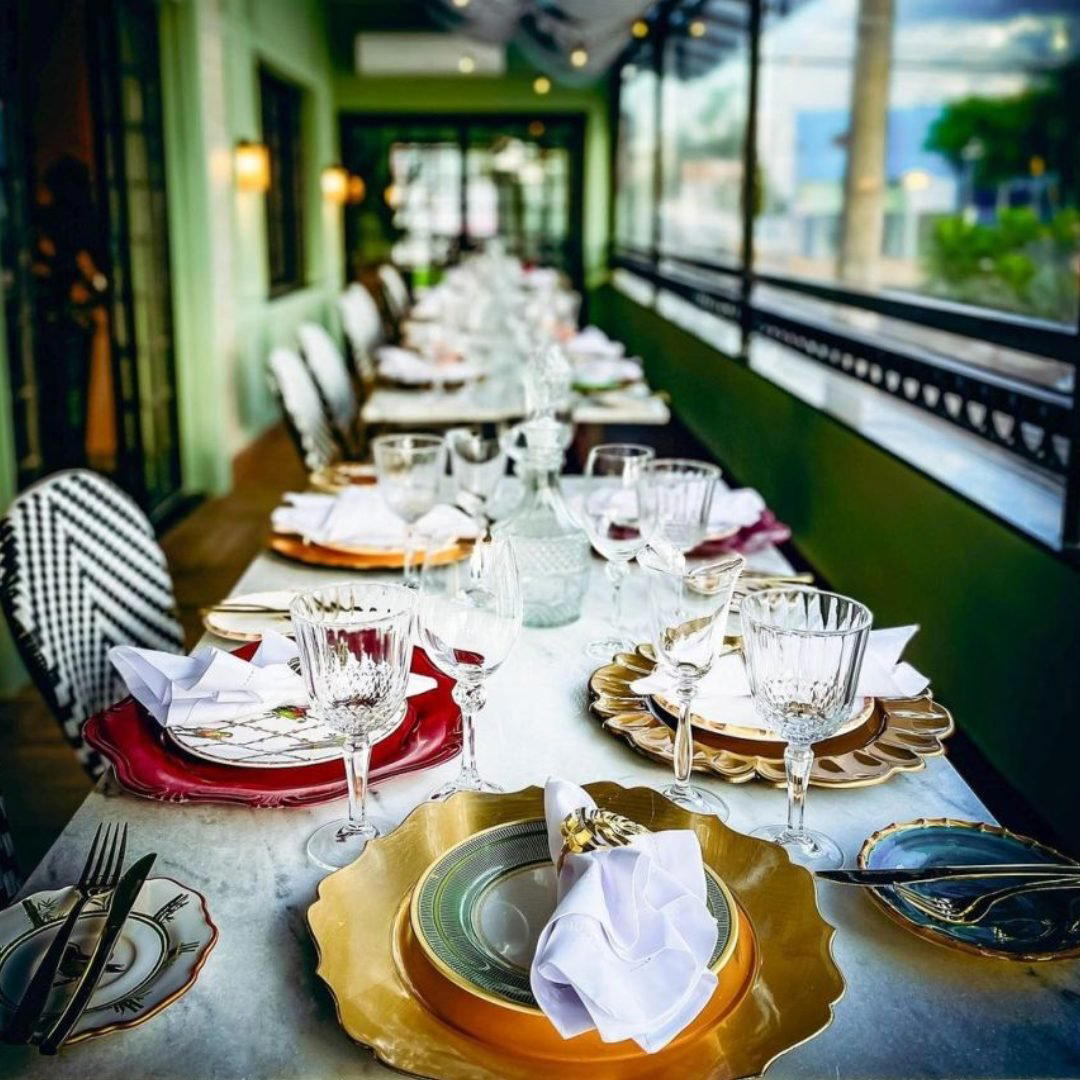
Açaí in the Interior: What Bauru's Street-Level Fruit Counters Reveal About Brazilian Eating Habits
On Avenida Getúlio Vargas, one of Bauru's main commercial arteries, the rhythm of the street is punctuated by the hum of blenders and the faint sweetness of frozen fruit being churned into bowls. The açaí counter has become among the more legible food formats in Brazilian cities of every size, from coastal capitals to interior São Paulo, and The Leading Açaí at number 5-65 occupies a position in that local fabric that is worth understanding in context rather than isolation.
Brazil's açaí culture did not originate in trendy juice bars. It traces directly to the Amazon estuary, where the fruit of the Euterpe oleracea palm has been a caloric staple for riverine communities for centuries. The transformation of açaí from a regional subsistence food into a nationally standardised snack format is one of the more significant shifts in Brazilian food retail over the past three decades. What arrives in a bowl at a Bauru counter begins its journey in Pará or Amazonas, frozen within hours of harvest to preserve the antioxidant density and fat content that make the berry nutritionally distinctive. The cold chain that links Amazonian producers to interior São Paulo outlets is the invisible infrastructure behind every bowl served on this street.
Ingredient Sourcing and the Açaí Supply Chain
The quality gap between açaí counters in Brazil is almost entirely a sourcing and processing question. The berry itself is highly perishable in its raw form, which is why the industry standardised around frozen pulp early. Premium operators distinguish themselves by sourcing single-origin frozen pulp from certified producers in the Amazon basin rather than blended commodity product, and by controlling the temperature of their cold storage carefully enough to prevent oxidation that dulls the fruit's characteristic dark-purple intensity.
In a city like Bauru, situated well inland in São Paulo state, the distance from origin makes sourcing decisions even more consequential. The flavour difference between well-sourced frozen pulp and cheaper blended alternatives is substantial: properly handled açaí carries a noticeable earthiness alongside the fruit's mild bitterness, which is what gives a well-made bowl its depth. Counter formats that mask the fruit entirely with guaraná syrup and sweetened toppings are usually compensating for lower-grade pulp. The better operations in cities across Brazil's interior let the base fruit speak, using toppings like granola, banana, and honey as texture and balance rather than flavour correction.
This sourcing dynamic positions açaí counters within a broader pattern visible across Brazilian food retail: the tension between commodity-scale efficiency and ingredient fidelity. At the high end of the national restaurant spectrum, operations like D.O.M. in São Paulo and Lasai in Rio de Janeiro have made Amazonian ingredient sourcing a centrepiece of fine-dining identity. The same logic, stripped of ceremony, applies to the street-level bowl.
Bauru's Food Scene and Where Açaí Sits Within It
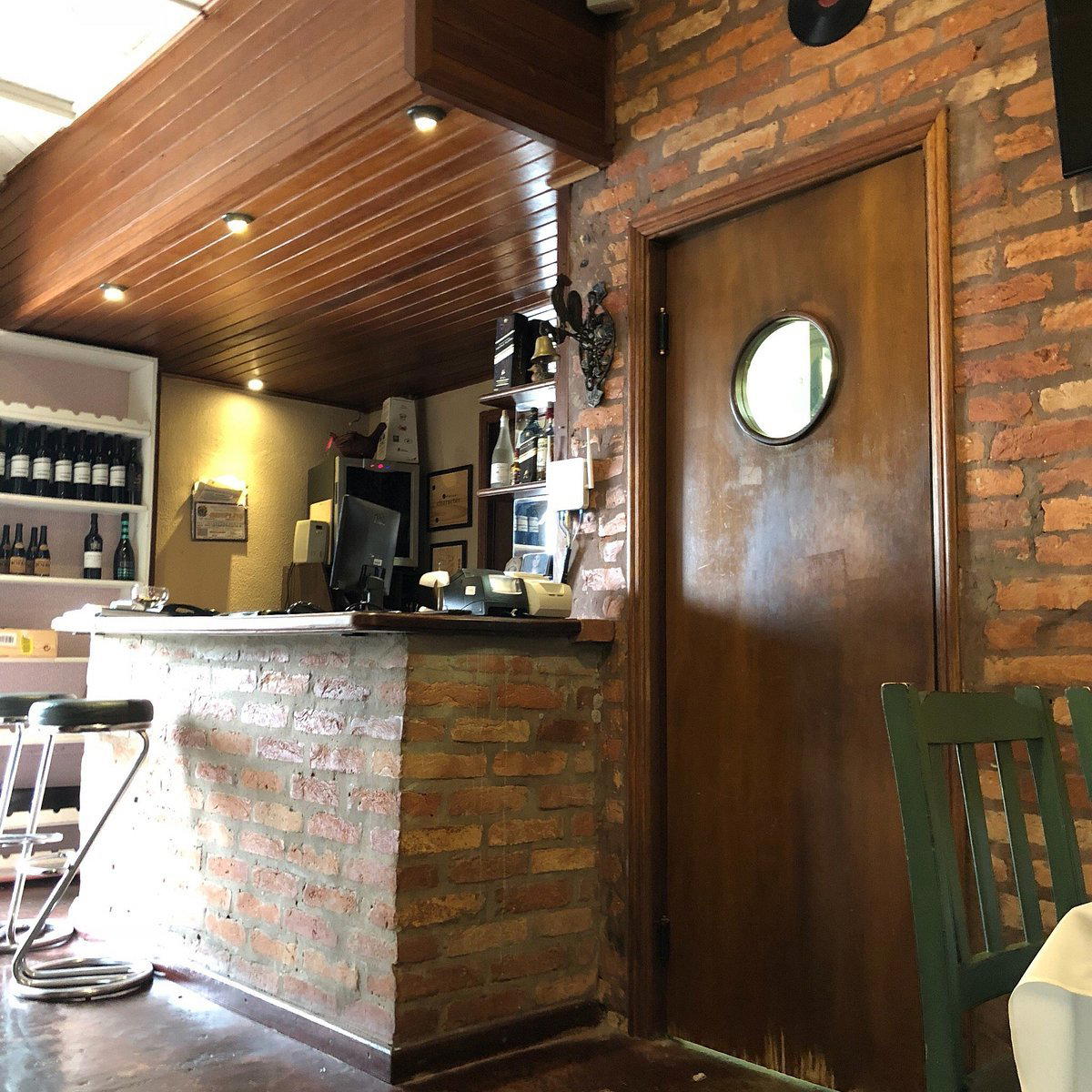
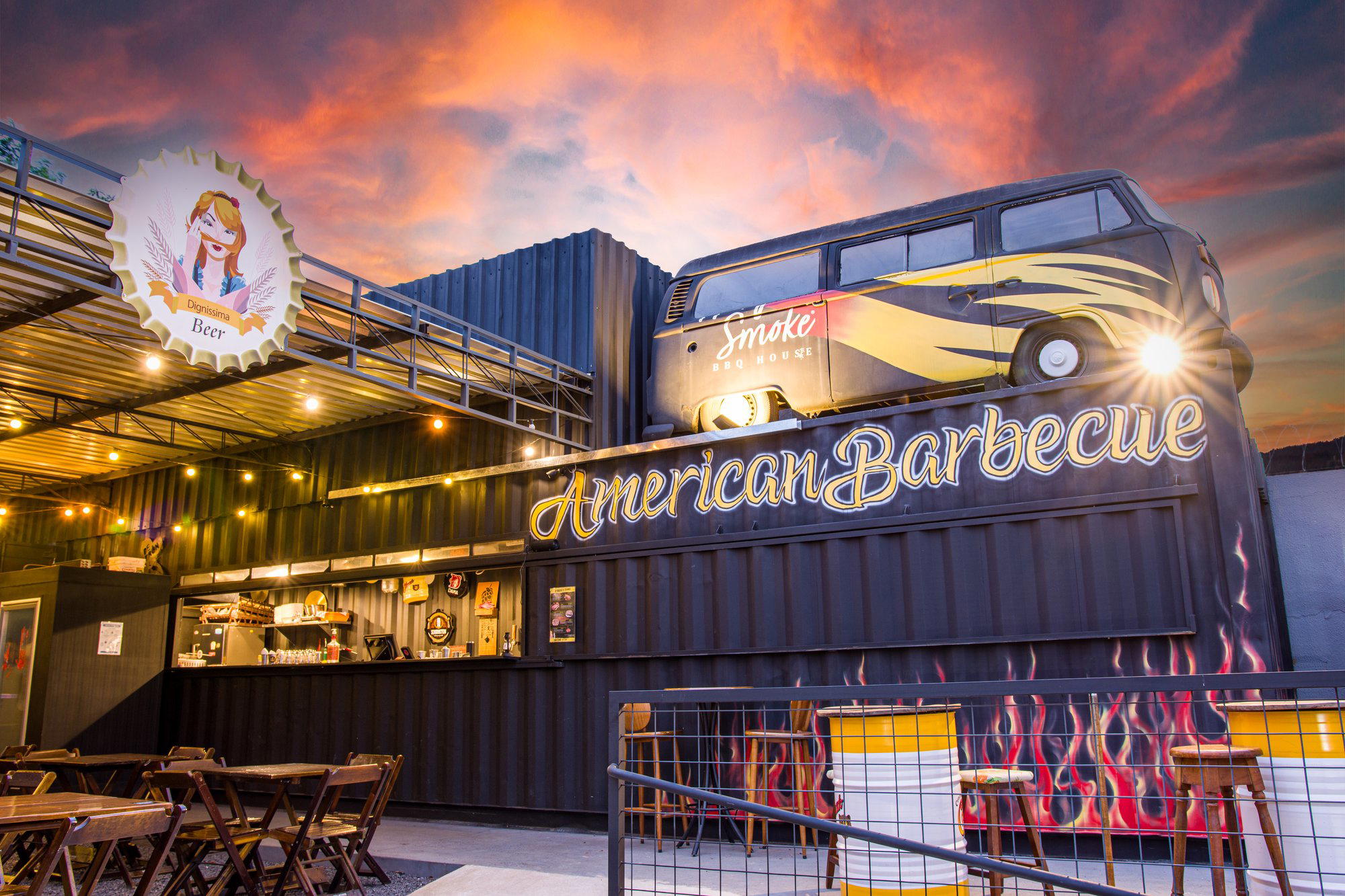
Bauru is a mid-sized city of roughly 380,000 people whose food identity is, nationally, almost entirely defined by one thing: the Bauru sandwich, a hot pressed roll filled with roast beef, tomato, pickled cucumber, and melted cheese, which has been a Brazilian standard since the early twentieth century. That civic food pride coexists with a restaurant scene that has diversified considerably, ranging from neighbourhood bistros like Bistrô Vila Graziella to specialty smoke-and-beer formats at Dignissima Beer and Smoke and Japanese food counters such as Hiro's Japanese Food.
Within that scene, the açaí counter occupies a specific, unglamorous, and genuinely useful niche: affordable nutrition, fast service, and a format that works for the midday heat that defines São Paulo state's interior for much of the year. It is a category that skews toward students, athletes, and office workers rather than evening diners, and its geographic logic follows foot traffic on commercial avenues rather than restaurant clusters. Avenida Getúlio Vargas is precisely the kind of high-footfall artery where this format thrives.
Format, Atmosphere, and What to Expect
The physical environment of an açaí counter on a busy commercial avenue is defined by speed and utility. These are not sit-down operations in the restaurant sense. The counter, the freezer display, the printed menu board, and a queue that moves quickly form the entire customer-facing experience. The atmosphere is street-level Brazilian commerce: functional, social in a passing way, and calibrated to throughput rather than lingering. Families with children are a standard part of the customer mix at this type of venue, and the format is structured to accommodate quick decisions and minimal wait time.
The sensory register is equally direct. The cold of a freshly blended bowl against the afternoon heat of an inland São Paulo street is the central experience, and the contrast is the point. Comparing this to the careful plating of a venue like Le Bernardin in New York City or the precision tasting formats at Atomix would misread what the format is doing entirely. The açaí counter competes on different terms: consistency, value, and the reliable pleasure of a well-handled frozen fruit preparation.
Across Brazil's interior, similar counters appear in cities with comparable commercial patterns, from Ribeirao Preto to Passo Fundo, each embedded in the same logic of accessible daily nutrition.
Planning a Visit
The Avenida Getúlio Vargas location places the counter in Vila Guedes de Azevedo, accessible from Bauru's central commercial zone. The walk-in format means no booking is required or expected; the queue, where one exists, moves at counter speed. Pricing at this category of venue in Brazilian interior cities is calibrated to everyday consumption rather than occasion spending, which makes it accessible across a wide range of budgets. Visitors arriving from other parts of Brazil or from abroad who want to understand local eating patterns at their most direct would do well to use a stop here as a data point alongside more formal meals.
For context on how other Brazilian cities handle street-level and casual dining, see our coverage of venues including Bistro Fitz Carraldo in Manaus, Camarões Potiguar in Natal, Cantina Pozzobon in Santa Maria, Casa da Dika in Bragança, Casa da Flor in Dourados, Casa da Picanha Penedo in Itatiaia, Arte e Café Imperial in Angra dos Reis, and Aero Burguer e Grill in Santa Cruz do Sul.
Fast Comparison
Comparable venues nearby, for context on price, style, and recognition.
| Venue | Cuisine | Price | Notes |
|---|---|---|---|
| The Best Açaí - Av. Getúlio Vargas 5-65This venue — the venue you are viewing | Brazilian Açaí Bowls & Smoothies | $ | Not listed |
| Dignissima Beer & Smoke | Brazilian Pub & Grill | $$ | Nossa Senhora de Fátima |
| Bistrô Vila Graziella | Traditional Portuguese Bistro | $$ | Vila Nova Cidade |
| Hiro's Japanese Food | Traditional Japanese | $$ | Jardim America |
| Anderam Esfiharia | Brazilian Esfiha Restaurant | $$ | Jardim Pires I |
| Must Restaurant & Bar | Modern Brazilian with Indigenous Flavors | $$$ | Belem |
Continue exploring
More in Bauru
At a Glance
- Casual
- Trendy
- Casual Hangout
- Solo
- After Work
Current opening hours
- Monday
- 12–10:30 PM
- Tuesday
- 12–10:30 PM
- Wednesday
- 12–6 PM
- Thursday
- 12–10:30 PM
- Friday
- 12–10:30 PM
- Saturday
- 12–11:30 PM
- Sunday
- 12–11:30 PM
Hours can change for holidays and private events. Last verified .
Casual, bright, and energetic street-level venue typical of Brazilian açaí kiosks and casual eateries.