Leitenbauer Delikatessen is an Austrian Sausage Deli on Neubaugasse in Vienna, with local sourcing, counter service, and a quick-bite lunch format.
Pearl is the En Primeur Club membership app — saves, bookings, and concierge access live there. Same editors, same standards.
- Address
- Neubaugasse 71, 1070 Wien, Austria
- Phone
- +434319614070
- Website
- leitenbauer.wien
- Directions
- Get directions
 Saves & bookings on Pearl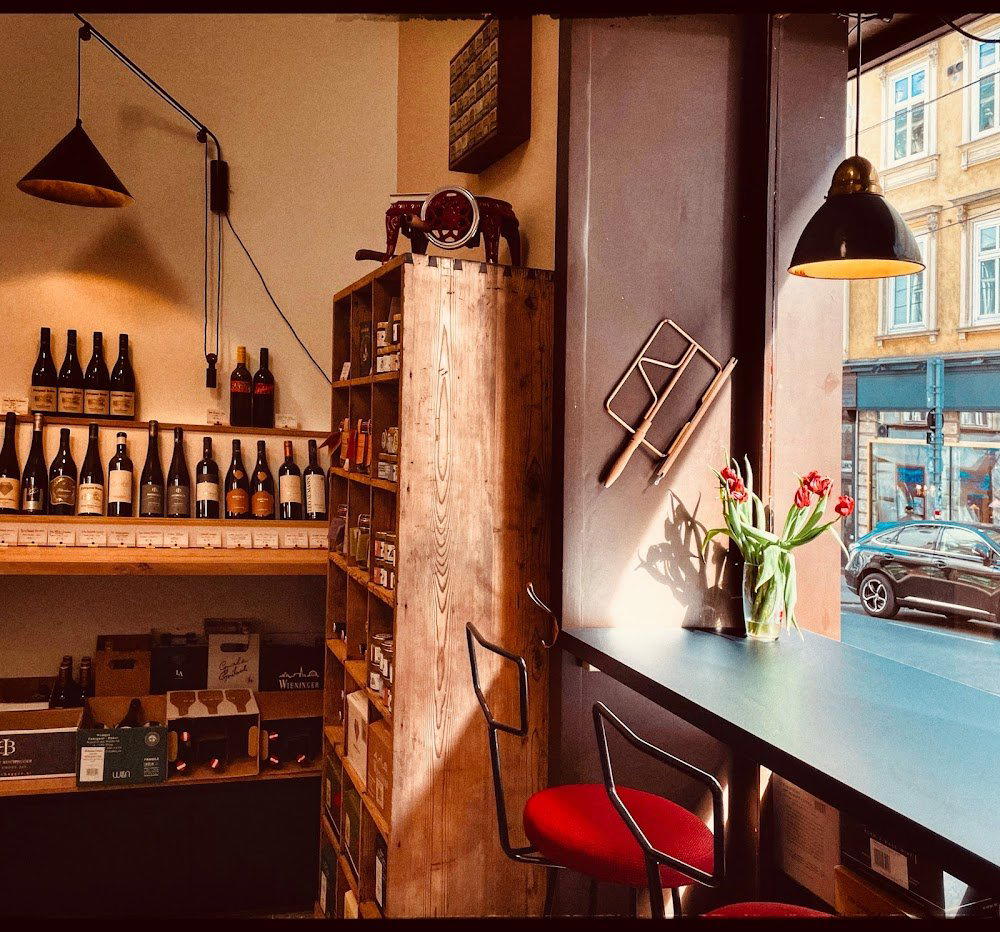
Neubau's Delikatessen Tradition
Walk along Neubaugasse on a weekday morning and the neighbourhood announces itself through its shop fronts: independent booksellers, small-batch ceramics studios, and the kind of specialist food shops that have been disappearing from inner-city Vienna for two decades. At number 71, Leitenbauer Delikatessen occupies this street-level role with the quiet confidence of a shop that has never needed to explain itself with signage. The physical approach matters here. This is a delikatessen in the older European sense of the word: a curated point of access to ingredients, not a casual café or a grab-and-go deli counter in the contemporary mould.
The seventh district, known as Neubau, sits between the Ringstrasse grandeur of the first district and the more residential character of the outer Gürtel belt. It draws a particular kind of Viennese resident and visitor: one who browses slowly, eats with some intention, and values provenance over presentation. Leitenbauer fits that neighbourhood logic precisely. It is not the place you arrive at for the spectacle; it is the place you return to because what it stocks is difficult to find elsewhere in Vienna at this density and with this level of curation.
The Sourcing Argument
Austrian delikatessen culture has always rested on a direct premise: proximity to notable raw materials. The country's geography, from Styrian pumpkin-growing country in the southeast to the alpine dairy farms of Vorarlberg and Tyrol, produces ingredients that rarely need elaboration. What a shop like Leitenbauer does is act as an editor of that geography, making selections that reflect both seasonal availability and a specific view of quality. The operative question for any delikatessen of this type is not what it sells in December, but what it sells in October when the season is peaking and the sourcing decisions are most visible.
This kind of ingredient-led model places Leitenbauer in a different conversation from Vienna's destination fine-dining rooms. Restaurants like Steirereck im Stadtpark or Mraz and Sohn draw from Austria's regional producers with considerable sophistication, translating those materials through tasting menus priced at €€€€. Leitenbauer operates in the same sourcing conversation but without the tasting-menu apparatus around it. What a kitchen like Konstantin Filippou or Amador transforms into a composed dish, Leitenbauer presents closer to its origin. Both approaches are legitimate arguments about how Austrian ingredients should be experienced. The delikatessen format simply makes a different case.
Beyond Vienna, this sourcing tradition is expressed in different registers across Austria. Döllerer in Golling an der Salzach has built its reputation on exactly this kind of regional specificity, as has Obauer in Werfen, where the menu has tracked Salzburg province's seasonal calendar for decades. Kräuterreich by Vitus Winkler in Sankt Veit im Pongau takes an almost botanical approach to alpine herbs and foraged material, while Landhaus Bacher in Mautern an der Donau represents the Wachau wine region's agricultural richness through its kitchen. The point is that Austria's fine-food culture, whether expressed through a restaurant counter or a shop shelf, draws from the same geography. Leitenbauer is part of that same network of producers, just without the white tablecloths.
Neubau as a Food Address
The seventh district has accumulated a density of independent food businesses that functions differently from Vienna's tourist-facing first district or the increasingly gentrified sixth. Neubau's food shops tend to serve a local clientele with genuine purchasing habits rather than curiosity traffic. That makes it a more reliable indicator of what Viennese residents actually want to buy and eat. A delikatessen that survives in this environment does so on repeat custom, which is a more demanding test of quality than tourist footfall.
For visitors approaching Vienna through its food culture, Neubau offers a complement to the destination-restaurant circuit. The neighbourhood delikatessen format is a different entry point: slower, more tactile, oriented toward what you might take home or eat simply rather than what arrives plated at a tasting counter. Other Austrian destinations with strong shop-and-eat cultures worth considering alongside a Vienna visit include Ikarus in Salzburg and the alpine restaurant addresses of Griggeler Stuba in Lech and Gourmetrestaurant Tannenhof in Sankt Anton am Arlberg.
Seasonal Timing and Practical Notes
Delikatessen shops of this type tend to track the Austrian agricultural calendar more honestly than restaurant menus, which can be engineered to suggest seasonality without fully committing to it. Autumn in Vienna, from late September through November, is when the sourcing argument becomes most legible: game, mushrooms, pumpkin, and the first of the new-vintage wines from Lower Austria and Burgenland all move through shops like Leitenbauer with a specificity that reflects the actual state of the harvest. Visiting during this window means the shop's editorial point of view is operating at full capacity.
Neubaugasse is accessible directly from the U3 line at Neubaugasse station, placing Leitenbauer within comfortable walking distance of the city centre without requiring a taxi or tram transfer. The shop sits at number 71, at the quieter end of the street where foot traffic thins and the browsing pace slows accordingly. No booking is required. For comparable independently-minded food addresses outside Austria, Le Bernardin in New York City and Atomix in New York City represent the American spectrum of ingredient-obsessed eating, though through entirely different formats. Doubek, Ois in Neufelden, Schwarzer Adler in Hall in Tirol and Restaurant 141 by Joachim Jaud in Mieming extend the Austrian picture further into the regions.
Peers in This Market
Comparable venues nearby, for context on price, style, and recognition.
| Venue | Cuisine | Price | Notes |
|---|---|---|---|
| Leitenbauer DelikatessenThis venue — the venue you are viewing | Austrian Sausage Deli | $$ | Not listed |
| Futterboden | Viennese-Mediterranean Fusion | $$ | Rudolfsheim |
| Gasthaus am Spittelberg | Traditional Austrian Gasthaus | $$ | Hofburg |
| Oswald & Kalb | Traditional Viennese | $$$ | Innere Stadt |
| Marienhof | Traditional Viennese Cuisine | $$ | Hofburg |
| Wiener Würstelstand | Austrian Sausage Stand | $ | Mariahilf |
Continue exploring
More in Vienna
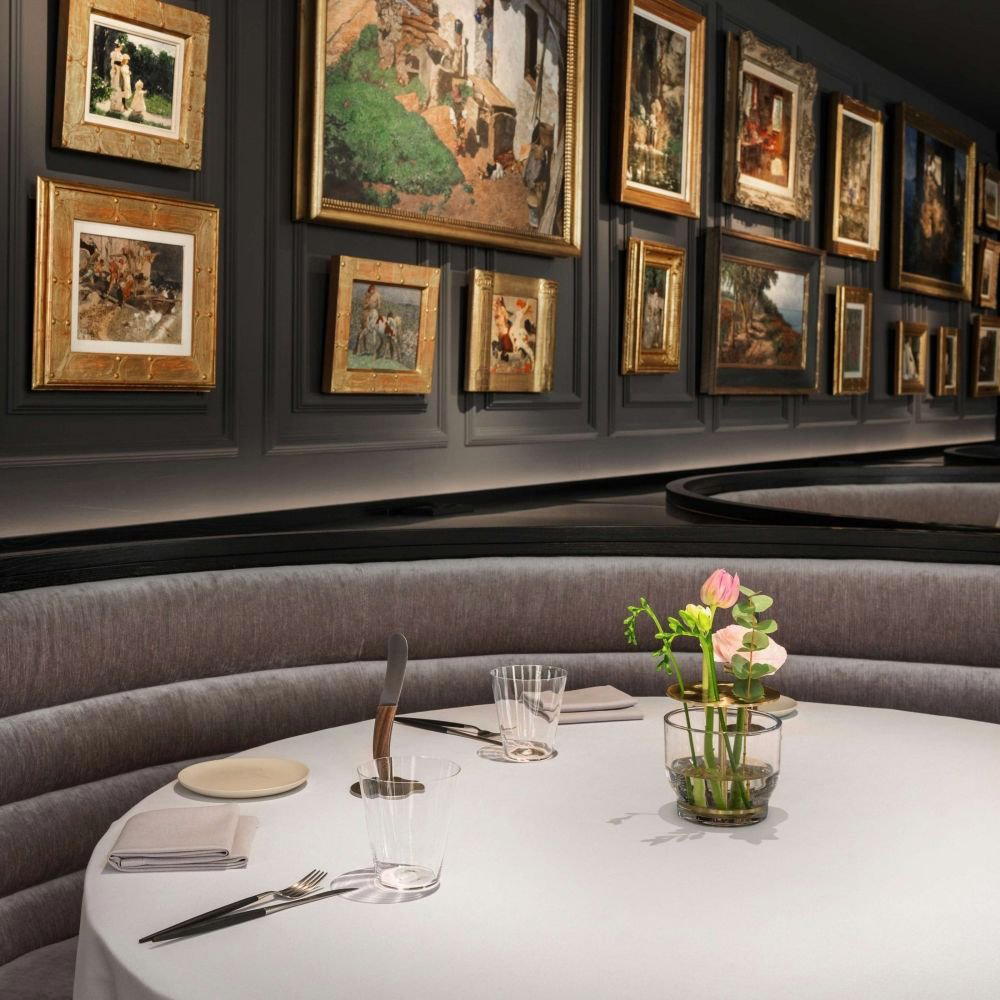
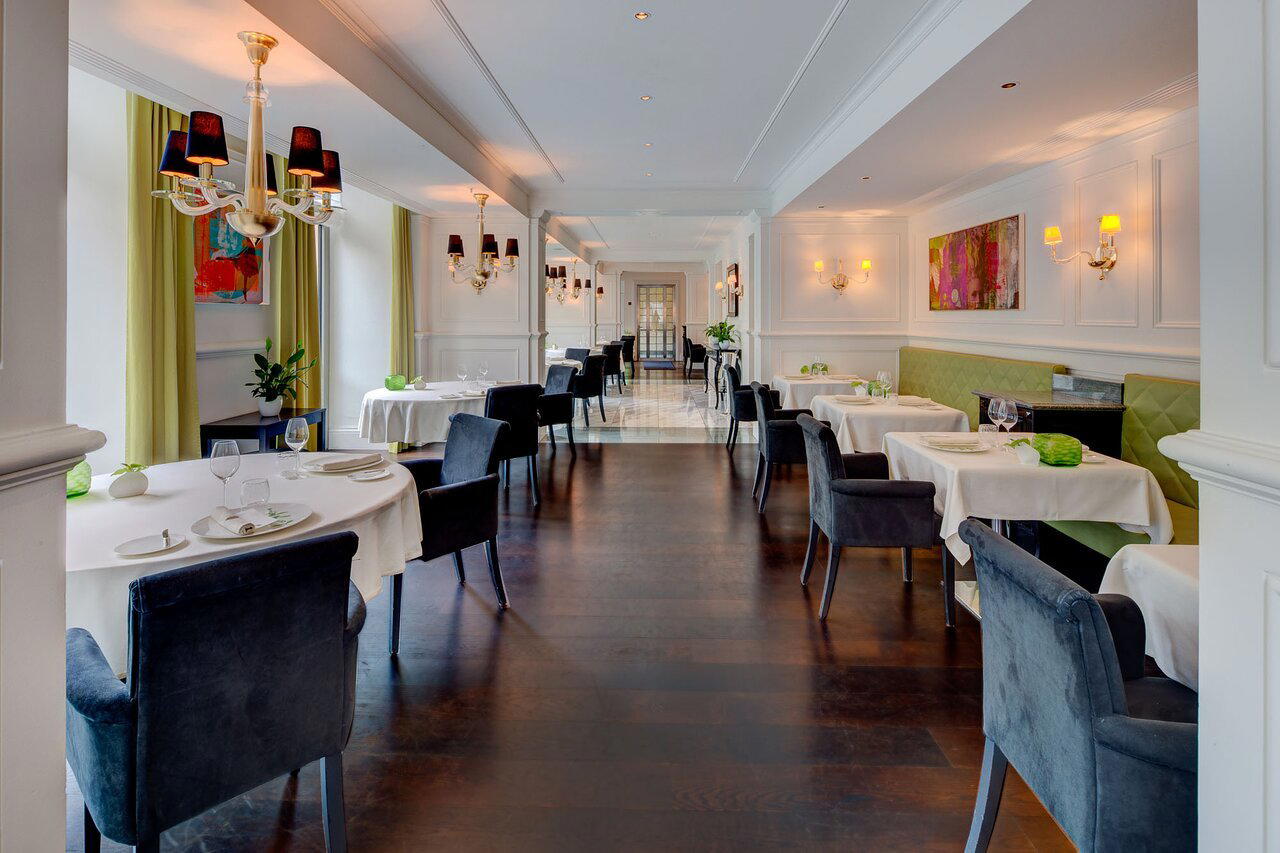
Restaurants in Vienna
Browse all →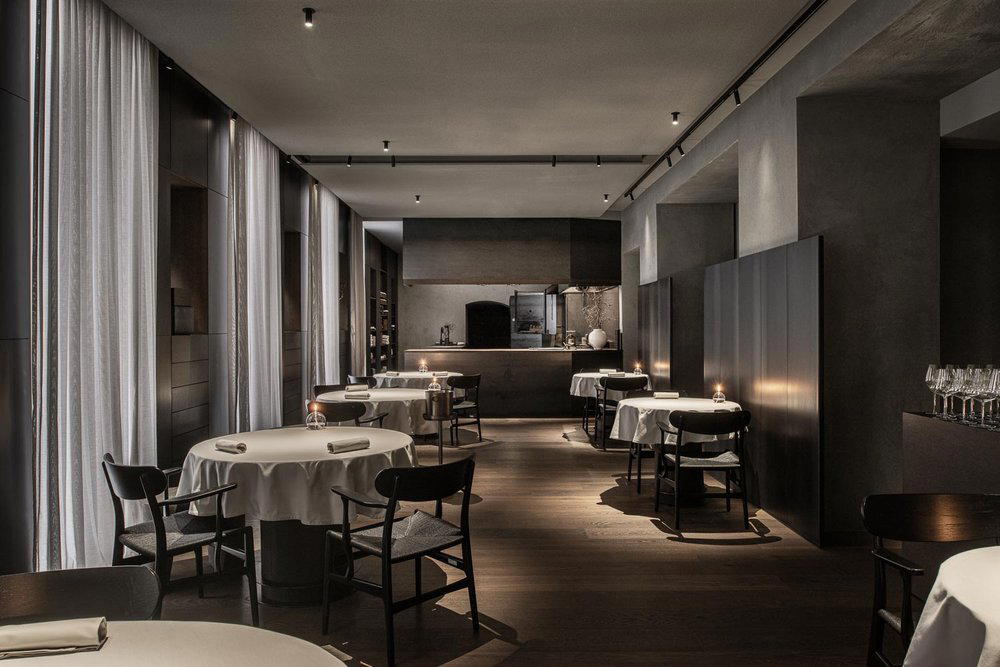
![[aend] restaurant in Vienna](https://cdn.enprimeurclub.com/storage/v1/object/public/images/locations/recsVyRkMfzCxPmp0/hero2.jpg?width=3840&quality=75)
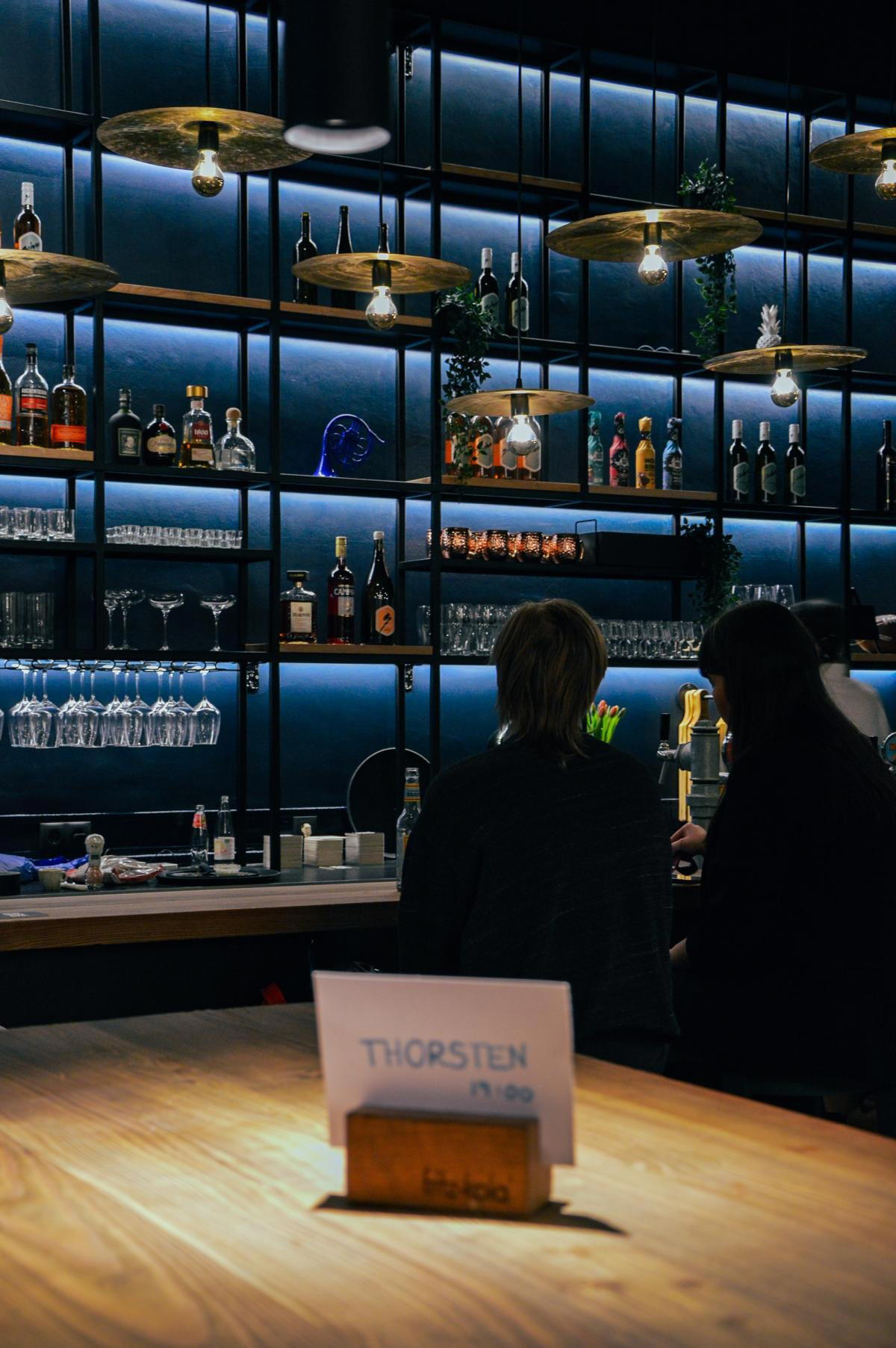
Bars in Vienna
Browse all →
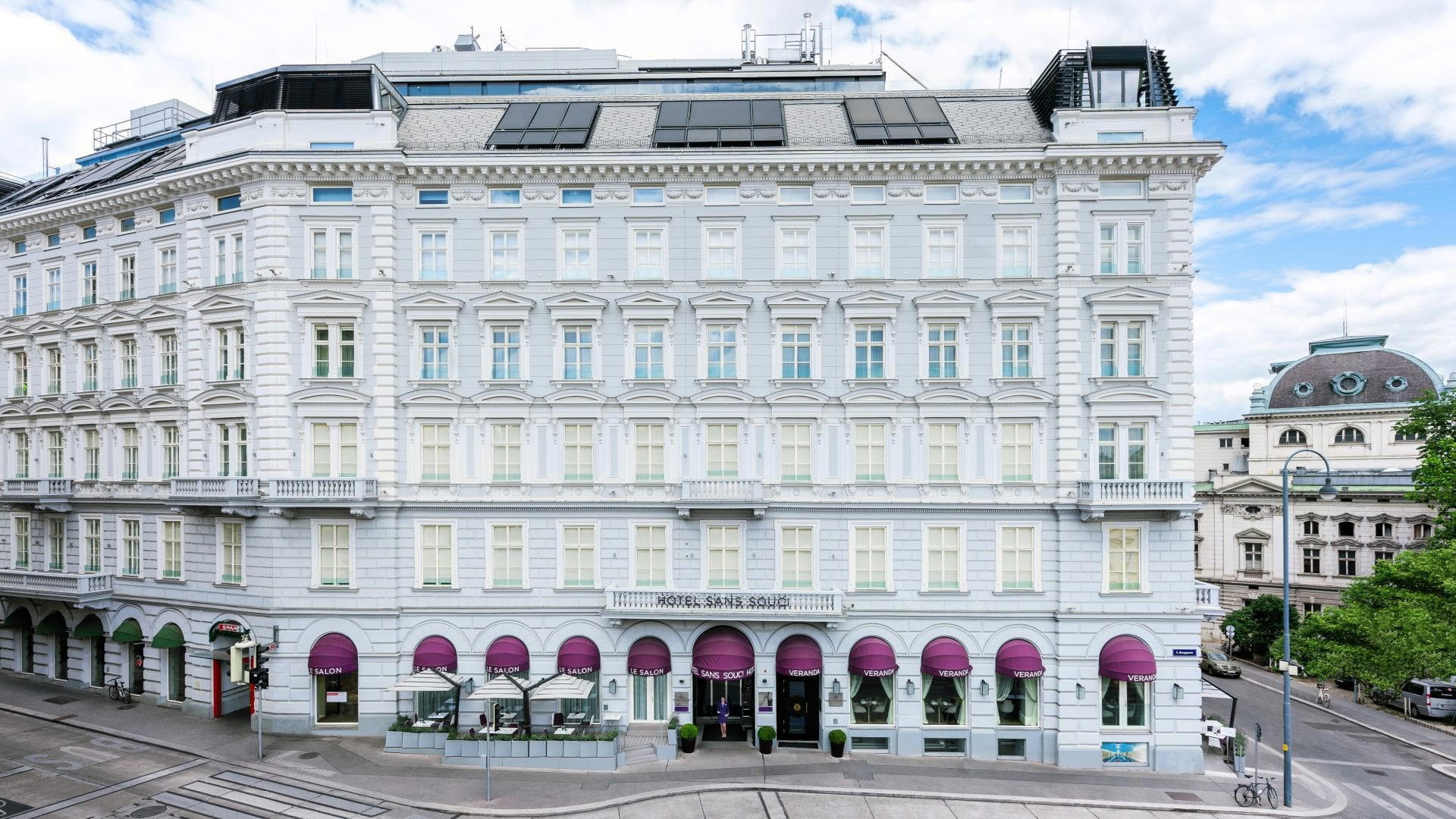
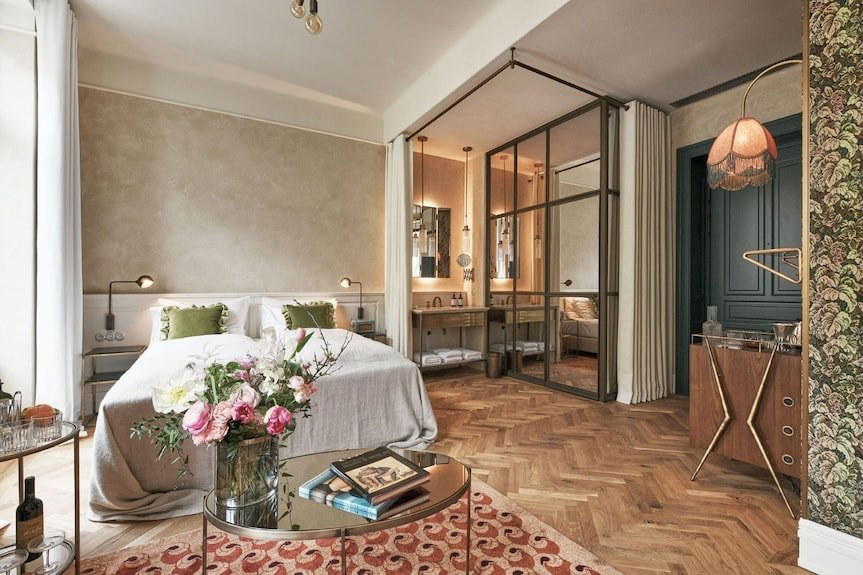
Hotels in Vienna
Browse all →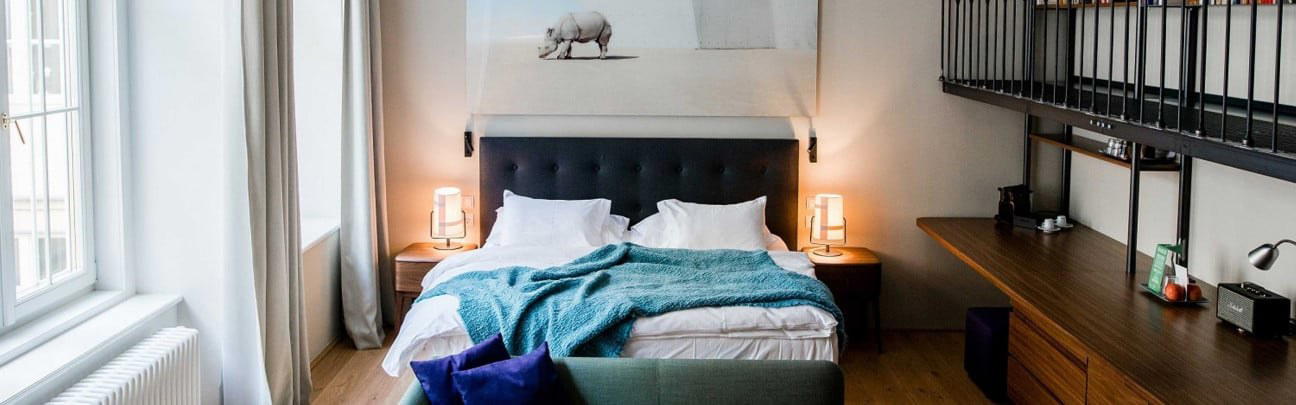
At a Glance
- Cozy
- Rustic
- Casual Hangout
- Local Sourcing
Current opening hours
- Monday
- 11 AM–7 PM
- Tuesday
- 11 AM–7 PM
- Wednesday
- 11 AM–7 PM
- Thursday
- 11 AM–7 PM
- Friday
- 11 AM–7 PM
- Saturday
- 11 AM–4 PM
- Sunday
- Closed
Hours can change for holidays and private events. Last verified .
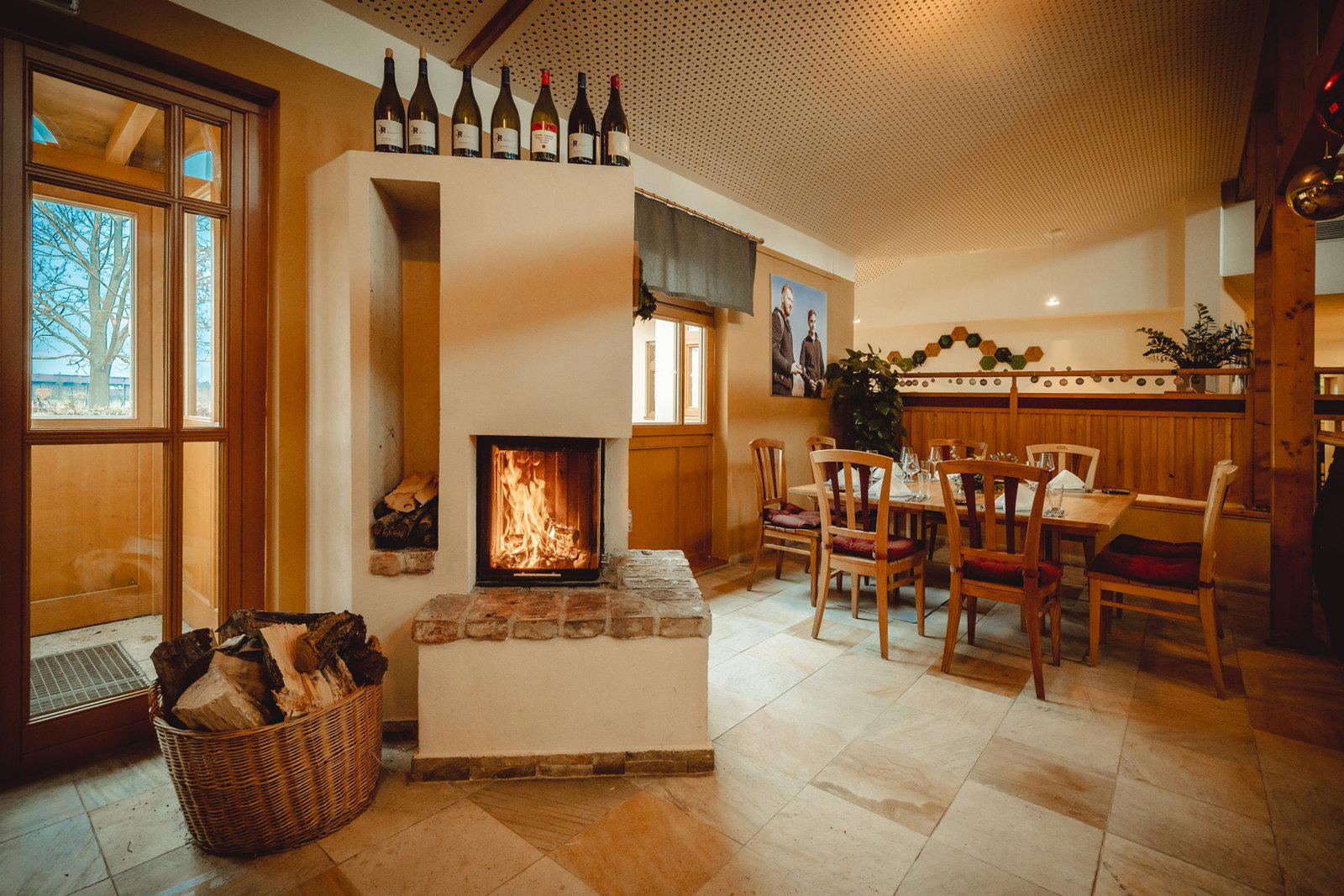
Lively atmosphere with the buzz of customer chatter and diverse orders in a cozy, traditional delicatessen setting.