
Bikkuri Tei Honke Honten belongs to Fukuoka’s everyday dining register rather than its luxury circuit: a cafeteria-format house restaurant in Hakata Ward with 56 seats, take-out, and Tabelog 100 Diner recognition for 2026. The appeal is practical and local in tone, with counter and table seating, non-smoking service, and pricing in the JPY 1,000–1,999 band.
Pearl is the En Primeur Club membership app — saves, bookings, and concierge access live there. Same editors, same standards.
- Address
- 2 Chome-8-12 Kotobukimachi, Hakata Ward, Fukuoka, 812-0884, Japan
- Phone
- +81 92-571-0692
- Website
- bikkuritei-honke.com
 Saves & bookings on Pearl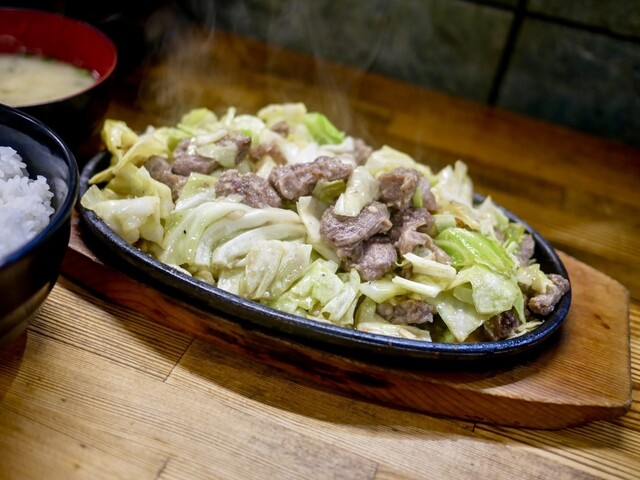
Approaching a Fukuoka cafeteria of this kind, the first cue is not ceremony but function: a house-restaurant setting, quick turnover, counter seats for solo diners, tables for groups, and the practical rhythm of a neighbourhood room built around repeat meals rather than tasting-menu suspense. Bikkuri Tei Honke Honten sits in that register. It belongs to the city’s democratic food culture, where value, speed, and a clear house specialty often matter more than the choreography that defines sushi counters such as Morita or destination reservation rooms.
Fukuoka’s dining identity is often flattened into ramen shorthand, but the city’s stronger lesson is breadth. The same metro area can support sushi, curry houses, cafeteria counters, fry shops, South Indian cooking, izakaya-style rooms, and late-night casual dining without forcing them into the same hierarchy. For a wider map of that spread, Our full Fukuoka restaurants guide is the better lens than any single genre. Within that spread, Bikkuri Tei Honke Honten is not trying to compete with high-ticket omakase. Its competition is the daily-meal category: places where a diner can arrive hungry, eat plainly, and leave without treating the meal as an event.
Fukuoka cafeteria cooking, judged by sourcing logic rather than ceremony
The ingredient question in this tier is different from the one asked of luxury restaurants. Fine dining often advertises provenance by naming farms, fishermen, or aging programs. Cafeteria cooking tends to prove itself through repetition: ingredients have to survive volume, heat, take-out, and regular custom. The sourcing signal is therefore less about rare product and more about whether the kitchen can keep a narrow, satisfying proposition consistent across a long service window.
That is why the Tabelog 100 Diner 2026 selection matters. It places the restaurant inside a category where user attention and everyday credibility carry weight, not a trophy circuit built around white tablecloth dining. A Tabelog score of 3.67 reinforces the same point: in Japan’s restaurant-rating culture, that figure can be meaningful for a casual room, especially outside the international fine-dining frame. The award category is Diner, and the listed category is cafeteria, which tells the reader how to calibrate expectations before walking in.
In Fukuoka, this kind of room also sits between two travel habits. Visitors chasing a single regional food often miss the city’s working restaurants, while locals use them as part of ordinary life. That divide is visible across the wider Fukuoka list: Aji Furai Shokudo Kaba points toward the city’s fried-fish cafeteria culture, Aji no Katsueda reflects another branch of casual Japanese dining, and 106 South Indian Fukuoka tenjin ten shows how non-Japanese regional cooking has entered the city’s daily dining circuit. The useful comparison is not glamour; it is how each place answers a specific hunger.
A room built for repeat use, not performance dining
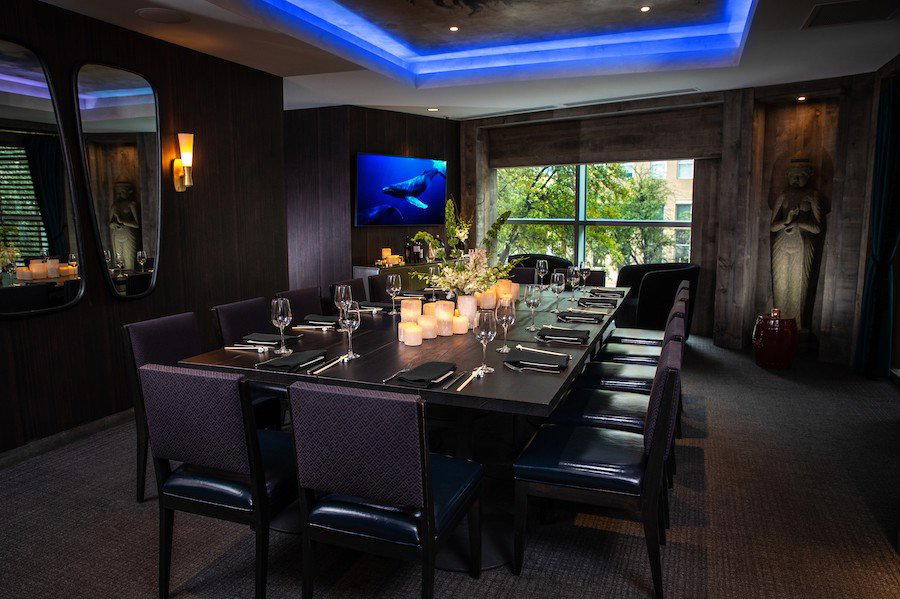
The format is unusually clear. There are 56 seats, divided between 6 counter seats and 50 table seats, with tatami room facilities also listed. Private rooms and private use are unavailable, which suits the broader category: this is a shared-room restaurant, not a controlled private-dining environment. Non-smoking status, parking, and take-out widen the practical audience, while QR code payment options sit alongside a cash-sensitive payment reality, since credit cards and electronic money are not accepted.
Reservations are unavailable, another important signal. In Fukuoka’s higher-end dining, access often depends on advance planning, local language confidence, or a hotel concierge. Here, the format pushes in the opposite direction. It rewards timing and flexibility rather than long-lead booking. That makes it useful for travellers who have already allocated harder reservations elsewhere, especially if the trip also includes more structured rooms such as Aji Dokoro Taro Gen Sougyou ten or more genre-specific dining like Afterglow.
There is also a neighbourhood point here. Hakata Ward is not only a transit and business district; it is where Fukuoka’s eating habits become legible at street level. Restaurants around stations and bus stops often carry a mixed audience of workers, friends, solo diners, and families. The listed occasion, friends, fits that pattern. The meal is framed less as a destination pilgrimage than as a social, affordable stop in a city where casual restaurants can have serious local reputations.
How to place it on a Fukuoka itinerary
For a first-time visitor, Bikkuri Tei Honke Honten makes sense as a counterweight to meals planned around prestige. Put it beside, not below, Fukuoka’s more formal addresses. The contrast sharpens the trip: a sushi reservation such as Morita expresses craft through sequence and product control; a cafeteria selection in Hakata Ward expresses the city through repetition, access, and appetite. Both can teach something, but they teach different things.
The broader itinerary should also account for the city beyond restaurants. Our full Fukuoka hotels guide helps sort the base, while Our full Fukuoka bars guide, Our full Fukuoka wineries guide, and Our full Fukuoka experiences guide map the after-dinner and non-restaurant side of the city. Travellers building a wider Japan dining route can place this Fukuoka stop against casual and specialist rooms elsewhere, from -Grilled beef Sukiyaki- KAMAKURA TANUKIAN 鎌倉 たぬき庵 in Kamakura and. 鮪と炭火焼き うお炭 秋葉原店 in Tokyo to.cafe in Osaka.know in Kumamoto, (Shoku) Vietnam in Kawasaki, and [Curry Senmon Ten] Maruyama Kyoju. in Sapporo. For readers tracking Japanese food culture abroad, Jōdo Saké Bar in Los Angeles and Onigiri Time in Pasadena show how different formats travel.
The editorial call is simple: this is a useful Fukuoka address for understanding how a low-price, high-utility dining room can earn serious recognition without changing its category. The value is not luxury camouflage. It is the clarity of a cafeteria format treated with enough consistency to land on the 2026 Tabelog 100 Diner list.
At-a-Glance Comparison
Comparable venues by cuisine and price in the same metro.
| Venue | Cuisine | Price | Notes |
|---|---|---|---|
| Bikkuri Tei Honke HontenThis venue — the venue you are viewing | Japanese Teppan Yakiniku | $ | Not listed |
| Fukuchan Ramen Taguma honten | Traditional Hakata-style tonkotsu ramen shop | $ | Sawara |
| Yamachan Nakasu ten | Nagahama ramen izakaya | $ | Hakata |
| Udon Taira | Traditional Hakata Udon | $ | Hakata |
| æç åç¿ | Japanese Coffee House | Not listed | Chūō |
| Tonkatsu Wakaba | Tonkatsu (Japanese pork cutlet) | $$ | Chūō |
Recognition history
Dated appearances from independent guides and award organizations, with the underlying list record or original source where available.
Tabelog 100 #4 · No. 4
Tabelog · Tabelog 100 - Diner - 2026
At a Glance
- Classic
- Cozy
- Well Known
- Casual Hangout
- Family
- Group Dining
- Solo
- Late Night
- Standalone
- Historic Building
- Beer Program
Current opening hours
- Monday
- 11:15 AM–11:30 PM
- Tuesday
- 11:15 AM–11:30 PM
- Wednesday
- 11:15 AM–11:30 PM
- Thursday
- 11:15 AM–11:30 PM
- Friday
- 11:15 AM–11:30 PM
- Saturday
- 11:15 AM–11:30 PM
- Sunday
- 11:15 AM–11:30 PM
Hours can change for holidays and private events. Last verified .
A casual, long-running local soul-food restaurant with a relaxed, family-friendly, house-restaurant feel and lively teppan service.